List of described attractions by provinces and territories
Canada is divided into 10 provinces and 3 territories.
Provinces of Canada
| Alberta | ||
| British Columbia | ||
| Manitoba | ||
| New Brunswick | ||
| Newfoundland and Labrador | ||
| Koror and Rock Islands | ||
| Nova Scotia | ||
| Ontario | ||
| Prince Edward Island | ||
| Quebec | ||
![]() | Pingualuit crater | Impact craters |
| Saskatchewan | ||
Territories of Canada
| Northwest Territories | ||
| Nunavut | ||
![]() | Inuksuk Point | Cairns, Megaliths |
| Yukon | ||
Canada - map
Wikipedia article about Canada
Featured:
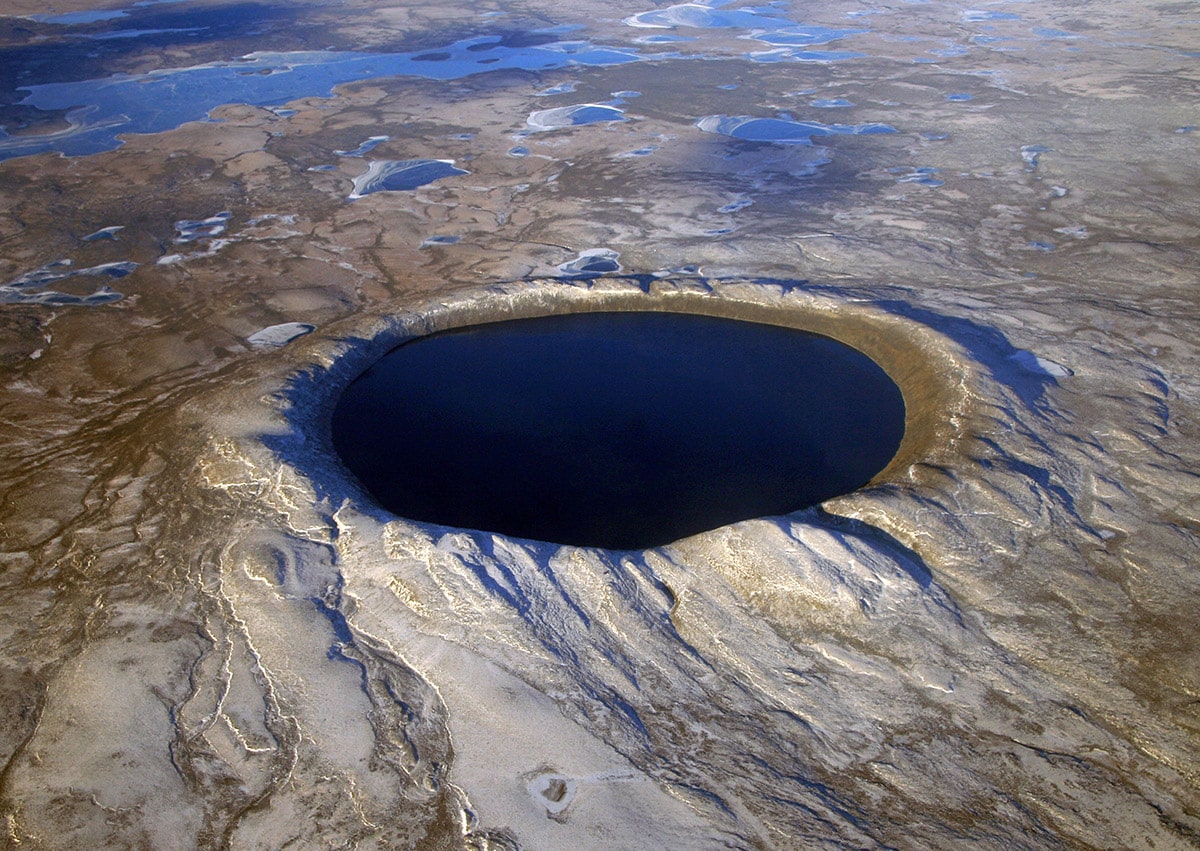
Pingualuit crater
Pingualuit crater.
NASA, Wikimedia Commons, public domain.
Ungava Peninsula has a true natural wonder - Pingualuit crater. This is one of most impressive impact craters on Earth, possibly - the most impressive one.
Main attractions
The second largest country in world (by size) has plenty of landmarks and wonders to offer.
Natural landmarks
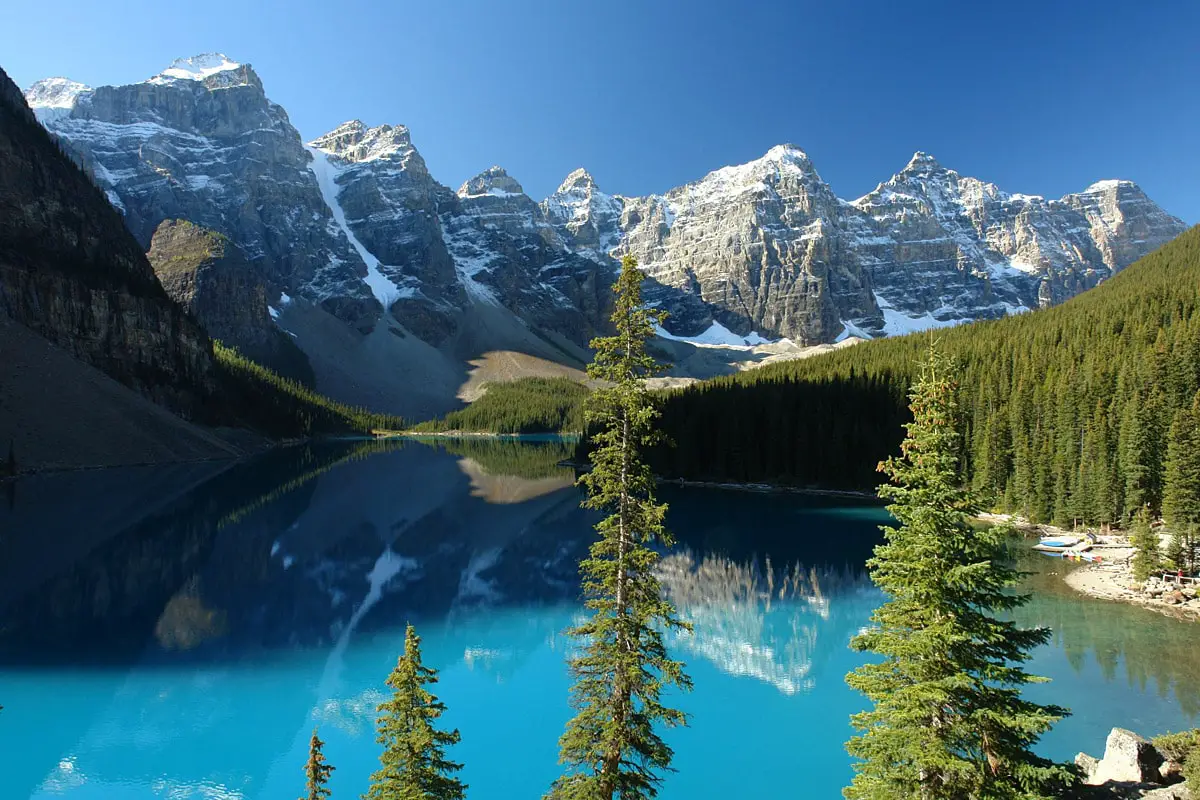
Moraine Lake in Banff National Park.
Satoru Kikuchi, Flickr / CC BY 2.0
Nature of Canada is characterised with rugged, wast and often - snow covered and desolate landscape. In spite of being one of the most advanced countries of the world Canada is surprisingly little investigated and we may be assured that there will be made exciting discoveries of new impressive attractions in this country.
Mountain scenery of Western Canada provides some of the most beautiful scenery in the world with such beautiful scenic spots as the landscape around the Moraine Lake. Meanwhile the immense space of Canadian North provides such otherwordly scenery as the unbelievable Mount Asgard.
Canyons and cliffs
- Mount Asgard - Nunavut, Baffin Island. Impressive granite formation, consisting of two flat-topped cylindrical towers with abrupt sides.
- Dragon Cliffs - Nunavut, Axel Heiberg Island. Very impressive flood basalt cliff rising several hundred meters above the Expedition Fiord.
- Headwall Canyon - British Columbia, Toba Inlet. One of most impressive and beautiful canyons with at least 15 glacially fed waterfalls. The most impressive is Francis Falls - powerful, circa 580 - 600 meters high waterfall.
- South Nahanni Canyons - Northwest Territories. Extremely impressive canyons named consequently - First, Second, Third and Fourth Canyon. Haunted place with true stories about the mysterious deaths of gold prospectors.
- Mount Thor - Nunavut, Baffin Island. Granite cliffs with the possible highest vertical drop on Earth - 1250 meters high, average angle 105 degrees.
Caves and sinkholes
- Castleguard cave and spring - Alberta. Longest explored cave in Canada, 20,357 m long (in 2007). The only known cave with glacial plugs in back passages pushed in by icefield above the cave. Spectacular spring emerging from this cave - it is subterranean drain of Columbia icefield.
- Vermilion Creek sinkhole - Northwest Territories. Very impressive and enormous sinkhole.
Waterfalls
- Alfred Creek Falls - British Columbia. Circa 700 meters tall and 30 meters wide fall droping off of the Alfred Glacier. One of the highest falls in North America.
- Deserted River Falls - British Columbia. Possibly the highest waterfall in North America, with 670 m single drop and several more cascades possibly totalling up to 830 meters.
- Francis Falls - British Columbia. A powerful, approximately 650 metre high waterfall, belonging to a larger group of very impressive waterfalls.
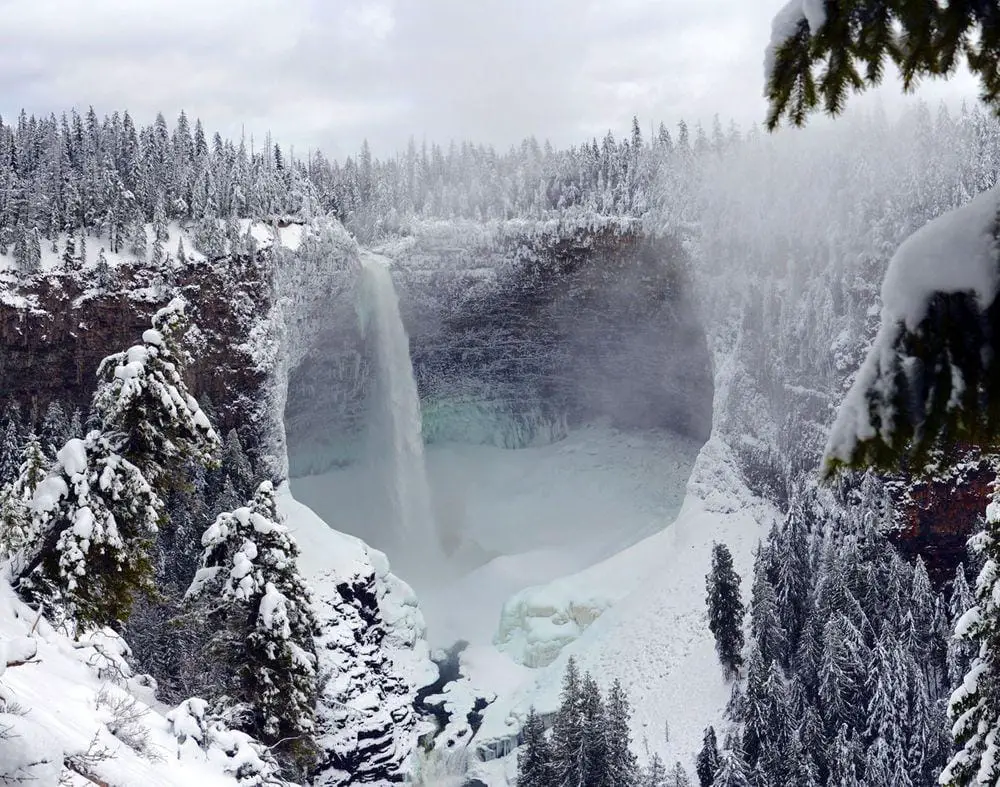
- Helmcken Falls - British Columbia. Beautiful, powerful waterfall, 141 m high vertical plunge. medium width - 23 meters.
- Hunlen Falls - British Columbia. A very picturesque and impressive waterfall, which leaves the lake in a 26 metre wide stream and plunges 374 metres into a deep canyon.
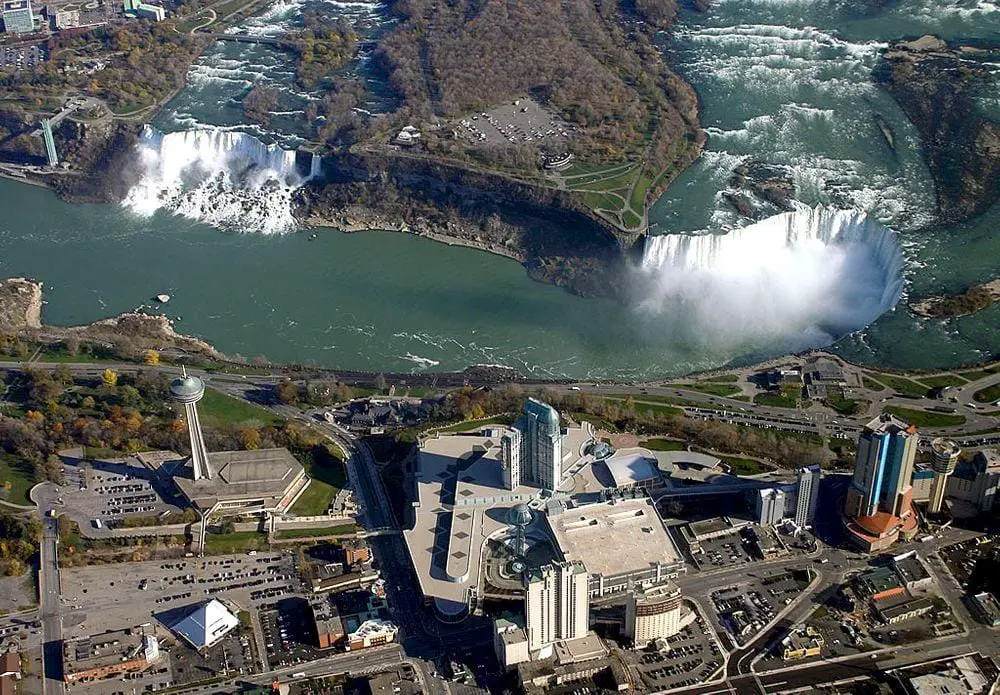
- Niagara Falls - Ontario in Canada and New York in United States. The most popular waterfall in world is 51 metres high and 1203 metres wide. The shape of the waterfall and its proportions have become synonymous with the word "waterfall".
- Pissing Mare Falls - Newfoundland. Highest falls in eastern North America, very impressive 350 metres high falls falling in freshwater fiord - Western Brook Pond.
- Reversing Falls - New Brunswick. Series of rapids in the Saint John River. Here the river flows through narrow gorge in the Bay of Fundy. Bay of Fundy has some of the highest tides in the world and this causes unusual phenomenon - during the high tide water flows inland through the rapids, at low tide it flows back to the sea.
- Schwartzenbach Falls - Nunavut, Baffin Island. These 520 metre falls (tallest single drop - circa 200 metres) are special due to their location: they are possibly the most remote and the most northern large falls in world.
Takakkaw Falls.
brilang, Flickr / CC BY-SA 2.0 - Skookumchuck Rapids - British Columbia. Powerful marine rapids at the endrance of Sechelt Inlet. During the tides the difference of seawater level can exceed 2 meters and seawater here flows with a speed up to 33 km/h.
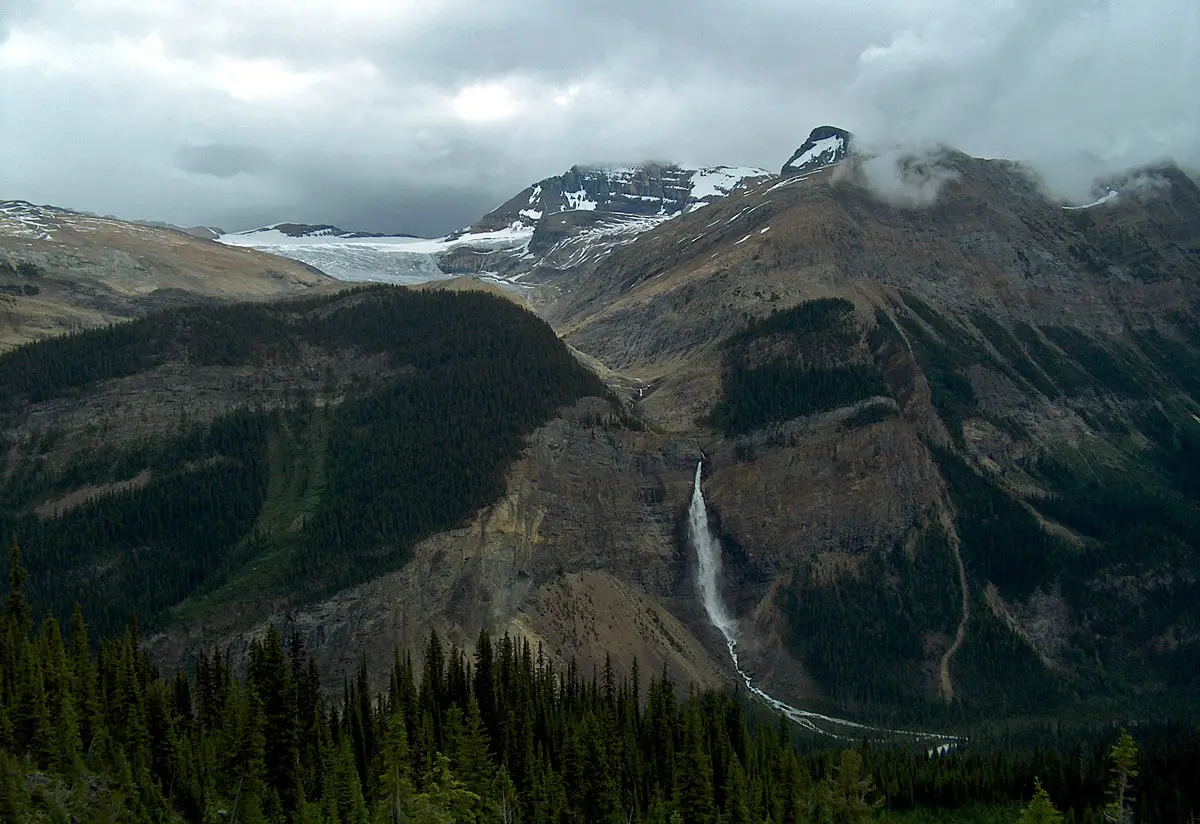
- Takakkaw Falls - British Columbia. These are very beautiful falls with a total height of 380 metres and the highest drop at 260 metres.
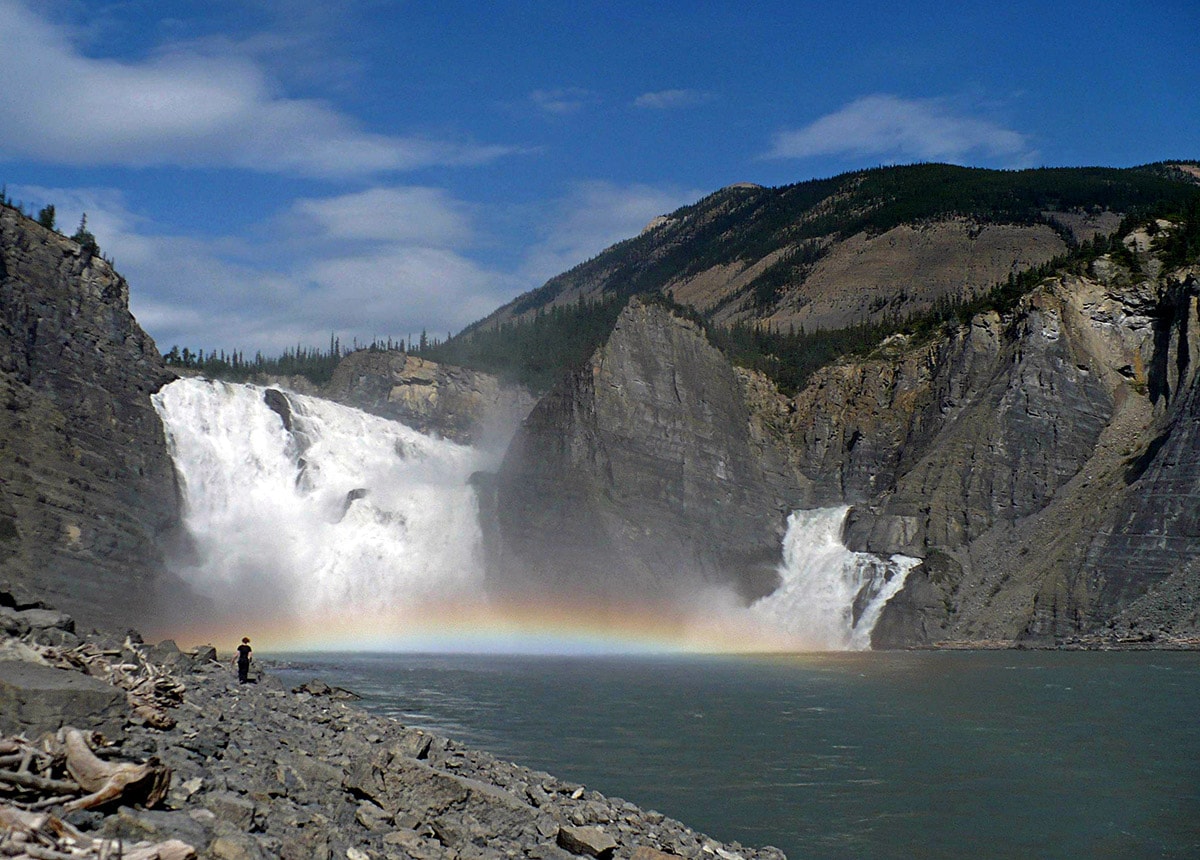
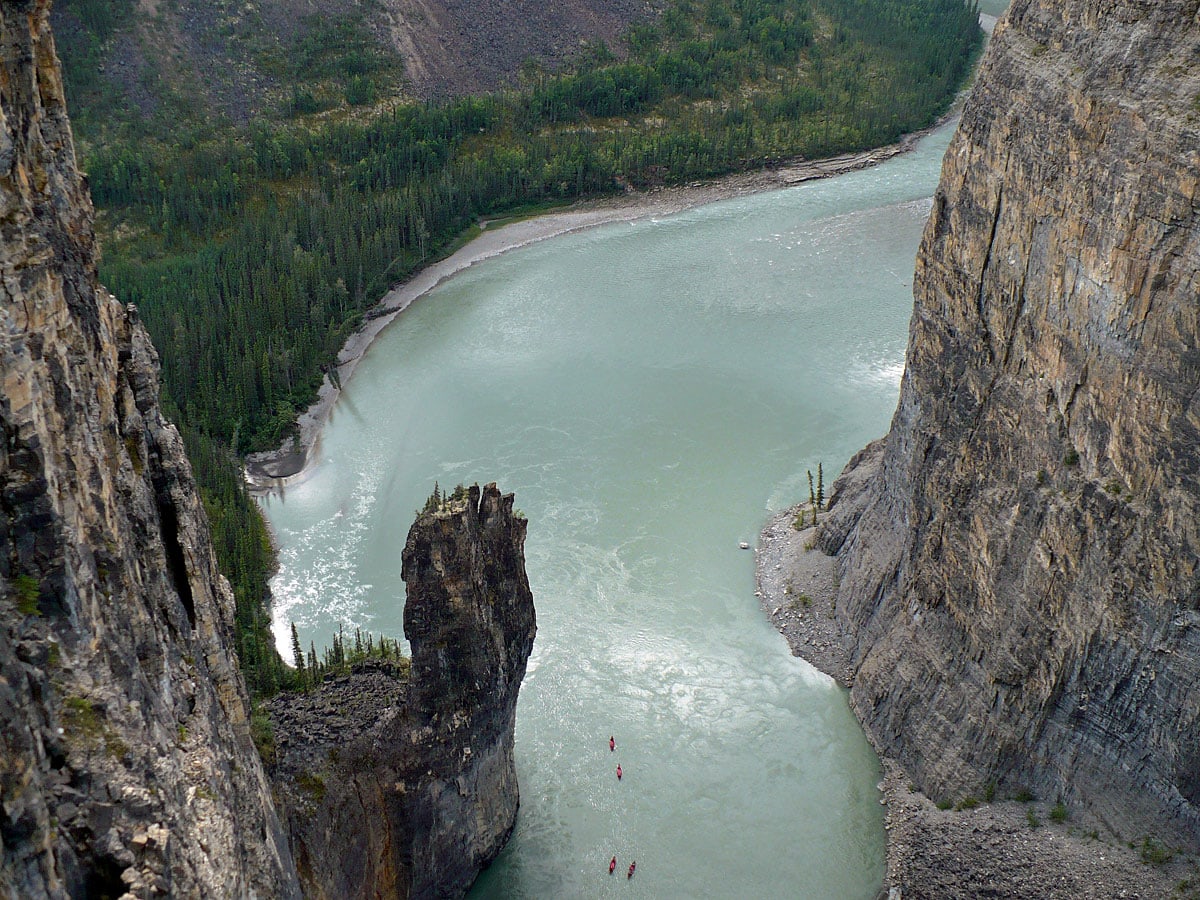
- Virginia Falls - Northwest Territories. Last primeval large waterfall in North America. Here the powerful South Nahanni falls 90 meters. Spire of rock - Mason's Rock - standing in the middle of falls.
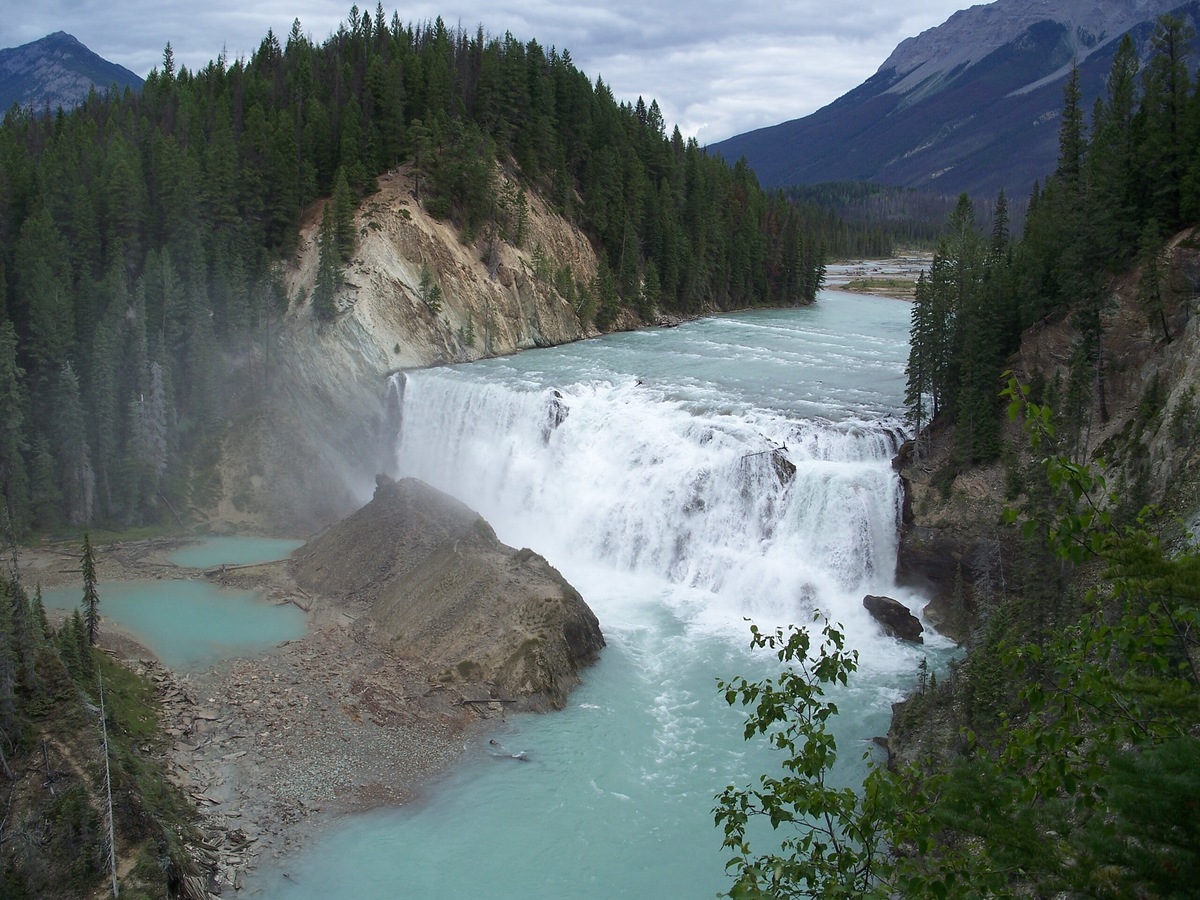
- Wapta Falls - British Columbia. One of most powerful falls in Canada, Kicking Horse River here falls some 30 metres high, width of waterfall 150 m.
Springs
- Banff Springs - Alberta. Nine sulphurous thermal springs, contain species of endemic freshwater snail Physella johnsoni.
- Liard River Hot Springs - northern part of British Columbia. The hot water (42 - 52 °C) of these powerful springs helps to sustain the unusually rich biotope with many southern species that are unusual for this harsh northern area.
- Maligne Canyon springs - Alberta. Karst springs of periodic changes in water quantity. In winter, while passing the water of Medicine Lake the output of 60 springs might exceed 65 m3 per second.
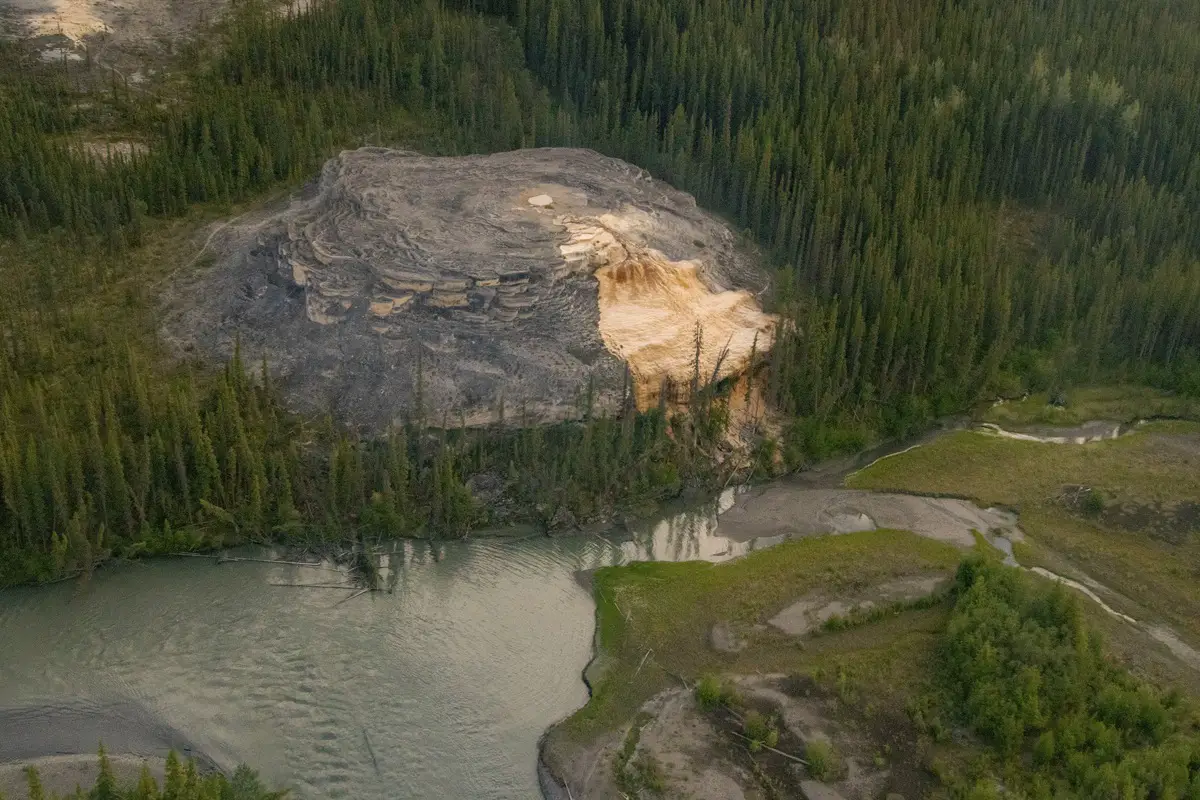
- Rabitkettle Hotsprings - Northwest Territories. Hot sulphuric springs, mineralised water has shaped the largest tufa mounds in Canada - up to 30 m high.
Finds of fossils
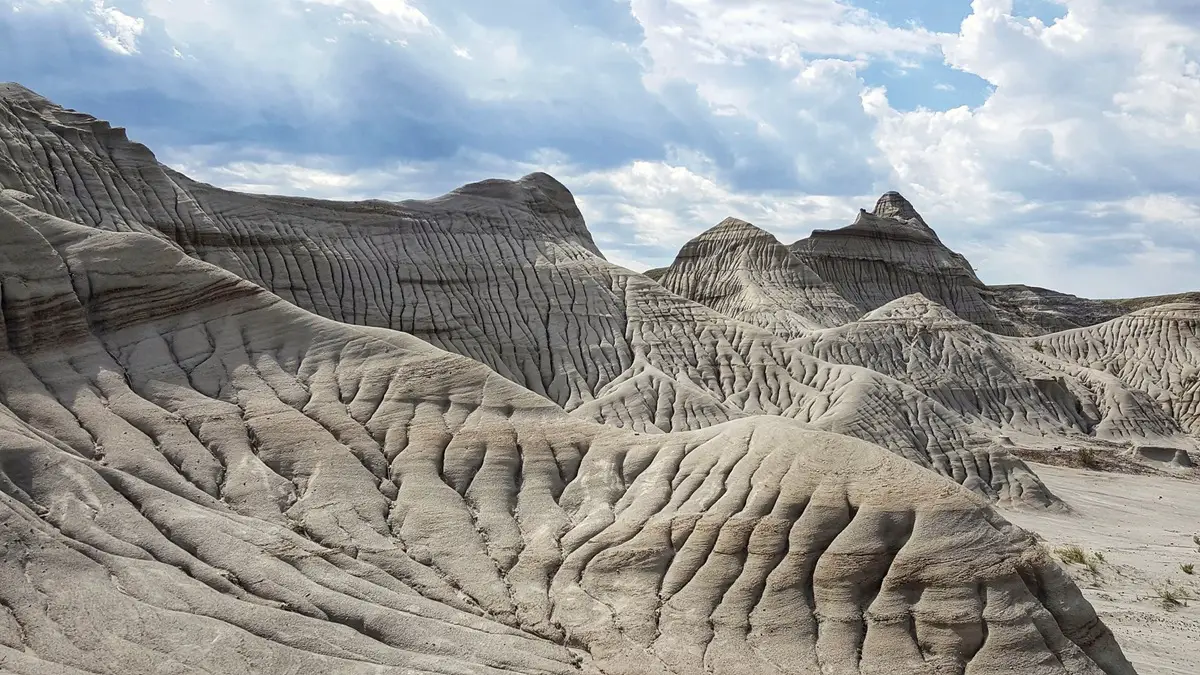
- Dinosaur Provincial Park - Alberta. Badlands in Red Deer River are world famous due to extremely rich finds of fossils, including more than 500 specimens of dinosaurs. Here have been found fossils of more than 500 extinct species of life. Important site also due to biodiversity values, including several species of cactus.
- Joggins Fosil Cliffs - Nova Scotia. This impressive coastal exposure of Pennsylvanian time has played important role in the development of evolution theory and modern geology. Findings by Sir Charles Lyell put basis for modern geology, information from the site have been used by Darwin and Huxley. Coal bearing cliffs provide excellent fossils up to this day.
- Miguasha Fossil Site - Québec. Unique deposits of Devonian fishes and plants, richest source of investigations of Devonian period in the world.
- Walcott Quarry - British Columbia. One of most interesting and richest fossil finds in world. 505 million years old, Middle Cambrian black shale - named Burgess Shale - contains fossils of soft parts of extinct animals. Tens of thousands of fossils have been found providing that rich scientific material which to large extent has not been processed yet. Many fossils of unusual animals, for example with five eyes, or the unusual, nonsensical animal Hallucigenia.
Other geological monuments
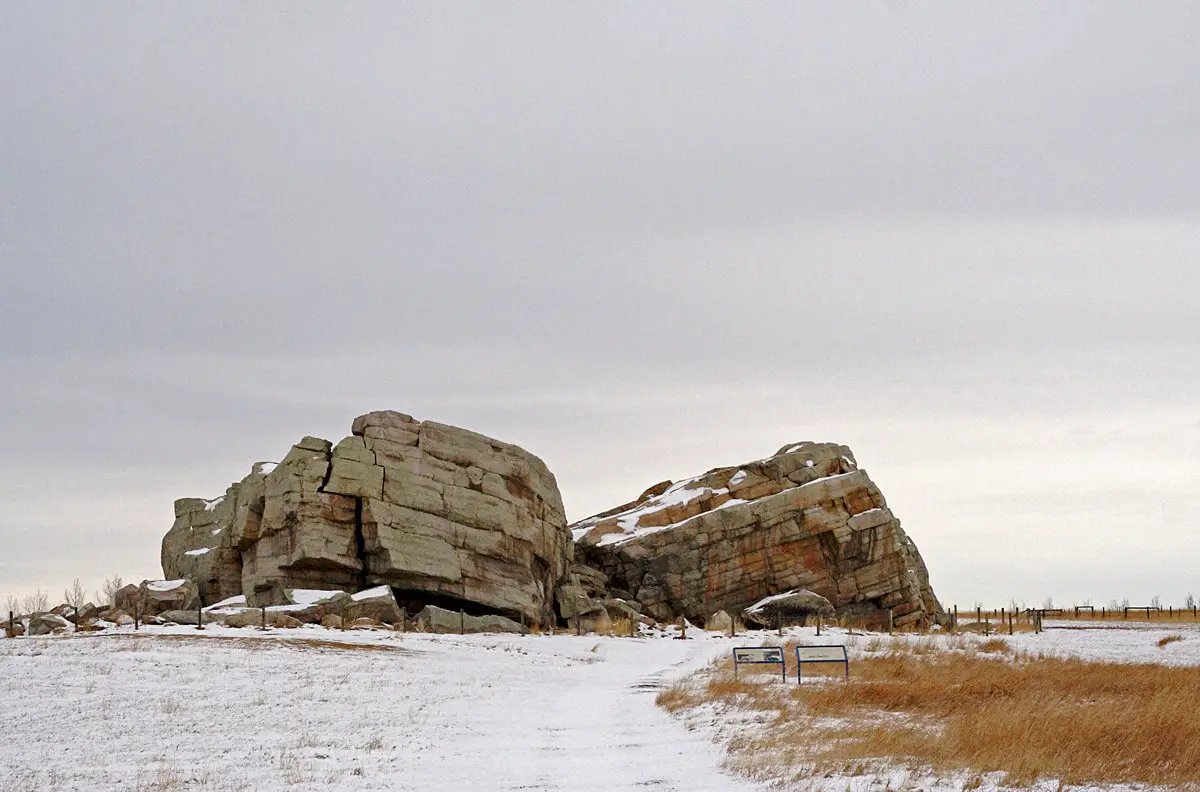
- Big Rock (Okotoks Erratic) - Alberta. Enormous glacial erratic weighing 15,000 tons, one of the largest known glacial erratics in world.
Okotoks Big Rock.
D'Arcy Norman, Flickr / CC BY 2.0 - Kicking Horse River Natural Bridge - British Columbia. Impressive, beautiful limestone formation - natural bridge. Under the limestone bridge there waterfall of the Kicking Horse River.
- Manicouagan Crater - Quebec. Enormous impact crater, created some 228 million years ago by approximately 5 km large asteroid hitting the Earth with incredible speed - 17 kilometres per second. Multiple ring structure with 100 km diameter. Especially well visible is the unusual ring-shaped Manicouagan Reservoire with the second largest lake island of the world in the middle - René-Levasseur Island. Island for most part is covered with old-growth forest.
- Moraine Lake - Alberta. One of most iconic scenic spots in the world, unusually blue colored lake with surrounding extremely beautiful mountains mirrored in it.
- Percé Rock - Quebec. Unusual limestone stack - small island with sheer cliffs with 15 metre high natural arch near seaward end of island.
- Pingualuit Crater (Chubb Crater) - Quebec. Impressive, 3.44 km wide impact crater, 1.4 million years old. Crater is filled with 267 m deep lake, one of the most transparent lakes in the world.
Biotopes
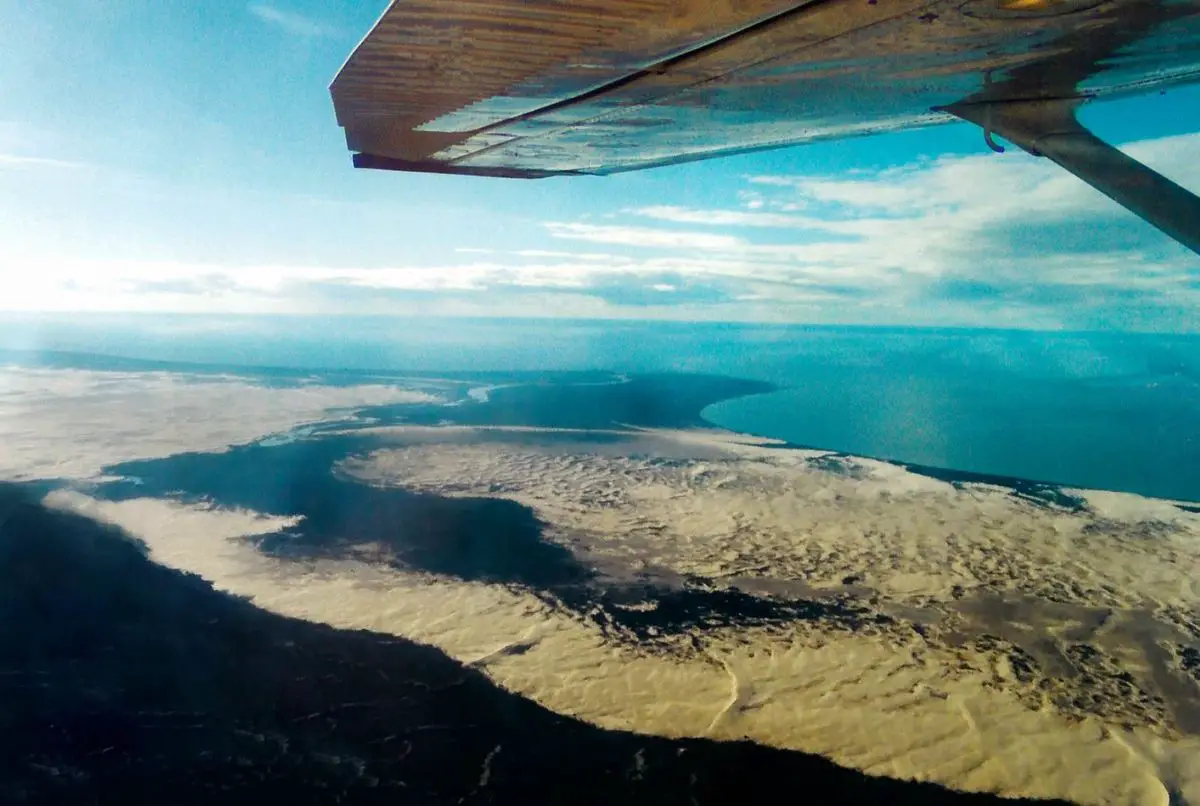
- Athabasca Sand Dunes - Saskatchewan. Unique geophysical feature - largest inland sand dune massif in the world, 100 kilometres long. Sand dunes reach up to 300 metres height. Contains 9 endemic plant species what is unique for a location that far north.
- Narcisse Snake Pits - Manitoba. Location with unusual concentration of snakes. Here in limestone caverns are wintering tens of thousands of Red-sided Garter Snakes (Hamnophis sirtalis parietalis). Mass gatherings of these snakes can be observed in spring time.
Trees
- Red Creek Fir - British Columbia. Largest coast Douglas fir (Pseudotsuga menziesii var. menziesii (Mirb.) Franco) in the world. Trunk volume 349 m3, height 73.8 m, diameter 4.23 m.
- Carmanah Giant - British Columbia. One of the largest Sitka spruces (Picea sitchensis (Bong) Carr.), 95.7 m high, diameter 3.66 m.
Man made landmarks
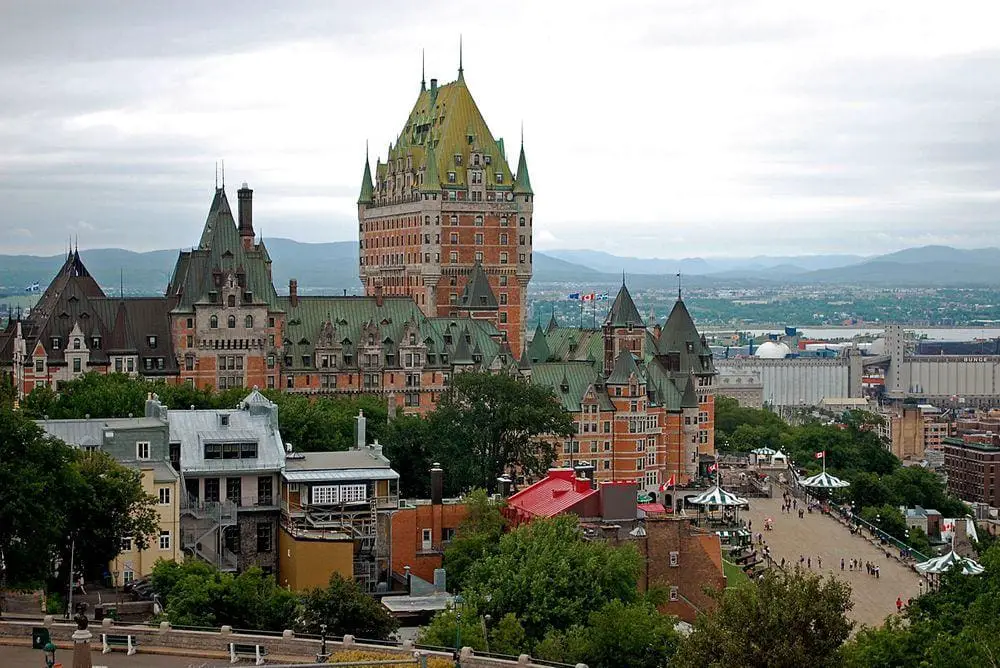
Château Frontenac, Quebec.
Luke H. Gordon, Flickr / CC BY 2.0
Architectural monuments
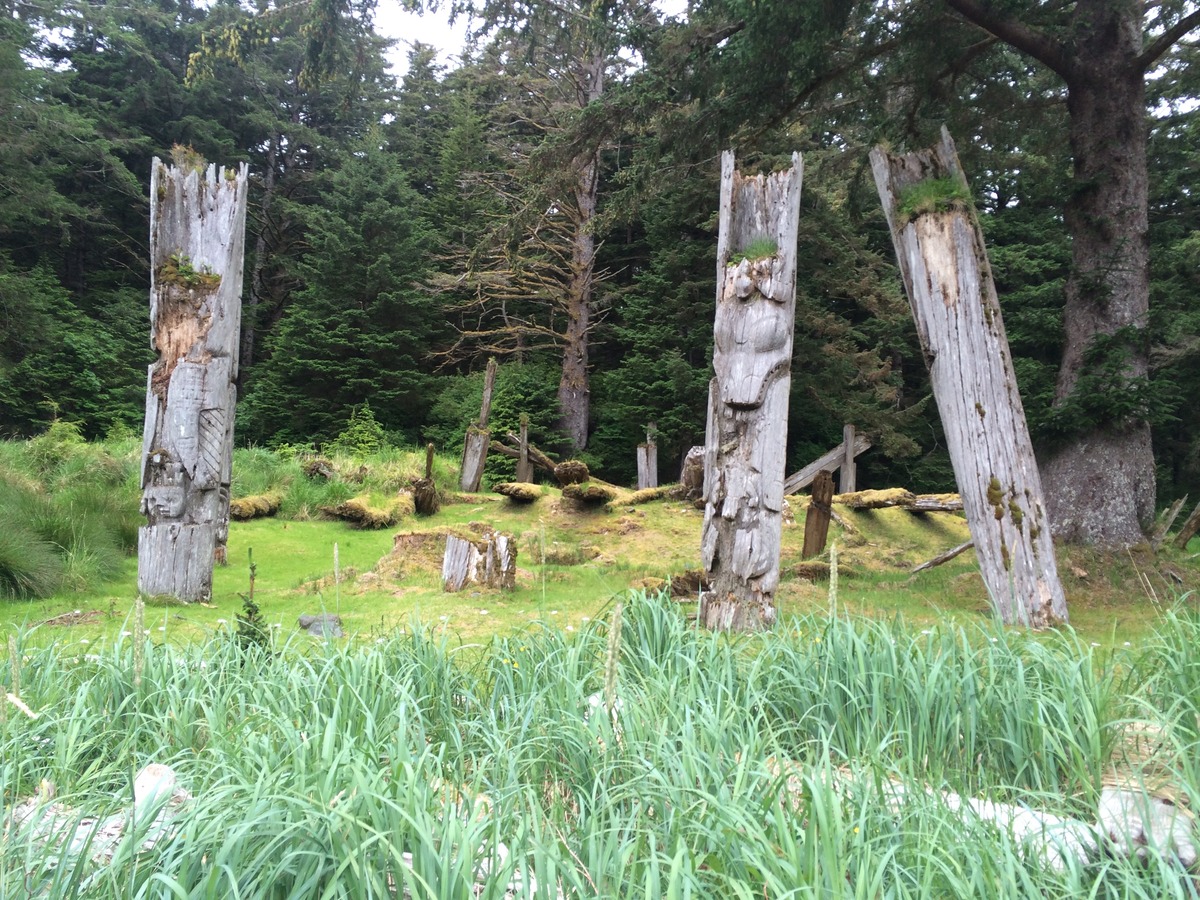
Even before the arrival of Europeans Canada was a melting pot of very diverse cultures of First Nations and Inuits. Notable contemporary monuments of pre-European cultures are the atmospheric Ninstints of Haida people and contemporary megaliths - inuksuits of Inuit.
Short history of Europeans and other people in Canada has left some very impressive monuments, including long time record-holder of the tallest structure in the world - CN Tower or such Canadian speciality as Canada's grand railway hotels, such as Château Frontenac and Banff Springs Hotel.
Archaeological monuments
Indigenous cultures of Canada have not left grand monuments of world importance but Canada is rich with smaller, very diverse archaeological monuments which often have hard to explain peculiarities. Speciality of Canadian archaeology is search of pre-Columbian European heritage.
Petroglyphs and rock art
Canada is rich with exposed rocks and indigenous cultures have left diverse array of rock art. Here are mentioned just a few of the numerous rock art sites of Canada.
- Áísínai’pi (Writing-on-Stone Provincial Park) - Alberta. Here Milk River valley is flowing through sandstone canyon with picturesque hoodoos. Park contains 50 petroglyph sites with thousands of drawings and is the most important petroglyph site in Great Plains.
- Mazinaw Lake pictographs - Bon Echo Provincial Park, Ontario. Up to 100 m high cliff rising from south-eastern shore of Mazinaw Lake. Over 260 pictographs - rock paintings.
- Petroglyph Provincial Park - British Columbia. Site with numerous rock art monuments, includes cup and ring marks.
- Petroglyphs Provincial Park - Ontario. The richest collection of ancient petroglyphs in Ontario. Drawings depict shamans, animals and possily the Great Spirit. Created possibly in 900 - 1400 AD, most likely by Algonkian people.
Other archaeological monuments
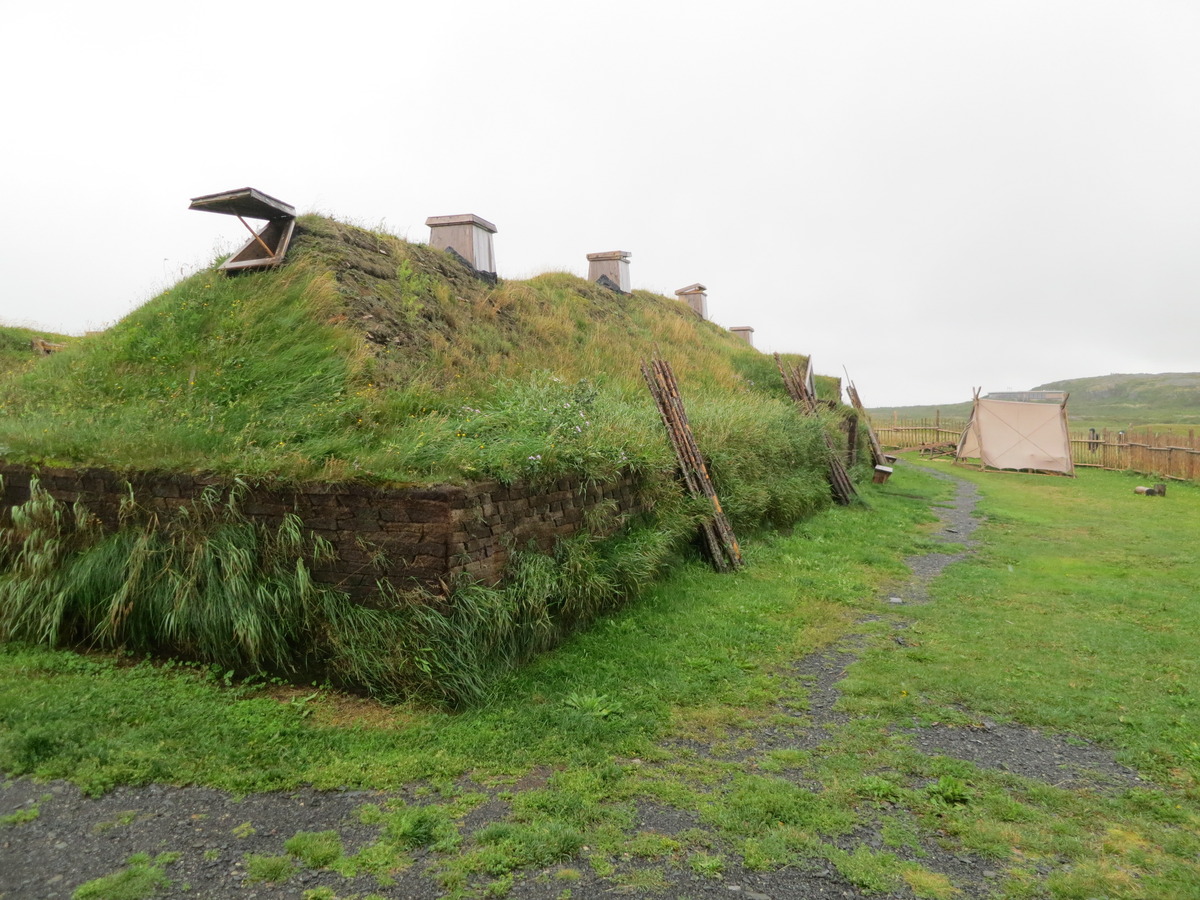
- L'Anse aux Meadows - Newfoundland. Remnants of the only known village of pre-Columbian Europeans in America. Possibly established by Norse around 1003. Found remains of eight buildings. Site has traces of additional five - six occupation periods by native people.
- Arnaud River Hammer of Thor - Quebec. Unique archaeological monument - 3.3 metres high stack of three stones, resembling an enormous hammer. Speculations that it has been erected by Vikings.
- Head-Smashed-In Buffalo Jump - Alberta. Unique monument of history - up to 10 meters high and 300 meters wide sandstone cliff in the middle of plain. For approximately 5,500 years the site has been used by indigenous people in hunting - they drove buffalo off the cliff, breaking the legs of animals and thus making them helpless.
- Majorville Medicine Wheel - Alberta. Circa 5000 years old stone setting of unclear origin and meaning. In many respects resembles medicine wheel with a cairn in the middle. Site has rised discussions of scientists about potential use of it for the worship of Sun.
Architectural monuments of indigenous Canadian cultures
- Inuksuk Point (Enukso Point) - Baffin Island, Nunavut. A group of over 100 vertical stone settings, serving as navigation and reference points.
Inuksuit at Sandy Point, Nunavut.
Mike Beauregard, Flickr / CC BY 2.0 - Ninstints (SGang Gwaay Llnaagay) - British Columbia, Queen Charlotte Islands, Anthony Island. Largest collection of Haida totem poles in existance, UNESCO World Heritage site. Totem poles are located in their original location, many are considered to be extremely important works of art. Totem poles slowly disintegrate and get overwhelmed by rainforest and thus are on the border between contemporary and archaeological monuments.
Urban planning monuments
- Cabbagetown in Toronto, Ontario is the largest area in North America covered with Victorian housing, built in 1840ies. This neighborhood of Toronto has rich history of Canadian art scene.
- Chinatown in Victoria, British Columbia. Second oldest authentic Chinese quarter in North America after San Francisco (United States), developed since the middle of 19th century.
- Lunenburg - Nova Scotia. Unique, well preserved British colonial settlement from the late 18th -19th century. Numerous valuable wooden buildings shape unique urban landscape.
Lunenburg in Nova Scotia.
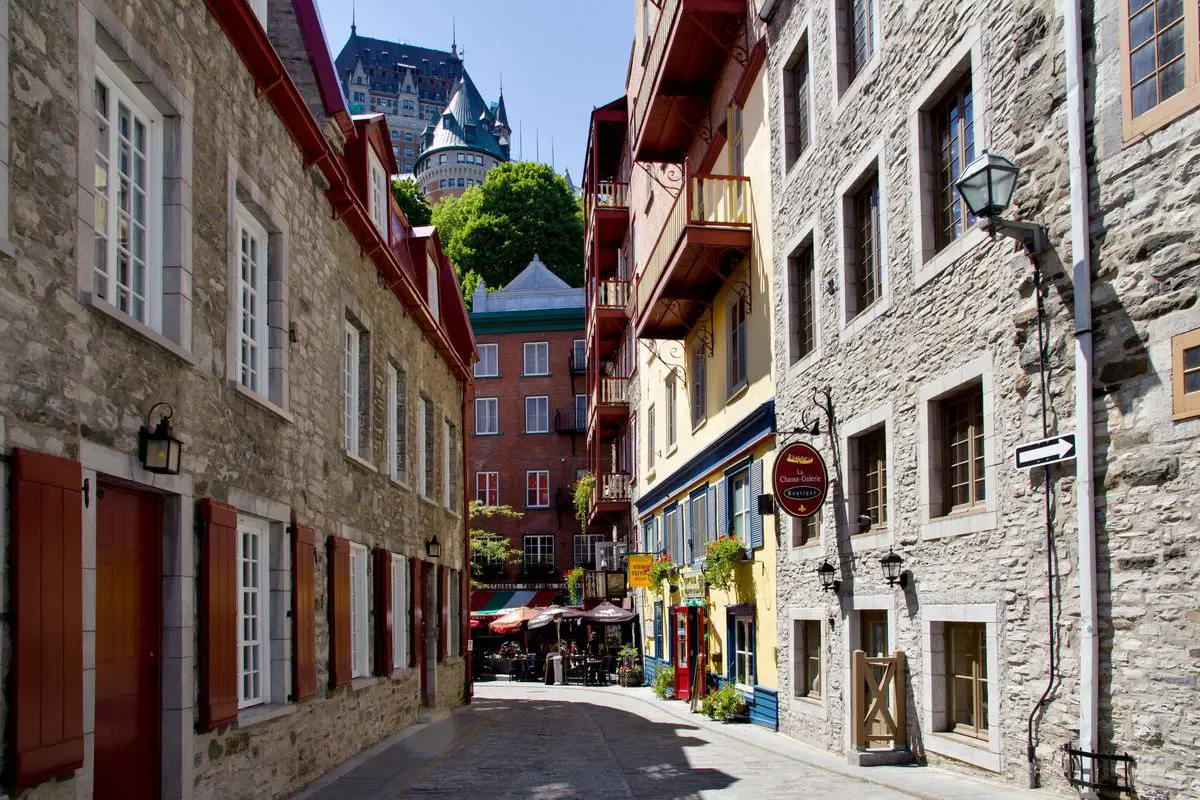
Wikimedia Commons, Taxiarchos228, CC-BY-SA-3.0 - Old Quebec - Quebec. Former centre of French power in North America, developed as city in 18th century. One of the most authentic old towns in North America, once enclosed by defense wall. Two gates and major part of defensive wall still exist.
- RÉSO (Underground City) - Quebec, Montreal. Largest underground city in the world, extending under the downtown of Montreal. Contains 32 km of tunnels, area exceeds 12 km2, used by malls, metro, museums, banks, condominiums etc.
Grand railway hotels
- Le Château Frontenac - Quebec. Possibly the most impressive "château" style hotel in the world, built in 1893. The most photographed hotel in the world.
- The Fairmont Banff Springs Hotel - Alberta, Banff National Park. Enormous "château" style (called also Scottish Baronial style) hotel, 15 floors high, built in 1888. Located in beautiful setting, with forest and snowy mountains in the background.
Bridges
- Hartland Bridge - New Brunswick. World's longest covered bridge, 391 m long. Built in 1901, covered in 1922.
Hartland bridge - the longest covered bridge in the world. Wikimedia Commons, Scott Davis, CC-BY-SA-3.0
- Lions Gate Bridge - British Columbia, Vancouver. Landmark structure, one of the most impressive bridges at time, built in 1938. Suspension bridge with 472 m span, two 11 m high towers.
- Myra Canyon Trestles - British Columbia. Impressive monument of railway construction - 18 wooden trestles for the railway crossing the impressive Myra Canyon, completed in 1915. In 2003 lighting started a fire which annihilated 12 trestles. Currently construction is renewed.
Other monuments of architecture
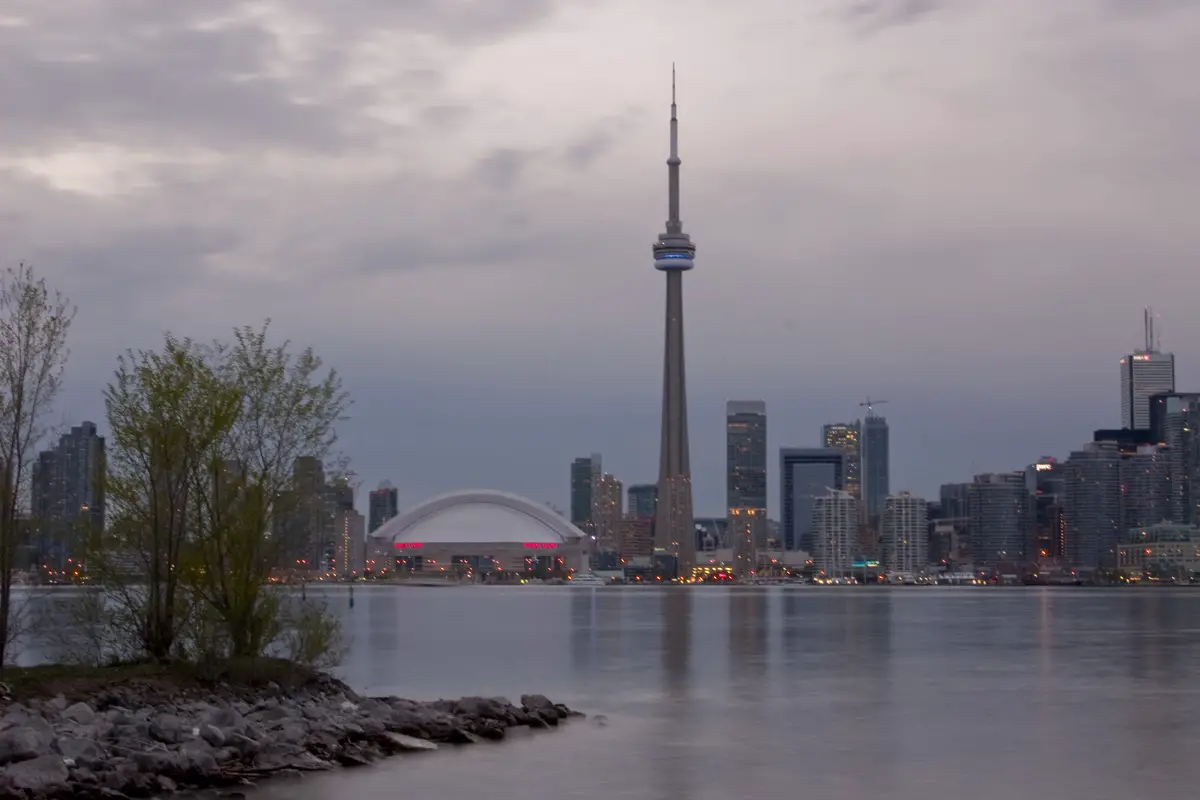
- CN Tower - Ontario, Toronto. Communication and observation tower, 553.3 metres tall. This tower was the tallest free-standing structure in the world in 1975 - 2007, it is popular visitor attraction.
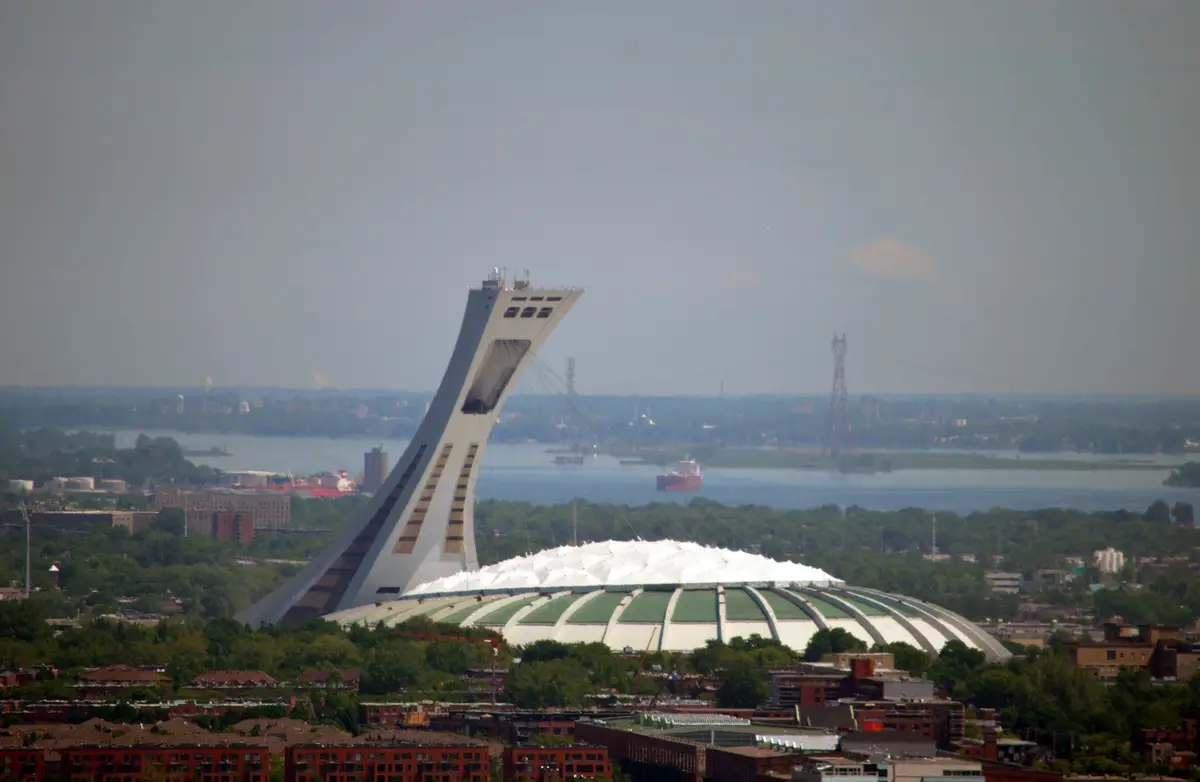
- Montreal Olympic Stadium - Quebec. World's tallest slanted structure and world's tallest stadium, iconic and visionary building constructed in 1976.
- Hatley Castle - British Columbia. One of the most impressive Gothic revival palaces in Northern America, built in 1908. Located in beautiful site with a view on Pacific and mountains. Intended residence of royal British residence during the World War II. Impressive, interesting park.
- Saint Joseph's Oratory - Quebec, Montreal. Enormous basilica, built in 1924 - 1967. Third largest church in the world by volume, height 129 m.


14 February 2010 Gatis Pāvils