Wondermondo 🢖 World 🢖 Wonders of North America 🢖 Wonders of Central America 🢖 Wonders of El Salvador
Territory
Wonders of El Salvador
 Highlights
The most interesting wonders of El Salvador are the numerous prehistoric cities (ruins of cities) scattered all over the country. Nearly unique is Joya de Cerén – a prehistoric city buried under a thick layer of volcanic ash, not unlike Pompeii.
Somewhat less known are the caves with traces of prehistoric settlements, with drawings and petroglyphs on the walls.
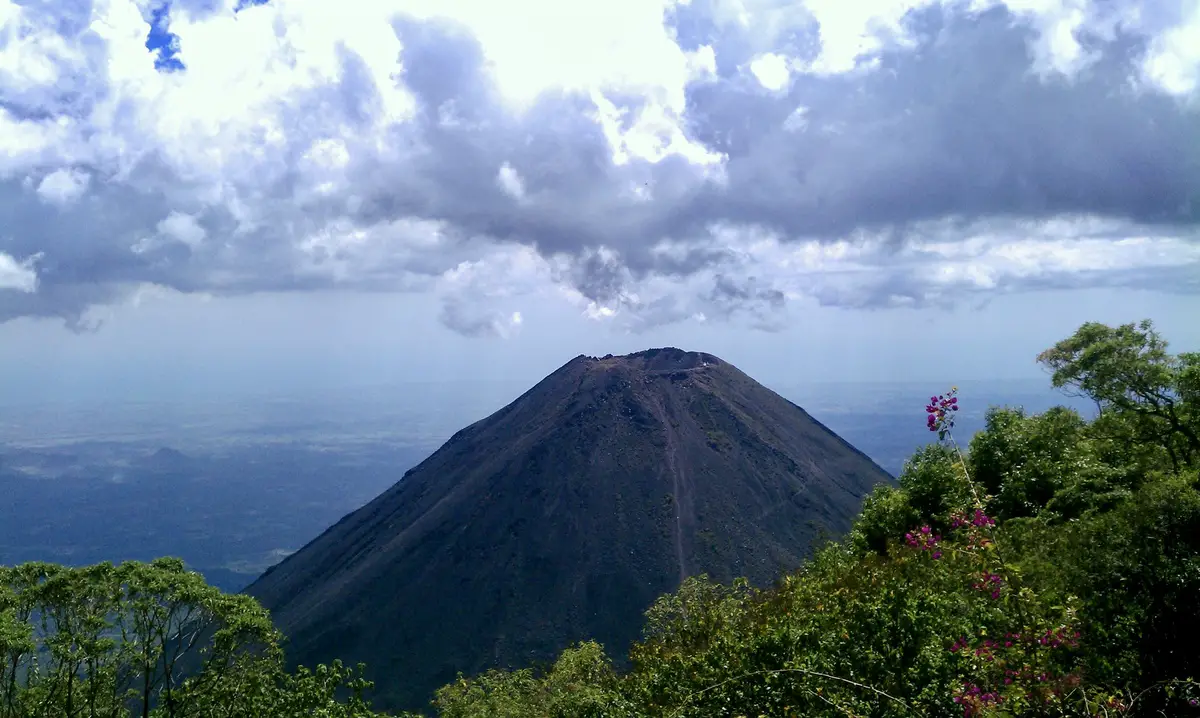
Country has high biological diversity and active volcanoes but nevertheless, there are few natural landmarks of international fame.
Map with the described wonders
If you see this after your page is loaded completely, leafletJS files are missing.
 Top 24 wonders of El Salvador
Geological wonders
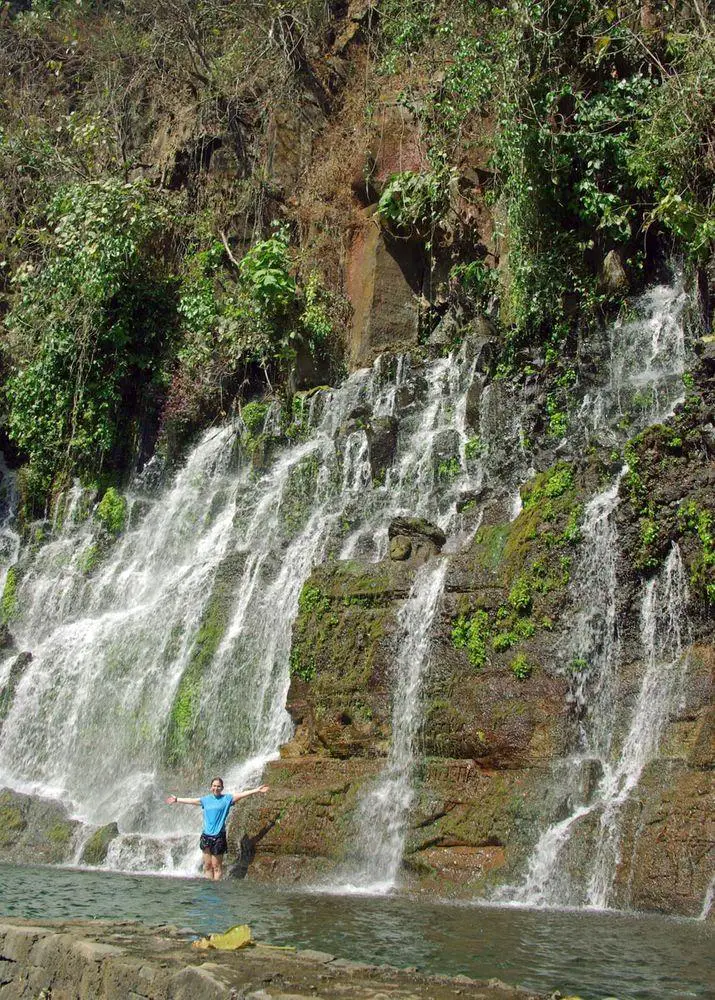
Chorros De La Calera
Sonsonate
Picturesque, wide waterfalls with many smaller streams flowing down along nearly vertical cliffs.
Agua Agria
San Vicente
Geothermal field on the flank of San Vicente volcano. Here are located hot springs, fumaroles, and small mud fountains.
Archaeological wonders
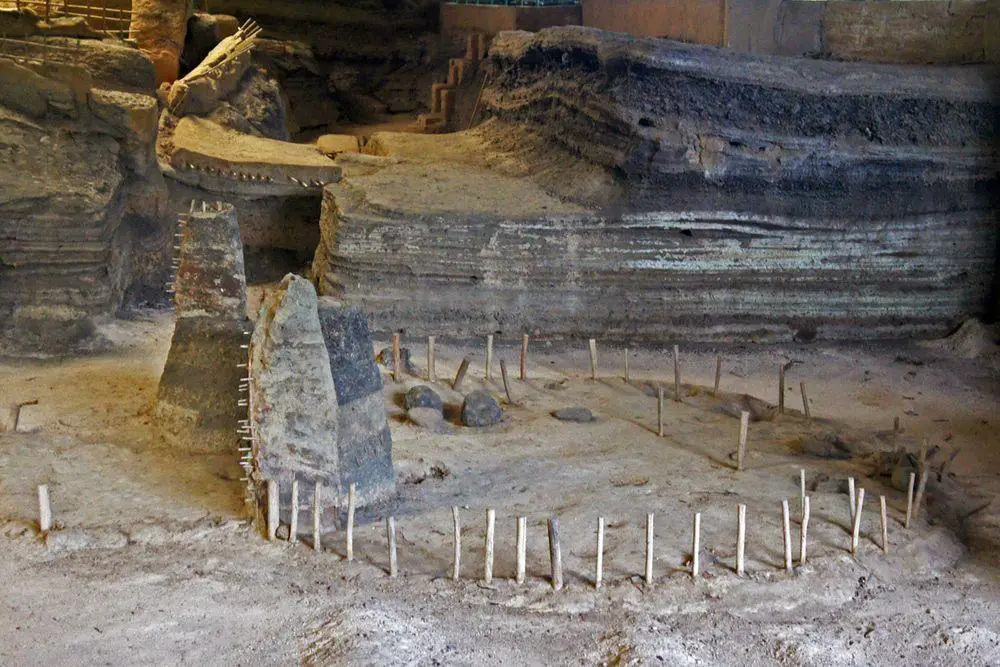
Joya de Cerén (Joya de Ceren)
La Libertad
Maya settlement, buried under a 4 – 8 m thick layer of volcanic ash that was erupted by the Loma crater sometime around 610 – 670 AD. Buildings and home utensils have been preserved in exceptionally good condition and provide valuable information about the daily lives of people in this community. Even cultivated fields of maize, agave, and other herbs have been preserved.
San Andrés
La Libertad (El Salvador)
Ruins of an old settlement that was inhabited already in 900 BC. Served as a regional center of Maya in 600 – 900 AD. Impressive is the Acropolis – a group of ceremonial and administrative buildings above the old city.
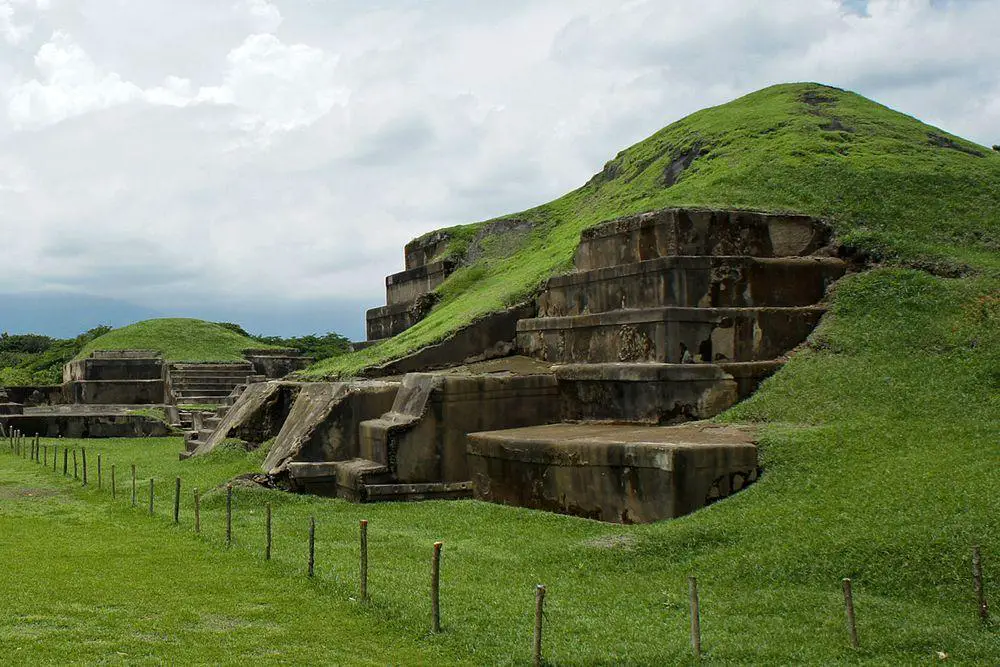
Tazumal
Santa Ana
This impressive, 23 m tall pyramidal structure was built by the Pok’omame culture. In the vicinity of this structure are located other prehistoric monuments, including the 2.65 m tall monolithic carving named "Estela de Tazumal". This carving is adorned by undeciphered hieroglyphical writings.
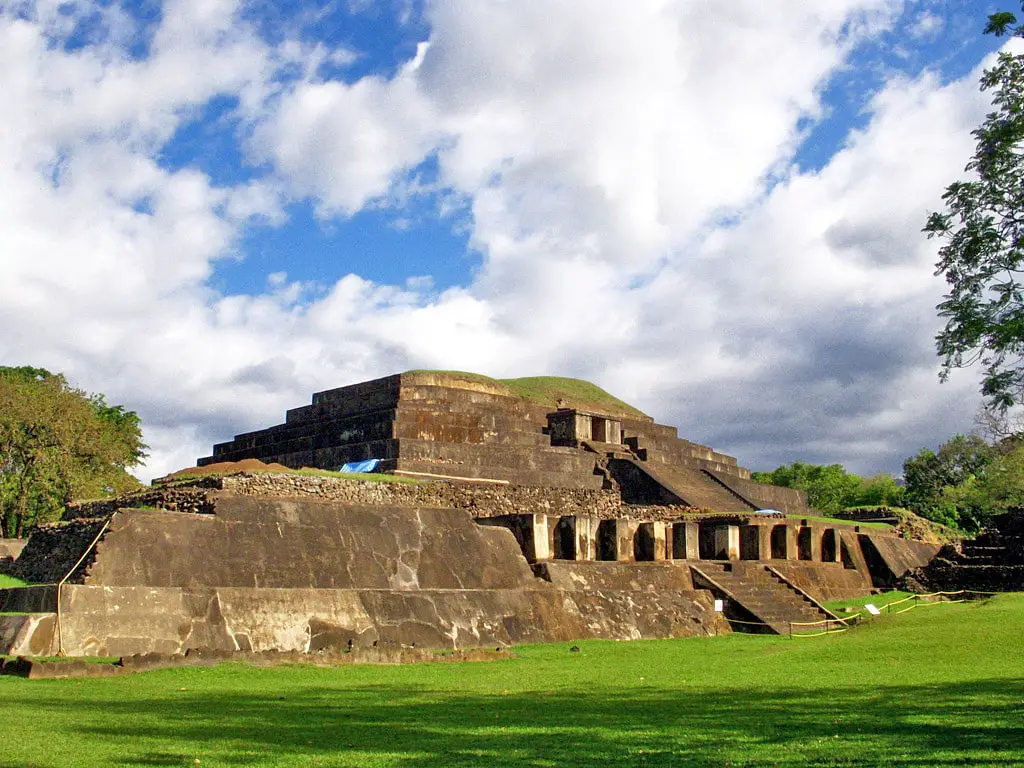
Quelepa
San Miguel
Site of prehistoric settlement, most likely founded by Lenca people around 400 BC. Includes up to 10 m tall pyramids, and a ballcourt. Abandoned sometime around 1000 AD. Interesting is Jaguar Altar – a large, carved monolith.
Villa Rosita
Santa Ana
A prehistoric settlement, once an important center. Abandoned sometime around 250 AD after the eruption of Ilopango. Contains a 13 m tall, circular pyramid, another 10 m tall pyramid, and other structures.
Xualaka Cave
Morazán
The central site of the ancient Cacaopera culture.
Cihuatán
San Salvador
One of the major Mayan centers of the late Classic period. Ruins of important buildings are grouped in the Western Ceremonial Center and Eastern Ceremonial Center, but the city extends into a larger area, with different neighborhoods.
Casa Blanca in Chalchuapa
Santa Ana
Ruins of a ceremonial complex that consists of 6 structures. The largest pyramid is 15 m tall.
Unamá Cave
Morazán
Grotto with colorful petroglyphs – one of the ceremonial centers for ancient Cacaopera people whose descendants still live in this area.
Gruta del Espíritu Santo
Morazán
Grotto with numerous interesting petroglyphs that were created by Lenca culture sometime around 900 – 400 BC, or even earlier. According to the legends here was the living forefather of all Lenca people. Most images show people, some drawings show animals and birds. Different techniques and colors are used.
Cara Sucia
Ahuachapán
Ruins of an ancient city that was abandoned sometime around 900 AD. City was founded by people who spoke the precursor of Mayan languages. In the site are located several enormous, grass-covered mounds that are not explored. Ruins of ball courts, temples, and houses.
Las Marías
La Libertad (El Salvador)
A prehistoric city with several pyramids that are up to 8 – 9 m high. The only prehistoric settlement in the country with an ancient road that is similar to Mayan sacbé.
El Cambio
La Libertad (El Salvador)
A prehistoric settlement, last inhabited in 650 – 900 AD. Contains five pyramids that are up to 12 m high.
Tehuacán
San Vicente
A prehistoric settlement that was inhabited sometimes around 600 – 1400 AD. Contains a large, 20 m tall pyramid.
El Carmen
Ahuachapán
A prehistorical settlement where have been found the oldest ceramics in El Salvador. Established sometime around 1590 BC. Contains approximately 3 m high and a 60 by 50 m large mound.
Architecture wonders
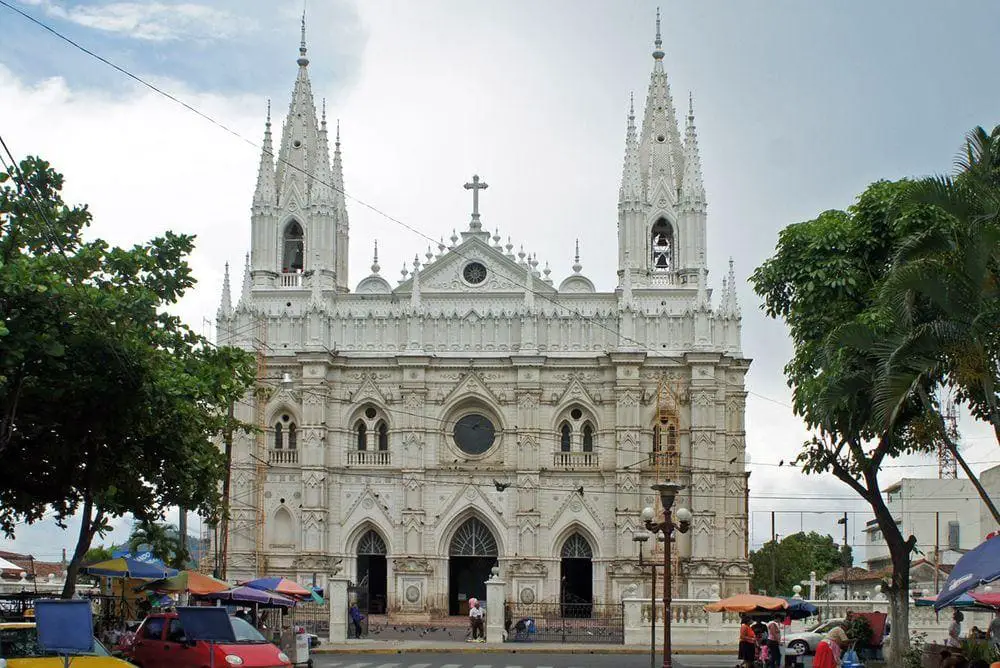
Santa Ana Cathedral
Santa Ana
Impressive cathedral in Neo-Gothic style, with ornate marble facade. Constructed in 1906 – 1959.
National Palace in San Salvador
San Salvador
Large public building in Neo-Classicism style, built in 1905 – 1911. The building has 105 rooms. Four rooms are used for the official receptions and each has a distinct color scheme – red (for the president and ambassadors), yellow (for the president), pink (for the Ministry of Defense), and blue.
San Pedro Church in Metapán
Santa Ana
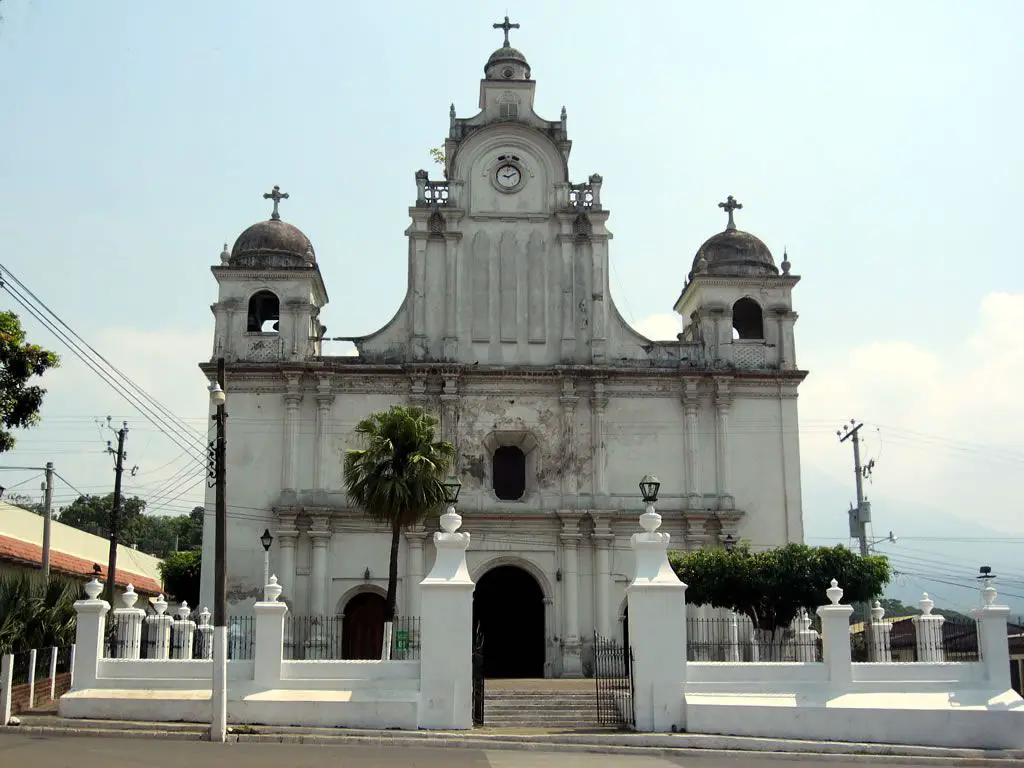
Small, ornate church in Baroque style, constructed in 1736 – 1743.
Conchagua Church
La Unión
Interesting church in Renaissance and Baroque styles, constructed in 1693.
Dolores de Izalco Church
Sonsonate
Old church in Renaissance style, built in 1569.
Monumento al Divino Salvador del Mundo
San Salvador
An iconic national monument with a statue of Jesus standing on the globe.
Ciudad Vieja, El Salvador
Cuscatlán
Ruins of the first capital of Salvador, the original location of San Salvador. City was established in 1528 and abandoned in 1545. Here have been preserved ruins of buildings and cobbled streets.
 Recommended books
El Salvador Handbook


El Salvador’s roads are less traveled compared to other Central American countries, making for a destination that retains that elusive quality travelers often look for: adventure. From dramatic volcanic landscapes to blue-green lagoons, the bustle of San Salvador to the quiet wilderness of El Imposible National Park, this guidebook will help you make the most of your visit to this spectacular country.
Moon El Salvador


Moon Handbooks give you the tools to make your own choices.
– Can’t-miss sights, activities, restaurants, and accommodations, marked with M;
– Essential info on San Salvador, El Salvador’s resilient urban heart;
– Suggestions on how to plan a trip that’s perfect for you.


