
Wondermondo 🢖 World 🢖 Wonders of South America 🢖 Wonders of French Guiana
Territory
Wonders of French Guiana
 Highlights
French Guiana is an overseas region and overseas department of France.
This country is mostly covered with tropical rainforest and a major part of it is taken the 33,900 km² large Guiana Amazonian Park.
Climate in this lowland rainforest is humid and very hot – thus French Guiana has lots of known (and yet unknown) values of biological diversity, but not that many man-made landmarks. This remote country has been used as a prison in the 19th and 20th centuries but now there is located one of the main spaceports of the world.
Map with the described wonders
If you see this after your page is loaded completely, leafletJS files are missing.
 Top 11 wonders of French Guiana
Geological wonders
Voltaire Falls
Saint-Laurent-du-Maroni
Comparatively low but picturesque waterfall.
Biological wonders
Savane-Roche la Virginie
Cayenne
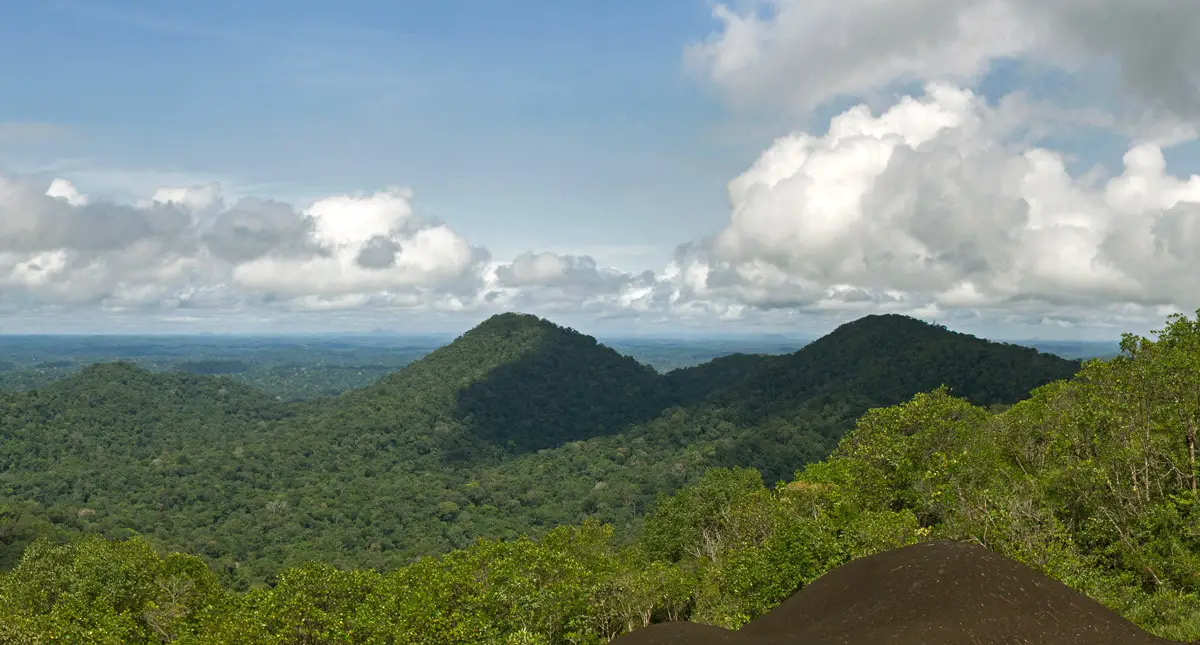
Granite inselberg with a barren summit. Extremely rich with bromeliad species, some of these might be endemic to this mountain.
Nouragues Inselberg
Cayenne
In the middle of the equatorial lowland rainforest rises a granite hill (411 m above sea level). It is covered with specific, dry, low forest rich and rock savanna, rich with rare and endemic species. Equatorial Sun heats the rock up to 75° C hot. In French Guiana are more than 100 such inselbergs.
Archaeological wonders
Les Roches Gravées at Pavée stream
Cayenne
A group of prehistoric petroglyphs.
Les Roches Gravées of Mount Carapa
Cayenne
Group of petroglyphs in the industrial suburb of Kourou.
Fawara Mountain petroglyphs near Kaw
Cayenne
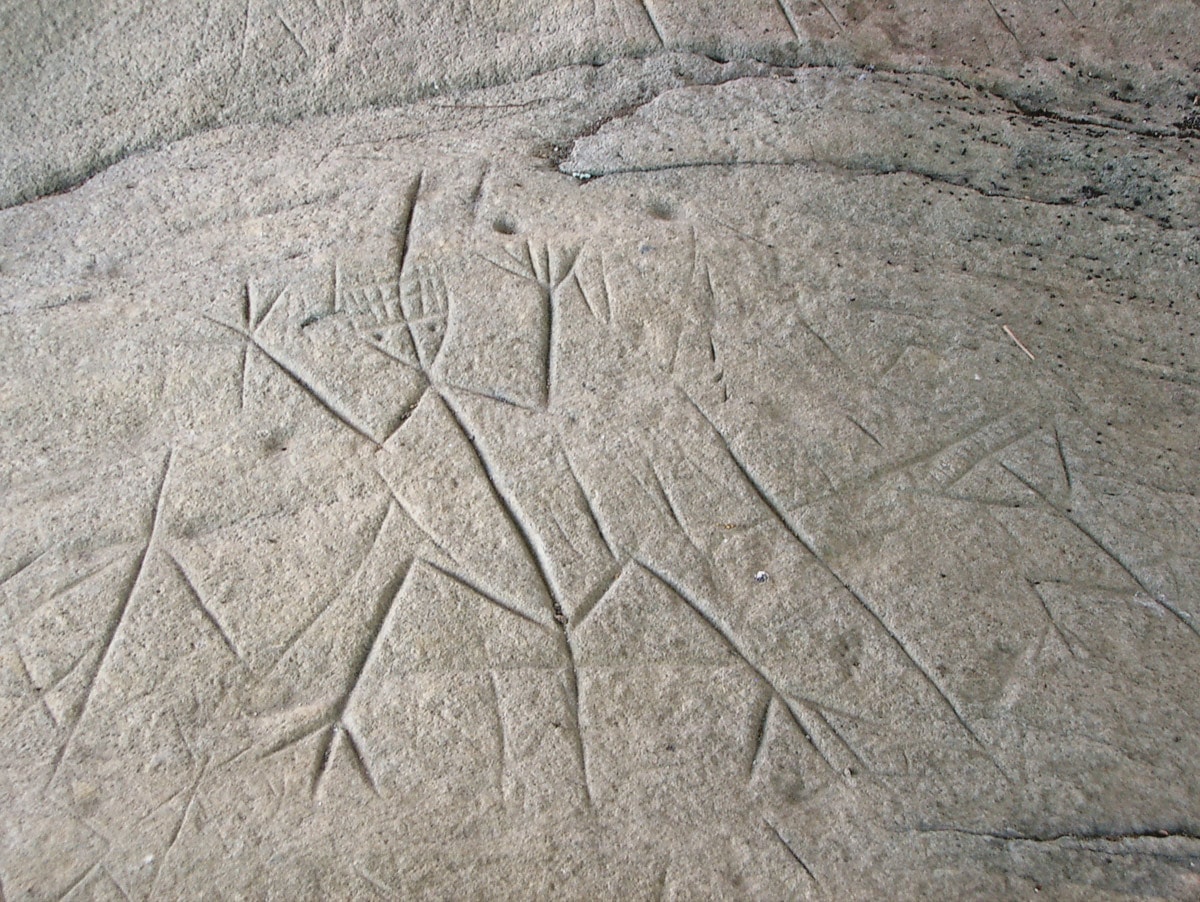
A cliff that is covered with intricate petroglyphs. Among the many abstract drawings is seen a drawing of a snake.
Petroglyphs of Maroni River
Saint-Laurent-du-Maroni
Rocks that are covered with prehistoric engravings.
Architecture wonders
Iracoubo St. Joseph Church
Cayenne
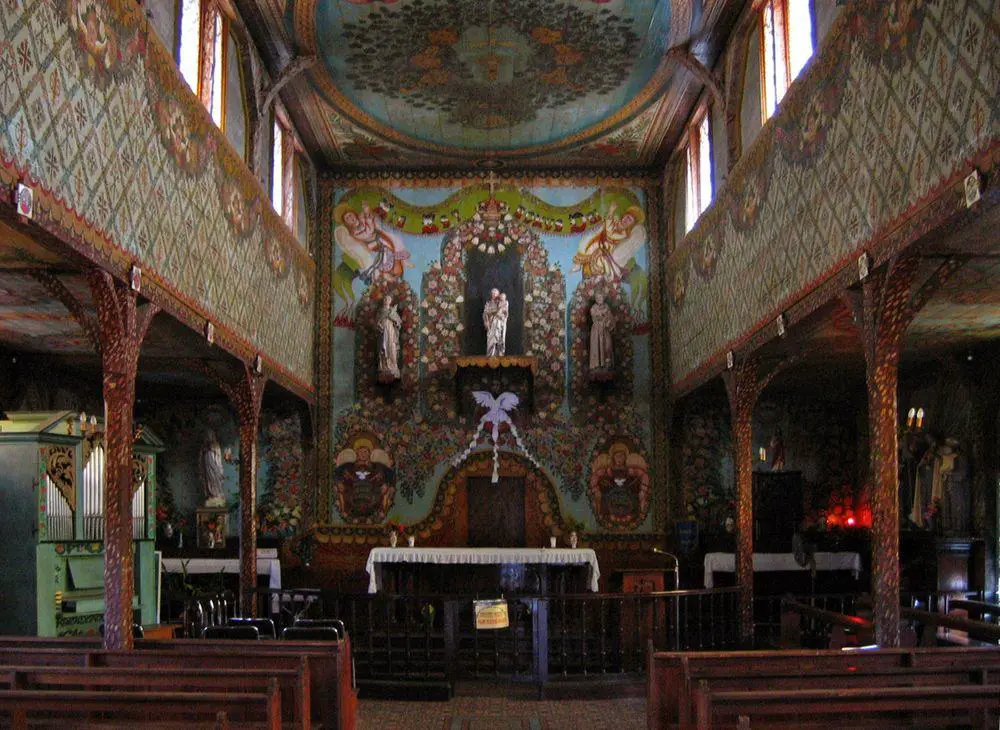
This church was built by villagers in 1893. The interior of the church is beautiful – covered with 600 m² large, naive frescoes, painted by the convict Pierre Huguet.
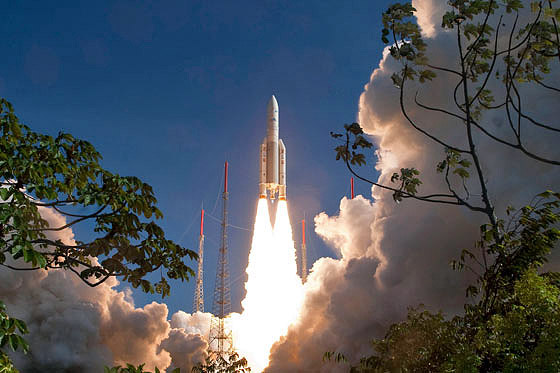
Guiana Space Center
Cayenne
One of the busiest and technically most convenient and advanced space centers in the world. Built in 1968 and used jointly by France and the European Space Agency.
Île du Diable, Île Sain-Joseph and Île Royale
Cayenne
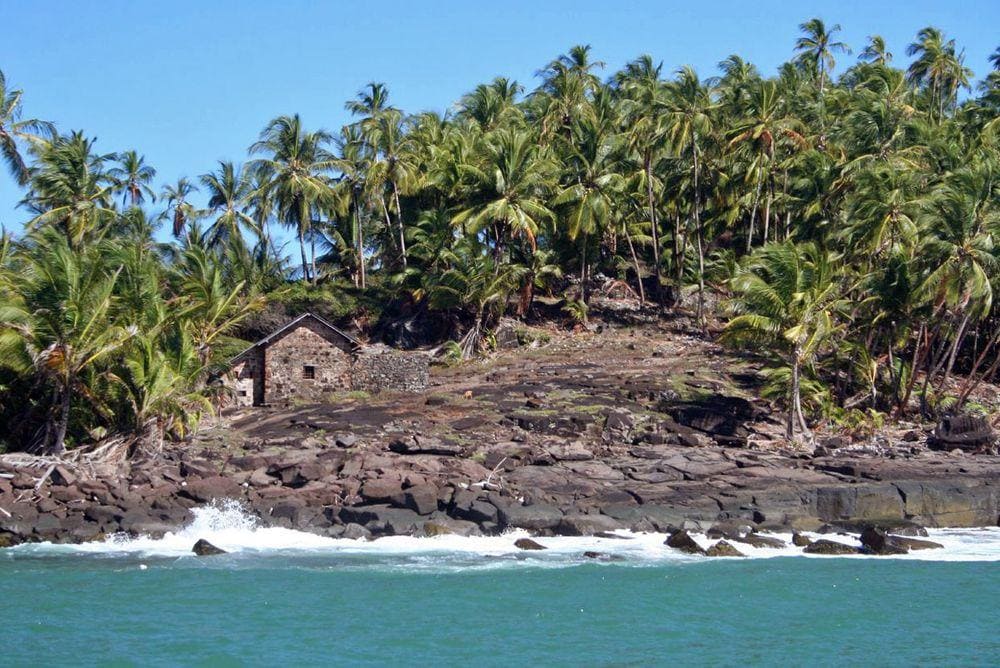
Former French penal colony. A fortress was built here in 1793 and soon here arrived the first political convicts. Used as a prison until 1947. On Île Royale were located administration and hospital, Île du Diable – for political enemies and spies, and Île Sain-Joseph – for dangerous criminals. There were other prisons in French Guiana, in the middle of the forest. These prisons were even more deadly.
Cayenne historical center
Cayenne
The city was established in 1664 and the ruins of Fort Cépérou from this time still are visible but most of the colonial-style buildings are from the 19th – early 20th century. Many buildings are renovated, thus returning a charm to the city.
 Recommended books
WILD ROOTS: Coming Alive in the French Amazon


Donna Mulvenna had everything she wanted in her modern Australian life: a rewarding career, a spacious home, and an around-the-clock connection to mobile technology. But for all these comforts, she couldn’t shake the feeling something was missing.
FRENCH GUIANA: The Bizarre and the Beautiful


French Guiana might not be the first place you think of when you pick a travel destination. It probably wouldn’t even be the first place in South America. But it is a land of pristine rainforest and wild nature that offers more adventure and deadly infectious diseases than your average two-week holiday in Spain could ever throw at you.


.jpg)