
Fr
Wondermondo 🢖 World 🢖 Wonders of Australia and Oceania 🢖 Wonders of Polynesia 🢖 Wonders of New Zealand
Territory
Wonders of New Zealand
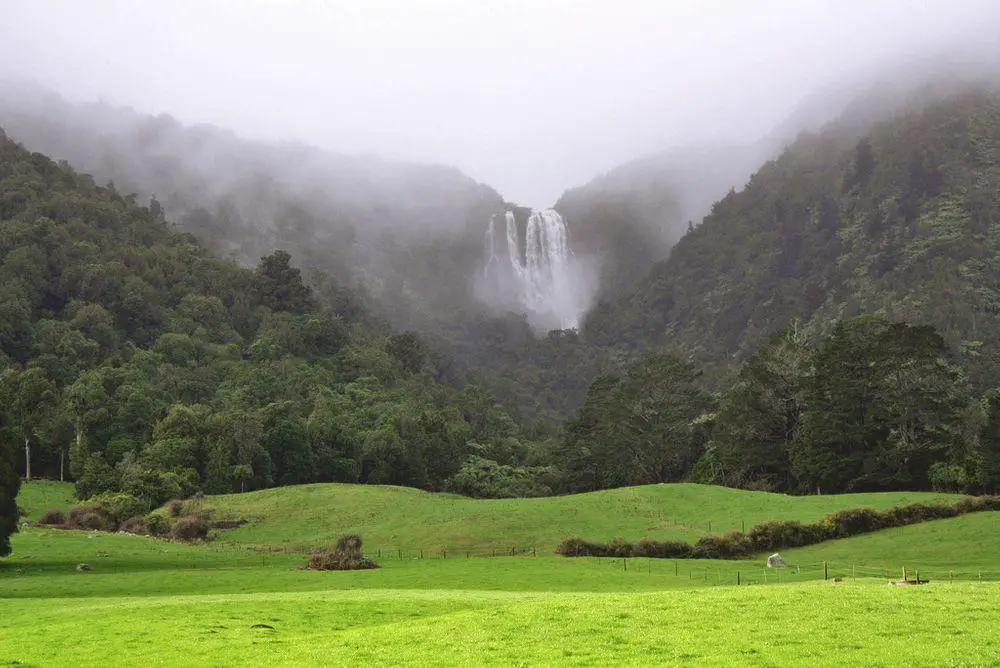
 Highlights
Some of the world’s most impressive natural wonders are found in New Zealand. The number of these attractions is divided almost equally between two large islands – the South and North islands.
The highlights of North Island are the geological monuments that are linked with hydrothermal and volcanic activities and include beautiful volcanoes, geysers, and other unique features. Among the numerous other highlights of North Island are some of the largest trees of the world – the kauri, as well as the extensive cave systems with glowworms.
The South Island has got some of the most impressive fjords in the world, breathtaking mountain scenery along the length of the whole island, countless waterfalls, and unique coastal formations.
The other islands of New Zealand are considerably smaller but many of these islands also have unique attractions.
New Zealand is divided into 16 regions. Below they are listed by two major islands in alphabetic order.
Northern Island
- Auckland
- Bay of Plenty
- East Cape
- Hawke’s Bay
- Manawatu-Wanganui
- Northland
- Taranaki
- Waikato
- Wellington
Southern Island
- Canterbury
- Marlborough
- Nelson
- Otago
- Southland
- Tasman
- West Coast
Smaller islands
New Zealand includes also several groups of islands which are distant from the two main islands.
States associated or administered by New Zealand
Two states (Cook Islands and Niue) are associated with New Zealand and one (Tokelau) is administered by New Zealand.
Map with the described wonders
If you see this after your page is loaded completely, leafletJS files are missing.
 Top 25 wonders of New Zealand
Geological wonders
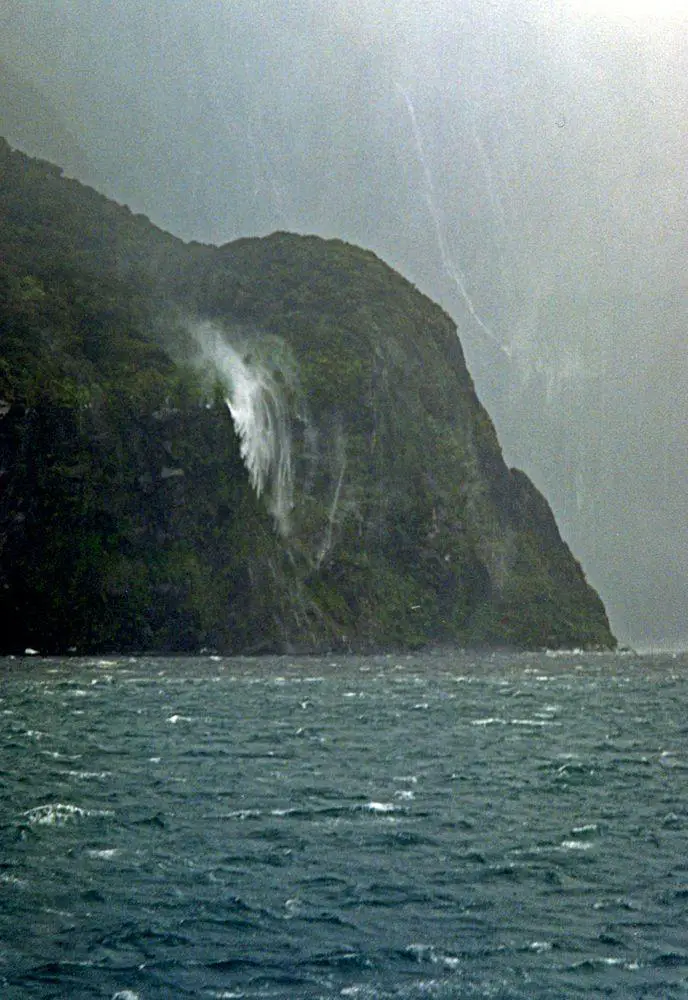
Milford Sound
Southland
One of the most grandiose fiords in the world. The walls of the fiord are more than 2 km tall and while at the water grows rainforest, on the top is snow. Here are countless waterfalls and the strong winds catch and often bring them up in the air.
Wai-O-Tapu
Bay of Plenty
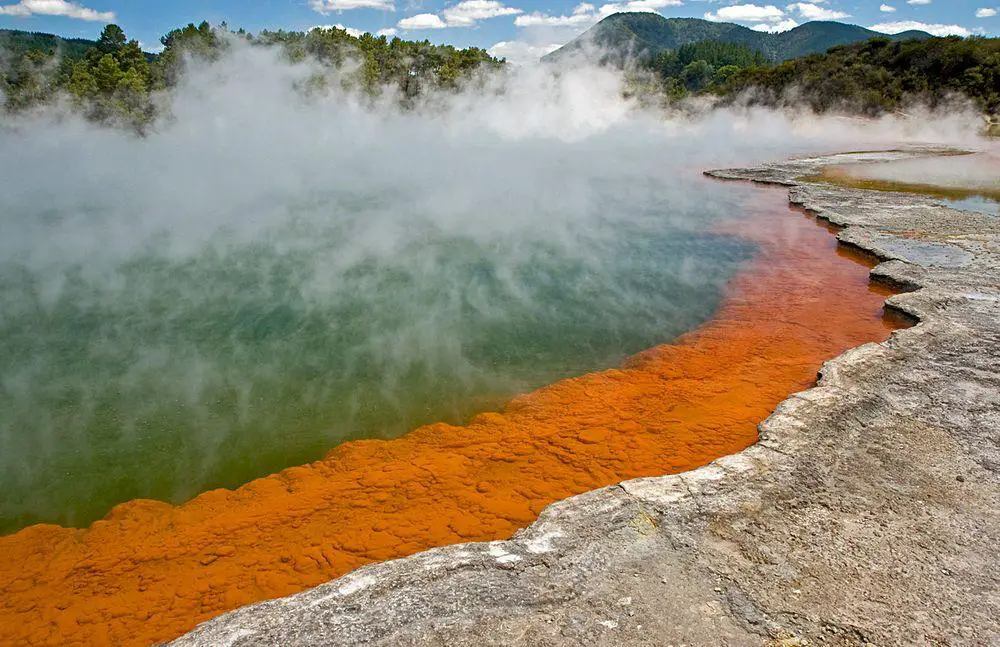
One of the most beautiful geothermal areas worldwide. Besides the Lady Knox geyser, mud pools, numerous hot springs, and sinter terraces it contains a highly unusual hot spring – Champagne Pool, constantly filled with carbon dioxide bubbles. Along the rim of this spring are deposited bright orange arsenic and antimony salts.
Champagne Pool
Waikato
One of the most impressive and unusual hot springs in the world, 65 meters in diameter, and up to 62 meters deep. Spring is filled with 73 °C hot water oversaturated with metalloids and gases, sedimenting bright orange sediments.
White Island
Bay of Plenty
Active volcano rising 321 m high from the sea as an island. One of the most accessible active marine volcanoes in the world. Fumaroles and boiling mud pools. The crater contains a light blue lake.
Orakei Korako
Waikato
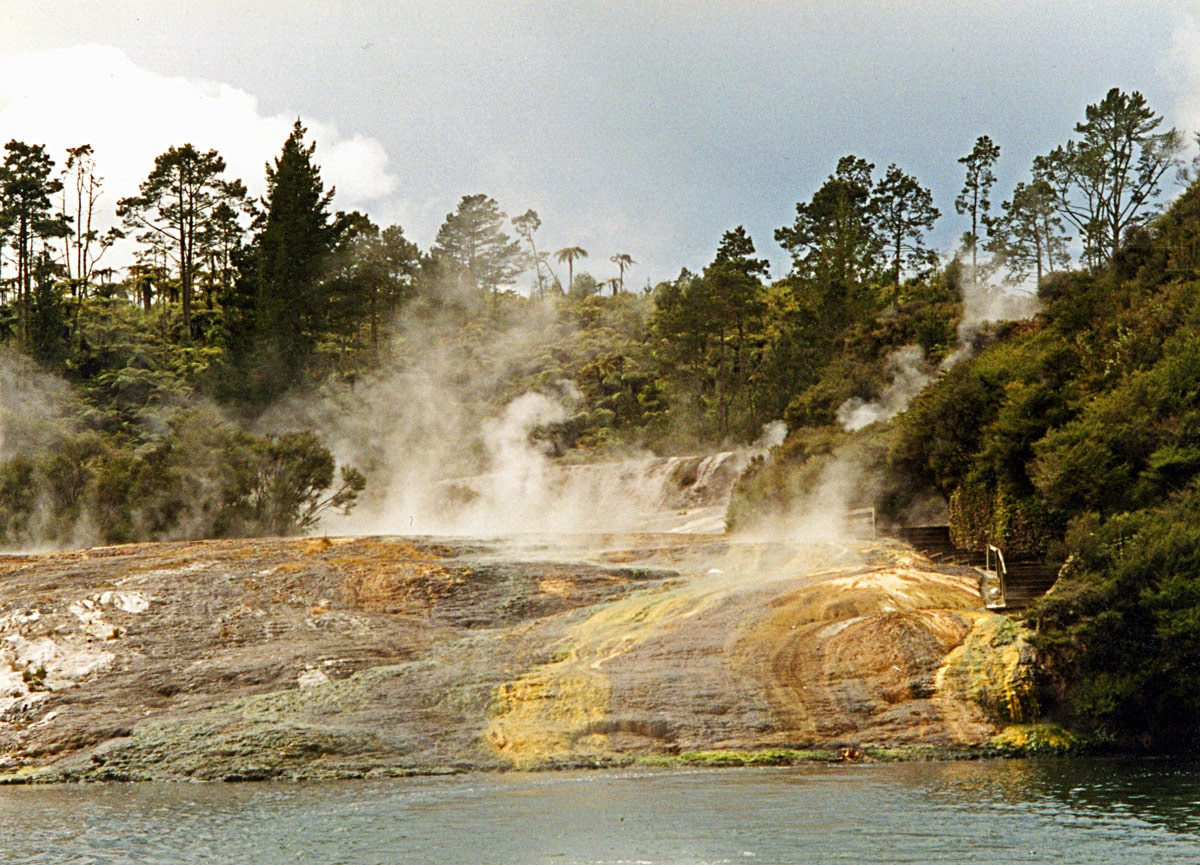
A geothermal area with unique, colorful sinter terraces and geysers. The largest geyser field in New Zealand with some 35 active geysers. The lower terrace – Emerald Terrace – is the largest sinter terrace in New Zealand. Part of it is flooded by a hydropower station, submerging some 200 hot springs and 70 geysers.
Doubtful Sound
Southland
One of the most grandiose fiords in the world.
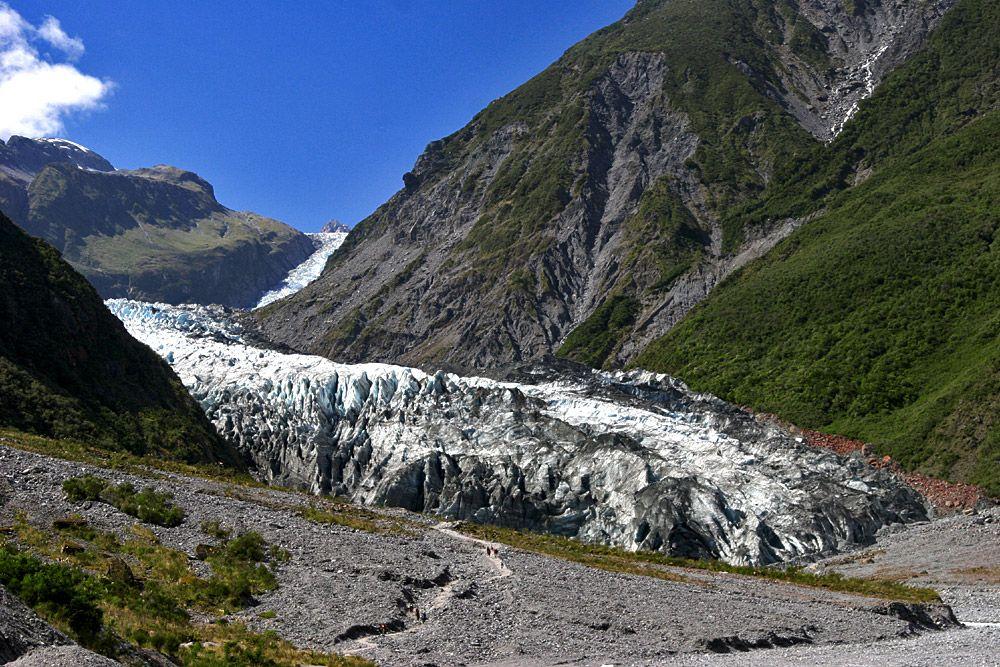
Fox Glacier
West Coast
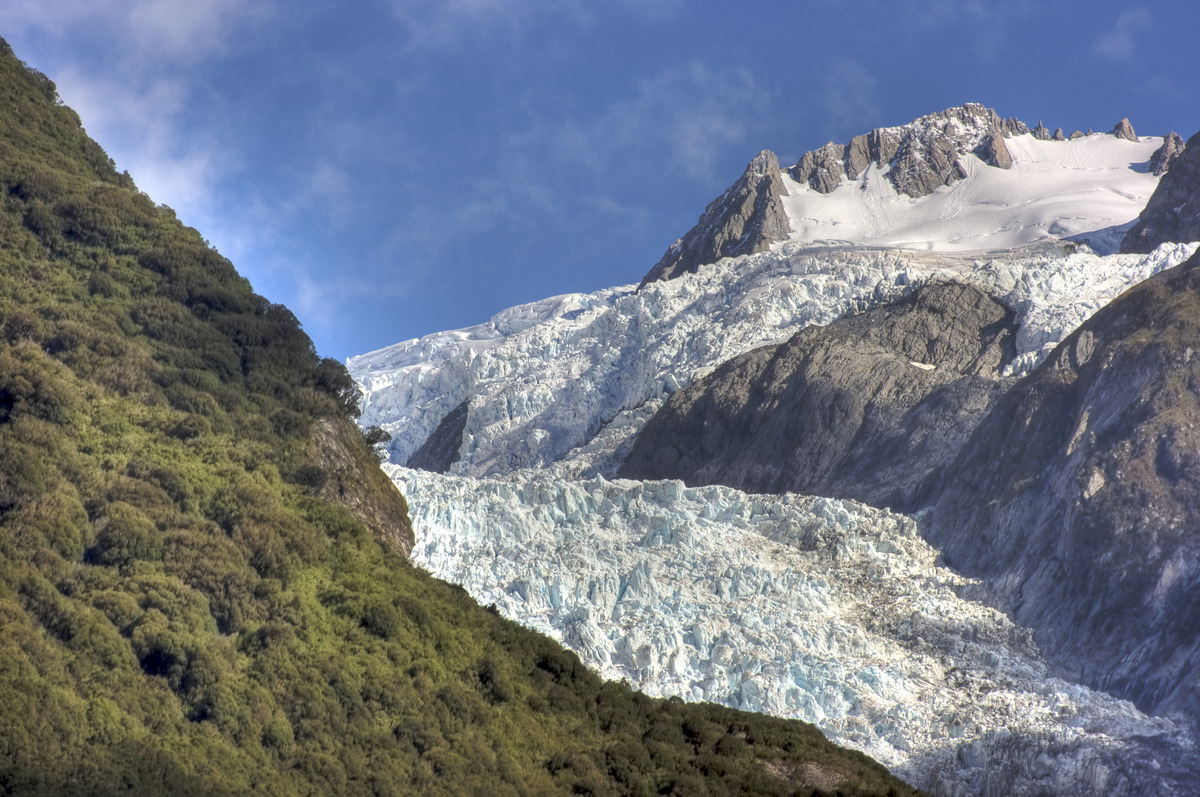
Glacier whose descent is so steep that the ice ends up close to the rainforest.
Cathedral Caves
Otago
Group of very impressive seaside caves resembling entrances into enormous cathedrals. Two main caves meet, one has up to a 30 m high ceiling.
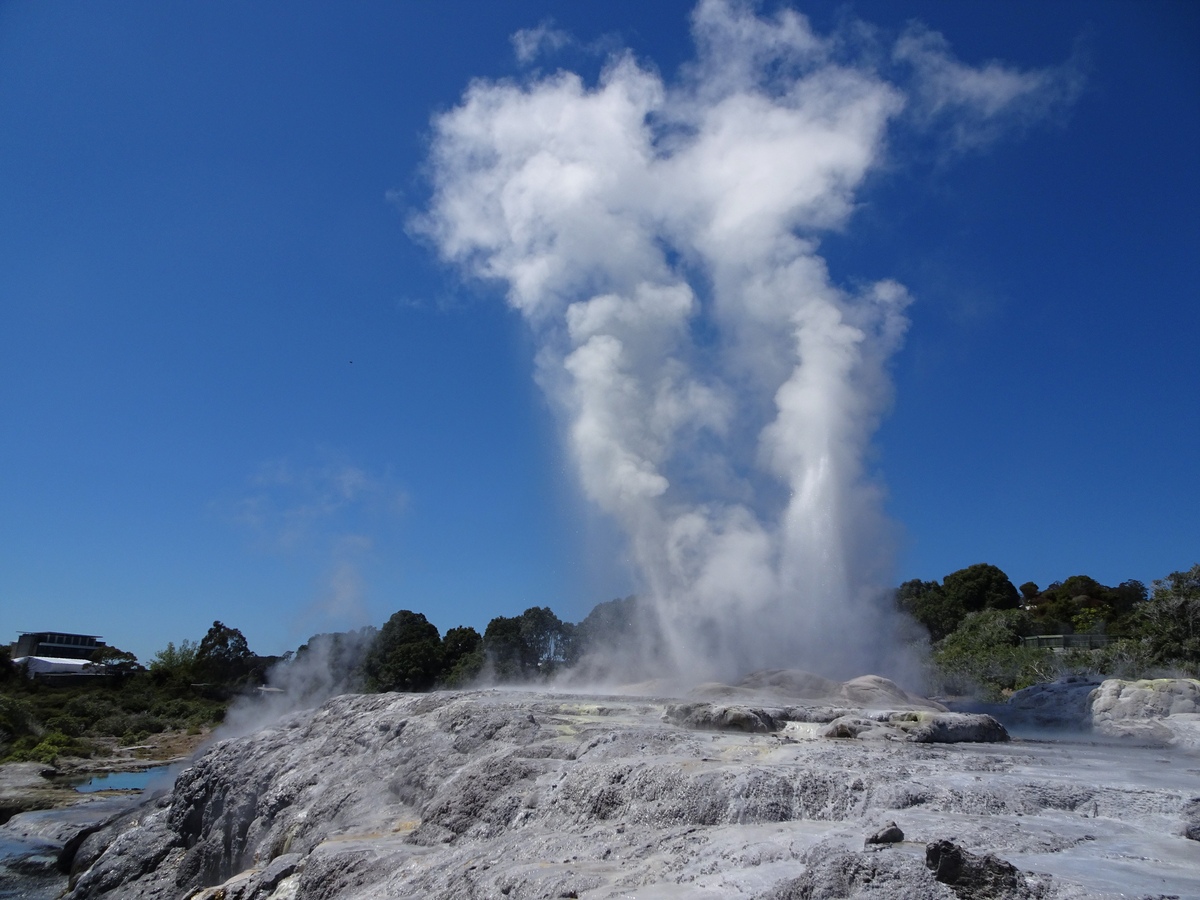
Whakarewarewa geothermal area
Bay of Plenty
Geothermal area in Rotorua city with unique cultural properties. The facilities offered by geothermal fields have been used by Maori since at least 1350 AD – they developed bathtubs and made food here. The area contains seven active geysers including the up to 30 m high Pohutu Geyser.
Rotomairewhenua (Blue Lake)
Tasman
This lake has the clearest water in the world – visibility reaches 80 m. Lake is fed by springs and is located at a height of 1200 m.
Te Waikoropupu Springs
Tasman
Very powerful (14,000 l/s) spring, renowned due to the clarity of the water with the highest measured lucidity in the world (63 m).
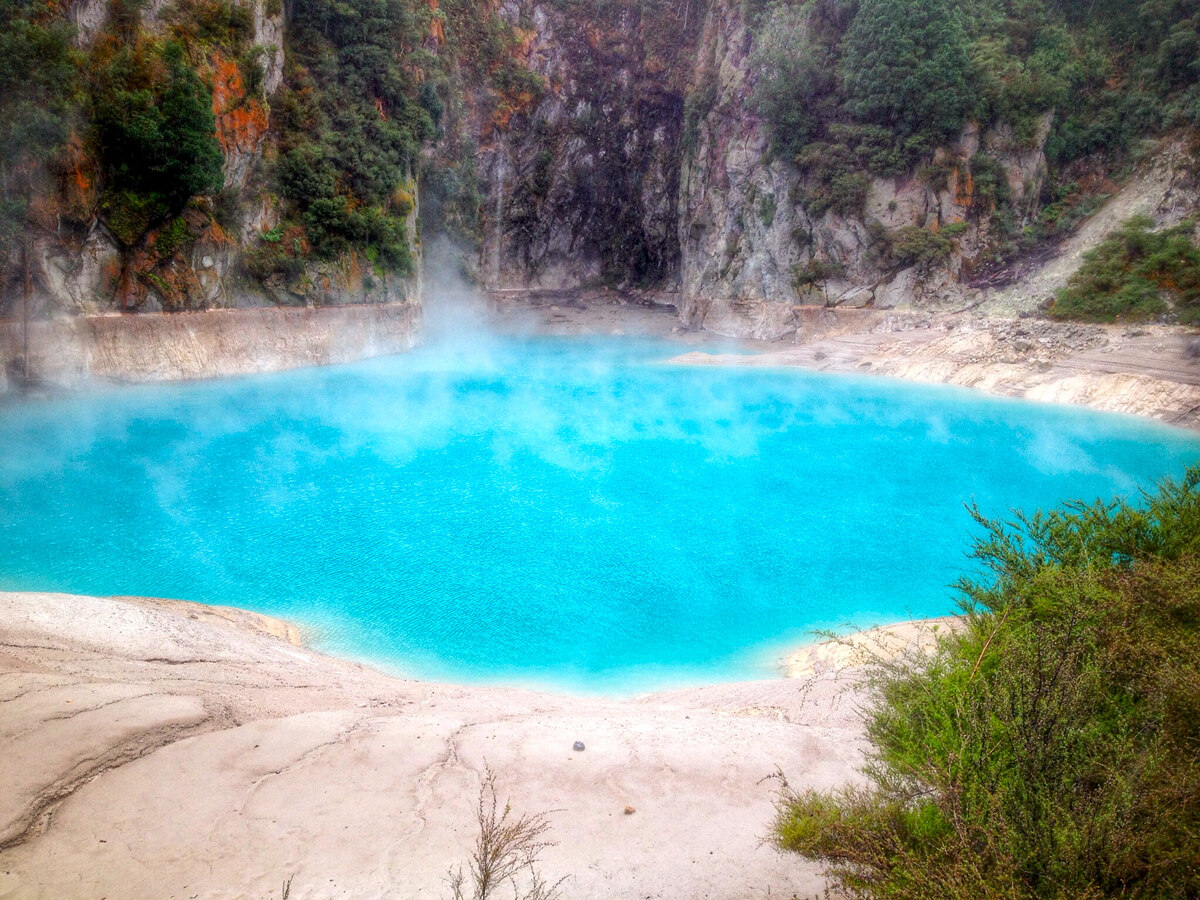
Waimangu geothermal area
Bay of Plenty
Geothermal area, created by Mount Tarawera eruption in 1886. The area contains many interesting features. Frying Pan Lake is the largest hot spring in the world – the area of this hot lake is 3.8 ha. Warbrick Terraces and Marble Terraces are sinter terraces in the process of formation. Inferno Crater is the largest geyser-like lake – a light blue steaming lake with a fluctuating water level.
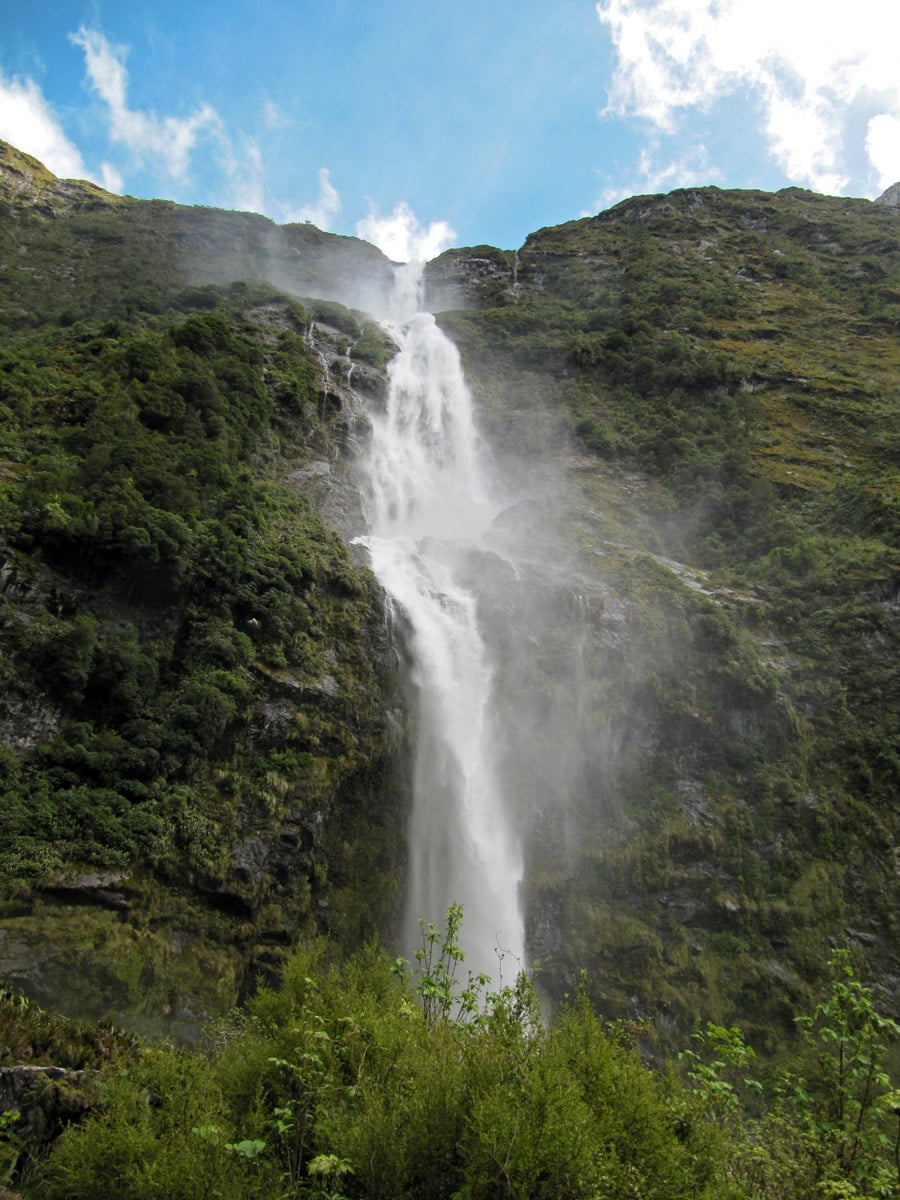
Sutherland Falls
Southland
This beautiful 580 meters high waterfall starts directly from the glacier-fed Lake Quill and falls in three drops.
Frying Pan Lake
Bay of Plenty
This is the largest hot spring in the world with a surface area of 3.8 ha.
Dusky Sound
Southland
One of the most grandiose fiords in the world.
Punakaiki Pancake Rocks and Blowholes
West Coast
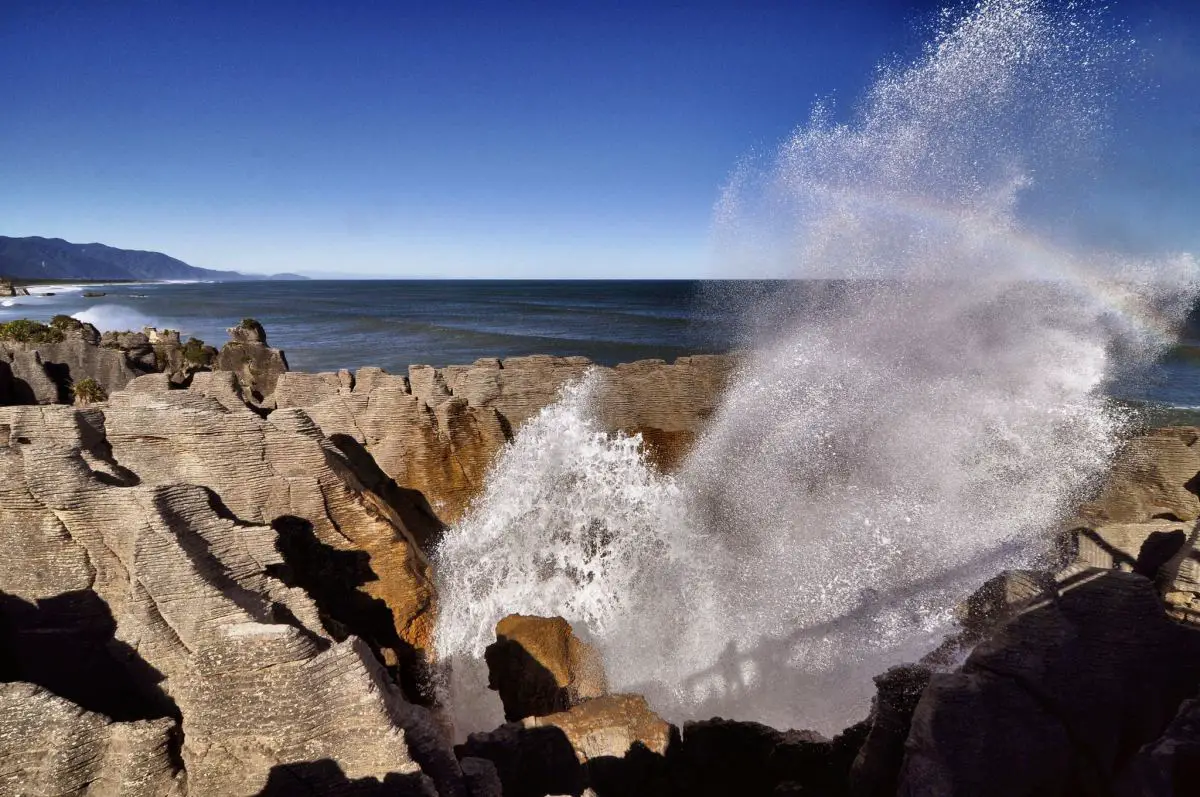
Unusual seaside cliffs from numerous thin layers of Oligocene limestone. As a result, there have formed diverse cliff formations that in some places resemble heaps of pancakes. The jagged cliffs have formed smaller natural arches and several roaring blowholes. These blowholes are especially impressive at high tide and strong southwestern winds.
Tikitere
Bay of Plenty
Geothermal field with the largest hot waterfall in Southern Hemisphere – Kakahi Falls. Very active hydrothermal features with acidic boiling mud pools, mud "volcano", hot springs, and lakes. Steaming Cliffs lake is 122°C hot.
Mount Taranaki (Mount Egmont)
Taranaki
A beautiful stratovolcano. Its total height is 2,518 m but prominence: 2,308 m.
Franz Josef Glacier
West Coast
Glacier whose descent is so steep that the ice ends up close to the rainforest.
Biological wonders
Waipoua Forest
Northland
The largest remaining New Zealand kauri forest.
Waitomo Glowworm Cave
Waikato
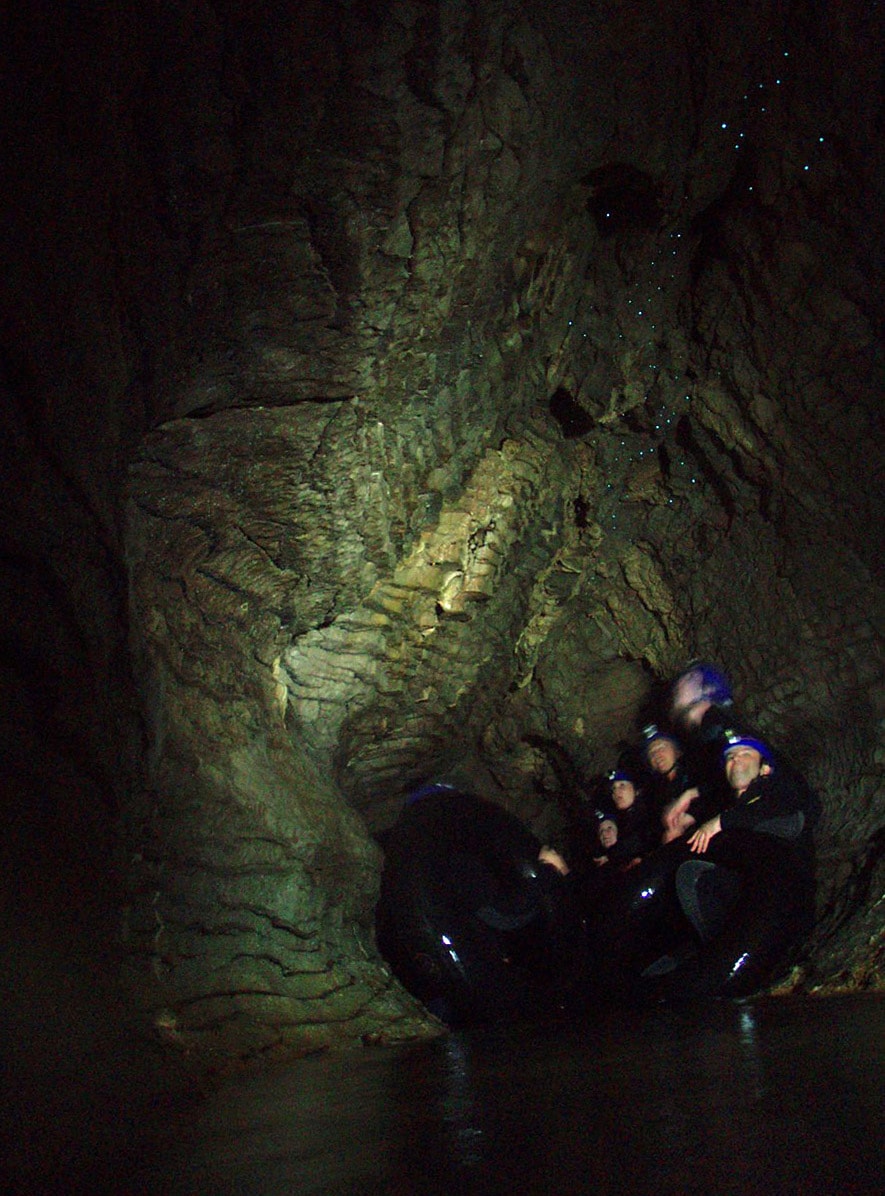
The most accessible glowworm cave adorned with thousands of blue-green glowing Arachnocampa luminosa insects. Glowworms are met in numerous other New Zealand caves as well. In the Waitomo area are located more than 300 caves, often with beautiful cave formations.
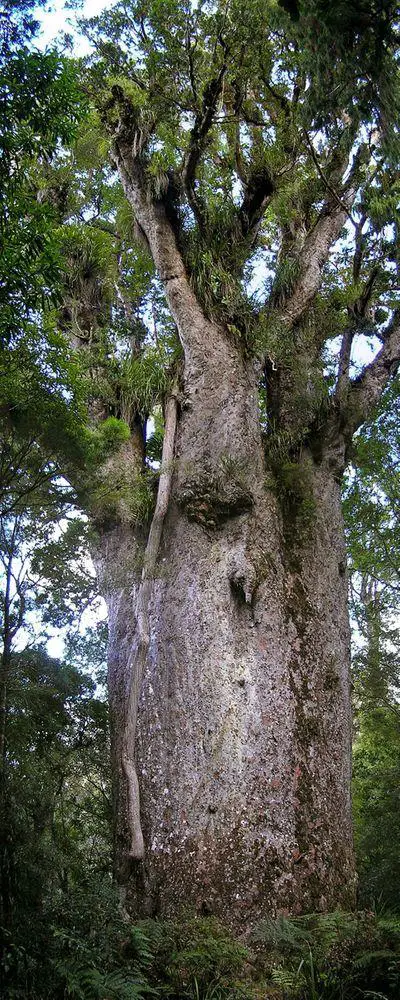
Tāne Mahuta
Northland
Largest contemporary kauri (Agathis australis), volume 255 m³. Girth 13.77 m, height 45.2 m. Reports of larger trees in the forest.
Te Matua Ngahere
Northland
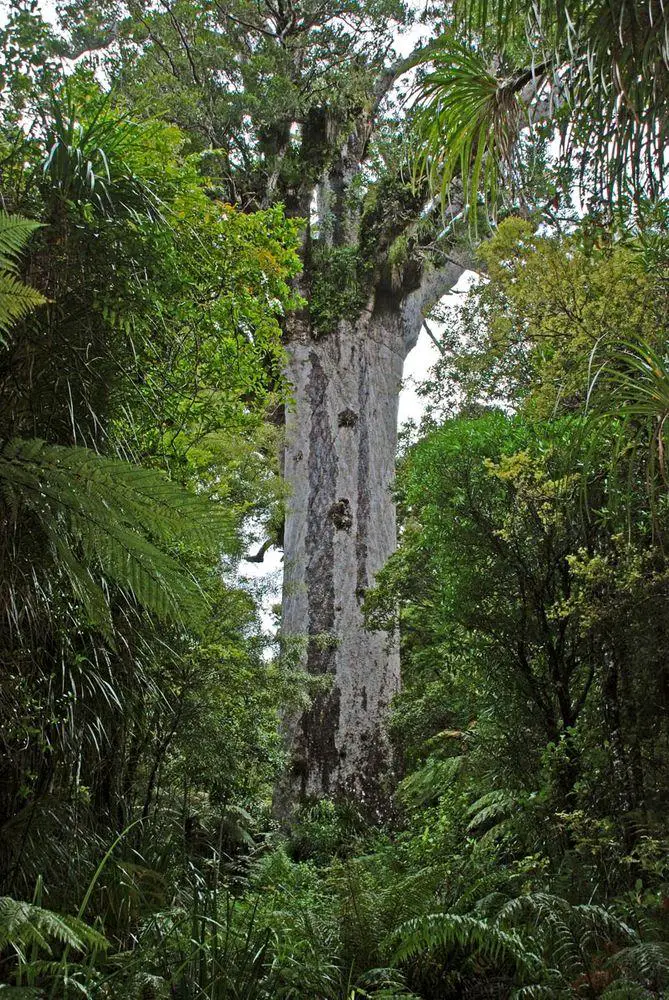
Stoutest contemporary kauri (Agathis australis). Girth 16.76 m, height 37.4 m.
Architecture wonders
Art Deco architecture in Napier
Hawke’s Bay
The town at Hawke’s Bay was destroyed by an earthquake in 1931 and rebuilt in the architectonic style of the time. Thus Napier represents one of the best Art Deco architecture complexes worldwide.
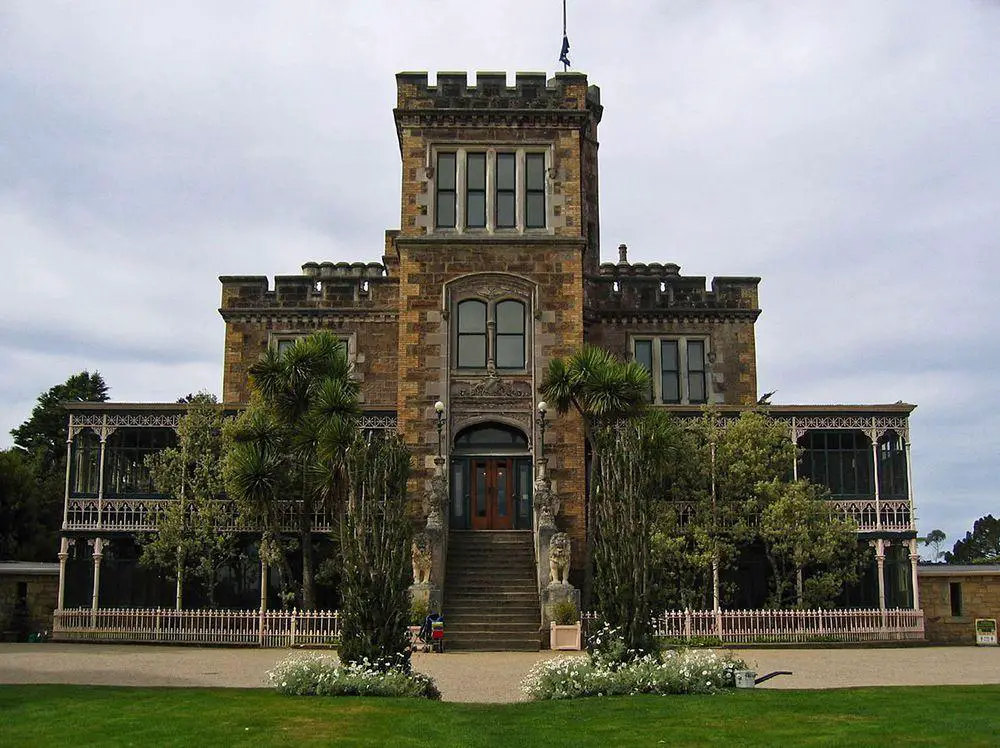
Larnach Castle
Otago
The most beautiful historical palace in New Zealand, constructed from 1873 to 1887. The building has 43 rooms and is well known also due to ghost stories.
 Recommended books
DK Eyewitness Travel Guide: New Zealand


Visit Middle Earth and discover the land of the Kiwis when you travel to New Zealand. From Auckland to Poor Knights Island, this travel guide takes you straight to the best attractions this island nation has to offer.
New Zealand: A Natural History


This stunning book combines spectacular photography with natural history and personal experience to guide readers into “the land of the long white cloud.” Second only to Hawaii in natural diversity, the New Zealand archipelago has borne centuries of environmental tumult and species destruction. At present, dedicated conservationists are working hard to revive shattered ecosystems and to restore endangered species.

I love this website !!!!!!!
I know!! Me too, its amazing i learned so much!
i agree brad, but shouldnt you be making me breakfast and not scrolling through this website… 😎
its just so addicting! I feel for brad
sorry sandra darling ill be right on it x