
Wondermondo 🢖 World 🢖 Wonders of North America 🢖 Wonders of Central America 🢖 Wonders of Panama
Territory
Wonders of Panama
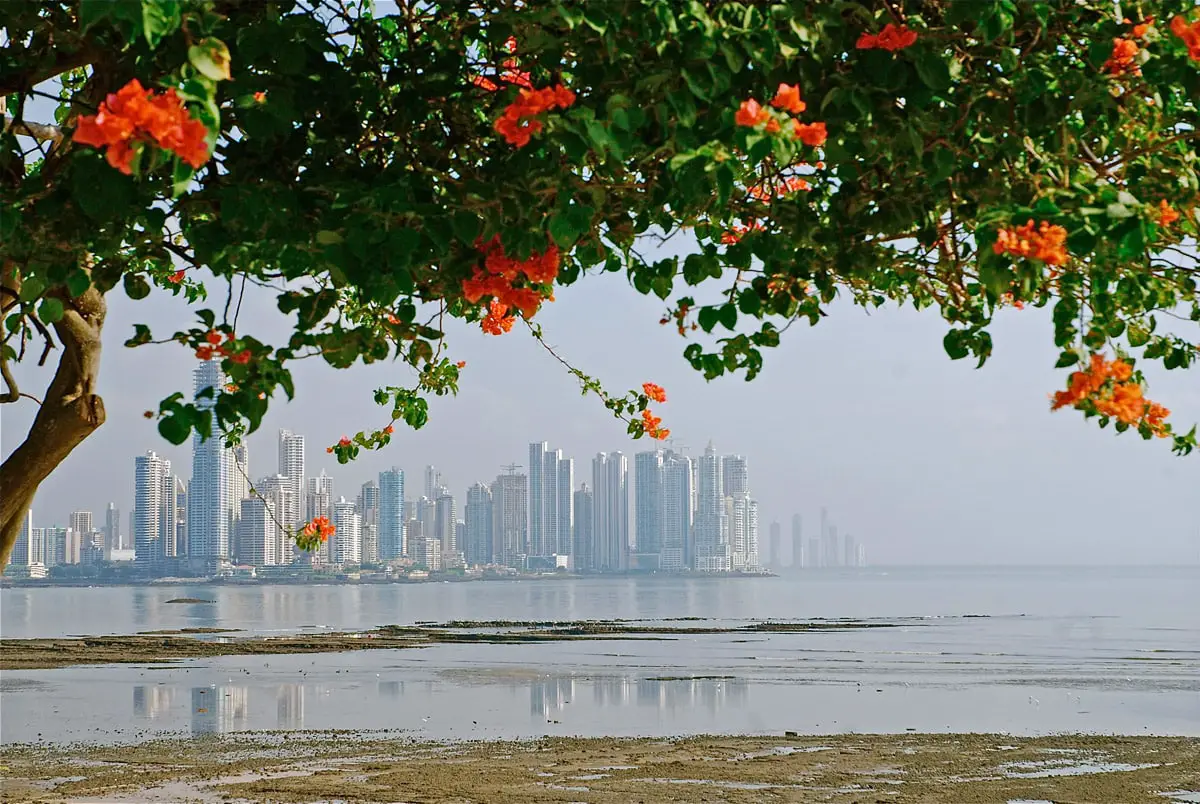
 Highlights
Panama is somewhat less rich with exciting man-made landmarks if compared with many other Latin American countries – but some of these monuments are very exciting. The nature of Panama, in turn, is impressive almost everywhere.
The most amazing wonders of Panama are:
- Biodiversity. Being between South America and North America, between the Caribbean and Pacific has resulted in a very high biological diversity. Panama has thousands of species that are found nowhere else and many more still waiting to be discovered. Unique ecosystems have developed in montane meadows (paramos) and cloud forest in the high mountains, and special biotopes have developed on secluded islands.
- Archaeological monuments. Panama has interesting monuments created by local cultures. The country has amazing, undeciphered petroglyphs and impressive, somewhat enigmatic stone sculptures.
- Historical cities. Some of the oldest European cities (and stone structures) in the Americas are located in Panama, with interesting architecture in Renaissance and Baroque styles.
Map with the described wonders
If you see this after your page is loaded completely, leafletJS files are missing.
 Top 25 wonders of Panama
Geological wonders
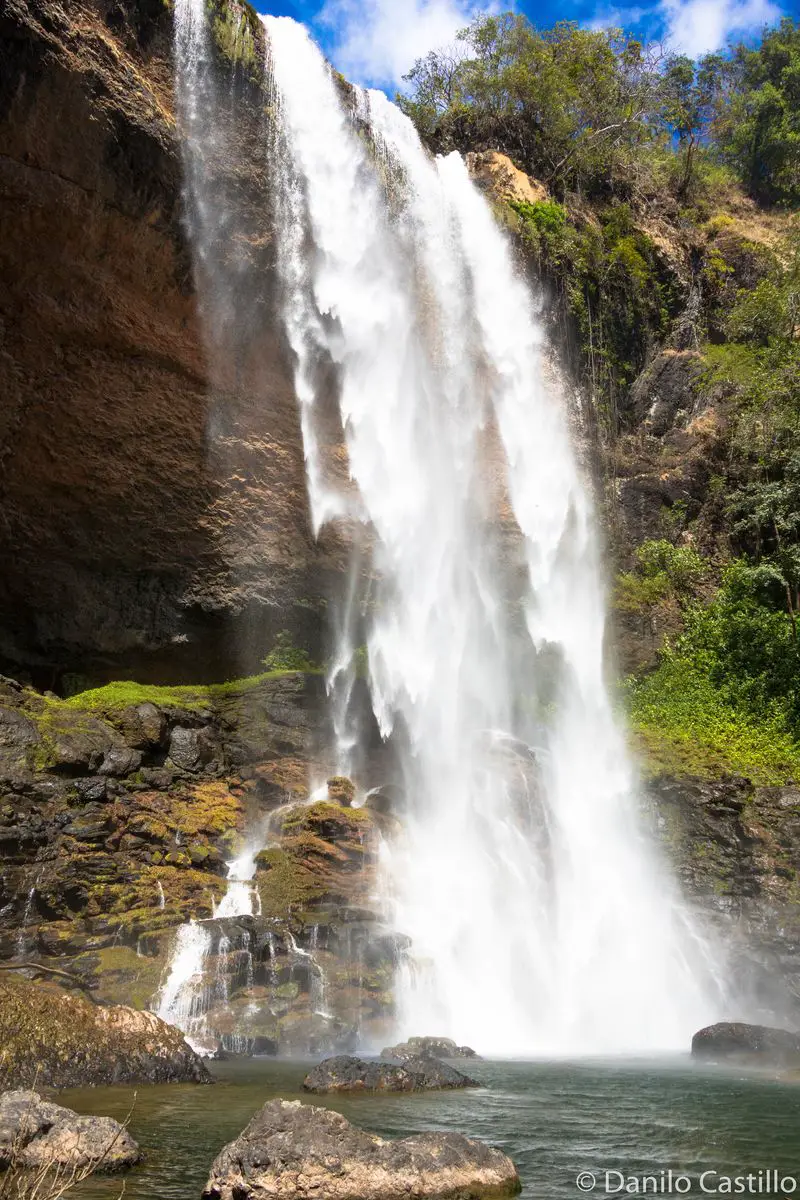
La Cascada Kiki
Chiriquí
A powerful waterfall with a vertical plunge. Reportedly the tallest waterfall in Panama.
Nivida Cave
Bocas del Toro
One of the largest caves in Panama, approximately 1.4 km long.
Bayano Caves (El Majé Caves)
Panamá
Group of three spectacular show caves. The largest cave is some 2 km long, with the Seco River running through it. This cave can be entered by boat.
Natural bridge on Madden Lake
Panamá
Natural bridge – a remnant of a collapsed cave over an arm of Madden Lake. The bridge is some 75 m wide, up to 14 m tall. Pre-Columbian artifacts have been found under the bridge.
Biological wonders
Coiba Island
Veraguas
Numerous endemic subspecies and species of animals and plants have developed on this jungle-covered island in a relatively short time period – 12 – 18 thousand years.

Cerro Gaital
Coclé
1,185 m tall mountain. Its summit is covered with cloud forest, and there live numerous rare and endemic animals and plants. Both Pacific and Caribbean can be seen from this mountain.
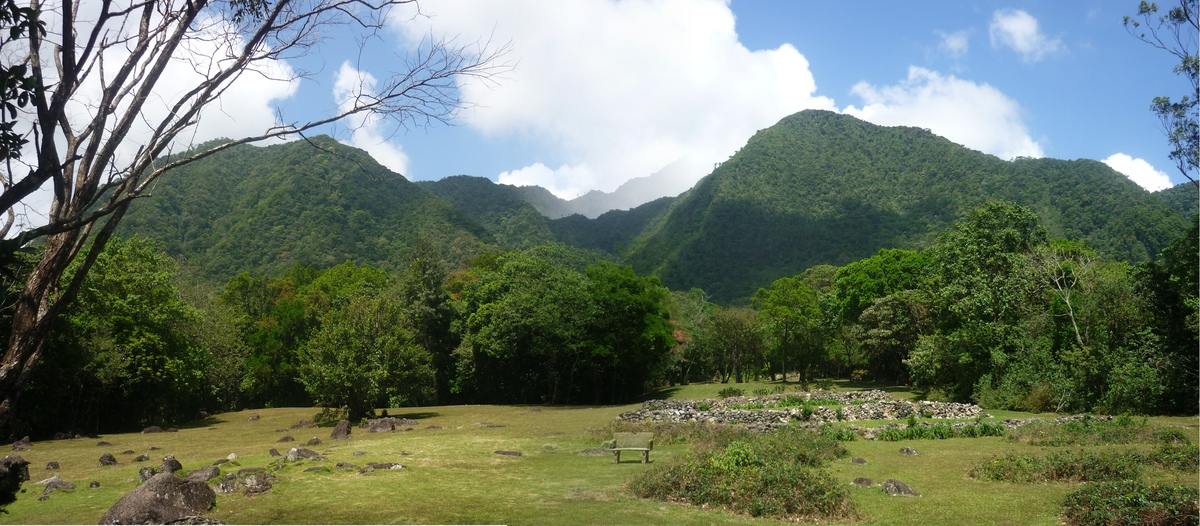
Cerro Pirre elfin forest (Serranía de Pirre forest, Alturas de Nique)
Darién
Beautiful, stunted montane forest at the height of 1100 – 1200 m. Here live endemic species of birds, other animals, and plants. The area still is poorly researched.
Archaeological wonders
Barriles
Chiriquí
Possible ceremonial center and settlement that was used sometimes around 500 – 1000 AD. Here have been found exciting, large stone statues. Statues show men, some with conical hats, there are also barrel-shaped stones.
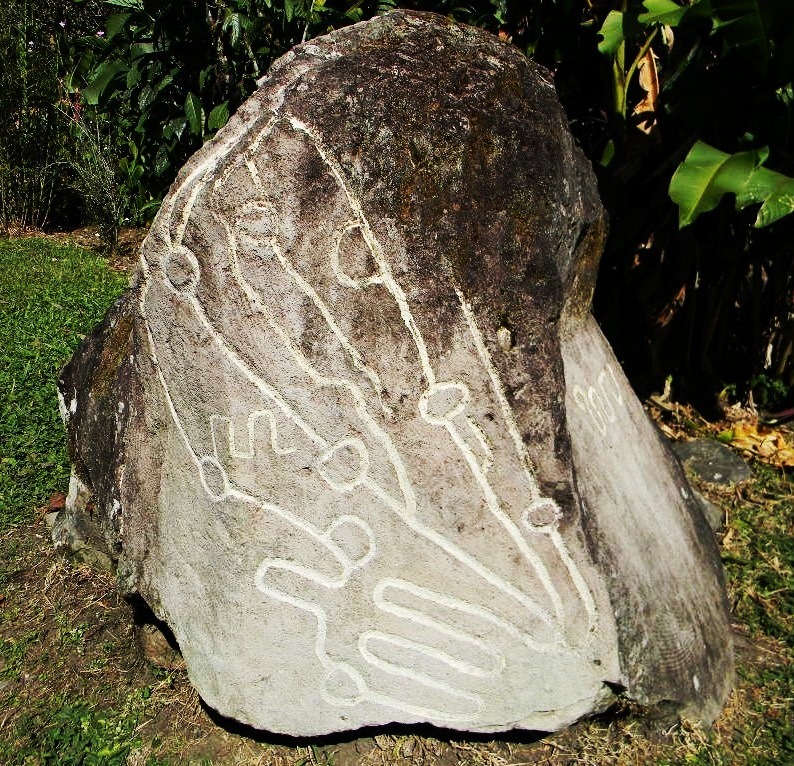
La Piedra Pintada in El Valle
Coclé
El Caño Archaeological Park
Coclé
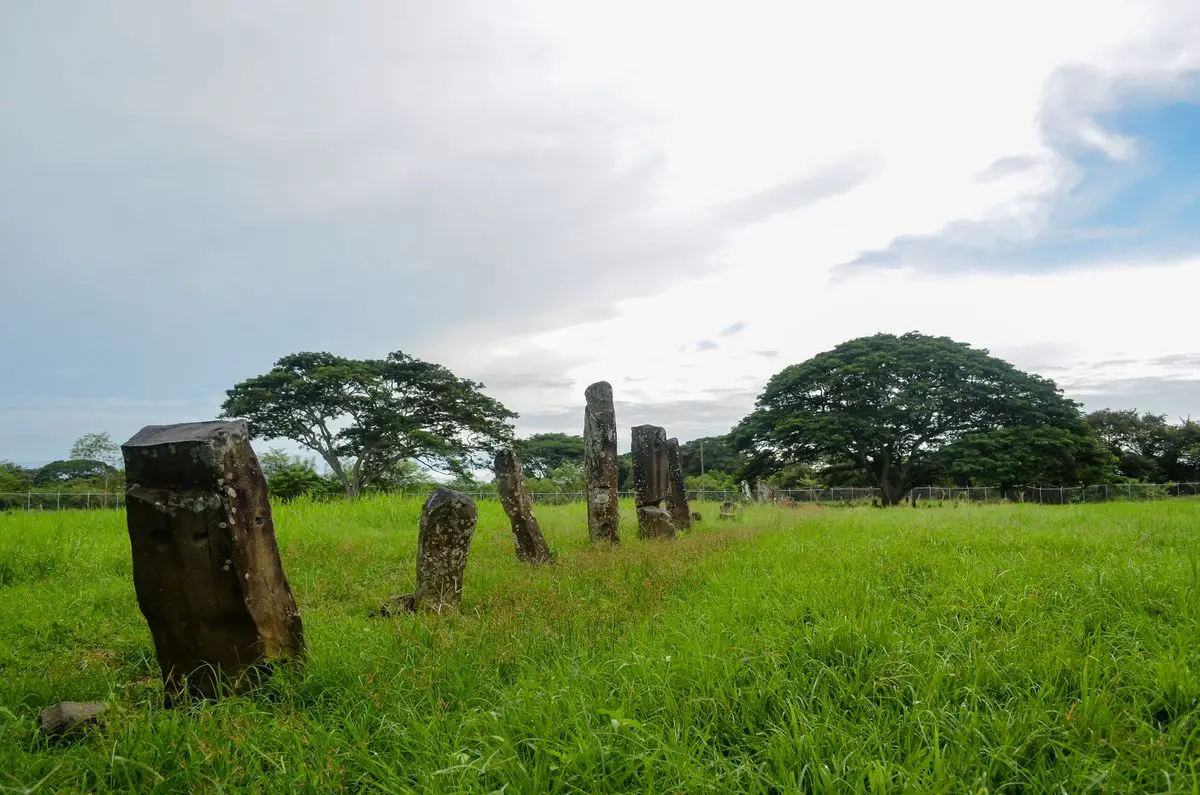
An important and interesting archaeological site, albeit much plundered. In this place has been found a circular row of stone columns and mounds with burials from the time period between 500 and 1550 AD.
Architecture wonders
Casco Viejo
Panamá
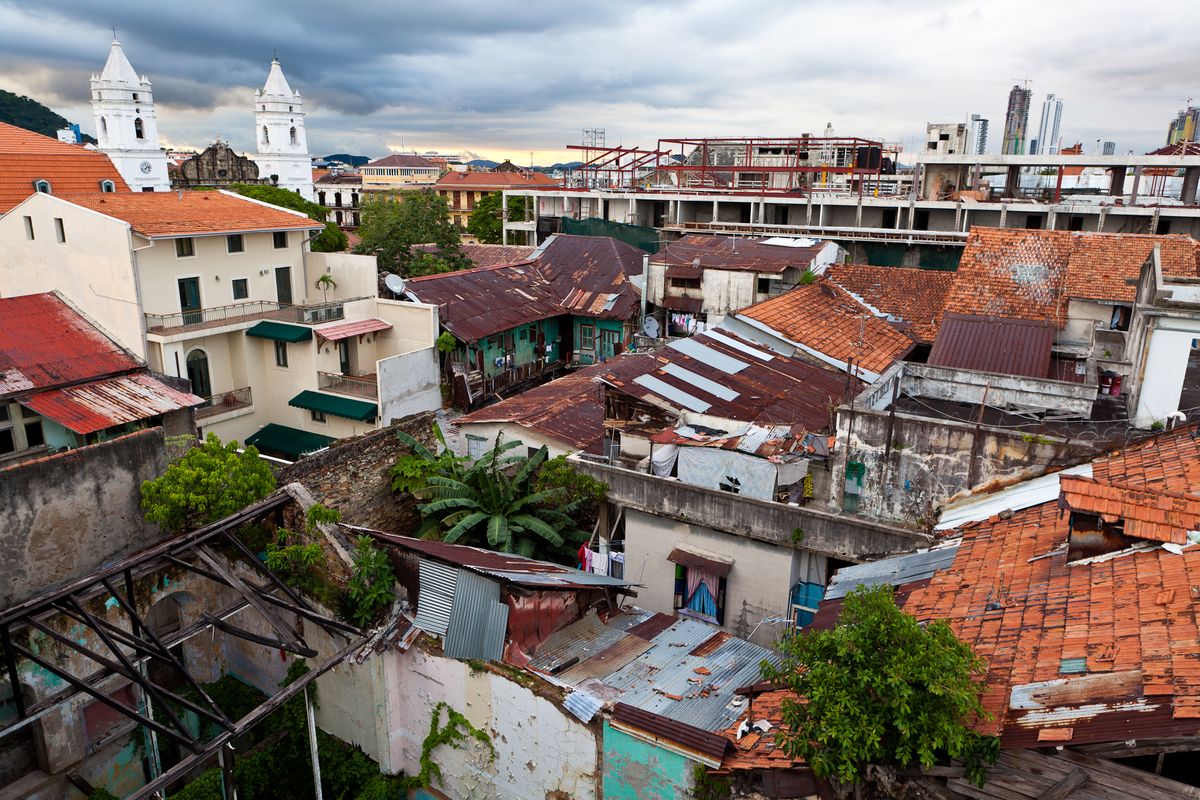
The new town of Panama was established after the fire in the old town in 1673. Contains some 800 interesting buildings from the 18th – 19th century. Architecture in Panama is an interesting mix of Spanish, French, and early American styles.
Portobelo
Colón
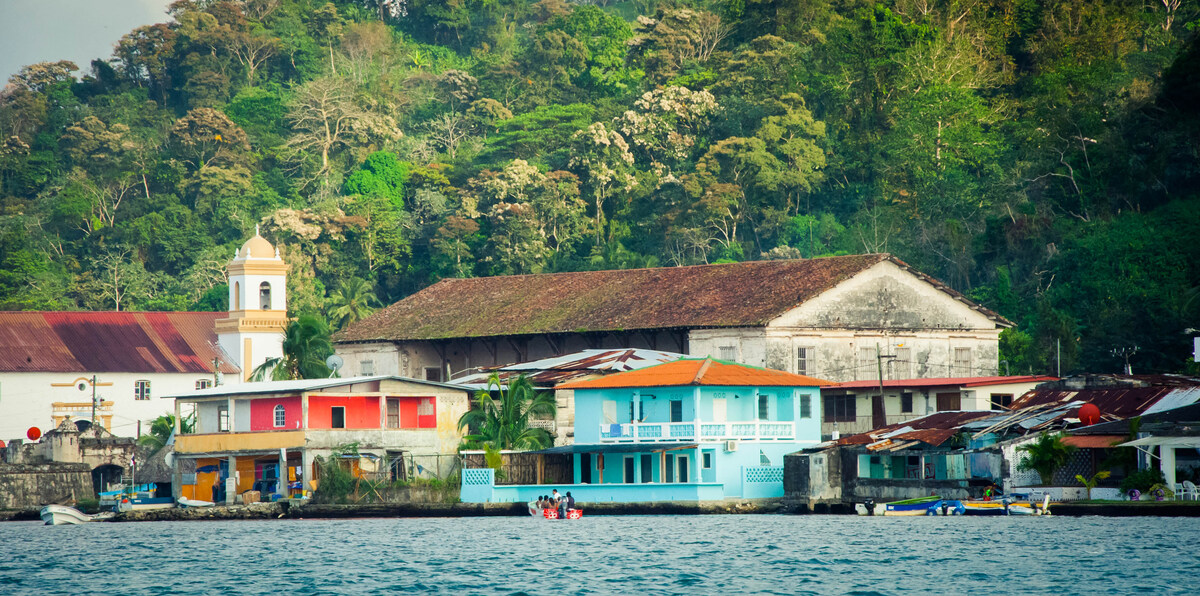
Small historical city on the Caribbean coast of Panama, built as a part of the Spanish trade route. Contains many valuable historical buildings from the 16th – 19th century. Around the city are many fortifications from the 16th – 18th century.
St. Joseph Church in Panama
Panamá
Church with a golden altar. This altar remains from the previous Panama city. The altar was saved from pirates – it was buried in mud.
Nata Church (Natá Church)
Coclé
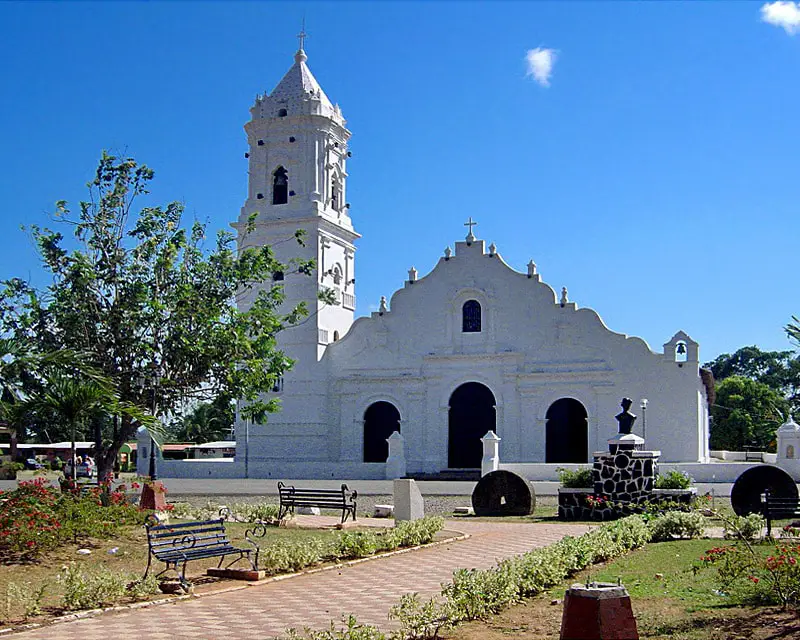
Possibly the oldest church in Panama and mainland America, founded by the Spanish on May 20, 1522. This beautiful Renaissance-Baroque structure is in good condition.
Metropolitan Cathedral of Panama
Panamá
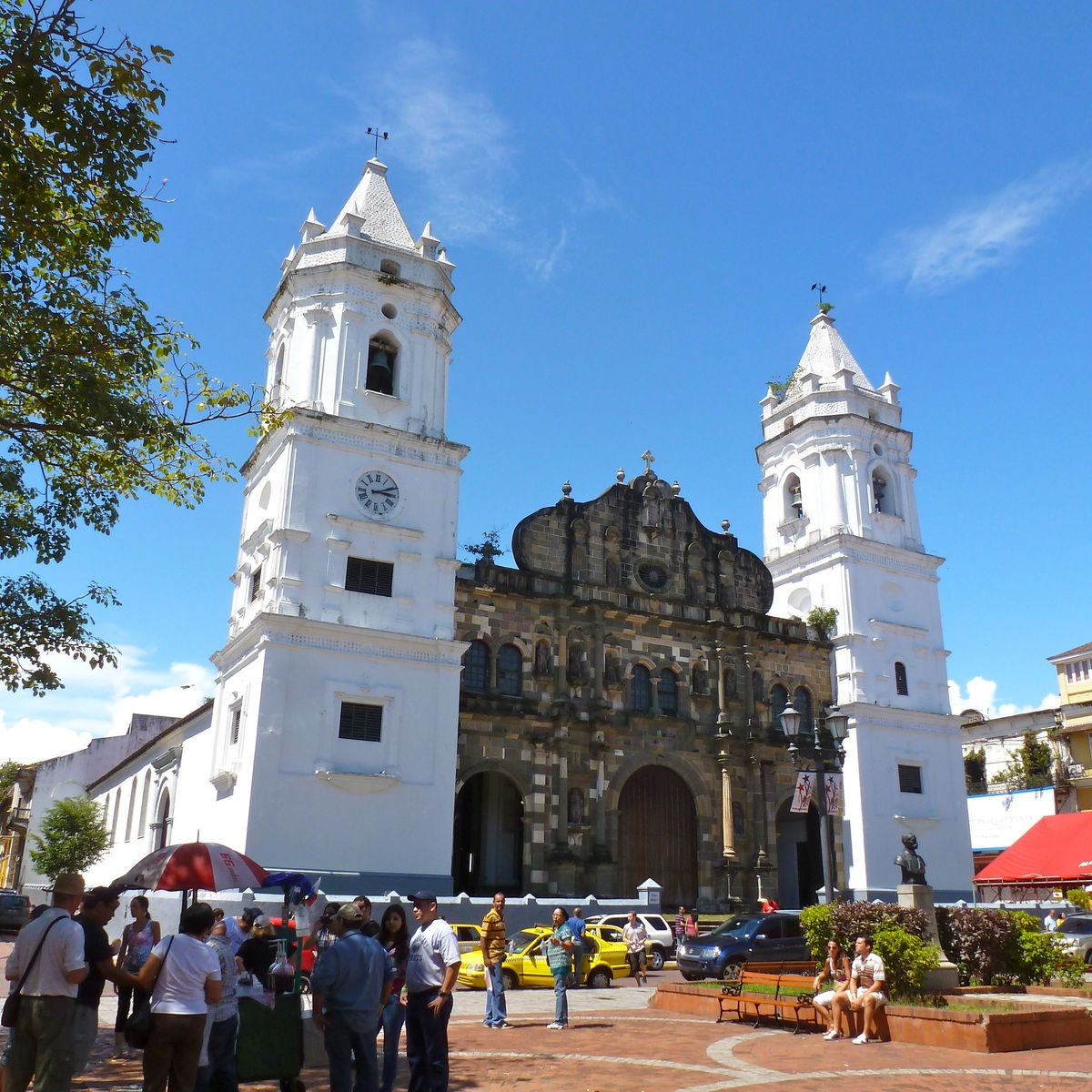
Ornate cathedral in Baroque style, constructed in 1668 – 1796.
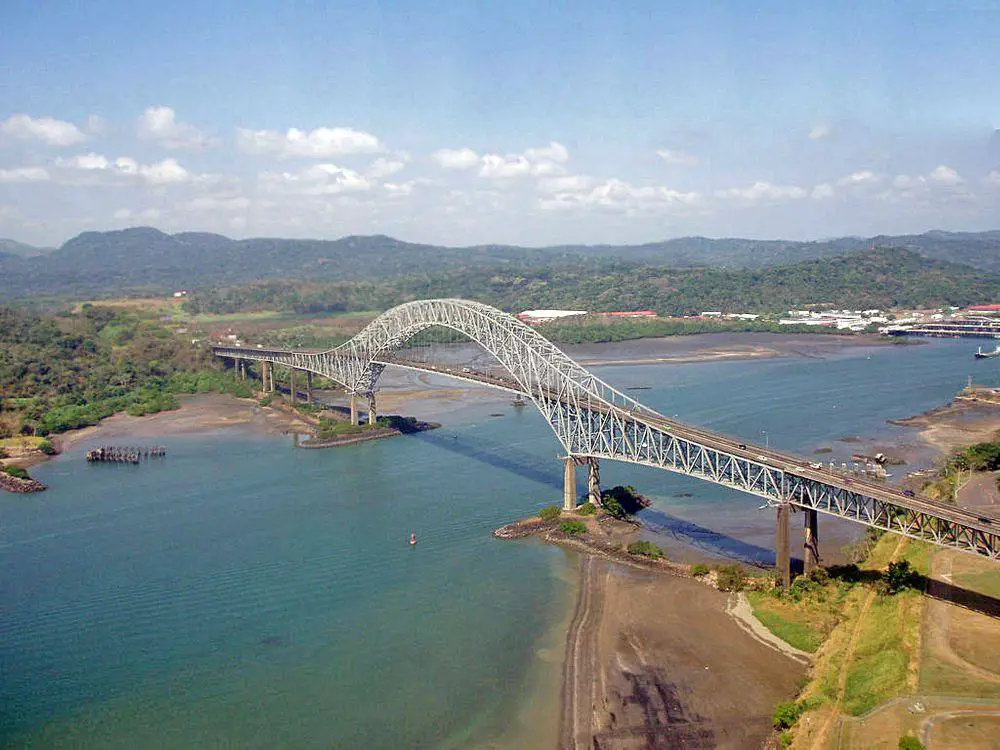
Bridge of the Americas
Panamá
An iconic bridge across the Pacific entrance to the Panama Canal. This cantilever bridge is 1,654 m long, with 61.3 m clearance. Constructed in 1962.
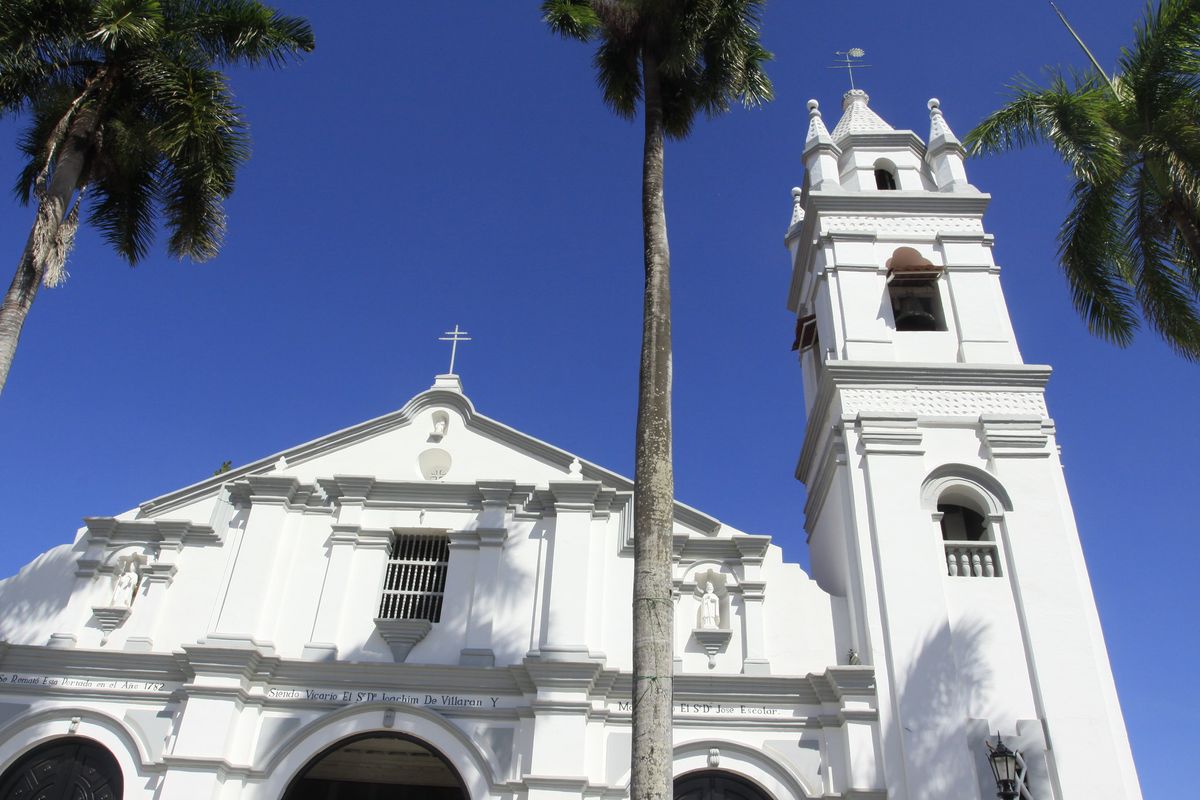
San Atanasio Church
Los Santos
Old, ornate church in Baroque style, construction started in 1559.
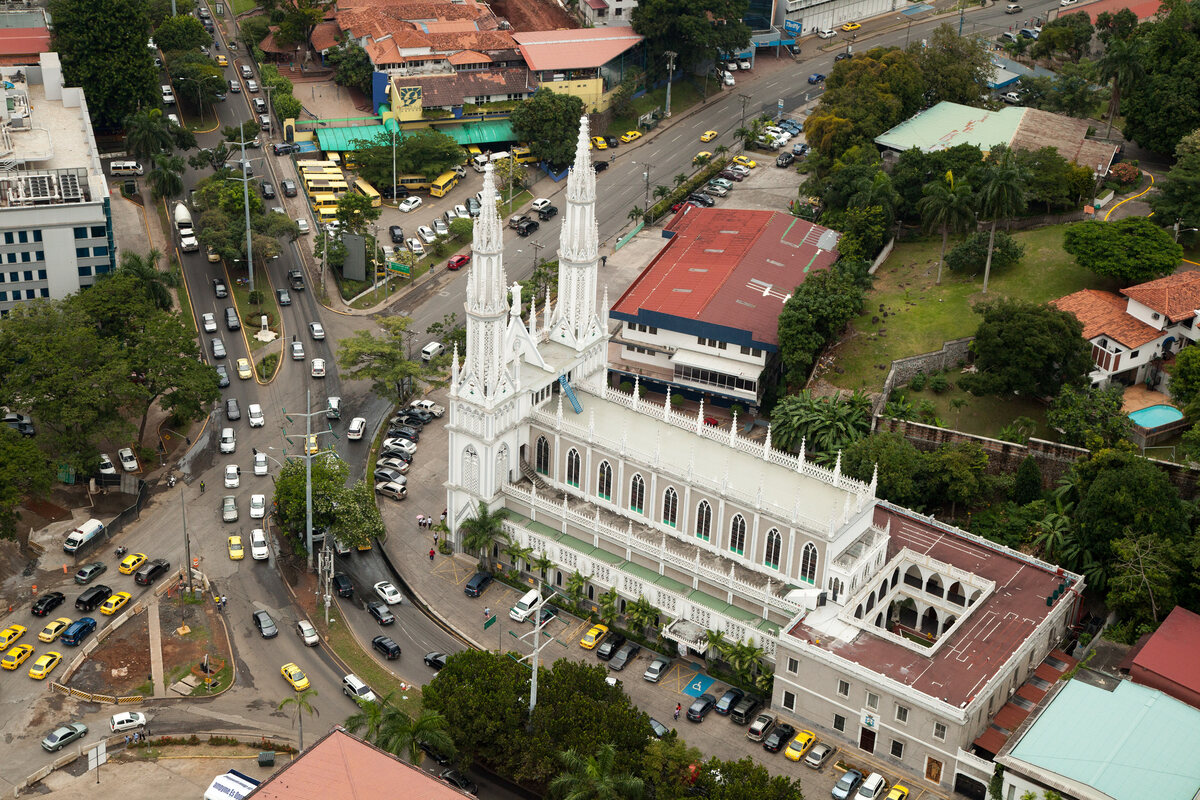
Church of Our Lady of Carmen in Panama
Panamá
Gorgeous Neo-Gothic cathedral, built in 1947 – 1955.
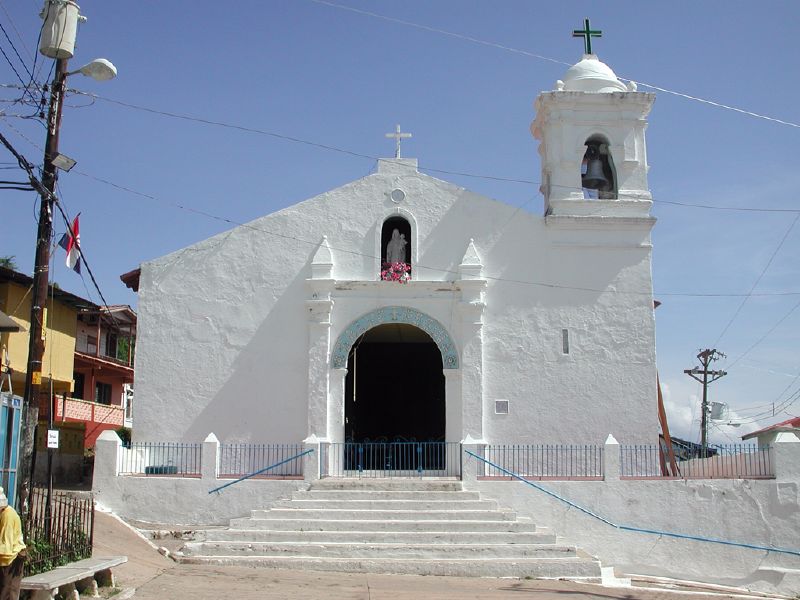
Taboga San Pedro Church
Panamá
A very old church in the Renaissance style. This might be the second oldest church in Panama it was built around 1524.
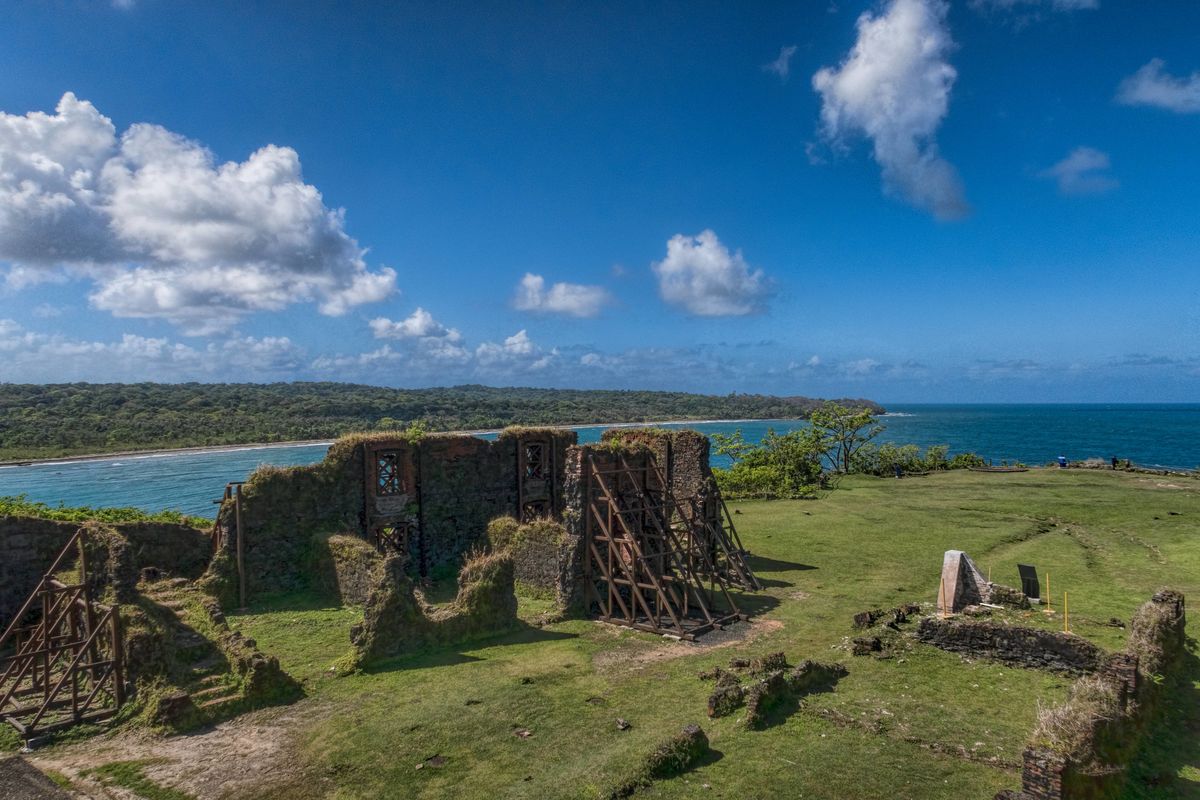
Fort San Lorenzo
Colón
A beautiful example of military architecture from the 16th – 17th century, part of the Spanish transatlantic trade route. Construction was started in 1598, fort was abandoned in 1821.
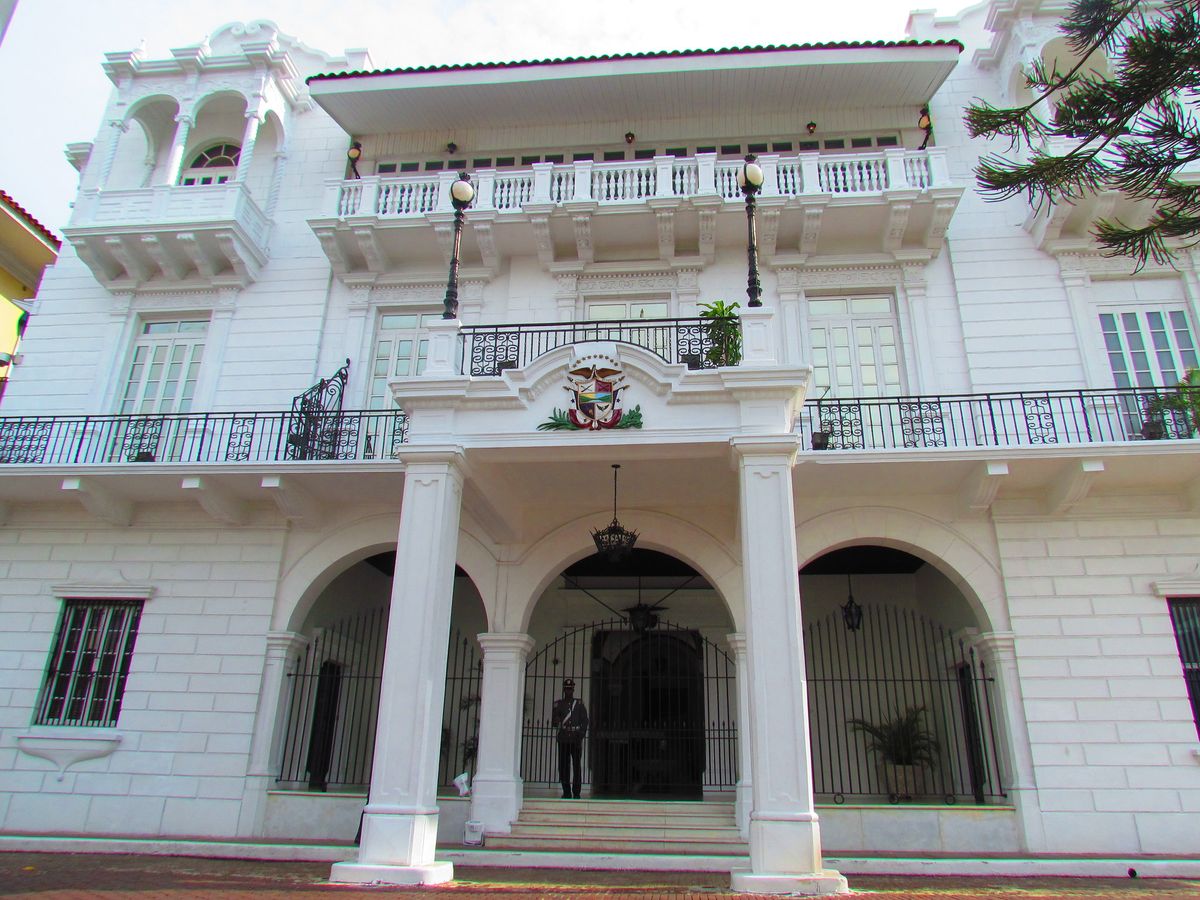
Palacio de las Garzas
Panamá
Residence of the President of Panama, governmental office. The building was initially constructed in 1673 but has been significantly modified over time. In 1922 herons were introduced in the courtyard and since then are freely roaming here.
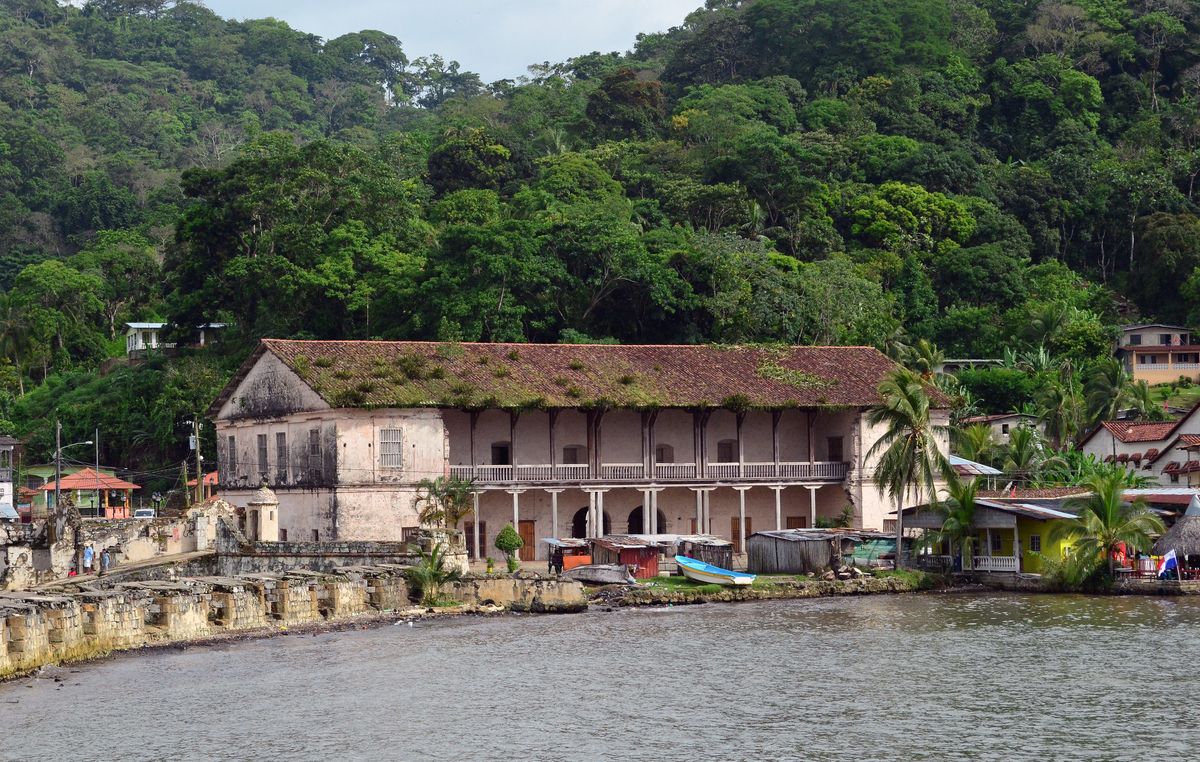
Portobelo Customs House
Colón
One of the oldest preserved buildings in the historical Portobelo town, constructed in Renaissance style in 1630 – 1634.
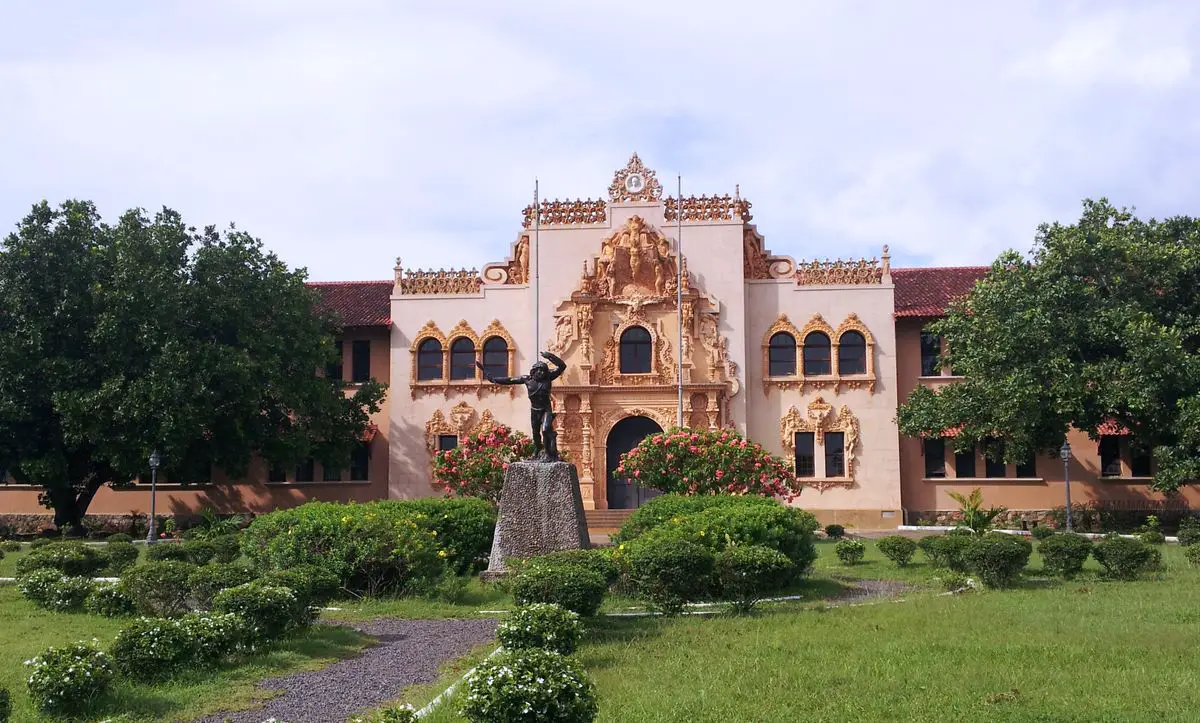
Arosemena Santiago Secondary School
Veraguas
Very ornate school building in Moorish Revival style, constructed in the late 1930s.
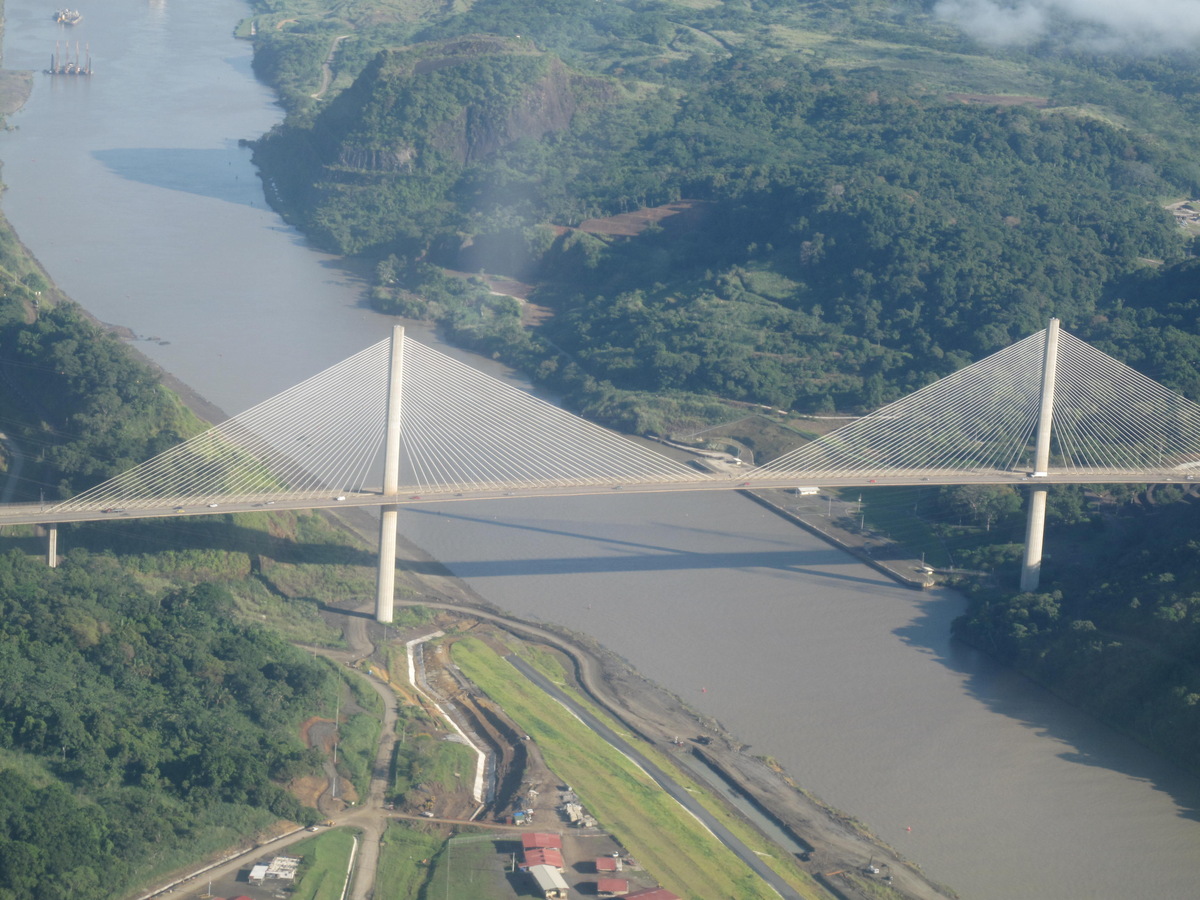
Centennial Bridge
Panamá
A spectacular cable-stayed bridge across Panama Canal, 1,052 m long, clearance – 80 m. Constructed in 2004.
 Recommended books
Frommer’s Panama


Frommer’s books aren’t written by committee, or by travel writers who simply pop in briefly to a destination and then consider the job done. We use seasoned journalists like Nicholas Gill who has been covering Panama for over a decade and has strong opinions on what travelers should do in the country… and what they can skip without regret. He also understands that not all travelers have the same needs or budgets and so has created a guide that is extremely helpful whether you’re a honeymooner, a backpacker, or are traveling with kids.
The Rough Guide to Panama


Written in Rough Guides’ trademark opinionated style, this travel guide offers insightful, first-hand accounts of Panama’s top sights and local secrets, from the Panama Canal’s new multi-billion-dollar expansion to partying in the Azuero Peninsula.

