
Wondermondo 🢖 World 🢖 Wonders of North America 🢖 Wonders of the United States
Territory
Wonders of the United States
 Highlights
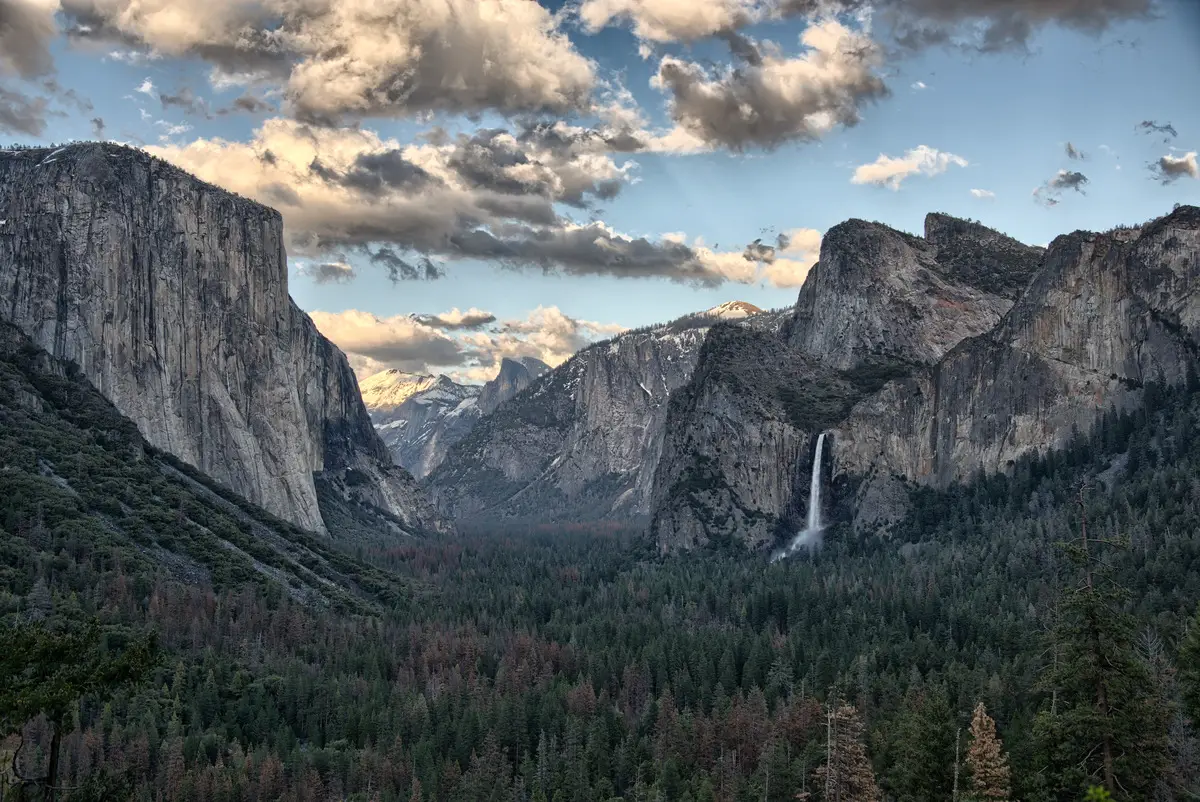
The United States of America is one of the largest countries in the world and offers a wide array of diverse attractions: many are unsurpassed in the world.
The most amazing wonders of the United States are:
- Cliffs, canyons and rock formations. In many minds around the world, America is associated with Grand Canyon in Arizona, but no less surprising is Devil’s Tower, Rainbow Bridge, and many others.
- Downtowns of large cities with skyscrapers. Modern skyscrapers were developed in the United States, and such cities as New York and Chicago have thousands of highrises. Many skyscrapers are located closely together and provide an unforgettable sight.
- Geothermal features. The United States is the proud owner of the most spectacular geothermal fields in the world located in Yellowstone National Park.
- Giant forest in California. In California grow the oldest, tallest, and largest trees in the world. Giant Forest is one of such groves of the world’s largest trees. There is nothing comparable to this elsewhere in the world.
Territorial division of the United States
States of the United States
United States are divided into 51 entities (50 states and 1 federal district):
- Alabama
- Alaska (reviewed separately)
- Arizona
- Arkanzas
- California
- Colorado
- Connecticut
- Delaware
- Florida
- Georgia
- Hawaii (also a part of Oceania and Polynesia, reviewed separately)
- Idaho
- Illinois
- Indiana
- Iowa
- Kansas
- Kentucky
- Louisiana
- Maine
- Maryland
- Massachusetts
- Michigan
- Minnesota
- Mississippi
- Missouri
- Montana
- Nebraska
- Nevada
- New Hamphsire
- New Jersey
- New Mexico
- New York
- North Carolina
- North Dakota
- Ohio
- Oklahoma
- Oregon
- Pennsylvania
- Rhode Island
- South Carolina
- South Dakota
- Tennessee
- Texas
- Utah
- Vermont
- Virginia
- Washington
- Washington D.C.
- West Virginia
- Wisconsin
- Wyoming
Other possessions of the United States
Incorporated territory
- Palmyra Atoll (Oceania)
Overseas territories
- American Samoa (Oceania)
- Guam (Oceania)
- Northern Mariana Islands (Oceania)
- Puerto Rico (Caribbean)
- United States Virgin Islands (Caribbean)
Several more scattered small Pacific islands are possessions of the United States:
Also, one more Caribbean island is an unincorporated territory of the United States:
Map with the described wonders
If you see this after your page is loaded completely, leafletJS files are missing.
 Top 25 wonders of the United States
Geological wonders
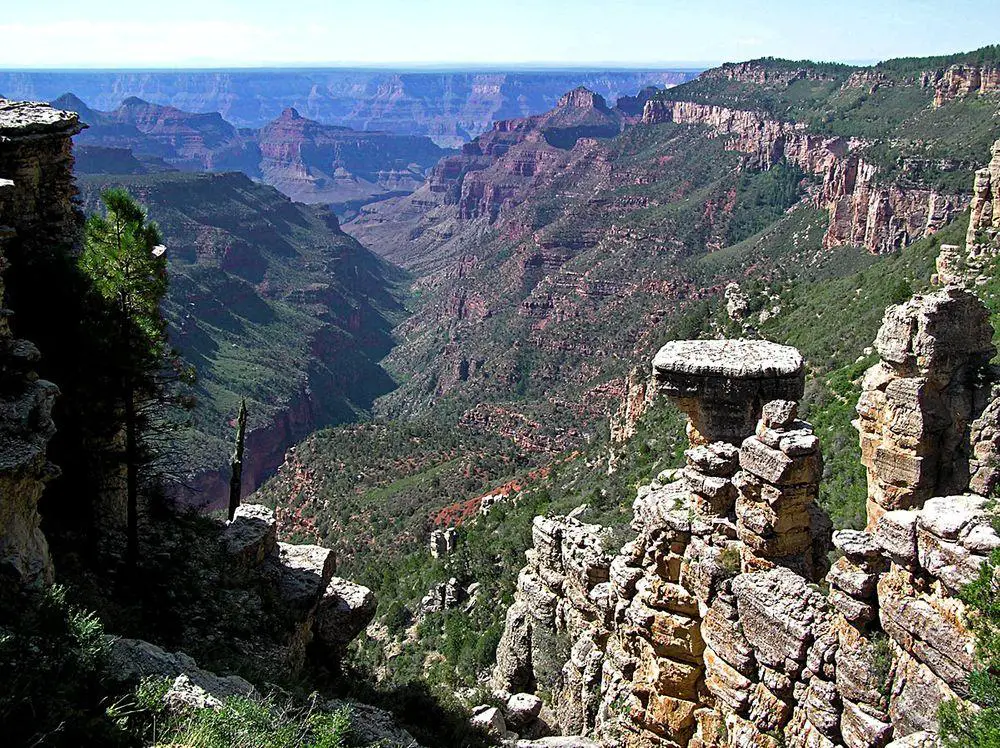
Grand Canyon
Arizona
Possibly the most impressive canyon in the world. This 446 km long canyon is up to 1,800 m deep and has rugged, nearly vertical walls.
Niagara Falls
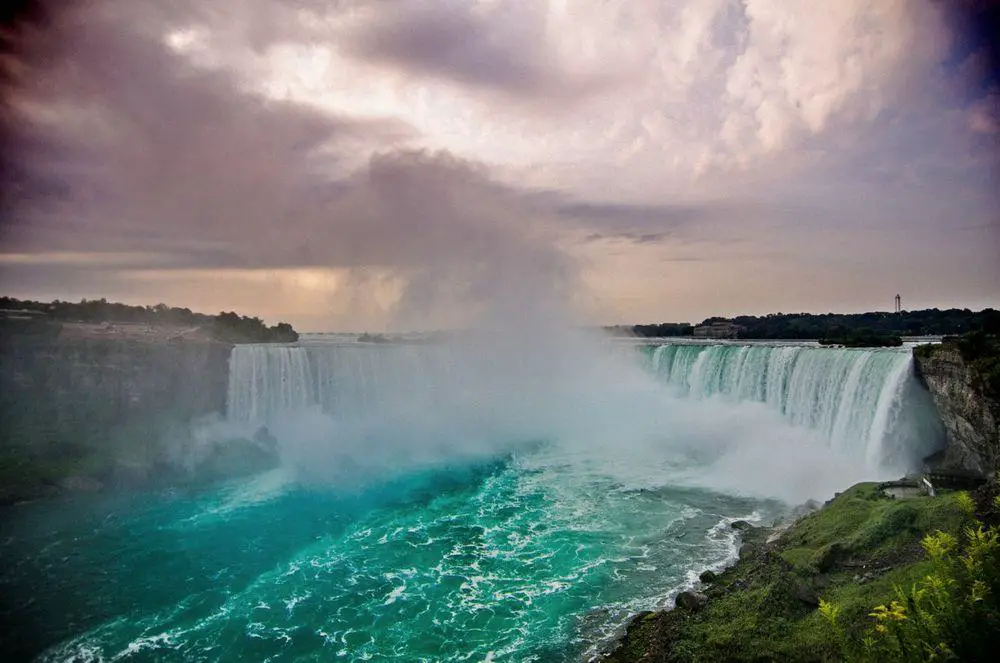
New York
The most popular waterfall in the world is 51 meters high and 1203 meters wide. The shape of the waterfall and its proportions have become somewhat synonymous with the word “waterfall”.
Meteor Crater (Barringer crater)
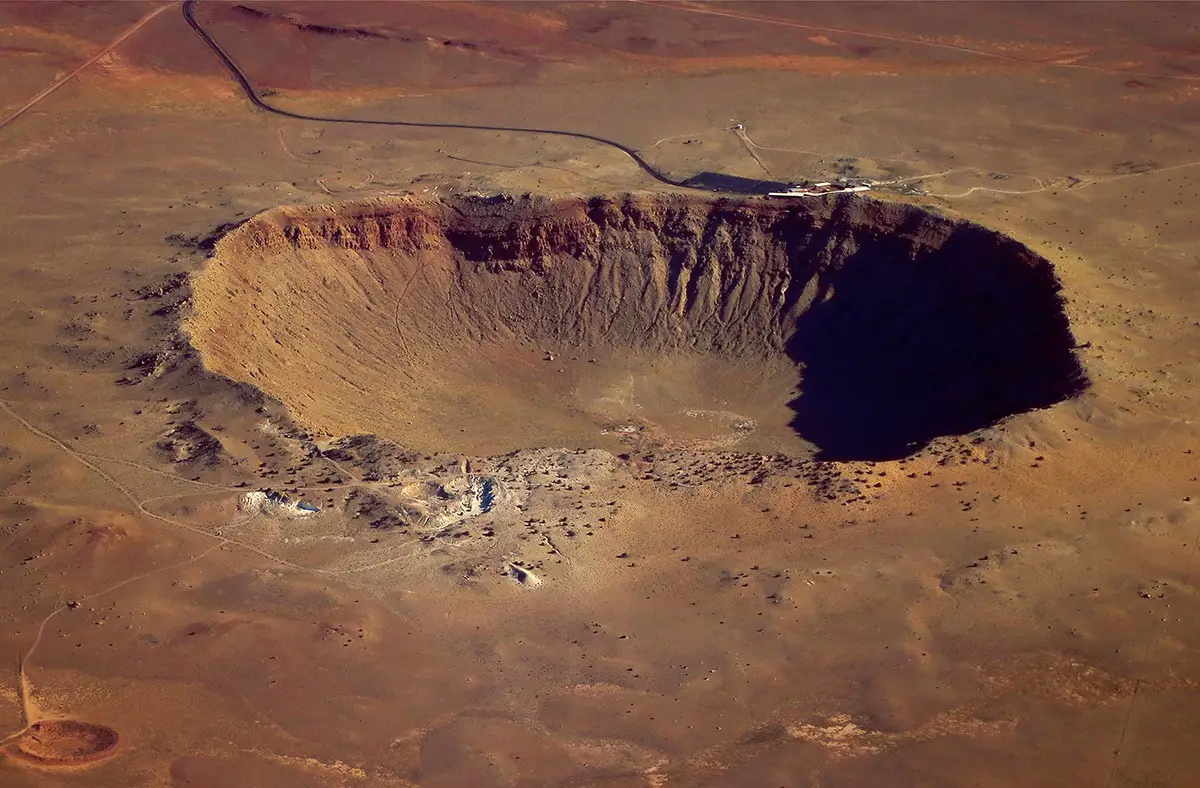
Arizona
Visually the most impressive meteorite impact crater on Earth. The diameter of the crater is about 1,180 m, depth is 170 m. The outer side of the rim rises 45 m high above the surrounding plains. The bottom is covered with a 210 – 240 m thick layer of rubble. The impact took place some 49,000 years ago.
Mammoth Cave
Kentucky
The total length of Mammoth Cave passages is 676 km: it is the longest known cave system in the world. Cave has formed in Early Carboniferous (Mississippian) limestone and is covered with sandstone. Burials of Native Americans.
Old Faithful
Wyoming
The most predictable geyser in the world, erupting almost every 91 minutes. The height of the eruption is up to 56 m.
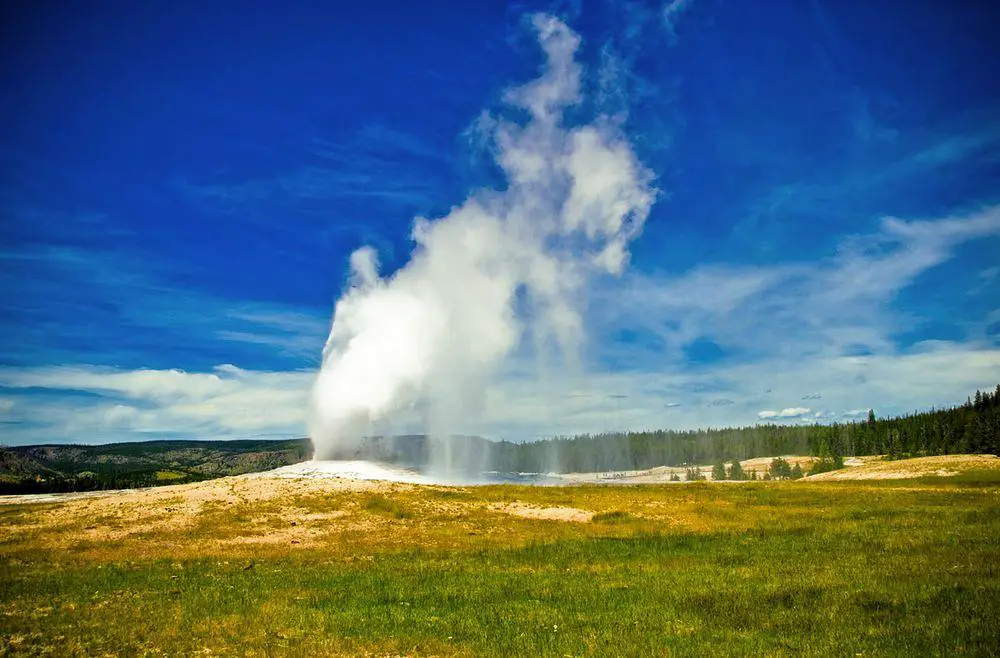
Geysers of Yellowstone National Park
Wyoming, Idaho, Montana
This is the largest concentration of active geysers in the world with more than 500 active geysers. Currently, the world’s most powerful geyser, the Steamboat geyser (up to 90 meters high) is here. It consists of several groups of geysers, many being the most spectacular in the world.
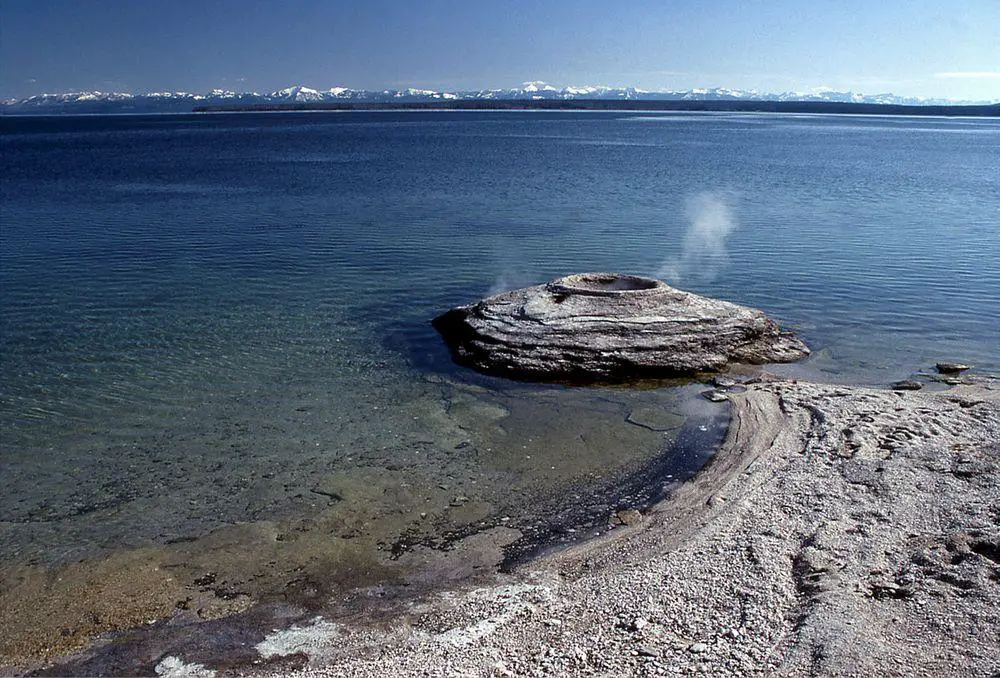
Mammoth Hot Springs
Wyoming
These hot springs have produced some of the most impressive travertine terraces in the world.
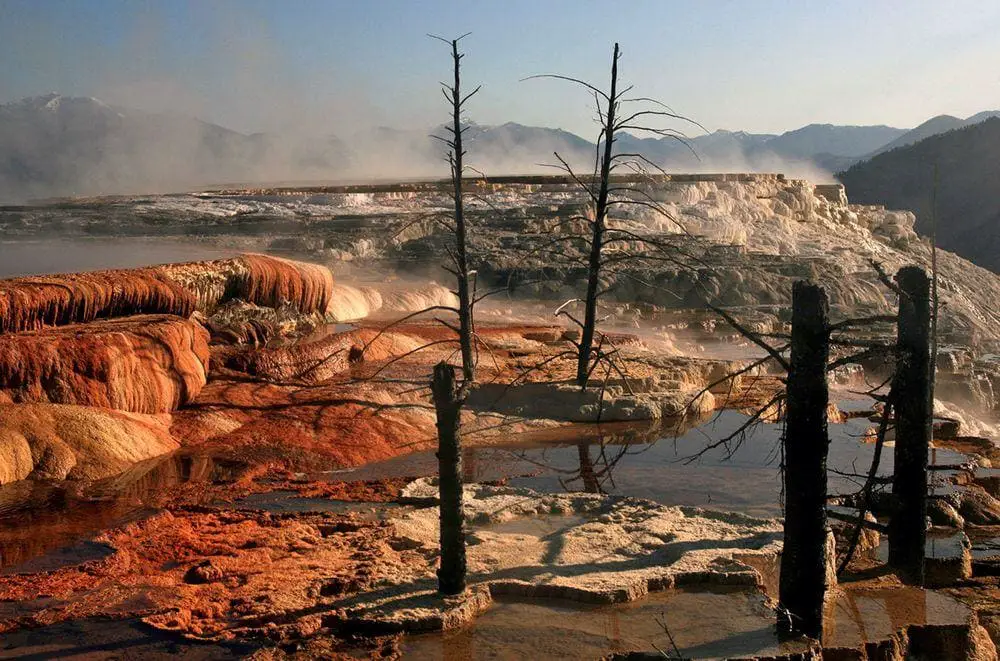
Delicate Arch
Utah
Beautiful natural arch, 20 m tall.
Devil’s Tower
Wyoming
Igneous intrusion – a steep, unusual rock rising 386 m above the surroundings.
Lechuguilla Cave
New Mexico
222.6 kilometers long cave, one of the most decorated and beautiful caves in the world with unique kinds of speleothems, such as hydromagnesite ballons, U-loops, and up to 6,1 meters long gypsum hairs.
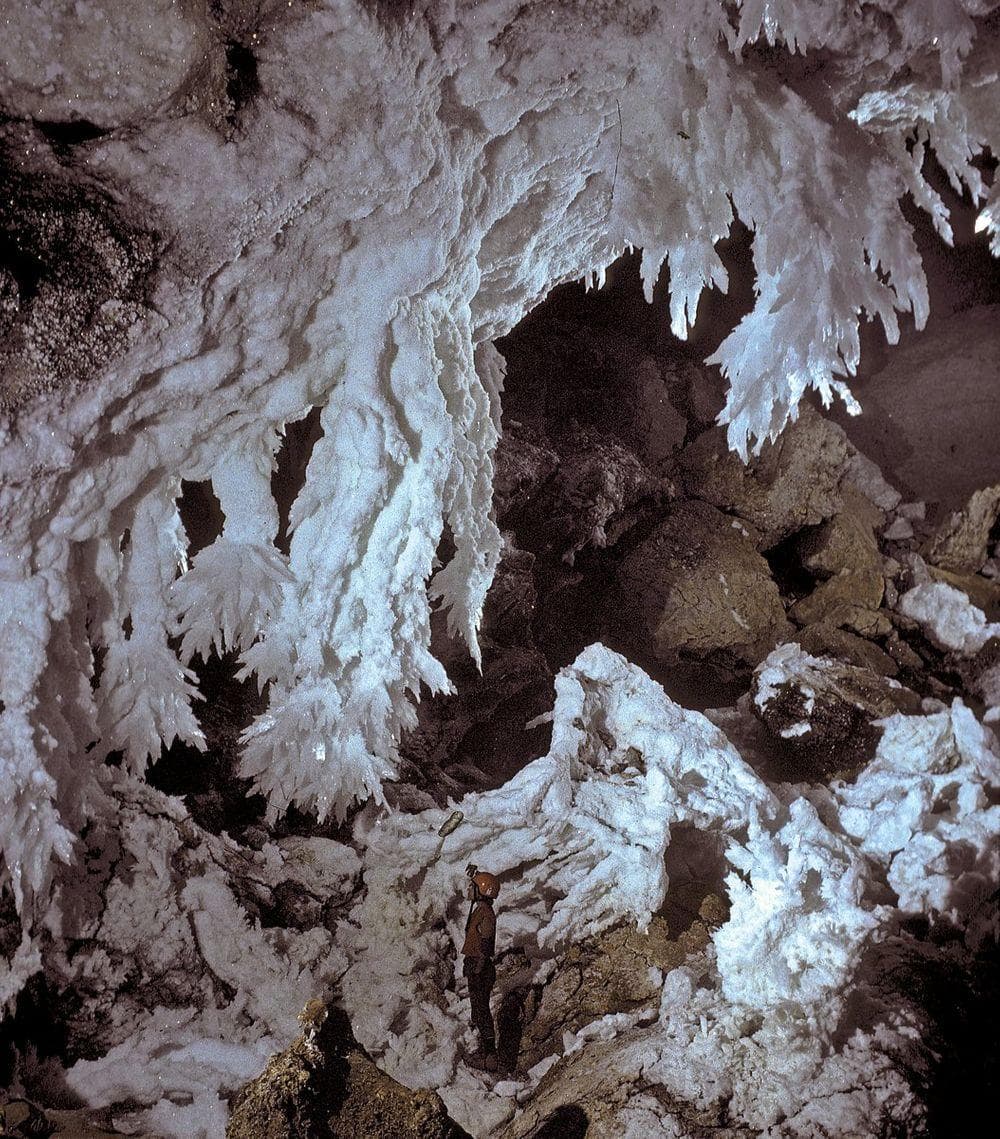
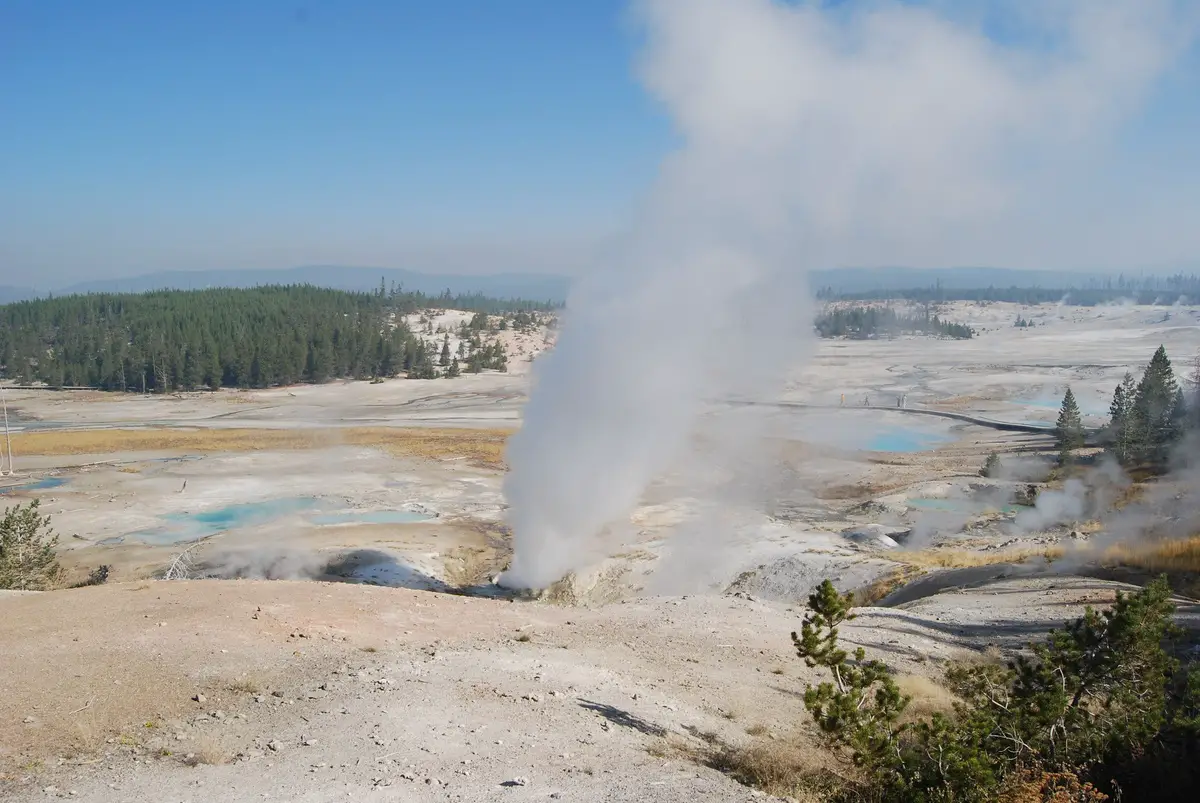
Norris Geyser Basin
Wyoming
Very interesting and rich geyser field at the site where two fault lines intersect. Here the geysers contain highly acidic water, which is rare in the world. Here is located the tallest active geyser in the world – Steamboat Geyser. It erupts rarely, but then – up to 116 m high. Amazing is the beautiful Echinus Geyser – the largest acid geyser in the world with interesting formations around it.
Zion Canyon
Utah
Up to 610 m deep slot canyon, in some places only 6 m wide.
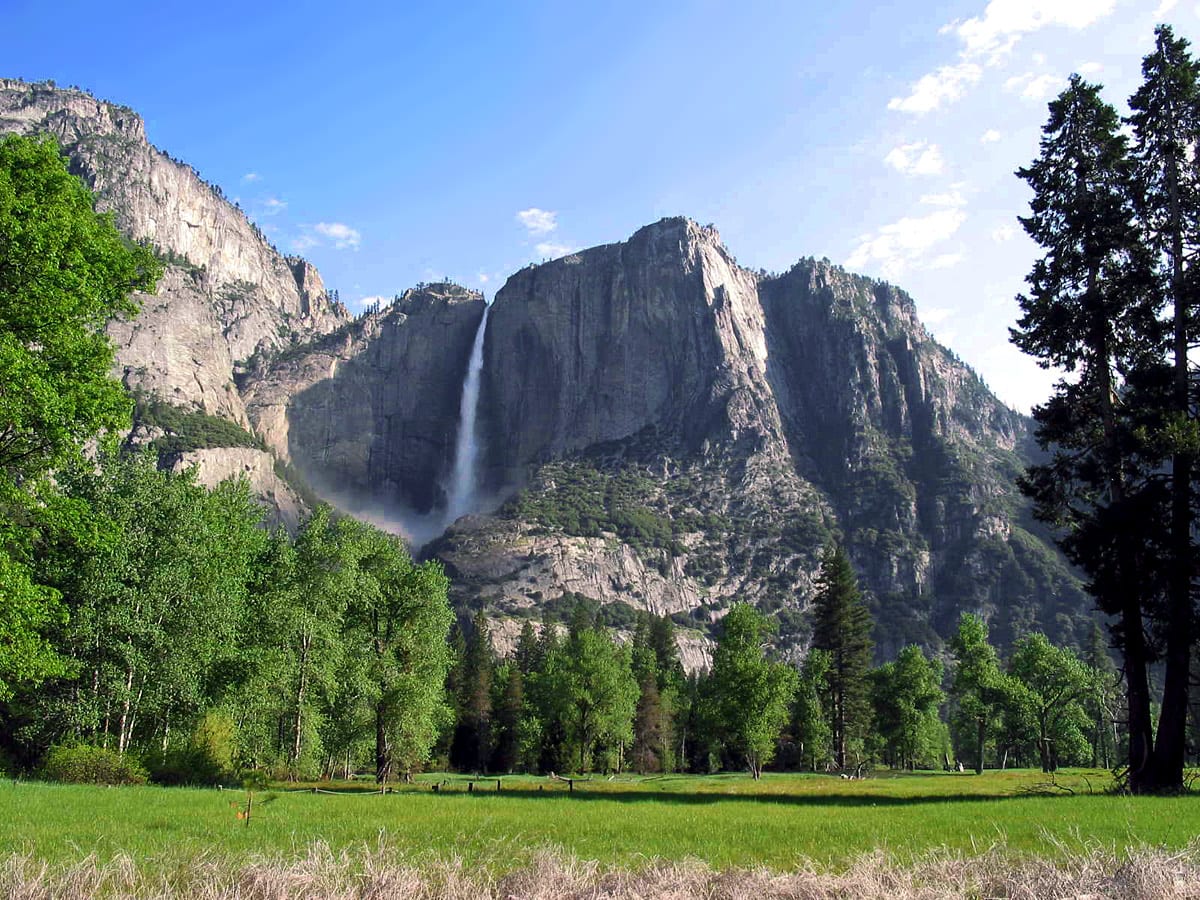
Yosemite Falls
California
These falls are 739 meters high, have 7 drops, and are some 28 meters wide. One of the most visited waterfalls in the world. The tallest plunge is 436 m tall.
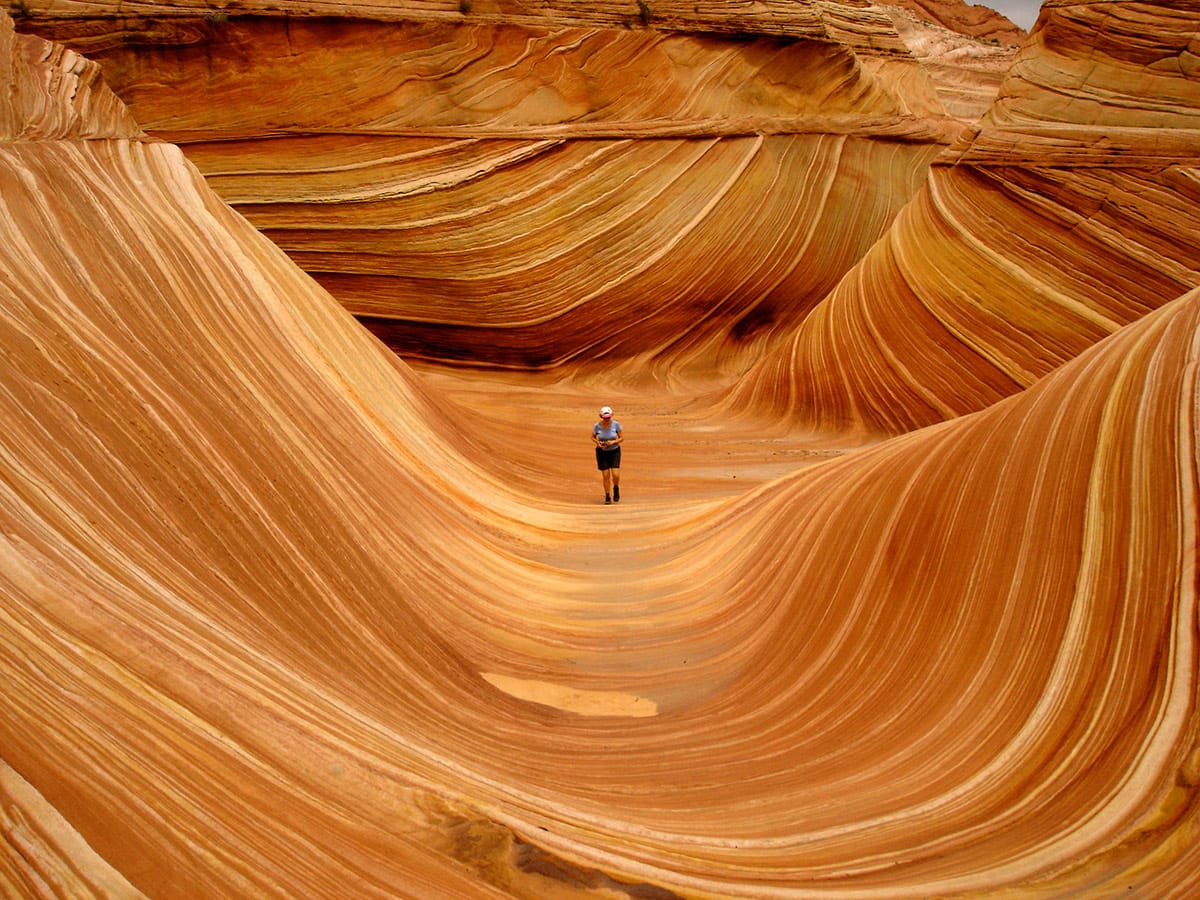
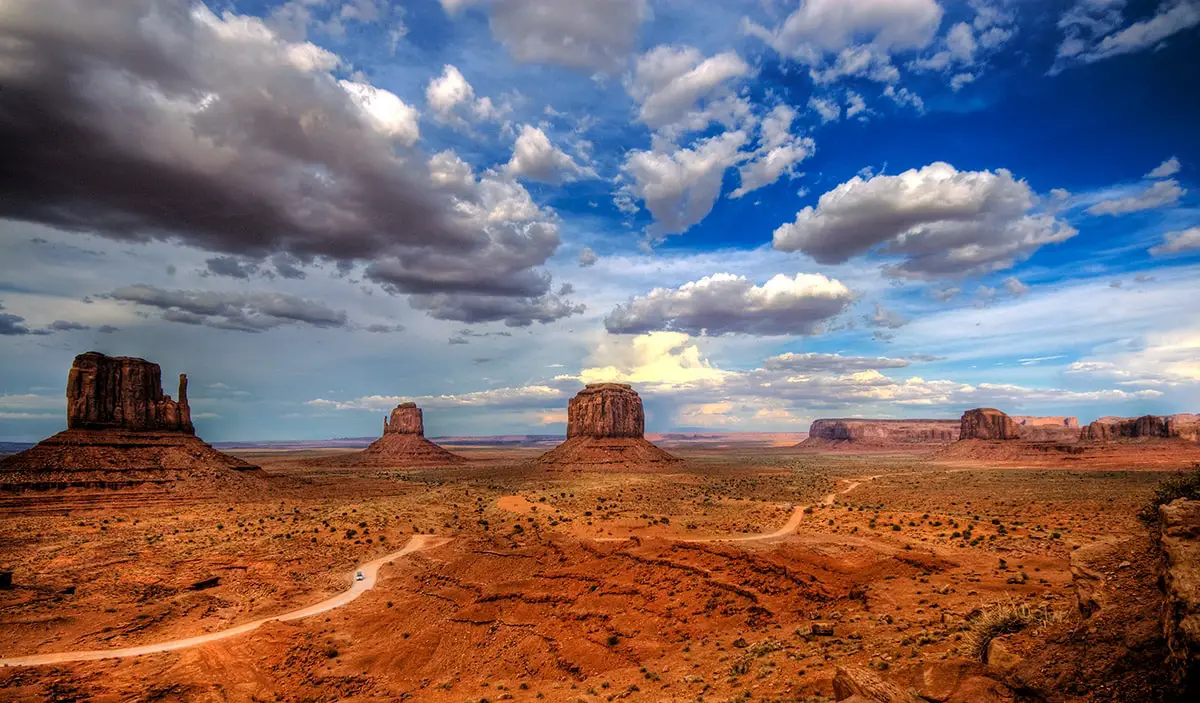
Monument Valley
Arizona
Monumental desert landscape with enormous, up to 300 m tall sandstone buttes. Numerous magnificent natural arches, rock stacks, and other formations.
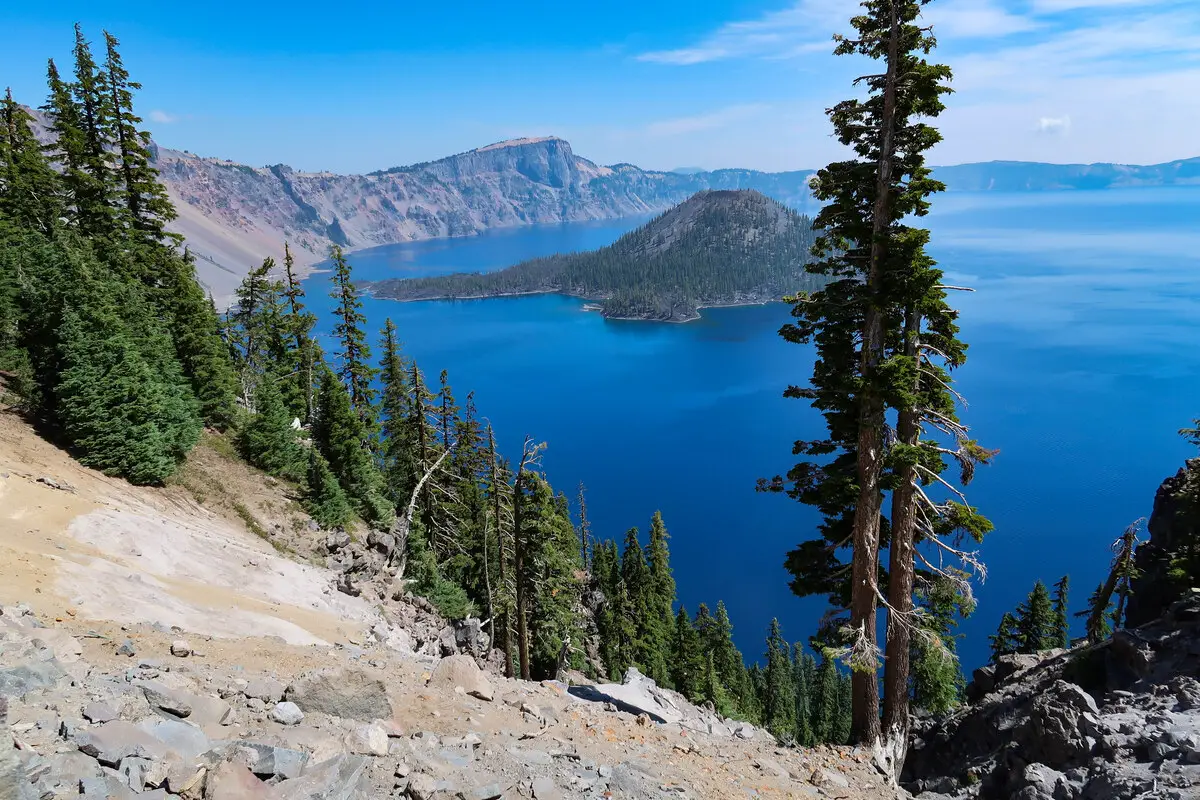
Crater Lake (Oregon)
Oregon
Round, beautiful lake in the caldera of Mount Mazuma volcano. The caldera is 655 m deep and formed geologically recently: 7,700 years ago when the volcano collapsed. The lake is 594 m deep – the deepest in the United States.
Biological wonders
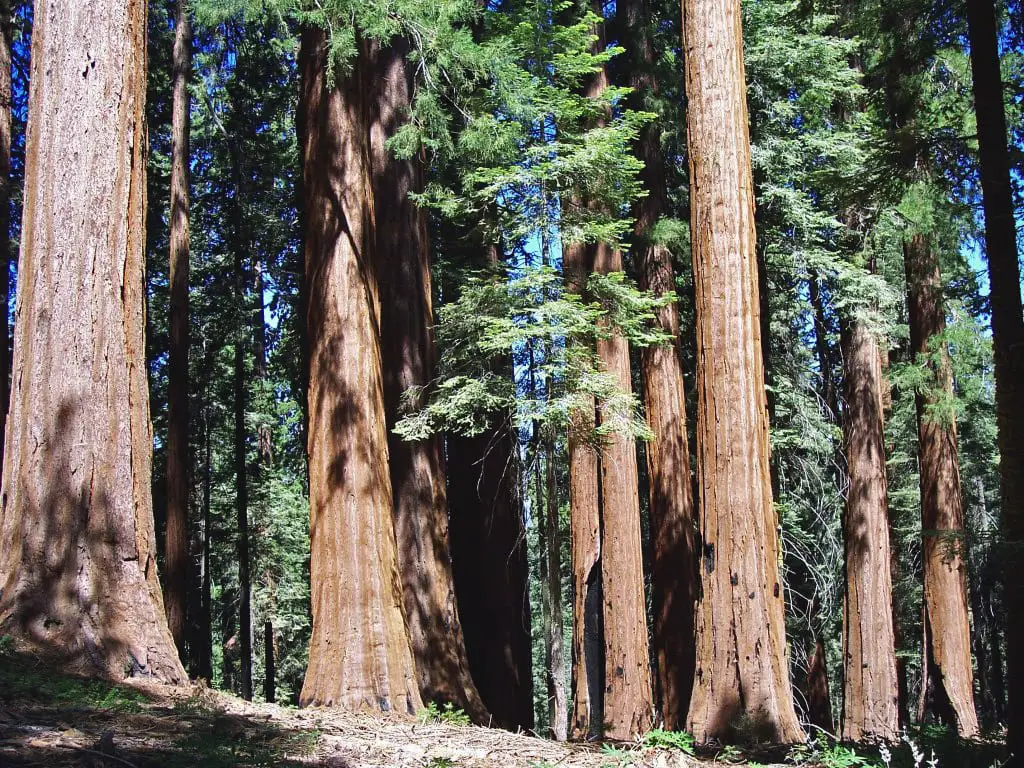
General Sherman tree
California
Giant sequoia (Sequoiadendron giganteum), the largest tree in the world by volume. Volume 1,487 m3. Height 83.8 m, girth at the breast height 25.9 m. Believed to be 2,300 – 2,700 years old.
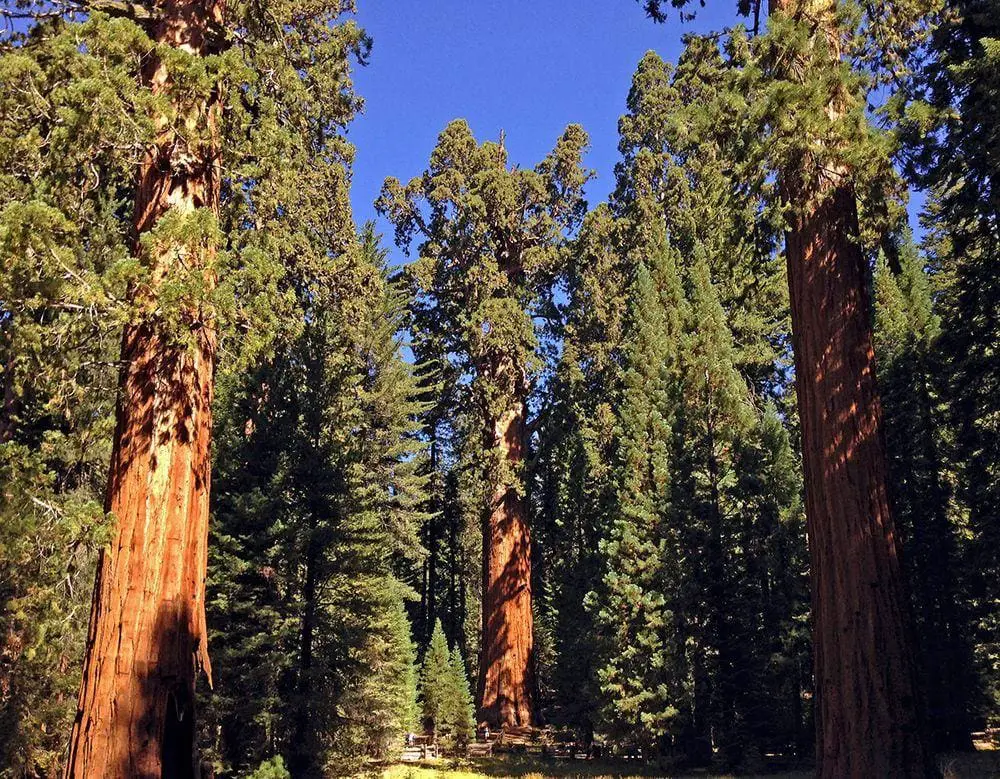
Giant Forest
California
Unique forest with stands of giant sequoia trees (Sequoiadendron giganteum) – the largest trees in the world. This is the easiest-to-access sequoia grove but also contains the largest trees – five of the ten largest trees on Earth are located in this grove. Area – 7.6 km2. In California are located several more notable groves of these giant trees.
Architecture wonders
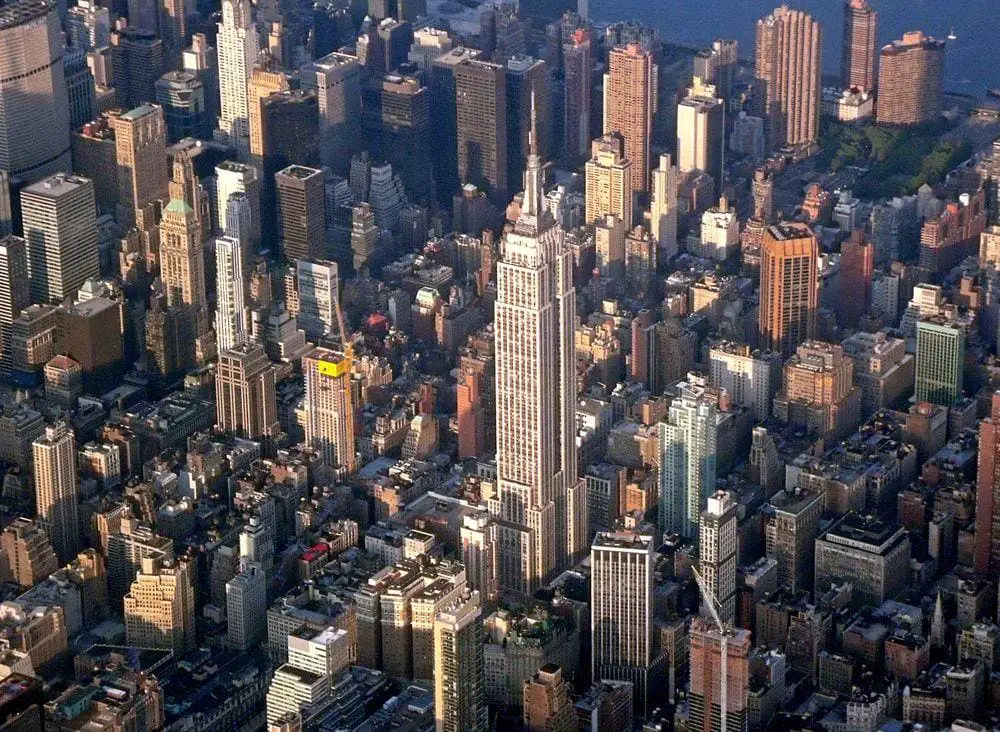
Manhattan
New York
The most prominent historical skyscraper district in the world. The first highrises were built here in the late 19th century. Contains a huge number of beautiful Art Deco and later skyscrapers. Currently, the most prominent buildings here are Empire State Building (381 m tall, constructed in 1931), Chrysler Building (282 m, constructed in 1930), and many others, also the tallest building in the United States – 541 m tall One World Trade Center.
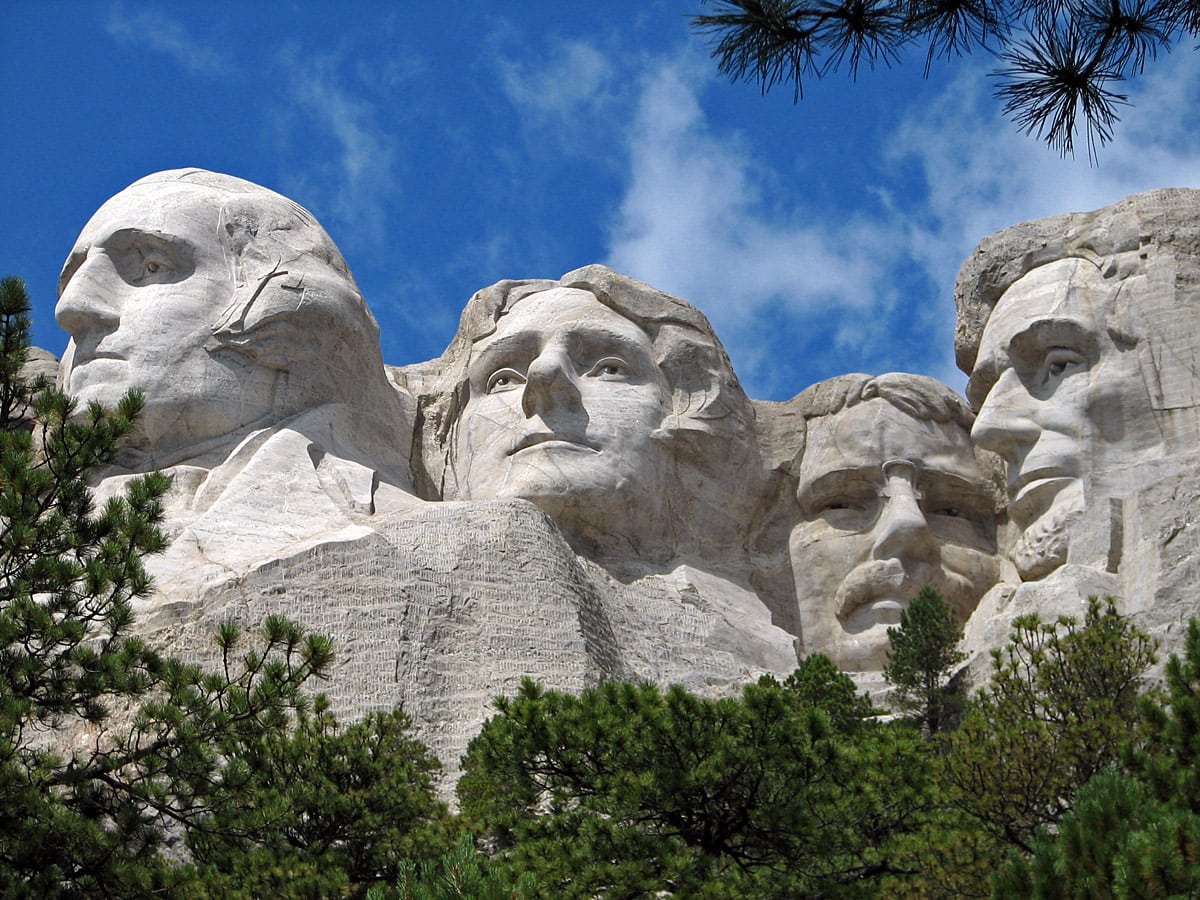
Mount Rushmore
South Dakota
Unique sculptural group – portraits of four presidents of the United States, each 18 meters tall. Sculpted in live rock in 1927 – 1941.
Golden Gate Bridge
California
Iconic bridge, one of the most popular bridges in the world. This 2,737 m long suspension bridge was constructed in 1933 – 1937. Pylons are 227 m high, and the span under the bridge is 67 m.

Empire State Building
New York
This 381 m tall skyscraper has 102 stories. It was built in 1931 and was the tallest building in the world until 1972.
Chrysler Building
New York
Magnificent skyscraper in Art Deco style. Constructed in 1930 and was the tallest building in the world for 11 months, until the construction of the Empire State Building. The building has 77 floors, it is 282 m high.
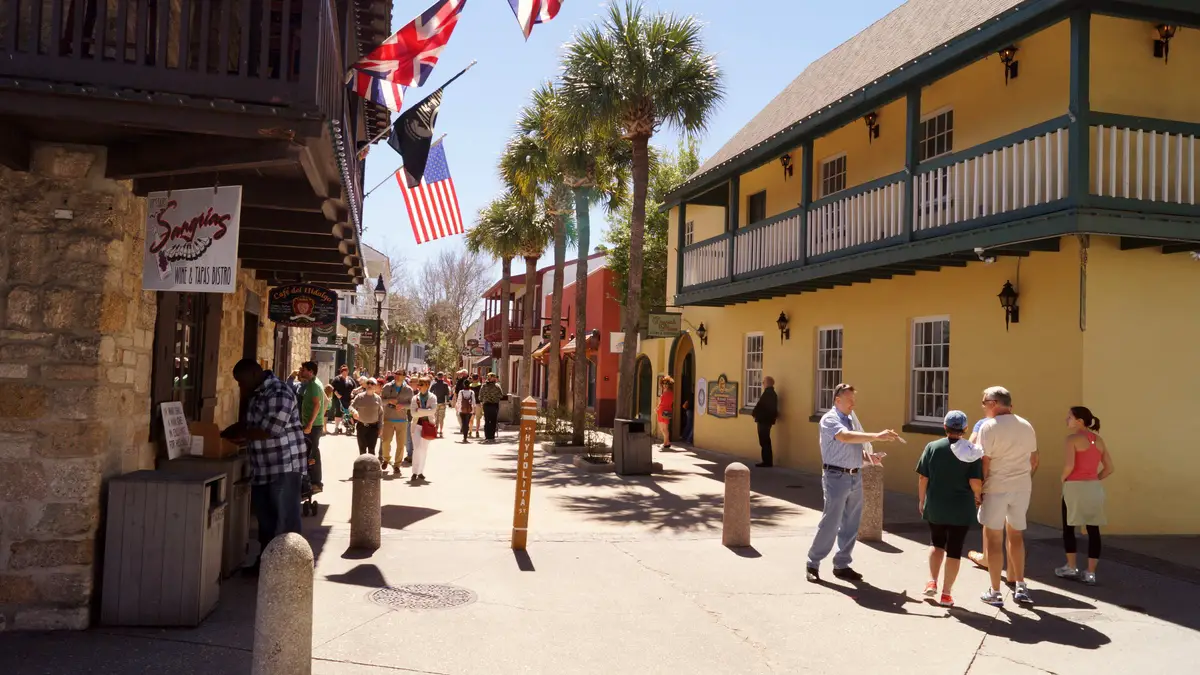
St Augustine
Florida
The oldest European-founded and continuously inhabited city in the continental United States. Established by Spaniards in 1565 at the site of an earlier local settlement. One of the most interesting historical cities in Florida. Spanish colonial architecture and luxurious architecture from the late 19th century.
 Recommended books
National Geographic Complete National Parks of the United States, 2nd Edition


National Geographic’s comprehensive travel guide to recreation areas, trails, historic sites, nature hikes, seashores, camping, and campgrounds is for everyone who loves outdoor recreation. This 544-page reference is an ultimate travel planner for all things national parks, filled with full-color photos, detailed maps, historical background, and practical facts on the location of the park system properties, as well as the best times to visit and top-rated activities.
American Ways: A Cultural Guide to the United States of America


Whether you’re a businessperson beginning to work in the United States or a foreign student visiting for a semester, this new edition of American Ways will help you navigate America’s diverse and changing culture. From the deep-seated attitudes that mark the American character to customs and everyday activities, American Ways explores the tapestry of the country’s life, providing invaluable information on cultural values, politics, education, religion, and relationships.
