
Hvalsey Fjord Church
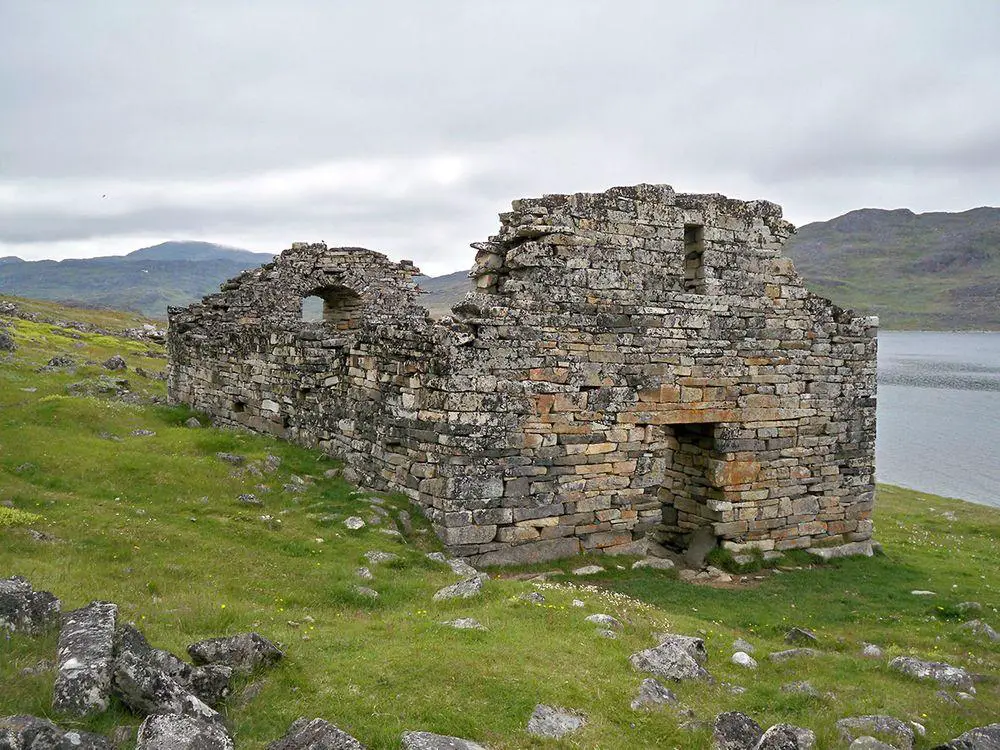
Ruins of the oldest original church in the Americas, built in the late 10th century by Vikings. The church was built from enormous stone blocks, some up to 5 tons heavy. Fell in disuse in the 15th century.
Ventas Rumba (Venta Rapids)
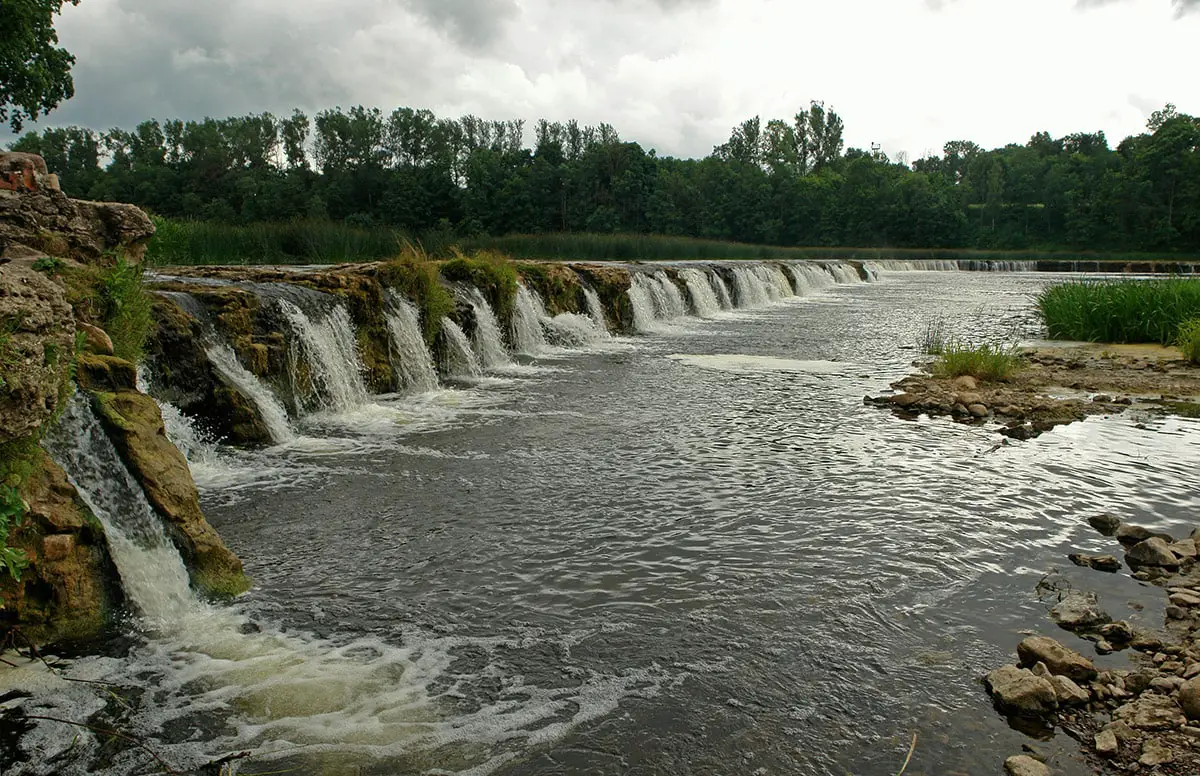
Widest and most impressive waterfall in Latvia. The width of this 1.6 – 2 m high waterfall is 270 – 275 m.
North-Western solfatara field of Shiashkotan
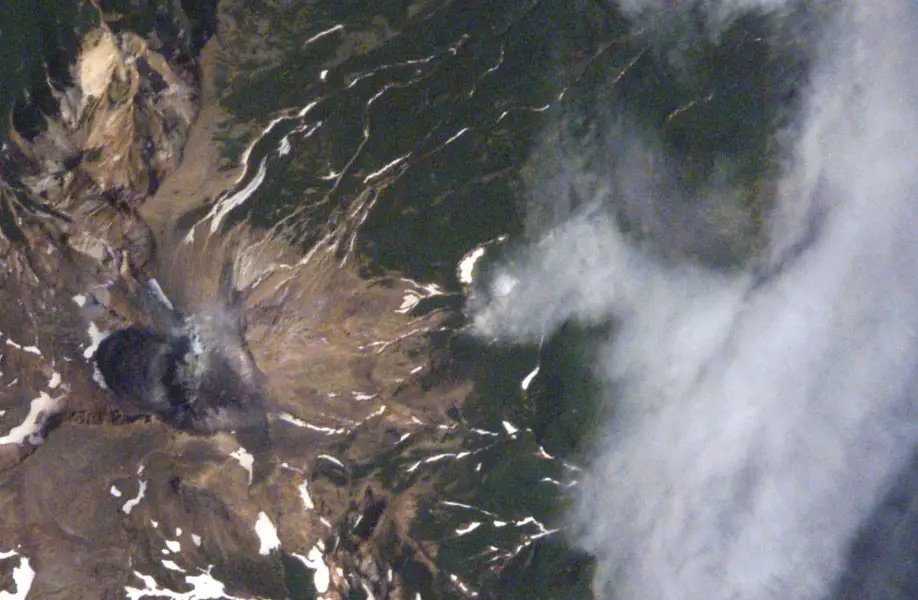
An interesting geothermal field where in 2007 was discovered a geyser-like spring named "Chornij Drakon" (Black Dragon). Here is located also a spouter "Geizernij" that on a regular basis spurts 1 – 1.5 m high jet of gas and water.
Skellig Michael monastery
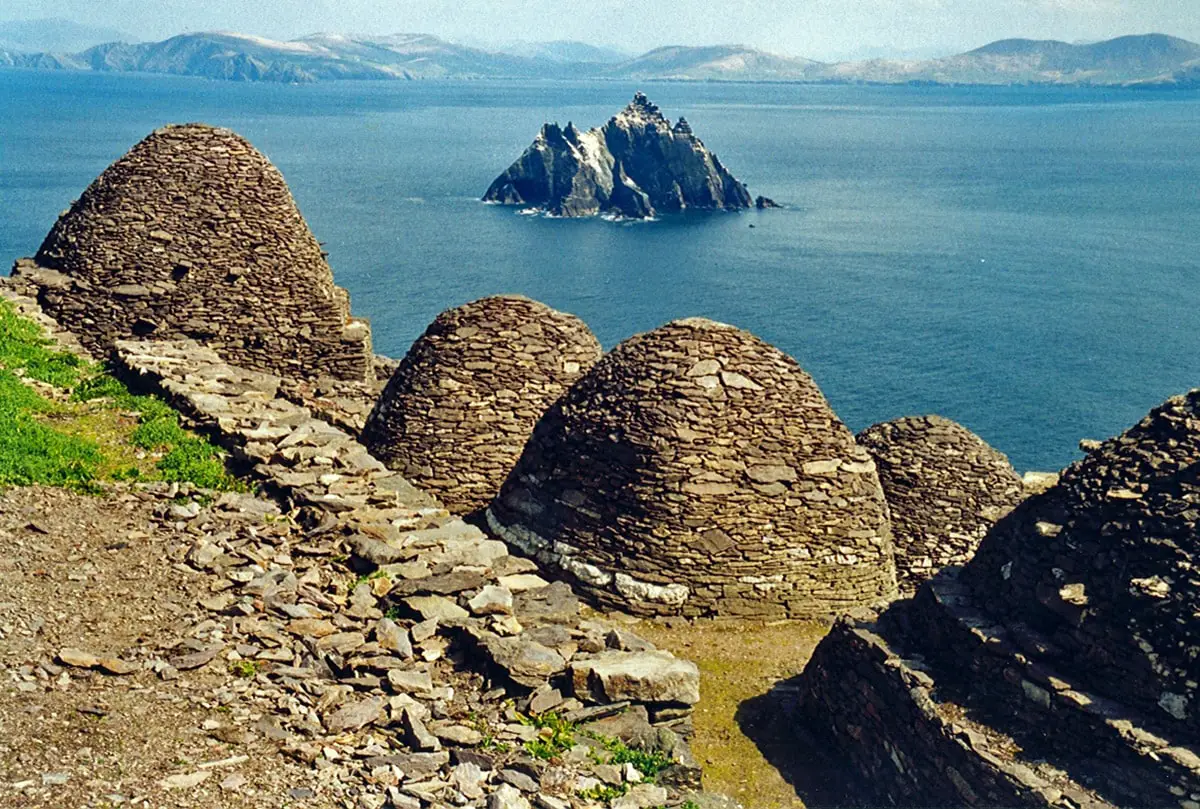
Exceptionally well-preserved remnants of an early medieval monastery located in a dramatic landscape – a cliff in the sea. This Christian monastery was founded here sometime in the 6th – 8th century AD and was occupied until the 13th century. The monastery was built on artificial terraces and contained six beehive cells, two oratories, a church as well as stone crosses and slabs.
Mnajdra
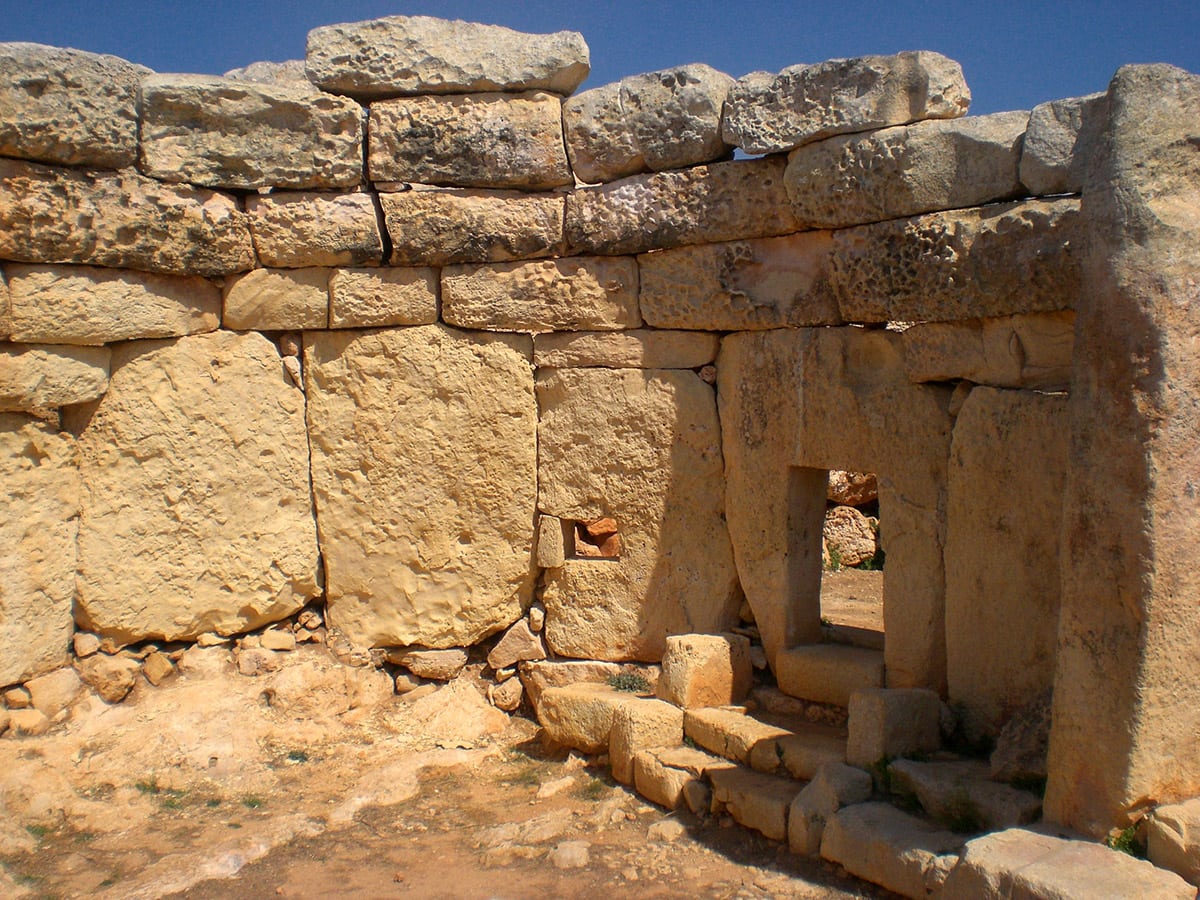
Group of megalithic temples, built around 3600 – 2500 BC. These are sophisticated structures built from large stone slabs. The complex consists of three temples, each built in its own time. The lower temple was built around 3000 BC and might be the most impressive megalithic structure in Malta, it is astronomically aligned. Stones here are decorated with dots ad also spiral carvings.
Assumption Cathedral in Volodymyr-Volynskyi
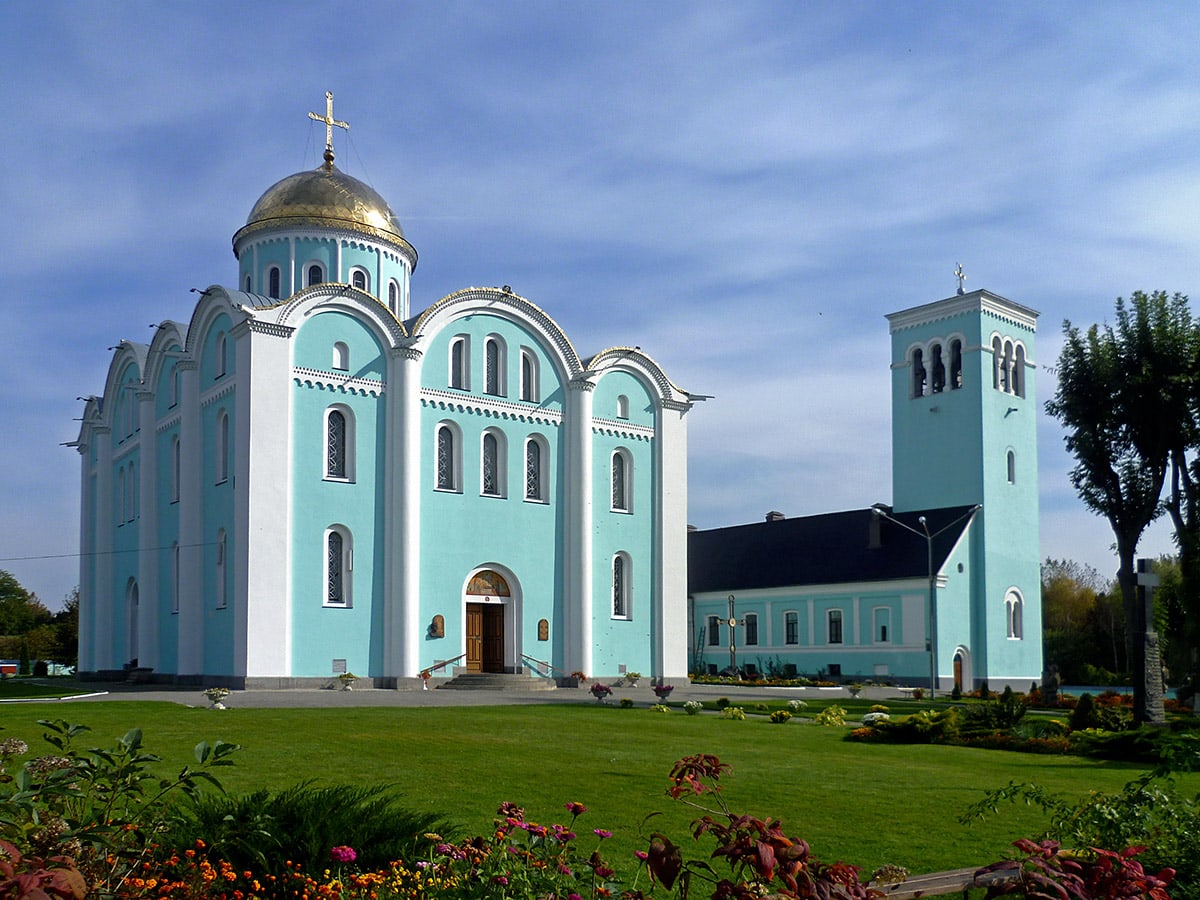
Oldest church in Volyn, built in 1156-1160, in the times of Kievan Rus. Final resting place of local rulers.
Monaco Cathedral
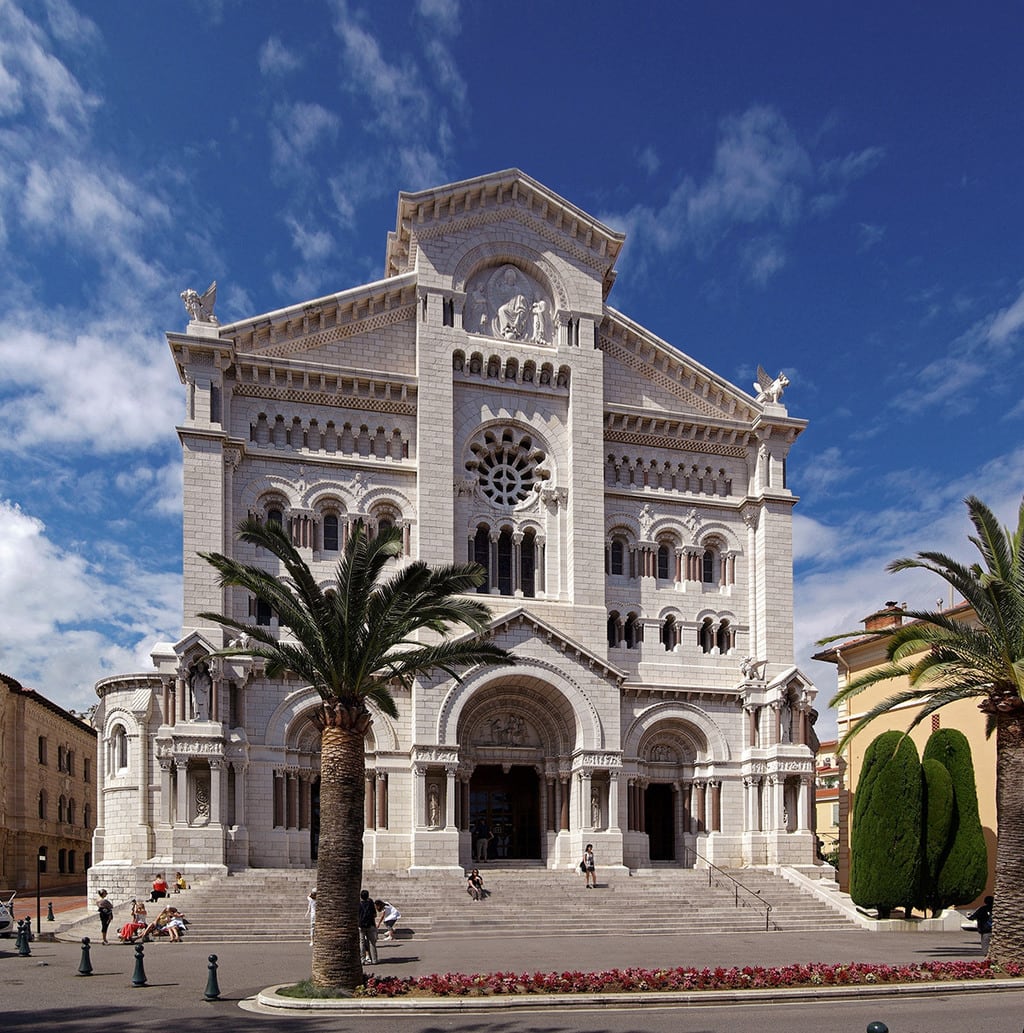
Large cathedral in the old city, consecrated in 1875 and built in Neo-Romanesque style. Located in the site where the first church in Monaco was built in 1252.
Church of Santa Coloma d’Andorra
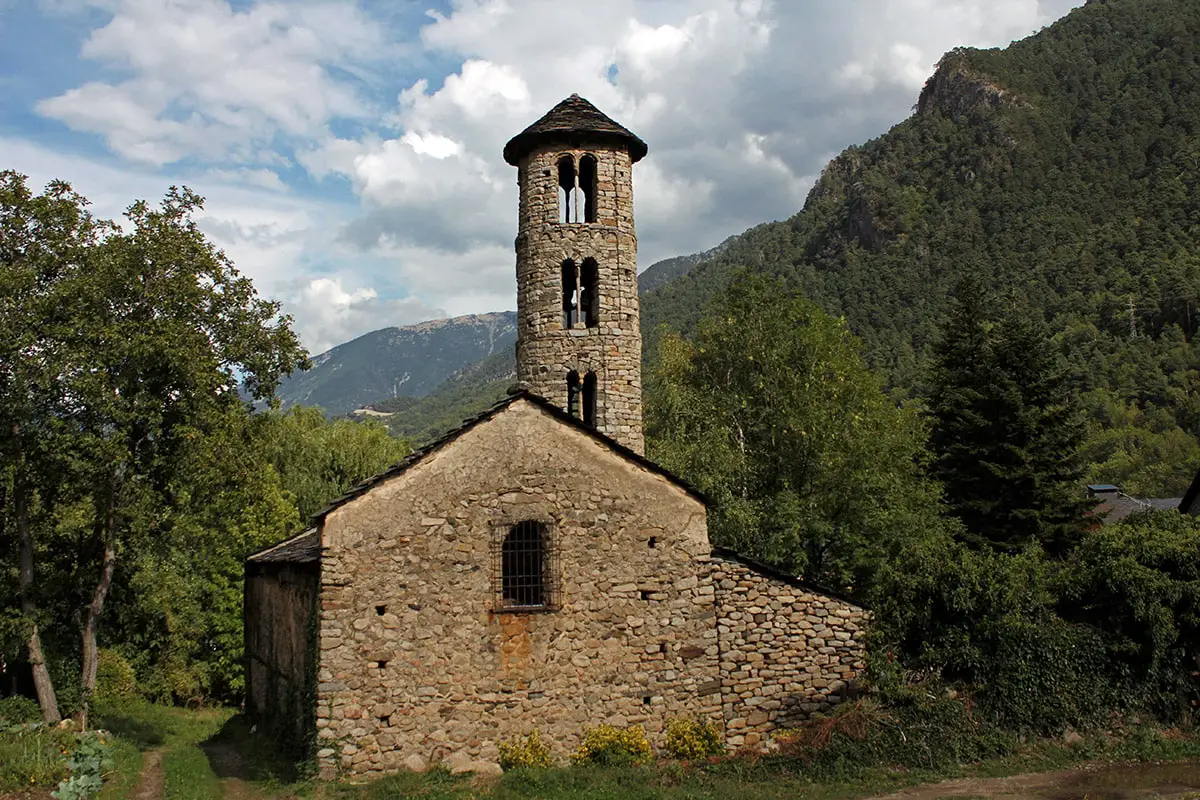
The oldest church in Andorra, first mentioned in 1044 AD although it might be older. Church initially was built in local Pre-Romanesque style and has a prominent bell tower from the 12th century). Several original frescoes from the 12th century have been preserved inside the church.
Gorham’s Cave
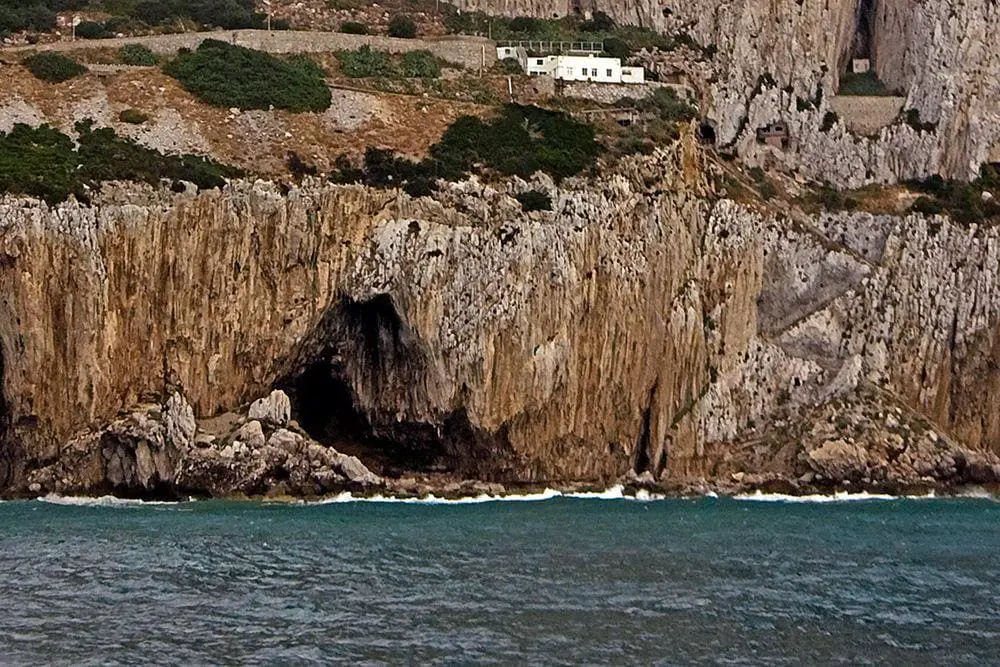
One of four caves in Gorham’s Cave complex. Cave has formed in Jurassic limestone and has an 18 m thick layer of sediments that contain very important finds including the latest find of Neanderthals who lived here 60 – 24 thousand years ago when the sea was far away from the cave and the area was rich with resources. This is the last known settlement of Neanderthals in the world. The time of their habitation includes an incision of eight lines, made at least 39,000 years ago, most likely made by Neanderthals – the oldest known abstract drawing in the world. 23 thousand years ago here started to live modern humans, who left some paintings on the walls of the cave. Phoenicians and Carthaginians used this cave as their shrine, leaving offerings here.
Monte Brasil “Phoenician sanctuaries”
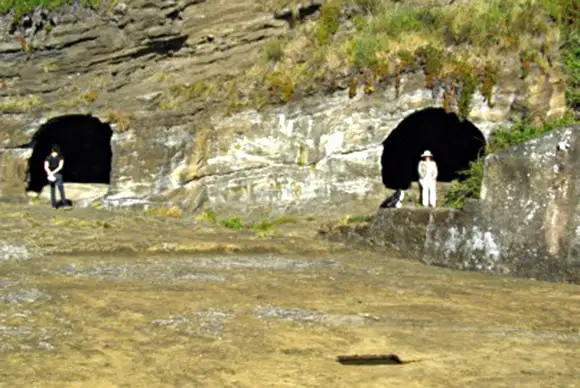
Rock cut chambers, possible prehistoric structures made long before the coming of Portuguese in the 14th century. Similar rock-cut structures have been found on Corvo and Santa Maria islands and, reportedly, on Flores. Researchers consider that these can be Carthaginian (Phoenician) temples from the 4th century BC.