
Wondermondo 🢖 Categories of wonders 🢖 Architectural wonders 🢖 Religious architecture 🢖 Buddhist shrines
Category
Buddhist shrines
 Described Buddhist shrines
If you see this after your page is loaded completely, leafletJS files are missing.
 What is included in this category?
Buddhism is one of the world religions and at the same time is a spiritual philosophy with diverse traditions, beliefs, and practices. There exists a rich tradition of architecture expressed in Buddhist temples and monasteries. There are venerated numerous Buddhist sacred sites.
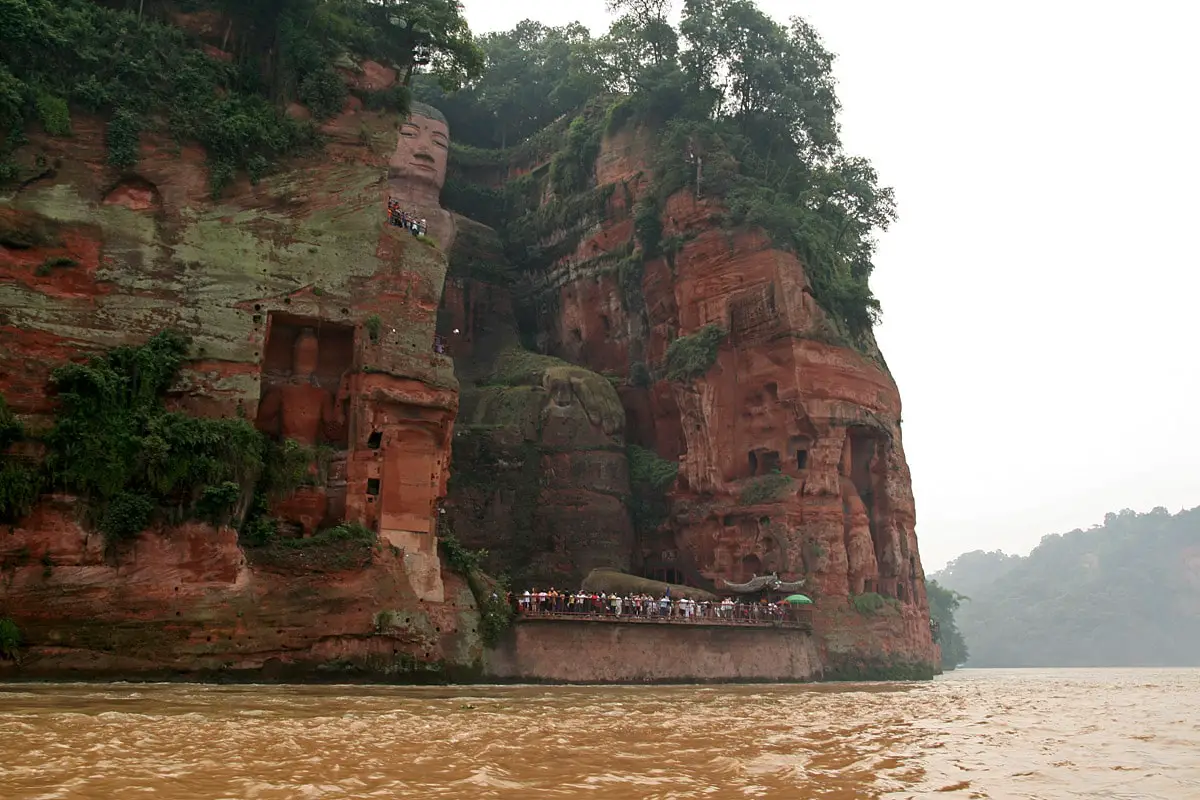
Religion evolved on the base of the more ancient religions of the Indian subcontinent and its development is attributed to a single personality – Siddhartha Gautama – Buddha (c. 563 – 483 BC). This religion has spread to Sri Lanka, Southeast Asia, and via the Silk Road – to Tibet, China, Korea, Japan, and parts of Siberia. Its enormous territorial spread and diverse local, strong cultures have created an extreme diversity of Buddhist shrines.
Branches and diversity
Buddhism can be divided into the more ancient and conservative teaching – Theravada and the somewhat newer, more lay oriented Mahayana. Mahayana is further divided into several more influential traditions, although the bearers of the traditions themselves often would disagree with such classifications. Some of these traditions are: Zen Buddhism, Tibetan Buddhism, and Pure Land Buddhism.
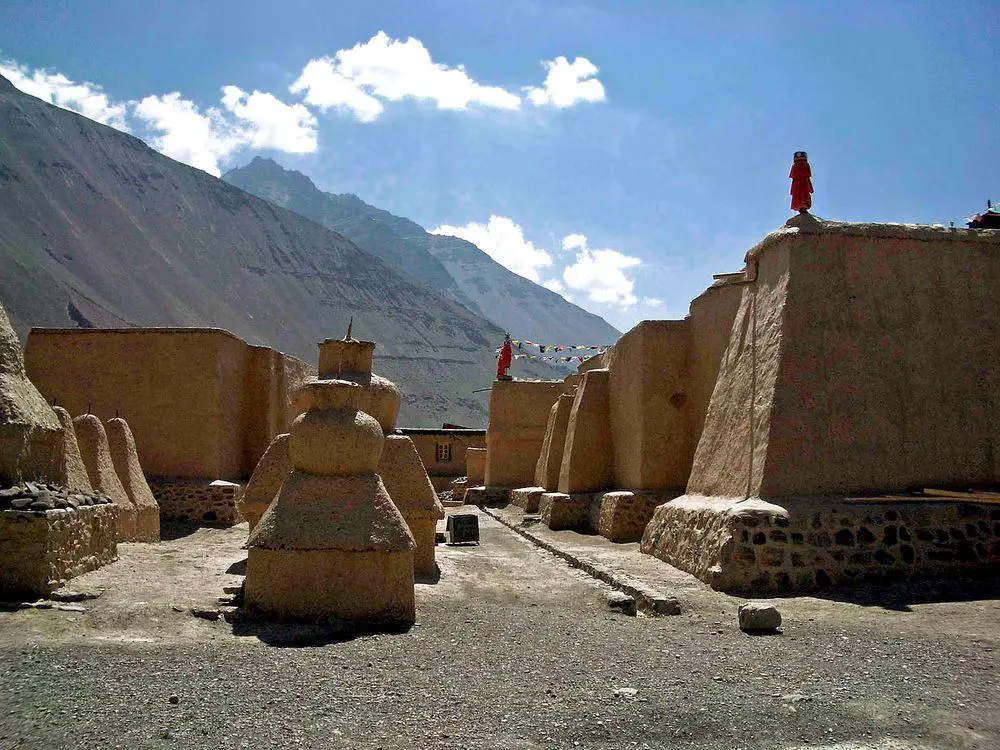
Theravada is more confined to Southeast Asia and Sri Lanka. This rather conservative and somewhat more isolated teaching has been very influential in the development of social and political processes in Thailand, Burma, and other countries. Theravada monasteries serve as keepers of the otherwise extinct Pali language, which is used in liturgy and sacred scripts.
Mahayana has a wider territorial spread and thus a higher diversity of traditions. Since around the 5th century, this has been a leading branch of Buddhism in India and was spread over Himalayas to Tibet and further abroad via the Silk Road.
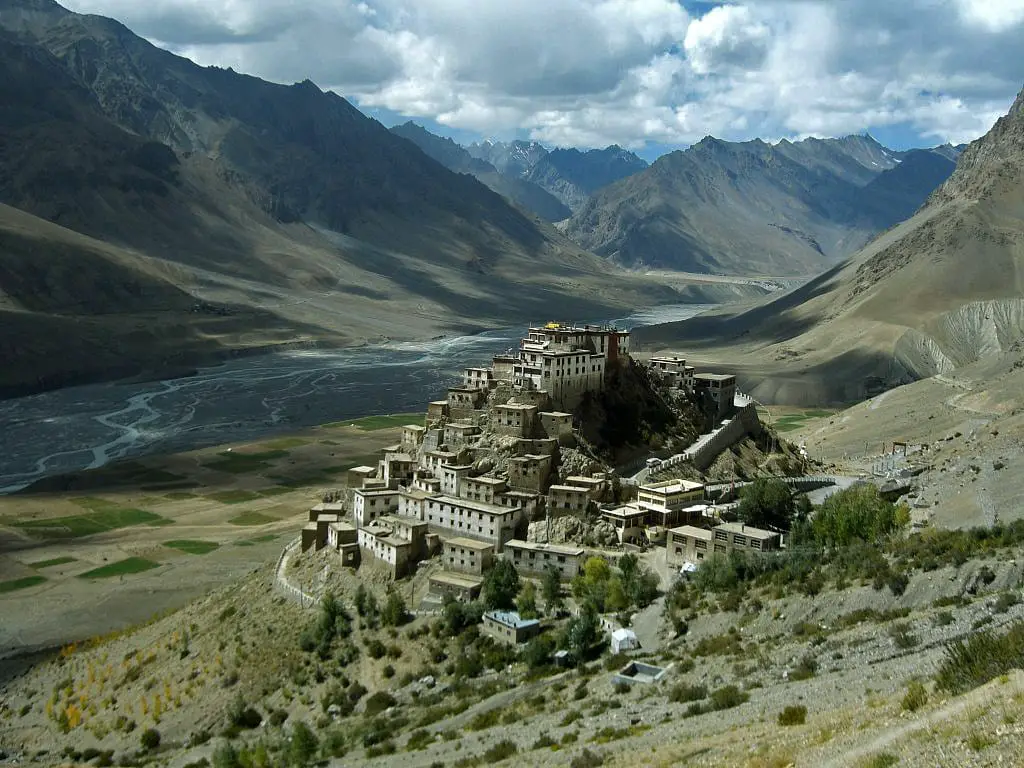
In Tibet, Buddhism has intertwined with local traditions and evolved into several influential schools. Here, monasticism plays an even higher role than elsewhere. In Tibet, approximately half of the male population were monks up to the Chinese invasion in 1950. Tibetan monasteries are legendary in Europe since the late 19th century for their aura of mysticism or, rather, hidden knowledge in subjects less known to the Western world (the same can be applied to Buddhist monasteries in any other region).
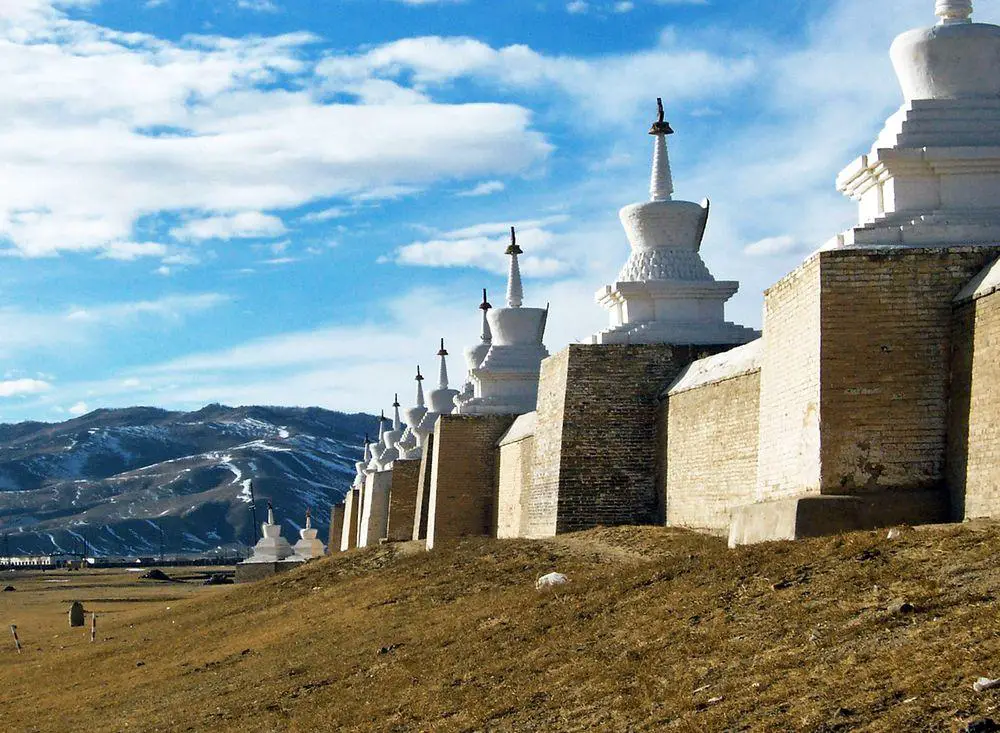
Tibetan Buddhism in earlier times also spread to Mongolia, Tuva, Buryatia and other regions.
Zen Buddhism has played an important role in the history of China as well as Japan and Korea. This teaching originated in the Shaolin Monastery, where a great role was played by direct communication between the teacher and his disciples. This teaching method has also been popular in West.
In Japan, there several more branches of Mahayana Buddhism have evolved – such as Shingon, Tendai, and others.
Buddhist monasteries
Active religious practice in Buddhism requires a specific lifestyle and a thorough education. This role, as well as the role of collection of knowledge, is performed by Buddhist monasteries.
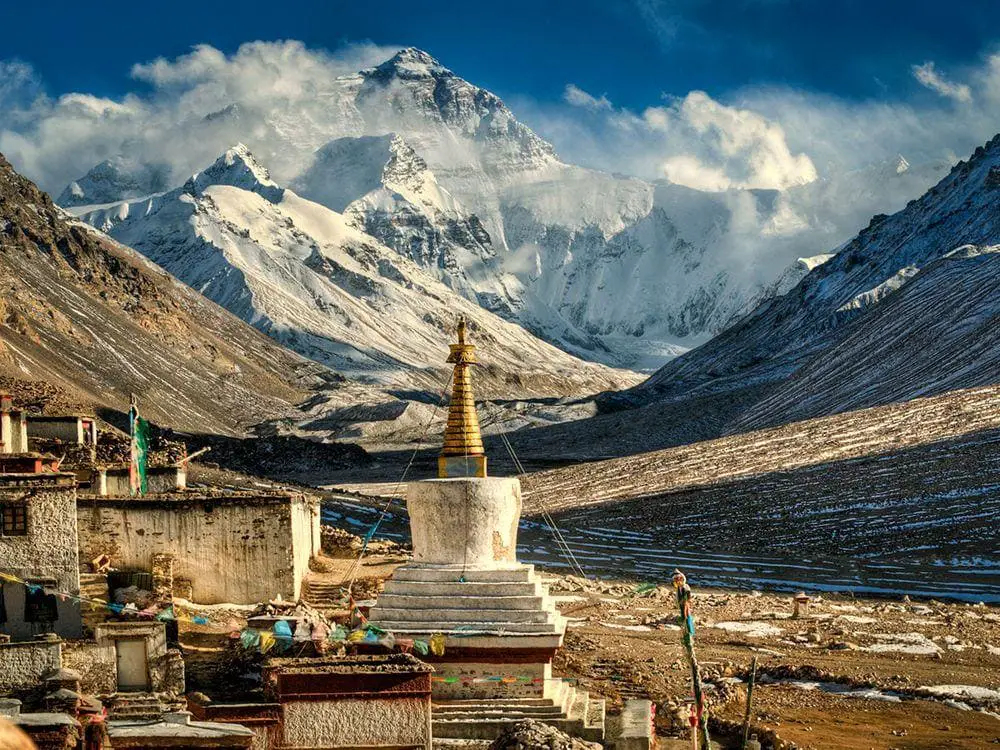
The monastic tradition was started by Gautama Buddha himself sometime around 500 BC, based on the lifestyle of earlier sects, a set of rules was developed for the lifestyle of monks – vinaya. Buddhist monks, in many cases, have not been very isolationist and have played key roles in the development of literate societies in Asia and in the development of culture and traditions in Asian countries. Up to this day, these monasteries have served as keepers of (often little known to the Western world) knowledge, repositories of art, and institutions of learning.
Buddhist monasteries are built in accordance with the traditions of their respective countries, often themselves developing these traditions. Often, monasteries have fortification walls or are constructed in hard-to-access locations. These remote monasteries with their art and other valuable collections have been prey for armed gangs or enemy armies. In response to this threat, the otherwise peaceful monks in some regions have been forced to develop specific martial arts. An ascetic lifestyle, a trained intellect, and the devotion of these monks have resulted in the unique tradition of such martial arts as wushu from Shaolin Monastery (China).
Stupas and pagodas
Stupas are important Buddhist shrines – structures that contain sacred relics and serve as places of worship. Initially, these were earthen mounds but over time stupas have evolved into diverse monuments with specific architecture of each respective region.
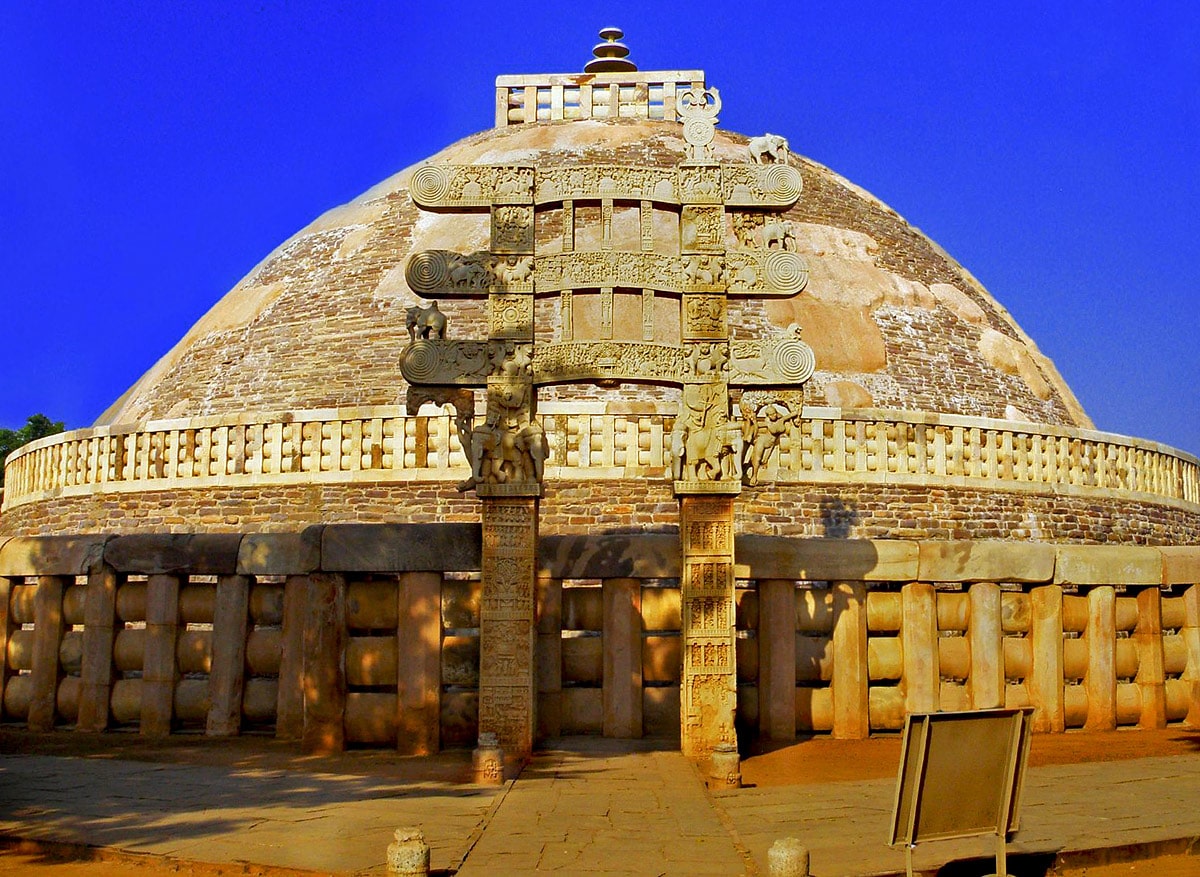
Oldest, original stupas are located in India. Legendary 10 initial earthen stupas still have to be found. The oldest dated existing stupa is Dhamek Stupa in Uttar Pradesh, India, built circa 500 AD on the site of an earlier structure. In somewhat later Indian and also Sri Lankan stupas dominant features are enormous stone half domes with obelisk-like structures on top. Notable structures of this type are Sanchi (Madhya Pradesh, India), Ruwanwelisaya Chedi, and Jetavanaramaya (both in North Central Province, Sri Lanka).
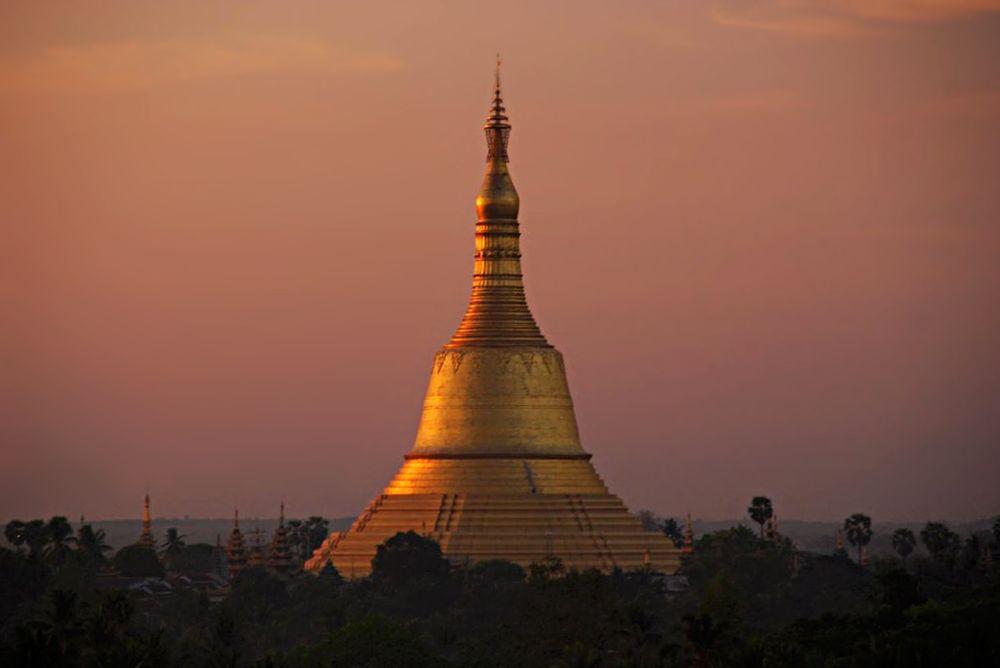
In Burma and Thailand stupas have evolved into some of the most amazing architectural monuments of the world. Here these structures often resemble enormous bells with a high spire on top. Some of these giant structures are covered with gold, with a hti (in Burma) – top ornament which is studded with the most valuable jewels. Most prominent of these buildings are Shwedagon (Yangon, Burma) Shwemawdaw Paya (Bago, Burma), and the 127 meters high Phra Pathom Chedi (Nakhon Pathom, Thailand).
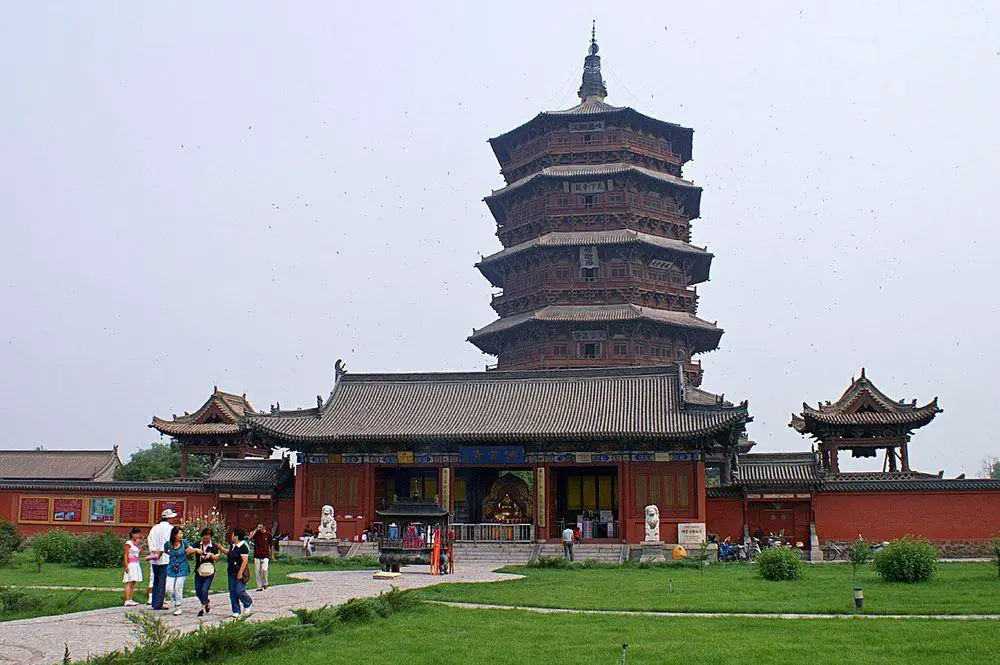
Pagodas in principle are the same stupas but the term "pagoda" is used in Eastern Asia – China, Japan. Architecturally pagodas differ from stupas – these are multitiered, slender towers of an odd number of levels often built of wood. Some notable pagodas are 57 meters high wooden Iron Pagoda from 1049 AD (Henan, China), sophisticated, 67 meters high wooden Pagoda of Fogong Temple from 1056 AD (Shanxi, China). One of the oldest wooden buildings in world is Hōryū-ji, built in 607 AD (Nara, Japan).
Other articles
Wondermondo has defined several other categories of religious structures:
- Religious architecture – list of more than 60 most interesting and impressive religious structures and sites around the world.
- Churches
- Christian monasteries
- Hindu temples
- Jain shrines
- Judaism monuments, sinagogues
- Islamic shrines
- Other contemporary shrines
- Ancient pyramids
- Ancient and prehistoric shrines
 Top 25 Buddhist shrines
Asia
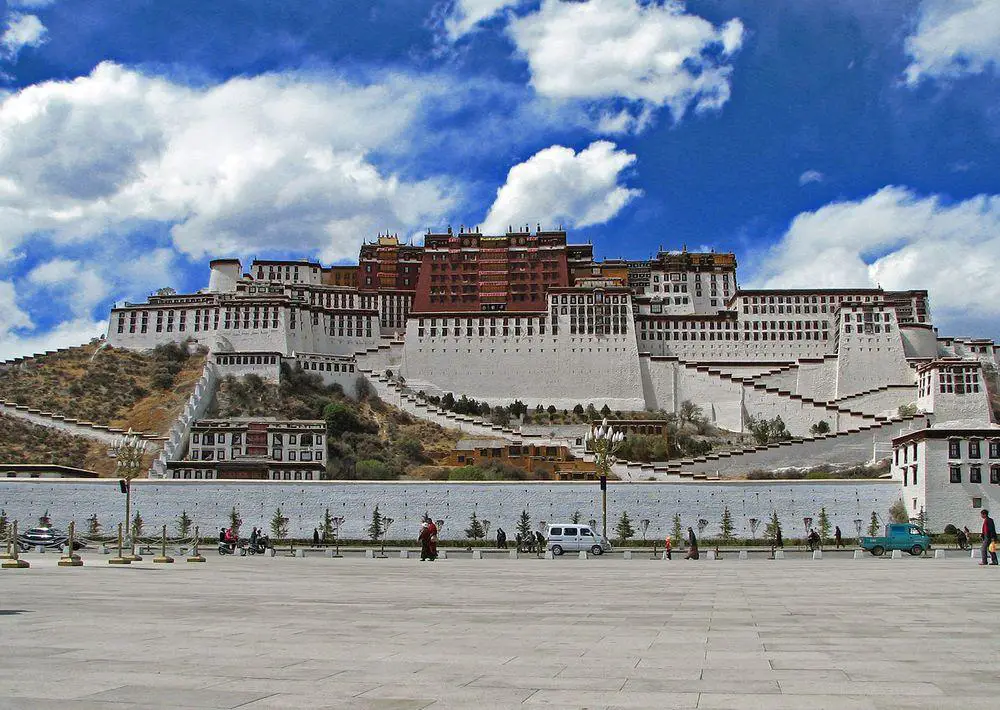
Potala Palace
Tibet
A monument of world importance, this is the chief residence of the Dalai Lama. The first palace was built here in 637, while the current palace was built in 1645 at 13 floors and 117 meters high. It contains 1000 rooms and numerous monuments of art and knowledge, although most of them have been lost since the Chinese invasion.
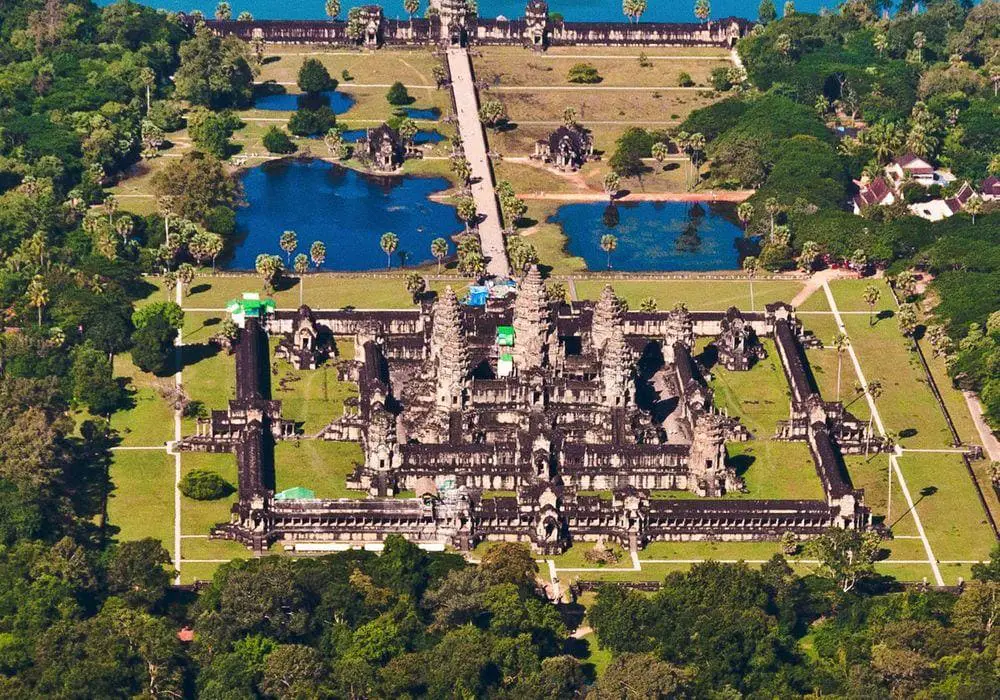
Angkor Wat
Cambodia
Considered to be the single largest religious complex in the world, built in the ancient capital of Khmers in the early 12th century. Considered to be one of the greatest achievements of humankind in architecture. Initially built as a Hindu monument, later converted into a Buddhist temple complex. Temple is adorned with more than 1 thousand m2 of high-quality bas-reliefs.
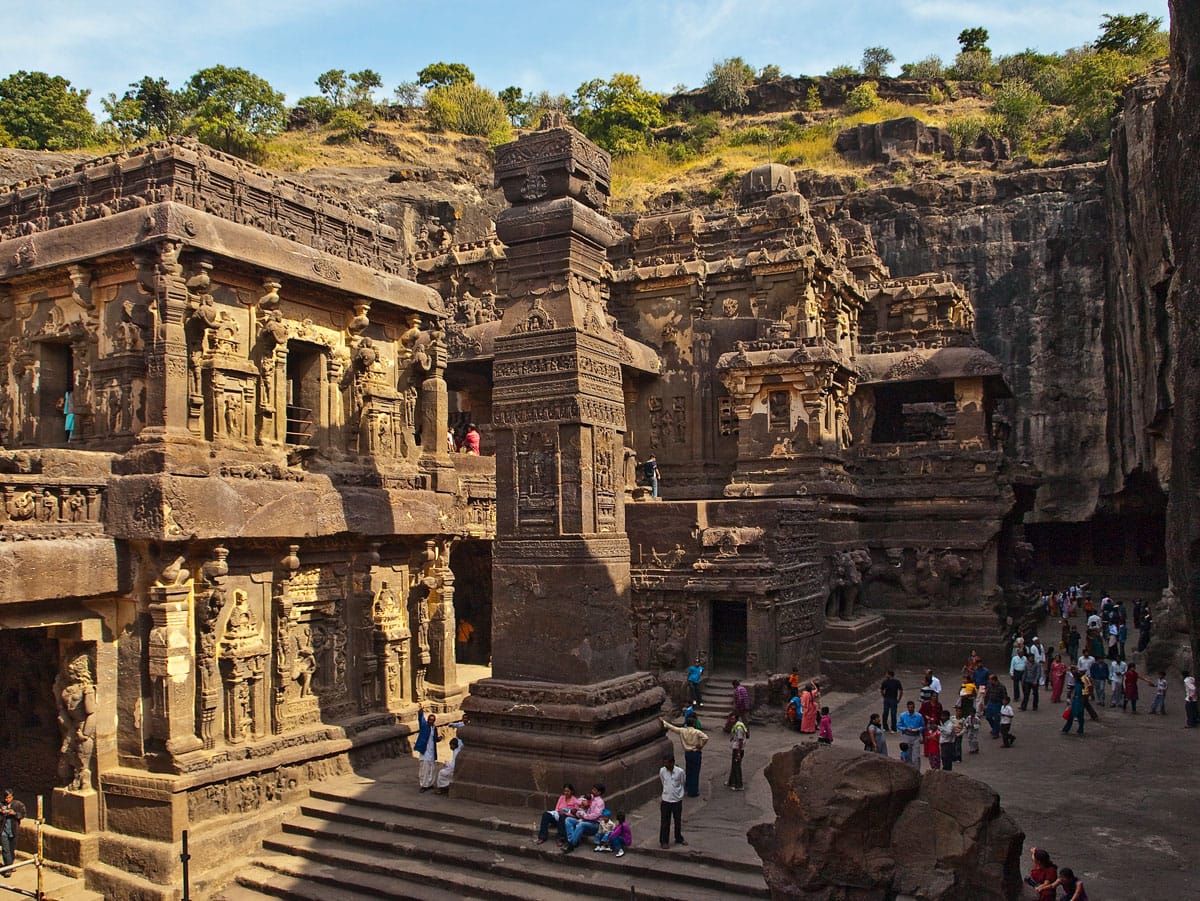
Ellora Caves, Kailasanatha Temple
India
One of the highest achievements not only in Hindu architecture but in ancient structural engineering of the world. A group of 34 rock-cut temples, including the glorious Kailasanatha Temple, are cut out from a whole rock. Built around 550 – 1000 AD.
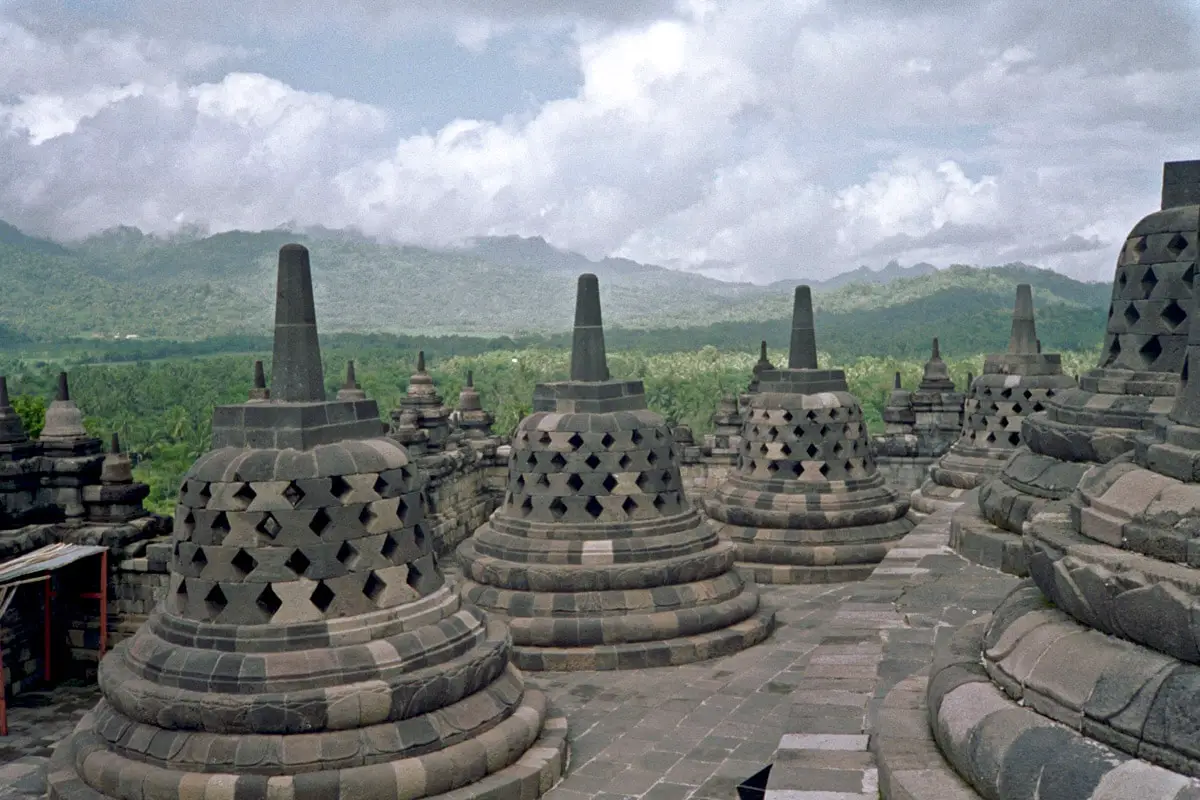
Borobudur
Indonesia
This Mahayana Buddhist temple complex was constructed in the period between 760 and 830 AD. One of the most impressive ancient temples in the world, the largest Buddhist structure in the world. This pyramid-shaped shrine is adorned with 2,772 sculpted panels and 504 Buddha sculptures, it is 35 m high, and each side is 123 m long, the whole structure is of high symbolism and represents Buddhist cosmology.
Ajanta Caves
India
One of the most beautiful rock-cut temple complexes in the world. It was developed in the 2nd century BC – 480 AD. In total there are 28 – 30 rock-cut structures, containing murals and sculptures of high importance to the culture of mankind.
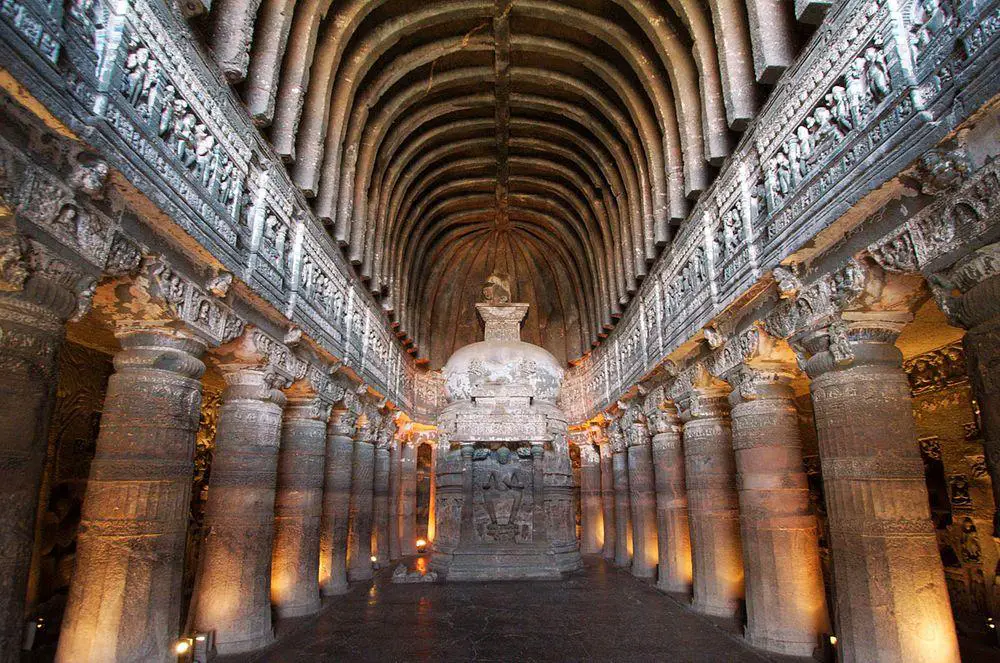
Shwedagon Pagoda
Burma (Myanmar)
Gilded and 98 meters tall, this stupa is richly adorned with jewels. It is the most sacred pagoda in Burma. Initially built in the 6th century, rebuilt and extended, one of the most impressive architectural monuments in the world.
Shaolin Monastery
China
Located on sacred Mount Song and founded in 477, this monastery was destroyed and rebuilt many times. It is renowned in the Western world for its association with Chinese martial arts, but the temple is also the birthplace of Zen Buddhism, and it has the largest collection of stupas in China.
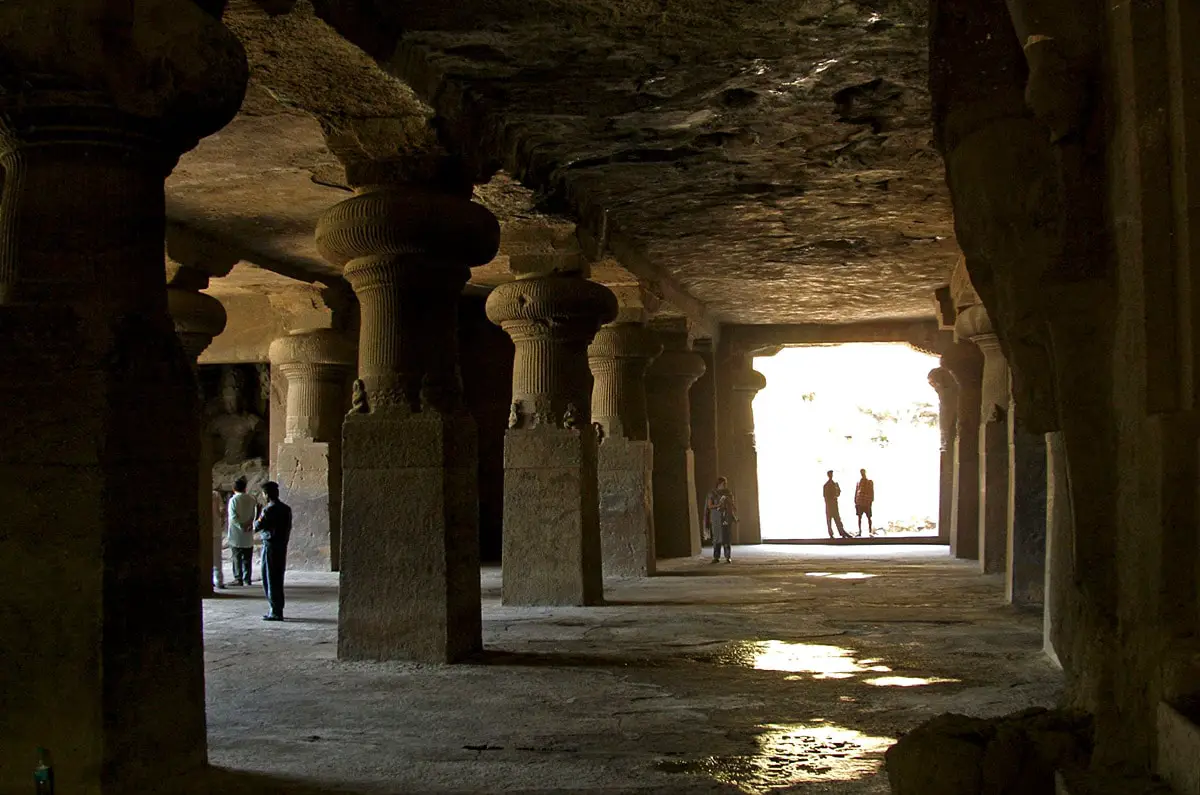
Elephanta Caves
India
Group of beautiful, five Hindu and two Buddhist rock-cut temples, built around the 5th – 8th century AD. Great Cave includes the famous sculpture of Trimurthi.
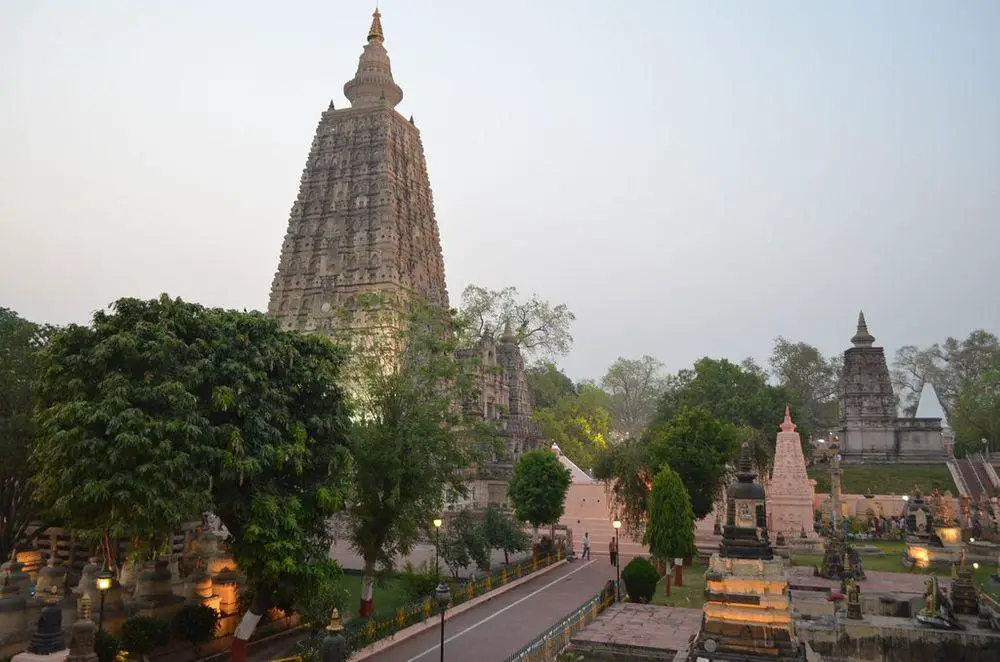
Mahabodhi Temple
India
One of the holiest Buddhist shrines. Located on the spot where Buddha attained enlightenment. Its main element is a 55-meter-high, richly decorated tower built in the 5th – 6th centuries and extensively restored in the 1880s.
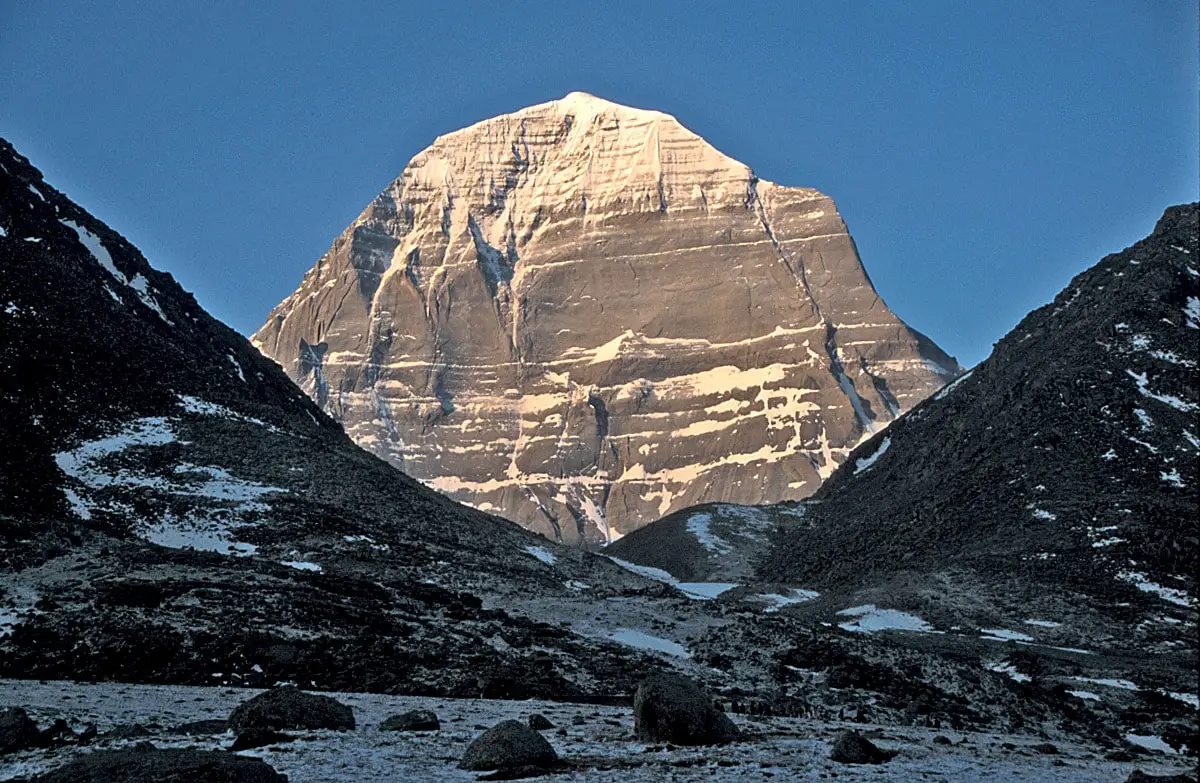
Mount Kailash
Tibet
Visually very impressive mountain, 6638 meters high. It is a very sacred site for many of the religions of Asia, including Buddhism, Hinduism, and Jainism. It is off-limits to people due to its religious significance. Pilgrims walk around the mountain on a 52 km long trek.
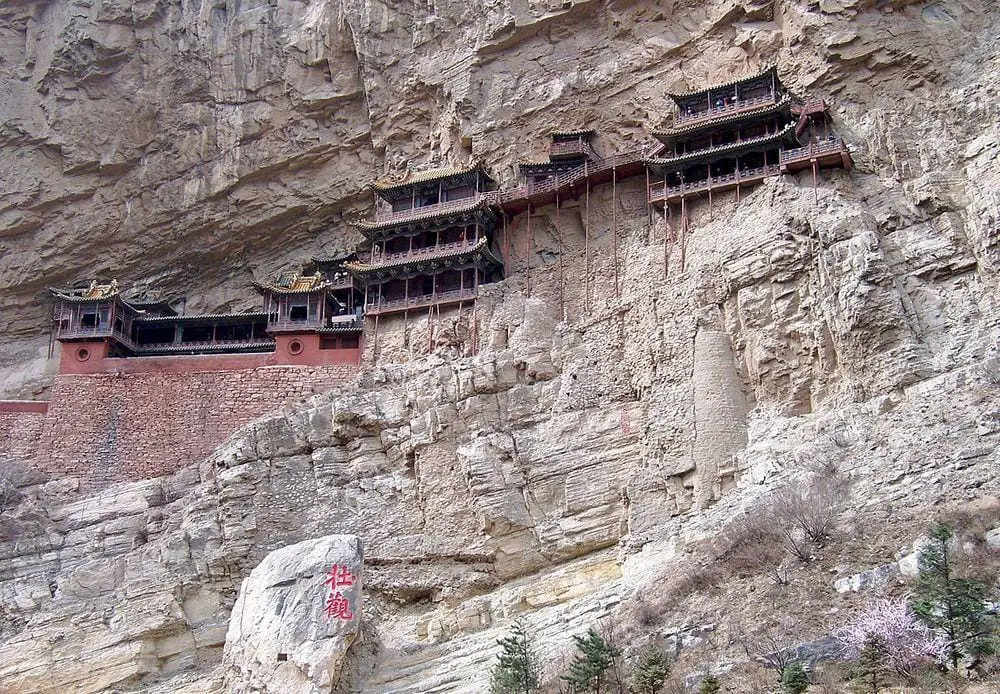
Hanging Monastery
China
Wooden monastery buildings, first built in 491, are situated in a unique place – on the cliffside of sacred Mount Heng. The 40 buildings are supported by wooden poles. The latest rebuildings were in 1900.
Lumbini
Nepal
One of the holiest sites for Buddhists – the location where Gautama Buddha lived, with the sacred Bodhi tree, Shakya Tank, Asokan pillar (sometimes around 245 BC), gardens, remnants of ancient monasteries, and stupas.
Mogao Caves
China
This group of rock-cut chambers consists of 492 Buddhist cells and temples. Built for approximately 1000 years since 366 AD. Contain many art values but is especially valued due to the enormous amount of murals, covering 42 thousand m².
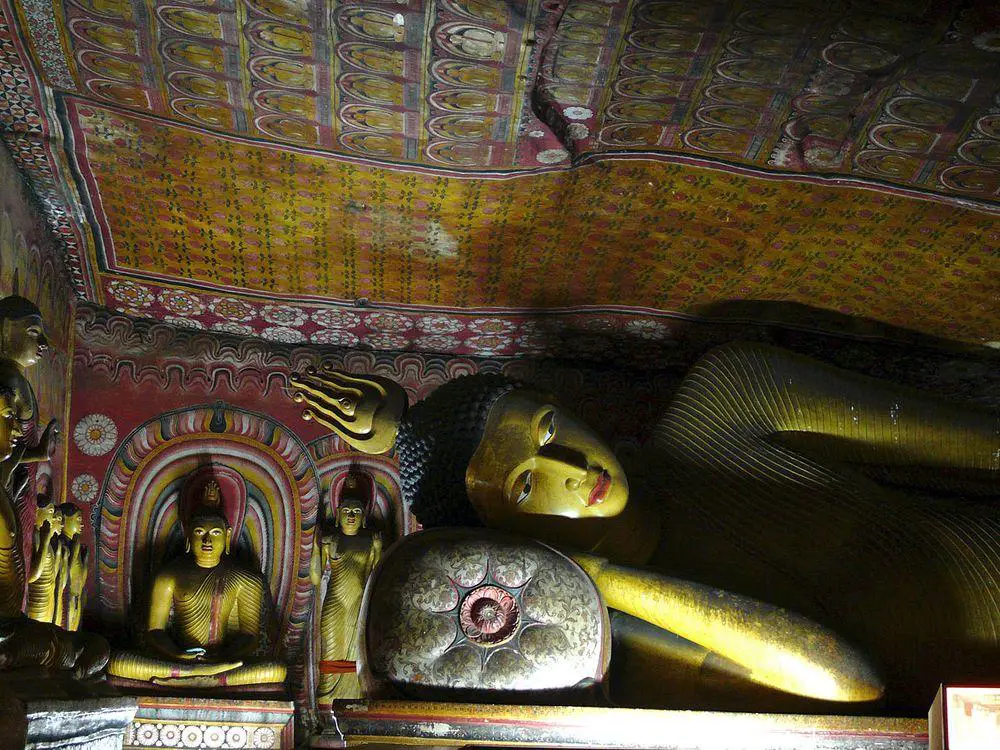
Dambulla
Sri Lanka
A unique complex of 5 cave temples and monasteries, worship has been practiced here since the 1 century BC, inhabited since prehistoric times. Partially rock-cut caves, adorned with numerous frescoes and statues.
Tài Shān (Mount Tai)
China
This 1545 m high mountain is one of the five sacred mountains in the Tao religion, often regarded as the most important of them. A pilgrimage site for 3000 years, it is covered with numerous temples and other monuments. The largest temple, Dai Miao, dates from the 3rd century BC.
Longmen Grottoes
China
One of the most impressive monuments of rock-cut architecture in the world – two cliffs with a rock-cut complex of Buddhist cells and shrines. 2,345 rock-cut chambers, and more than 100,000 statues made in 316 – 907 AD.
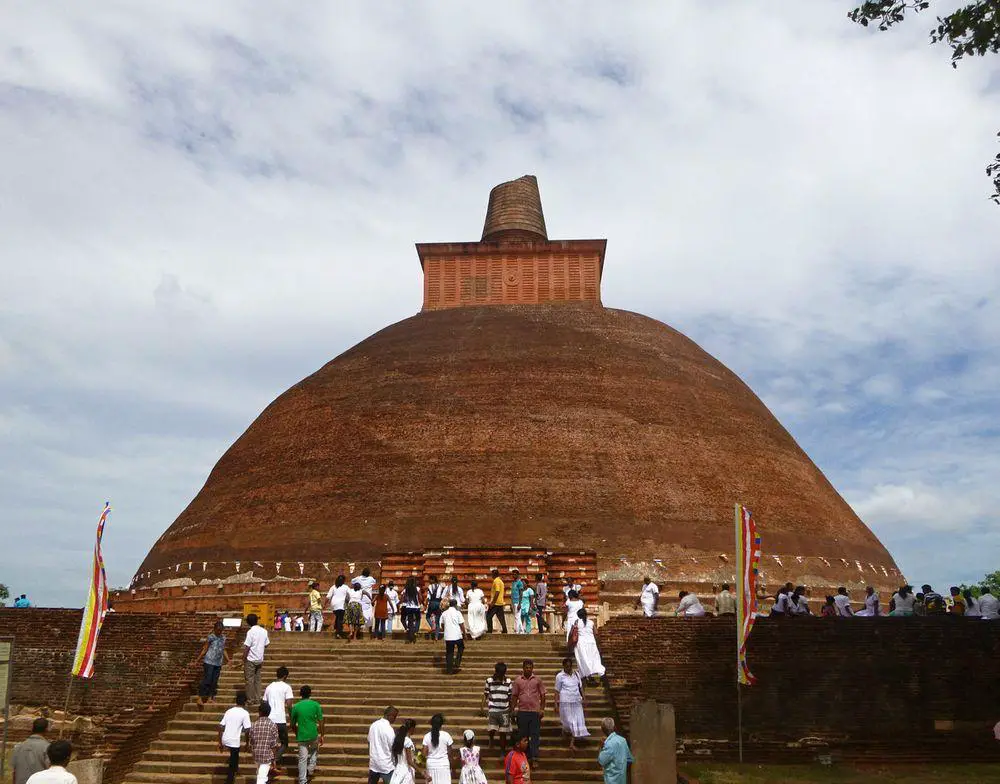
Jetavanaramaya
Sri Lanka
The tallest stupa ever built – 122 m tall, for many centuries the third tallest building in the world after the pyramids of Giza. Constructed in the 3rd – 4th century AD. The construction of this giant structure required much innovation.
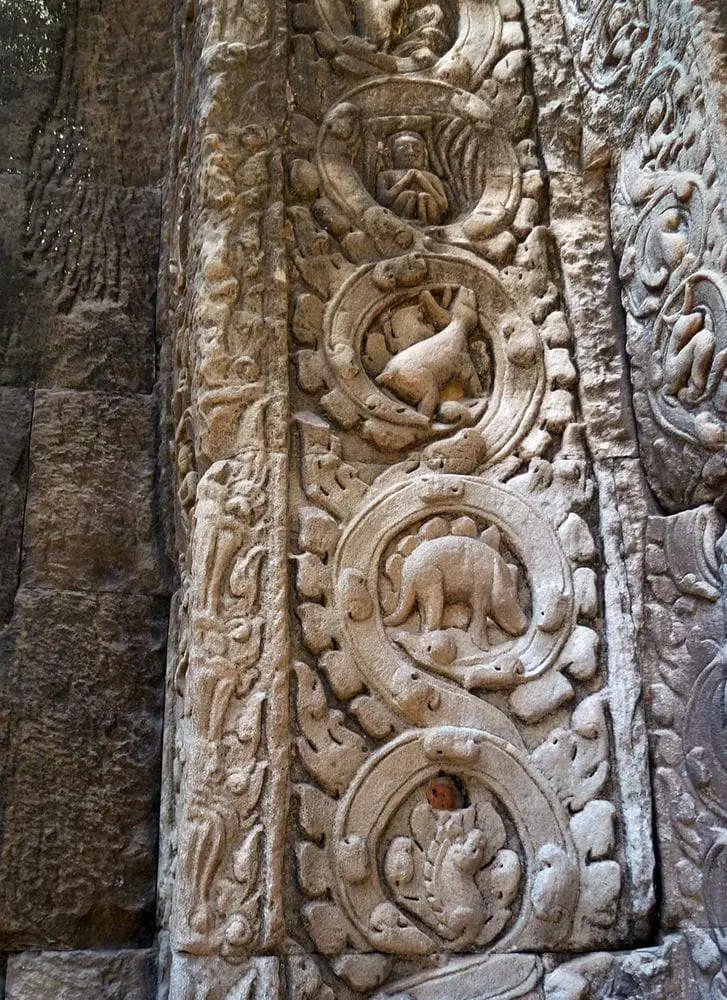
Ta Prohm (Rajavihara)
Cambodia
Ruins of a Buddhist temple, monastery, and university in Angkor. These structures were built in the late 12th – early 13th centuries. Now, this is one of the most photogenic temples in Angkor with many trees growing on the ruins. In the temple were living more than 12 500 people and approximately 800 000 people in surrounding villages served them. Amazing detail is the carving of an unusual animal that looks like a stegosaurus.
Tōdai-ji
Japan
An important and beautiful temple complex established in 728, it contains the largest wooden building in the world. Sika deer are roaming freely here.
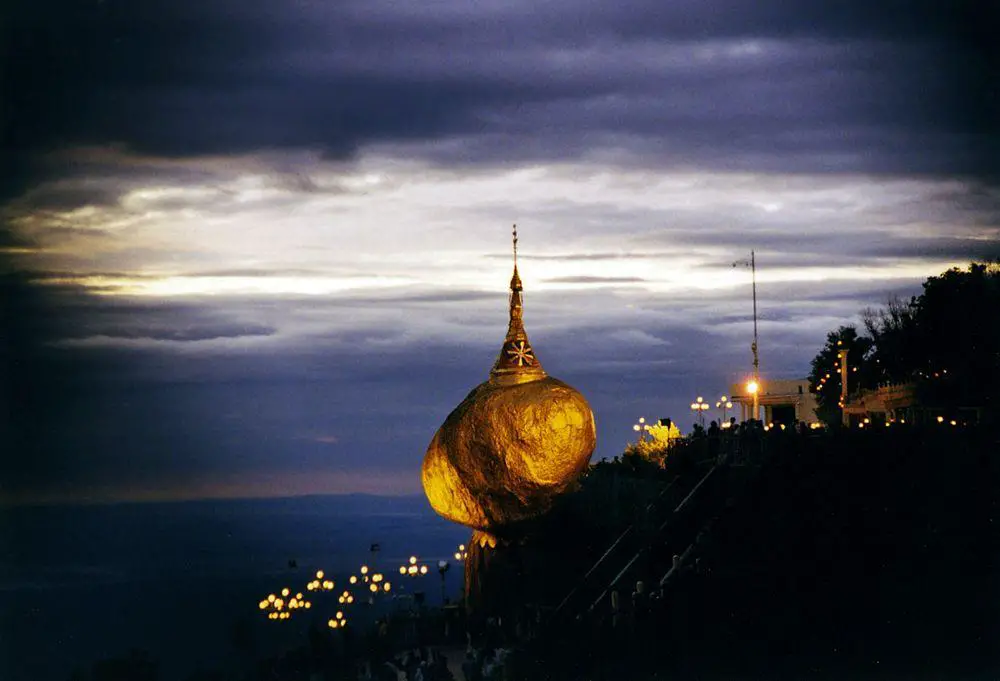
Kyaiktiyo Pagoda
Burma (Myanmar)
This small pagoda on an enormous, gold-covered boulder is located on the edge of a cliff. According to legend it is held in its place by a strand of the hair of Buddha.
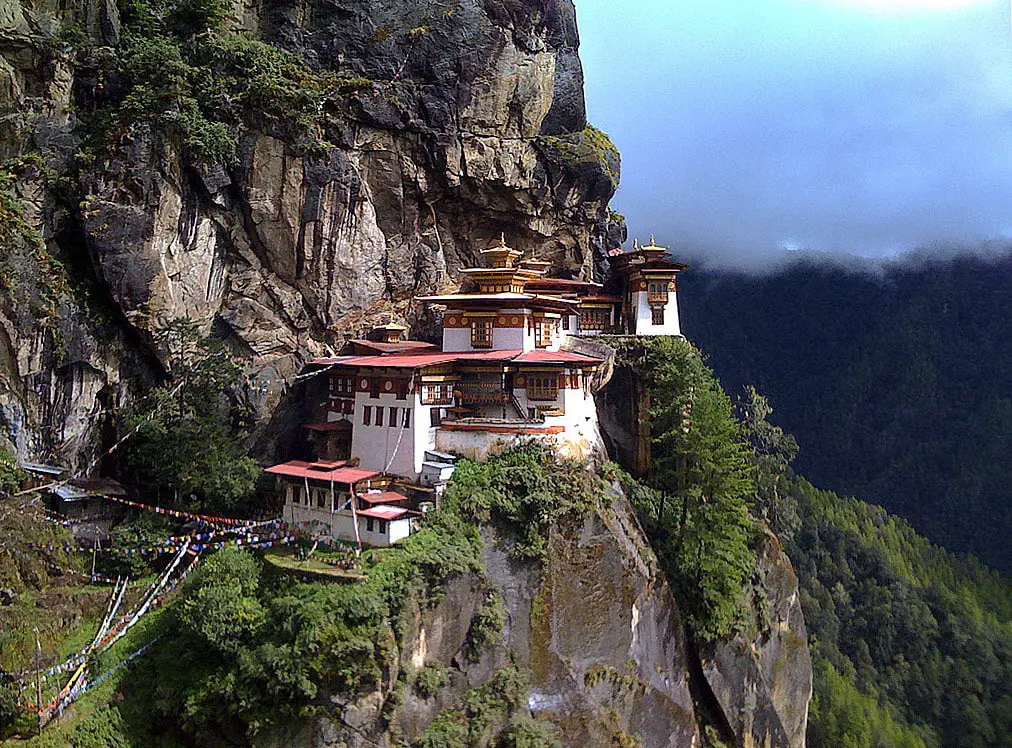
Paro Taktsang Monastery
Bhutan
This monastery is in a dramatic setting on the side of a cliff, 700 meters above the bottom of the valley. It was built in 1692. Near the monastery is a 60 m high waterfall – Taktsang waterfall.
Nanchan Temple
China
An ancient temple, rebuilt in 782 AD, the wooden structures from this rebuilding are among the oldest wooden structures in China. It is one of the numerous monasteries of sacred Mount Wutai.
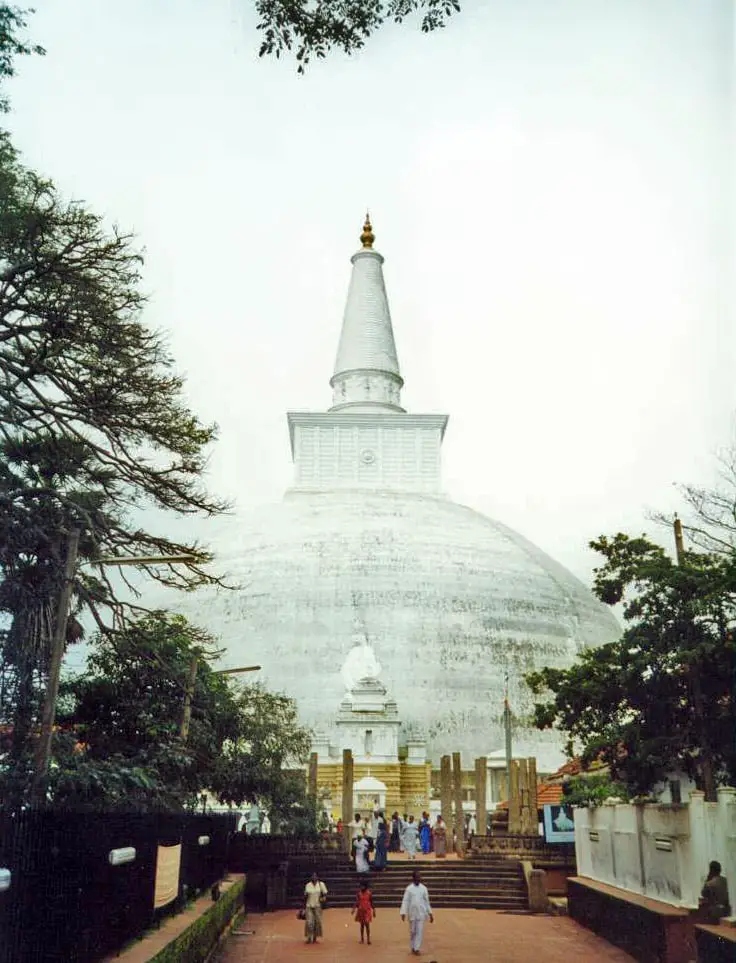
Ruwanwelisaya (Ruwanweli Saya)
Sri Lanka
This is a beautiful half dome stupa, 91 meters high. Constructed in the 2nd century BC, one of the highest achievements of ancient Sri Lankan architecture. Site of legends and mysteries.
Bayon
Cambodia
Most beautiful and largest Buddhist temple in the ancient Khmer capital Angkor Thom. Constructed in the late 12th – early 13th century AD. Adorned with numerous large towers, contains numerous artworks.
Temple of Confucius
China
The largest and oldest temple of Confucius, established in 478 BC and expanded since then.
Recommended books
Power Places of Kathmandu: Hindu and Buddhist Holy Sites in the Sacred Valley of Nepal


Award-winning photographer Kevin Bubriski captures in stunning detail the sacred places of Nepal’s Kathmandu Valley. Noted scholar Keith Dowman provides history and commentary on the significance of the sites.
The Rebirth of Bodh Gaya: Buddhism and the Making of a World Heritage Site


This multilayered historical ethnography of Bodh Gaya ― the place of Buddha’s enlightenment in the north Indian state of Bihar ― explores the spatial politics surrounding the transformation of the Mahabodhi Temple Complex into a UNESCO World Heritage site in 2002.