
Wondermondo 🢖 Categories of wonders 🢖 Architectural wonders 🢖 Religious architecture 🢖 Churches
Category
Churches
 Described churches
If you see this after your page is loaded completely, leafletJS files are missing.
 What is included in this category?
Churches are buildings where Christians gather and worship God. Initially, these were buildings for more or less secret gatherings but as Christianity became adopted state religion and a tool for governing society, churches turned into exclusive sites of worship with little Christian worship happening outside these buildings.
Basilicas are large and important churches where Pope has given special ceremonial rites. Cathedrals are churches serving as seats of bishops. Chapels are places of Christian worship and fellowship, often they comprise parts of buildings built for another purpose.
Throughout history Christian churches have been the epitome of architecture and arts achievements in Western culture, representing it.
Short history
First Christian churches
It is rather hard to name the oldest Christian church as this religion evolved from older Jewish religions and there remain some uncertainties regarding of linkage of some Jewish sects to Christianity.
Judaism and Christianity started to divide during the 1st century AD and Christianity was a clearly distinct religion in the 4th century AD. One of the earliest dated churches was located in Syria, Dura-Europos town – in this abandoned town there is found a chapel from sometimes around 232 – 256 AD.
In the 4th century churches are already in Armenia (the oldest Christian state in the world), Israel, Palestine, Jordan, Greece. Old churches are also in Italy, France, Egypt, Cyprus, and some more regions.
Separately should be mentioned the unique rock-hewn churches of Lalibela in Ethiopia from the 13th century. Carvings and frescoes here show some similarities to Byzantine art.
Byzantine style
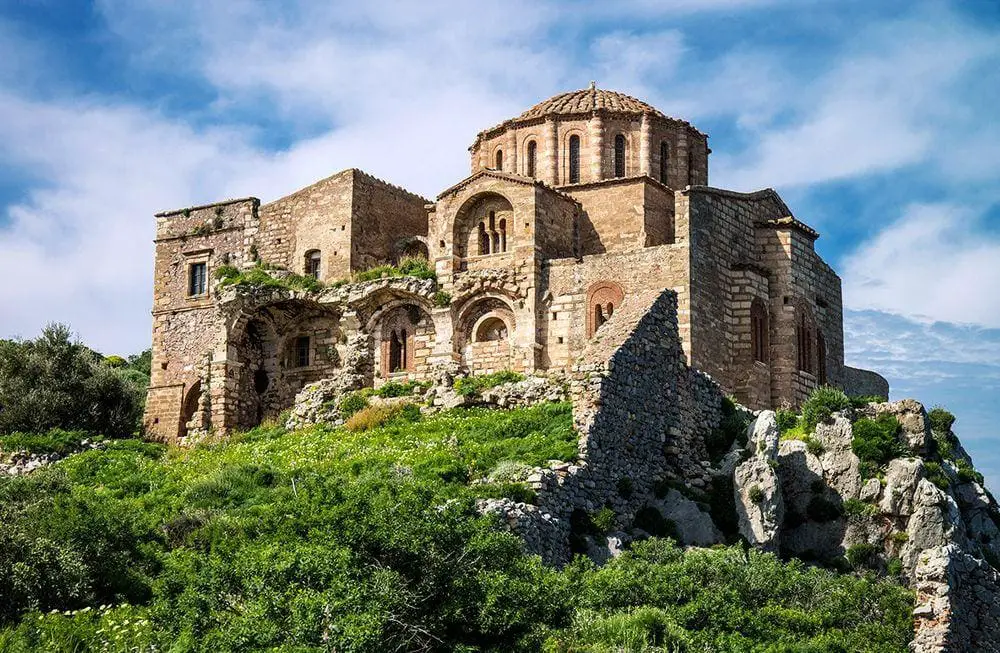
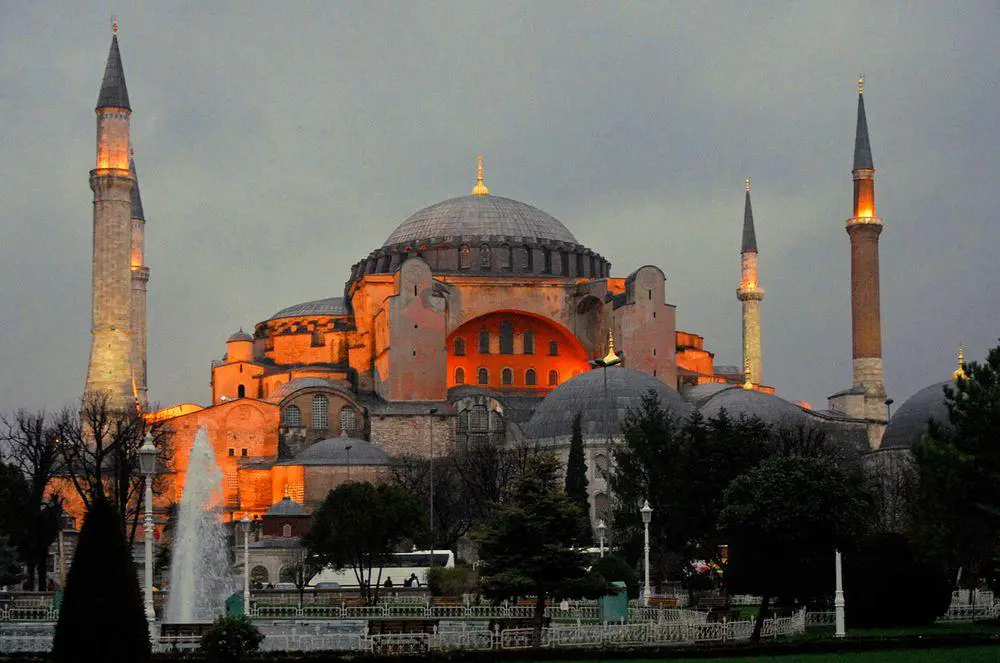
First really magnificent – and for long time unsurpassed – church is Hagia Sophia in Istanbul, Turkey. It is built in 532 – 537 AD and well represented the might of the Byzantine Empire. Numerous similar style but much smaller size churches over the next centuries were been built in Turkey, Greece, Bulgaria, and other countries of this region.
Byzantine style has served as a basis for the development of unique church architecture in Russia. The design of churches over centuries here changed maintaining its distinct style. Some of notable examples of Russian Orthodox church architecture are Vladimir Dormition Cathedral (Vladimir, 1160), Saint Basil’s Cathedral (Moscow, 1555 – 1561) and such miracle of wooden architecture as Transfiguration Church in Kizhi (Republic of Karelia, 1714).
Romanic style
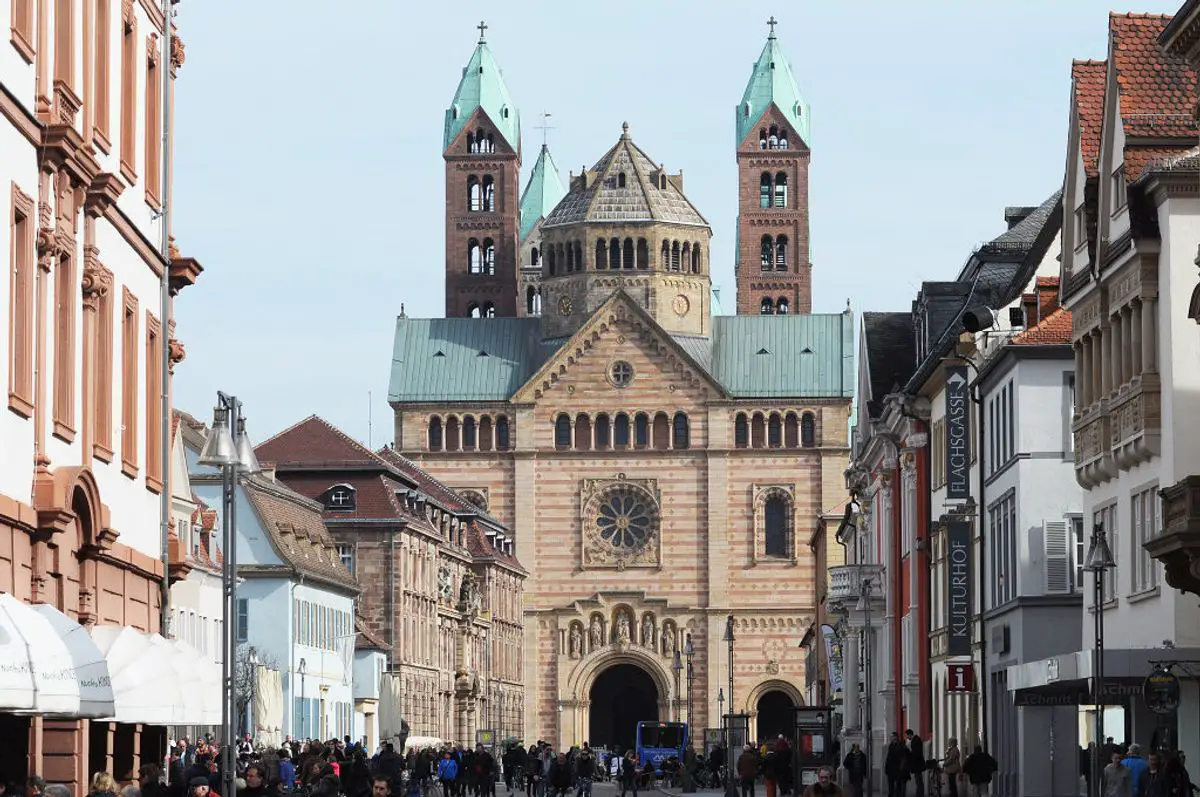
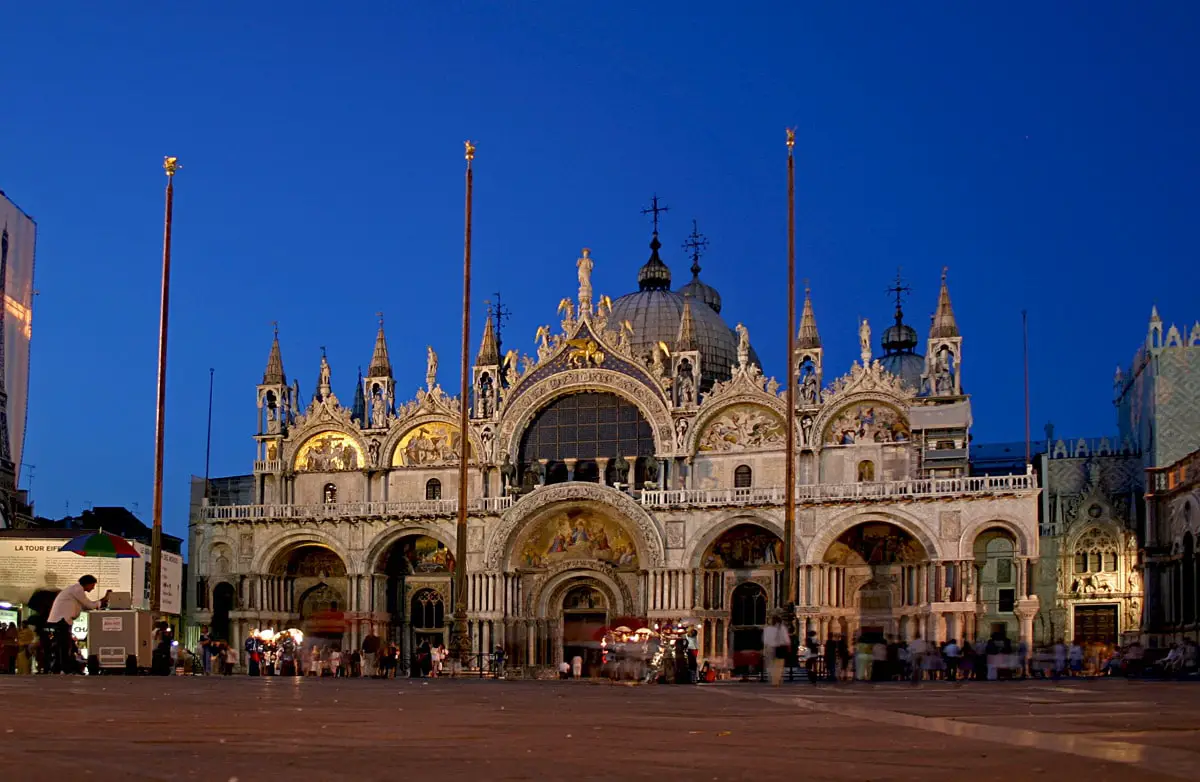
Next magnificent churches were built in Western Europe, signaling the rise of Western culture. Romanic style in architecture merged accomplishments of Roman architecture with Byzantine architecture and was the first architectural style of Western culture with the first early examples appearing in the 9th century in Germany, France, Switzerland, and Spain. Among the original significant examples of this style can be named part of Aachen Cathedral (North-Rhine – Westphalia, Germany). Later came such beautiful and impressive churches as Speyer Cathedral (Rhineland-Palatinate, Germany, 1130 – 1106), St. Mark’s Basilica (Veneto, Italy, 1094), Angoulême Cathedral (Charente, France, 1110 – 1128).
Gothic style
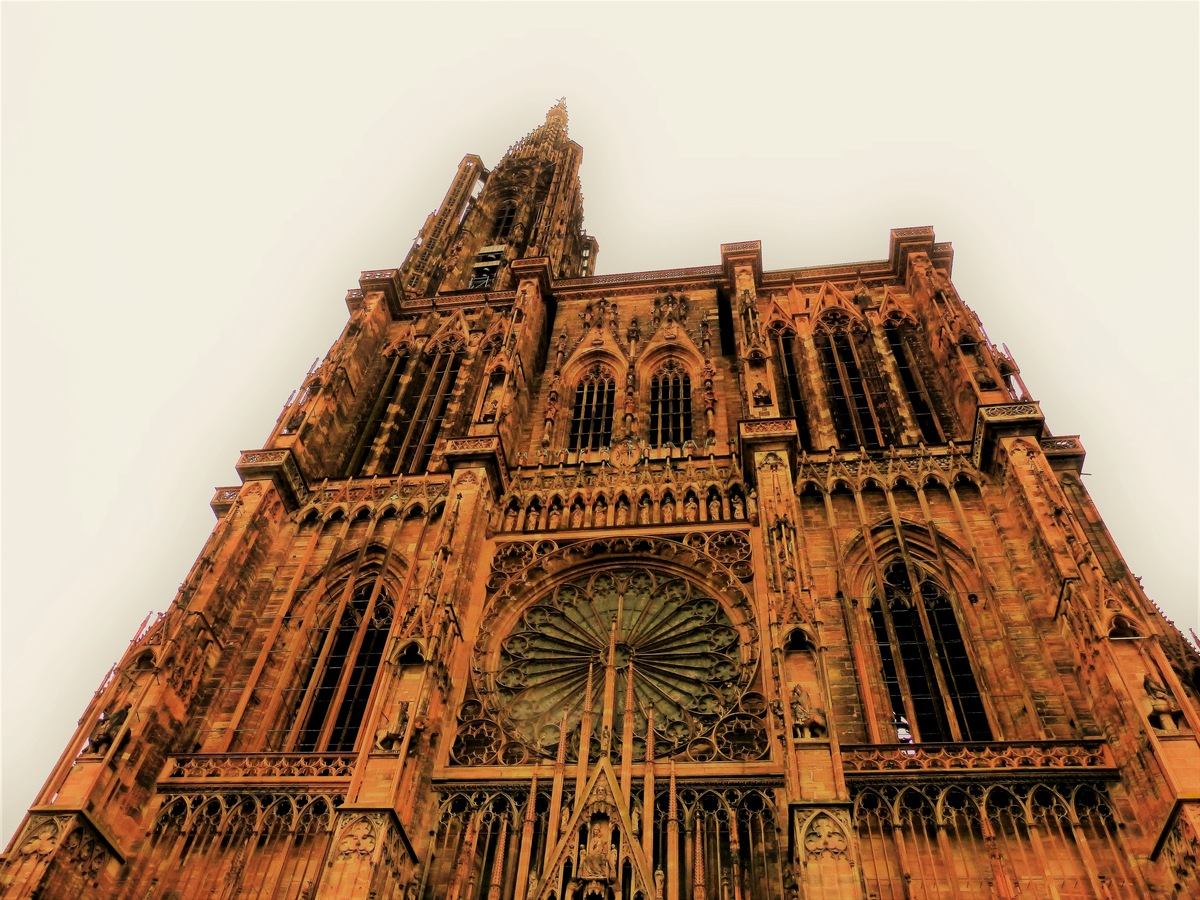
Important stimulus for the further development of architecture was the crusades, leading to an intense exchange of knowledge and skills between the long-established cultures in the Near East and energetic, rising Western European culture. The next style after the Romanic style – Gothic – testified to the peak of the influence of Christianity on Western society. Basilica of St.Denis in Paris (the 12th century) was the front-runner of Gothic style, but shortly afterward there were built some of the most magnificent Christian churches ever built – such as Notre Dame de Paris (Paris, France, 1163 – the late 14th century), Amiens Cathedral (Somme, France, 1220 – 1266), Burgos Cathedral ( Castile and Léon, Spain, 1221 – 1567), Cologne Cathedral (North Rhine-Westphalia, Germany, 1248 – 1880) and Milan Cathedral (Lombardy, Italy, 1386 – 1965).
Renaissance style
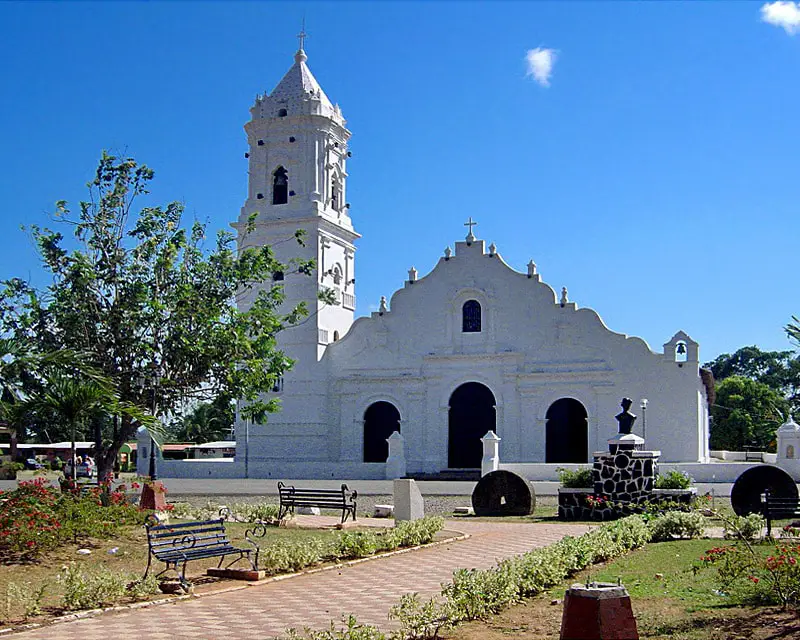
Wealth, the fierce competition of influential Northern Italian cities, and the wish to revive " the Golden Age" brought the next major style in architecture and other arts – Renaissance. This was achieved with overplus – now the time of Renaissance is seen as the "Golden Age" of Europe.
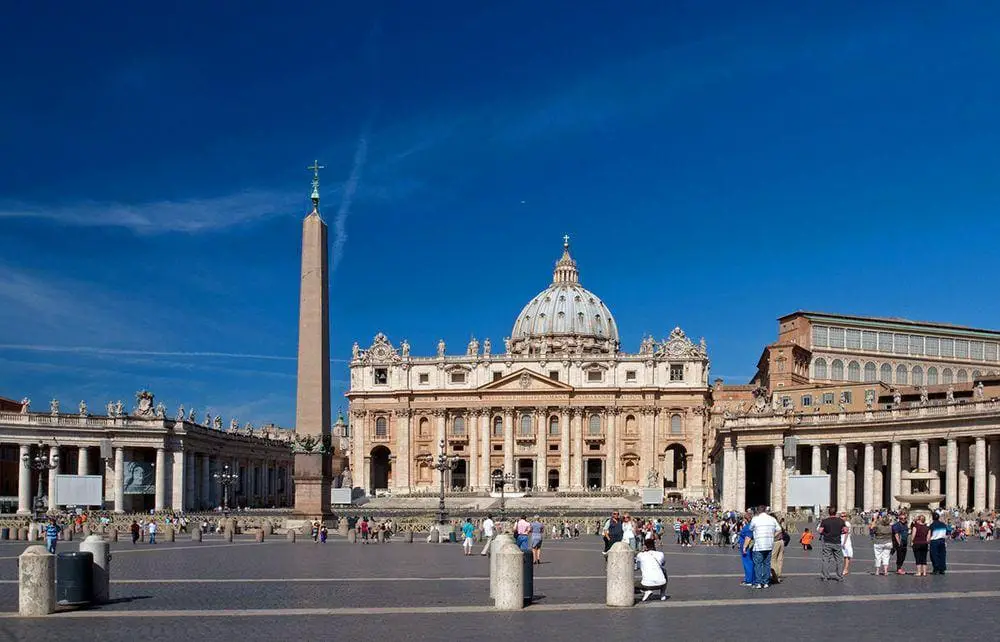
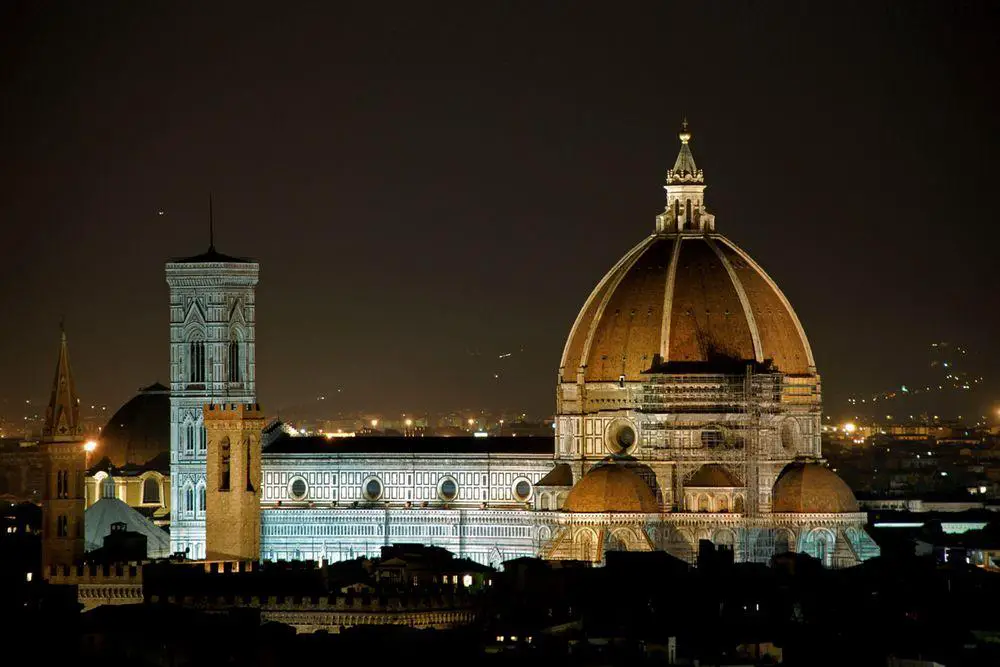
Important step in development of this architecture was construction of Basilica of San Lorenzo (Florence, Italy, 1419-1480s). Italy dominated in this style – major accomplishments in church architecture in these times are St. Peter’s Basilica (Vatican City, 1506 – 1626), the small but beautiful Tempietto of San Pietro in Montorio (Rome, Italy, around 1502), a magnificent dome of Basilica di Santa Maria del Fiore (Florence, Italy, 1469) and other churches. Outside Italy, there should be mentioned the beautiful Katedrala Sv. Jakova (Šibenik, Croatia, 1402 – 1555).
Baroque and Rococo styles
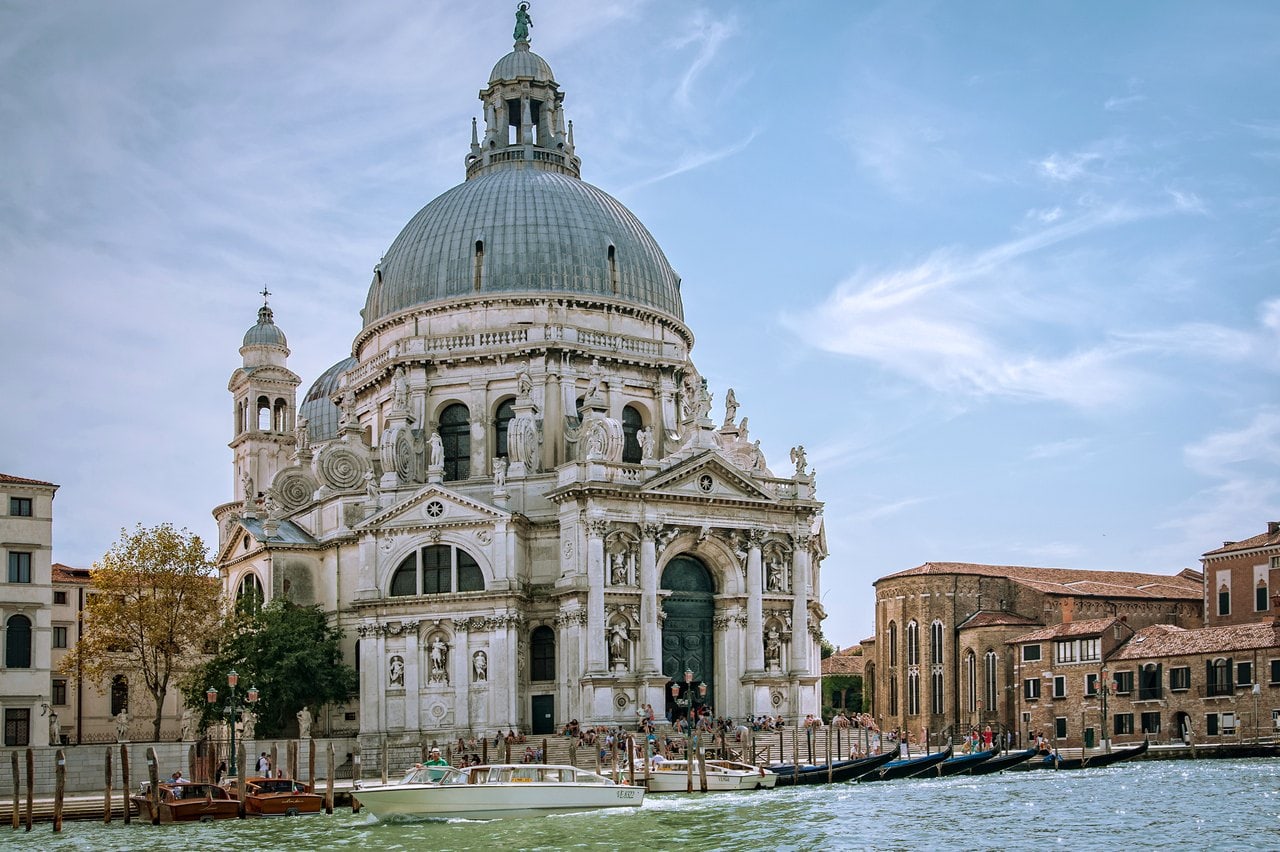
Baroque style originated as an attempt of the Christian church to renew its former significance through emotional and impressive communication of religious themes – using ornate, lush expressions of art and architecture. This opulent style was borrowed by monarchies of Europe that were at their peak of influence – thus nowadays the most well-known samples of Baroque architecture are palaces.
Significant Baroque churches are San Carlo alle Quattro Fontane (Rome, Italy, 1638 – 1646), Cathedral of San Giorgio (Sicily, Italy, 1693), St Paul’s Cathedral (London, United Kingdom, 1668 – 1697), Ottobeuren Abbey with its Rococo interior (Bavaria, Germany, 1737 – 1766), Vienna Karlskirche (Vienna, Austria, 1716 – 1737).
Meanwhile church was the bearer of Western culture to "new lands" – these were Baroque-style churches that first came to the Americas, parts of Africa, and Eastern Asia. It is symbolic that one of the first precursors of Baroque was Church of the Gesu in Rome, Italy, constructed in 1568-1580. This church was the seat of the Jesuit order, actively and with great success spreading Christianity around the world. Some magnificent examples of such colonial churches are Mexico City Metropolitan Cathedral (Mexico City, Mexico, 1573 – 1813), Iglesia de la Compania de Jesus (Cusco, Peru, 1668), São Francisco Church and Convent (Bahia, Brazil, 1708 – 1755).
Rococo originated in France and has been expressed mainly in the interior. Although it is widely believed that Rococo is a decadent, "overspiced" Baroque, in general, this style shows more elegance and sophistication than many somewhat tasteless applications of Baroque. This style has been mostly used in other monuments of architecture but here should be mentioned grand Rococo interiors in some Bavarian churches – Ottobeuren Abbey, Wieskirche (the 1740s) and Asamkirche in Munich (1733 – 1746).
Later styles
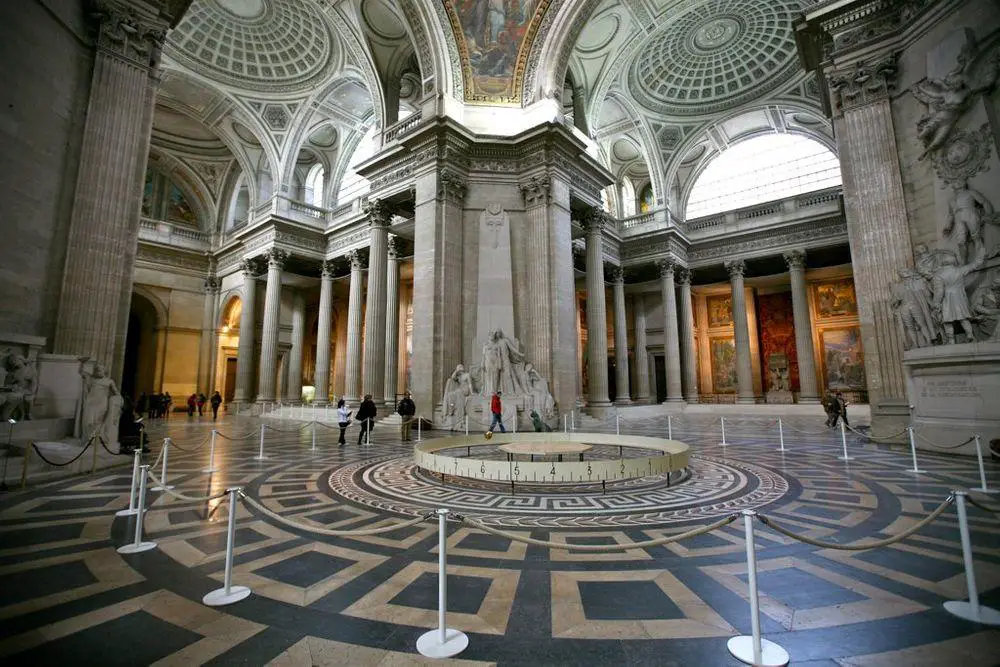
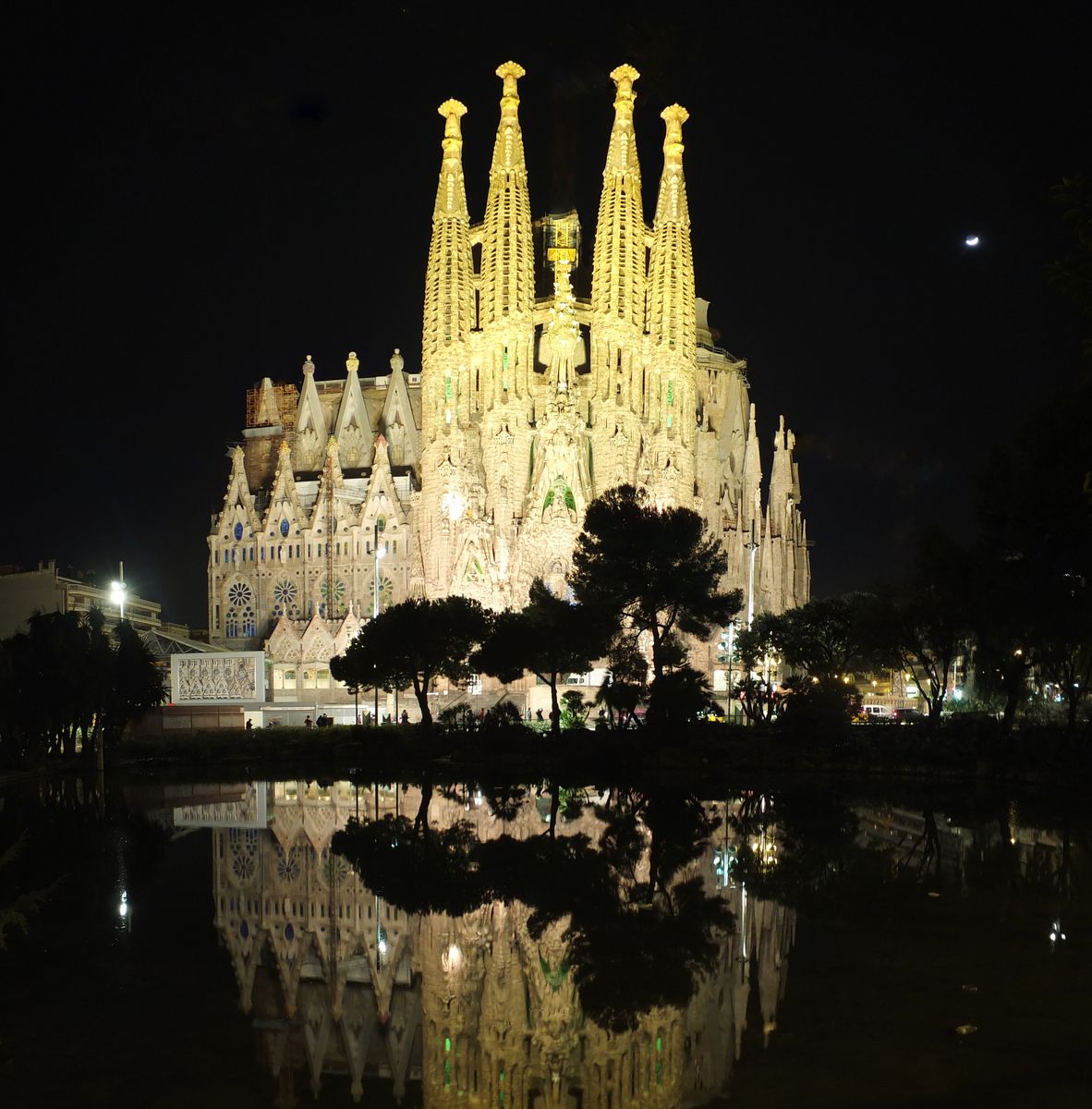
With the start of Enlightenment in the middle of the 17th century the importance of the Christian church declined. The construction of new churches was not the main item in public expenditure anymore. On the other side – the affluence of Europe was growing, especially when started industrialization. In general, there were not built grandiose Christian churches anymore, but there was widespread construction of smaller churches, very often with sophisticated architecture, significant effort was put also in the restoration of existing churches. There is one notable exception though – in 1882 in Barcelona, Spain there was started construction of one of the largest and most magnificent churches – Sagrada Familia. This building is one of the predecessors of the Art Nouveau style and the architect – Antoni Gaudi – planned that the church won’t be complete until some centuries of intense work will be gone. The development of computers and construction technologies will facilitate faster completion of construction work in 2026.
Other articles
Wondermondo has defined several other categories of religious structures:
- Religious architecture – list of more than 60 most interesting and impressive religious structures and sites around the world.
- Buddhist shrines
- Christian monasteries
- Hindu temples
- Jain shrines
- Judaism monuments, sinagogues
- Islamic shrines
- Other contemporary shrines
- Ancient pyramids
- Ancient and prehistoric shrines
 Top 25 churches
Africa
Lalibela churches
Ethiopia
11 monolithic Christian churches were hewn underground from the cliff in the 13th century.

Europe
Hagia Sophia
Turkey
A former Orthodox basilica built between 532 – 537 AD, it is now a mosque. Possibly the highest achievement of Byzantine architecture, it has been the largest cathedral in the world for nearly 1000 years. Constructed in 532 – 537.
Sagrada Familia
Spain
The largest and by far the most impressive Art Nouveau church in the world, designed by Antoni Gaudi; started in 1882 and is due to be completed in 2026.
Basilica di Santa Maria del Fiore (Florence Cathedral)
Italy
One of the most impressive churches in the world, the largest building in medieval Europe. Constructed in 1296 – 1469. Designed mostly in Gothic style, but considered to be one of the first Renaissance buildings.
Saint Mark’s Basilica
Italy
A building of unusual beauty and splendor, it is one of the most important Byzantine architectural monuments in the world, constructed in 1094.
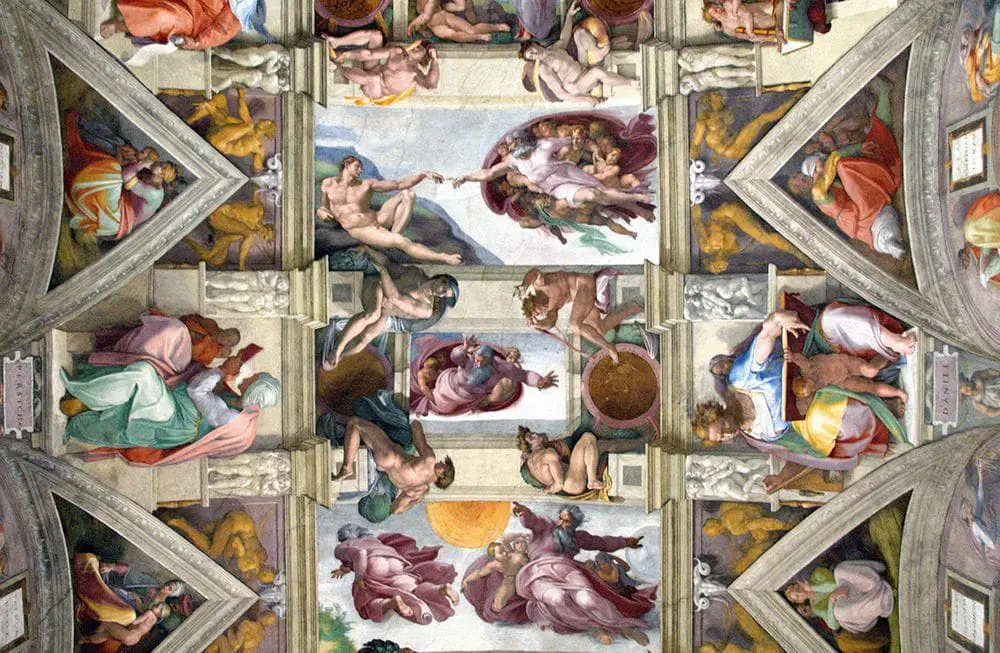
Sistine Chapel
Vatican City
In this chapel, the new pope is selected. Constructed in 1473 – 1481 and world-famous due to the frescoes made by such Renaissance artists as Sandro Botticelli, and Michelangelo. These frescoes are among the world’s highest achievements in art.
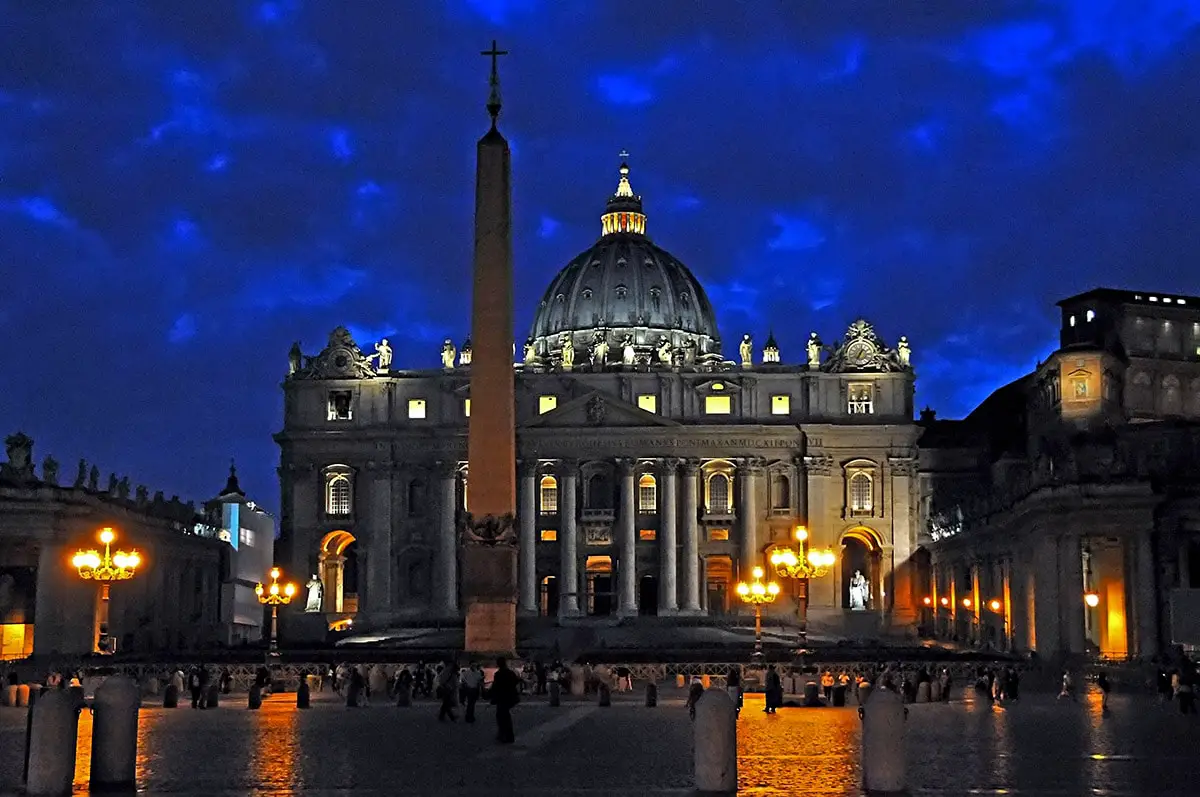
St. Peter’s Basilica
Vatican City
The most important church in Christian history, with the largest interior of any church. The present basilica was built in 1506 – 1626 and represents one of the most important pieces of Renaissance architecture. Contains the purported grave of Saint Peter.
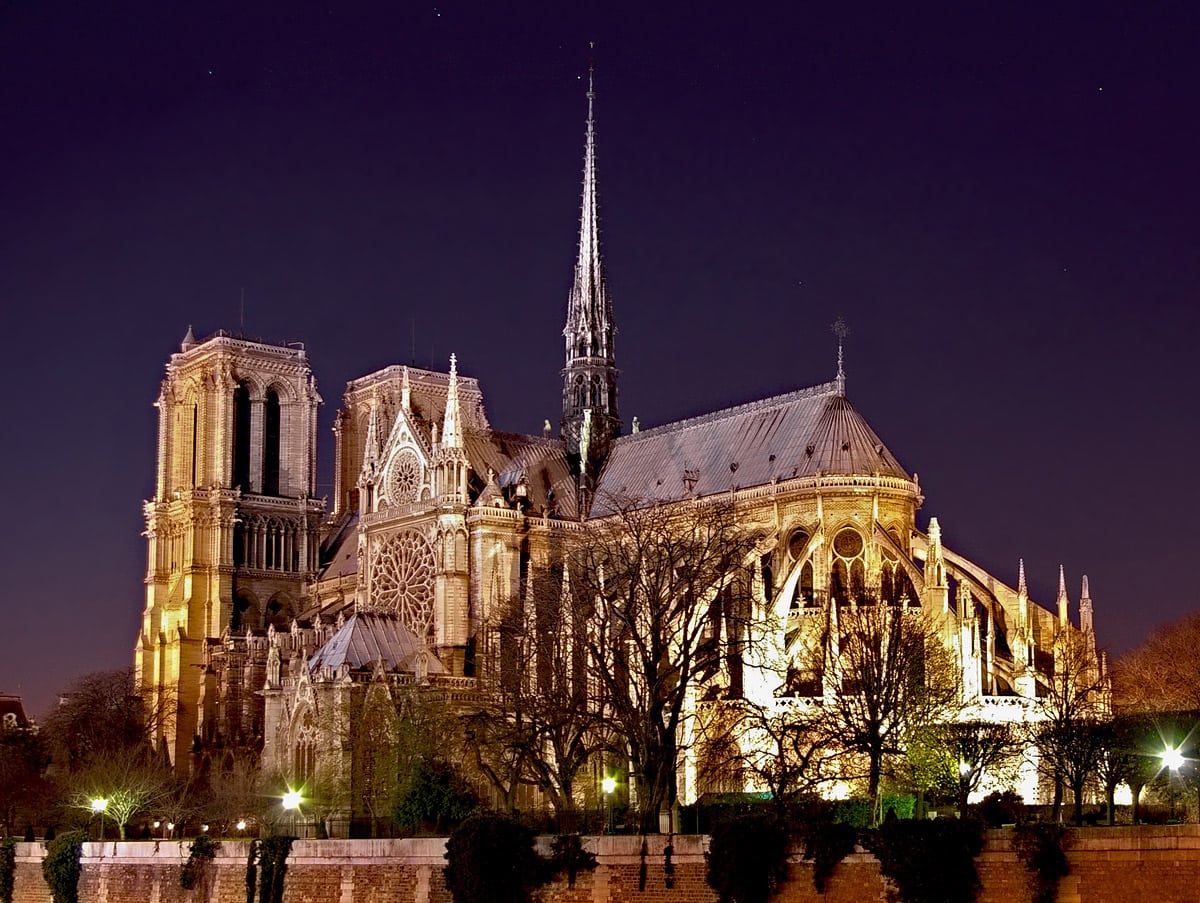
Notre Dame de Paris
France
Constructed in 1163 – the late 14th century. One of the most significant Gothic cathedrals and one of the world’s best-known monuments of architecture. One of the first buildings where flying buttresses were used.
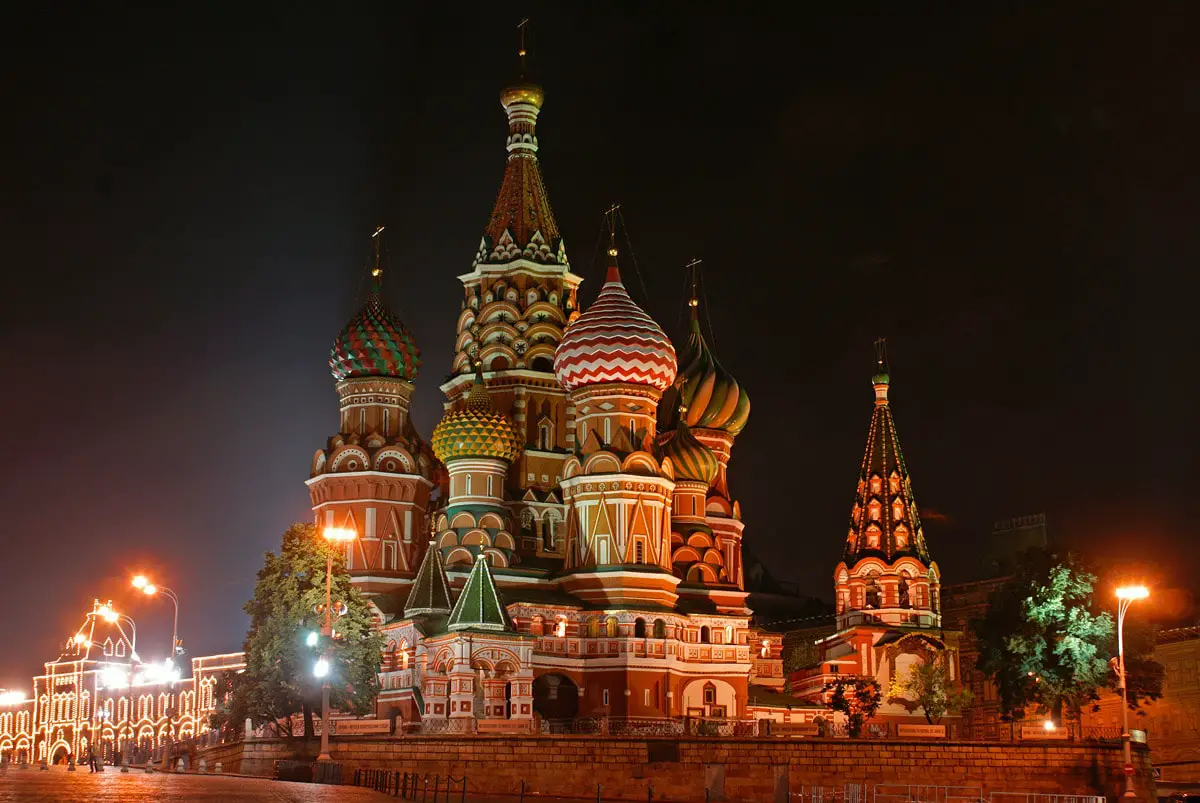
Saint Basil’s Cathedral
Russia
This group of nine churches was constructed in 1555 – 1561 to commemorate the victories of Ivan the Terrible. This building has left much influence on Russian and world architecture.
Milan Cathedral
Italy
One of the most impressive Gothic buildings in the world, constructed in 1386 – 1965.
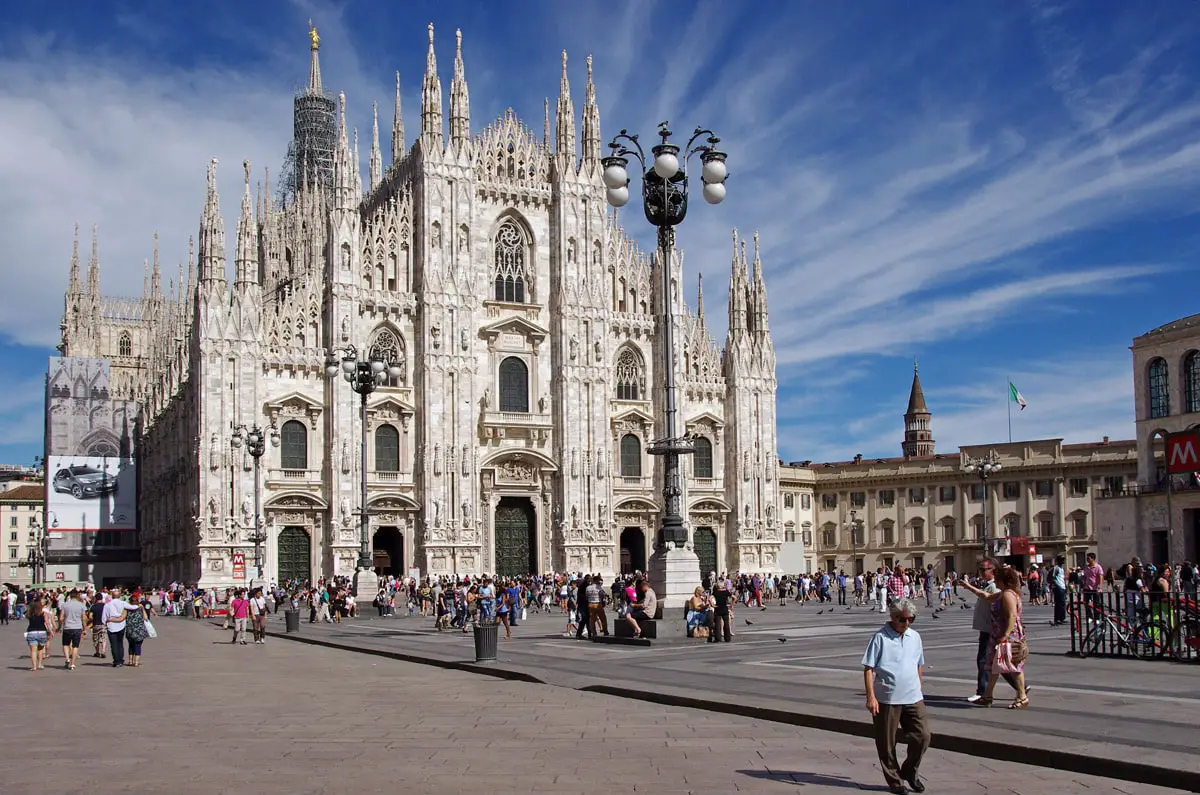
Westminster Abbey
United Kingdom
Royal Church of the United Kingdom with numerous art values. Constructed in 1245 – roughly 1745, mainly in the Gothic style. One of the earliest representatives of Gothic architecture in England.
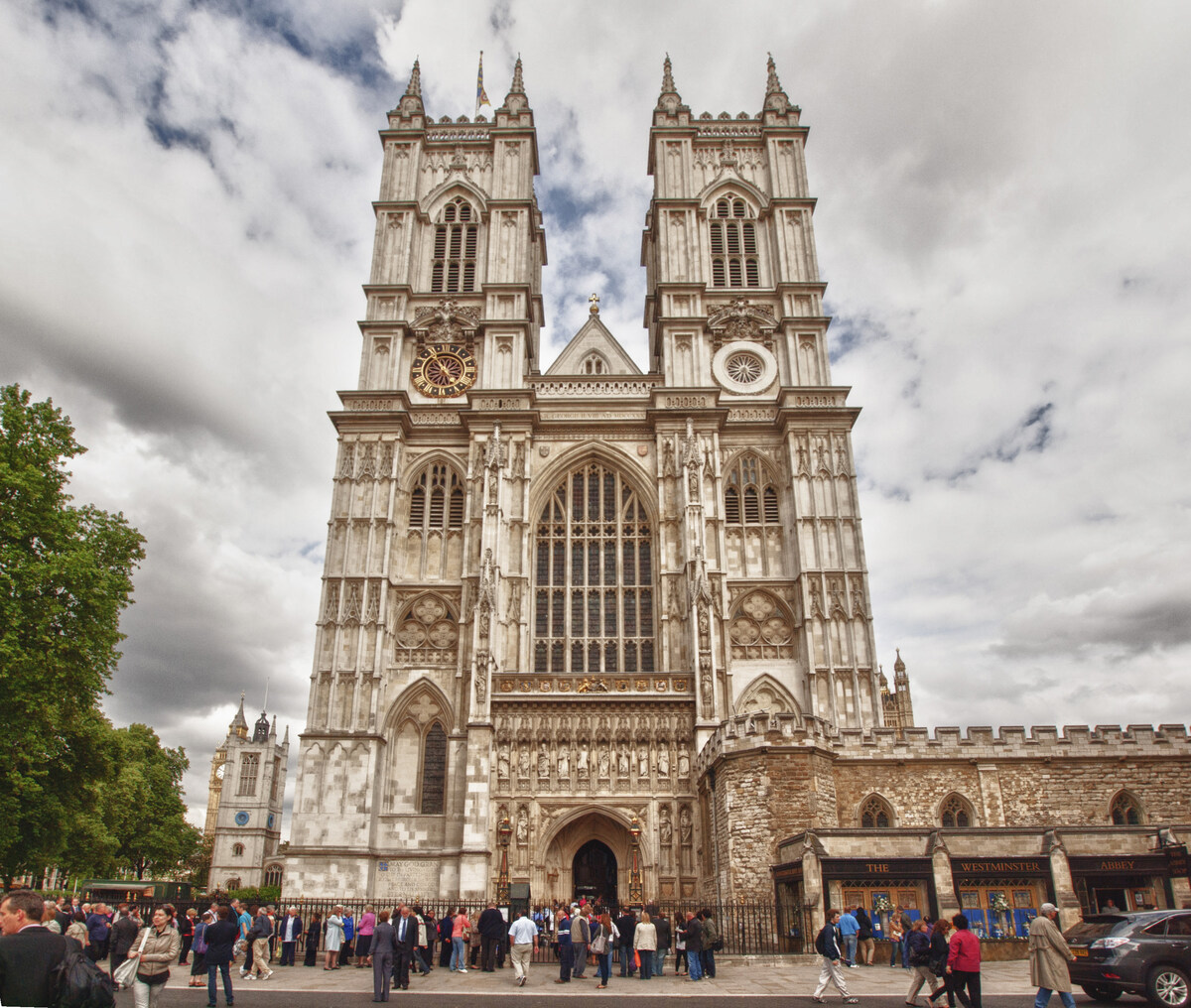
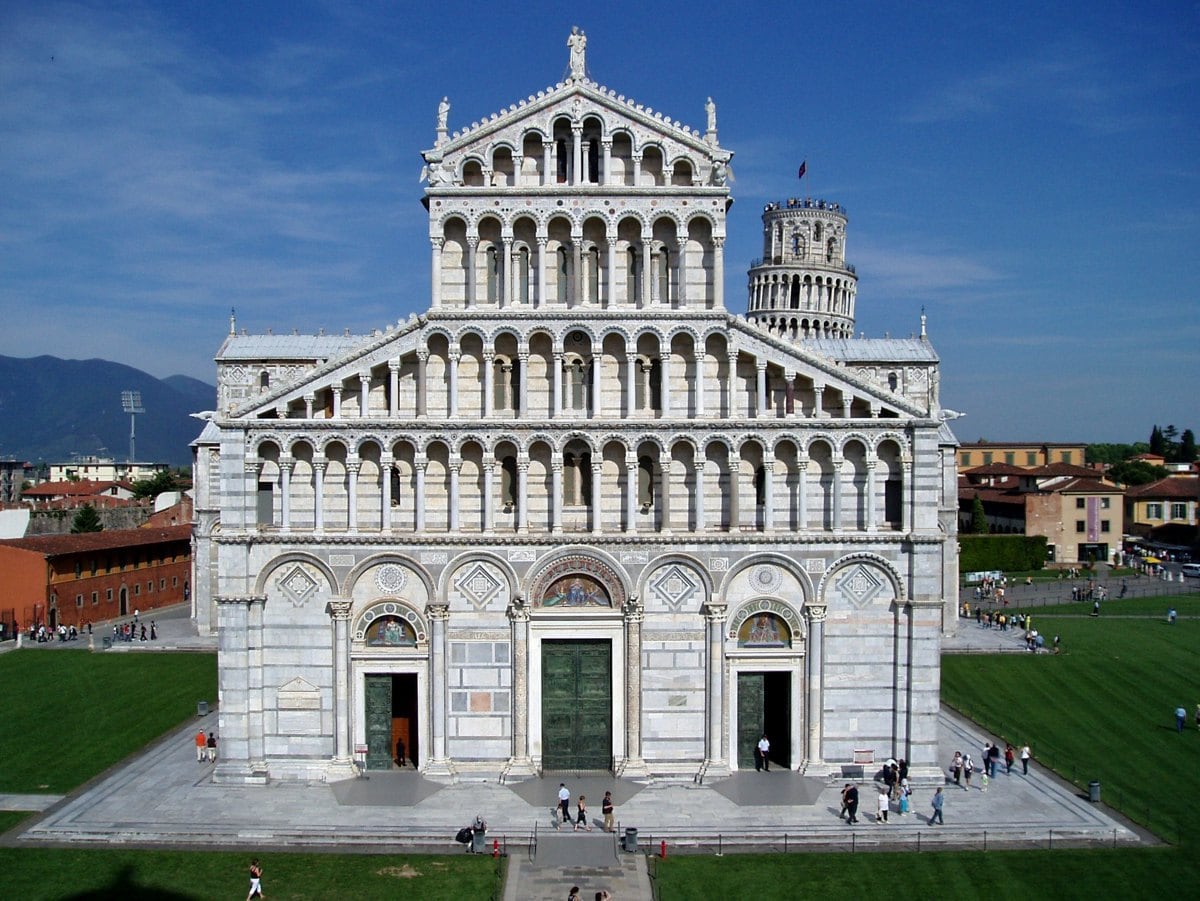
Leaning Tower of Pisa
Italy
A bell tower. An impressive monument of European medieval Romanesque architecture, construction started in 1173-1372. Due to weak ground, it started to tilt and the significant tilting has made this structure famous worldwide.
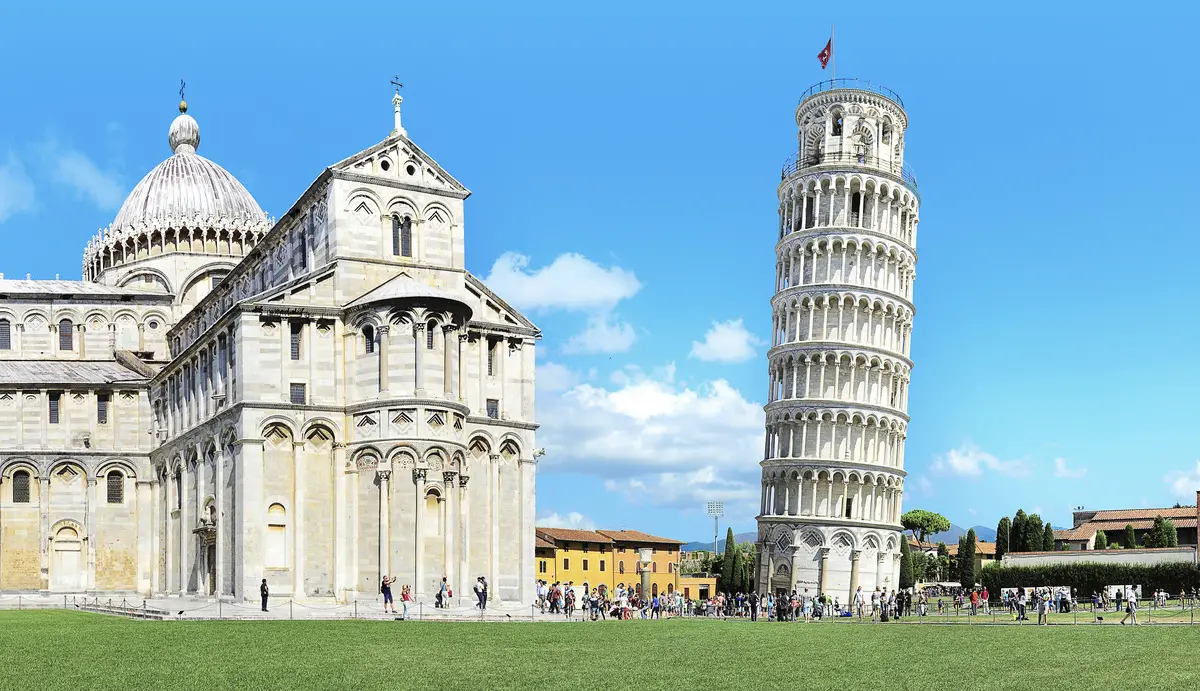
Aachen Cathedral
Germany
The oldest cathedral in Northern Europe. Historically very important church, the residence of Charlemagne, place of coronation of 42 kings and queens. Constructed in 792 – 805, rebuilt numerous times adding new values.
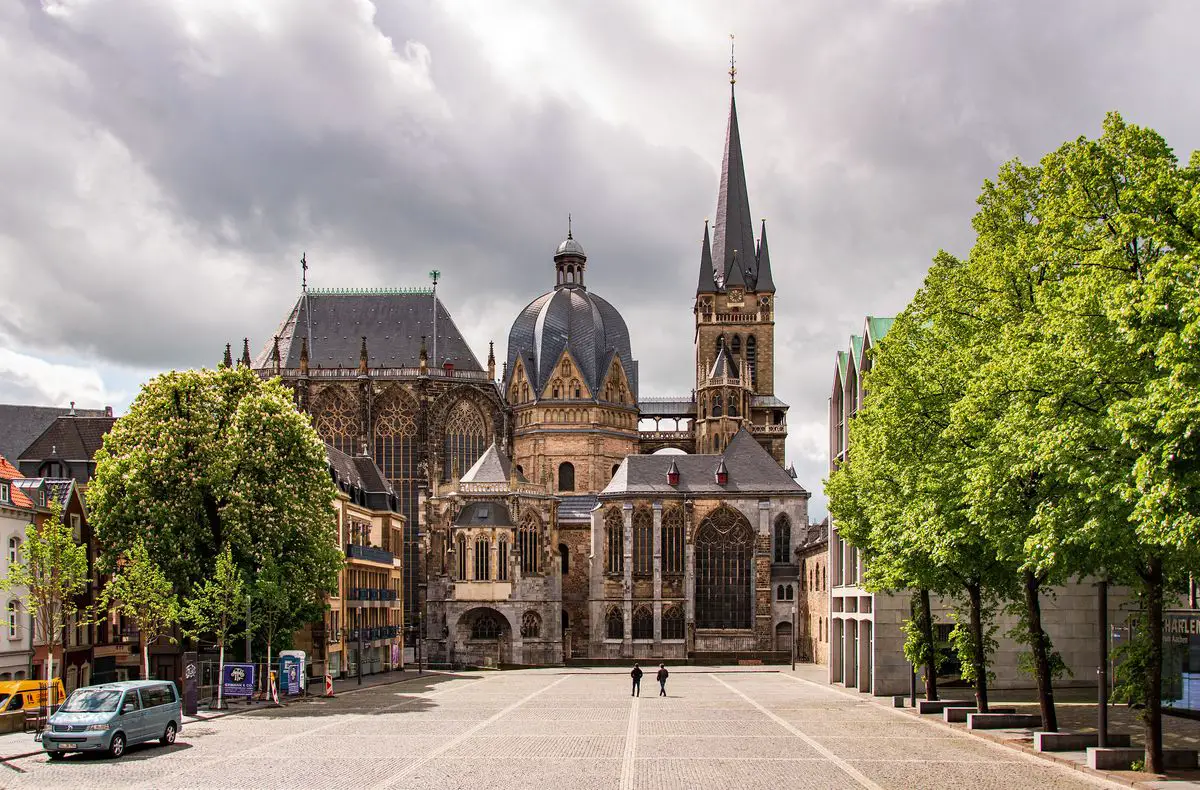
Cologne Cathedral
Germany
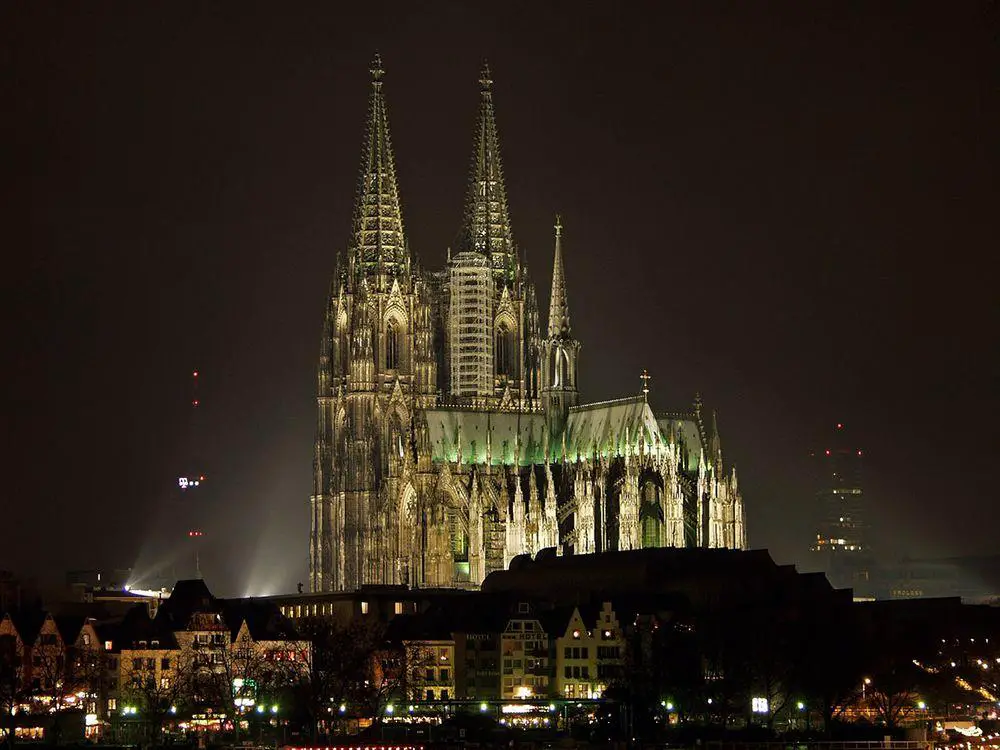
One of the most impressive Gothic-style cathedrals in the world and one of the largest churches in the world. 144.5 m long, two 157 meters tall towers. Constructed in 1248 – 1880. The most visited landmark in Germany.
Amiens Cathedral
France
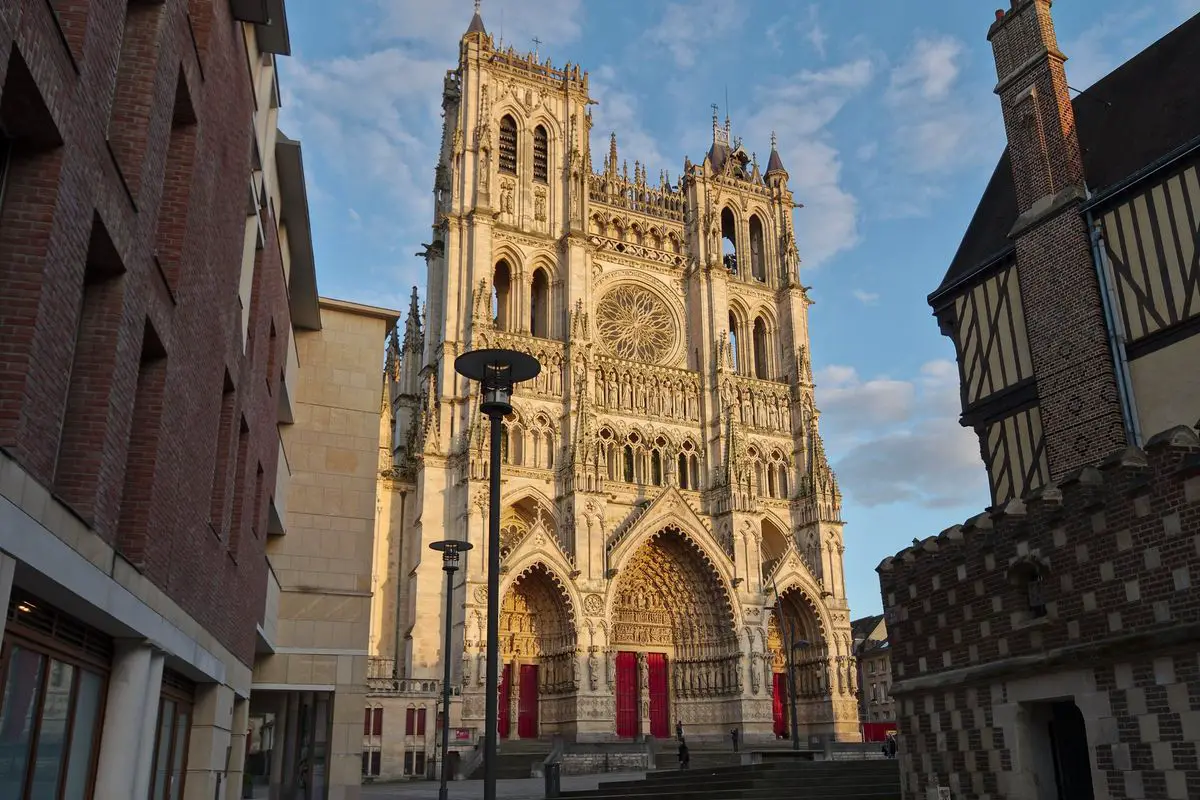
One of the great Gothic cathedrals of Europe. It has the second tallest nave in France (42,30 m) and a very large interior hall – the largest in medieval Europe. Constructed in 1220 – 1270. Contains an excellent set of Gothic sculptures from the early 13th century. Contains a labyrinth that was installed in 1288. The facade originally was polychrome.
Chartres Cathedral
France
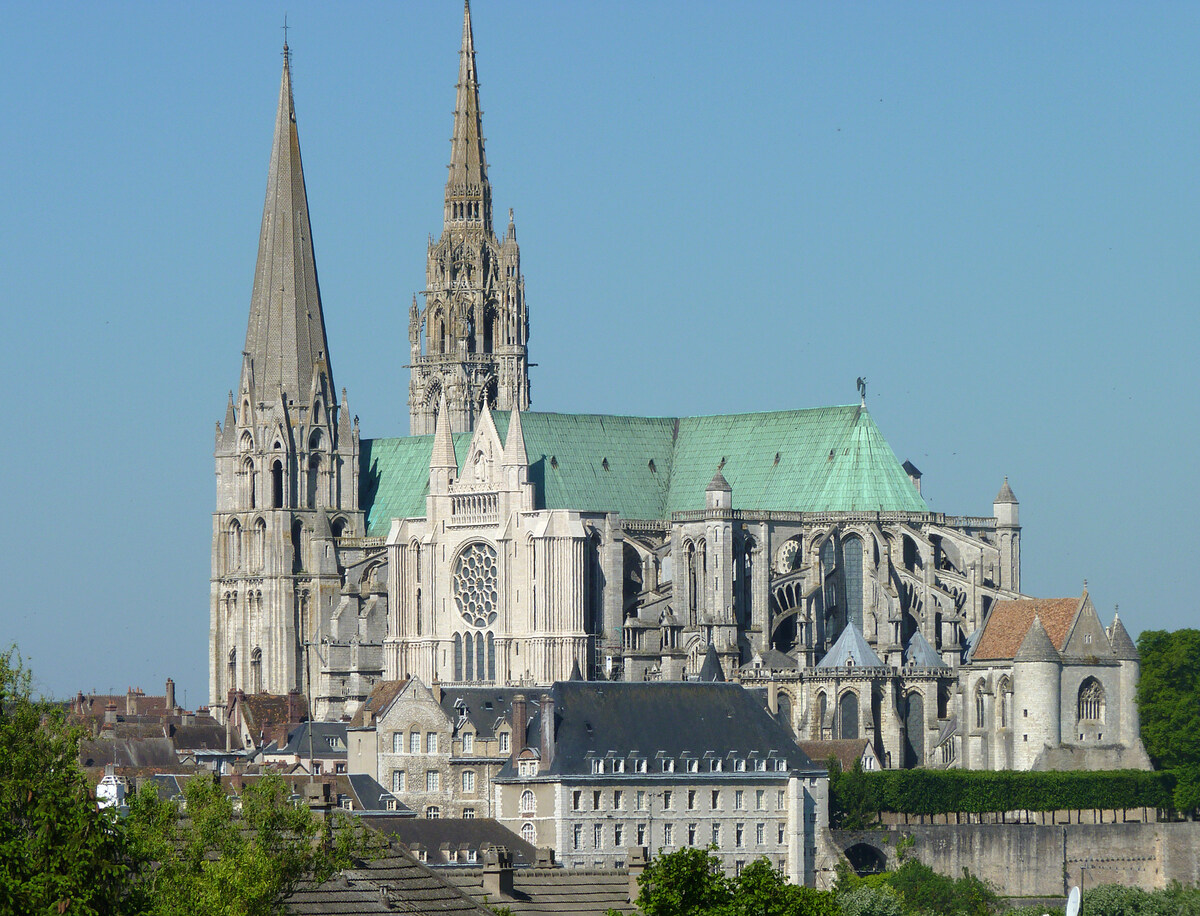
This church belongs to the most impressive Gothic cathedrals in the world and it is also one of the most important pilgrimage sites in Medieval Europe. The current cathedral is mostly built between 1193 and 1250, but a cathedral has been here since the 9th century at least. Preserved in exceptionally good condition, with all the original stained glass. Two spires – 113 and 105 m high. Adorned with hundreds of sculptures.
Rouen Cathedral
France
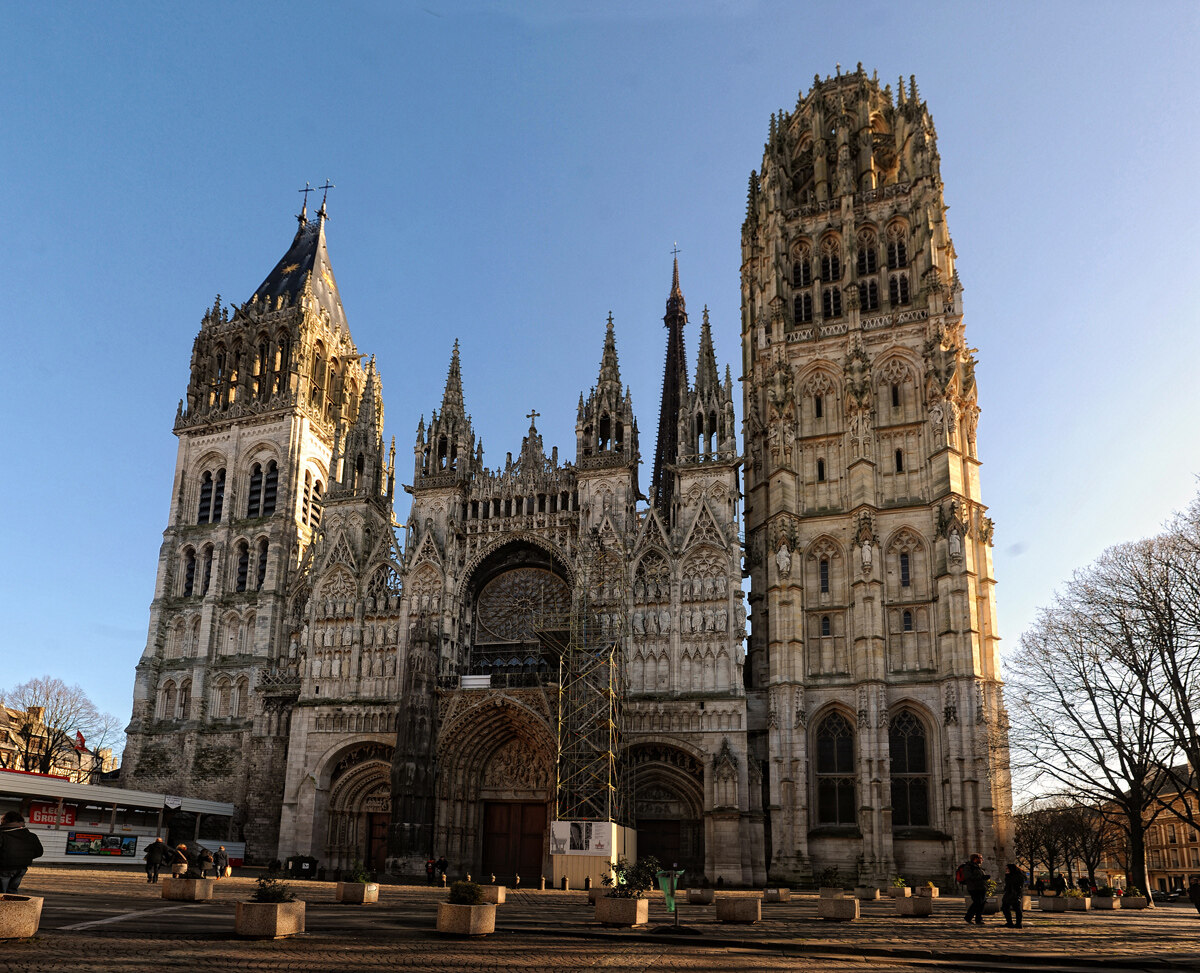
Magnificent Gothic-Renaissance cathedral, one of the great architectural monuments of the world. Constructed in 1202 – 1880. The remarkable tower is 151 m tall and was the tallest structure in the world in 1876 – 1880. The church is 136.86 m long, with a 28 m high nave.
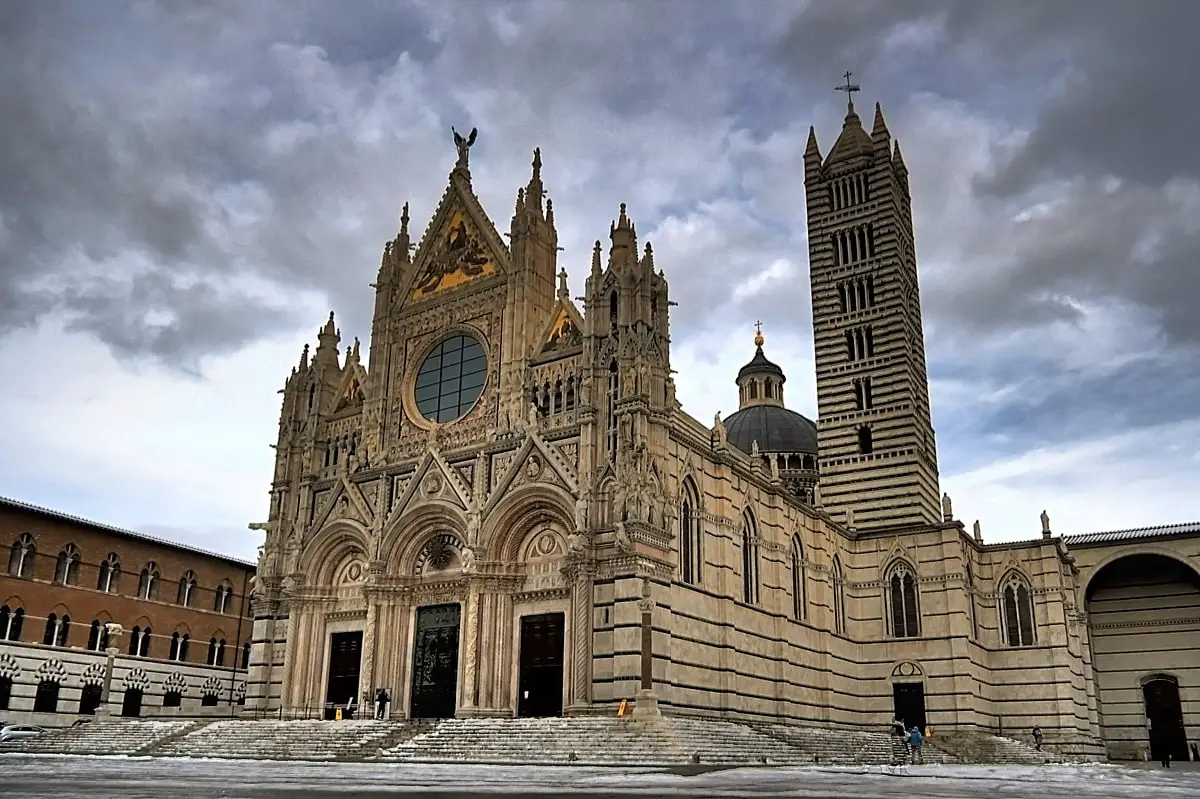
Siena Cathedral of Santa Maria
Italy
A beautiful building that unites Romanesque and Gothic styles, constructed in 1215 – 1263.
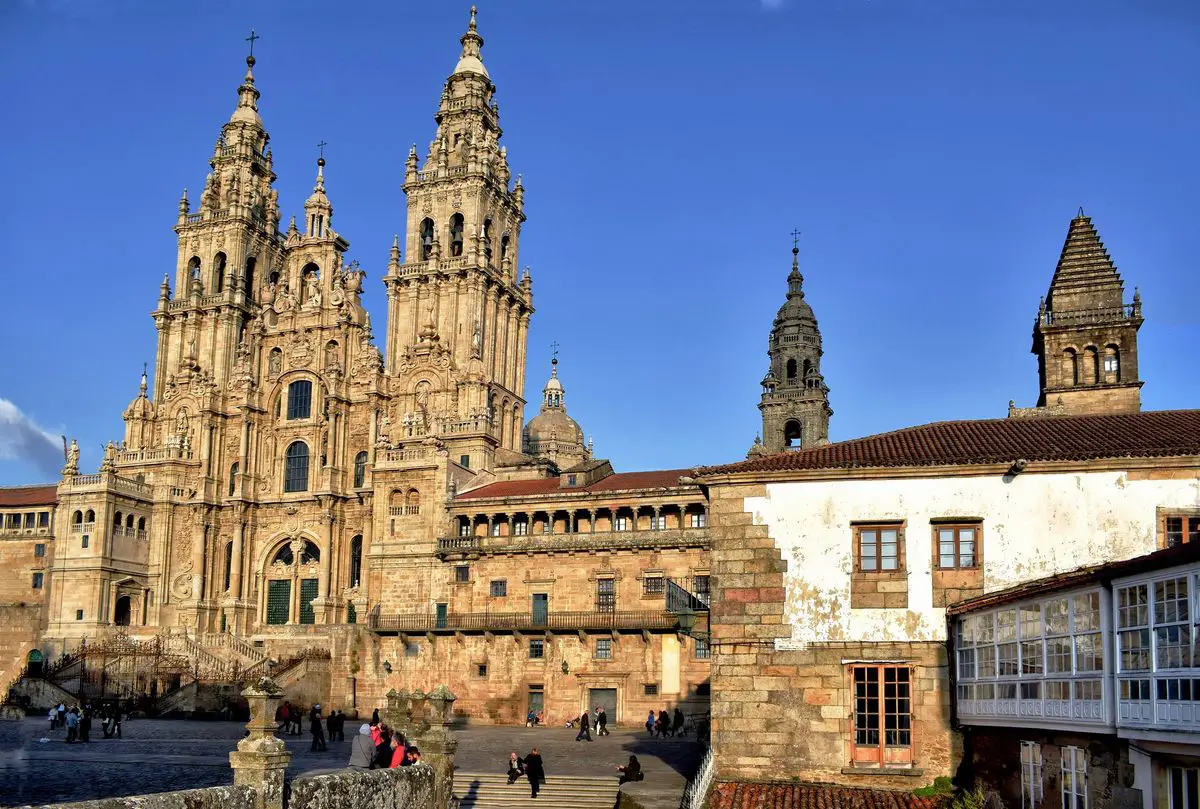
Santiago de Compostela Cathedral
Spain
A pilgrimage church of huge importance. This Romanesque cathedral is adorned with later Gothic and Baroque additions – beautiful facades and towers. The main part was built in 1075-1128, and the gorgeous western facade in 1738-1750.
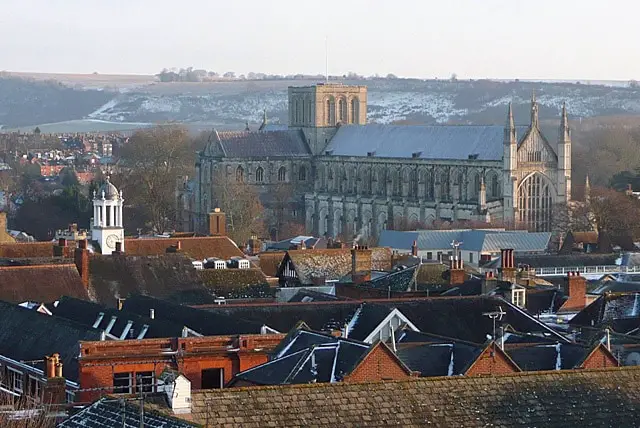
Winchester Cathedral
United Kingdom
Impressive building, one of the largest cathedrals in the United Kingdom, longest (169.5 m) Gothic cathedral in Europe. The present cathedral was constructed in 1079-1093 in the Norman style and rebuilt into a Gothic structure in several periods until the 16th century.
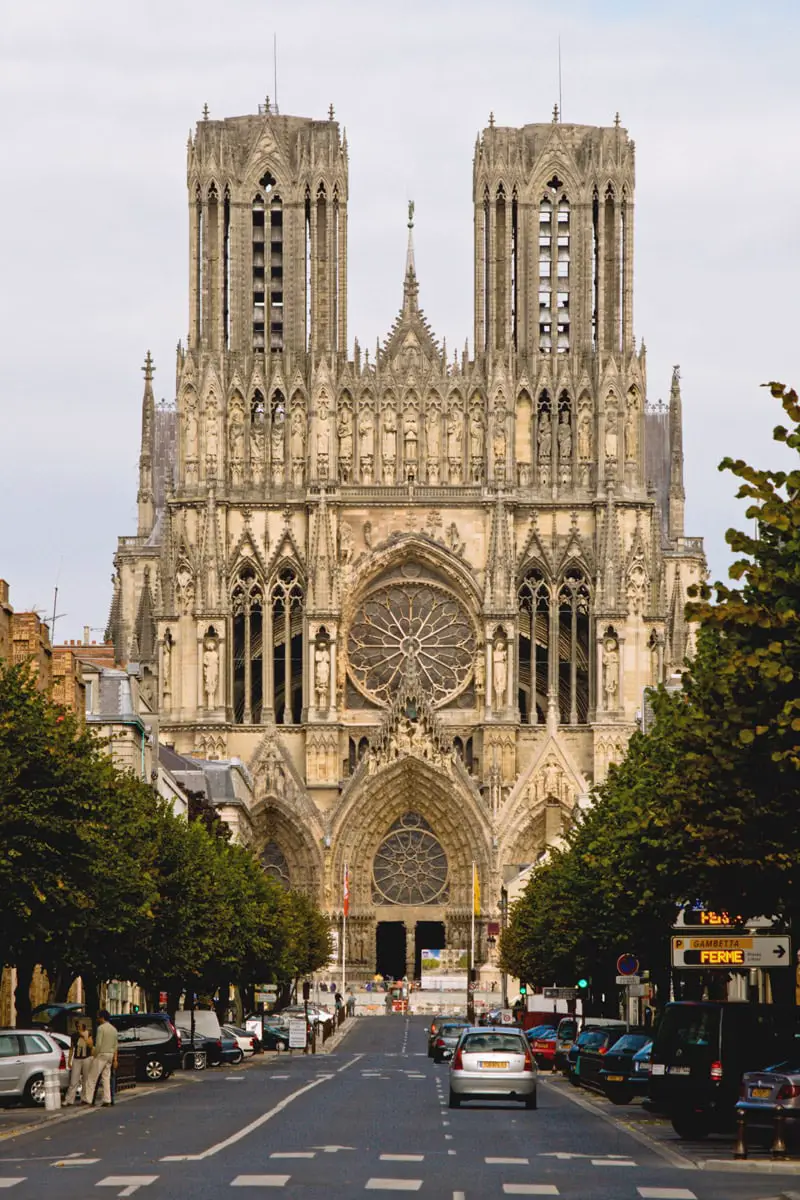
Reims Cathedral
France
One of the best examples of Gothic architecture, built at the end of the 13th century. The towers are 81 m tall, the interior hall is 138.75 m long. Excellent stained glass and sculptures. The original cathedral was here already in the 4th century AD. The kings of France were crowned here.
Exeter Cathedral
United Kingdom
One of the greatest Gothic-style cathedrals in England. The present building was started around 1133 and after several remodeling, it was constructed around 1400. Most of it is in Decorative Gothic style with significant parts remaining from Norman times. Contains significant medieval artworks – 50 misericords, a unique minstrel’s gallery from roughly 1360, an astronomical clock, and priceless medieval books. The nave is adorned with the longest vaulted ceiling in England and represents a sight of unusual beauty.
Durham Cathedral
United Kingdom
One of the finest examples of Norman architecture and one of the greatest churches in the United Kingdom. Built by Norman conquerors in 1093-1133, in Romanesque style. It is interesting though that there (before its time) are some elements of the next – Gothic style. Contains relics of several saints – St Cuthbert, head of St Oswald of Northumbria, and Venerable Bede.
Lincoln Cathedral
United Kingdom
Enormous Gothic cathedral, built in 1185 – 1311. One of the most beautiful church buildings in the United Kingdom. For 249 years (1300 – 1549) was considered to be the tallest building in the world, until the 160 m tall spire collapsed. 148 m long building with a unique facade.
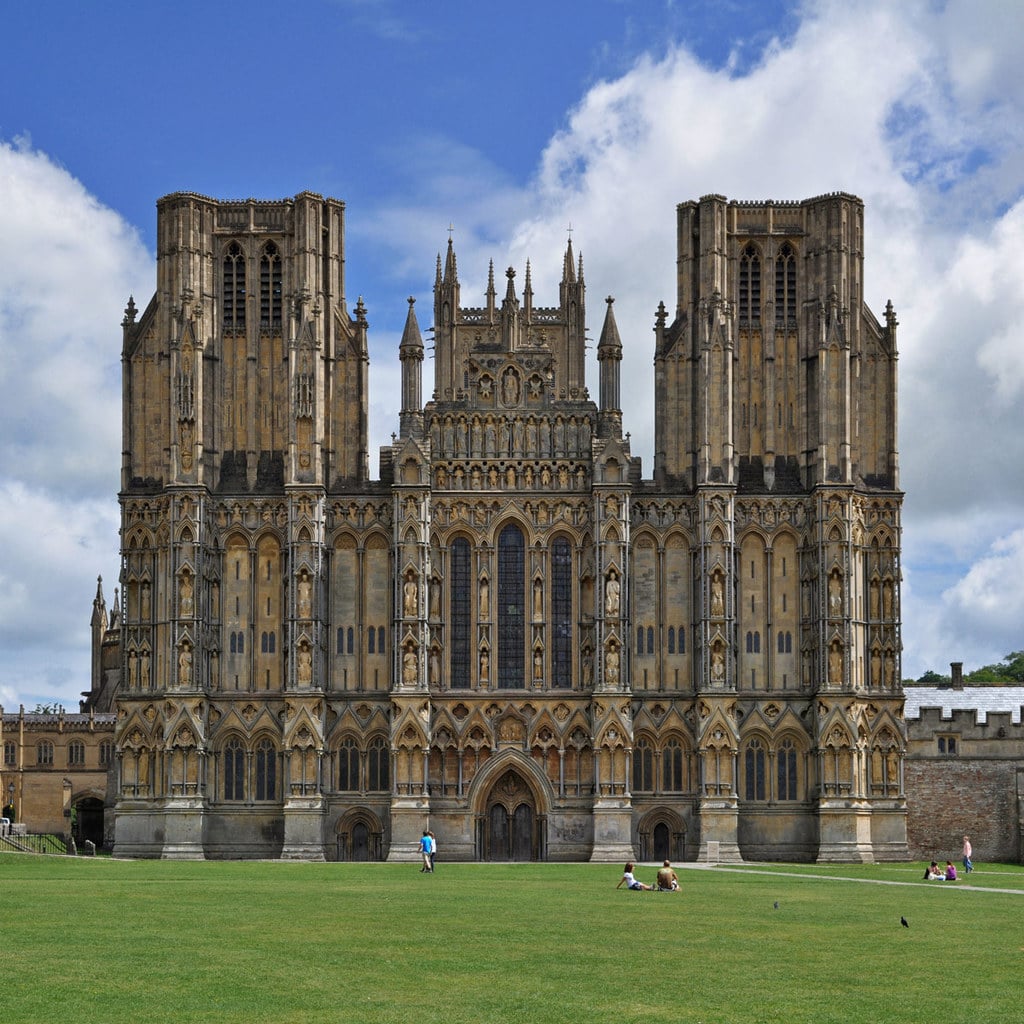
Wells Cathedral
United Kingdom
An enormous, beautiful Gothic cathedral, built in 1175 – 1490 on the site of the Roman mausoleum and older church. The structure has a very ornate facade, a rich collection of medieval stained glass, and other art values.
Recommended books
Cathedrals of the World


A valuable resource for architecture students, travelers, and anyone interested in our religious heritage, Cathedrals of the World takes an exciting journey through Christianity by way of its most impressive architectural creations. Starting with early Christian, Romanesque, and Gothic structures through the Renaissance and Baroque periods to the modern age, this stunning compendium spans the globe, presenting such awe-inspiring monuments as the St. Mark’s Basilica, Westminster Cathedral, Johnson’s Crystal Cathedral in Garden Grove, California, and Richard Meier’s Jubilee Church in Rome.
Romanesque: Towns, Cathedrals and Monasteries


Originated by art theorists in the Nineteenth Century, the term “Romanesque” refers to a school of religious architecture and design from the early medieval period. As with all terms that attempt to summarise an epoch, “Romanesque” artificially constructs the notion of one unified style, but as this book makes clear, the Romanesque tendency consisted of many different, eclectic characteristics.


