
Wondermondo 🢖 Categories of wonders 🢖 Archaeological wonders 🢖 Settlements 🢖 Ancient cities and towns
Category
Ancient cities and towns
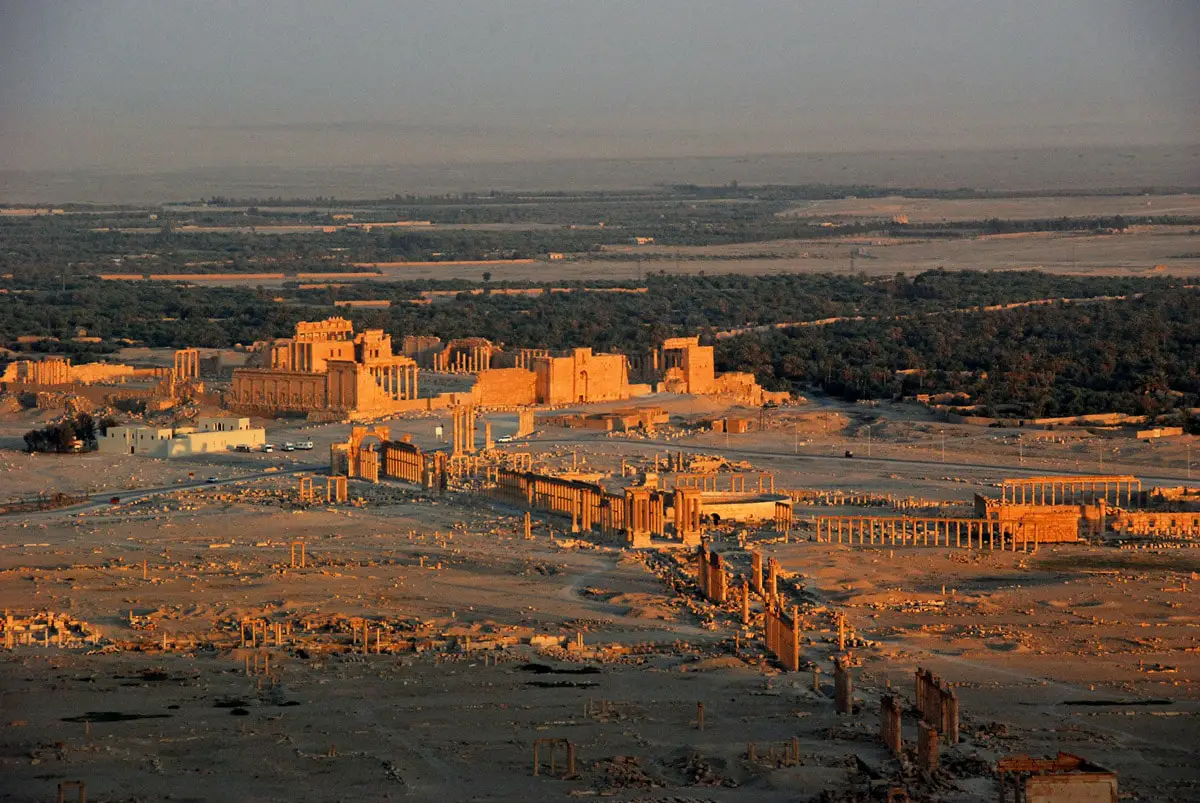
 Described ancient cities and towns
If you see this after your page is loaded completely, leafletJS files are missing.
 What is included in this category?
There could be several ways to define the ancient cities and towns and then – to select monuments that fit into this category. Unfortunately, none of them draws a strict divide between ancient settlements and all other things and places.
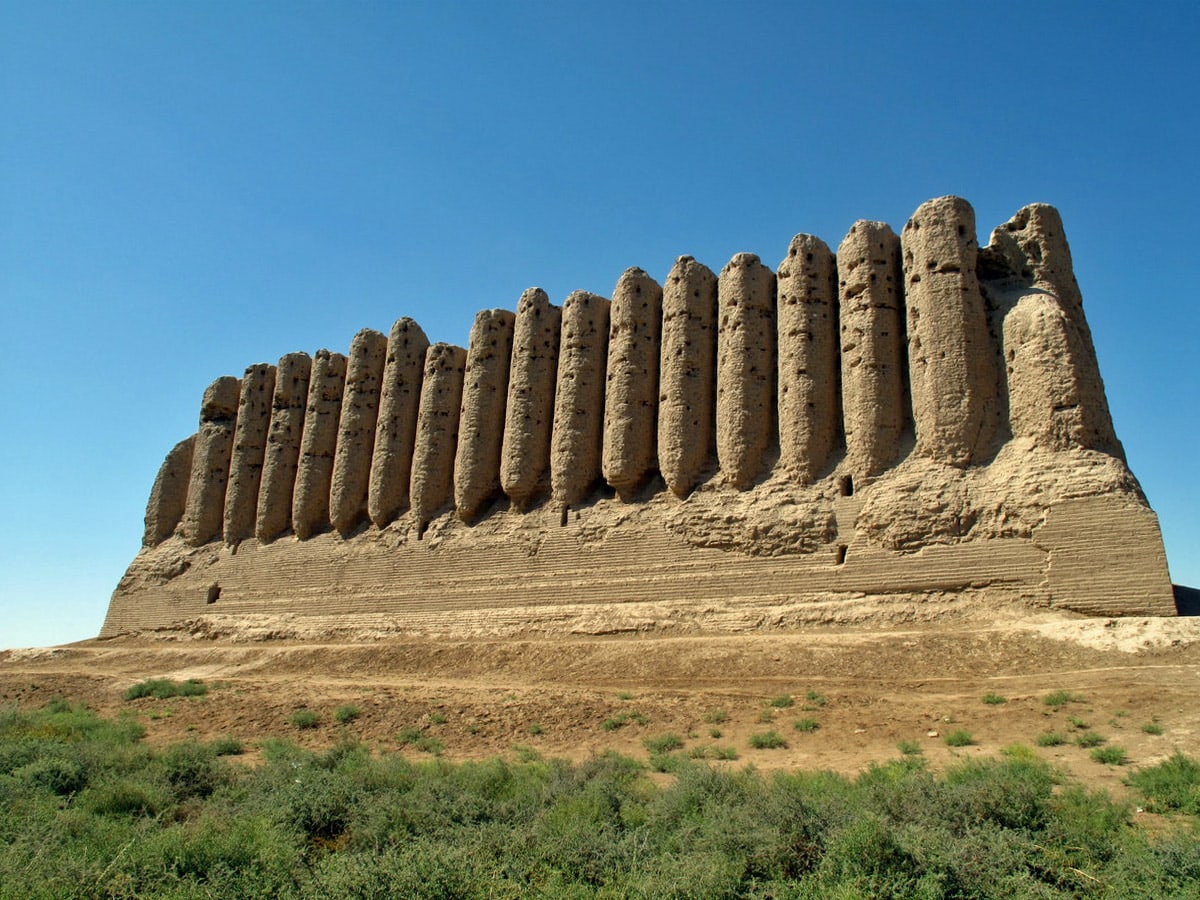
Wondermondo uses the following definitions:
- City or town corresponds to urban area – densely populated area with closely located structures and specific urban infrastructure which may (but may not) include a common fortification system, common water supply and sewage collection, ventilation and other systems. City should have regional importance as a trade, religious or other centre.
- Ancient: something from a remote period. Wondermondo includes in the category of ancient cities and towns those settlements which have developed as urban areas at least 1500 years ago – around 500 AD. Some very old cities, such as Aleppo (wahh! 8,000 years old!) are still inhabited and are included in this category as well – but most ancient cities are abandoned and fit also in the category of abandoned cities and towns.
Oldest urban areas
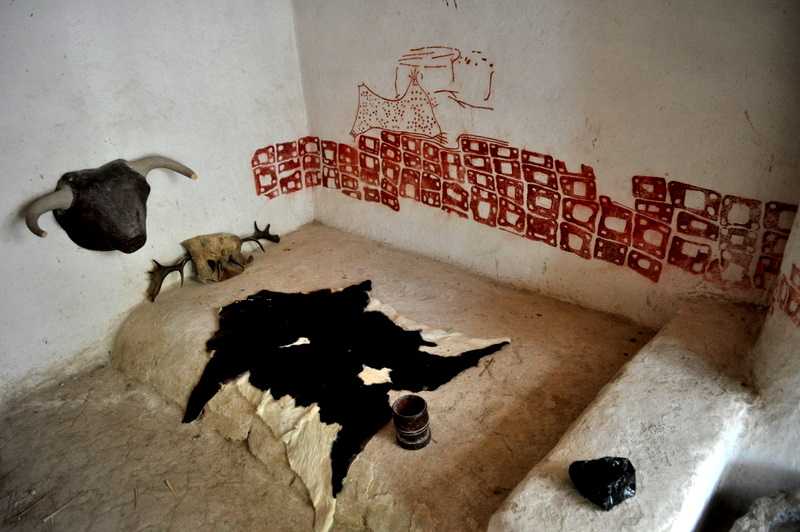
There are no strict differences between truly urban areas and other settlements. Due to this the question: "Which is the oldest city / town in the world?" will always remain open.
It is almost certain that the oldest urban areas developed in the Fertile Crescent.
Jericho (Palestine) had a 3.6 m high fortification wall 6800 BC, but was rather densely built already at 9400 BC. Çatalhöyük (Turkey) has similar age – it had urban character already sometimes around 7500 BC. Many specialists thus see it rather as a large village of local importance. The first true urban metropolis was Uruk (Iraq), which developed since 4500 BC.
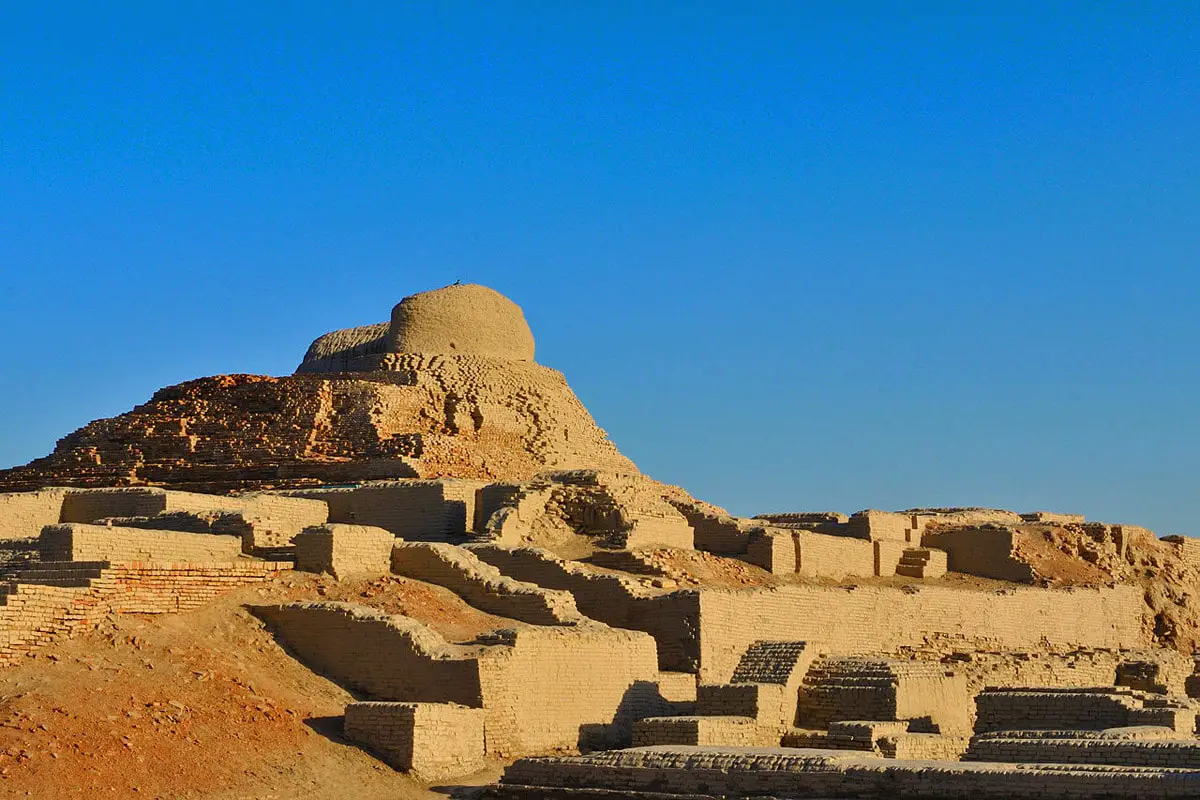
The oldest cities outside the Fertile Crescent were located in Indus Valley. Mohenjo-daro (Pakistan) and Harappa (India) were founded around 2600 BC and were built as a strictly planned citis with state of the art urban infraastructure.
It is surprising – but the oldest urban areas in Americas have similar age. Caral (Peru) developed as urban centre around 2600 BC.
Values
Only the burial sites can compare to ancient cities and towns regarding the richness of archaeological finds. Here are no unimportant things – the work of archaeologists in some ways is similar to the work of Sherlock Holmes. Everything here is a value.
Human settlements contain the evidence of technical skills and artistic abilities, diet and ailments, the structure of society, and governance. While digging through the cultural layer, scientists can restore (to some extent) the history of the settlement.
Besides the scientific importance ancient cities and towns provide inspiration for arts, literature, cinema, and, of course – architecture and urban planning.
Planning
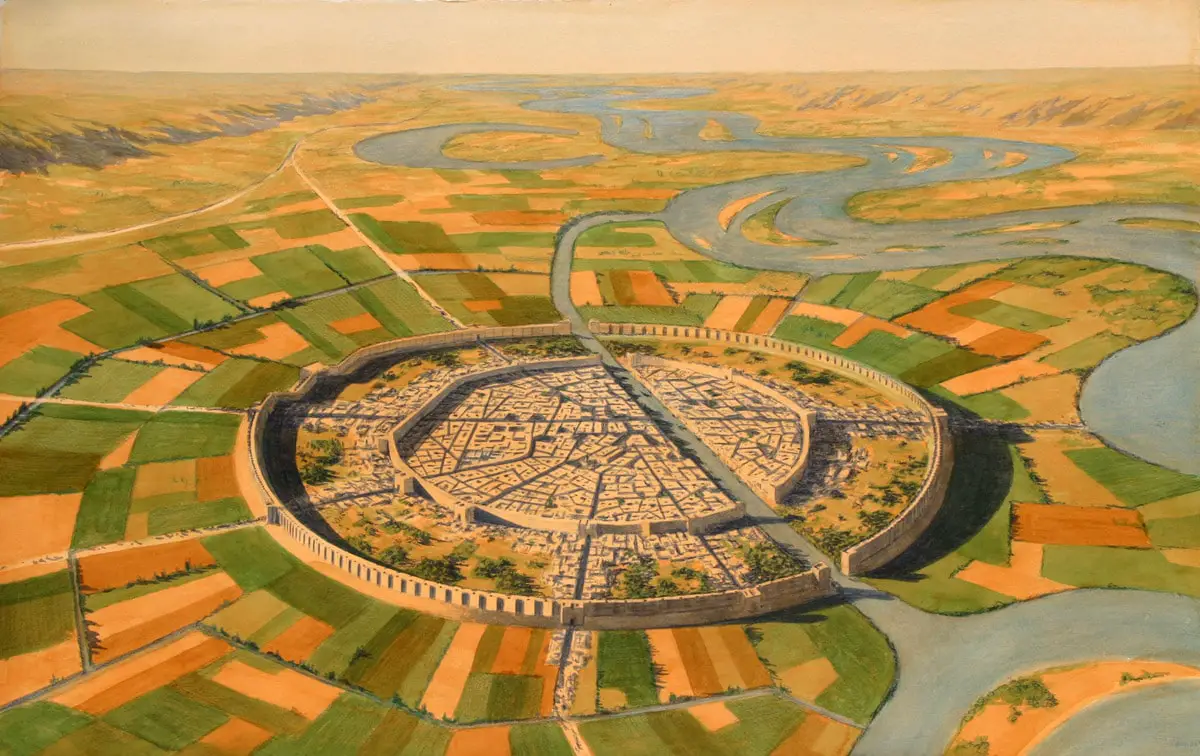
The urban fabric of ancient settlements – their structure and evolution gives a lot of food for thoughts about the nature of humans and civilization.
It turns out that urban planning is very old profession. Many ancient cities were thoroughly planned and these plans were observed very strictly. Thus, some 5,000 years ago Mari (Syria) was perfectly round city with a diameter of 1.9 km. Everything here was strictly planned. Many ancient civilizations built strictly planned cities, such as Mohenjo-daro (Pakistan, 4,500 years old) or Teotihuacan (Mexico, 2,200 years old). Ancient cities had intricate water supply and sanitation systems and often they were visually impressive.
Who planned these cities? Most likely there did not exist construction boards and city planning advisory companies – but somebody many thousand years ago did this and somebody supervised the actual construction.
 Top 25 ancient cities and towns
Africa
Memphis
Egypt
The first capital of Lower Egypt in the times of the Old Kingdom. Established sometime around 3000 BC and declined around 1300 BC, was one of the first metropolises in the world. Contains remnants of numerous valuable structures, including several Temples of Ptah and many other temples, Saqqara necropolis, royal palaces.
Asia
Petra
Jordan
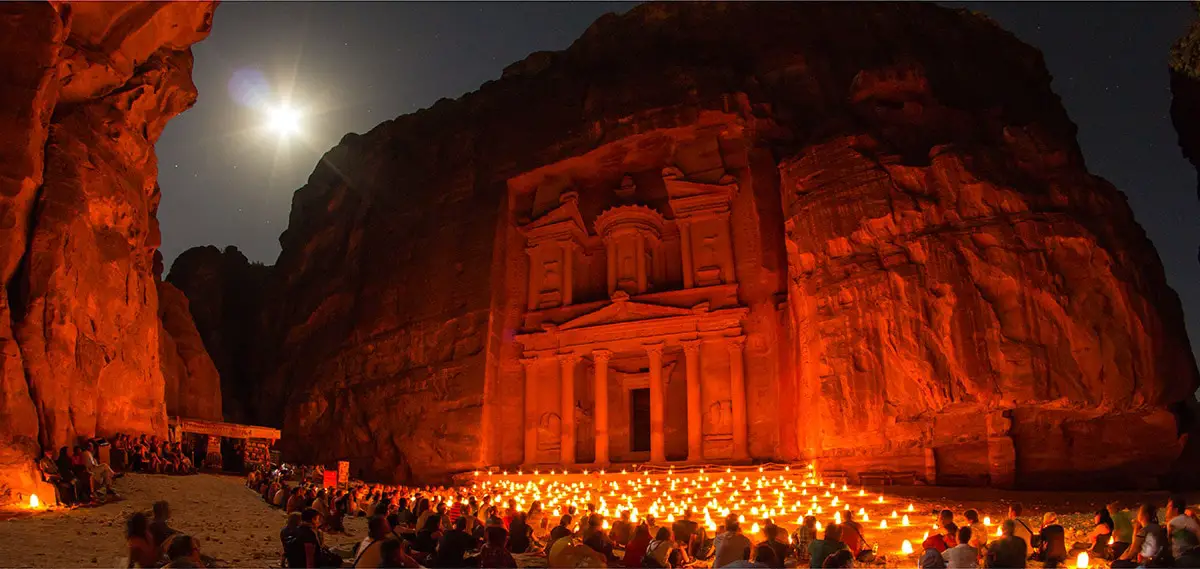
The ancient capital city of Nabateans was established around the 6th century BC at the site of an ancient sanctuary. Contains some of the most beautiful and intricate rock-cut architecture in the world, available after walking through a 1.2 km long, narrow gorge.
Varanasi
India
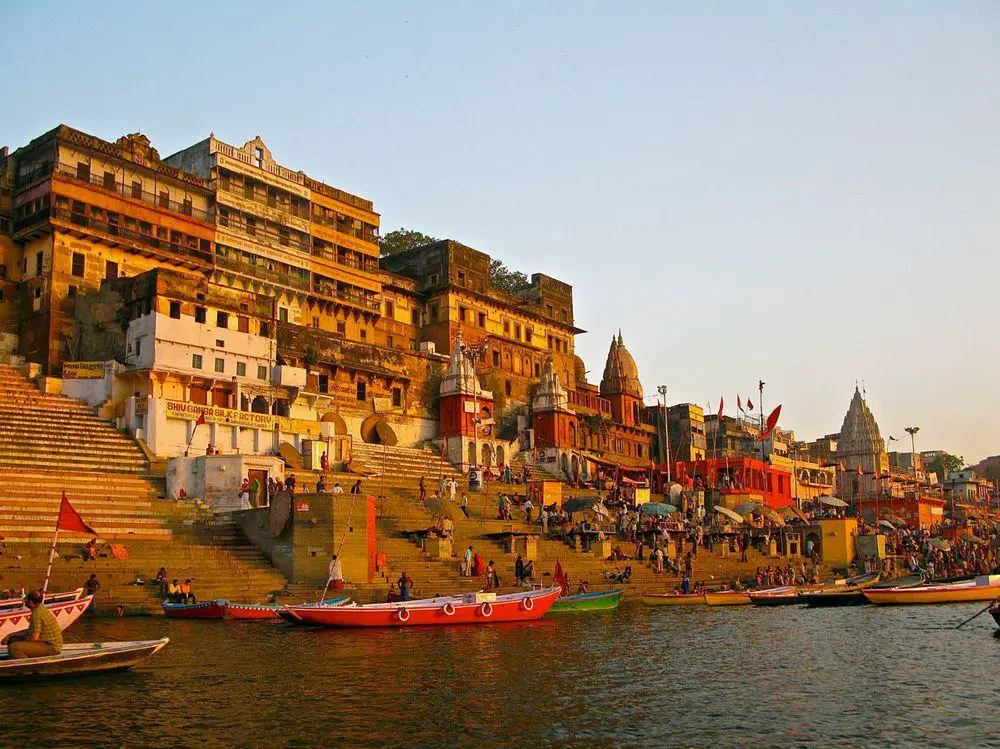
The ancient holy city of Buddhists, Hindus, and Jains. At approximately 3000 years of age, this is one of the oldest inhabited cities in the world. It contains a huge amount of valuable monuments of architecture and history, a location of living unique traditions.
Sigiriya
Sri Lanka
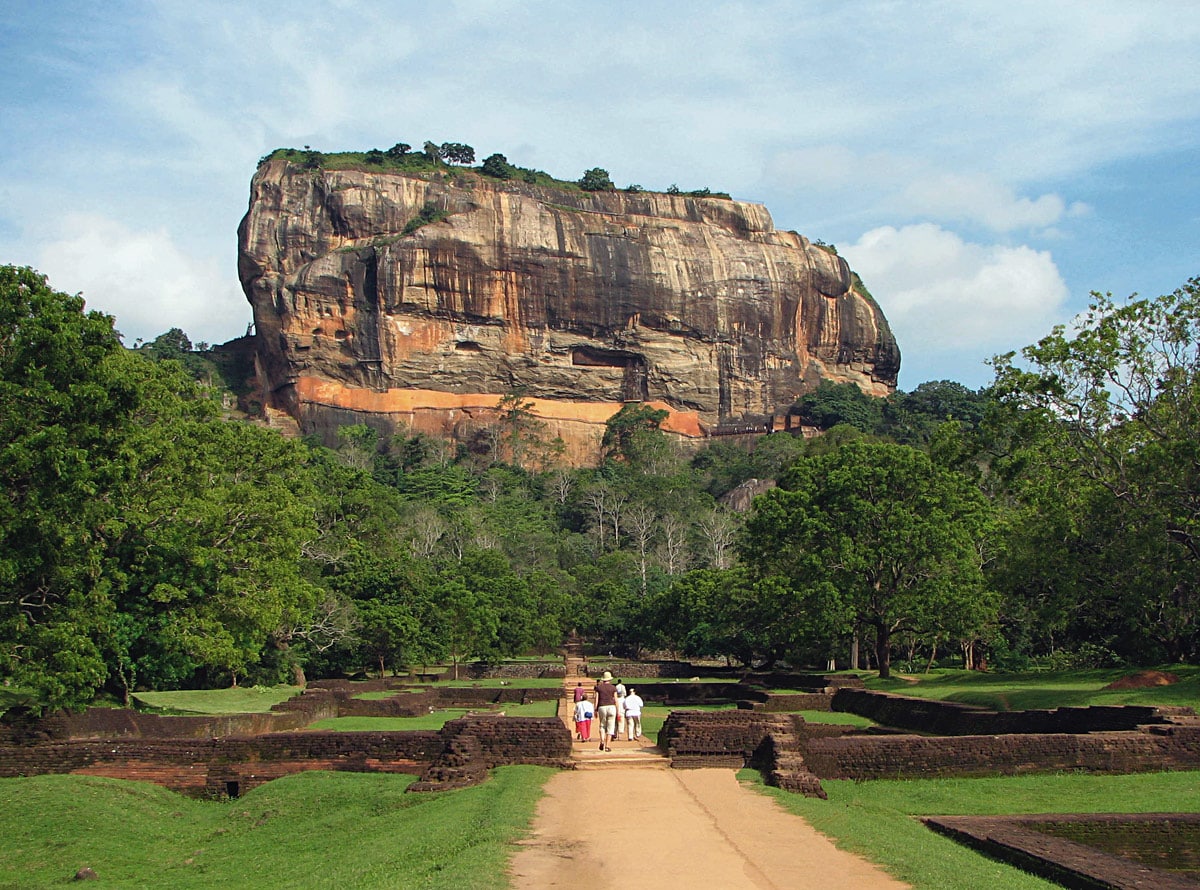
Sigirya is a unique town that was constructed around and on the top of a nearly 200 m high rock peak in 477 – 495 AD. Here are several unique monuments – including a giant lion whose mouth serves as the entrance to a rock fortress and beautiful frescoes – a masterpiece of world importance.
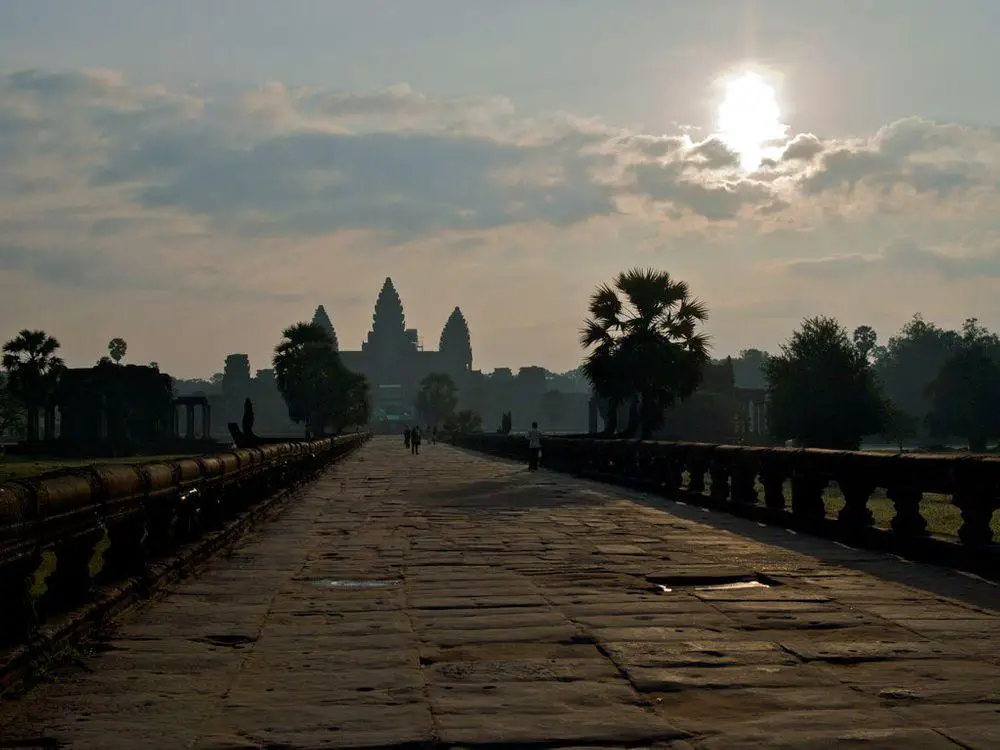
Angkor (Angkor Thom)
Cambodia
The ancient Khmer capital city, the once largest city in the world with an area of at least 1,000 km². Flourished in the 8th – 15th century AD. The city has ruins of numerous masterpieces of ancient architecture including the largest religious complex in the world – Angkor Wat and 71 other large religious complexes.
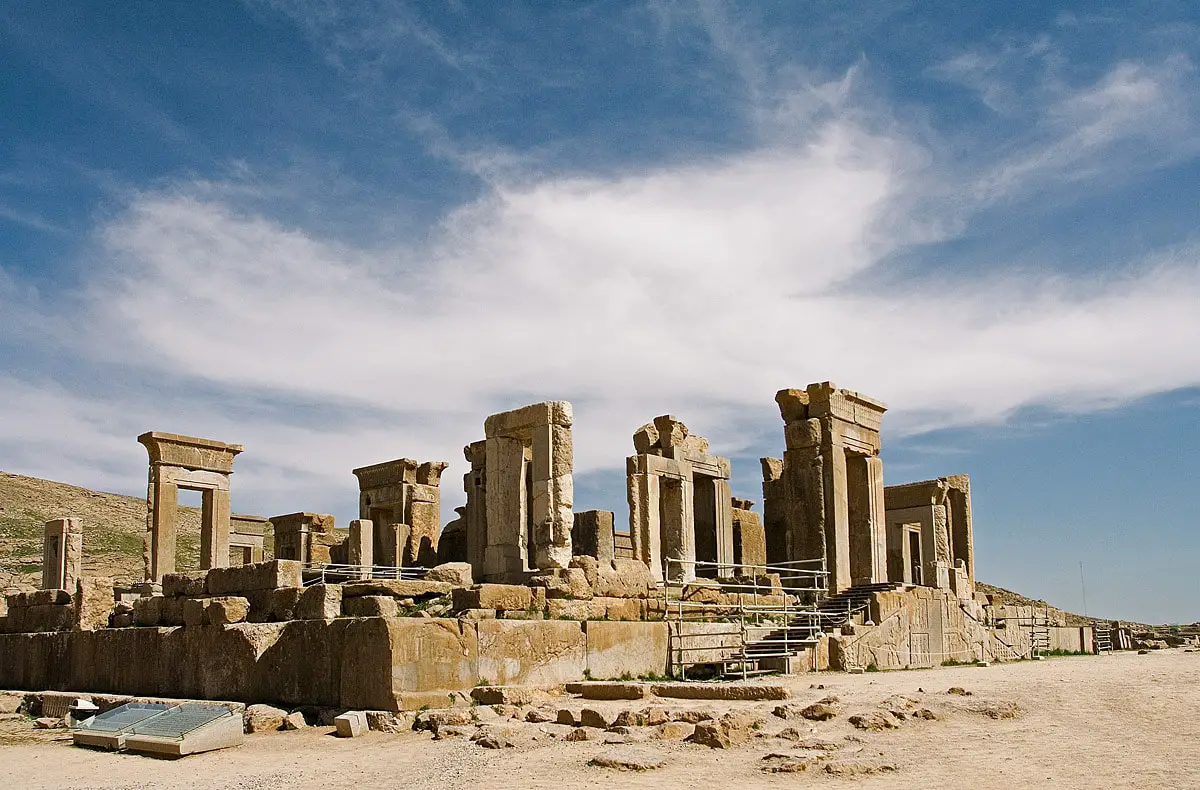
Persepolis
Iran
The ceremonial capital of the Achaemenid Empire. Its development started in 521 BC on an enormous, partly artificially made terrace. Contains ruins of numerous architecturally impressive buildings such as Apadana Palace, Throne Hall, and numerous others. Contains also numerous valuable sculptures and reliefs. Destroyed by the troops of Alexander the Great in 330 BC.
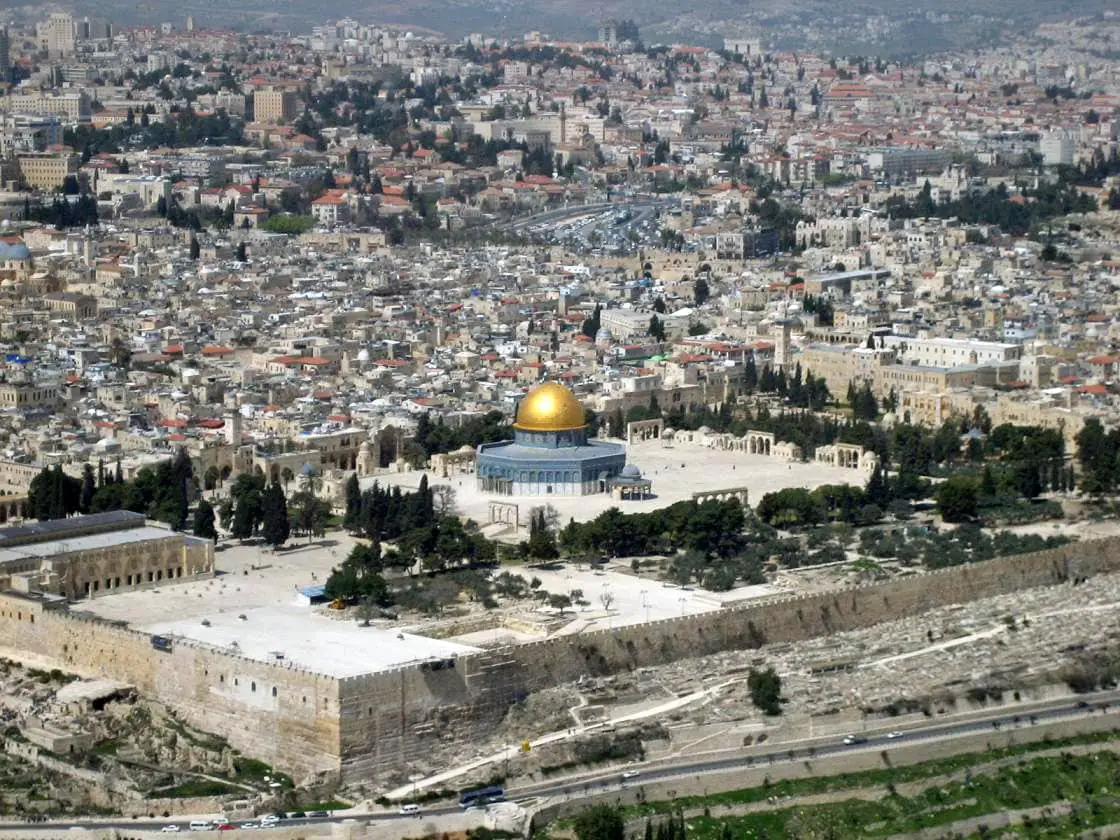
Jerusalem Old City
Palestine
One of the most important and holiest cities in world history, one of the oldest cities that was settled in the 4th millennia BC. Contains hundreds of monuments of world importance, such as the Dome of the Rock, Temple Mount, Wailing Wall, Church of the Holy Sepulchre, and al-Aqsa Mosque. Crossed by Via Dolorosa – the path where Jesus carried his cross.
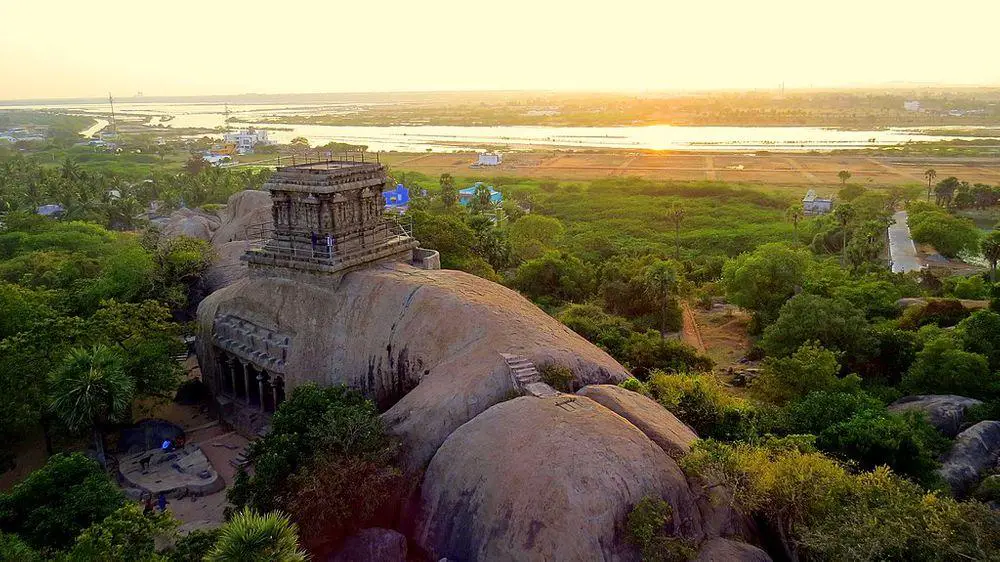
Mahabalipuram
India
Group of the 7th – 9th-century Hindu temples. Most structures were cut in live rock. Numerous unique architectural and artistic achievements that show the highly successful search for the original Pallava style in arts. Very interesting are Pancha Rathas – a group of five monolithic, very ornate shrines and Descent of the Ganges – giant, beautiful relief in the open air. Part of the monuments now is located below sea level.
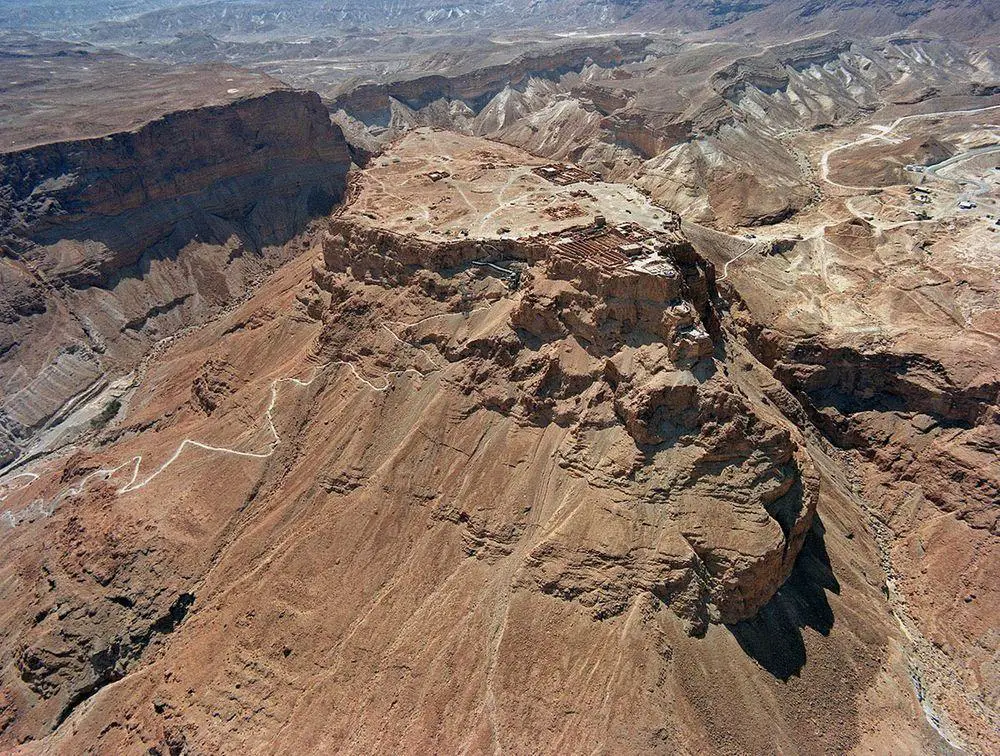
Masada (Massada)
Israel
Dramatic fortress/ refuge on top of table mountain, constructed in 37 – 31 BC, taken by Romans simultaneously with the mass suicide of 960 defenders in 73 AD. Here are located remnants of one of the world’s oldest synagogues.
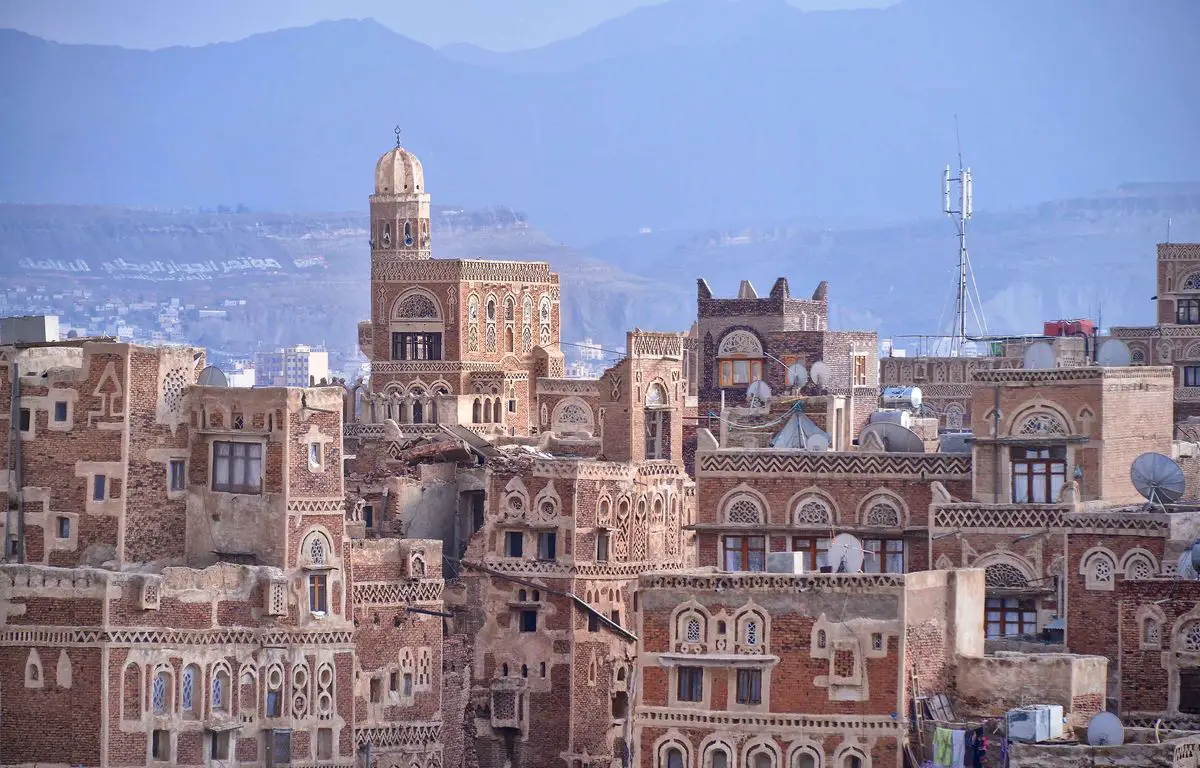
Old City of Sana’a
Yemen
An impressive display of the unique Yemeni urban planning and architecture. Sana’a is founded before 500 BC and there are buildings that are more than 1,400 years old. The city walls are 9 – 14 m tall, the old city contains more than 100 mosques, and 6,500 houses. Most of the houses are highrise buildings and are ornamented.
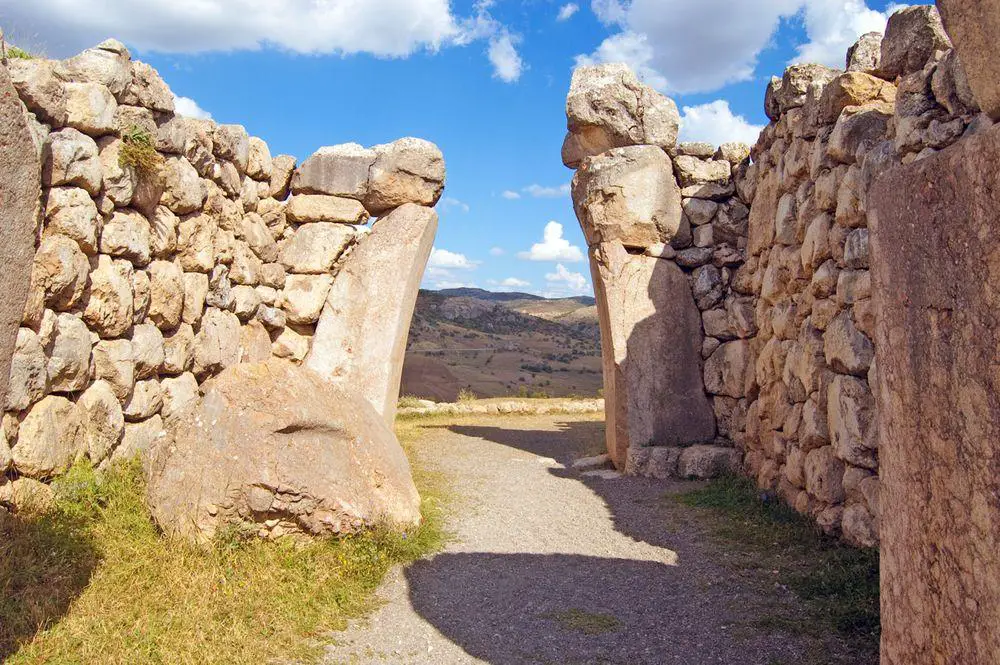
Hattusa (Hattusha)
Turkey
Ancient Hittite city, established as an urban center in the Late Bronze Age before 2000 BC, although inhabited since at least 6000 BC. Flourished in the 14th century BC, when there were living some 40 – 50 thousand inhabitants. Destroyed around 1200 BC.
Babylon
Iraq
Remains of an important ancient city that was founded sometime around 2300 BC. Babylon first flourished in the 18th century BC when it was the largest city in the world. In the 7th century BC, it became the capital of the Babylonian Empire and again was the largest city on Earth. Most likely abandoned in the 1st century AD.
Damascus
Syria
A very old city, inhabited since 6300 BC, developed as a city in the 3rd millennium BC. An important center of steel and lace production in medieval times. The city has hundreds of beautiful and historically significant buildings, such as the Umayyad Mosque – one of the most significant buildings in the Near East.
Europe
Pompeii
Italy
The best-preserved ancient Roman town. It was eliminated by volcanic pyroclastic flows in 79 AD. The town has been excavated and now represents an amazing display of Roman life.
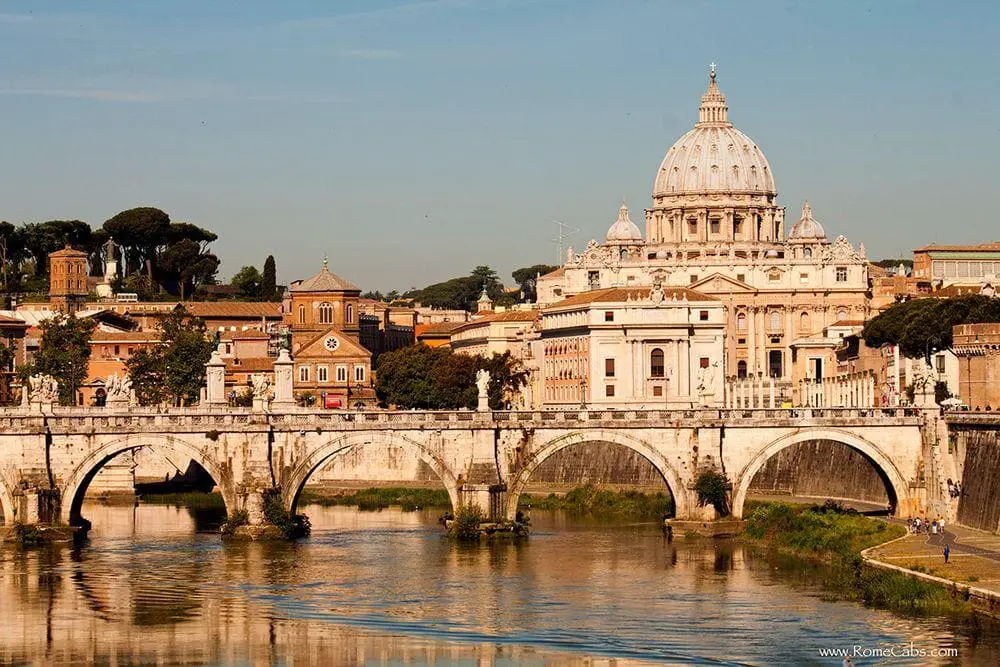
The historic center of Rome
Italy
According to legend, Rome was founded in 753 BC and, possibly, has been the most important city in the history of Western civilization. Rome was the center of the Roman Republic and Empire and since the 4th century is the capital of the Christian world. Here is an immense number of architecture and art values, In Rome have arisen numerous global styles in architecture and art.
Acropolis of Athens
Greece
One of the most important European heritage monuments – the citadel of the city of Athens. Contains ruins of numerous Greek temples that have left a huge impact on world architecture. Most buildings were built in 460 – 430 BC, but the history of the citadel goes back to the Late Bronze Age.
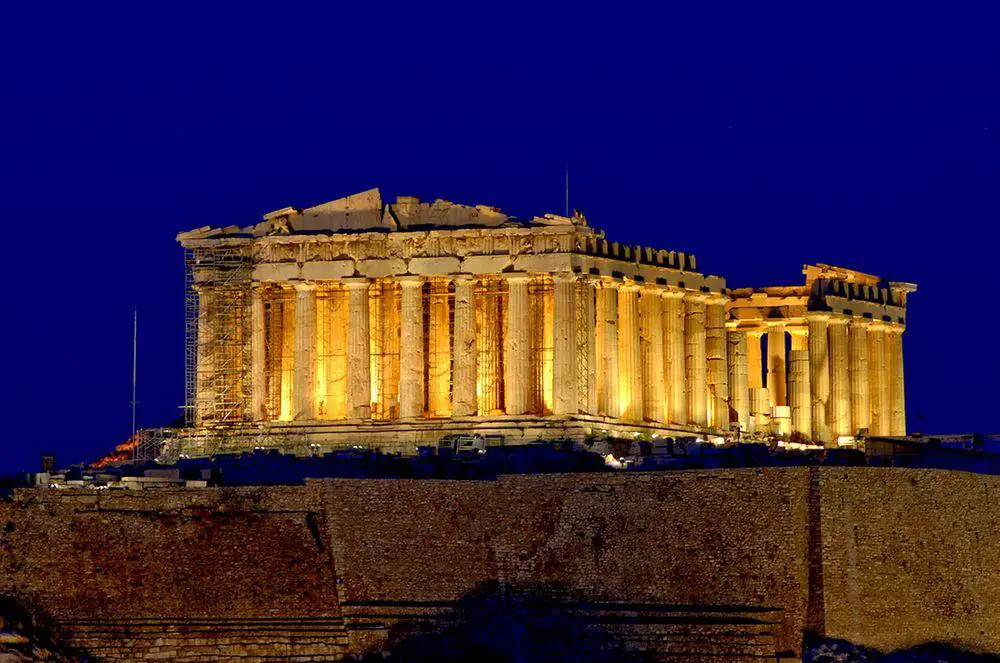


Roman Forum
Italy
The ancient center of Roman civilization with ruins of numerous important buildings.
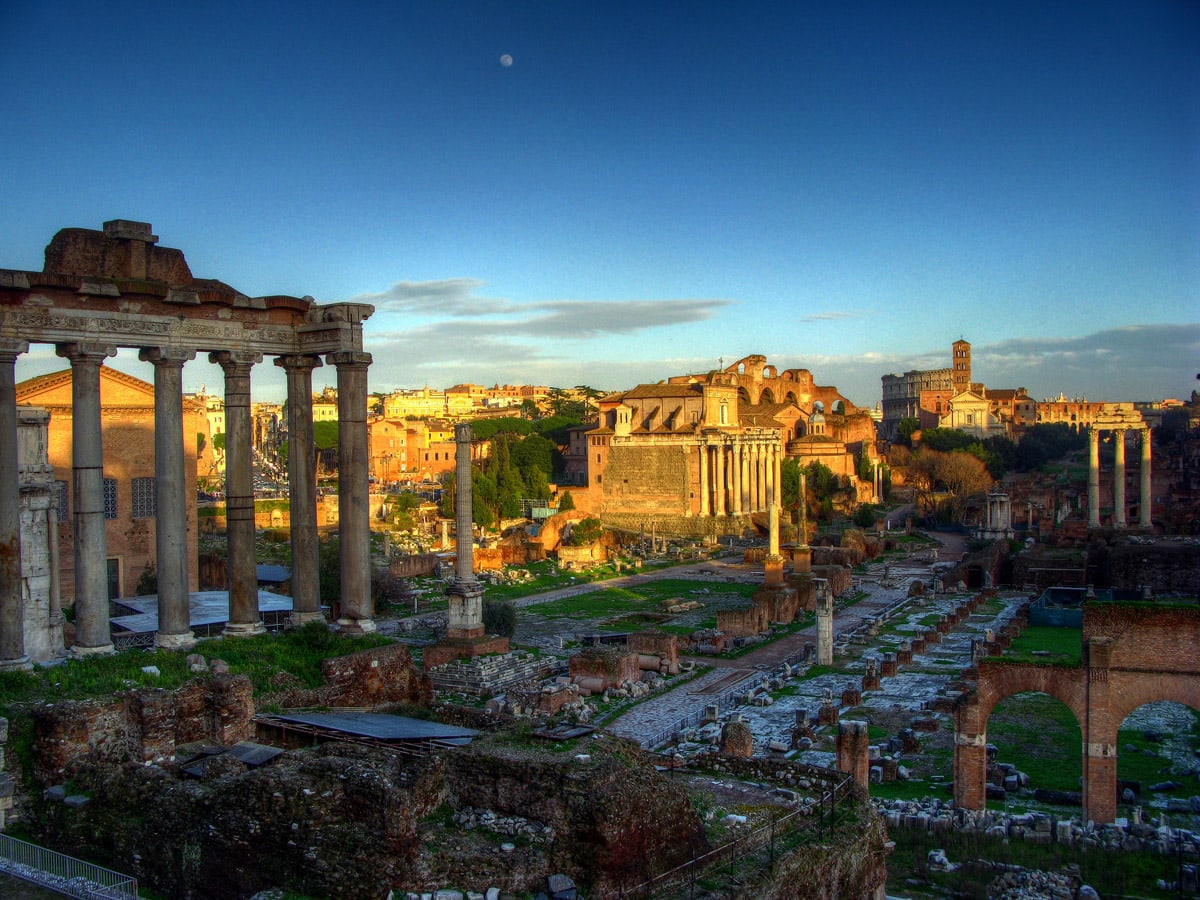
Olympia
Greece
An ancient sacred city with numerous monumental structures whose ruins are impressive up to this day. Olympic Games took place here every four years from the 8th century BC to the 4th century AD. Here is located the oldest known stadium in the world.
Ávila
Spain
Medieval city with some of the best-preserved city walls in the world. City walls have nine gates and 82 semicircular towers. Ávila was a fortified settlement already in the 5th century BC. The current medieval city flourished in the 11th – 18th century. The old city has numerous valuable buildings.
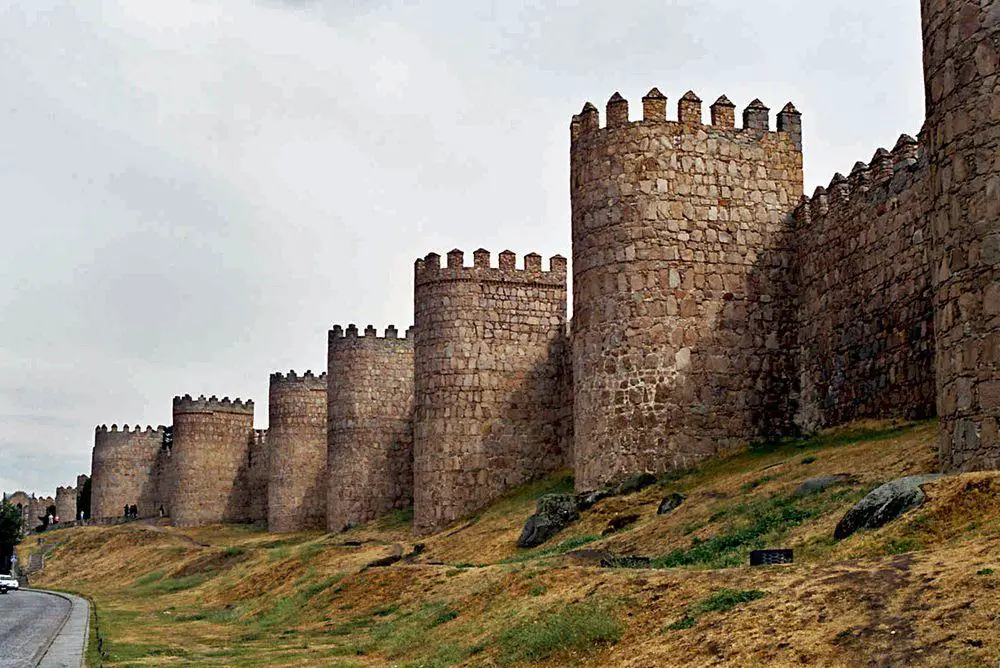
Cáceres
Spain
Authentic medieval city with some 30 fortified towers from the Islamic period and medieval walls. Founded by Romans in 25 BC, flourished under Arab rule in the 8th – 13th century and later in the 14th – 20th centuries.
Knossos and Knossos Palace
Greece
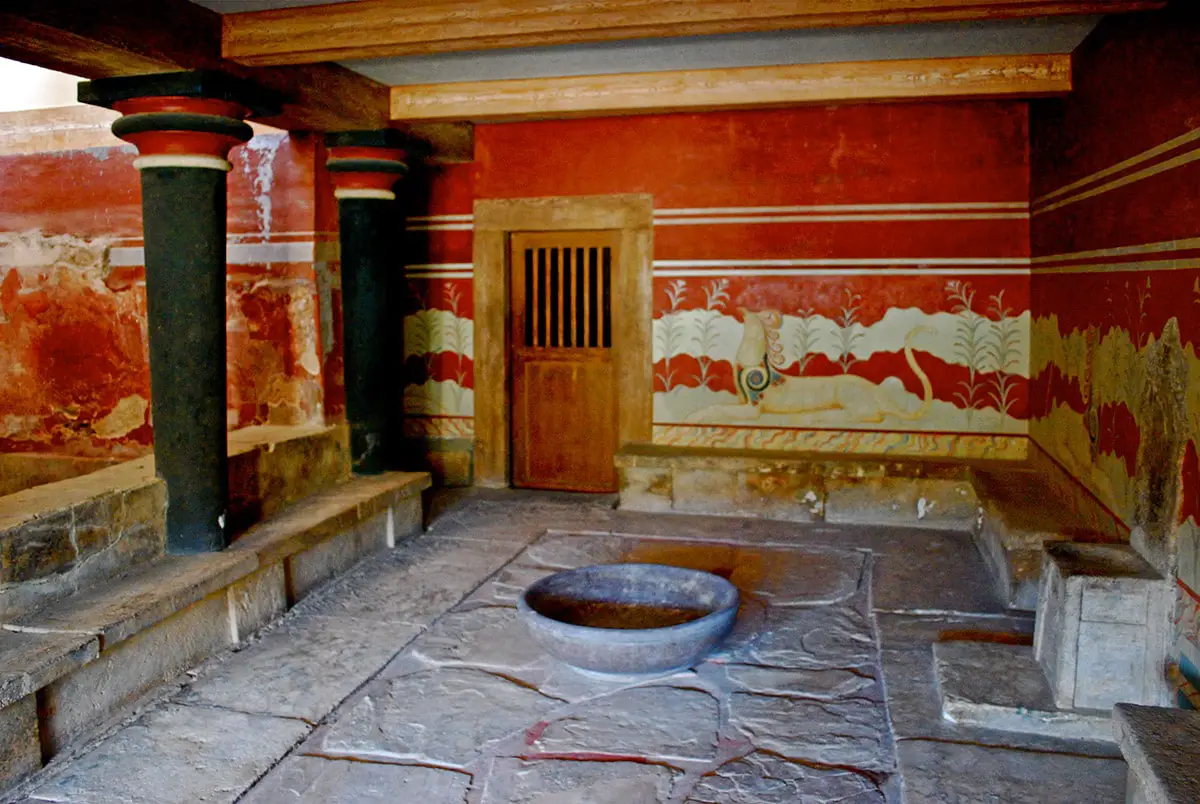
Ruins of Europe’s oldest city. It was developed starting from 7000 BC (Neolithic) and was abandoned around 1380 – 1100 BC. The ancient palace was the administrative center of the Minoan Civilization. The construction of the palace started around 1900 BC. In a way, the palace and the settlement of Knossos are one and the same as in the palace lived numerous people besides the rulers and it had some 1,300 rooms, including a theater and numerous storerooms. Some parts of the palace were up to 5 floors high.
North America
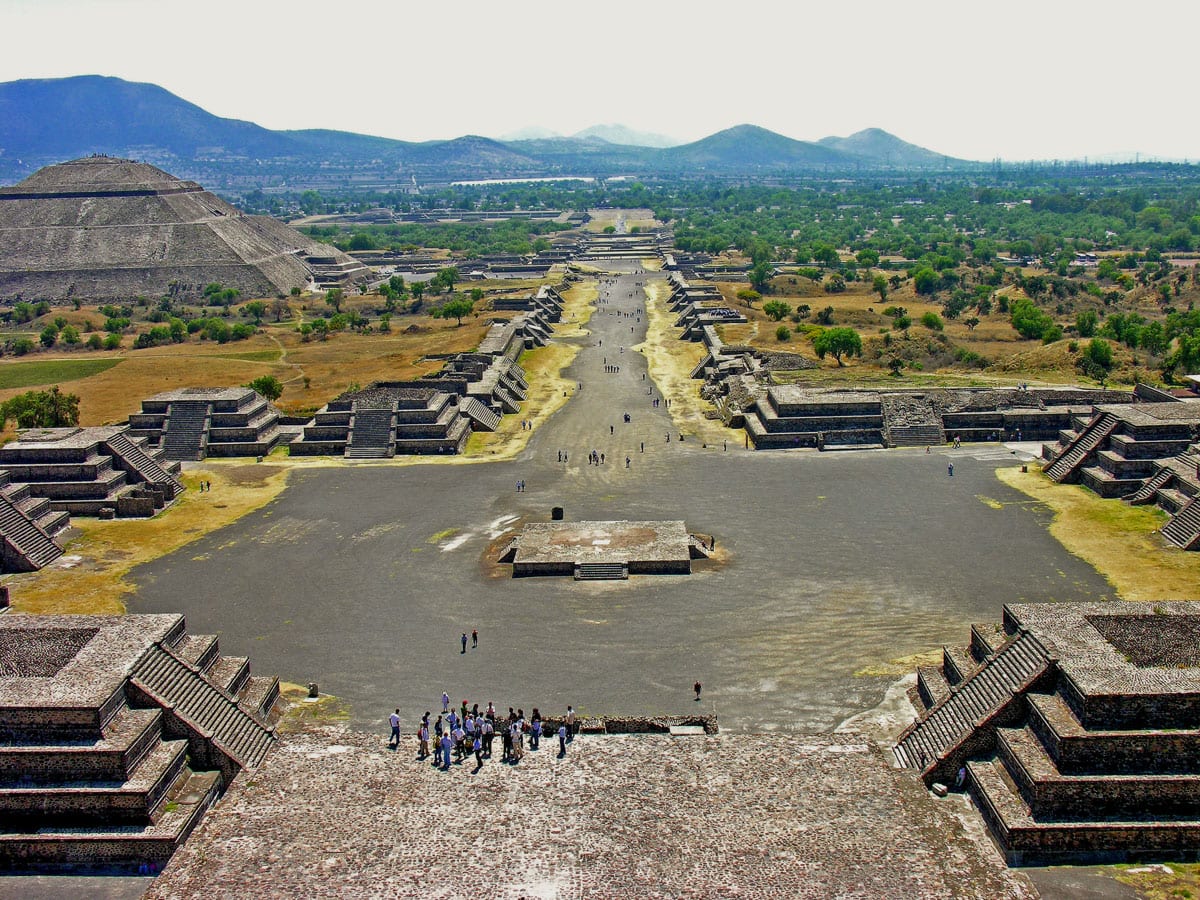
Teotihuacan
Mexico
One of the largest ancient cities in the world with numerous monuments of architecture and art. Established sometime around 200 BC and was abandoned in the 7th – 8th centuries AD. A hugely impressive monument of urban planning is the Avenue of the Dead. The pyramid of the Sun is the third largest ancient pyramid in the world. Height – 71,2 m. The pyramid of the Moon is an older pyramid from 200 – 450 AD, 42 m high.
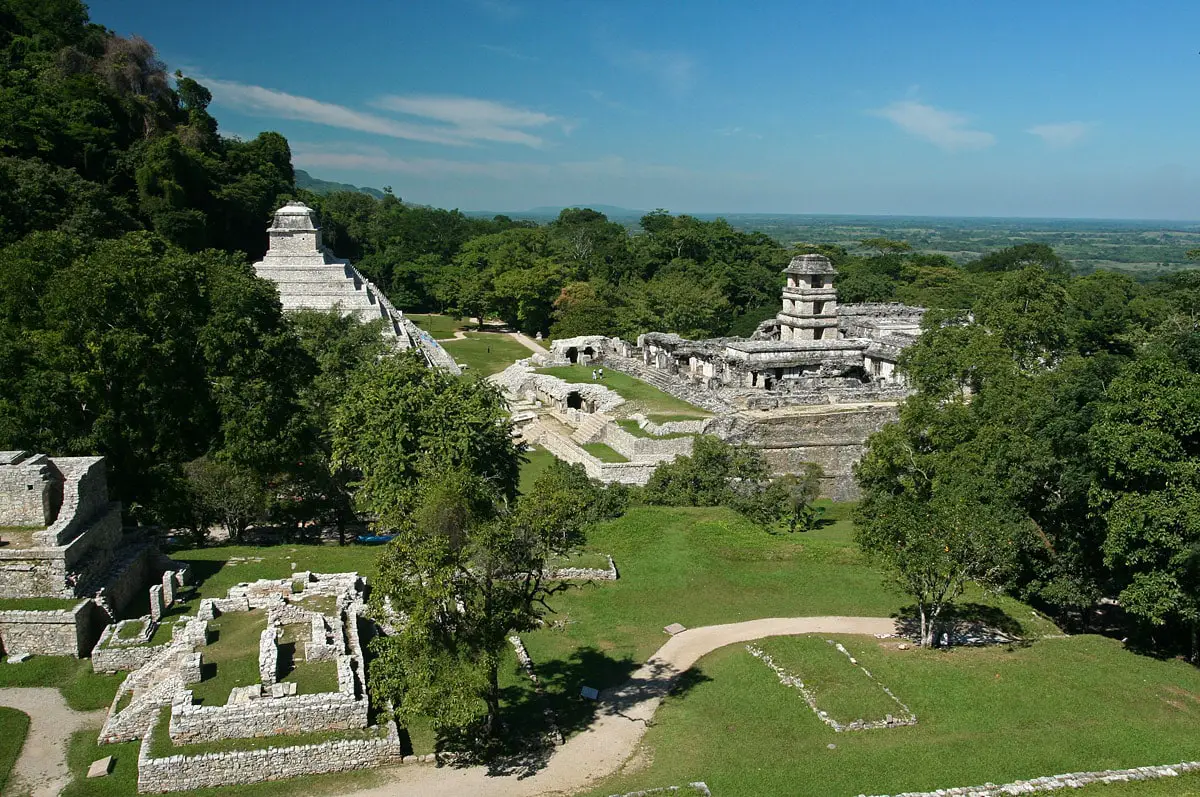
Palenque
Mexico
Ruins of a Mayan city that flourished in the 7th century AD. The city is located in the middle of the jungle, on the hill overlooking the coastal plains. Another is the fact that Palenque contains some of the finest known Mayan architecture and artwork. The most interesting structures are the Palace of Palenque and Temple of the Inscriptions with important records of the history of the city and the sarcophagus of Pakal – ruler of the city.
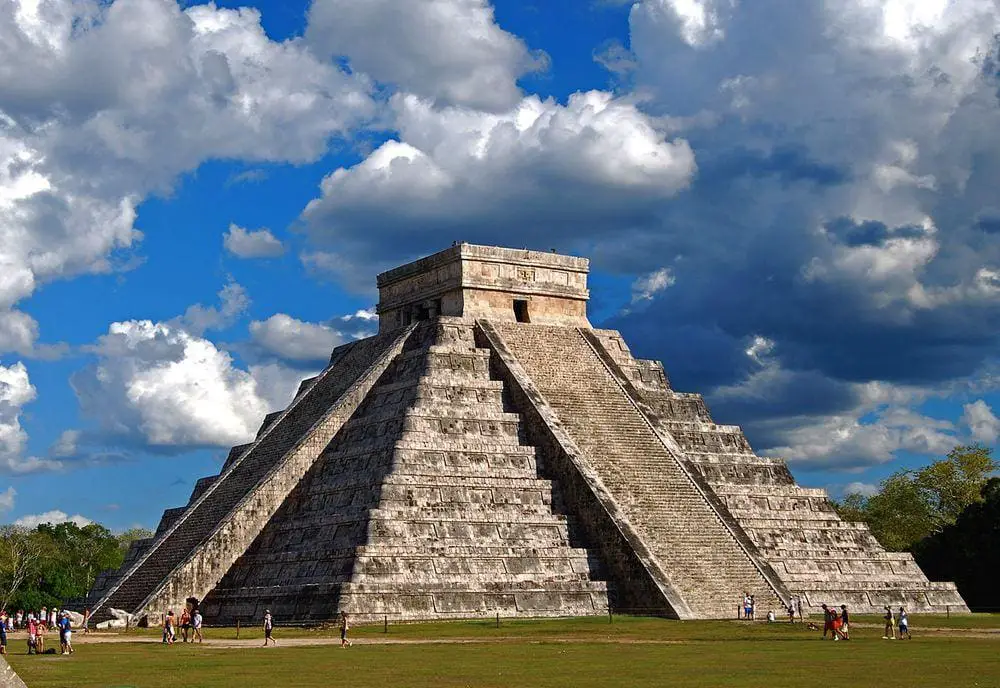
Chichen Itza
Mexico
A major urban center of lowland Maya culture with numerous monuments of world importance and fame. Chichen Itza became an important center around 600 AD and remained such a center until its fall around 1000 AD. Some of the best-known monuments are the El Castillo pyramid, the Great Ball Court, Temple de Los Guerreros, the El Caracol observatory, and Ossario pyramid.
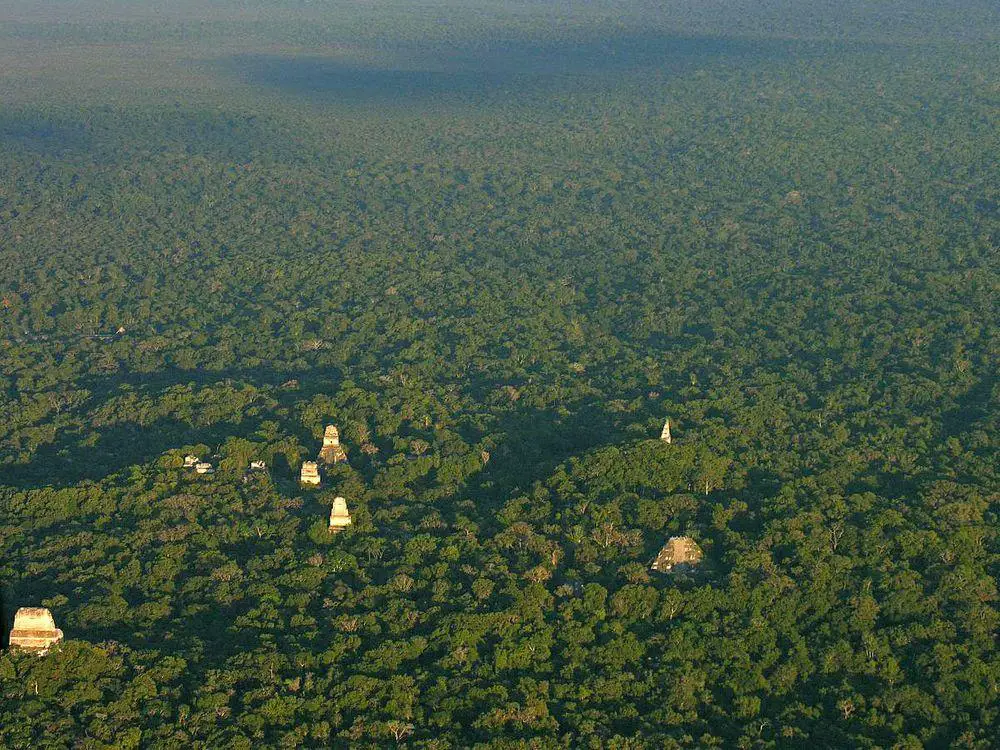
Tikal
Guatemala
One of the largest and most important cities of the Maya civilization. The city flourished in the 3rd – 10th century AD. The city contains an impressive complex of ruined structures, including a 47 m high pyramid. Numerous art values – stelae, burials.
Recommended books
Cities That Shaped the Ancient World


Today we take living in cities, with all their attractions and annoyances, for granted. But when did humans first come together to live in large groups, creating an urban landscape? What were these places like to inhabit? More than simply a history of ancient cities, this volume also reveals the art and architecture created by our ancestors and provides a fascinating exploration of the origins of urbanism, politics, culture, and human interaction.
Ancient Cities


Ancient Cities surveys the cities of the Ancient Near East, Egypt, and the Greek and Roman worlds from the perspectives of archaeology and architectural history, bringing to life the physical world of ancient city dwellers by concentrating on evidence recovered from archaeological excavations.