
Wondermondo 🢖 Categories of wonders 🢖 Geological wonders 🢖 Springs
Category
Springs
 Described springs
If you see this after your page is loaded completely, leafletJS files are missing.
 What is included in this category?
This category includes natural sites where water, other liquids, and/or gases reach the surface of the Earth, including locations underwater.
Springs belong to the most "practical" monuments of nature – freshwater springs often serve as important sources of potable water. Thousands of localities with hot springs and mineral springs around the world have developed health care and resort services.
This has led to an unusual situation, wherein the word "springs" is associated with calm and expensive health resorts; whereas the real springs of long ago are instead covered with magnificent buildings.
Powerful natural freshwater springs belong to the most fascinating monuments of nature. Even more exciting is the diversity of unusual springs – mineral springs, hot springs, submarine springs as well as the unusual black smokers. Especially beautiful are such natural rarities as travertine, silica or salt terraces created by warm and hot springs and, especially, geysers.
Springs are a comparatively less studied and explored group of natural phenomena. While it is widely announced that the largest freshwater springs in the world are in Florida; it is less common knowledge that there are even larger ones in the Balkans and Papua New Guinea. We cannot be even sure that we know the largest ones. Even such much sought-after landmarks as geysers are discovered anew – in 2009 a new geyser was discovered in Kamchatka.
Criteria
This diverse category of landmarks does not have a single criterion. Springs need to have very unusual features and/ or to be exceptionally powerful to be included here. All geyser fields and large spring-formed silica/travertine/salt terraces and other unusual formations fit here.
As most springs contain some dissolved substances, mineral springs should also need to have exceptional characteristics to be included here.
Classification
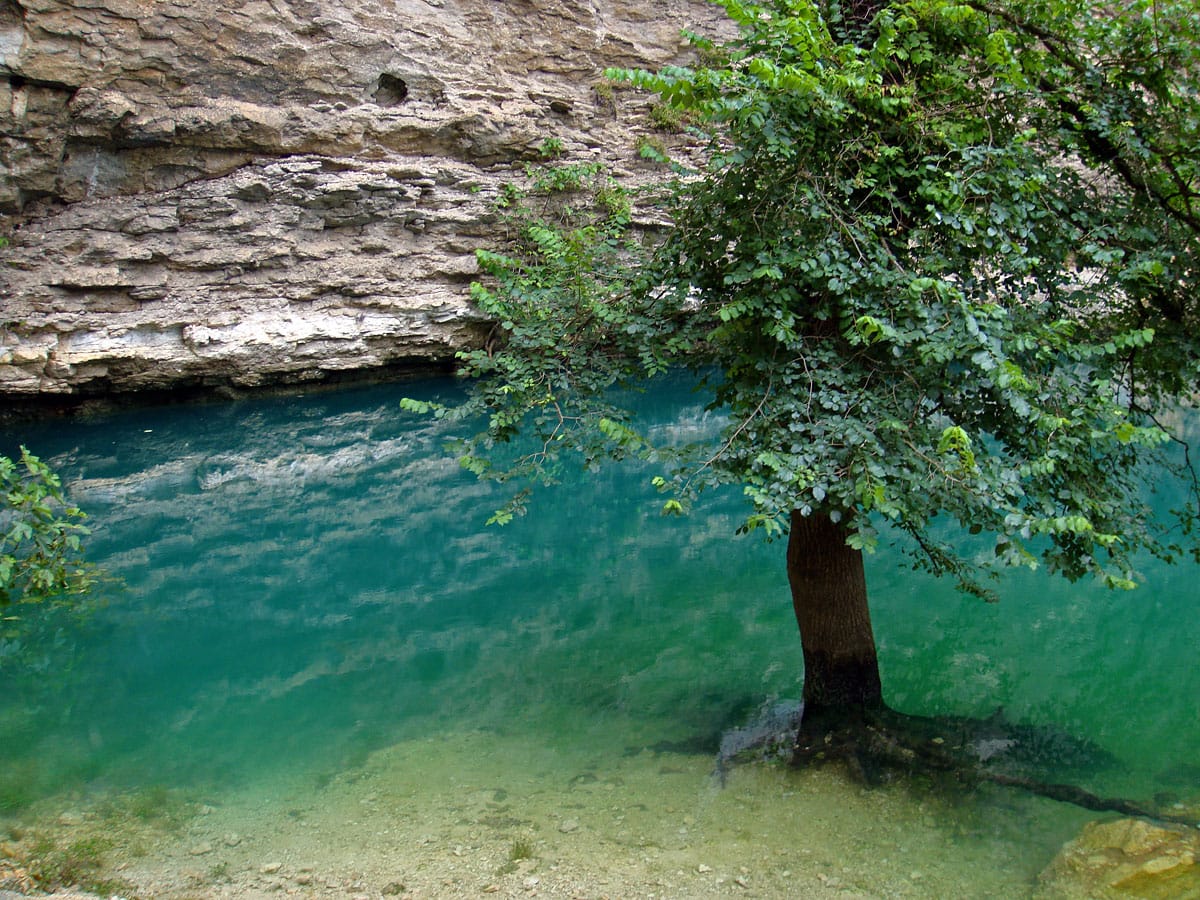
The most common springs are "cold" freshwater springs: in general, the water of these springs tends to have temperatures that are similar to the average yearly temperatures of their respective localities. Such springs mark locations where the aquifer surface meets the ground surface. If a spring is coming from a confined aquifer, it might be forced to flow to the surface. This is an artesian well.
Some of the most powerful springs of the world are river rises – resurgences of rivers after traveling for shorter or longer distances underground. River rises in a way are not true springs and they contain brownish surface water.
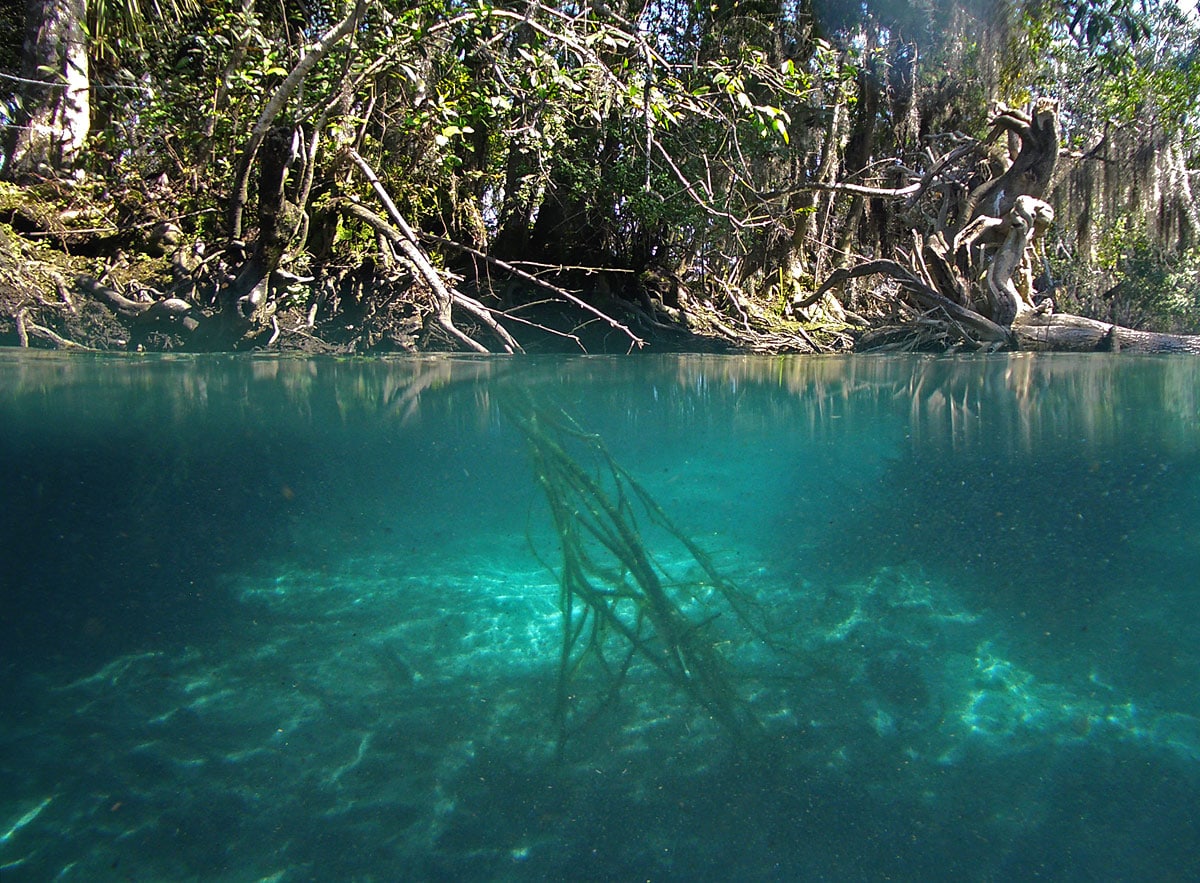
Often it happens that the roof of the underground river at some places collapses. These locations are karst windows. Sometimes part of the stream in karst windows is discharged to the surface, while a major part of the stream continues to flow under the ground (see Indian Spring in Florida). This certainly is a true spring – but only the part, which is discharged to the surface, is counted.
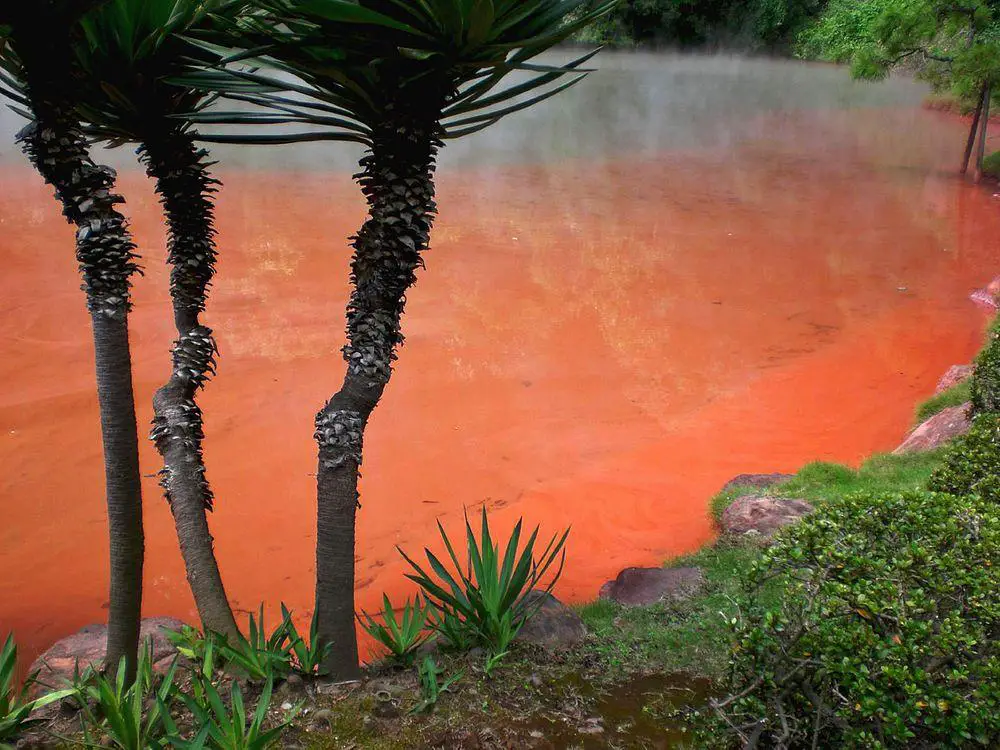
Somewhat less common are thermal springs, which have a significantly higher temperature than the mean yearly temperature of their respective localities. In some polar regions, even a 7 °C warm spring is considered a thermal spring.
The water of mineral springs contains dissolved substances and can have an altered taste and various other characteristics. Mineral springs are divided further according to chemical composition e.g. salt springs, chalybeate springs, soda springs etc.
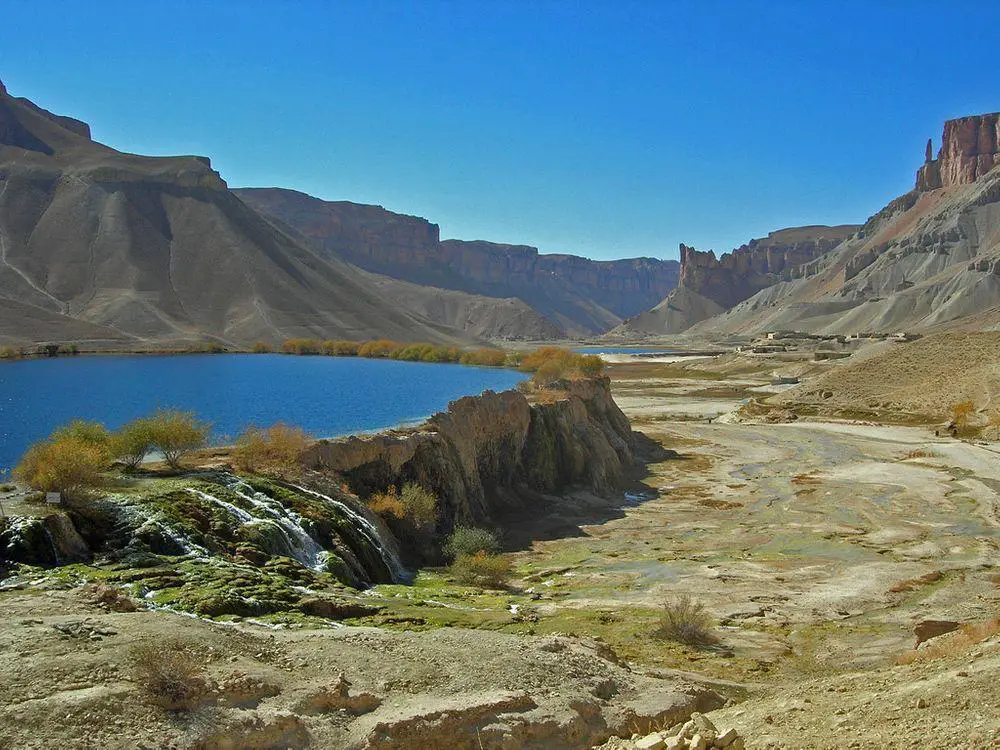
Mineral springs sometimes create unusual formations. Especially impressive are travertine terraces, silica terraces and the very rare salt terraces, but there are also other unusual formations.
Geysers are erupting springs and belong to the most unusual geological attractions. Although geysers are very rare (approximately only 1000 active geysers known), they are found in 20 – 22 countries of the world – more than people generally imagine.
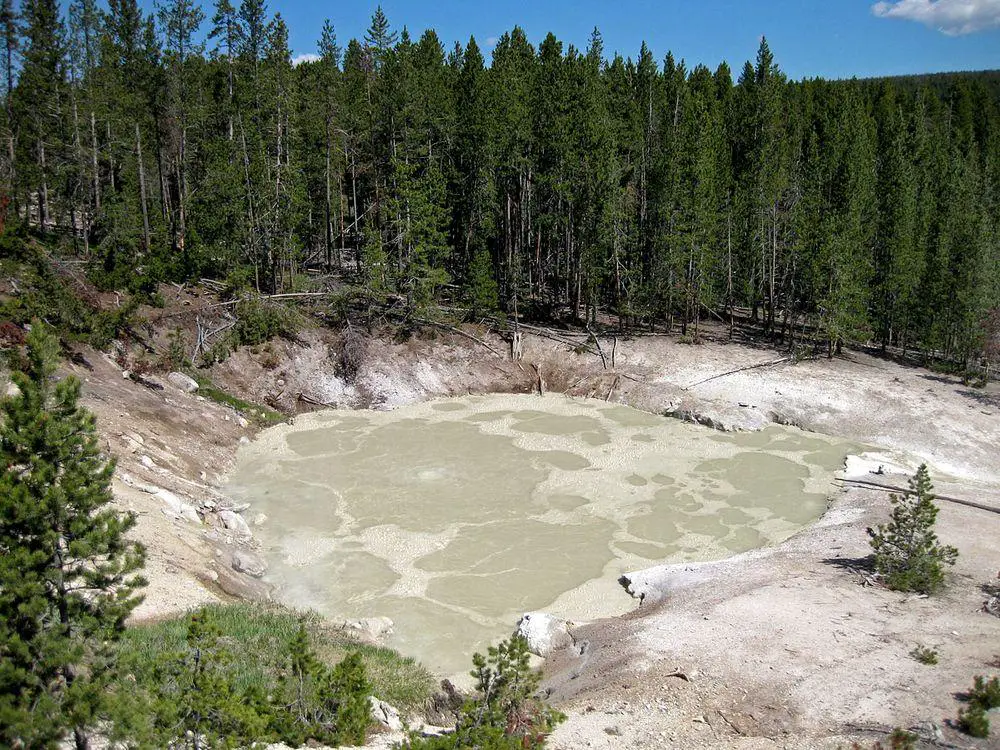
Fumaroles are locations near volcanoes where steam and diverse gases are emitted. Fumaroles emitting sulfurous gases are named also solfataras. In a few cases, these landmarks can be unusual. Such is the case with the fumaroles around Mount Erebus in Antarctica, which have formed towers of frozen ice up to 18 meters in height.
Mudpot – This is a location where weak hot springs or fumaroles reach the surface, containing fine particles. Sometimes these landmarks have unusual colors due to the specific chemical composition of the spring water.
On the ocean floor there are sea vents, or, locations where superheated water from beneath the Earth’s crust is discharged. These springs are of a fascinating variety and are often called black smokers, with some varieties being called white smokers. Other kinds of little-known landmarks are cold seeps, or locations where the ocean bed is slowly seeping hydrocarbon (e.g. methane) rich fluids.
Subcategories
The category of springs has the following subdivisions:
- Geysers
- Thermal springs
- Mineral springs
- Submarine springs
- Spring tufa, travertine and other formations
Wondermondo has the following articles about springs:
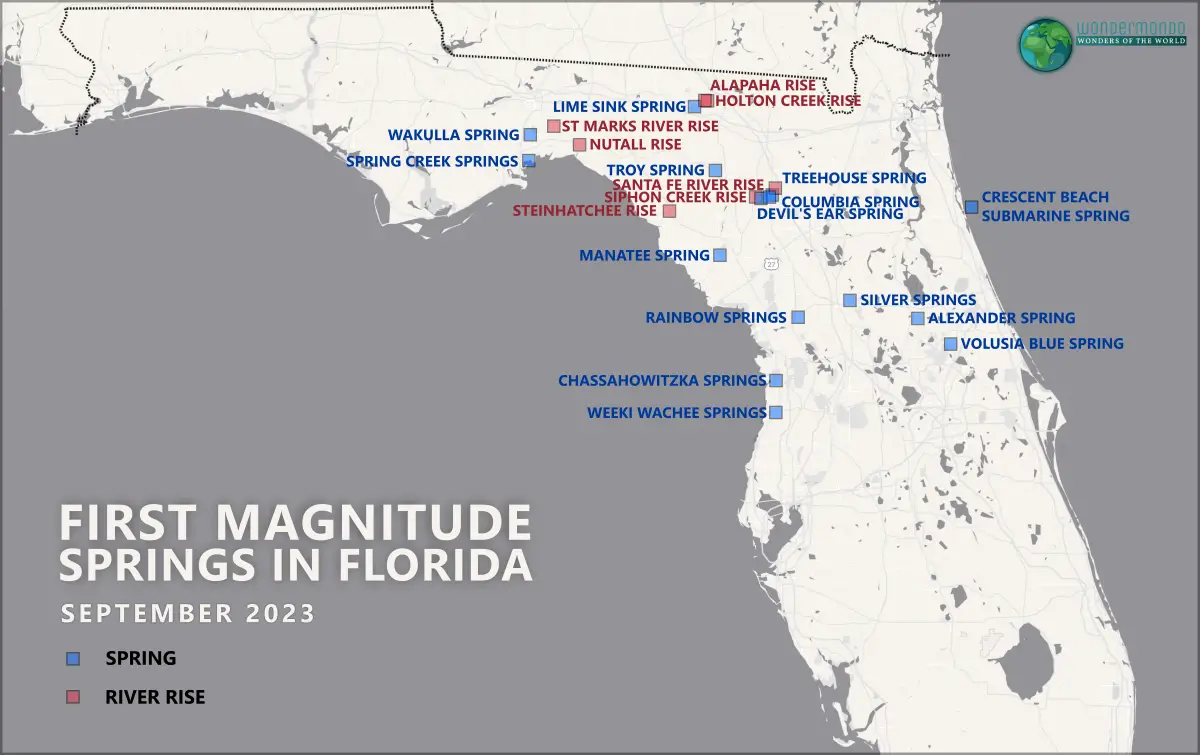
 Top 25 springs
Africa
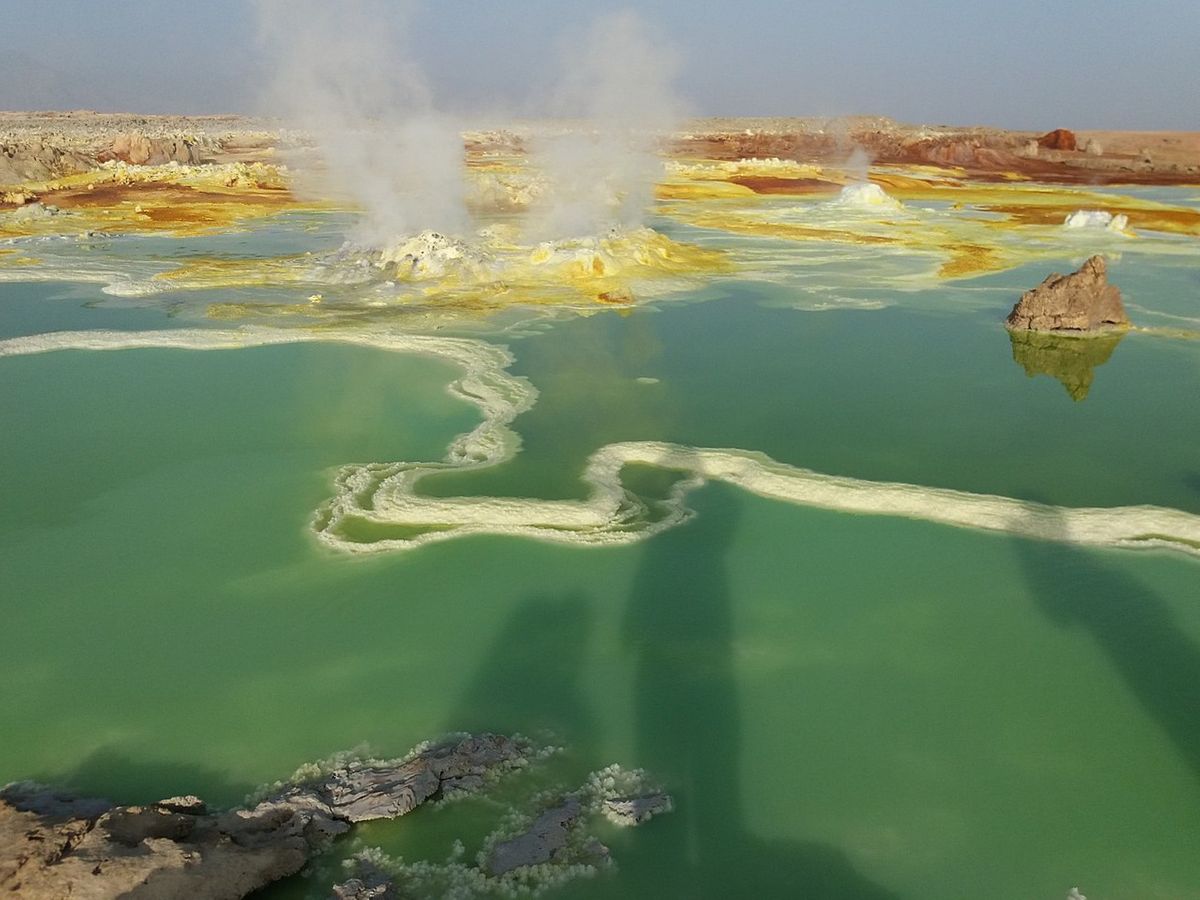
Dallol hot springs and geysers
Ethiopia
One of the visually most outstanding places on Earth, the hot springs have a high salt concentration that has shaped terraces and other formations of very bright, unusual colors. Among the hot springs, there is also a salt geyser – possibly the only one in the world.
Antarctica and Subantarctic islands
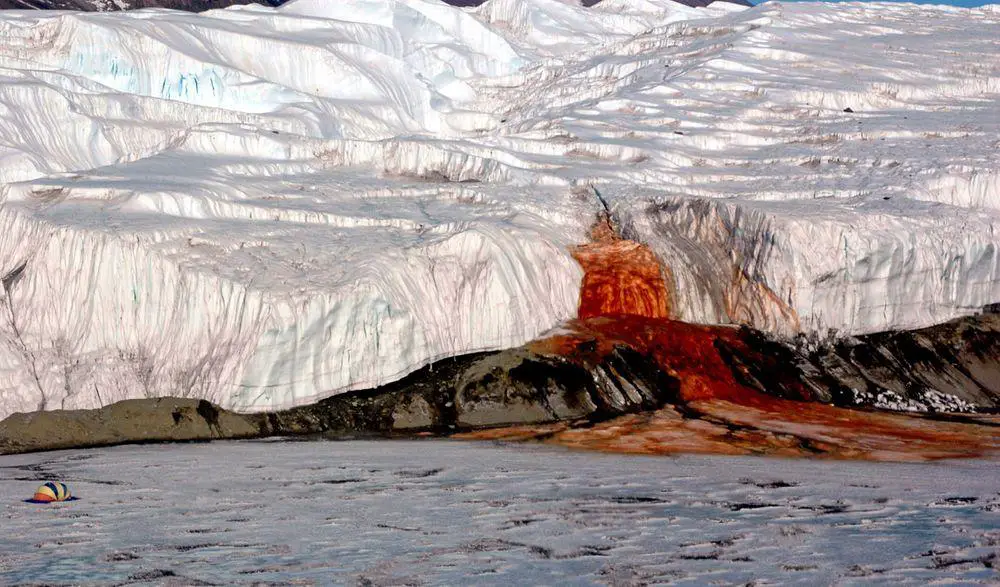
Blood Falls
Antarctica
Unusual natural feature – an outflow of hypersaline water, seeping through the ice, tainted with iron oxides in blood color. This approximately 15 m tall fall provides insight into a unique ecosystem that has been isolated from the outside world for 1.5 million years.
Asia
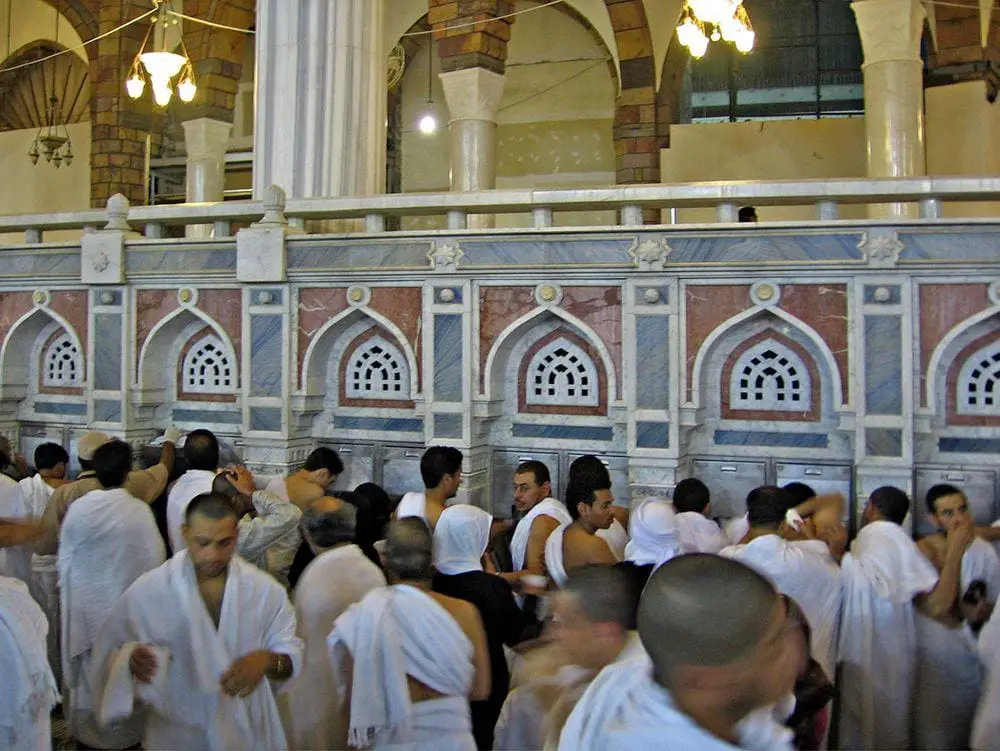
Kaaba and Masjid al-Haram
Saudi Arabia
The largest mosque in the world was built in 638 AD to surround the Kaaba – the holiest site of Islam. Contains several other sacred places, including Zamzam Well which is widely believed to be a miraculous natural spring but in reality, is handmade well.
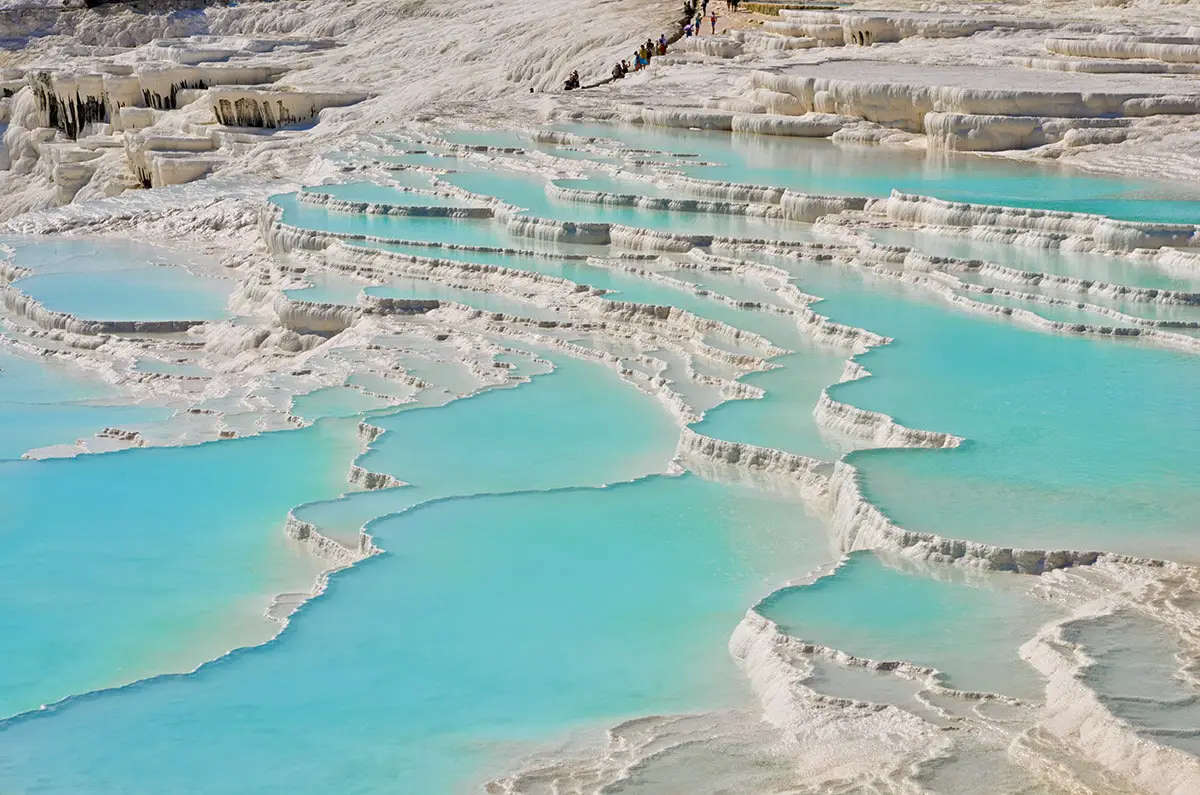
Pamukkale
Turkey
Some of the best-known travertine terraces in the world, in a bright white color, 2700 meters wide and up to 160 meters high. Terraces have been shaped by 17 hot springs.
Huanglong Valley
China
Possibly the largest travertine terraces in the world, they extend for 3.6 kilometers and are deposited by mildly thermal springs.
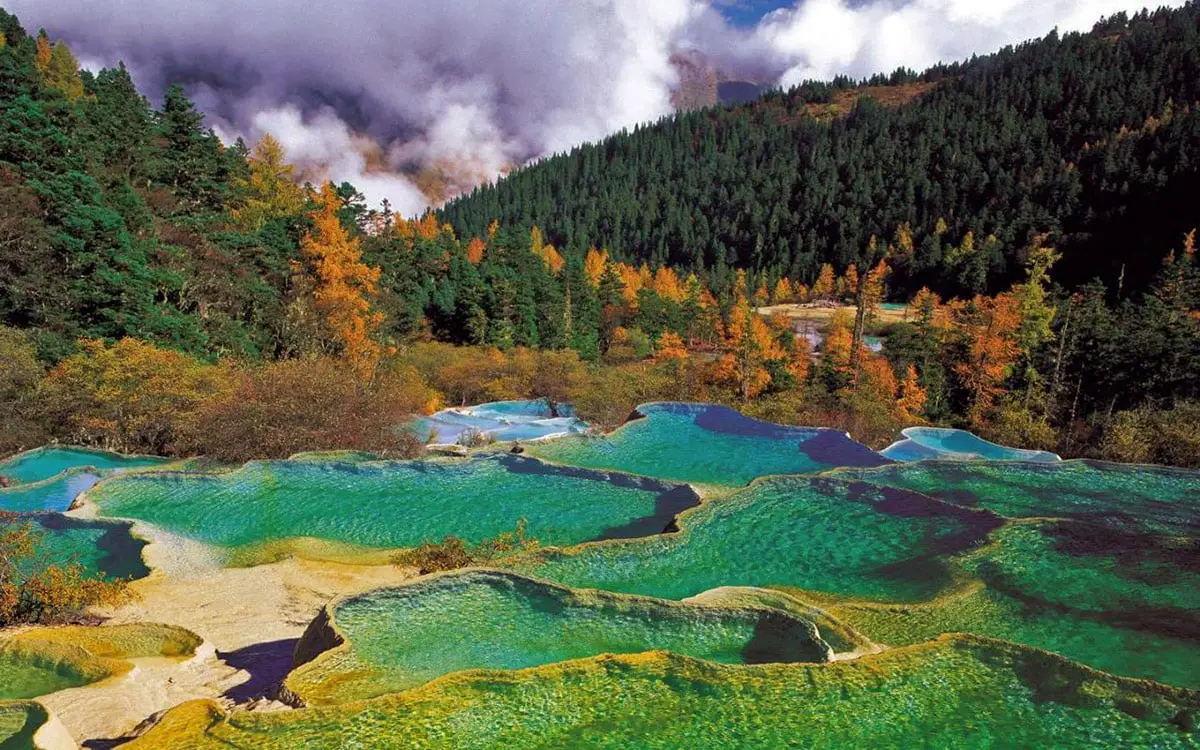
Jiuzhai Valley (Jiuzhaigou)
China
Valley with impressive tufa formations – terraces, waterfalls, and deep blue-green lakes. Includes the impressive, 40 m tall, and 162.5 m wide Pearl Shoal Waterfall and beautiful, 20 m tall and 320 m wide Nuorilang Falls that are also falling over tufa formations. Here are also Shu Zheng Lakes – 19 lakes divided by tufa walls and Nuorilang Lakes – a group of 18 such dammed lakes. Especially beautiful is Fairy Pool – a group of impressive tufa terraces.
Australia and Oceania
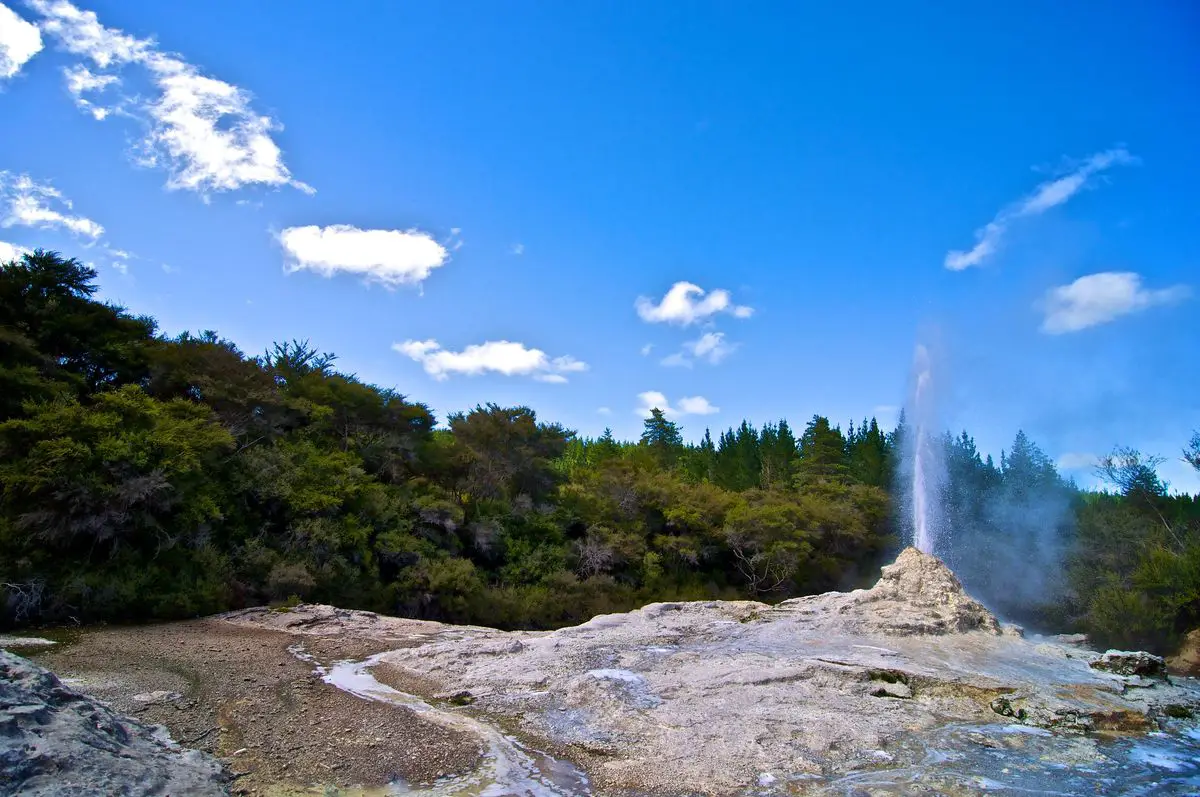
Wai-O-Tapu
New Zealand
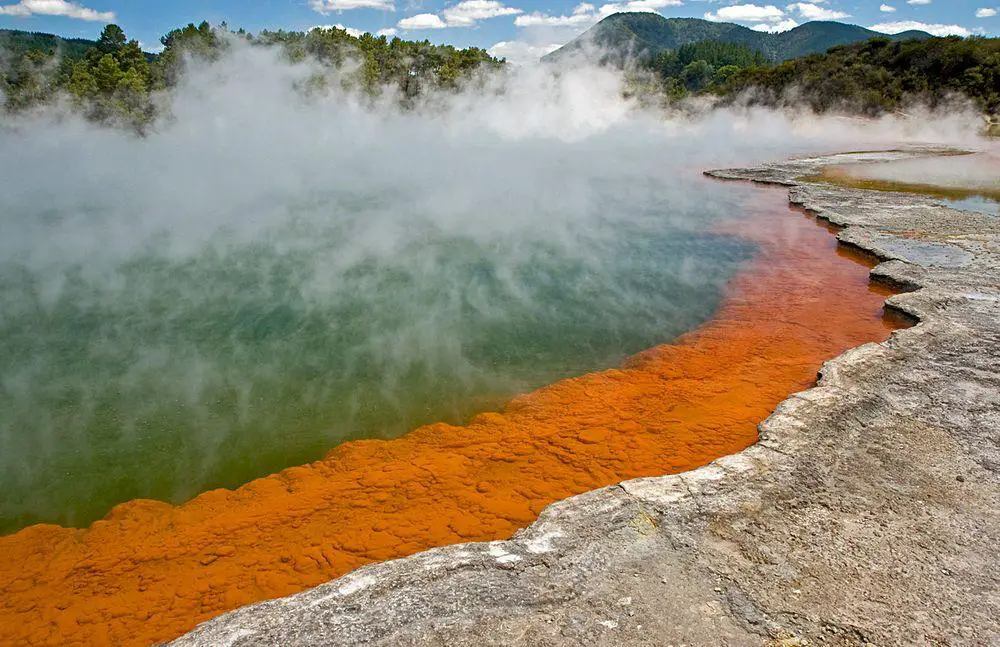
One of the most beautiful geothermal areas worldwide. Besides the Lady Knox geyser, mud pools, numerous hot springs, and sinter terraces it contains a highly unusual hot spring – Champagne Pool, constantly filled with carbon dioxide bubbles. Along the rim of this spring are deposited bright orange arsenic and antimony salts.
Champagne Pool
New Zealand
One of the most impressive and unusual hot springs in the world, 65 meters in diameter, and up to 62 meters deep. Spring is filled with 73 °C hot water oversaturated with metalloids and gases, sedimenting bright orange sediments.
Orakei Korako
New Zealand
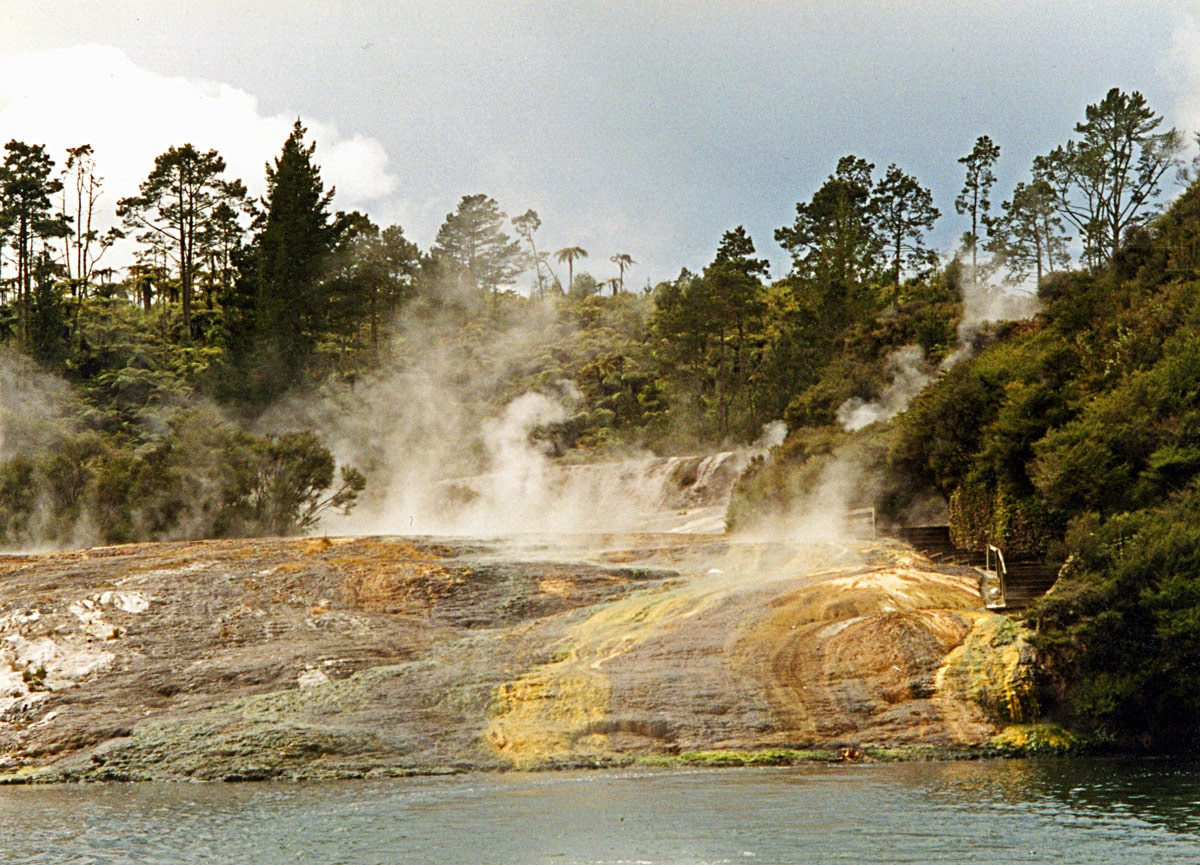
A geothermal area with unique, colorful sinter terraces and geysers. The largest geyser field in New Zealand with some 35 active geysers. The lower terrace – Emerald Terrace – is the largest sinter terrace in New Zealand. Part of it is flooded by a hydropower station, submerging some 200 hot springs and 70 geysers.
Europe
Haukadalur geothermal area
Iceland
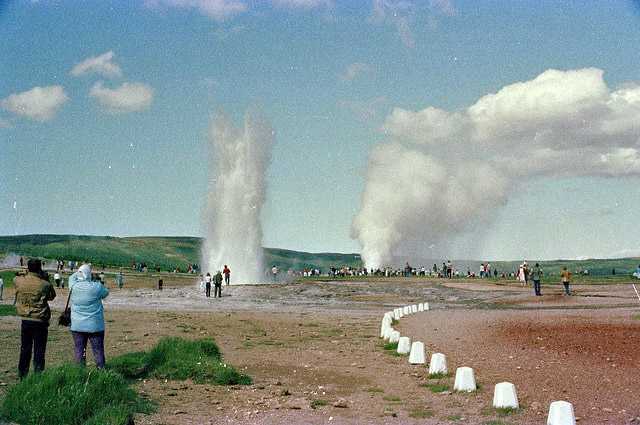
Two spectacular geysers – Geysir and Strokkur – are located close together. Geysir has given the name to the geological phenomenon of geysers. Geysir has been up to 100 m high in the past. Strokkur is very intense, erupting 25 – 35 m high every 4 – 8 minutes. In the area are some more geysers and hot springs.
Plitvice Lakes
Croatia
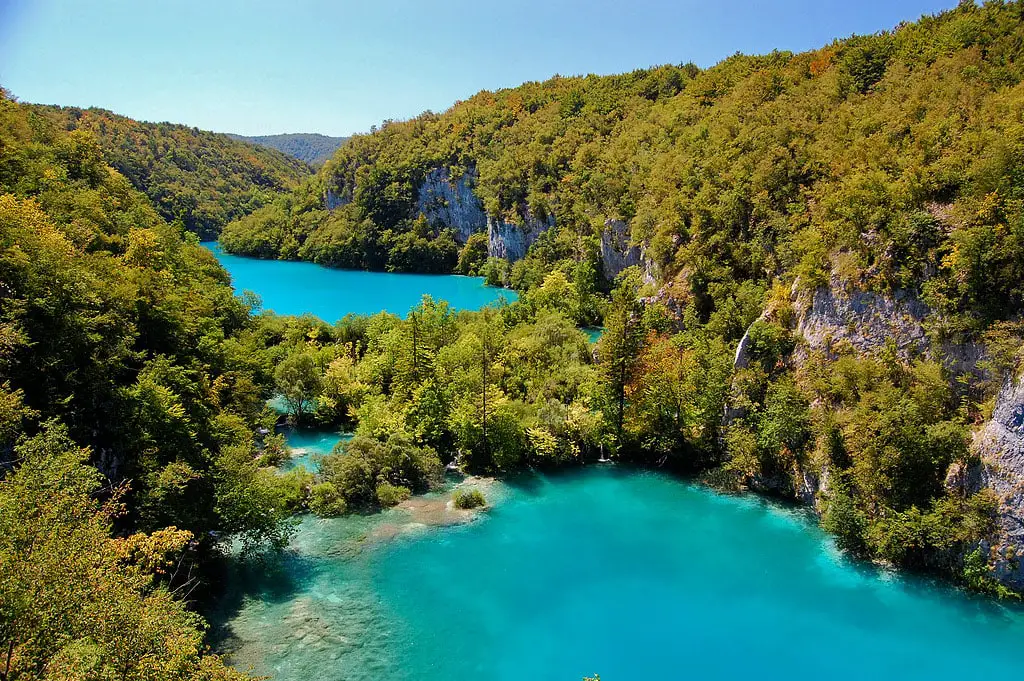
A unique, picturesque group of some 20 blue-green lakes arranged in a chain over the distance of 8 km, divided by natural dams of tufa. The tufa formation process is active, it forms by joint geological and biological processes. The stream between the lakes has multiple waterfalls, some up to 80 m tall.
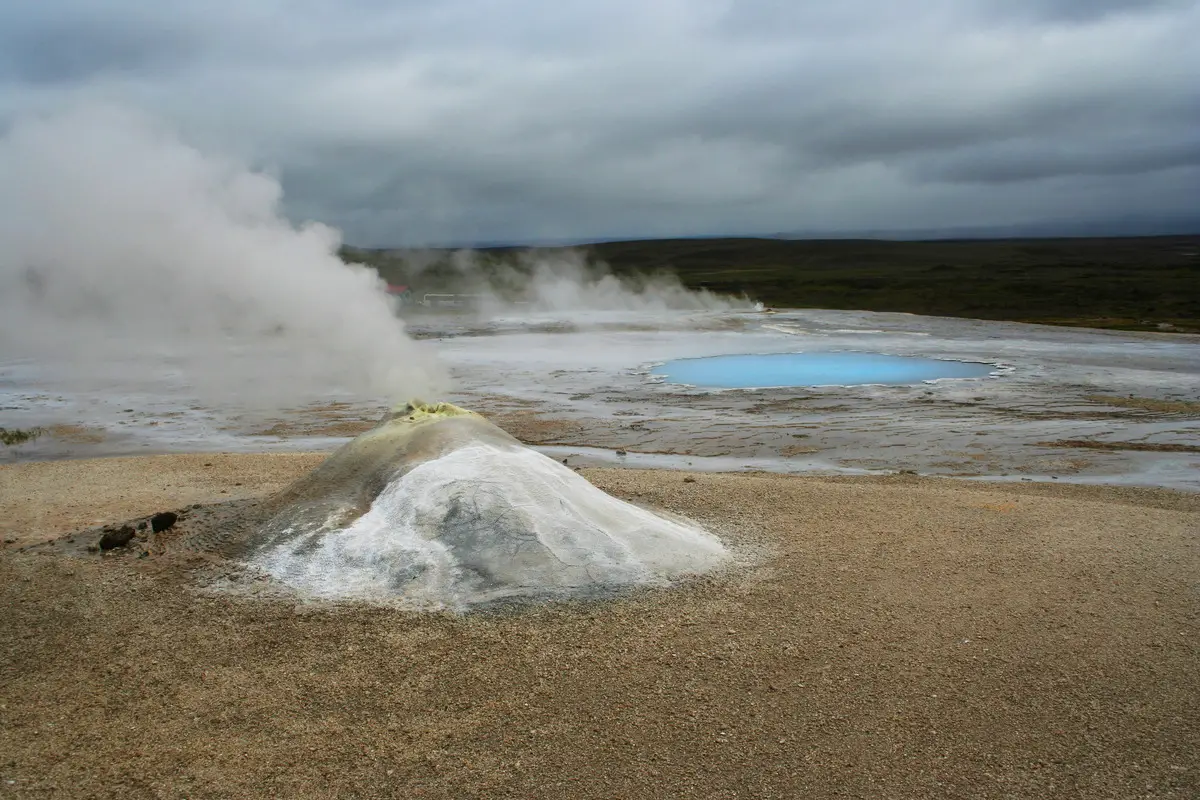
Hveravellir Geothermal Field
Iceland
Beautiful geothermal field and popular tourist destination. The area contains several notable hot springs and geysers, such as Gjósandi, Bræðrahver, Grænihver, Rauðihver, Öskurhóll, Fagrihver, and others. Here are at least six geysers.
North America
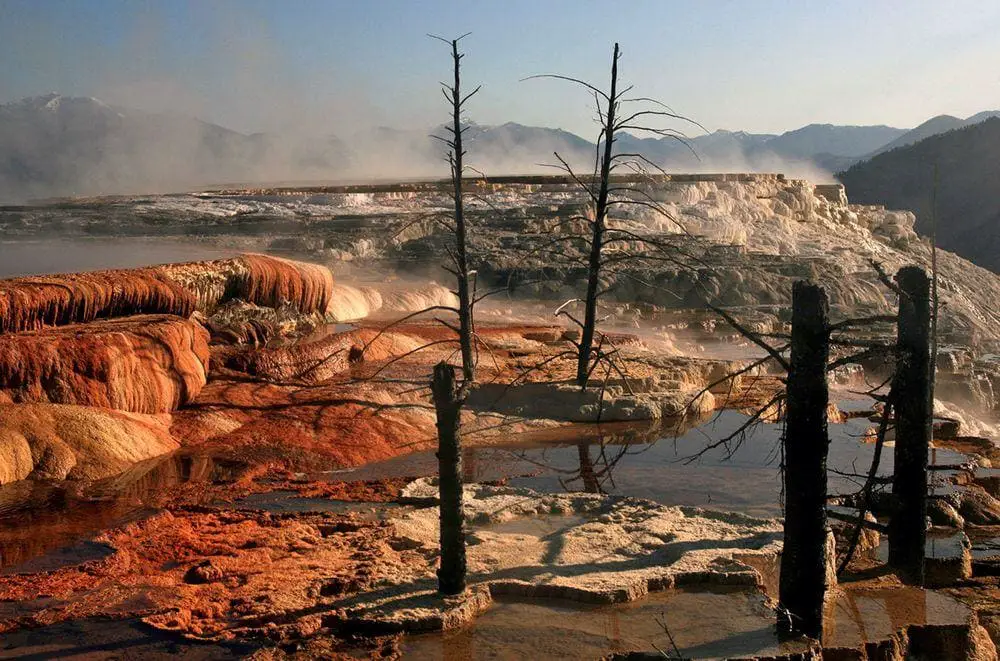
Mammoth Hot Springs
United States
These hot springs have produced some of the most impressive travertine terraces in the world.
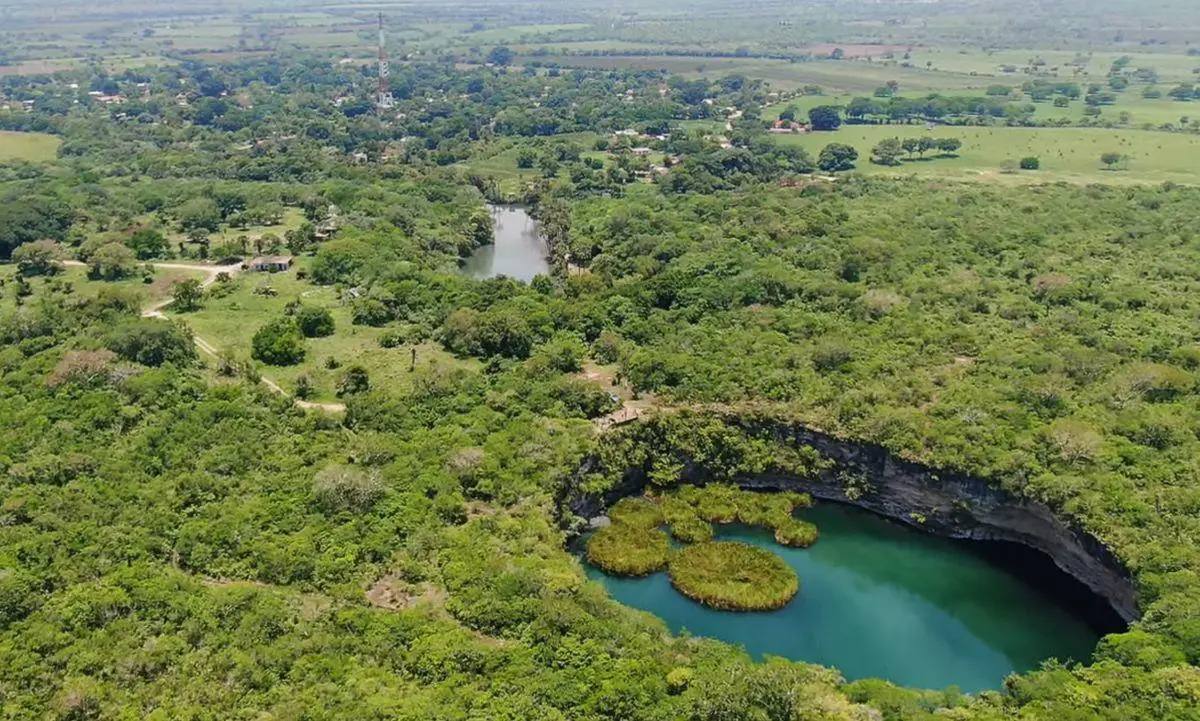
Sistema Zacaton
Mexico
Unique karst field created by thermal acidic waters heated by volcanic heat. Contains the world’s deepest water-filled sinkhole, the 339 meters deep El Zacatón sinkhole with 319 meters deep lake, and floating islands. Poza Seca is one of the unique travertine-capped sinkholes of Sistema Zacatón – here the formerly open sinkhole has sealed itself with a limestone lid. Most likely it hides unknown life forms, not investigated.
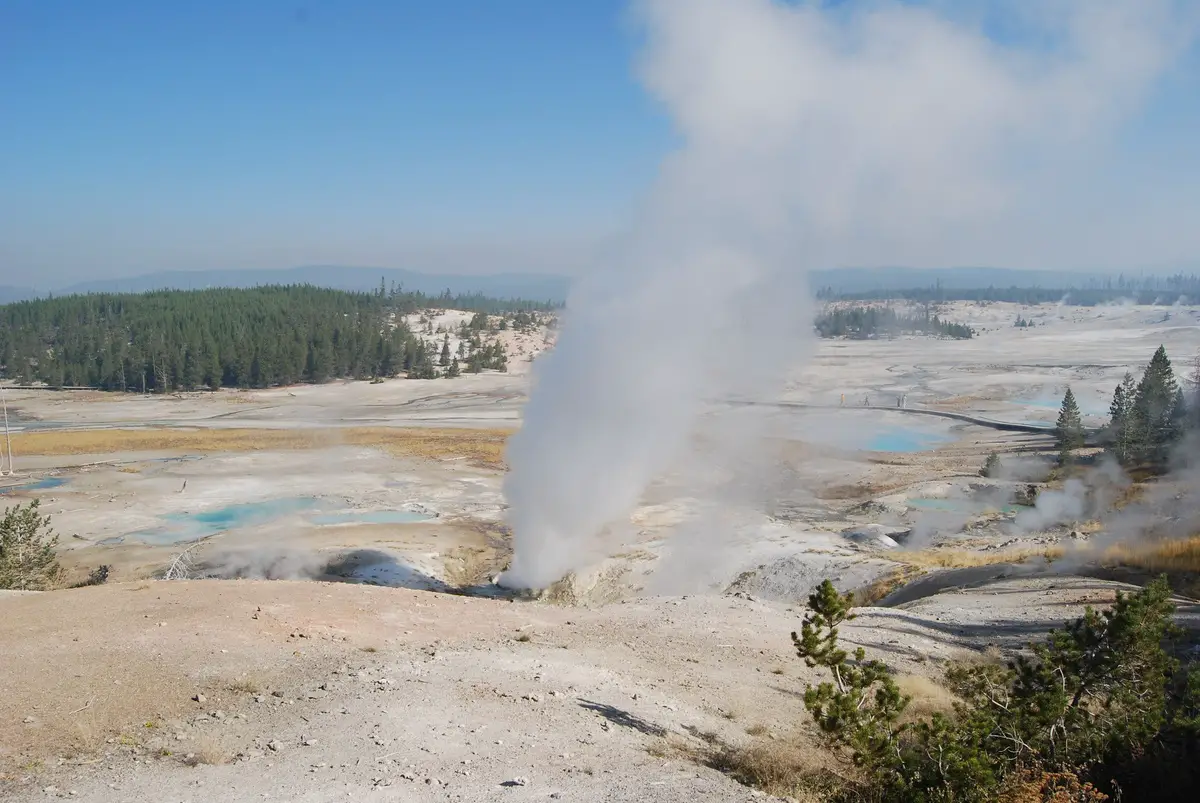
Norris Geyser Basin
United States
Very interesting and rich geyser field at the site where two fault lines intersect. Here the geysers contain highly acidic water, which is rare in the world. Here is located the tallest active geyser in the world – Steamboat Geyser. It erupts rarely, but then – up to 116 m high. Amazing is the beautiful Echinus Geyser – the largest acid geyser in the world with interesting formations around it.
Midway Geyser Basin
United States
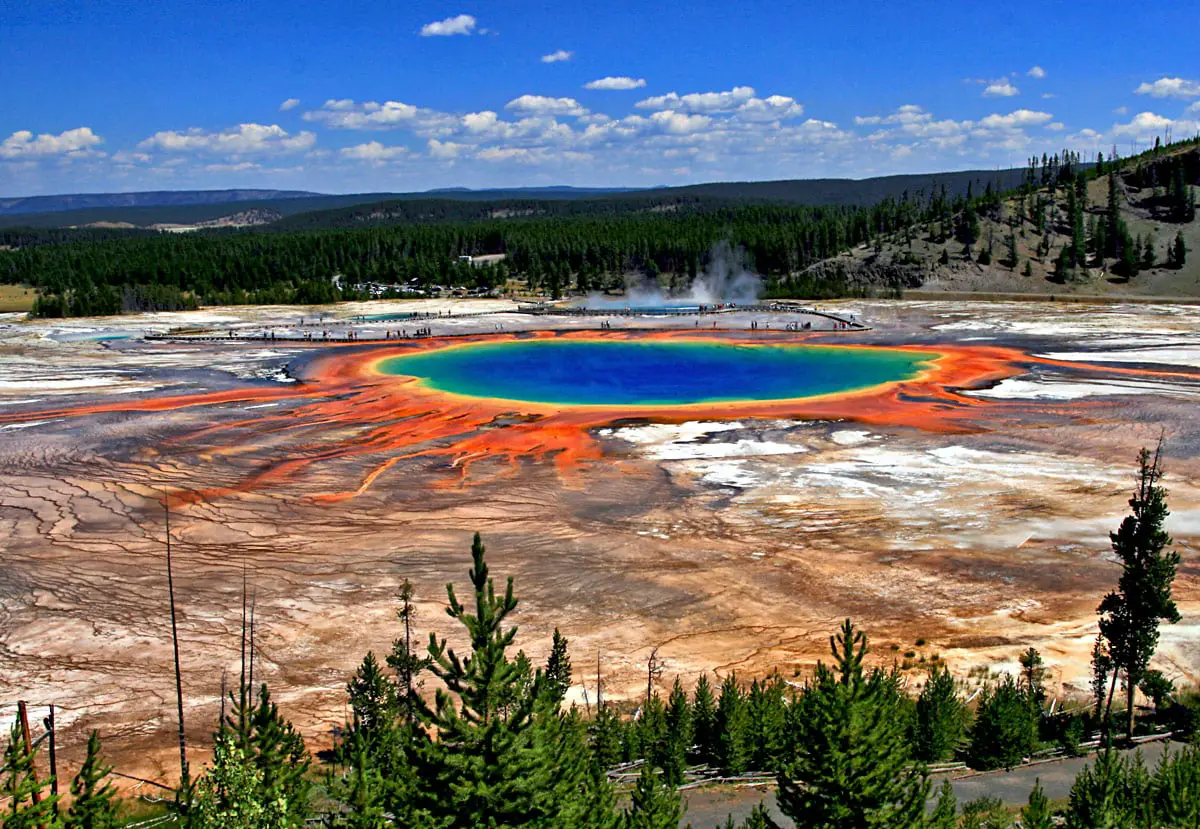
This geothermal area contains such interesting features as Excelsior Geyser – a large pool that a century ago exploded up to 91 m high. Here is also the amazing, colorful Grand Prismatic Spring.
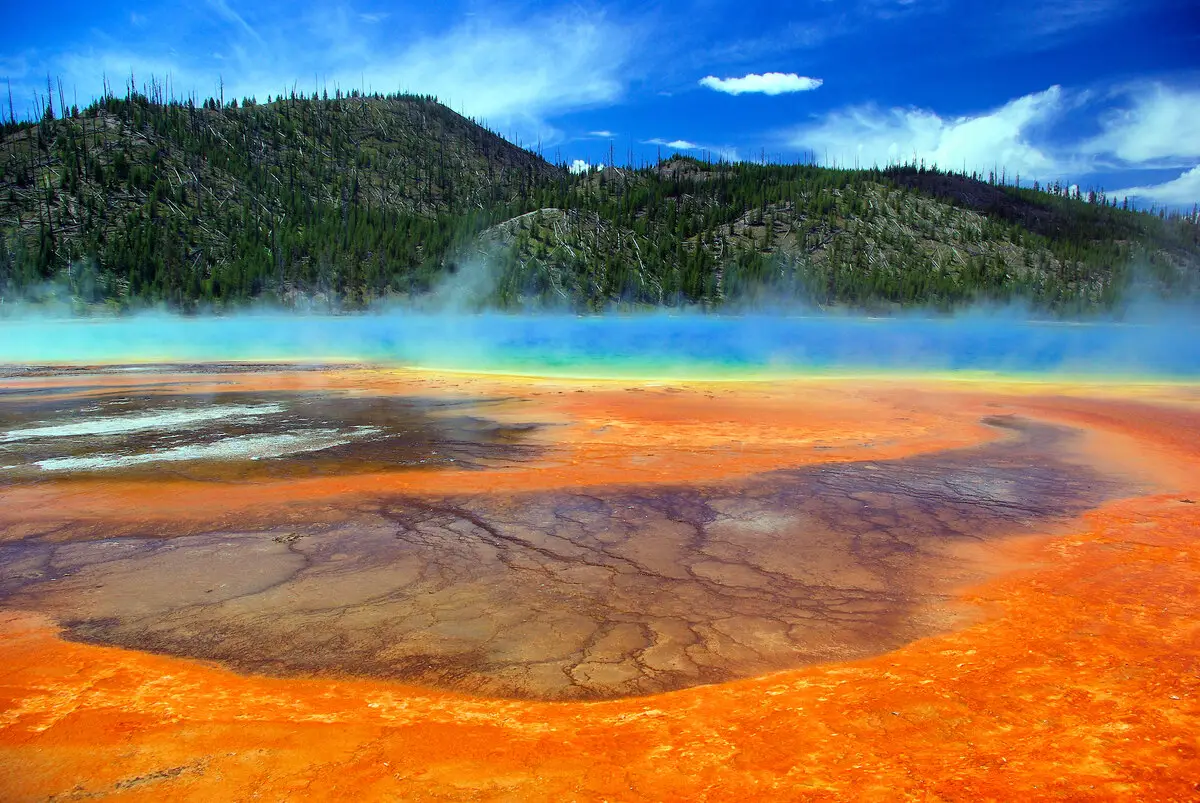
Upper Geyser Basin
United States
One of the largest geyser fields in the world with almost 300 geysers. Here are located some of the iconic geysers in the world – the Old Faithful Geyser (32 – 55 m high), and the Beehive Geyser (45 – 60 m high). Giantess Geyser erupts several times in the year up to 60 m high, eruption lasts for 1 – 43 hours.
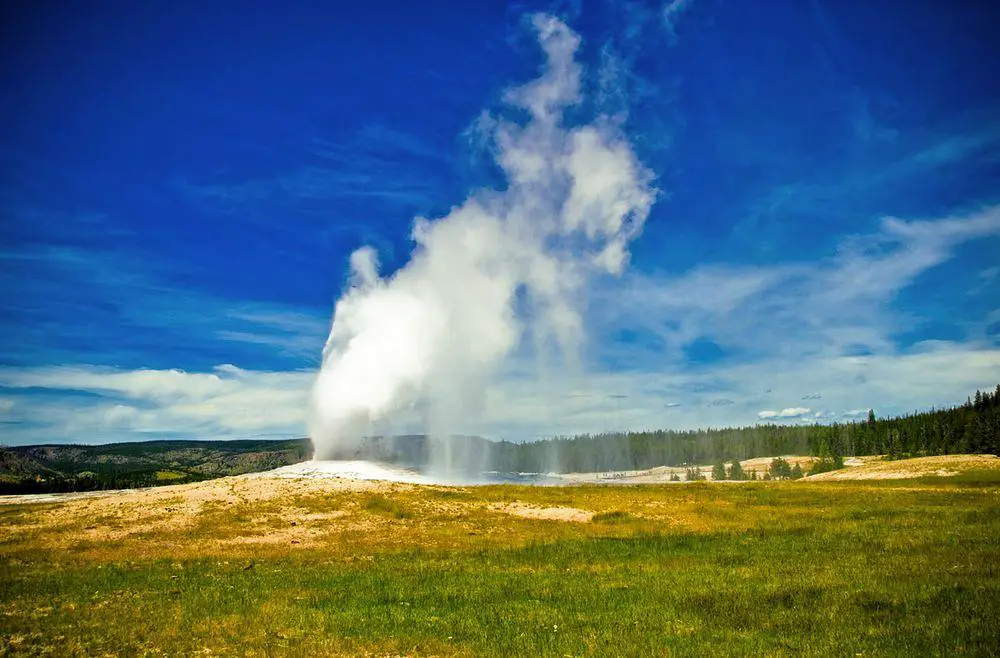
Lower Geyser Basin, Yellowstone
United States
Second richest geyser area in Yellowstone. Here are such geysers as Great Fountain (up to 67 m tall), Clepsydra, White Dome (geyser with a high cone, erupting up to 9.1 m), and Fountain.
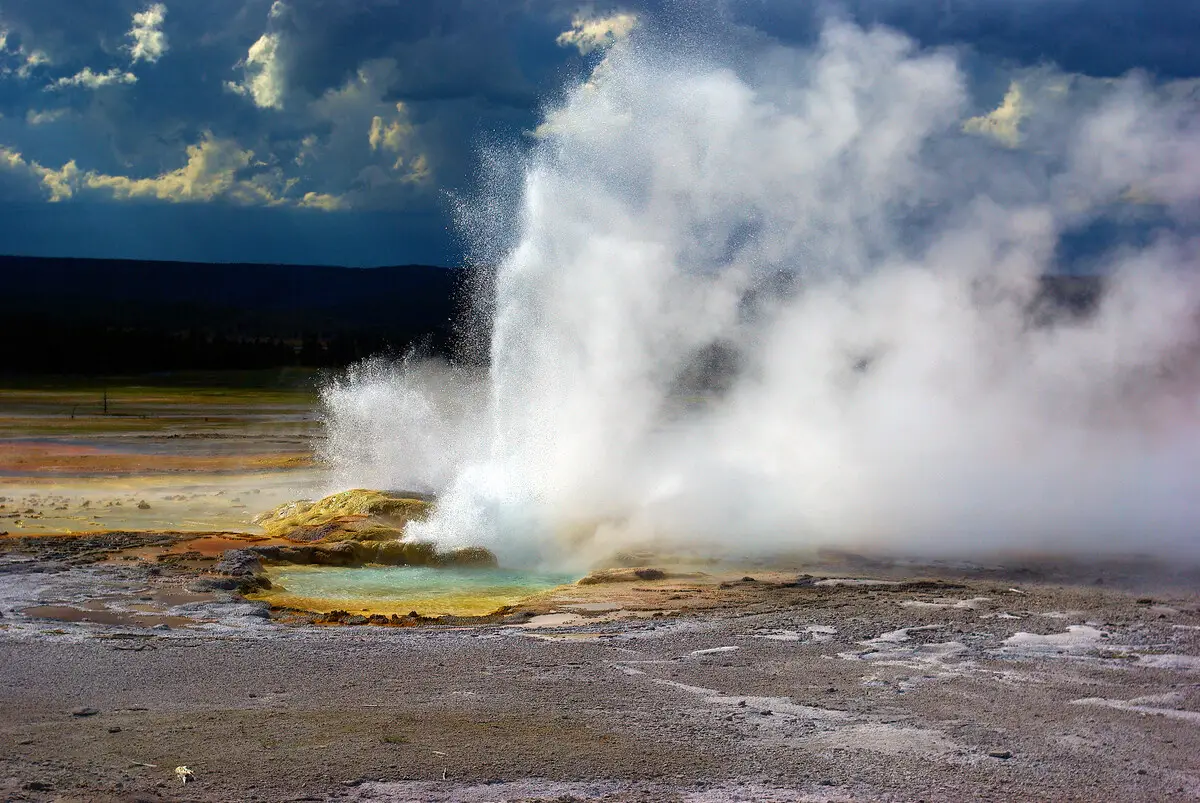
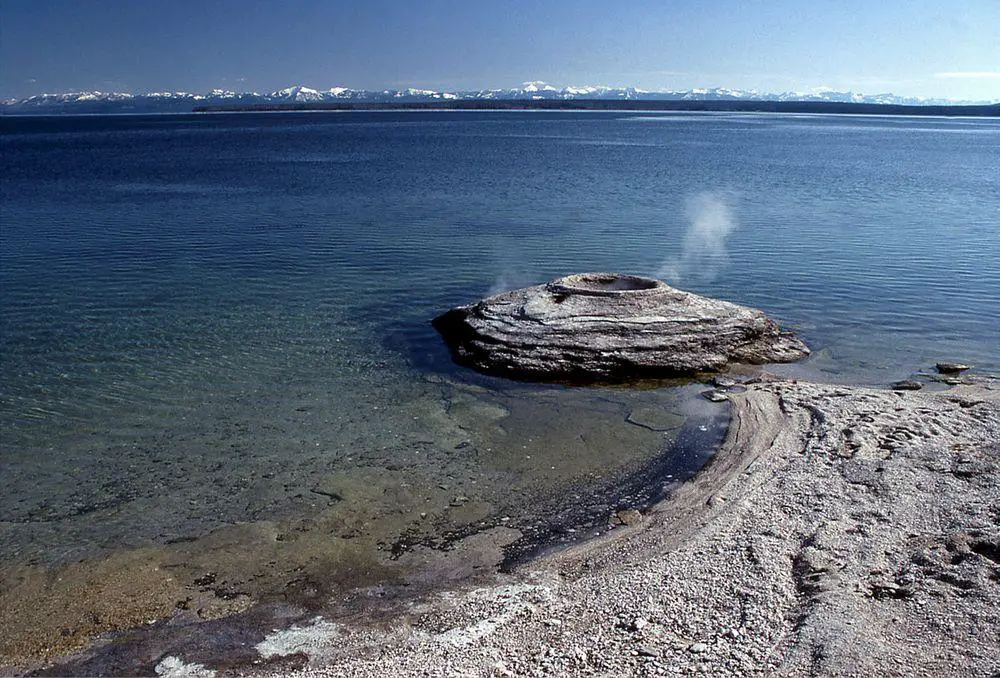
West Thumb Geyser Basin
United States
Contains Fishing Cone – a geyser cone in lake water. One of the amazing geysers here is Overhanging Geyser – located on an overhanging cliff above Yellowstone Lake. It is amazing to imagine how the hot water is accessing this geyser. The geyser field includes also geothermal features under the lake level.
Grand Prismatic Spring
United States
The third-largest hot spring in the world. The enormous spring pool and its surroundings are adorned with microbial mats in vivid colors. The spring pool has a diameter of 91 meters and a depth of 49 meters.
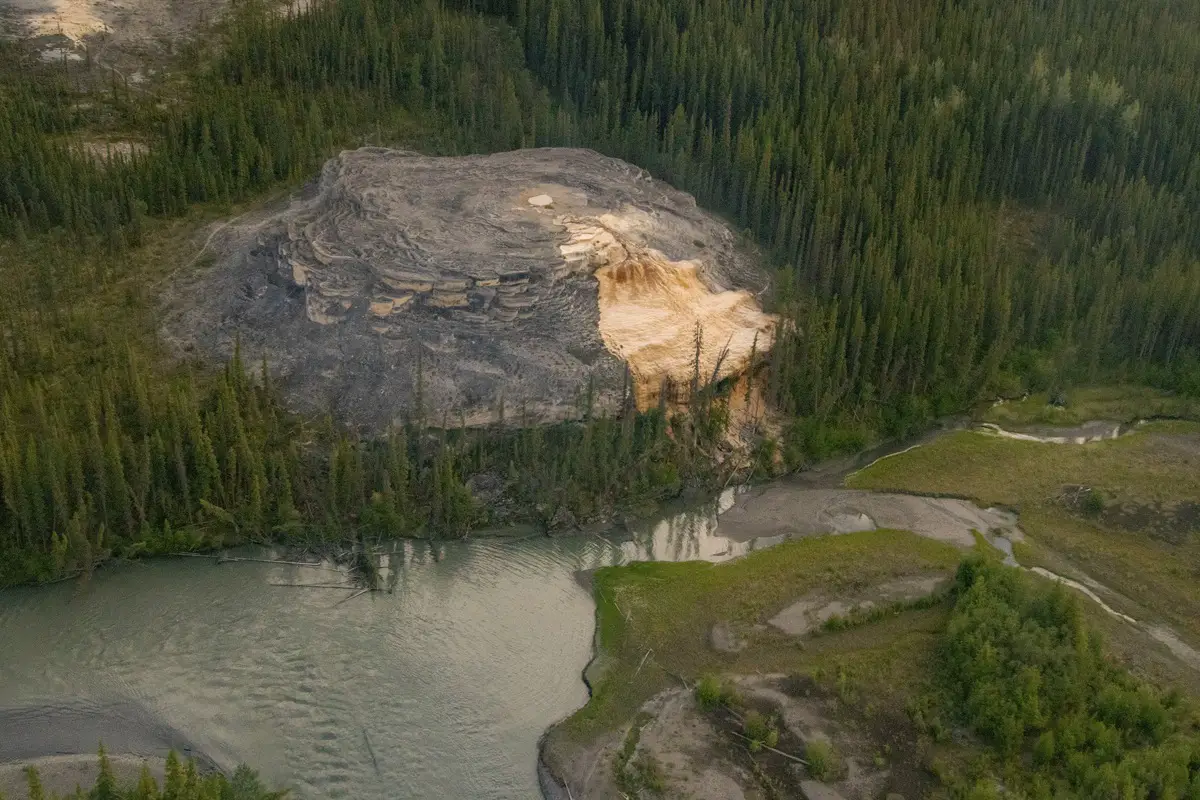
Rabbitkettle Tufa Mounds
Canada
Two tufa and travertine mounds, the largest is 27 m high and 79 m wide. These mounds have been formed by warm thermal springs (21°C) and consist of numerous smaller rimstone pools.
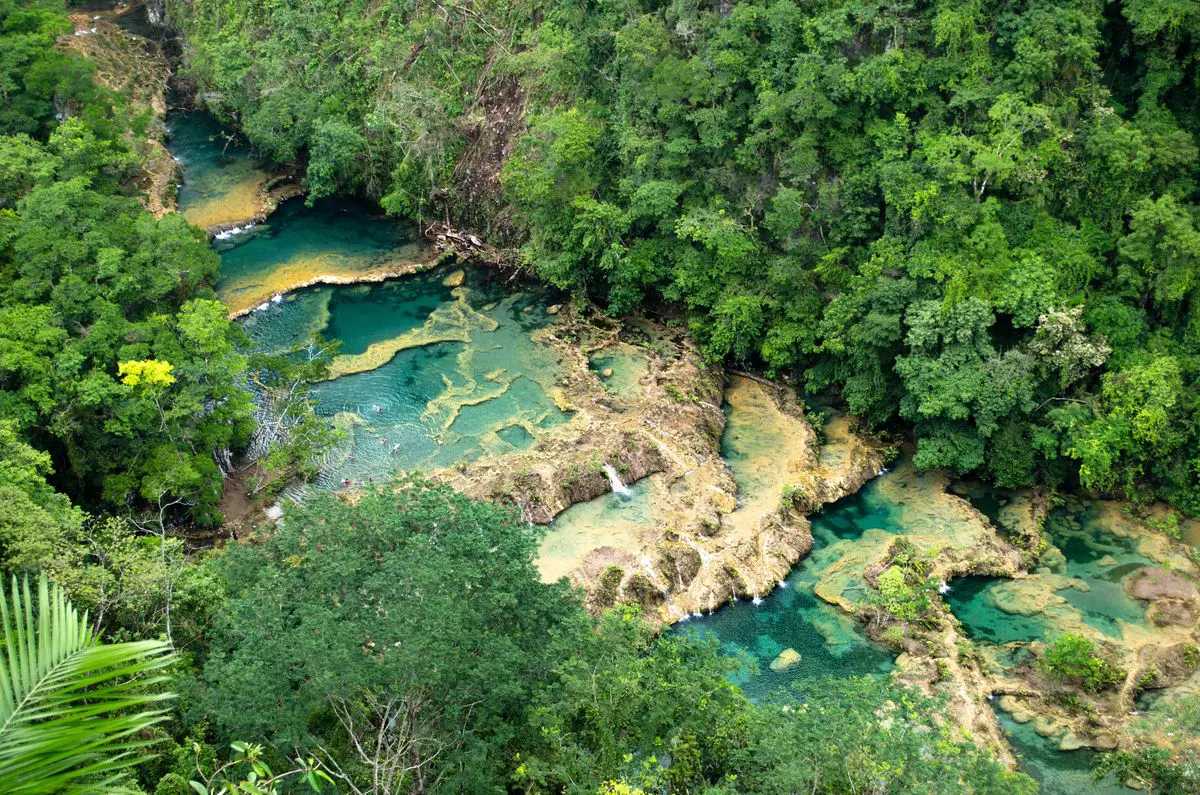
Semuc Champey
Guatemala
Tufa terraces over a 300 m long section of Cahabòn River, forming a group of small, emerald-colored pools. These pools are in a deep, dangerous canyon and end with a cave, where the river disappears.


South America
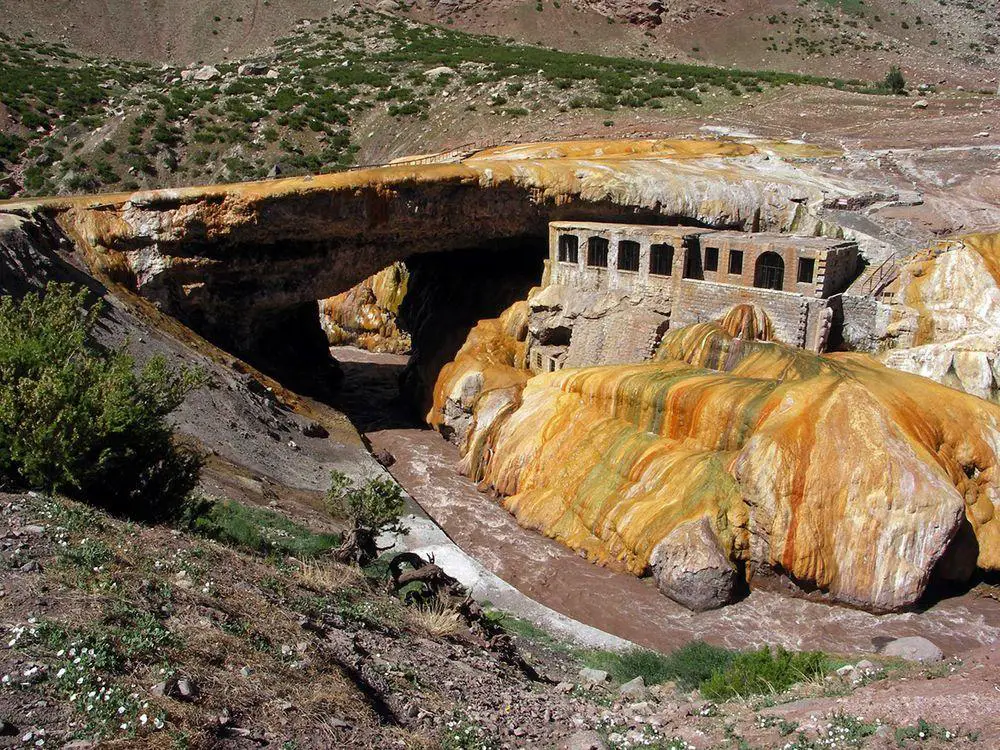
Puente del Inca
Argentina
Highly unusual natural wonder – a natural arch over Vacas River with hot springs and large travertine formations next to it. The natural bridge is 48 m long, 28 m wide, and 8 m thick, and the river flows 27 m below it.
Laguna Roja
Chile
Bright red lake fed by hot springs, 40 – 50 °C warm, with travertine formations around the lake. Nearby also yellow and green lakes. Lakes are located at 3,700 m above sea level.
Recommended books
The Springs of Florida


The deepest and largest known springs in the world are found in Florida. This book is a guided tour of these beautiful environments, offering many rare underwater photographs. Beginning with a history of the formation of Florida’s springs eons ago and ending with a strong caution on cave diving safety, the reader journeys through these crystal realms, the emphasis always on the natural inhabitants. With many striking photos of these creatures in their natural habitat, this book also serves as a field guide for identification.
Springs and Bottled Waters of the World


This book provides information about springs, mineral waters, and thermal waters used for municipal, industrial, and agricultural water supplies and the rapidly expanding bottled water industry. The role of springs is described for ancient civilizations, military campaigns, and, in more recent times, for tourism and health spas. In addition, their source, occurrence, and methods for development and use are described. The book contains data obtained from major hydrogeologic databases and from leading hydrogeologists.
This article seems to totally ignore the Ozarks region in Southern Missouri and Northern Arkansas. Home to three of the largest and most beautiful springs in the world. Big Springs near Van Buren, Missouri, Greer Springs near Winona, Missouri and Mammoth Springs near Mammoth Springs, Arkansas. All three are in the top 10 flowing springs in the world.