List of attractions by states and Union Territories
India is divided into the following 28 states and 7 Union Territories.
States
| Andhra Pradesh | ||
![]() | Undavalli Caves | Buddhist shrines, Hindu shrines, Rock-cut architecture |
| Arunachal Pradesh | ||
| Assam | ||
![]() | Jogighopa Cave Temples | Buddhist shrines, Rock-cut architecture |
| Bihar | ||
![]() | Barabar Caves | Ancient shrines, Rock-cut architecture |
![]() | Nagarjuni Caves | Ancient shrines, Rock-cut architecture |
![]() | Son Bhandar Caves | Jain shrines, Rock-cut architecture, Sites of legends |
| Chhattisgarh | ||
![]() | Jogimara Cave, Sita Bengra Cave | Petroglyphs and rock art, Caves, Rock-cut architecture |
| Goa | ||
| Gujarat | ||
![]() | Chir Batti | Meteorological phenomena, Site of legends |
| Haryana | ||
| Himachal Pradesh | ||
![]() | Masroor Rock Cut Temples (Masrur Temples) | Hindu shrines, Rock-cut architecture |
![]() | Tabo Caves | Buddhist shrines, Rock-cut architecture, Petroglyphs and rock art |
| Jammu and Kashmir | ||
![]() | Saspol Caves | Buddhist shrines, Rock-cut architecture, Petroglyphs and rock art |
| Jharkhand | ||
| Karnataka | ||
![]() | Badami Cave Temples | Hindu shrines, Jain shrines, Rock-cut architecture, Petroglyphs and rock art |
![]() | Gavi Gangadhareshwara | Hindu shrines, Rock-cut architecture |
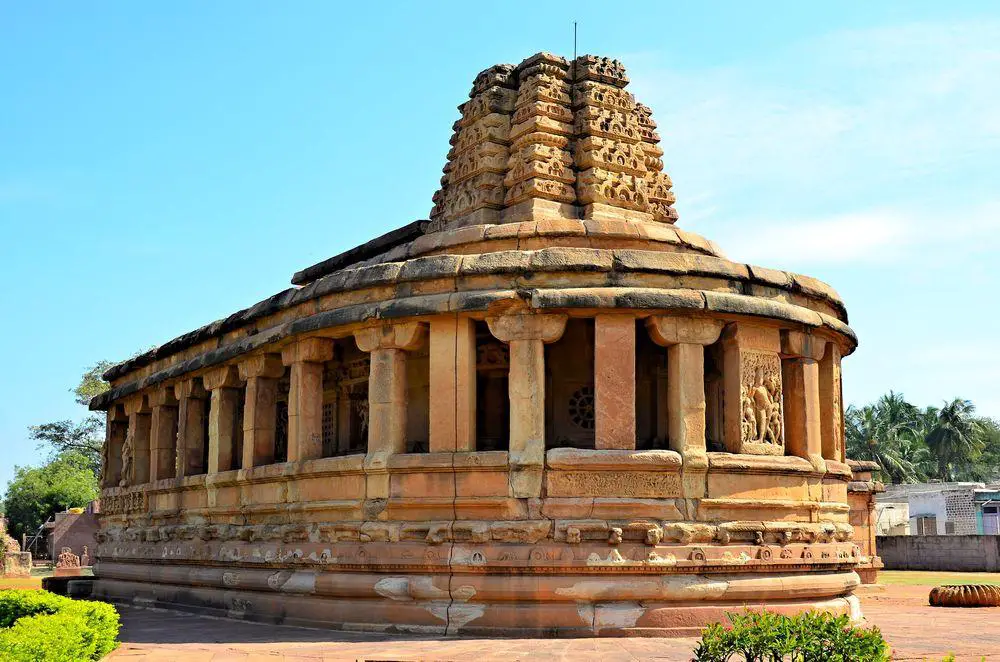
![]() | Ravana Phadi, Aihole | Hindu shrines, Rock-cut architecture |
| Kerala | ||
| Madhya Pradesh | ||
![]() | Bagh Caves | Buddhist shrines, Rock-cut architecture, Petroglyphs and rock art |
![]() | Bhimbetka rock shelters | Petroglyphs and rock art, Caves, Ancient settlements, Ancient burials, Buddhist shrines |
![]() | Jata Shankar, Pachmarhi | Caves, Hindu shrines, Sites of legends |
![]() | Pandav Caves, Pachmarhi | Buddhist shrines, Rock-cut architecture |
| Maharashtra | ||
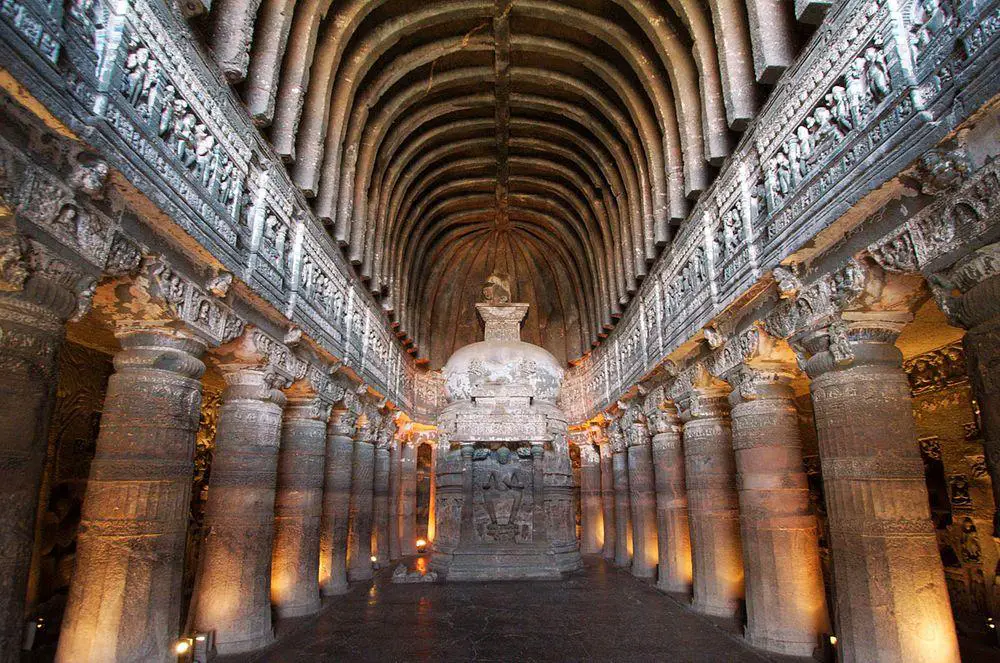
![]() | Ajanta Caves | Buddhist shrines, Rock-cut architecture, Petroglyphs and rock art |
![]() | Ankai-Tankai Caves | Jain shrines, Hindu shrines, Rock-cut architecture |
![]() | Ankai-Tankai hill forts | Fortifications, Ancient castles and palaces, Rock-cut architecture |
![]() | Aurangabad Caves | Buddhist shrines, Rock-cut architecture |
![]() | Bedse Caves | Buddhist shrines, Rock-cut architecture |
![]() | Bhaja Caves | Buddhist shrines, Rock-cut architecture |
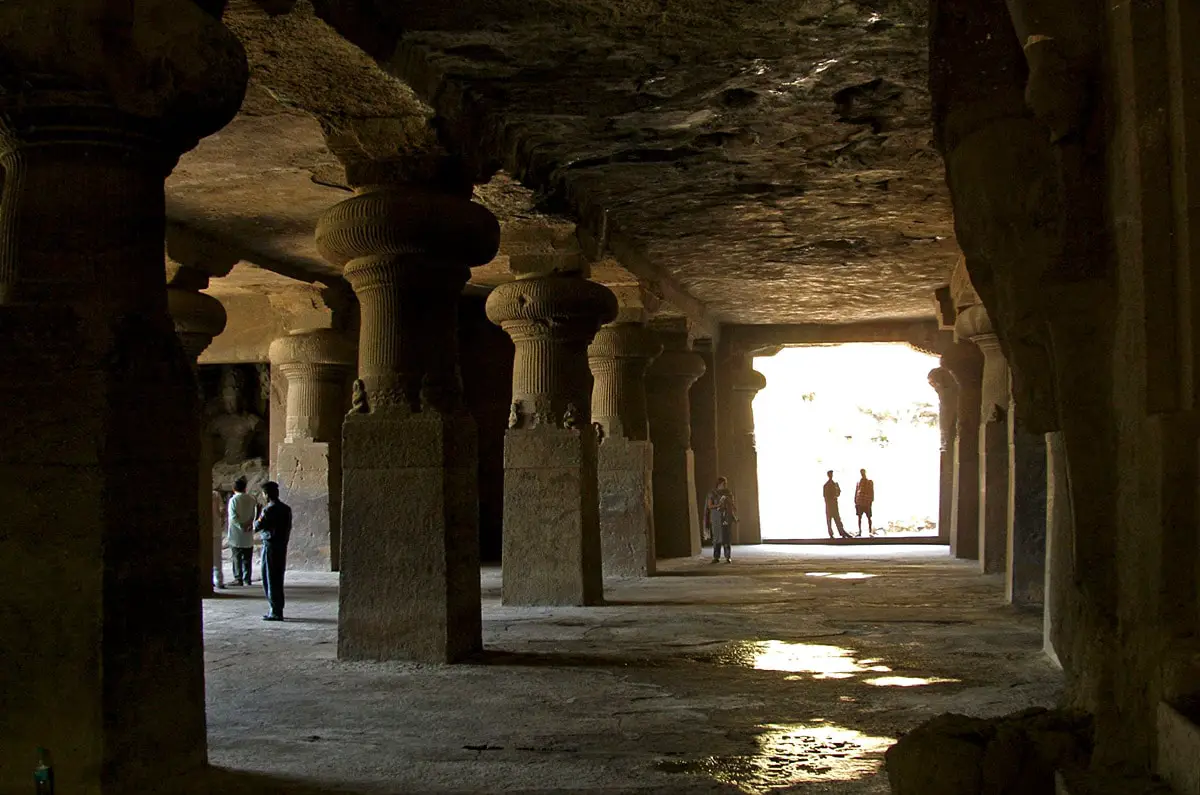
![]() | Elephanta Caves | Hindu shrines, Buddhist shrines, Rock-cut architecture |
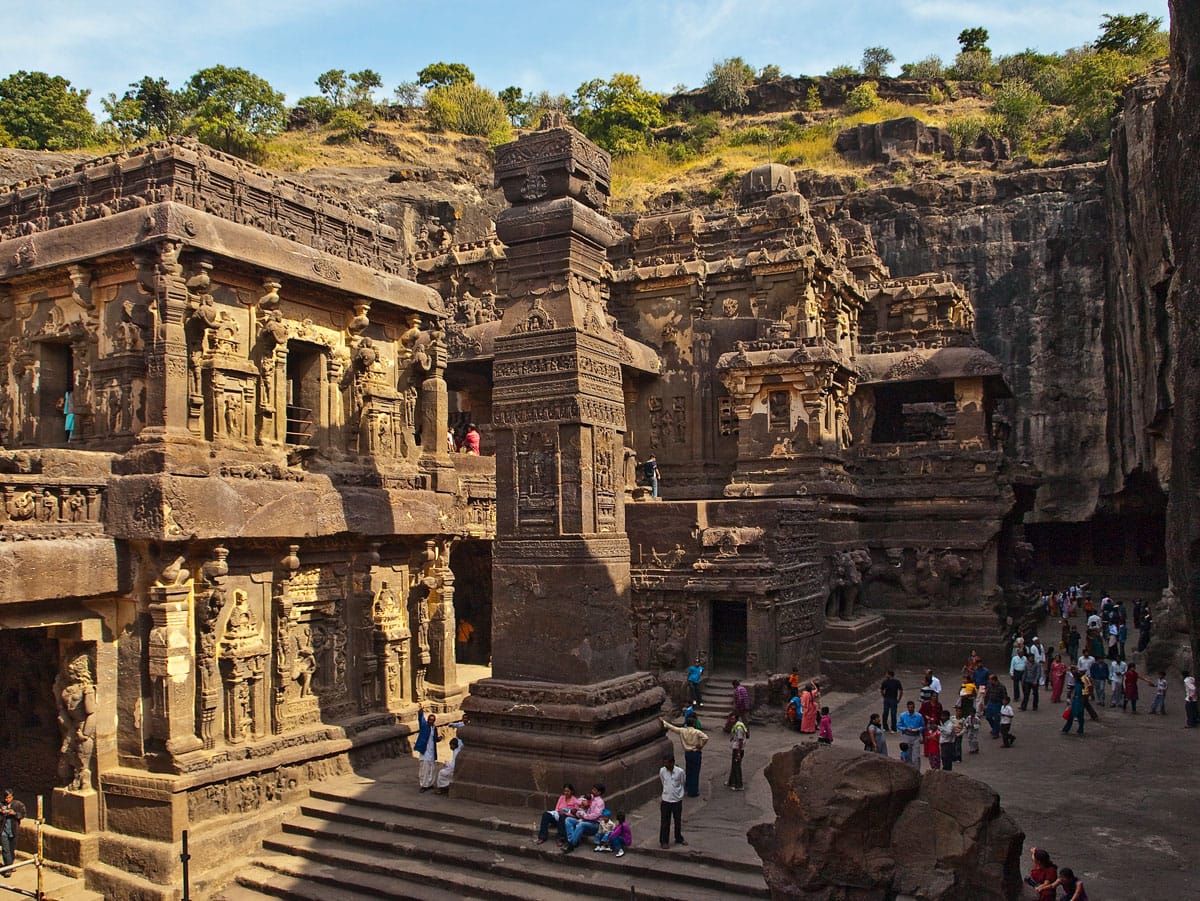
![]() | Ellora Caves, Kailasanatha Temple | Buddhist shrines, Hindu shrines, Jain shrines, Rock-cut architecture |
![]() | Gorakhgad Caves | Hindu shrines, Rock-cut architecture |
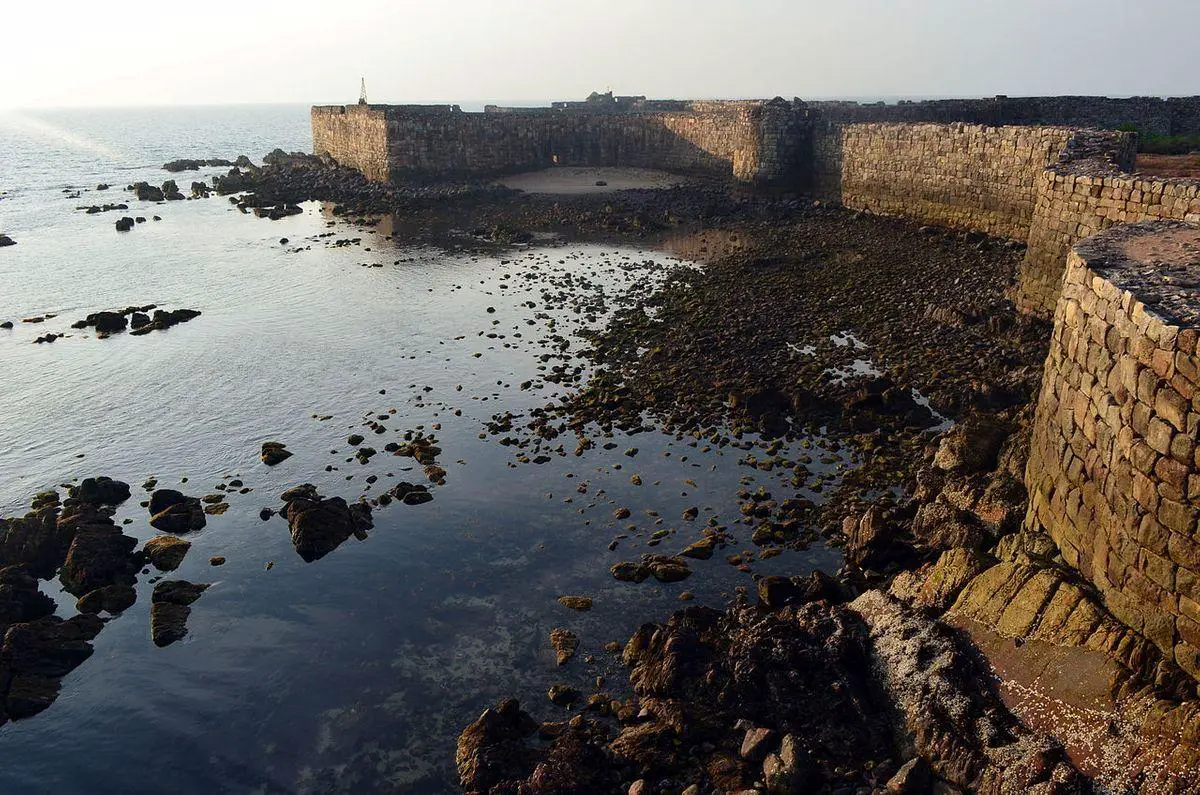
![]() | Gorakhgad hill fort | Fortifications |
![]() | Irshalgad "needle hole" | Natural arches |
![]() | Kanheri Caves | Buddhist shrines, Churches, Rock-cut architecture |
![]() | Karla Caves | Buddhist shrines, Rock-cut architecture |
![]() | Karsamble Caves | Buddhist shrines, Rock-cut architecture, Petroglyphs and rock art |
![]() | Kuda Caves | Buddhist shrines, Rock-cut architecture, Petroglyphs and rock art |
![]() | Lenyadri Caves, Junnar | Buddhist shrines, Hindu shrines, Rock-cut architecture, Petroglyphs and rock art |
![]() | Lonad Caves | Buddhist shrines, Hindu shrines, Rock-cut architecture |
![]() | Mahakali or Kondivita Caves | Buddhist shrines, Rock-cut architecture |
![]() | Manmod Caves, Junnar | Buddhist shrines, Jain shrines, Rock-cut architecture, Petroglyphs and rock art |
![]() | Pandav Leni Caves | Jain shrines, Buddhist shrines, Rock-cut architecture |
![]() | Panhale Kaji | Buddhist shrines, Hindu shrines, Rock-cut architecture |
![]() | Pitalkhora Caves | Buddhist shrines, Rock-cut architecture, Petroglyphs and rock art |
![]() | Shivneri Caves, Junnar | Buddhist shrines, Hindu shrines, Rock-cut architecture, Petroglyphs and rock art |
![]() | Thanale Caves | Buddhist shrines, Rock-cut architecture, Petroglyphs and rock art |
![]() | Tulja Lena, Junnar | Buddhist shrines, Hindu shrines, Rock-cut architecture, Petroglyphs and rock art |
| Manipur | ||
| Meghalaya | ||
![]() | Cherrapunji (Sohra) | Meteorological phenomena |
![]() | Mawjymbuin Cave | Caves, Hindu shrines |
![]() | Mawsmai Cave | Caves |
![]() | Mawsynram | Meteorological phenomena |
![]() | Nohkalikai Falls | Waterfalls |
| Mizoram | ||
| Nagaland | ||
| Orissa | ||
![]() | Buddhist temple of Aragada Hill | Buddhist shrines, Rock-cut architecture |
![]() | Ravan Chhaya rock shelter near Sitabinji | Petroglyphs and rock art, Hindu shrines, Caves |
![]() | Udayagiri Caves, Khandagiri Caves | Jain shrines, Hindu shrines, Rock-cut architecture |
| Punjab | ||
| Rajasthan | ||
| Sikkim | ||
| Tamil Nadu | ||
![]() | Adivaraha Cave Temple | Hindu shrines, Rock-cut architecture |
![]() | Armamalai Cave | Jain shrines, Caves, Petroglyphs and rock art |
![]() | Atiranachanda Mandapam | Hindu shrines, Rock-cut architecture |
![]() | Koneri Mandapam | Hindu shrines, Rock-cut architecture |
![]() | Krishna Mandapam | Hindu shrines, Rock-cut architecture |
![]() | Melakkoil - Kudumiyanmalai Cave Temple | Hindu shrines, Rock-cut architecture |
![]() | Lalitankura Pallavesvara Griham | Hindu shrines, Rock-cut architecture |
![]() | Mahishasura Mardini Cave | Hindu shrines, Rock-cut architecture |
![]() | Malayadipatti rock-cut Hindu temples | Hindu shrines, Rock-cut architecture, Petroglyphs and rock art |
![]() | Murugan Temple, Thiruparankundram | Hindu shrines, Rock-cut architecture |
![]() | Pancha Rathas, Mahabalipuram | Hindu shrines, Rock-cut architecture |
![]() | Ramanuja Mandapam | Hindu shrines, Rock-cut architecture |
![]() | Sittanavasal Cave and Eladipattam | Jain shrines, Rock-cut architecture, Caves, Petroglyphs and rock art |
![]() | Thirunadhikkara Cave Temple | Jain shrines, Hindu shrines, Rock-cut architecture |
![]() | Varaha Cave Temple | Hindu shrines, Rock-cut architecture |
![]() | Yali Mandapam - Tiger Cave | Other architecture monuments, Other archaeological monuments, Rock-cut architecture |
| Tripura | ||
| Uttar Pradesh | ||
| Uttarakhand | ||
![]() | Roopkund - Skeleton Lake | Meteorological phenomena, Site of legends |
| West Bengal | ||
Union Territories
| Andaman and Nicobar Islands | ||
| Chandigarh | ||
| Dadra and Nagar Haveli | ||
| Daman and Diu | ||
| Lakshadweep | ||
| National Capital Territory of Delhi | ||
| Puducherry | ||
India - interactive overview map
Wikipedia article about India
Main attractions
Contents
India is seventh largest country of world by area, and, naturally such a large area contains huge amount of exciting attractions.
Sanchi.
Raveesh Vyas, Flickr / CC BY-SA 2.0
India is characterised by somewhat less surprising nature heritage if compared with similar sized areas elsewhere in the world, but the country is incomparable regarding the amount of historical architecture monuments. Wondermondo considers that India is the second richest centre of architectural heritage in the world after Europe and may be no single country of the world can match it in this respect.
Country has very rich archaeological heritage as well. Border between archaeology and contemporary architecture is thin in India - often abandoned structures are brought in order and used again for primary purposes, especially ancient temples.
Culture monuments
India is extremely rich with impressive, ornate and unusual architectural attractions. Long history of diverse smaller states which comprise contemporary India has created numerous unique architecture styles and such unique structures as stepwells, hemispheric stupas or bridges from living roots of trees.
Archaeological heritage in India also is very rich - in the area of India there was located part of the ancient Harappan civilisation, here are located interesting prehistoric megalithic monuments, well represented ancient rock art. There are also several once beautiful, abandoned cities.
Religious architecture
The temple architecture in India is unsurpassed in many respects and it is hard to select a smaller group of the "best" religious architecture to be listed here. For sure something beautiful and unique is omitted in the list below.
Cave temples
One of the unique specialities of India are extremely ornate temples hewn into monolithic stone. Few cultures of the world have managed to create similar monuments and none else has created cave temples in such number and of such complexity. Below are listed some of the best known ones, but there are a lot more.
- Ajanta Caves - Maharashtra. Exceptional monument of archaeology and art - group of caves hewn in rock, for most part in 2nd century BC. Caves contain elaborate carvings and frescoes, often are reinforced by massive stone columns left from original rock.
- Badami Cave Temples - Karnataka. Cave temples have been created in 6th - 8th centuries AD at the former capital of Chalukyas. Located in impressive ravine these four caves contain exquisite sculptures and carvings.
-
Barabar Caves - Bihar. Oldest rock-cut cave temples in India, hewn mostly in 3rd century BC. Caves are made in granite, with polished walls.
Kailasanatha.
Kunal Mukherjee, Flickr / CC BY-SA 2.0 - Elephanta Caves - located on island in Mumbai Harbour, Maharashtra. Group of five Hindu and two Buddhist rock cut caves. Caves have been made mainly in 5 - 8th centuries AD. Caves contain ornate sculptural groups.
- Ellora Caves - Maharashtra. One of the most impressive rock-cut architectural monuments in the world, built between 550 - 1000 AD. 34 caves contain Buddhist, Hindu and Jain sanctuaries. Includes Kailasanatha (Kailash Temple) - possibly the most splendid rock-cut cave in world.
- Karla Caves and Bhaja Caves - Maharashtra. Group of impressive, ornate rock-hewn caves, built in 2nd century BC - 3rd century AD.
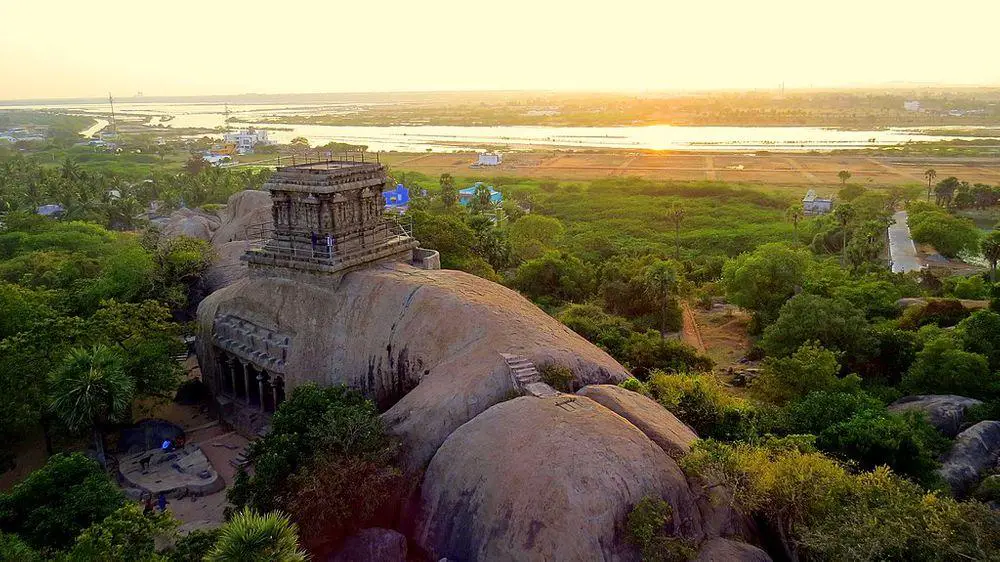
- Mahabalipuram temples - Tamil Nadu. Group of impressive, rock-cut temples built in 7th - 9th centuries in historical port city by Pallava dynasty. Beautiful, ornate temples. Part of monuments now are located under the sea level.
South Indian Hindu temples
South Indian Hindu temples are some of the most ornate and grandiose buildings in world.
- Airavatesvara temple - Tamil Nadu. Beautiful temple from 12th century - although comparatively small but contains extremely sophisticated sculptures.
- Arunachaleswara temple (Annamalaiyar temple) - Tamil Nadu. One of the largest temple complexes in India, devoted to Shiva and associated with fire. Temple here exists at least 2000 years, current one built in circa 4th century. Four very impressive gopurams - gate towers.
Sri Meenakshi Temple - gopuram.
Bryce Edwards, Flickr / CC BY 2.0 - Chidambaram temple - Tamil Nadu. One of the holiest Shiva temples, representing akasha - aether. Ancient temple, it is known that it has been renovated in 5th century and also circa 1213.
- Gangaikonda Brihadeeswarar temple - Tamil Nadu. The only remaining and usable structure in past capital of powerful Cholas. Ornate temple contains some of the most beautiful sculptures in South india.
- Sri Meenakshi Amman temple - Tamil Nadu. Important temple, dedicated to god Shiva, built in 1600 AD, temple here first mentioned in 7th century. One of most ornate Hindu temple complexes, includes 14 beautiful and colourful gopurams - ornate towers up to 51.9 metres high.
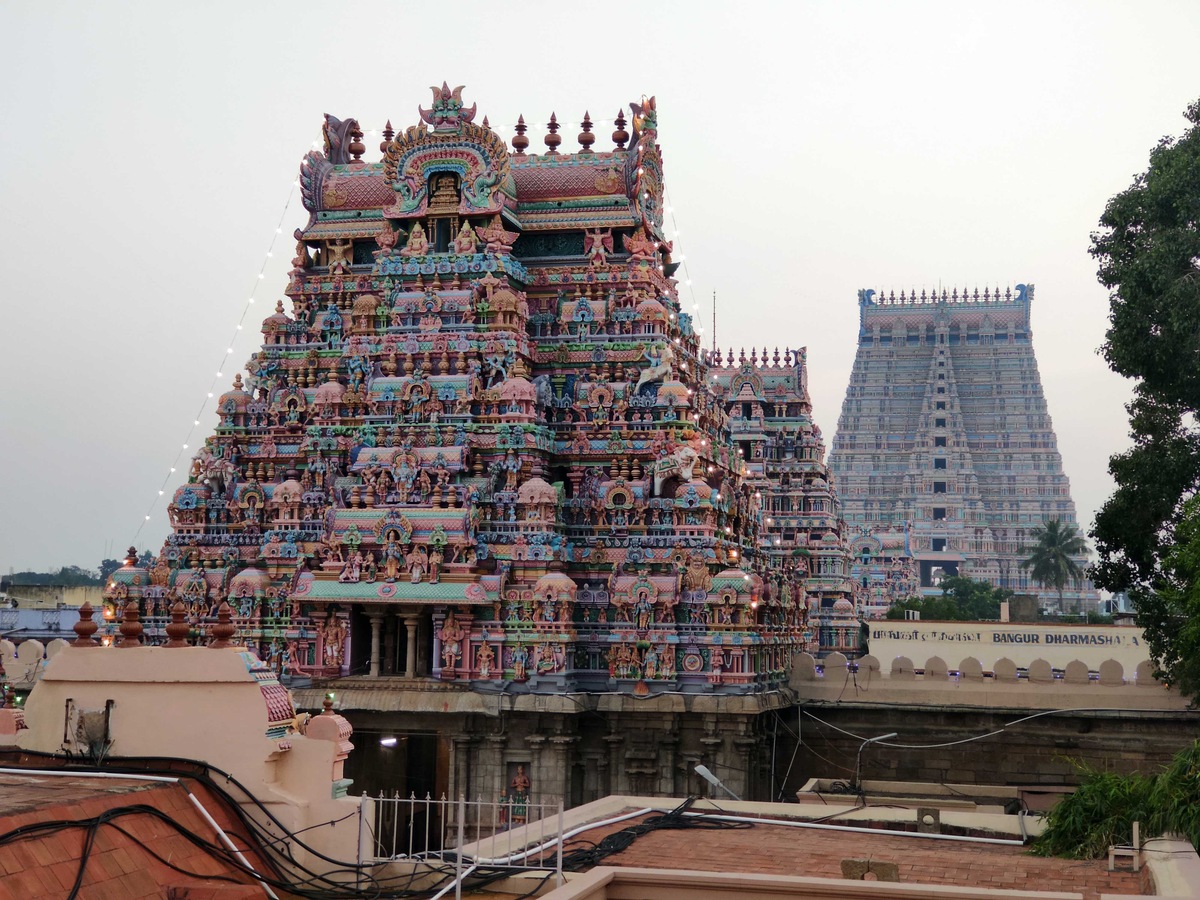
- Sri Ranganathaswamy temple - Tamil Nadu. One of largest and most grandiose religious complexes in world, largest in India, covers 63 hectares. Includes 72 metres high gopuram - ornate tower.
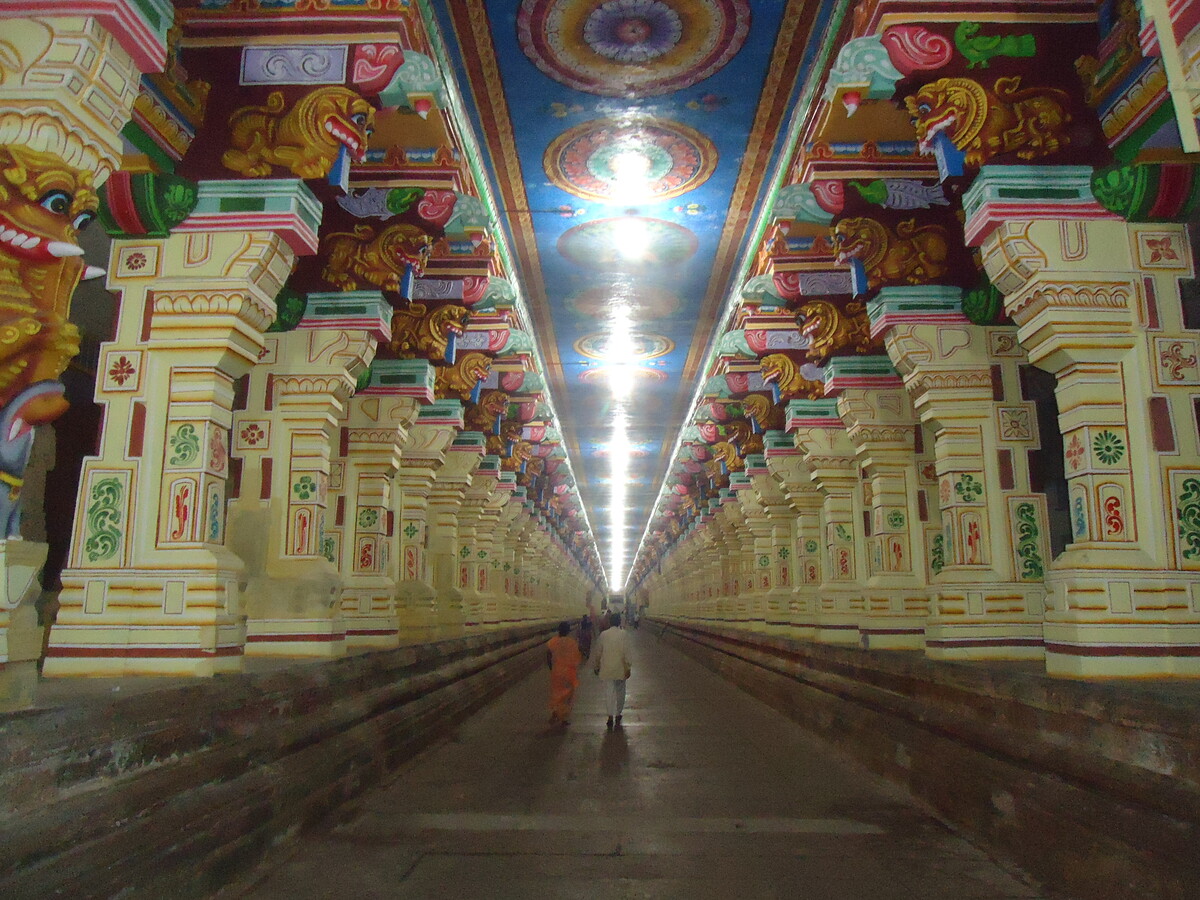
- Rameswaram temple complex - Tamil Nadu. One of important pilgrimage sites, oldest buildings from 12th century. Contains a group of temples in rich Southern Indian style, including 1,219 metres long pillared corridor.
-
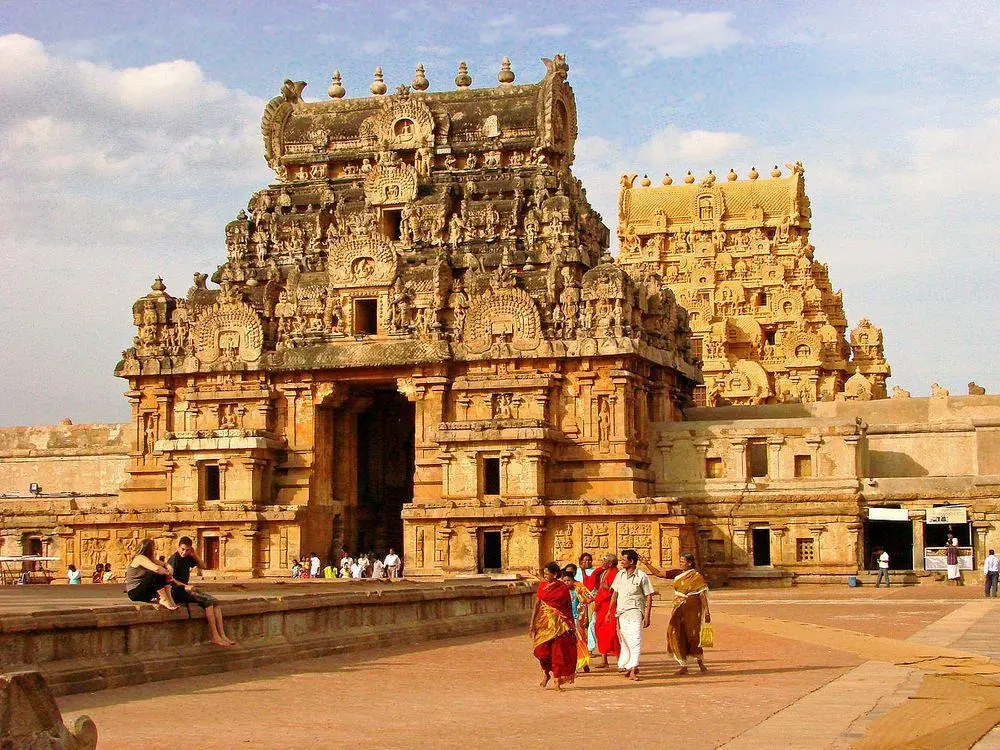
Thanjavur Brihadeeswarar temple (Brihadishwara Temple, Brihadisvara Temple) - Tamil Nadu. One of most beautiful temples with 70 metres high tower. Built in 11th century, made of granite and is considered to be one of highest achievements of Indian art and architecture.
Tirumala Venkateswara Temple, Andhra Pradesh. Raj srikanth800, Wikimedia Commons, GNU FDL
- Tirumala Venkateswara temple - Andhra Pradesh. One of most important Hindu temple complexes, founded in 4h century (?). Most visited religious site in India, with circa 6000 people as temple staff. Incredibly rich decorated temple complex behind wall.
- Virupaksha temple - Hampi, Karnataka. First mentioned in 7th century and in intense use since then, current buildings mainly from 12th century. One of most sacred Shiva temples, beutiful details.
Other Hindu temples and Jain temples
Hindu and Jain religions have evolved from the same roots and share many similarities. Also the architecture of both religions bears many similarities and is recognised by extremely rich decorations, especially stone carving.
- Badrinath temple - Uttarakhand. One of holiest Hindu shrines, devoted to god Vishnu. Built in 9th century AD. Ornate, brightly painted shrine with hot sulphur springs below it.
- Bawangaja - Madhya Pradesh. Famous Jainist pilgrimage site, renowned due to 26 metres high statue, which, most likely has been carved out in cliff in early 12th century.
- Chennakesava temple - Mysore. One of the most impressive and ornate examples of Hoysala style in architecture, built in 1268. Building is covered with seemingly countless sculptures.
- Dilwara temples - Rajasthan. Five beautiful Jain temples built in 11th - 13th centuries, renovned due to skillful use of marble in design and intricate stone carvings.
- Doddabasappa temple - Dambal, Karnataka. Extremely ornate Hindu temple, shaped in plan as 24-pointed star. Built in 12th century.
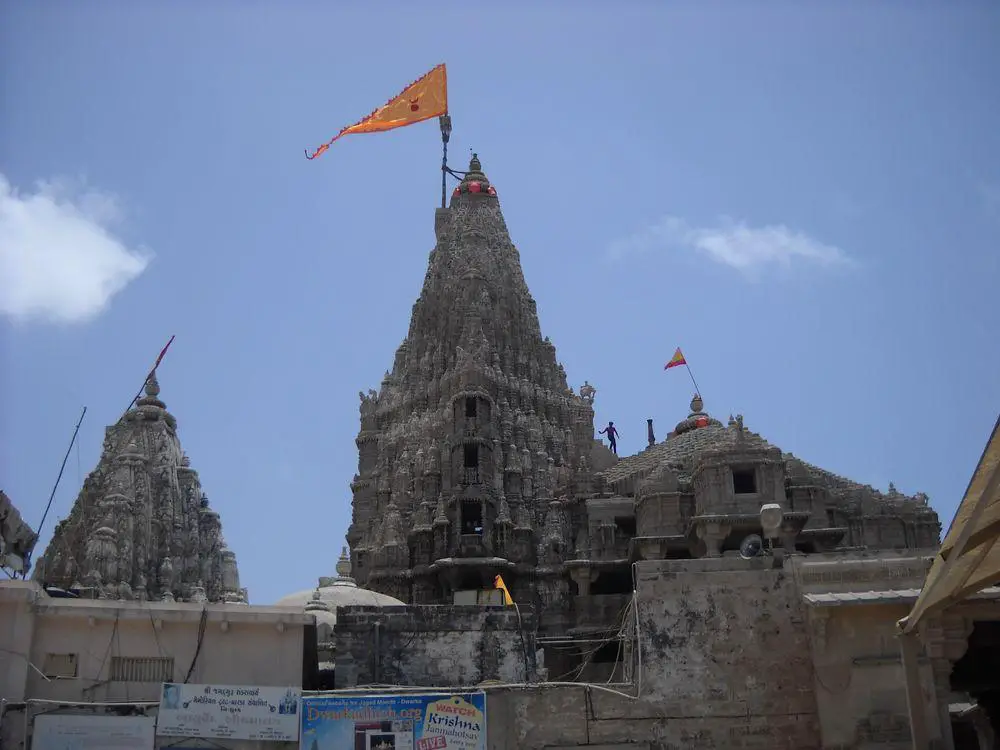
- Dwarakadheesh temple (Dwarkadhish temple) - Gujarat. One of main Krishna's temples, according to legend existing here since around 400 BC. Current temple built in 16th century, 51,8 metres high and very ornate.
- Hastinapur Jainist temples - Uttar Pradesh. One of most exquisite groups of Jainist temples.
- Jagannath temple in Puri - Orissa. One of most important Hindu temple complexes, built in 11th century. Fortified, contains 120 temples and shrines, most of them - magnificent and very diverse buildings.
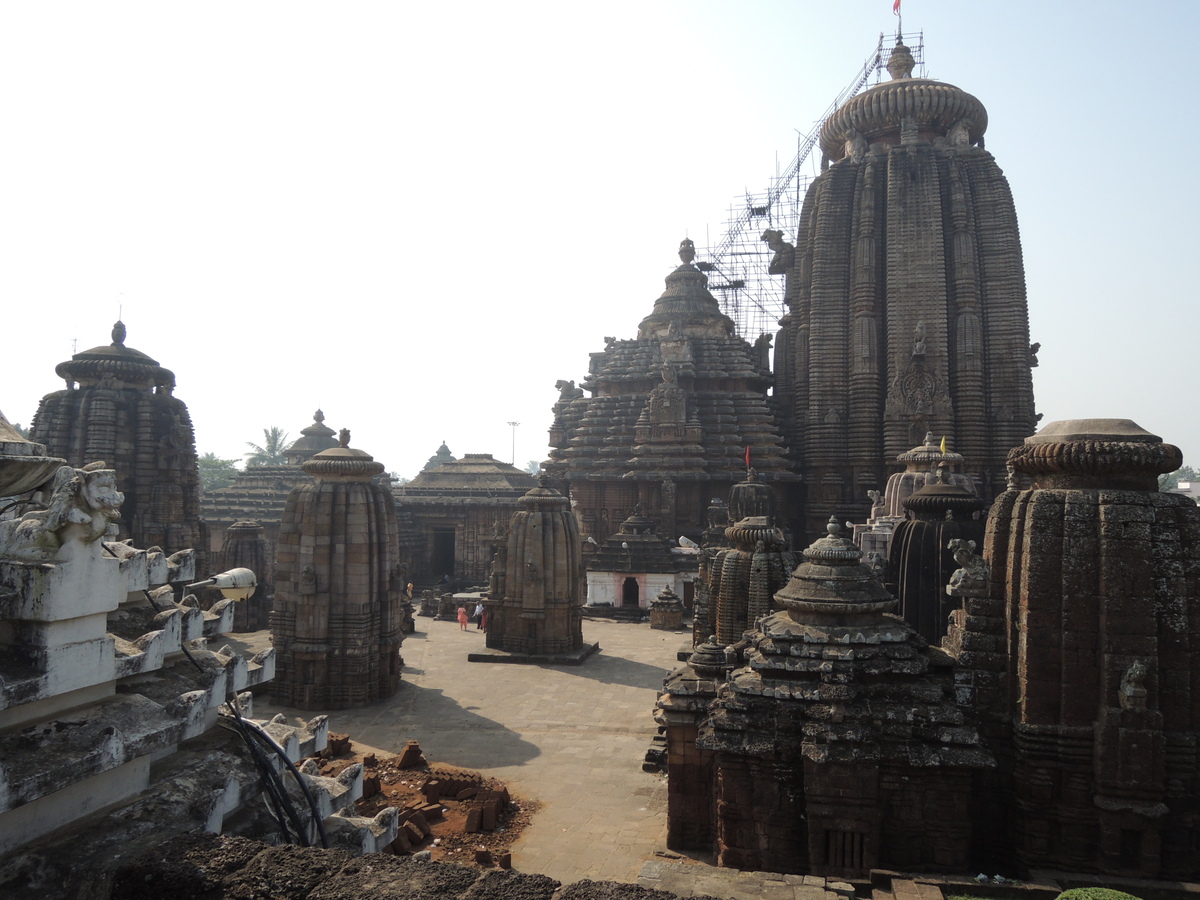
- Kasivisvesvara temple - Karnataka. Hindu temple built in 11th - 12th centuries, one of the most ornate historical temples in region.
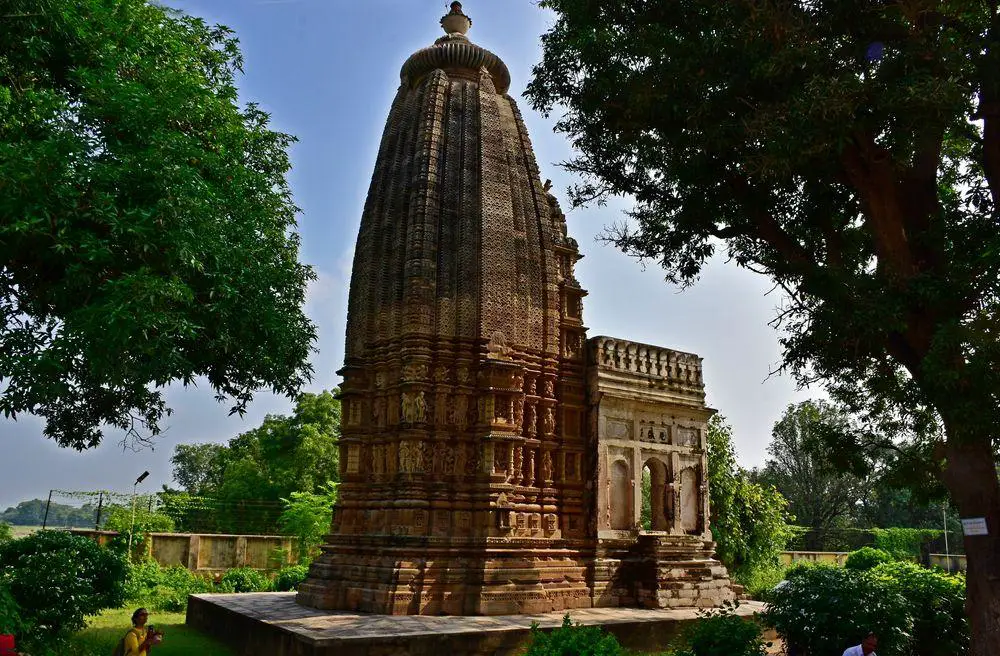
- Khajuraho temples - Madhya Pradesh. Group of very ornate Hindu and Jain temples built in 950 - 1150 AD. Originally 80 temples, now remain 25 spread over an area of 20 km2. Temples are world famous due to large amount of erotic sculptures.
Ranakpur Temple.
mckaysavage, Flickr / CC BY 2.0 - Konark Sun temple - Orissa. Abandoned temple, one of the most renowned buildings in India. Built in 13th century. Design in plan is similar to chariot, whole sandstone structure is richly decorated.
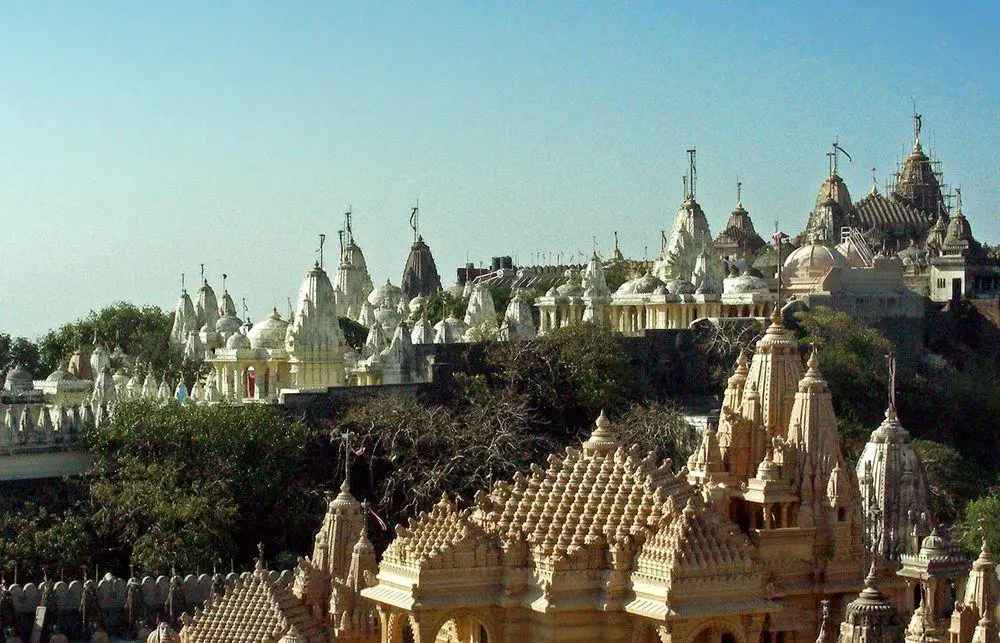
- Palitana temples - Gujarat. Religious Jain city, major centre of pilgrimage, more than 1300 temples.
- Temples of Pattadakal - Karnataka. Group of beautiful 7th - 8th century buildings, mainly Hindu and Jain temples.
- Ranakpur temple - Rajasthan. Beautiful white marble Jain temple from late 14th - middle 15th centuries. Contains over 1444 beautifully carved pillars, each with its own design.
- Shri Sammet Shikharji (Parasnath Hill) - Jharkhand. One of main pilgrimage destinations for Jains, hilly location once surrounded by primeval forests. Temple buildings at least since 1765 AD, but most likely considerably older.
- Trikuteshwara temples - Karnataka. Complex of extremely ornate temples from 11th - 12th centuries, mostly devoted to Shiva.
- Vaishno Devi - Jammu and Kashmir. One of most revered sites in Hinduism devoted to goddess Shakti. Visited by million pilgrims each year.
Buddhist sites
Buddhism originated in India and thus here are many of the most important Buddhist sites.
- Dhankar Gompa - Himachal Pradesh. Located in dramatic setting, it is on top of 300 metre high cliff. It was founded between 7th - 9th centuries.
- Kesaria Stupa - Bihar. Once the largest and tallest Buddhist Stupa in the world. Currently 32 meters high, but once was 46 meters high.
- Key Gompa (Ki Gompa) - Himachal Pradesh. Possibly founded in the middle of the 11th century the monastery buildings cover a steep hill, thus creating a very picturesque monument of urban design. It contains important works of art.
- Kushinagar - Uttar Pradesh. This is one of the most important Buddhist sites, it is here that Gautama Buddha died. It consists of numerous monuments, including Makutabandhana hill, the site of Buddha's cremation.
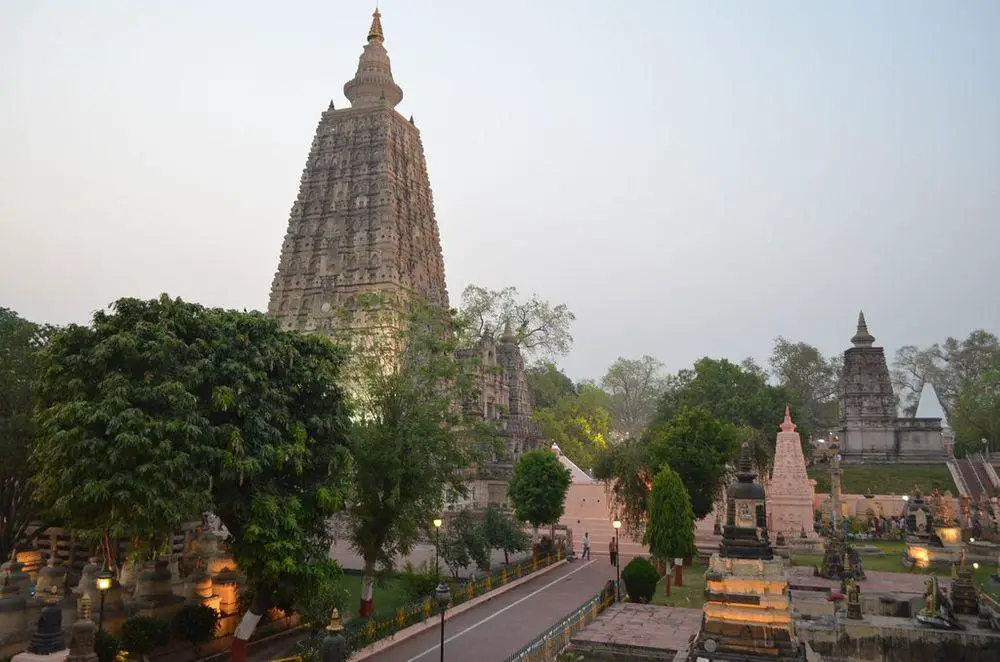
- Mahabodhi Temple - Bihar. One of holiest sites for Buddhism, it is the location where Buddha attained enlightement. Its main element is a 55 metres high, richly decorated tower built in the 5th - 6th centuries and heavily restored in 1880ies.
- Phugtal Monastery - Himachal Pradesh. Founded in early 12th century. It is located in unique, dramatic location, on a steep cliffside below the entrance to an enormous cave.
- Sanchi - Madhya Pradesh. An important Buddhist pilgrimage site with some 50 buildings from 3rd - 12th centuries. It is an enormous hemispheric stupa from 3rd century.
- Sarnath - Uttar Pradesh. One of holiest sites for Buddhism, it is here that Buddha gave his first sermon. It contains numerous ancient and contemporary monasteries and temples, including Dhamek Stupa (500 AD), Chaukandi Stupa (4th - 6th centuries) and others.
- Tabo Monastery - Himachal Pradesh. An important Tibetan monastery, it was established in 996 AD. It is fortified with a large wall that encloses a large group of buildings and is an important centre of knowledge with a significant collection of writings and artworks.
- Thikse gompa - Jammu and Kashmir. This is an impressive 12-floor monastery from middle of 15th century.
Other sites of religious architecture
- Charminar - Hyderabad, Andhra Pradesh. Impressive, ornate mosque and monument, built in 1591.
Lotus Temple, Delhi.
startracker, Flickr / CC BY-SA 2.0 - Jama Mosque - Delhi. Largest and best known mosque in India, built in 1656.
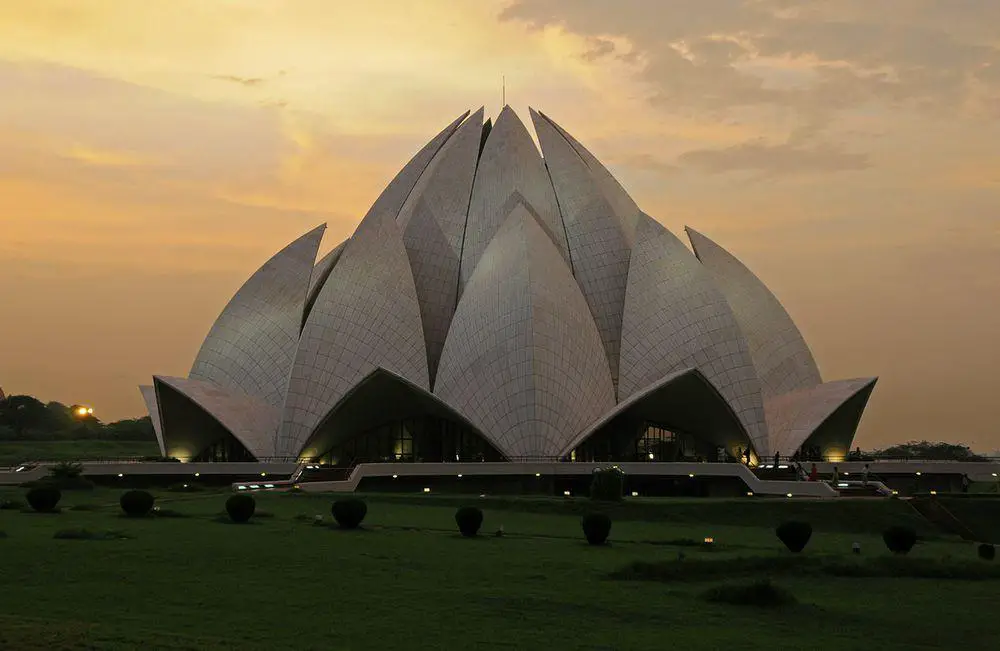
- Lotus Temple - Delhi. Flowerlike Bahá'í temple building, built in 1986.
- Udvada Atash Behram - Gujarat. Oldest functioning Zoroastrian place of worship, consecrated in 1742. Sacred fire was brought from Persia.
Fortifications
Divided in smaller states and surrounded by other powerful cultures people of India often were involved in warfare. One result of this is construction of diverse fortification structures. Nowadays there can be admired both barely visible ancient fortifications, contemporary cities with grand walls and fortifications on hilltops and islands.
- Agra Fort (Red Fort of Agra) - Agra, Uttar Pradesh. The most important walled royal city in the area of India. Here have resided many Mughals. Fort contained state treasury. Last major reconstruction took part in 1573, then the external surfaces were covered with red sandstone.
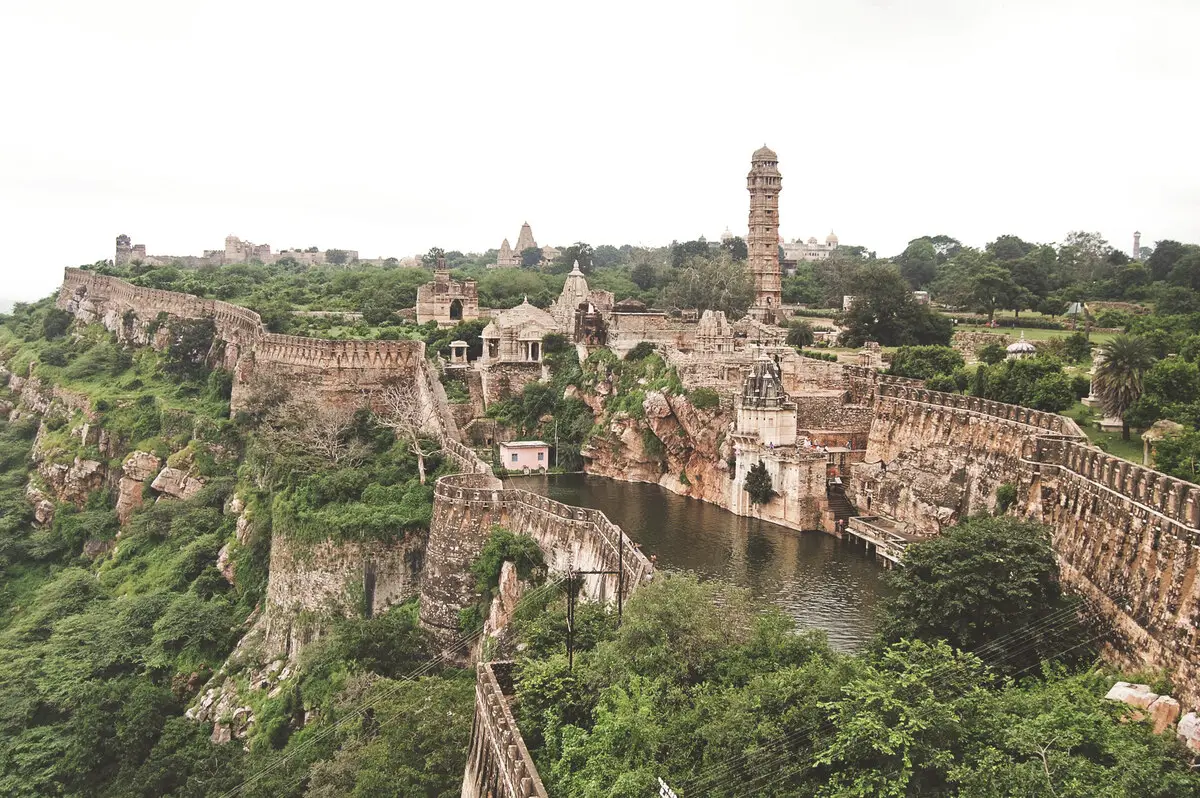
- Chittorgarh Fort - Rajasthan. Ancient fortifications, 13 km long walls in dramatic setting, enclosing 280 ha large area. Built in 7th century AD.
- Golkonda - Andhra Pradesh. Ancient fortified capital of Golkonda in 1364 - 1512, world-renowned centre of diamond trade. Four forts with 10 km long outer wall.
- Mehrangarh Fort - Jodhpur, Rajasthan. One of the most impressive forts in India, towering above the city on 122 metres high hill. Includes several palaces. Construction started in 1459.
- Qila Mubarak - Bathinda, Punjab. Most ancient fortification in India, at least 1900 years old, but contains elements even from Harappa period.
- Red Fort, Delhi - Delhi. Enormous fort, built in 17th century. Contains important monuments of architecture.
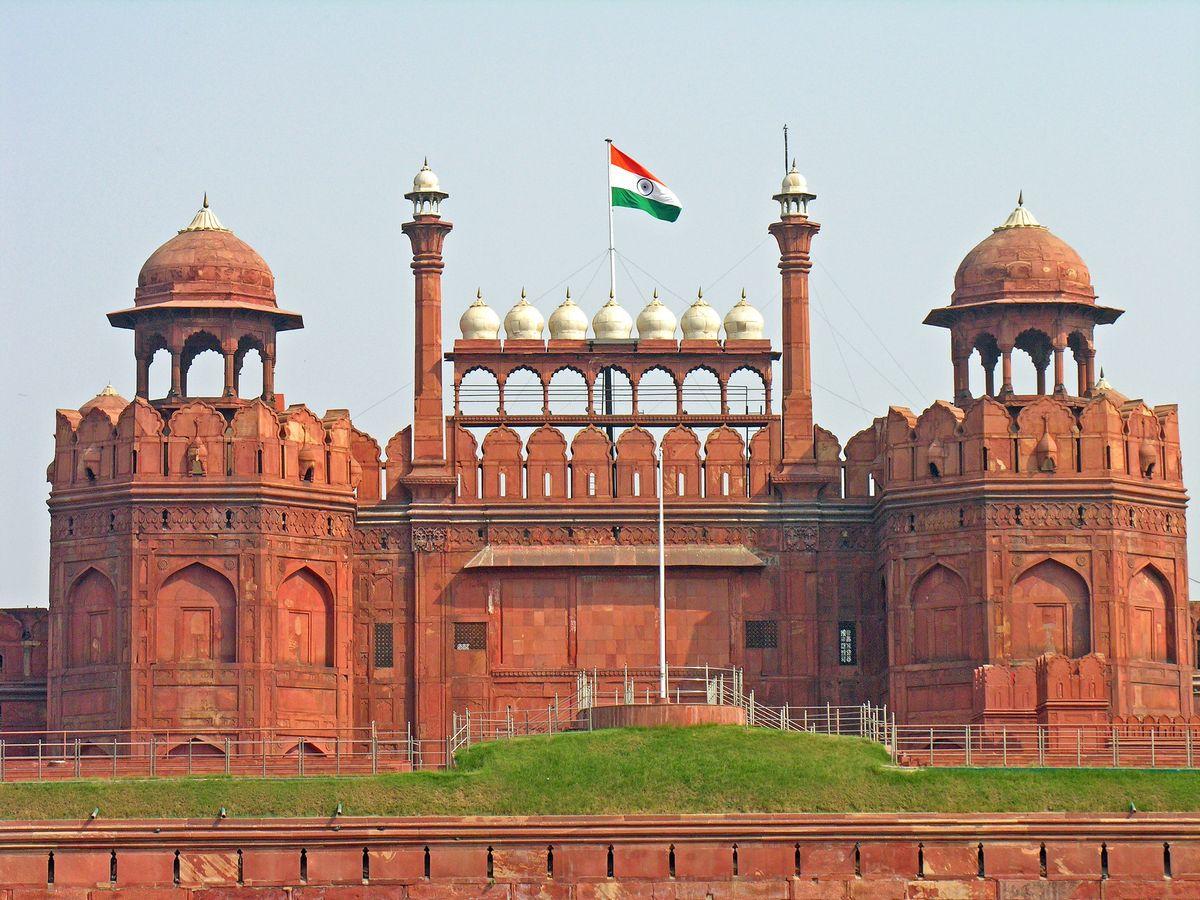
- Rohtasgarh Fort - Bihar. Ancient, enormous fort built on plateau with steep sides.
Rock art
Wondermondo offers:
10 most amazing ancient rock cut structures in India
Ancient and medieval Indian cave paintings - Internet encyclopedia
Rock art in India is diverse and is represented by very ancient carved symbols, ancient undeciphered signs, cliff paintings of diverse ages.
-
Bhimbetka rock shelters - Madhya Pradesh. Group of caves containing rich collection of cave art, up to 9,000 years old. Some of caves have been inhabited for more than 100,000 years.
Cave art in Bhimbetka caves.
Raveesh Vyas, Flickr / CC BY-SA 2.0 - Edakkal Caves - Kerala. Caves with unusual archaeological monuments: 6 - 8 thousand years old petroglyphs which resemble ancient writing.
- Kupgal petroglyphs - Karnataka. Huge amount of Neolithic petroglyphs in unusual locations - peculiar rock formations with deep depressions. Many petroglyphs depict cattle, also people herding animals. Some of the depressions make loud sound similar to gong, when struck with boulders - this effect could be used in rituals.
- Thovarimala Ezhuthupara - Kerala. Cave with prehistoric (circa 8,000 BC) pictorial writings.
Megaliths
- Brahmagiri megaliths - Karnataka. 180 metres high granite outcrop with numerous megalithic structures. Settled at least since 2nd millenium BC. Ancient cemetery with 300 stone cists, painted pottery. Stones with later inscriptions - Ashokan edicts.
- Morernani Dolmens - near Hampi, Karnataka. Group of approximately 100 impressive dolmens with round entrances.
- Morelapara Dolmens - Tamil Nadu. Group of some 200 dolmens, some contain petroglyphs, also menhirs up to 4 meters tall.
Ancient and abandoned cities
-
Dholavira - Gujarat. One of important sites of Harappan civilisation, occupied from 2650 BC to 2100 BC.
Fatehpur Sikri, Diwan-i-Khas.
Bruno Girin, Flickr / CC BY-SA 2.0 - Lothal - Gujarat. One of most important cities of the ancient Indus valley civilisation. Built circa 2400 BC as trading city with its dock - the oldest known in the world. Numerous discoveries of world importance have been made here including the oldest known realistic sculptures in world. Novadays remain lover parts of buildings.
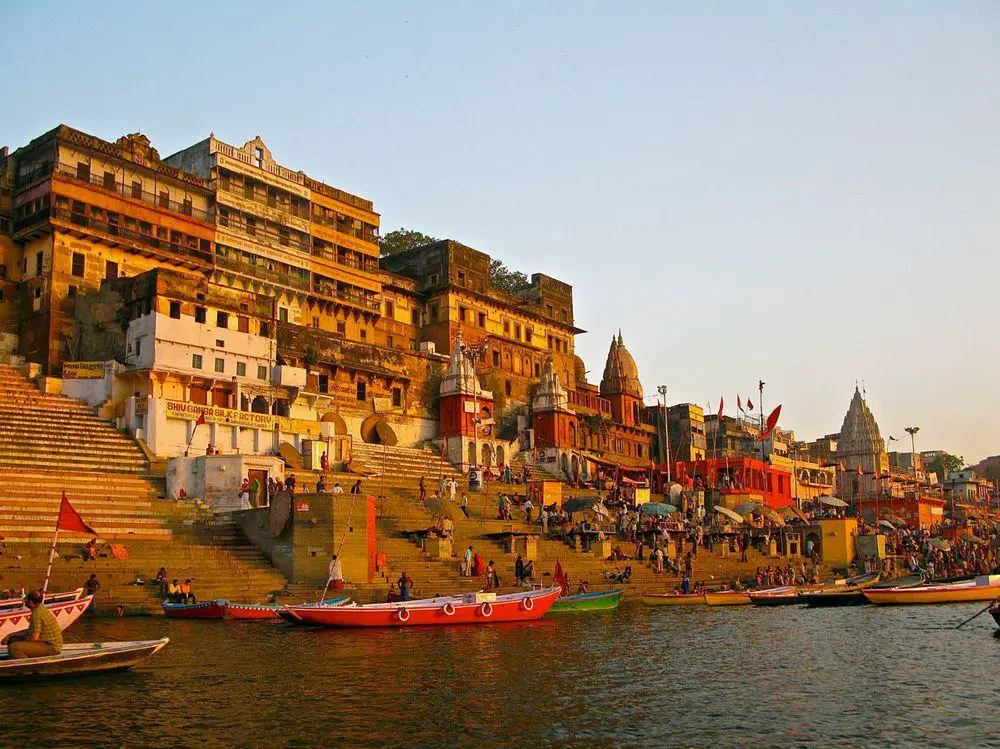
- Varanasi - Uttar Pradesh. Ancient holy city of Buddhists, Hindu and Jains, with approximate 3000 years age one of the oldest inhabited cities of the world. Contains huge amnount of valuable monuments of architecture and history, location of living unique traditions.
- Vaishali - Bihar. Former capital city of Licchavi, flourished starting from 6th century BC. Once prosperous capital of one of the first known democracies in the history of the world. Several important monuments exist up to this day including Ananda Stupa and Asokan pillar.
- Nalanda - Bihar. Remnants of ancient university city. Buddhist learning centre in 427 - 1197 AD. Most prominent remnant is the pyramid shaped Sariputta Stupa.
- Vijayanagara - northern Karnataka. Former enormous capital city of Vijayanagara Empire, flourished in 14th - 16th centuries. Now ruins extend over an area of 40 km2. Contains unique and highly original architecture.
- Fatehpur Sikri - Uttar Pradesh. Short-lasting capital city, built in 1570, abandoned in 1585 due to the lack of water. Complex of buildings preserved up to this day in unchanged condition, contains numerous valuable monuments of architecture.
Mausoleums
Mighty governors of Indian states have left some of the most magnificent and exquisite mausoleums in world including one of the best known buildings in the world - Taj Mahal.
- Tomb of Salim Chishti - Uttar Pradesh. Tomb of Sufi saint, beautiful mausoleum constructed in 1580 - 1581.
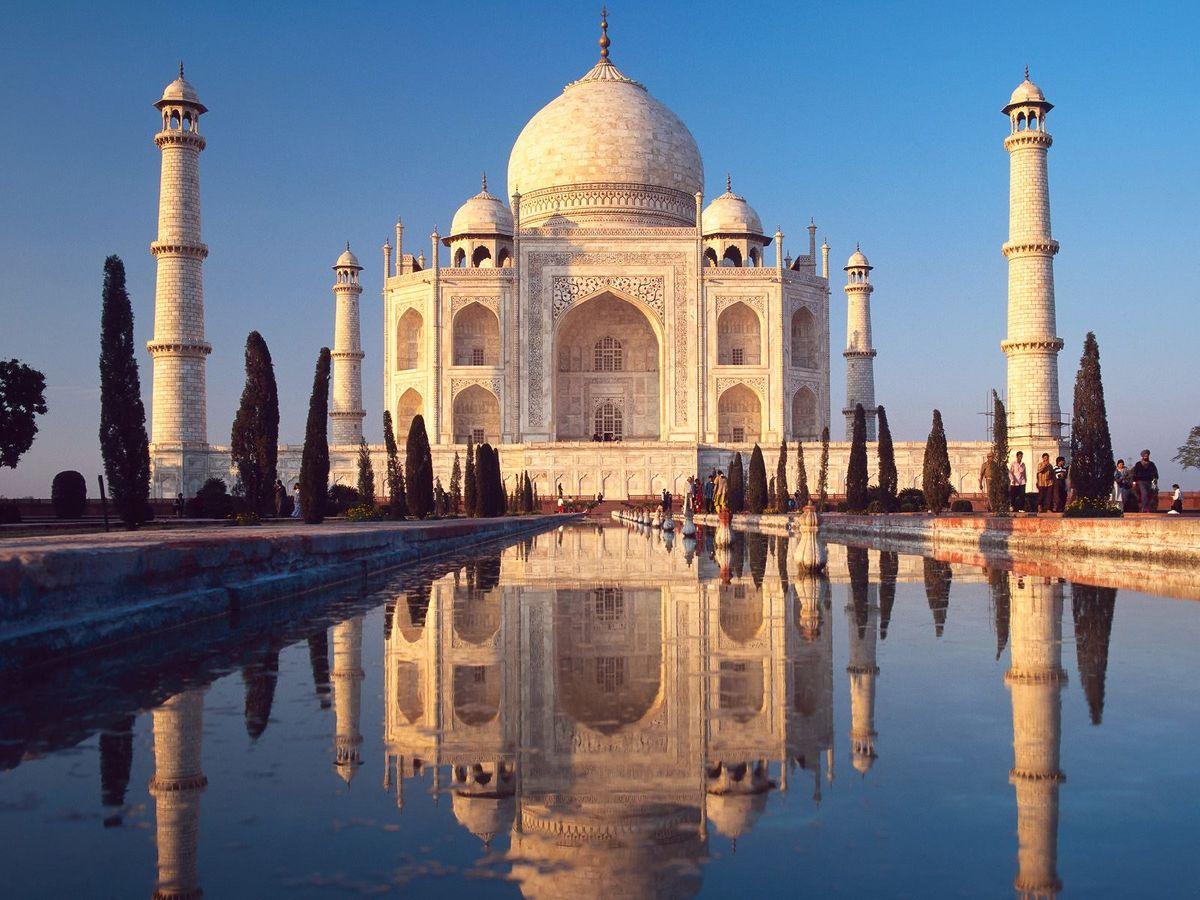
- Taj Mahal - Agra, Uttar Pradesh. Mausoleum, built in 1648 by Mughal Emperor Shah Jahan. One of the most iconic monuments of architecture in world, unites elements of Islamic, Persian and Indian architecture.
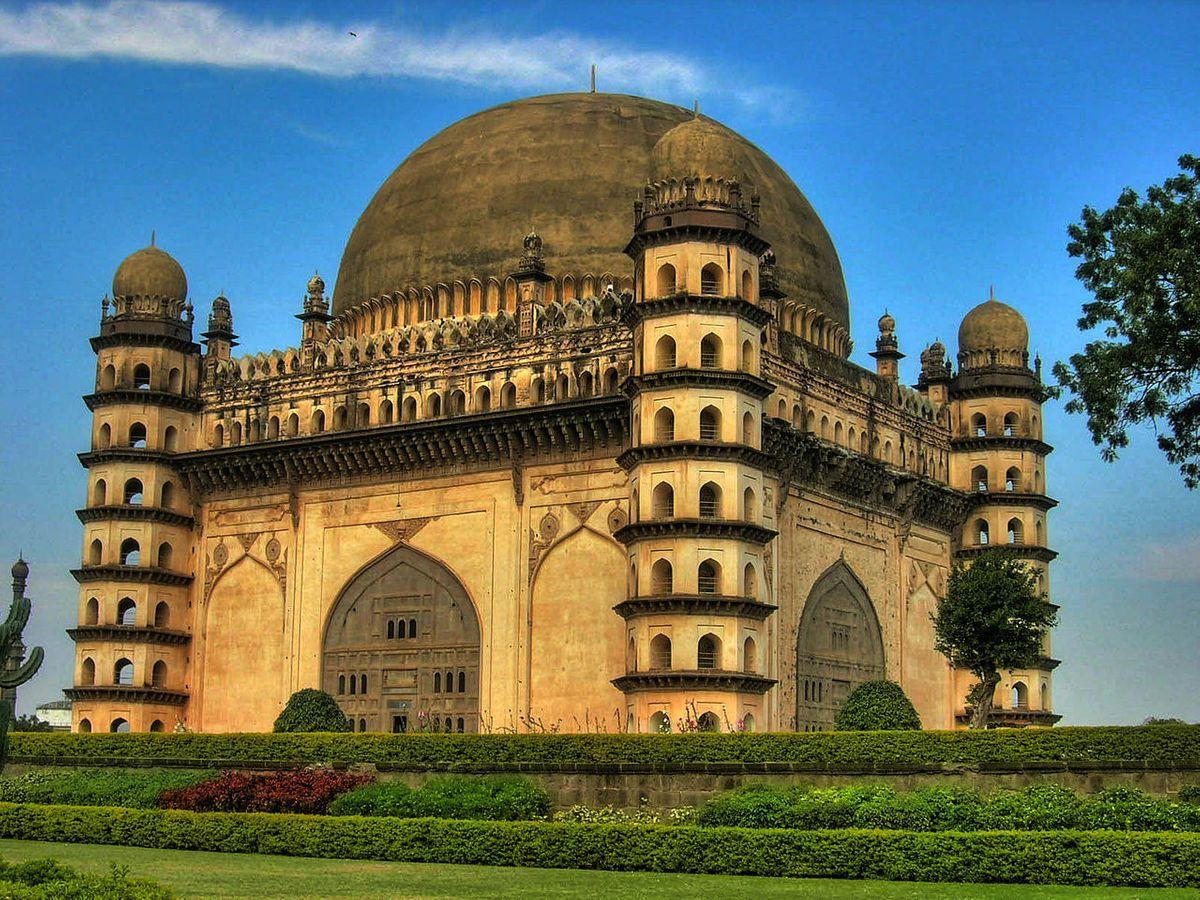
- Gol Gumbaz - Bijapur, Karnataka. Mausoleum of Mohammed Adil Shah, built in 1659. One of the largest domed structures in the world, visually very impressive building.
- Humayun's Tomb - Delhi. Beautiful mausoleum of Mughal Emperor Humayun, built in 1562.
Industrial architecture
-
Grand Anicut - Tamil Nadu. Ancient 329 metres long dam on Kaveri River, built circa 2 century BC and still in use.
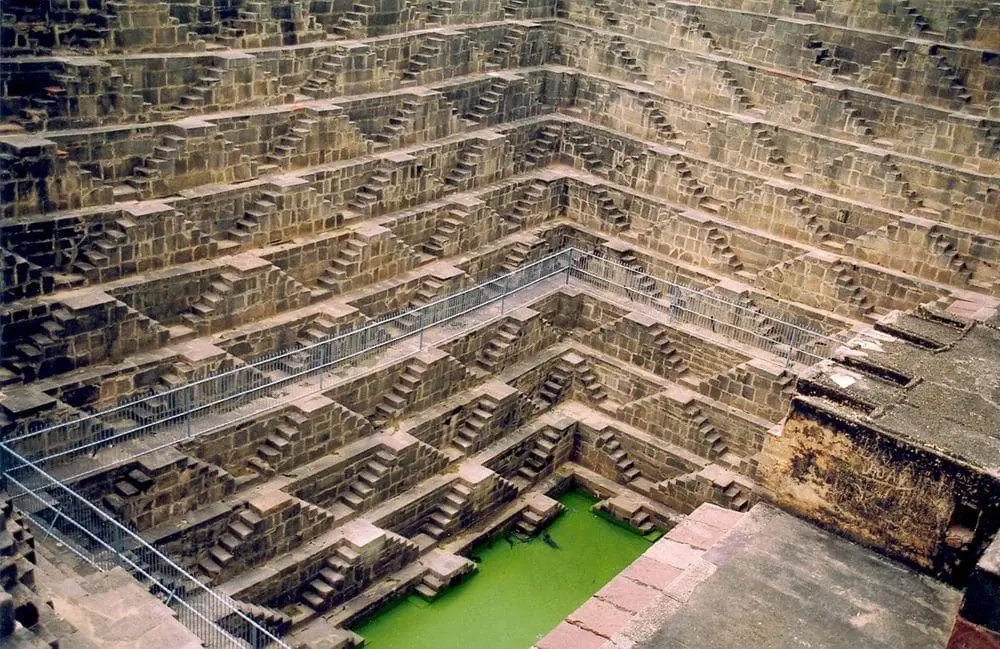
Chand Baori - stepwell.
Wikimedia Commons, user Doron / CC BY-SA 3.0 - Chand Baori - near Jaipur, Rajasthan. One of the most impressive stepwells in India. Built in 9th century, 13 stories deep.
- Living Root Bridges of Cherapunji - Meghalaya. Bridges which are not built but grown of the roots of Ficus elastica trees. Living bridge over the time gets additional supports from secondary roots. Especially interesting is so called Umshiang Double-Decker Root Bridge - here in deep valley there are grown two bridges one above the other.
- Nilgiri Mountain Railway - Tamil Nadu. Unique rack railway, 41.8 km long line, rising approximately 2,200 m, built in 1908. Preserved in its historical state.
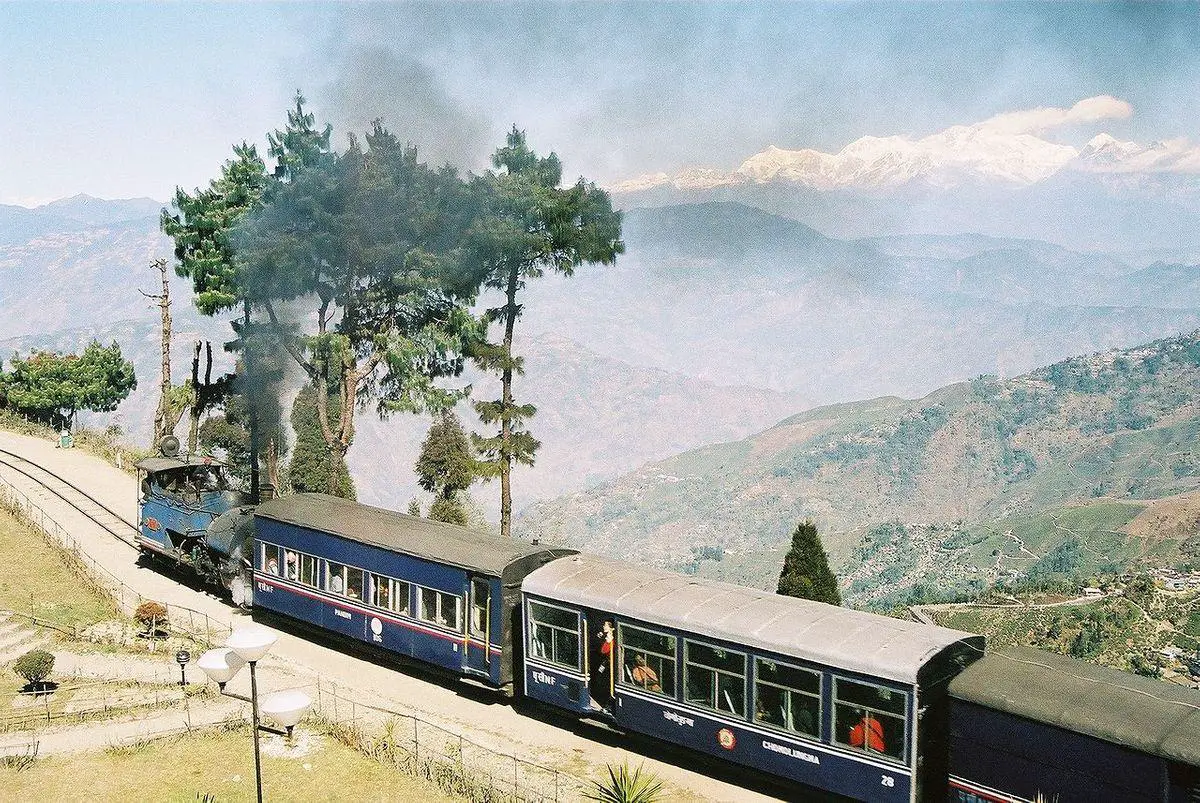
- Darjeeling Himalayan Railway - West Bengal. Monument of technology, this 86 km long railway line ascends approximately 2,100 m, built in 1881. Preserved in its historical state, powered by steam engines.
- Howrah Bridge - West Bengal. Impressive cantilever across Hooghly River, built in 1943. Longest span - 457,5 m.
Other cultural monuments
- Chhatrapati Shivaji Terminus - Mumbai, Maharashtra. One of most iconic railway terminal buildings in Asia, built in 1897.
- Hava Mahal (Palace of Winds) - Jaipur, Rajasthan. Palace with unusual architecture, built in 1799. Resembles enormous beehive.
- Statue of Gomatheshwara - Karnataka. Possibly the largest monolithic stone statue in the world, erected at the end of 10th century. Height - 17.4 meters.
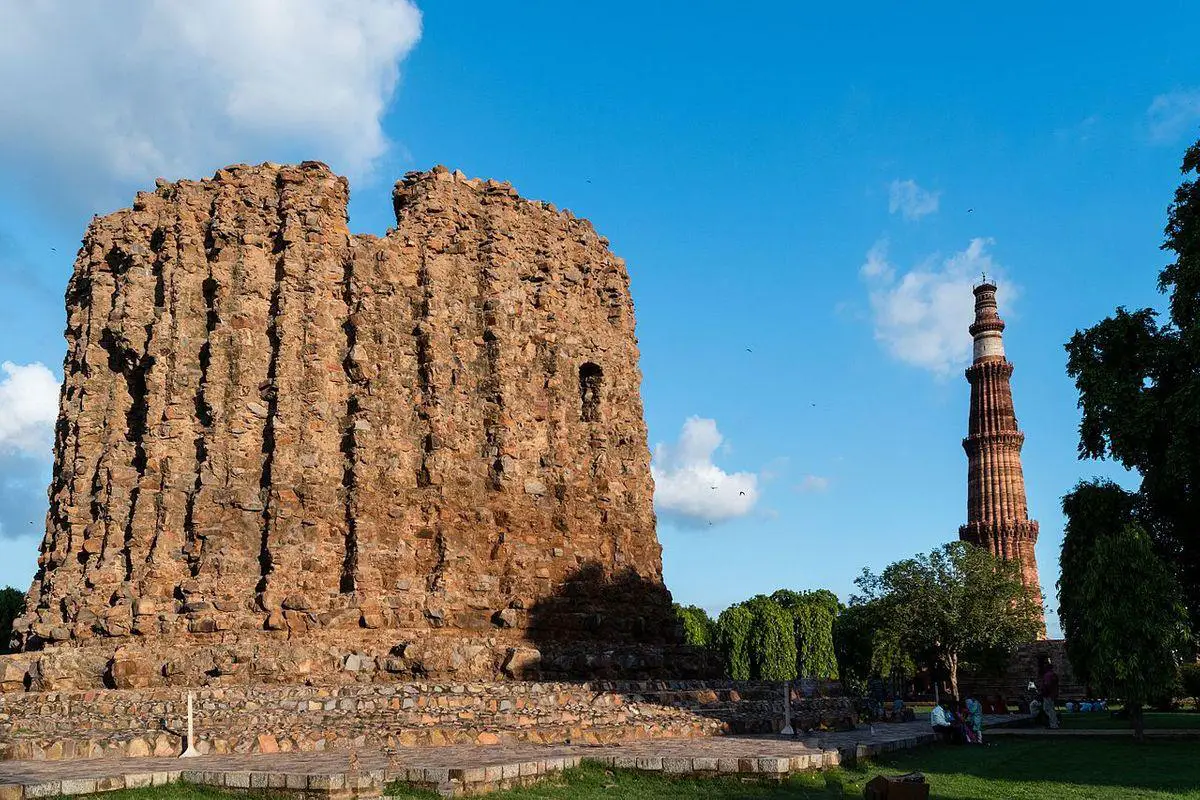
- Qutb Complex - Delhi. Group of valuable historical buildings in Delhi, mainly from 11th - 14th centuries. Includes Qutb Minar - the highest brick minaret in world, ornate, massive 72.5 meters high building. Unique monument is Iron pillar of Delhi - 7 meters high and more than 6 tons heavy pillar of 98% pure iron, not corroding since production in 4th century AD (possibly even in 9th century BC).
- Taj Mahal Hotel - Mumbai, Maharashtra. Enormous building of historic prestigious hotel, built in 1903.
- Umaid Bhawan Palace - Jodhpur, Rajasthan. Beautiful palace in Art Deco style, built in 1923 - 1943.
Natural monuments
India is enormous country with numerous interesting monuments of nature including part of the highest mountains of the world - Himalaya. Long presence of developed civilisation and recent overpopulation though has decreased the level of biodiversity, except for remote parts at Himalaya, in North-Eastern India and the unique Andaman and Nikobar Islands.
Here are included selected natural monuments - Wondermondo though admits that Indian natural monuments are overshadowed by the unique cultural heritage of the country.
-
The Great Banyan - Kolkata, West Bengal. Belongs to trees with largest canopy. This Ficus benghalensis L. is considered to be some 200 - 250 years old, area of canopy - 1.5 hectares, circumference of canopy - 1 kilometre. Height up to 25 metres, contains some 2,880 aerial roots rooted in soil.
Great Banyan. Main trunk has died but thousands of aerial roots remain.
murky / Flickr CC BY-SA 2.0 - Jog Falls (Gersoppa Falls) - Karnataka. Highest large vertical plunge in India - Sharavathi River here falls 253 meters. Medium width - 472 meters.
- Lonar crater lake - Maharashtra. Impact crater with 1.8 km diameter, created approximately 52,000 years ago. Partly filled with saline - alcalic lake - Lonar Lake, up to 150 meters deep. Besides rich wildlife, lake contains rare and unusual microorganisms.
- Natural arch in Tirumala Hills - Andhra Pradesh. 8 meters wide and up to 3 meters high natural arch.
- Nohkalikai Falls - Meghalaya. This is a beautiful 335 metres high plunge over a giant, overhanging cliff, falls almost directly into a green lake.
- Valley of Flowers - Uttarakhand. High-altitude Himalayan valley with beautiful meadows of alpine flowers complemented by beautiful views on surrounding mountains. Mass flowering starts in early spring and lasts up to September. Known in Hindu mithology since ancient times, according to local legends inhabited by fairies.


18 June 2010 Gatis Pāvils