
Wondermondo 🢖 World 🢖 Wonders of Europe 🢖 Wonders of Italy
Territory
Wonders of Italy
 Highlights
Italy is one of the most popular destinations in the world due to its unsurpassed cultural heritage – this country has got some of the finest monuments of architecture and art in the world.
Italy is divided in 20 regions.
Regions of Italy
- Abruzzo
- Aosta Valley
- Apulia
- Basilicata
- Calabria
- Campania
- Emilia-Romagna
- Friuli-Venezia Giulia
- Lazio (includes Rome)
- Liguria
- Lombardy
- Marche
- Molise
- Piedmont
- Sardinia
- Sicily
- Trentino-Alto Adige
- Tuscany
- Umbria
- Veneto
Map with the described wonders
If you see this after your page is loaded completely, leafletJS files are missing.
 Top 25 wonders of Italy
Archaeological (ancient) wonders
Colosseum
Lazio (includes Rome)
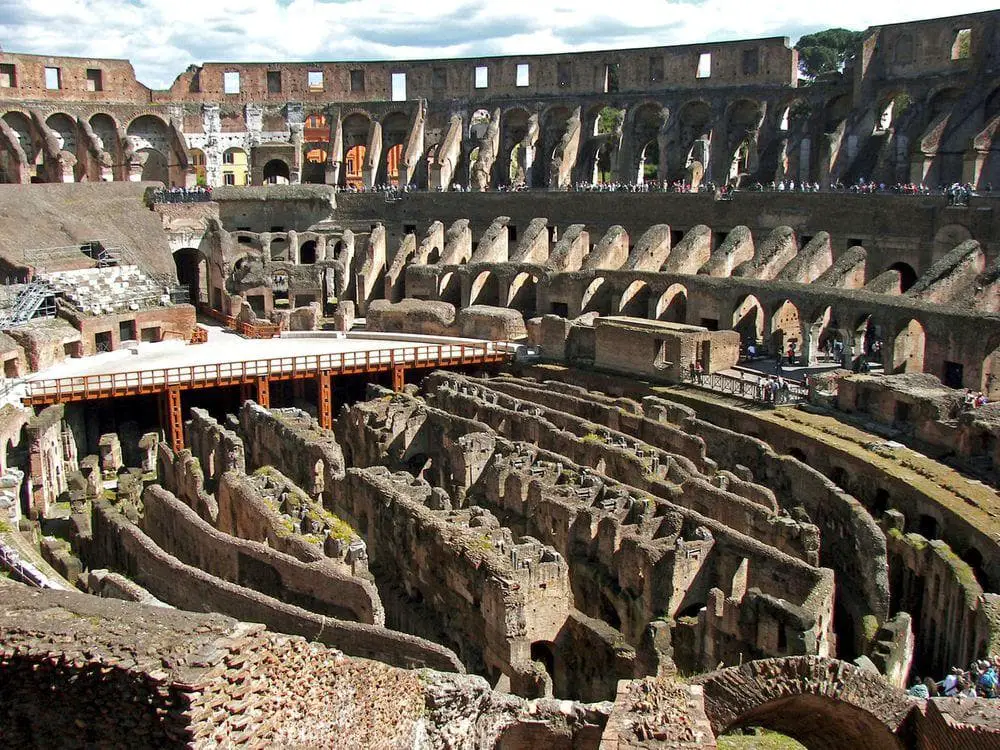
The largest Roman amphitheater ever built, 70 – 80 AD.
Pompeii
Campania
The best-preserved ancient Roman town. It was eliminated by volcanic pyroclastic flows in 79 AD. The town has been excavated and now represents an amazing display of Roman life.
Roman Forum
Lazio (includes Rome)
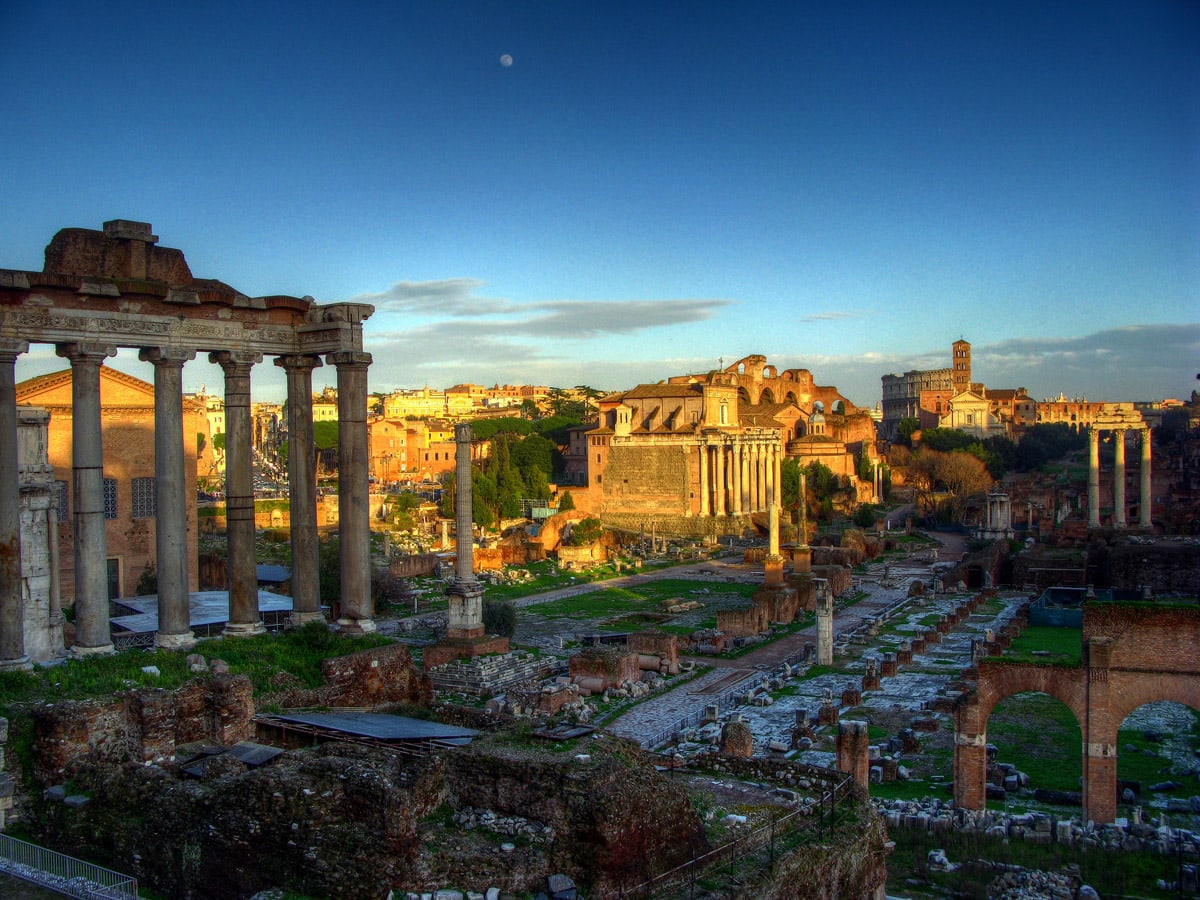
The ancient center of Roman civilization with ruins of numerous important buildings.
Aurelian walls
Lazio (includes Rome)
Up to 16 meters high walls stretching for 16 kilometers around Rome, constructed in 271 – 275 AD. Some of the most impressive city walls in the world.

Architecture wonders
Venice
Veneto
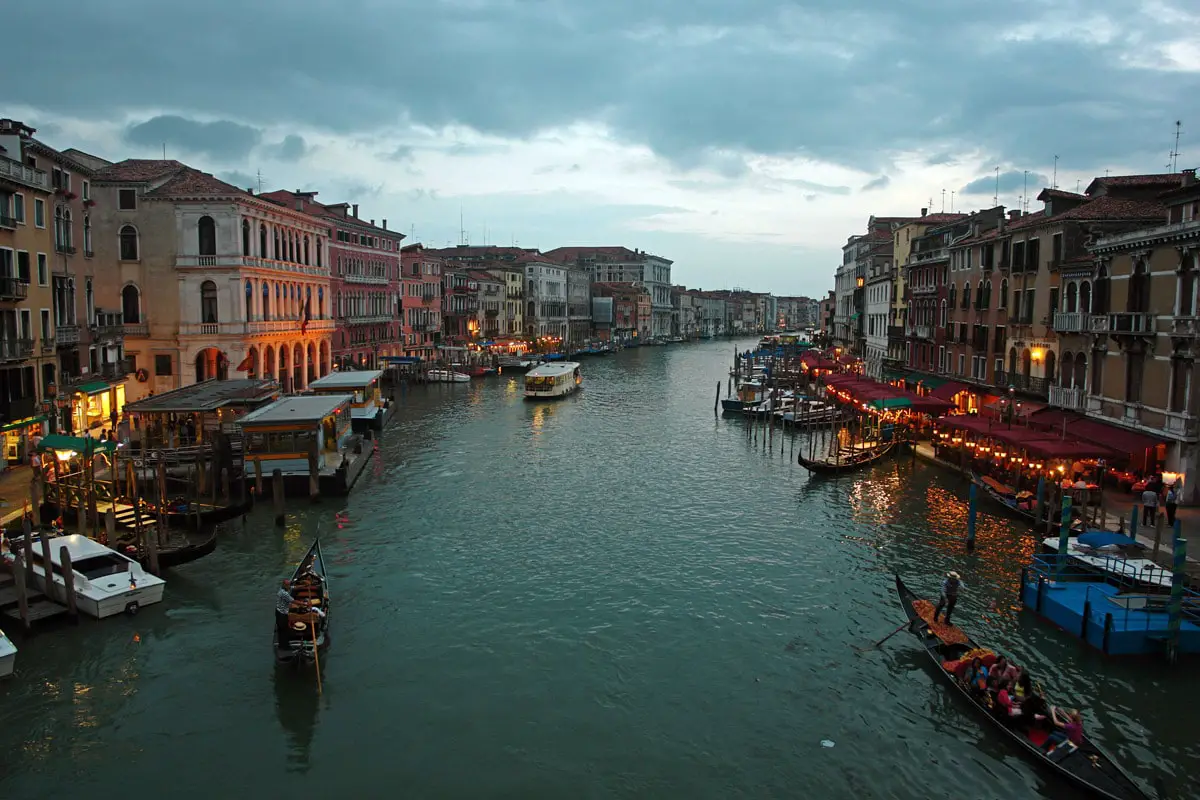
One of the most unusual and beautiful cities on Earth, containing an unbelievable amount of art and architectural value. Venice was built on 118 small, closely located islands and has been the capital of a powerful state in the 7th – 18th century.
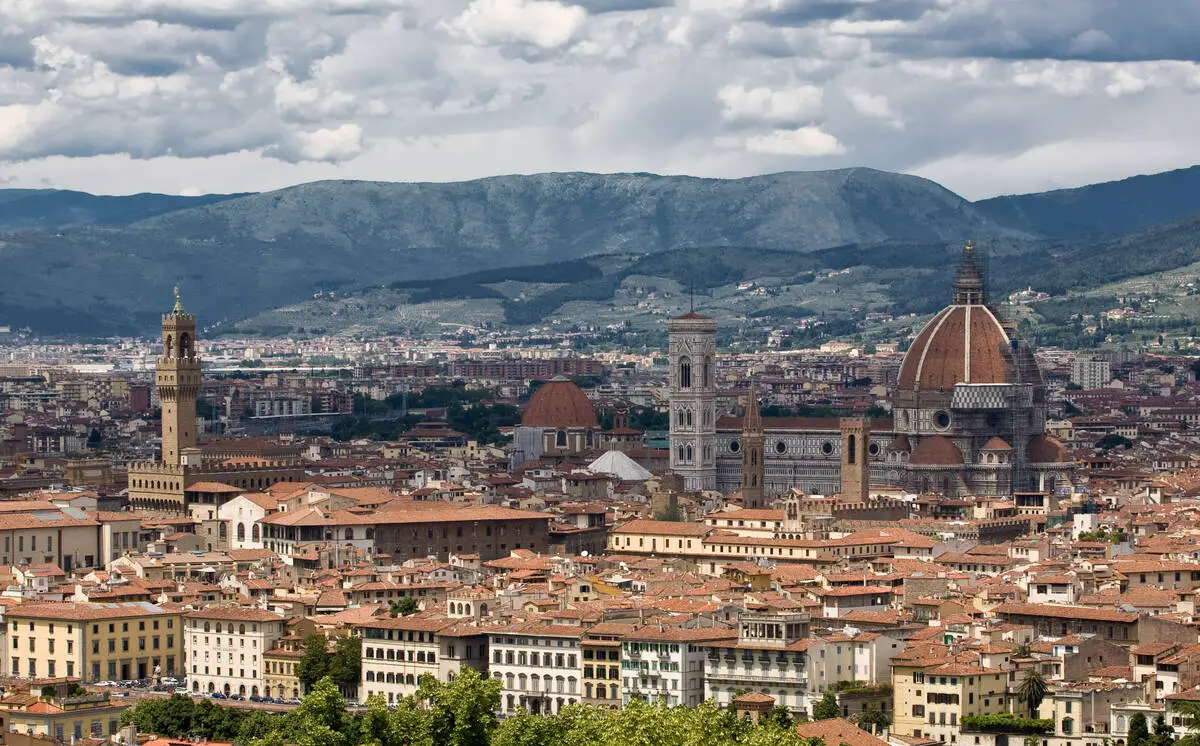
Basilica di Santa Maria del Fiore (Florence Cathedral)
Tuscany
One of the most impressive churches in the world, the largest building in medieval Europe. Constructed in 1296 – 1469. Designed mostly in Gothic style, but considered to be one of the first Renaissance buildings.
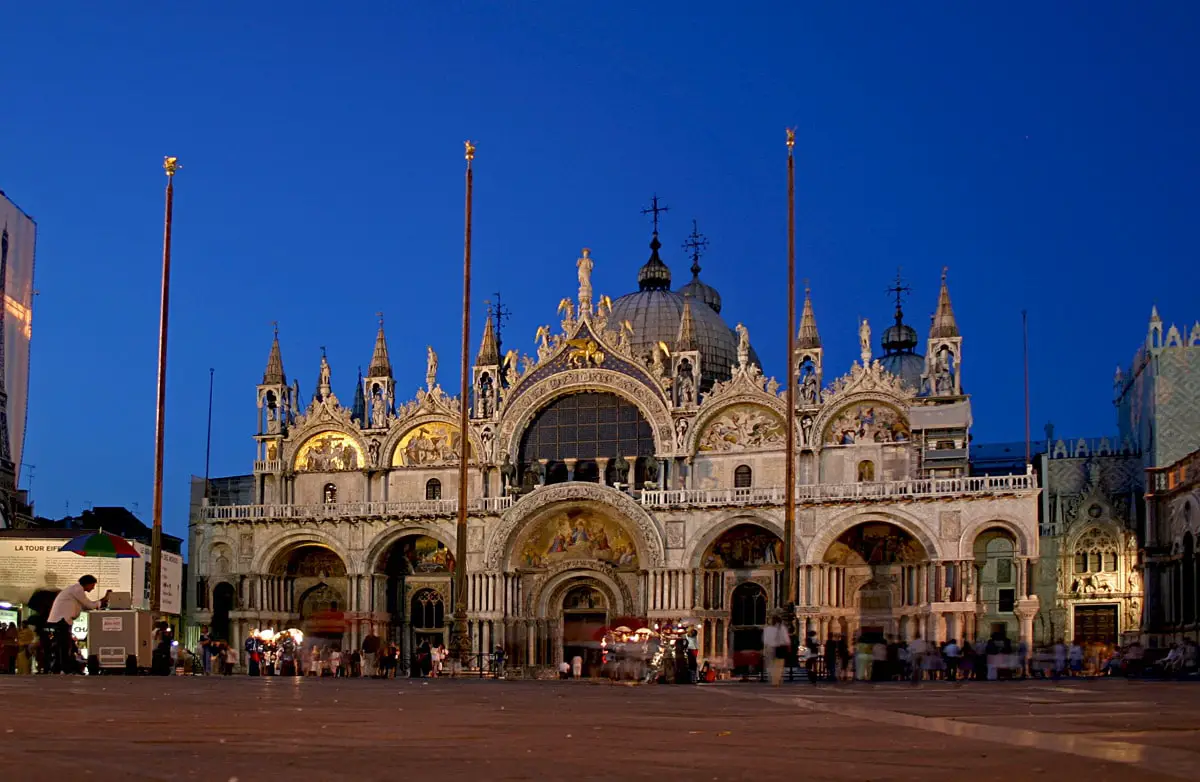
Saint Mark’s Basilica
Veneto
A building of unusual beauty and splendor, it is one of the most important Byzantine architectural monuments in the world, constructed in 1094.
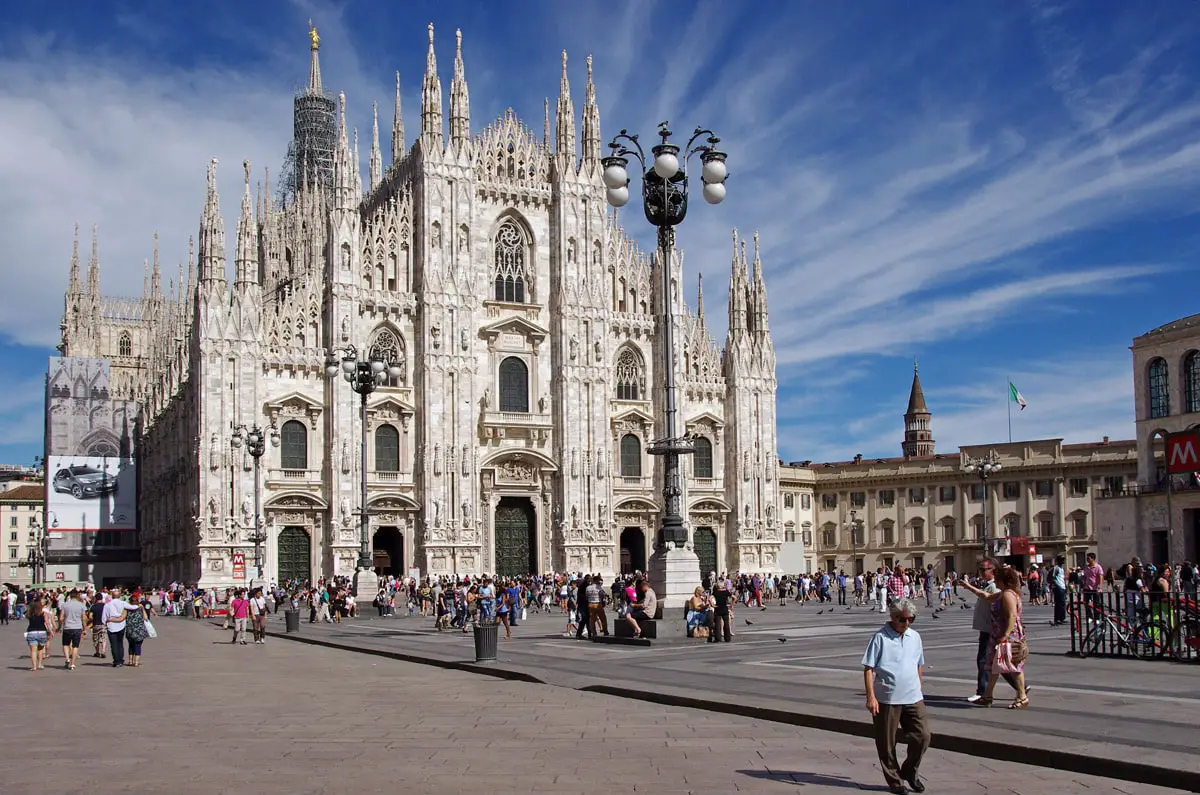
Milan Cathedral
Lombardy
One of the most impressive Gothic buildings in the world, constructed in 1386 – 1965.
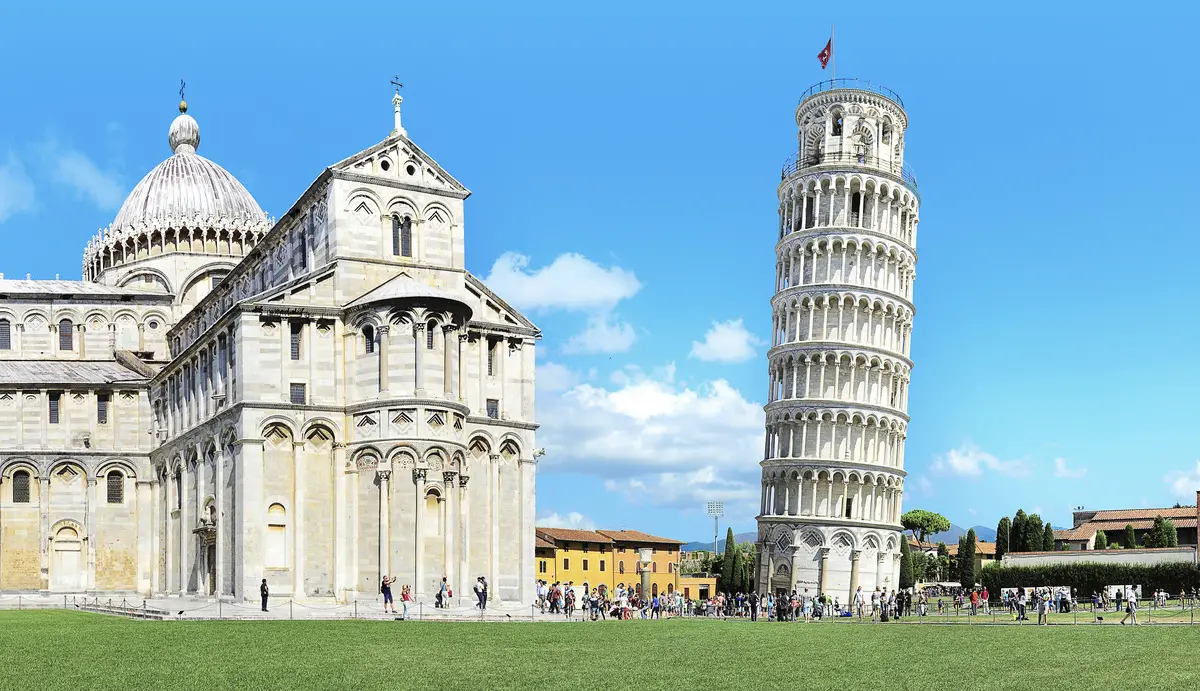
Leaning Tower of Pisa
Tuscany
An impressive monument of European medieval Romanesque architecture, construction started in 1173-1372. Due to weak ground, it started to tilt and the significant tilting has made this structure famous worldwide.
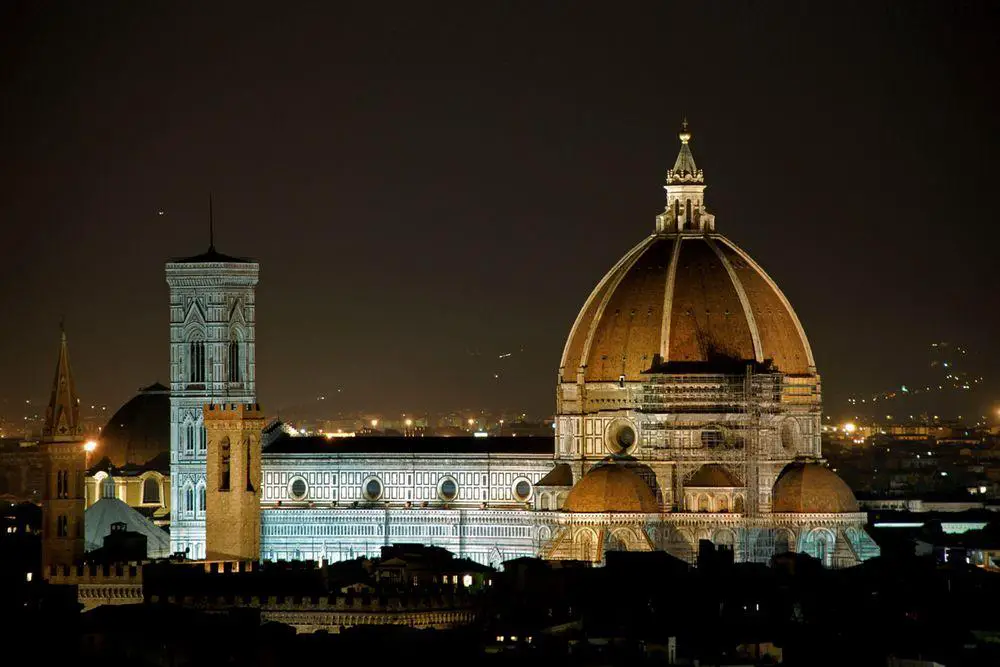
Centre of Florence
Tuscany
One of the most important centers in history for the development of art with numerous unique and beautiful monuments. This birthplace of the Renaissance contains such monuments of world importance as the Florence Cathedral, Campanile and Baptistery, Ponte Vecchio, and many others.
San Gimignano
Tuscany
Unique walled medieval city. 14 medieval defensive towers still rise above the old city.
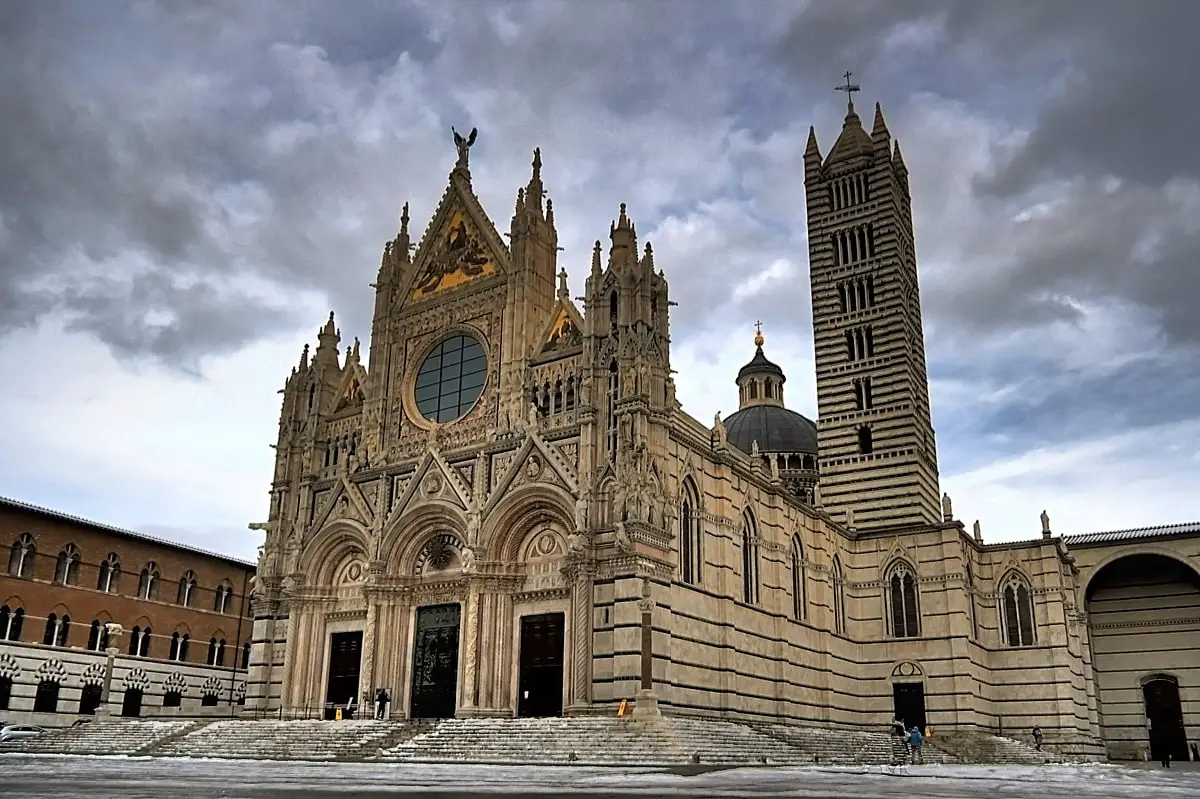
Siena Cathedral of Santa Maria
Tuscany
A beautiful building that unites Romanesque and Gothic styles, constructed in 1215 – 1263.
Amalfi
Campania
A beautiful medieval town in an impressive natural setting – steep coast.
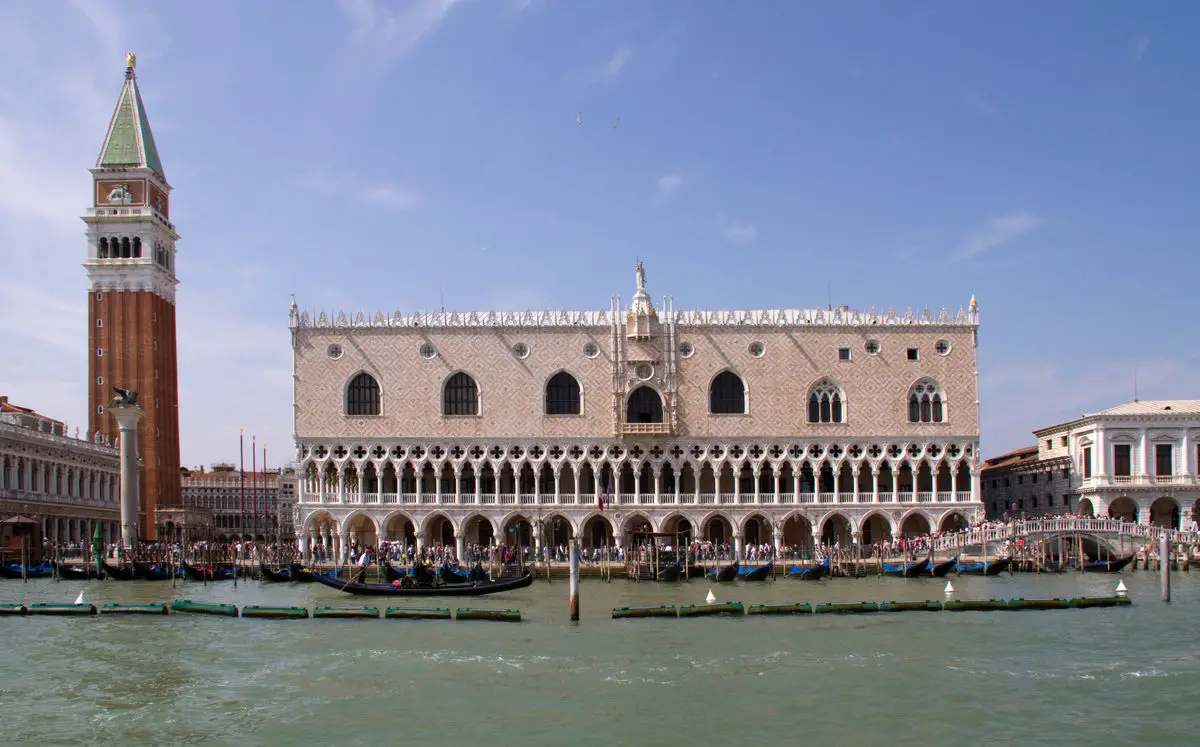
Doge’s Palace
Veneto
Main power seat of a once powerful state, an unusual building that was constructed in 1309-1424.
The historic centre of Rome
Lazio (includes Rome)
According to legend, Rome was founded in 753 BC and, possibly, has been the most important city in the history of Western civilization. Rome was the center of the Roman Republic and Empire and since the 4th century is the capital of the Christian world. Here is an immense number of architecture and art values, In Rome have arisen numerous global styles in architecture and art.
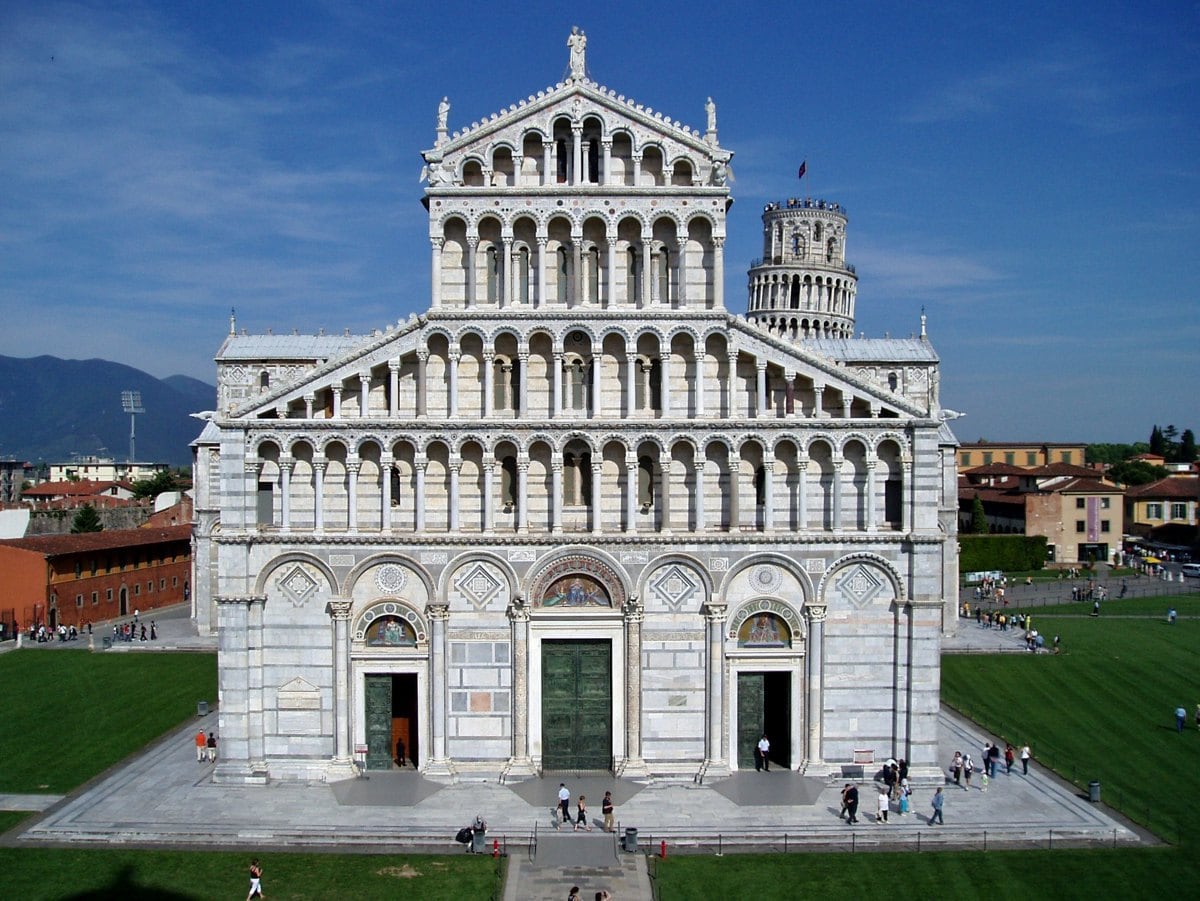
Pisa Cathedral
Tuscany
An impressive monument of European medieval Romanesque architecture, the cathedral was started in 1063 and rebuilt several times. Next to it, the baptistry was started around 1153 and the construction of the famous leaning bell tower was started in 1173-1372.
Cinque Terre towns – Corniglia, Manarola, Monterosso al Mare, Riomaggiore and Vernazza
Liguria
These five towns are built on steep, rugged cliffs over the Mediterranean. Towns do not have streets – only pedestrian passages but are densely covered with colorful buildings.
Alberobello
Apulia
A picturesque town with numerous trulli – houses built in unusual technique, without mortar.
Noto
Sicily
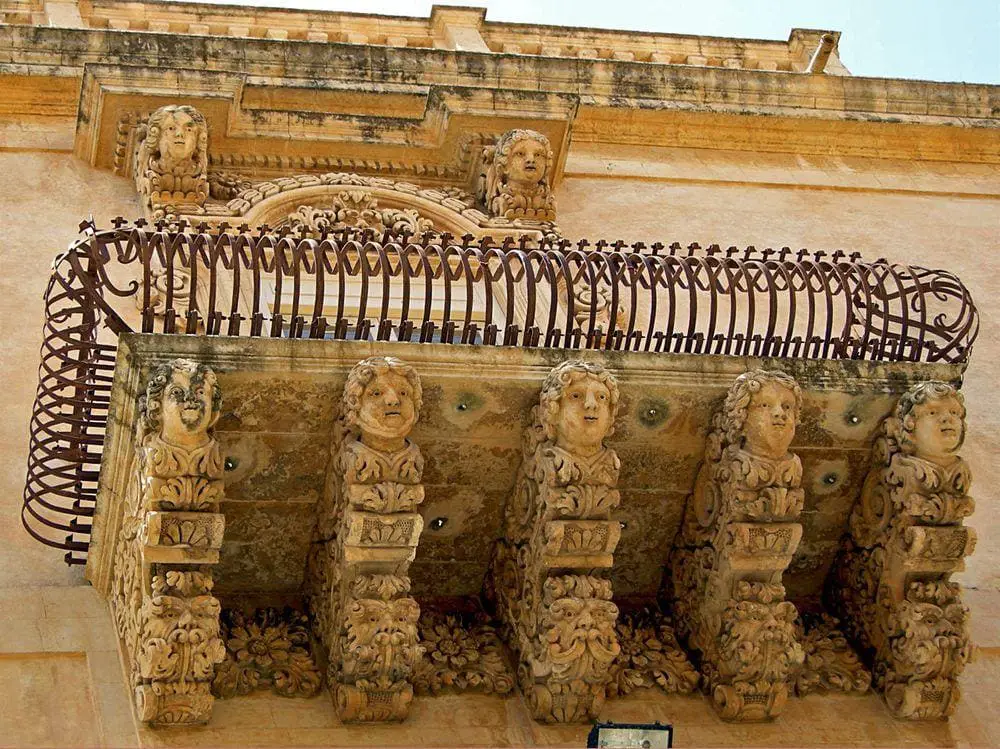
Planned, beautiful Baroque town from the 18th century.
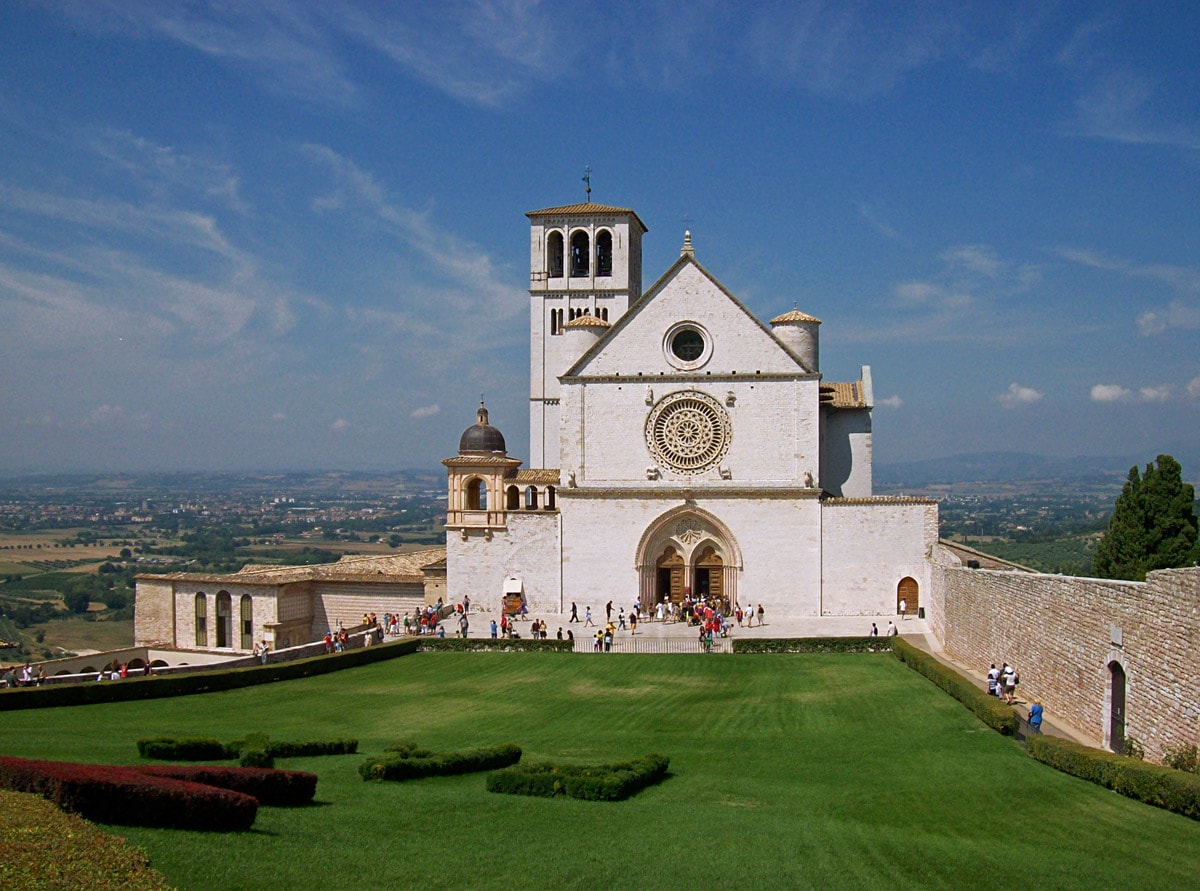
Assisi Basilica (Basilica of San Francesco d’Assisi)
Umbria
A Christian pilgrimage site of global importance. This beautiful church was built in 1228 – 1253.
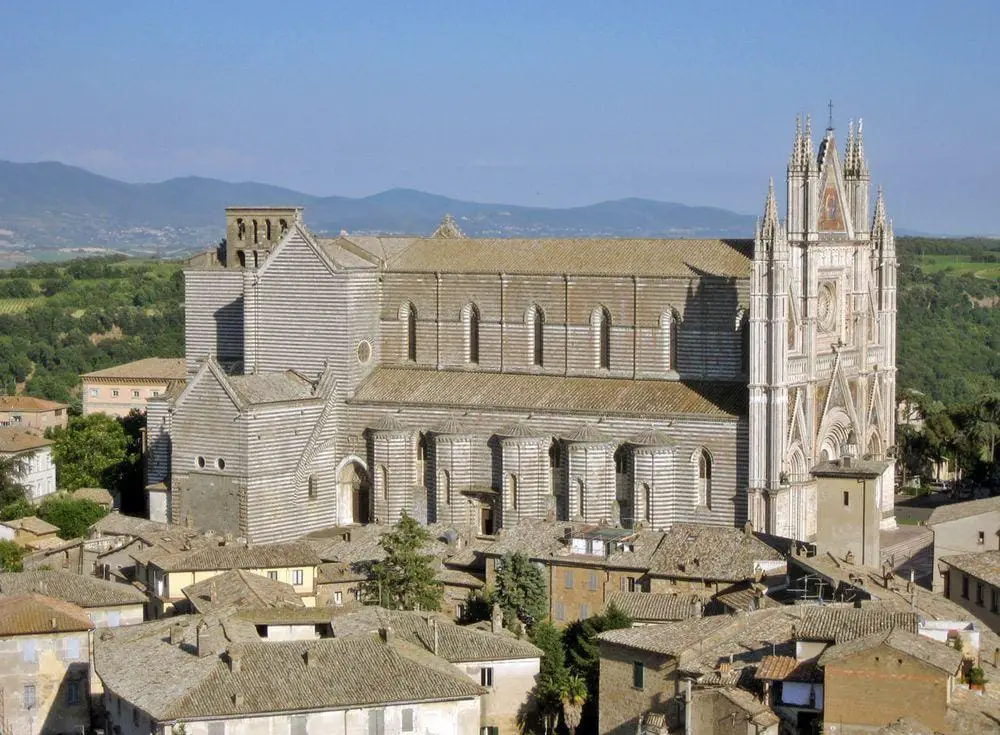
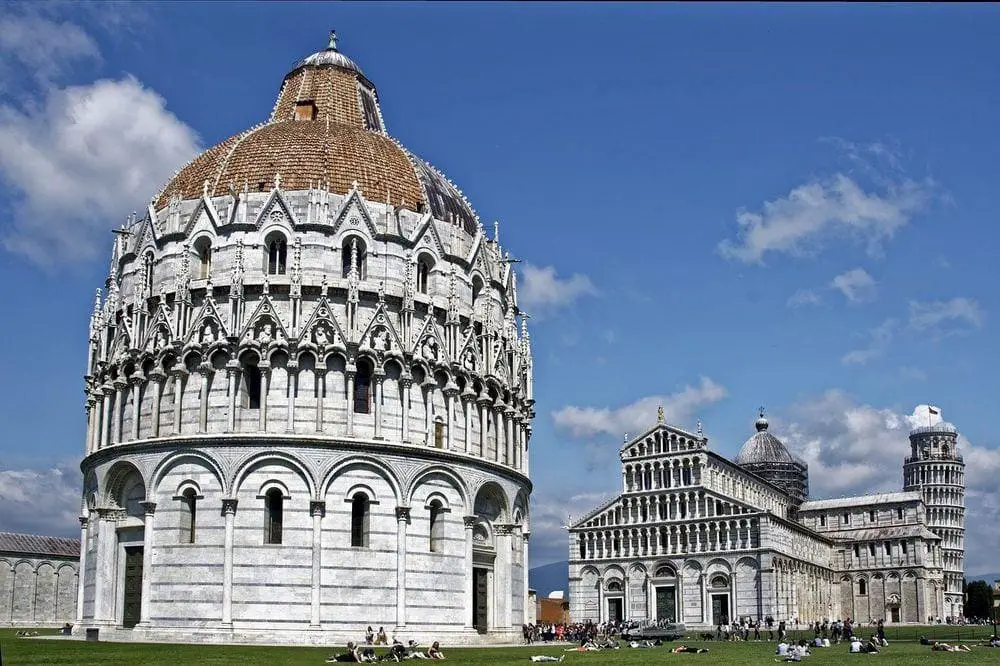
Pisa Baptistery
Tuscany
A beautiful structure in the Romanesque style. Its construction started in 1153.
Farfa Abbey
Lazio (includes Rome)
This Benedictine abbey was built around 370 – 380 AD and later destroyed. Activity restarted around 681 AD. It has huge importance in the history of Italy, as well as numerous architectural and artistic points of interest.
Palace of Caserta
Campania
The largest building built in Europe in the 18th century, constructed in 1752-1780.
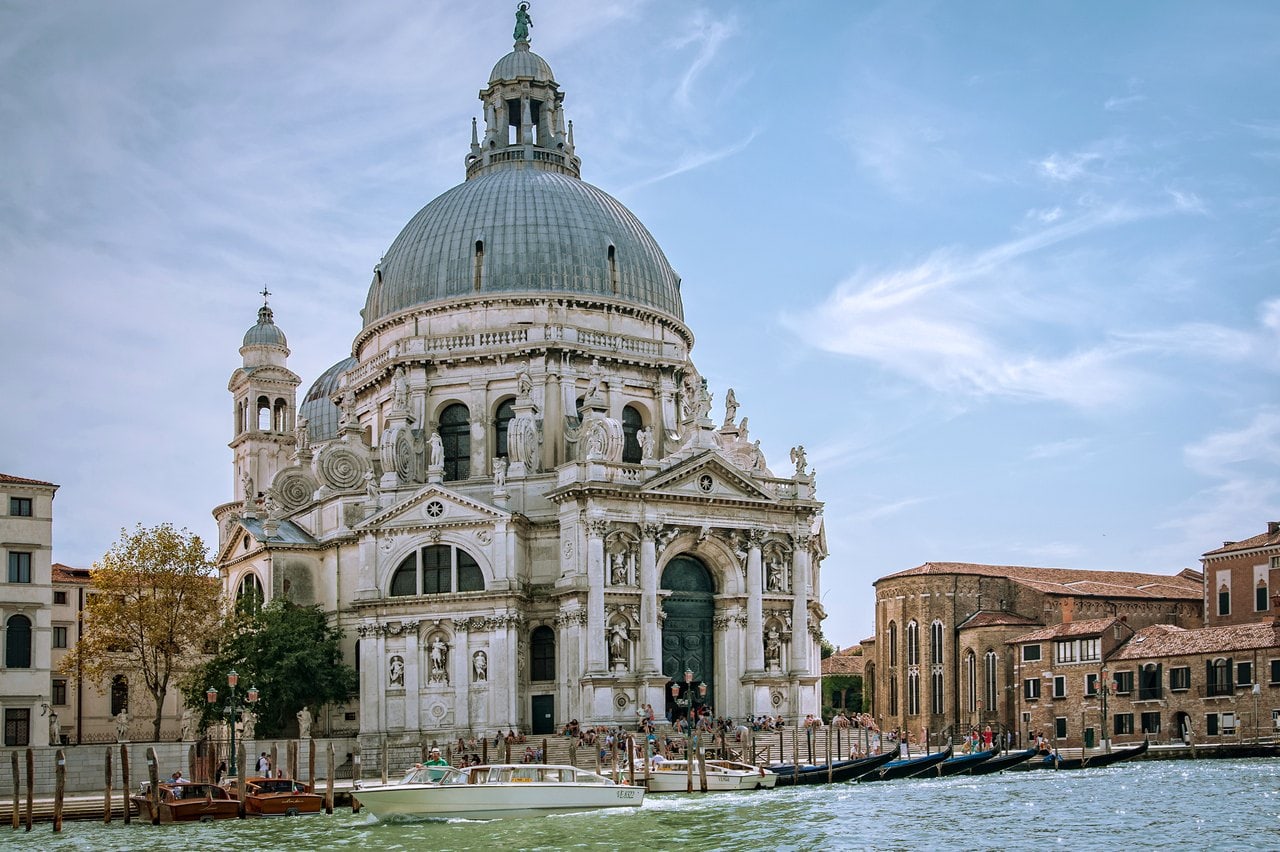
Santa Maria della Salute, Venice
Veneto
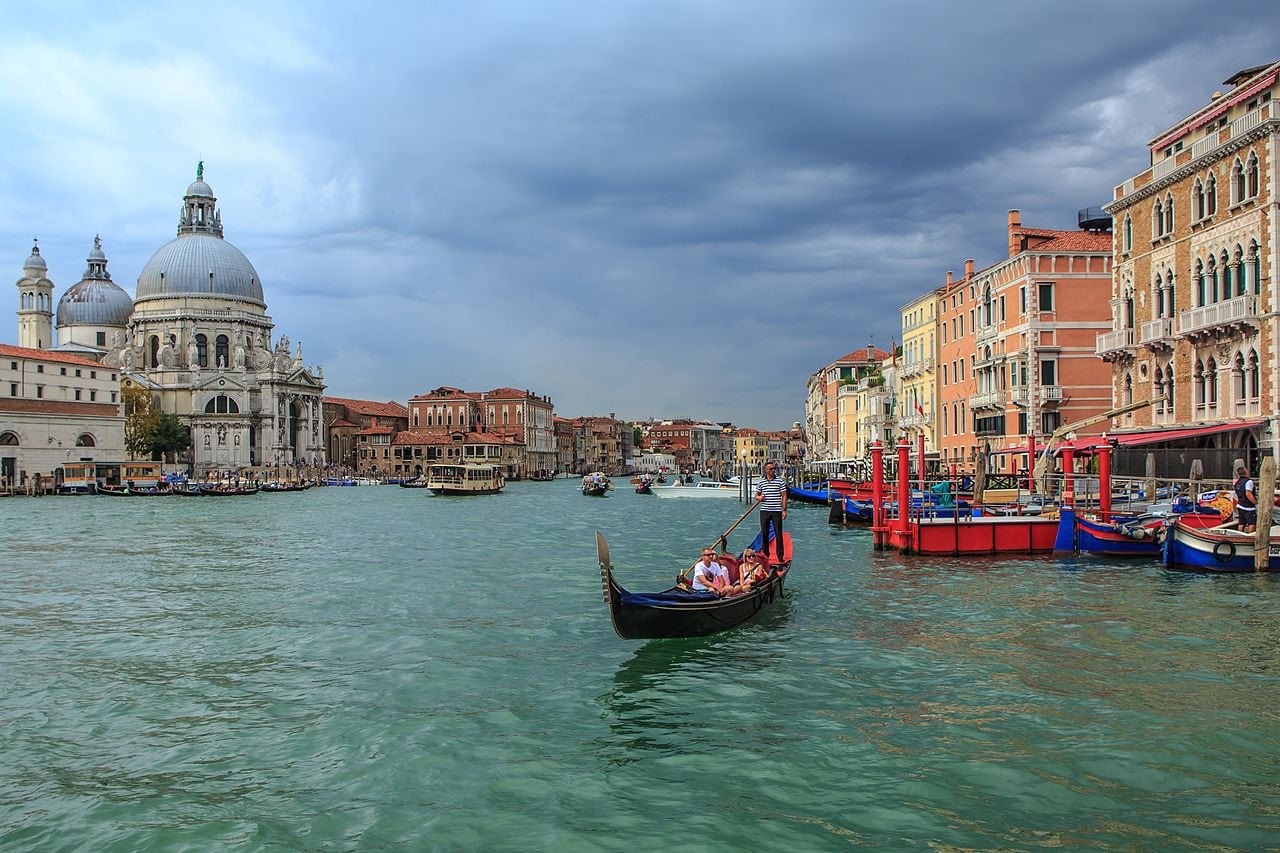
The last and most beautiful “plague church” in Venice. One of the most outstanding Baroque structures, constructed in 1631-1687.
 Recommended books
DK Eyewitness Travel Guide: Italy


From touching the stones of the Colosseum in Rome to gazing up at Michelangelo’s David in Florence to savoring a gelato along the canals of Venice, experience the rich cultural treasures this beautiful country has to offer.
Rick Steves Italy 2019


From the Mediterranean to the Alps, from fine art to fine pasta: with Rick Steves on your side, Italy can be yours!

