
Wondermondo 🢖 World 🢖 Wonders of Europe 🢖 Wonders of Latvia
Territory
Wonders of Latvia
 Highlights
The most amazing wonders of Latvia are:
- Architectural heritage in Riga City – the city has several historical districts with unique architecture, and there are many thousands of valuable buildings. Especially rich is the architectural heritage created in the late 19th – early 20th century.
- Palaces and manor houses – many landlords in earlier times had stiff competition for the most imposing and posh country residence.
- Castles – there are more than 100 medieval castles and castle ruins in Latvia. Only some 10 still are habitable, but often the castle ruins represent a very impressive sight too.
Map with the described wonders
If you see this after your page is loaded completely, leafletJS files are missing.
 Top 25 wonders of Latvia
Geological wonders
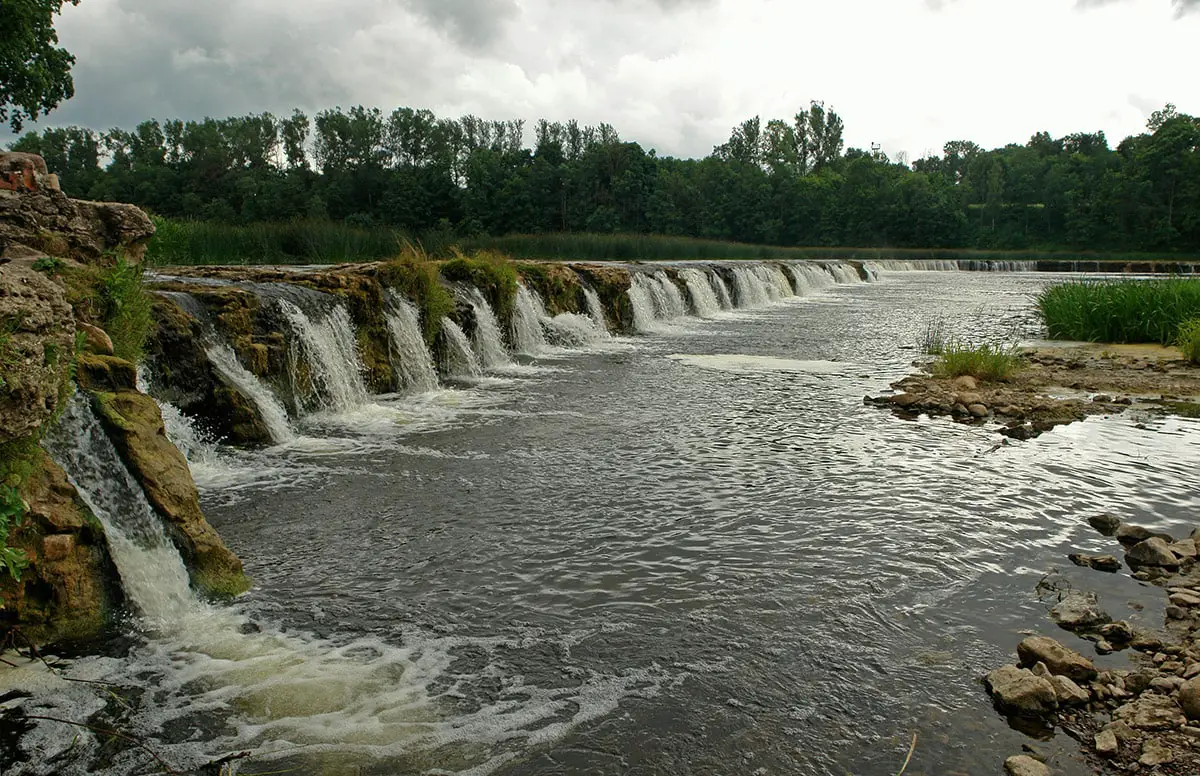
Ventas Rumba
Kurzeme
Widest and most impressive waterfall in Latvia. The width of this 1.5 – 2 m high waterfall is 270 – 275 m.
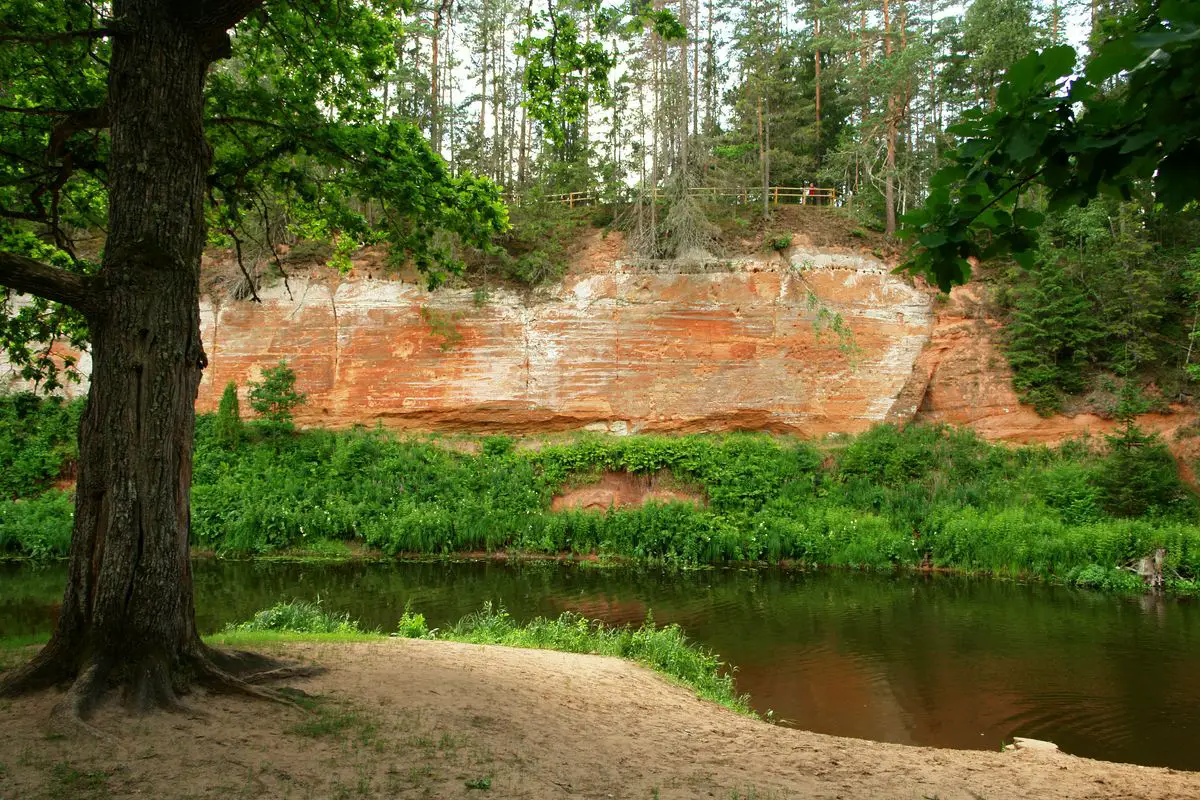
Skaņaiskalns
Vidzeme
Outcrop of Devonian sandstone. The smooth surface of sandstone creates interesting echo effects.
Architecture wonders
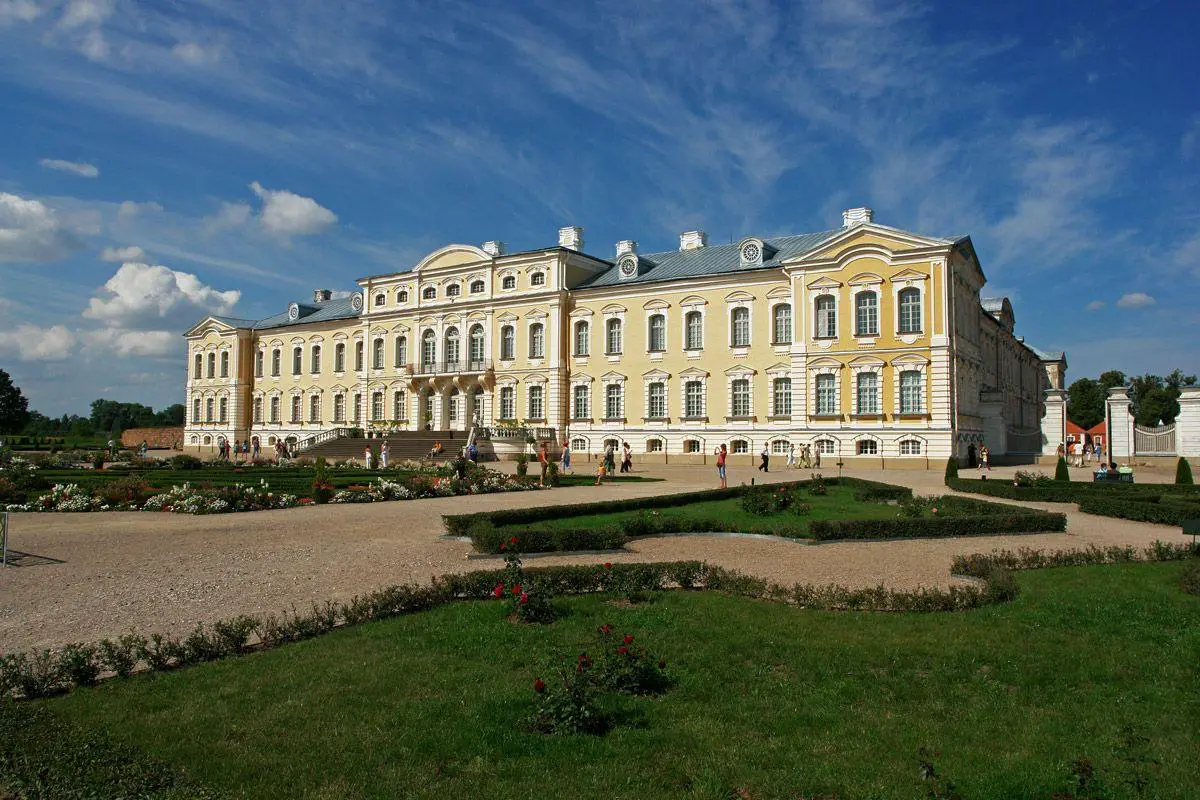
Rundale Palace
Zemgale
An enormous Baroque-style palace, constructed in 1736 – 1768, with an ensemble of subsidiary buildings and a large park. Palace has 138 rooms, many with ornate interiors.
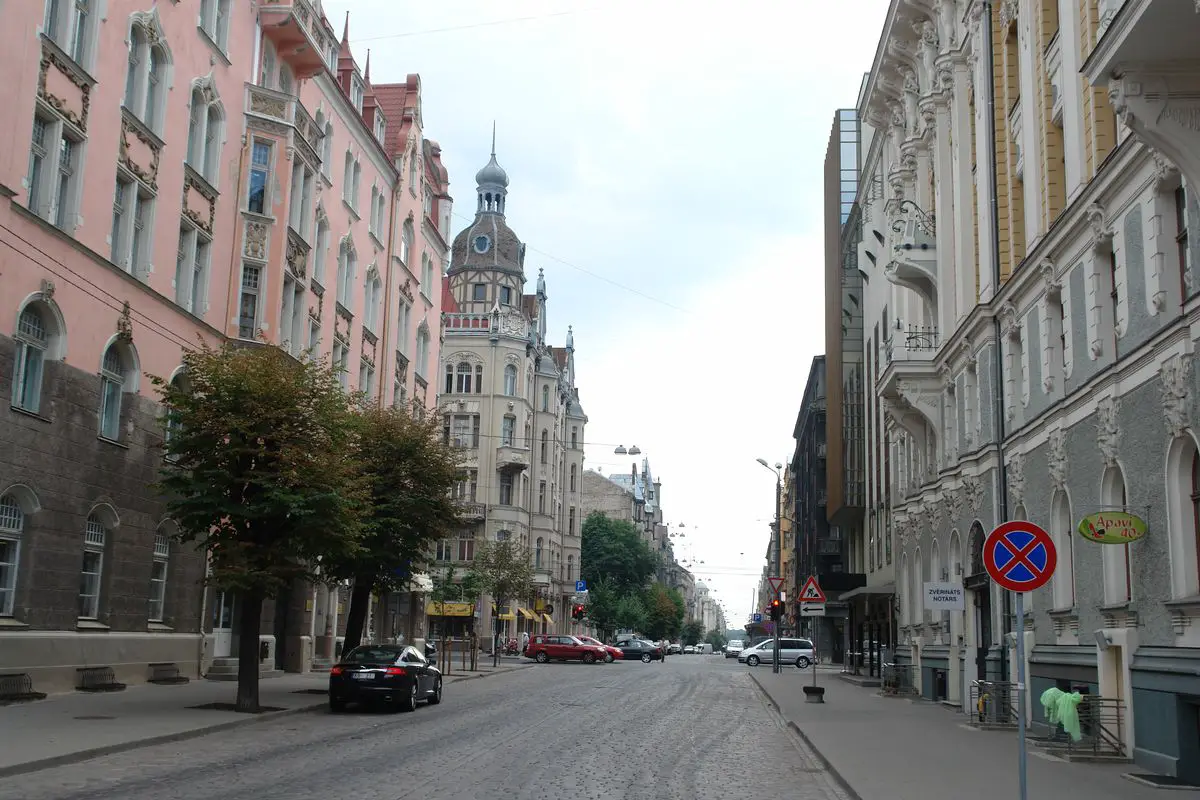
Riga Center
Riga (Vidzeme)
Riga Center is an area of Riga City adjoining the medieval Old City and Boulevard. The Center was developed in the 19th – early 20th century and contains thousands of valuable buildings in Eclecticism and Art Nouveau styles. A notable concentration of especially ornate buildings is in the area of Alberta Street.
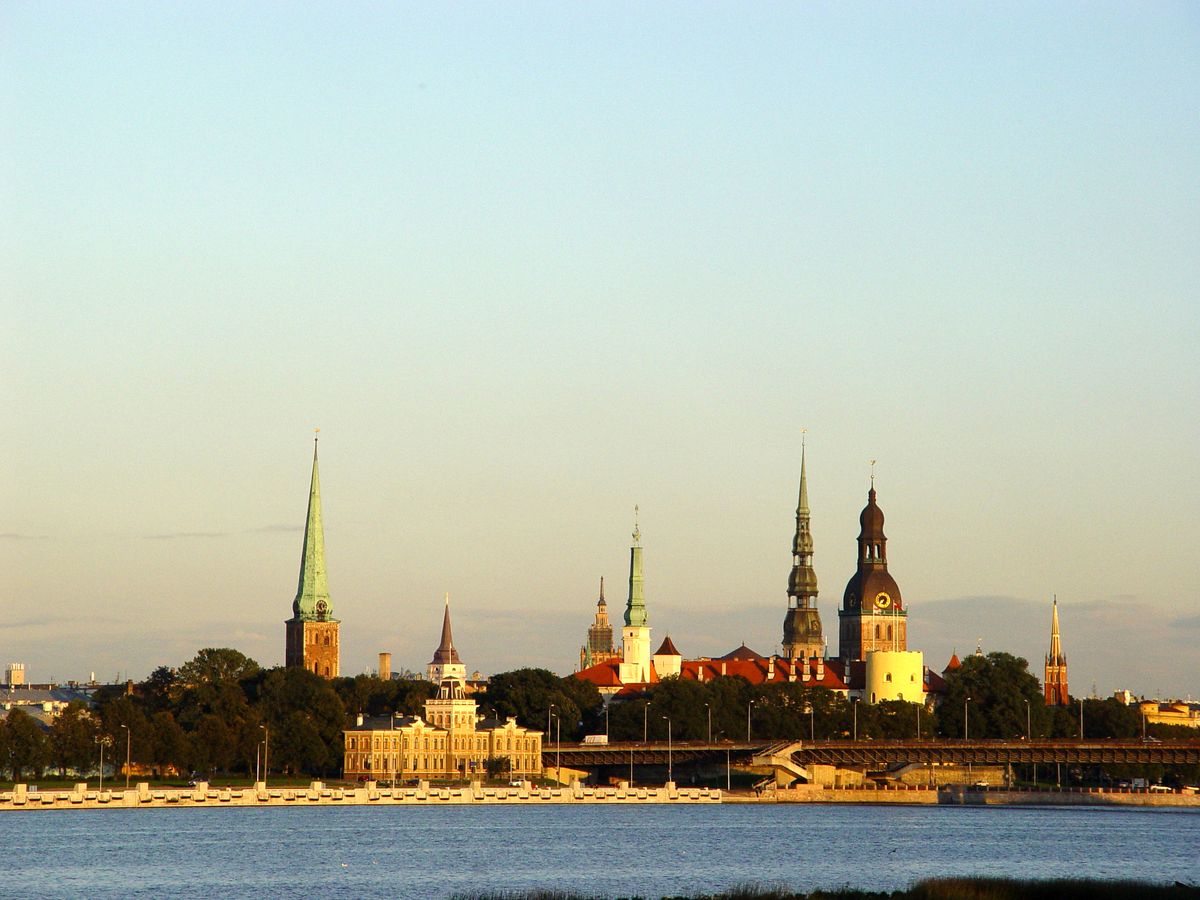
Old Riga
Riga (Vidzeme)
This is a core part of medieval Riga that started to develop in the late 12th century. There has been preserved the old street pattern in Old Riga, while the numerous valuable buildings represent diverse architectural styles.
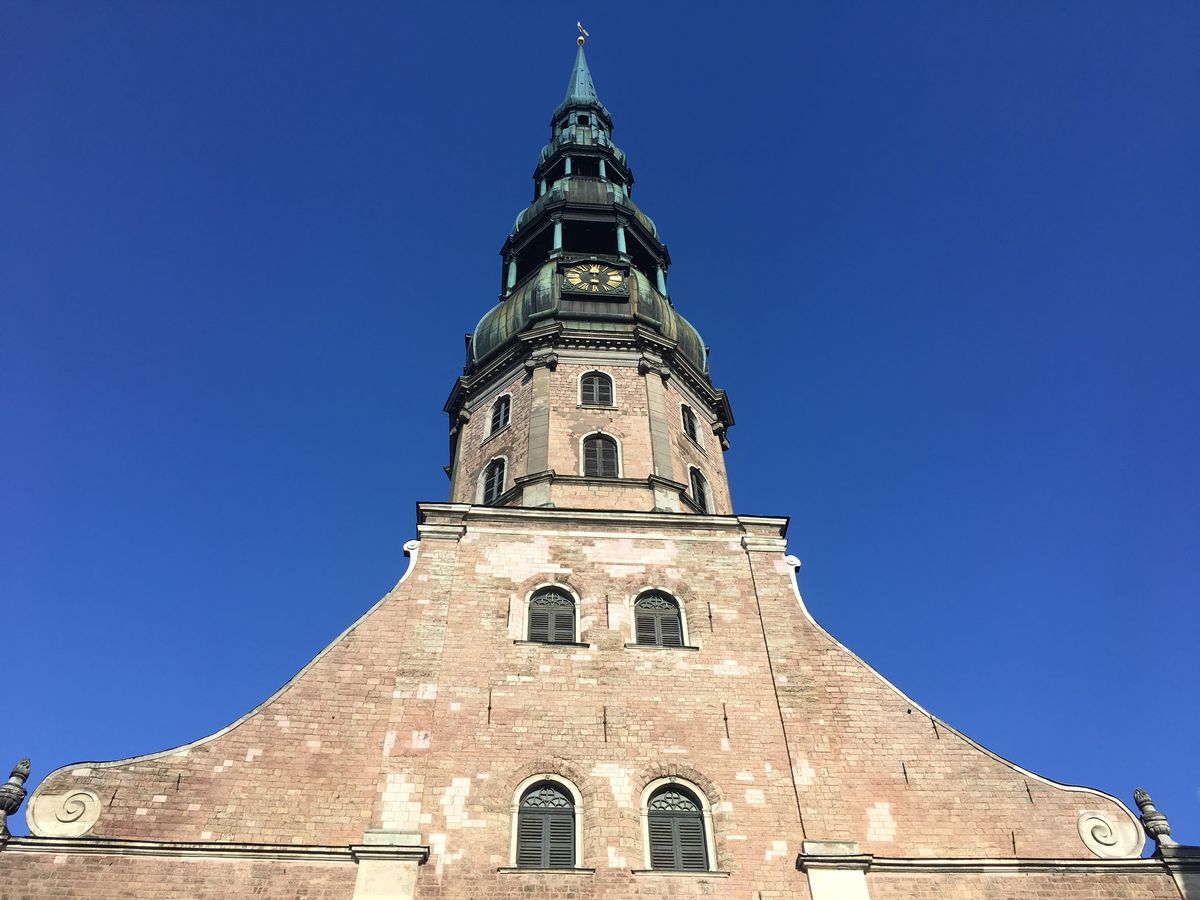
Riga Saint Peter’s Church
Riga (Vidzeme)
Medieval church with a spectacular, 123.25 m tall Baroque spire. First mentioned in 1209 and extended in later times, the current design of the tower was created in 1671 – 1690, and the last rebuilding of the tower ended in 1973.
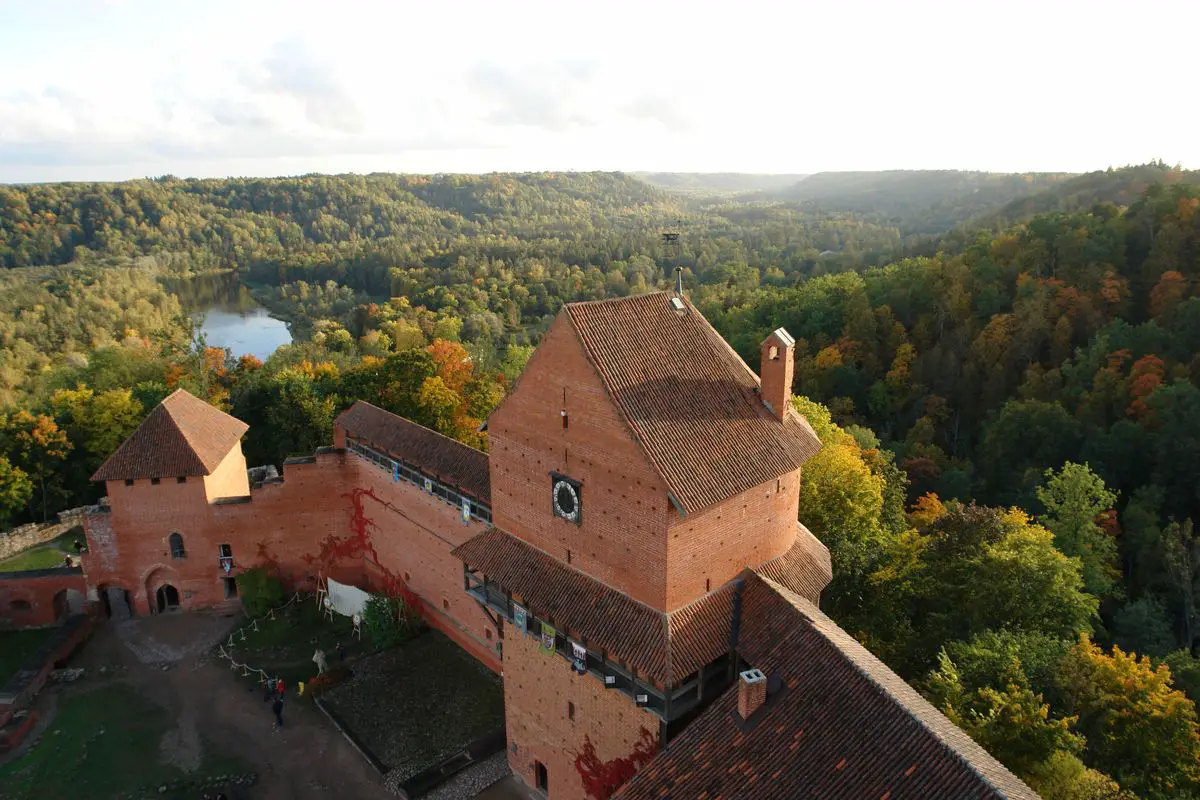
Turaida Medieval Castle
Vidzeme
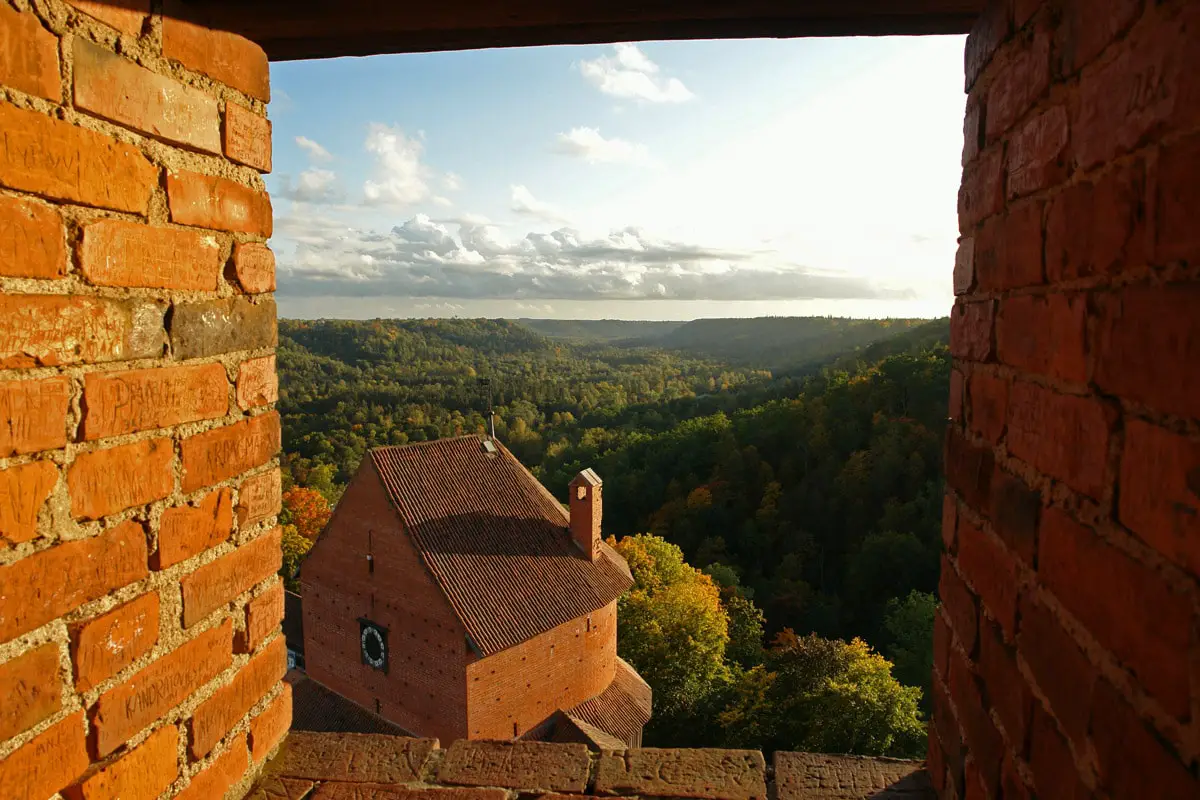
Large medieval castle in an impressive setting at the rim of the 90 m deep Gauja River valley. Construction of this castle started in 1214, there has been made extensive rebuilding in the 20th century.
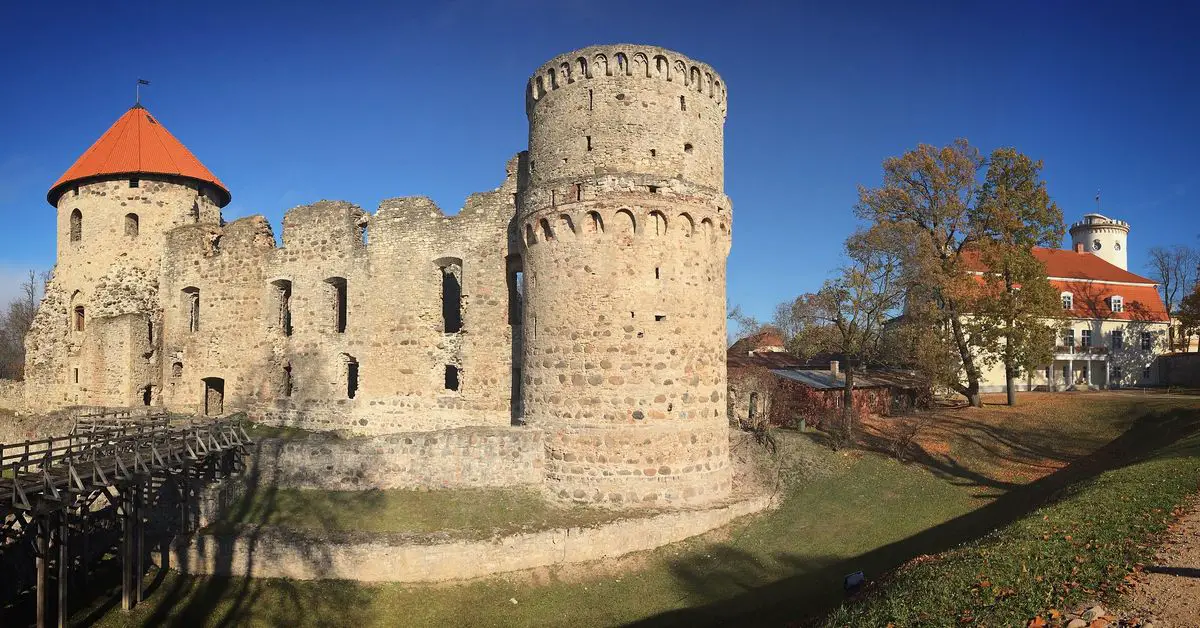
Cesis medieval castle
Vidzeme
Ruins of an enormous medieval castle. Construction started shortly before 1218. From 1297 to 1577 the castle served as the administrative center of the influential Livonian order.
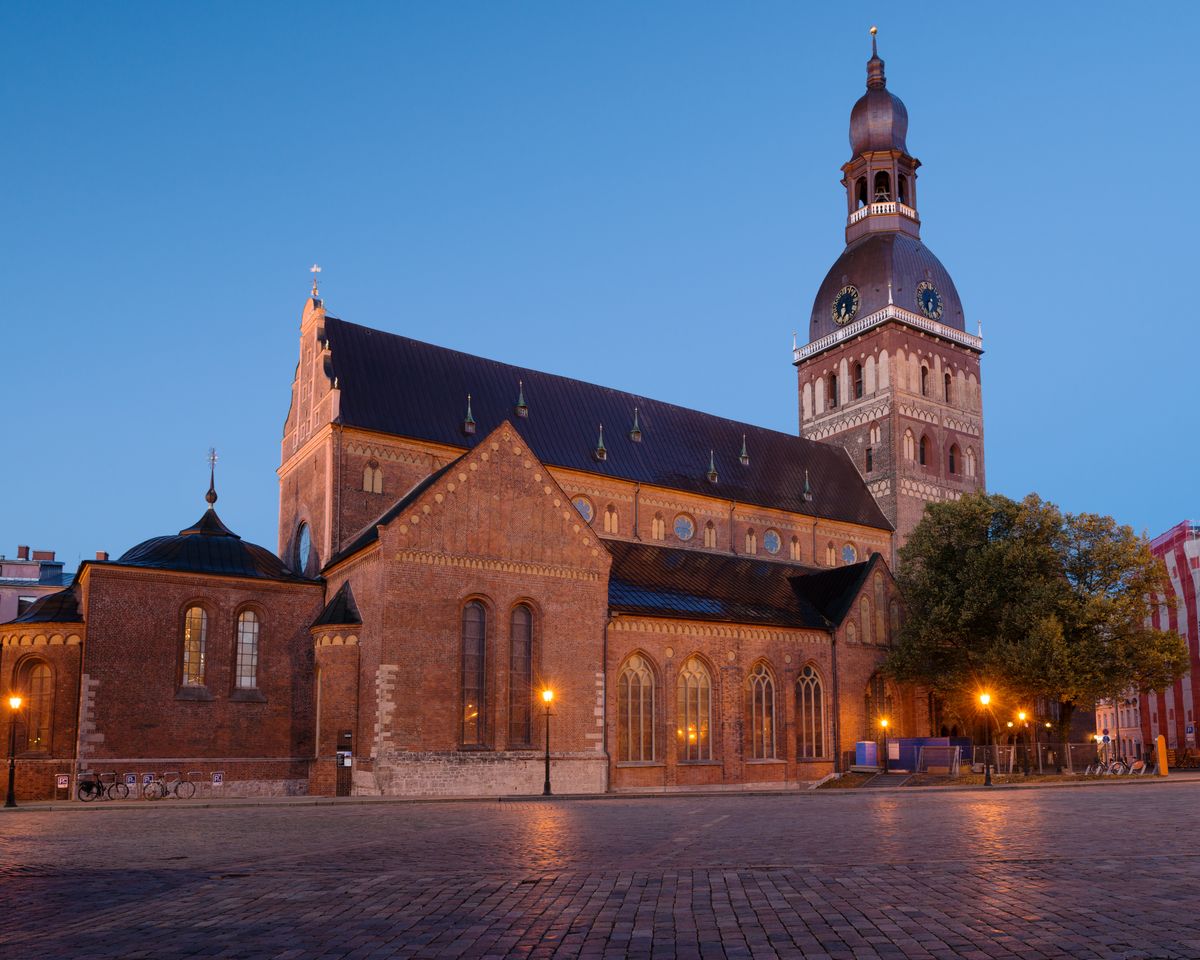
Riga Cathedral
Riga (Vidzeme)
The largest medieval church in the Baltic states. It was constructed in 1211 and extended in later times. The current Baroque tower was constructed in 1775.
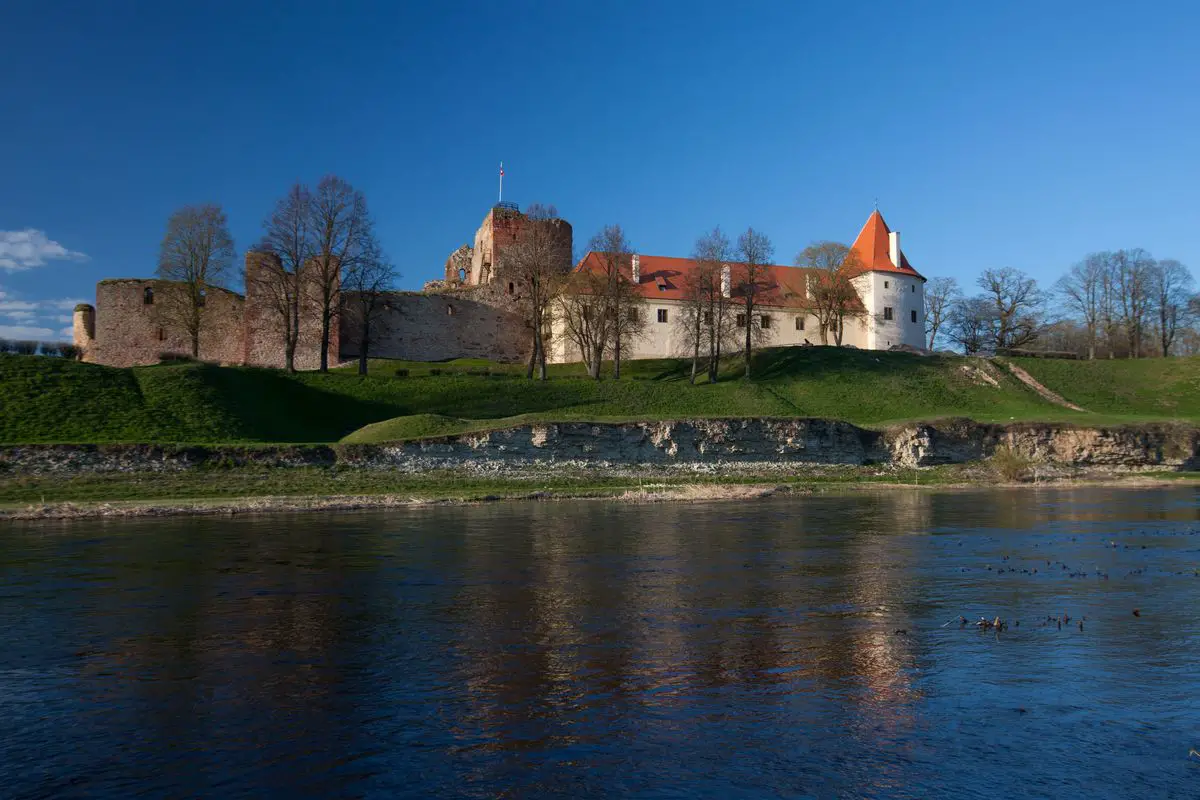
Bauska medieval castle and ducal palace
Zemgale
A large structure, consisting of two parts – a medieval castle (built in 1443) and a Renaissance-style ducal palace, built in 1596.
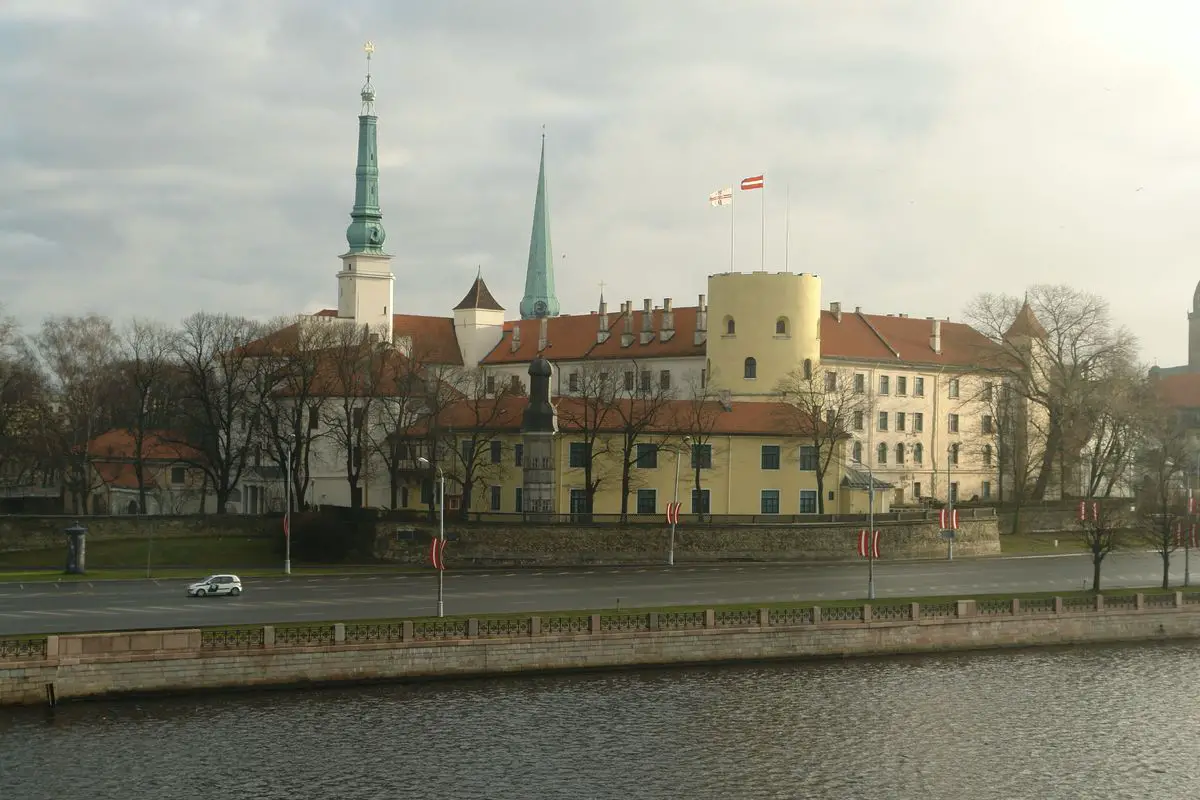
Riga Order Castle
Riga (Vidzeme)
Well preserved, a historically very important building. Construction of the castle in this location started at the end of the 1340ies, the castle was rebuilt in 1515. The castle now unites numerous architectural styles and contains many values of art.
Riga Motormuseum
Riga (Vidzeme)
The largest antique vehicle museum in the Baltic countries. It was established in 1989 and contains more than 230 vehicles including several vehicles of the leaders of the Soviet Union.
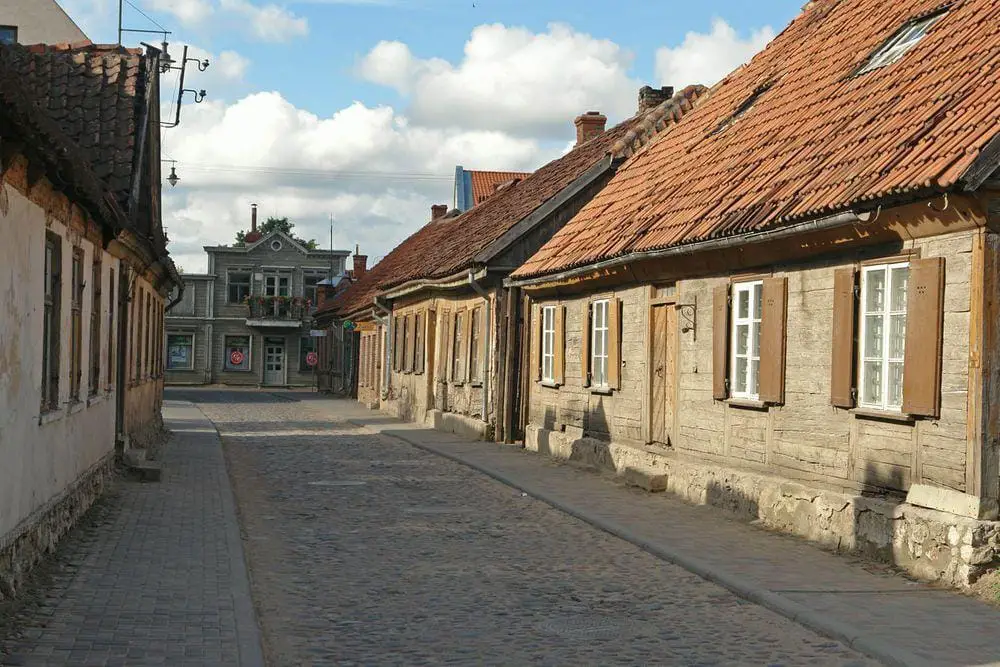
Kuldiga Old City
Kurzeme
Well preserved, picturesque historical town with hundreds of wooden and stone buildings from the 17th – 19th century, without modern buildings.
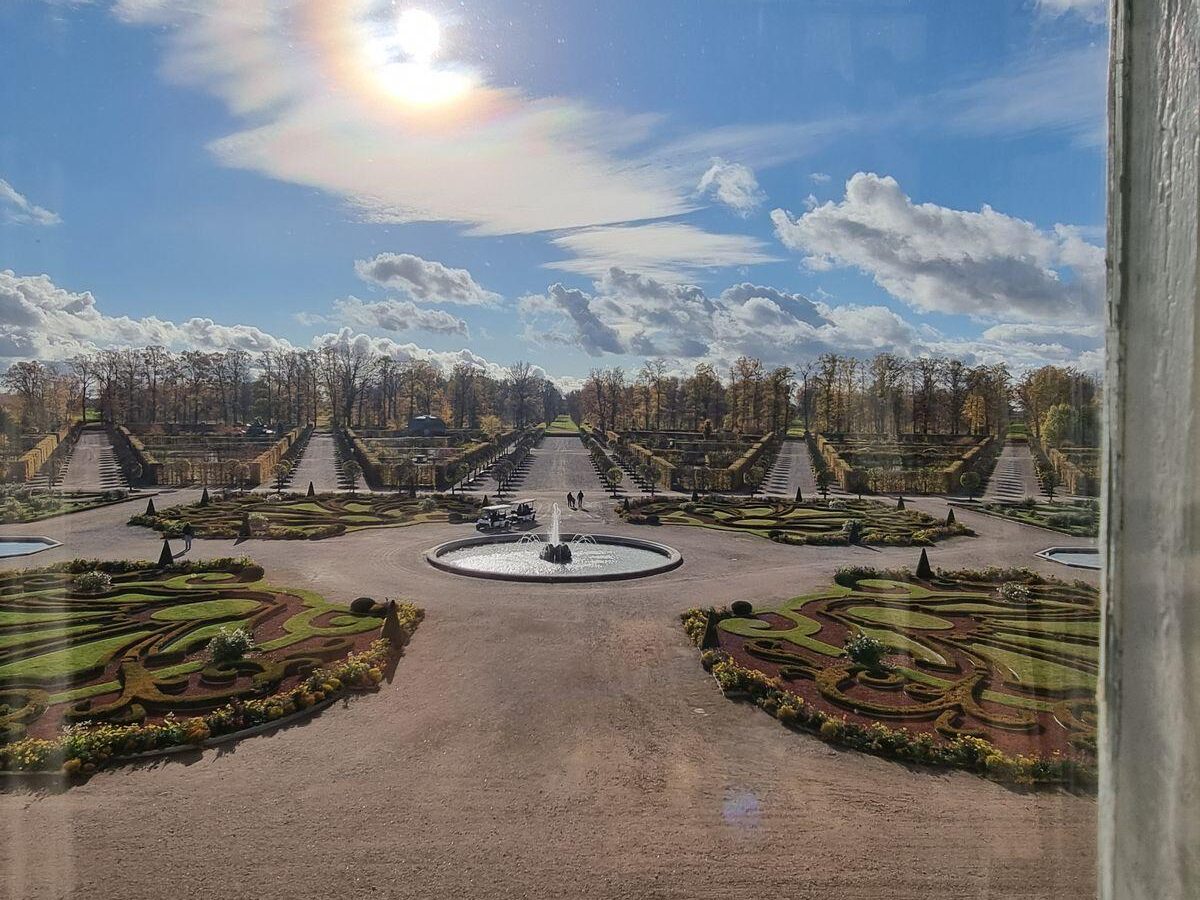
Rundale Palace Park
Zemgale
The only preserved Baroque-style park in Latvia with an area of 47 ha. Park is thoroughly planned to create a harmonious whole with Rundale Palace.
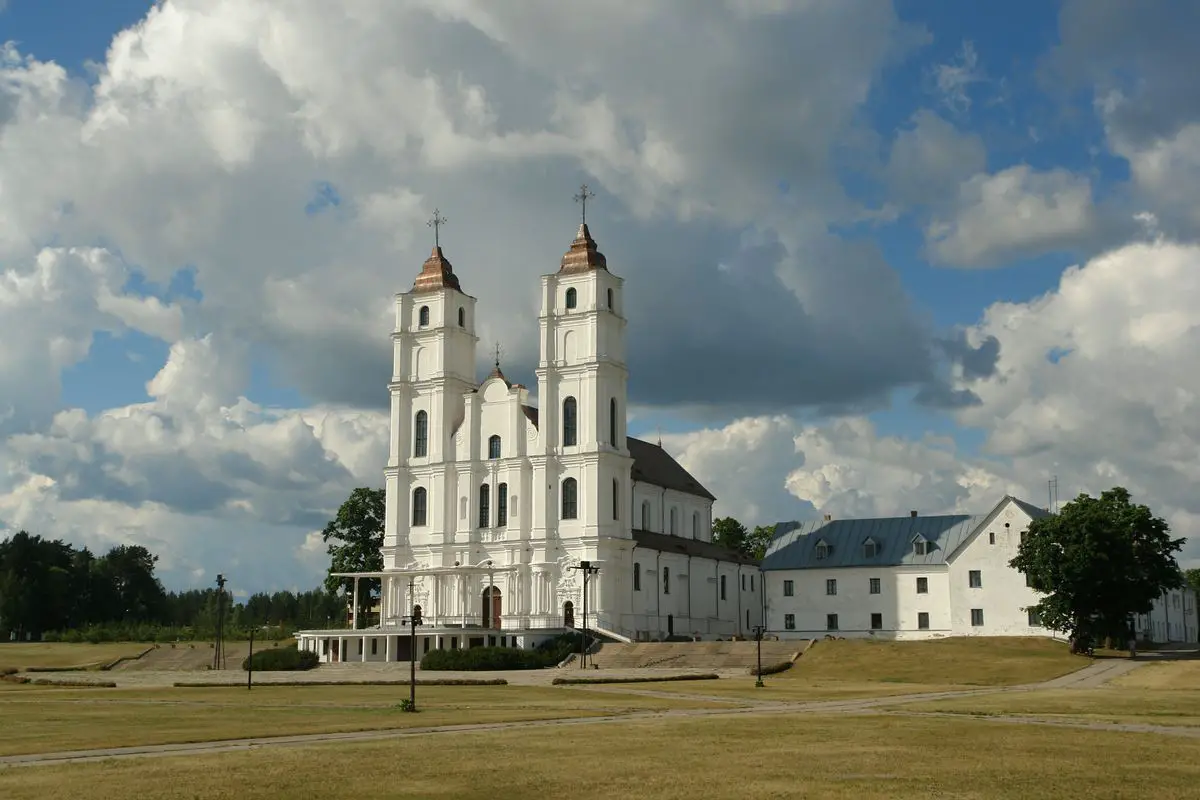
Aglona Basilica and monastery
Latgale
A large church, constructed in 1768 – 1780 in Baroque style with a Rococo interior. It is the only basilica in Latvia. The first wooden Christian church was built here in 1700. Numerous legends about marvels are attributed to the icon of “Our Lady of Aglona’s Miracle”.
Jelgava Palace
Zemgale
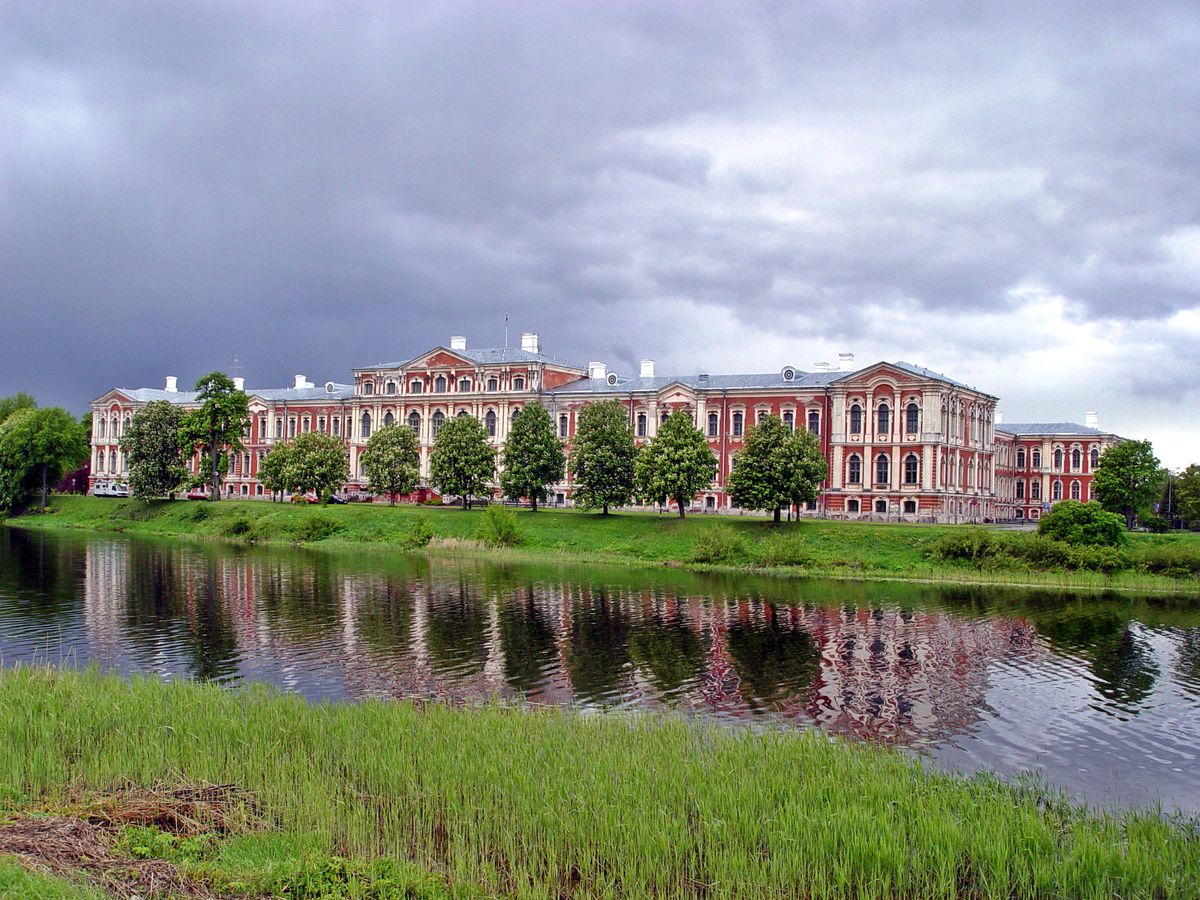
The largest palace in Latvia. It was constructed in the Baroque style from 1738 to 1772.
Koknese medieval castle
Vidzeme
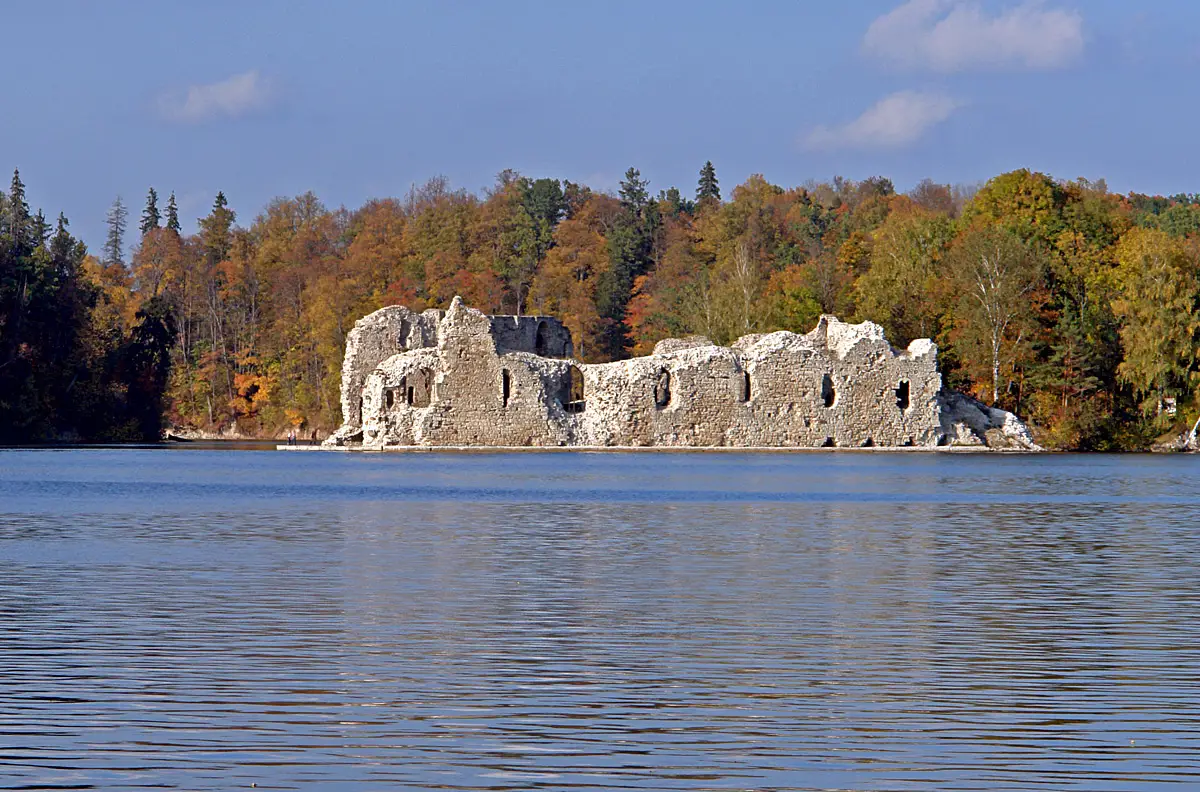
Impressive ruins of an enormous castle that was constructed in 1209. Abandoned in 1701. Now the ruins are rising from the artificial lake of the hydroelectric power station in the Daugava River.
Latvian Ethnographic Open-Air Museum
Riga (Vidzeme)
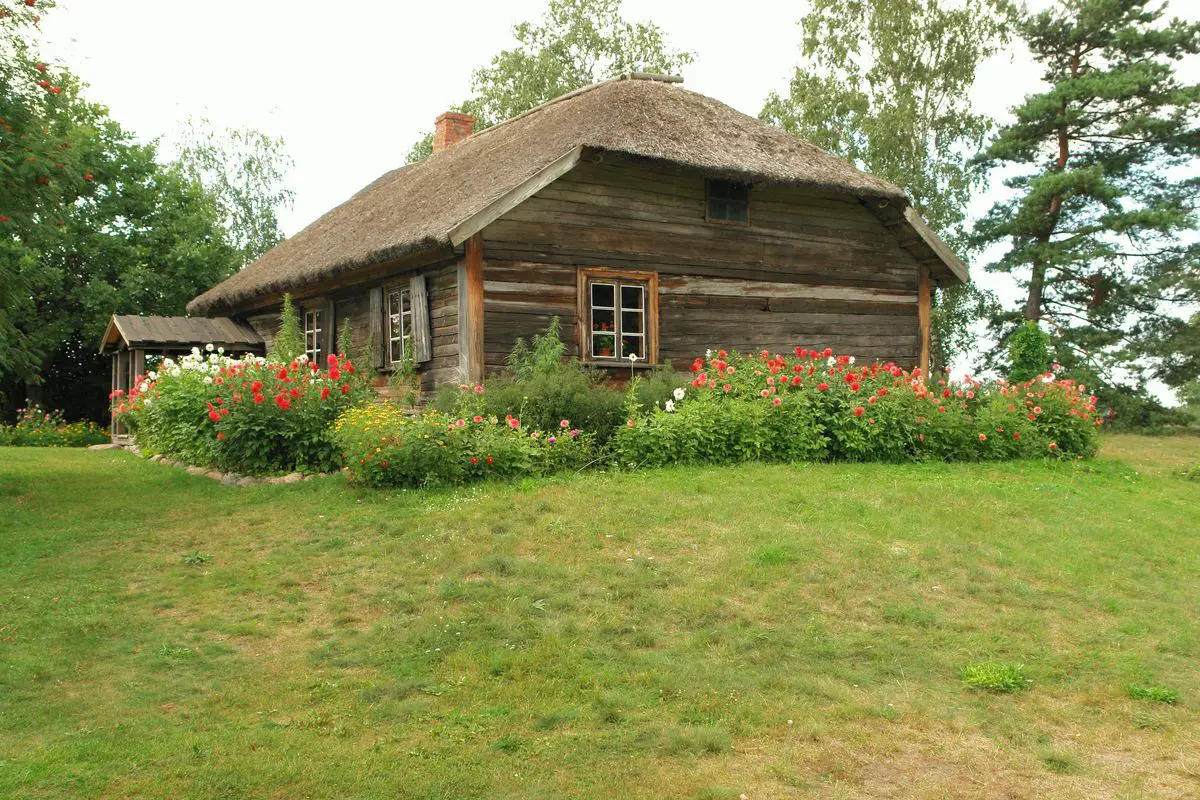
Extensive ethnographic museum with 118 old buildings from all regions of Latvia, including very valuable late Renaissance-Baroque wooden churches. Museum was established in 1928.
Edole medieval castle
Kurzeme
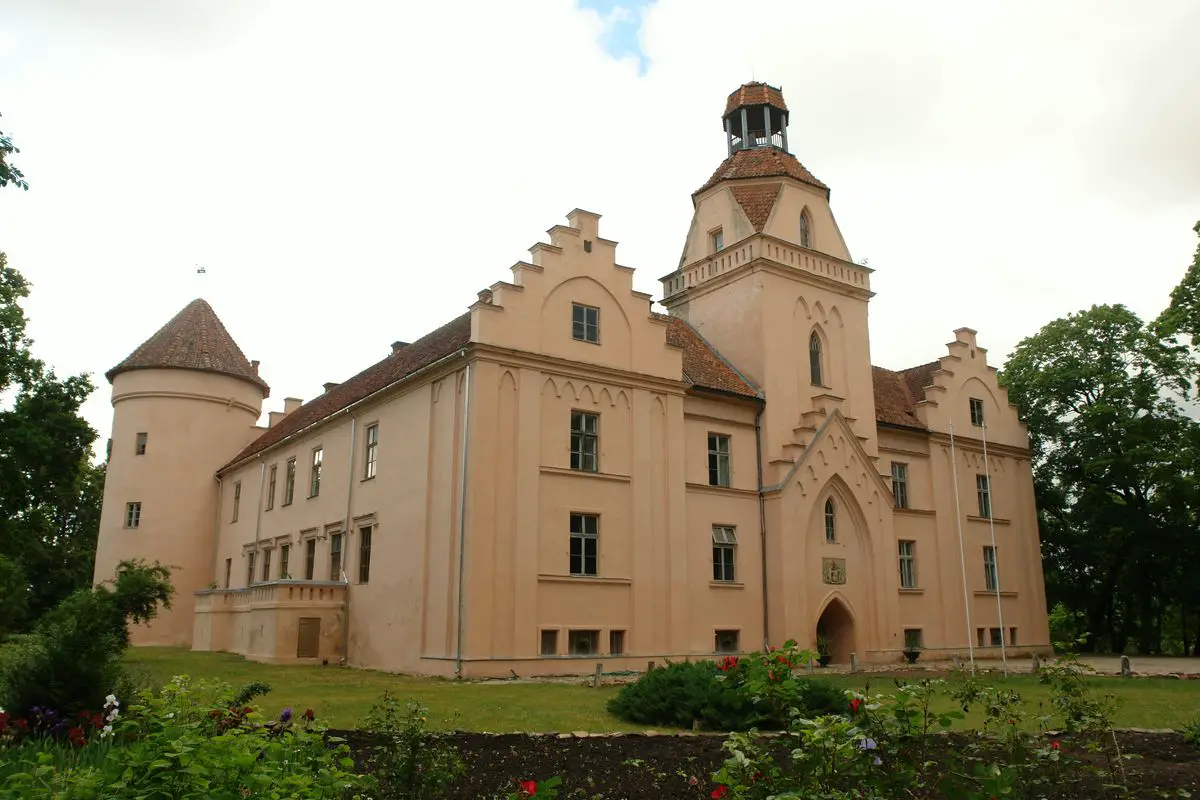
Well-preserved medieval castle from the 14th century, partly rebuilt in Neo-Gothic style in 1840. Site of numerous legends, and stories about haunting.
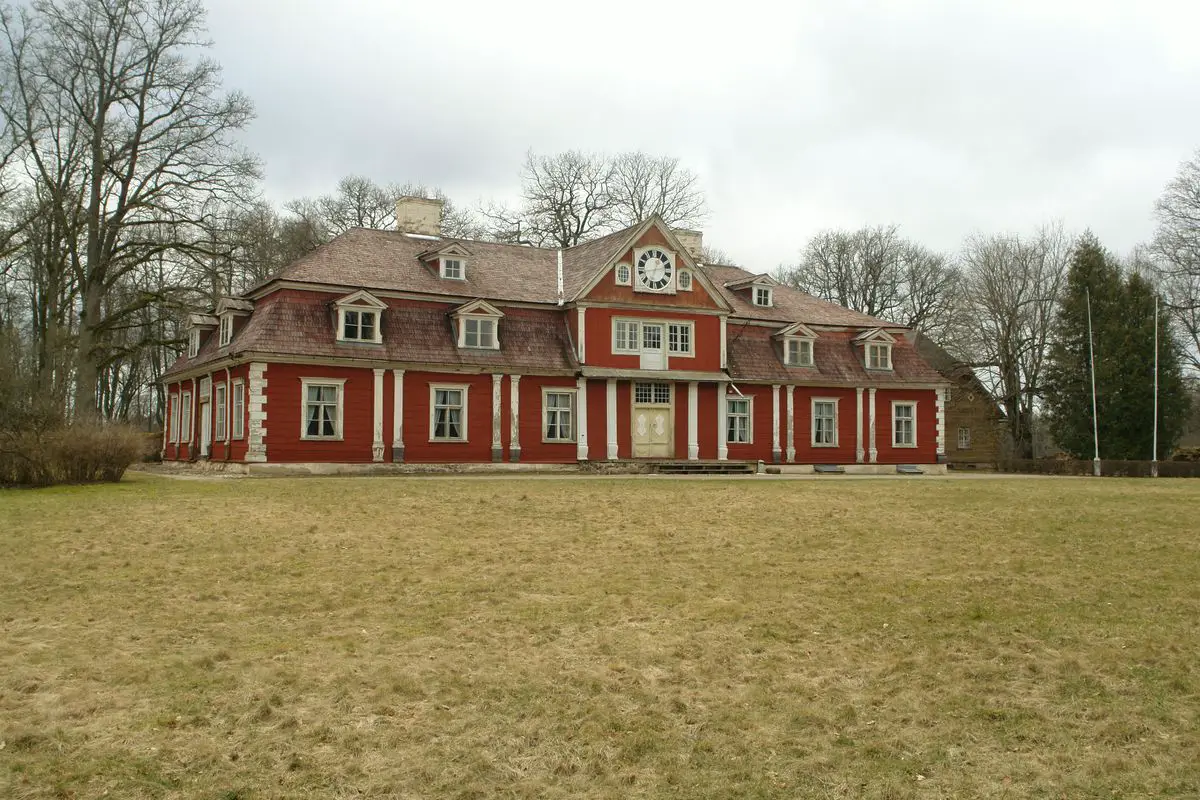
Ungurmuiža Manor House
Vidzeme
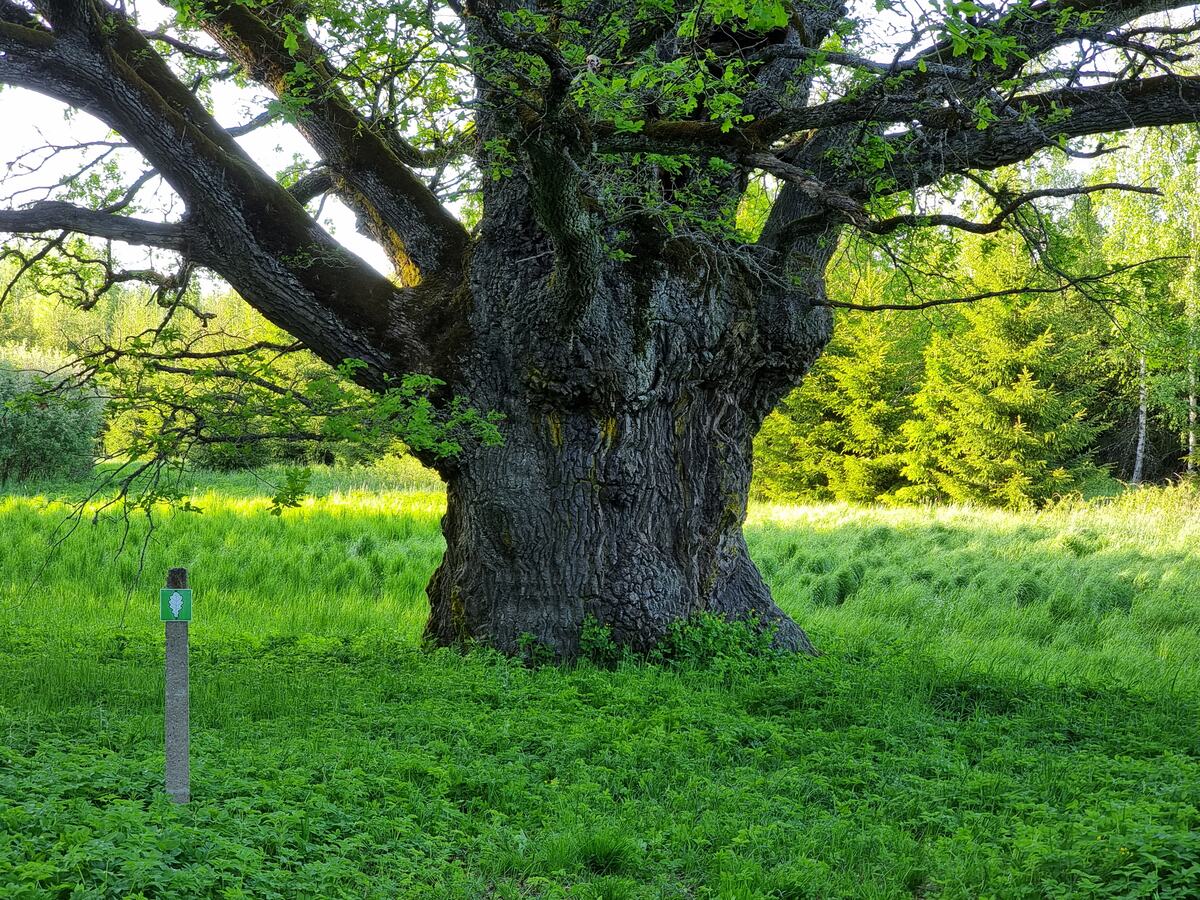
An exquisite wooden manor house, constructed in 1732 in the Baroque style. Well preserved.
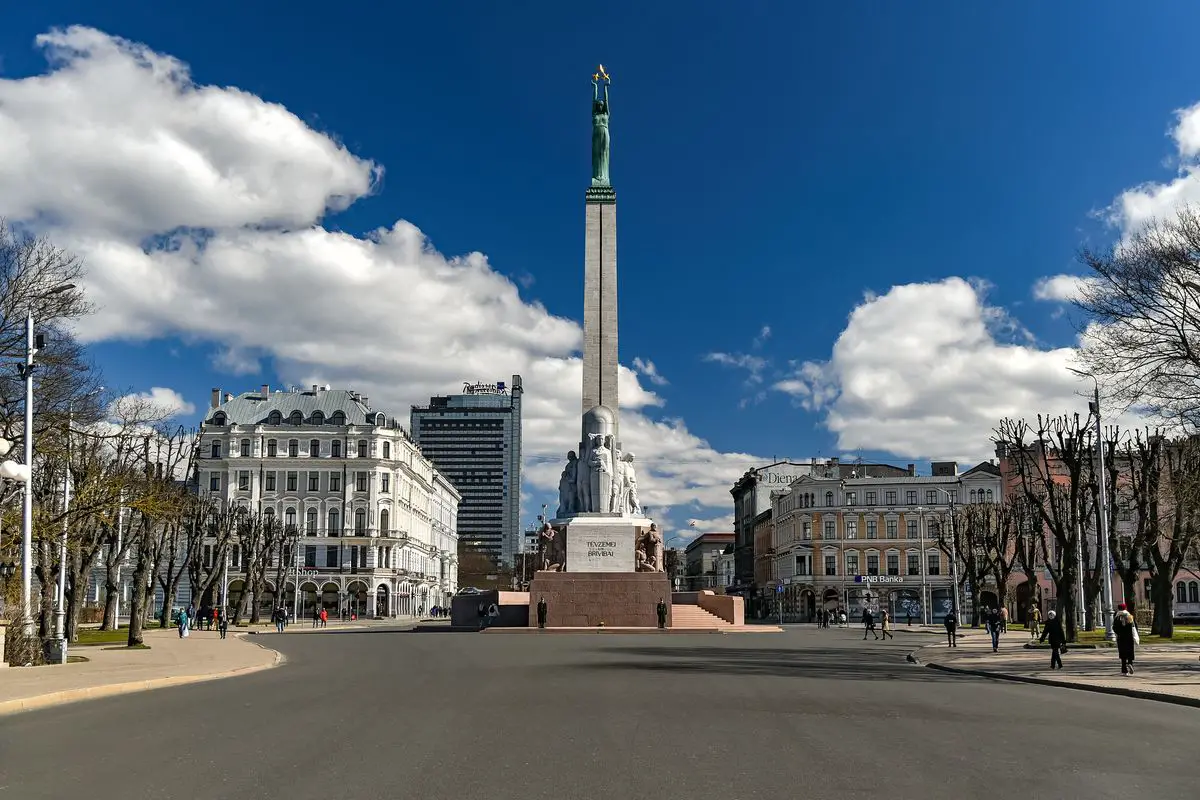
Freedom Monument (Brīvības piemineklis)
Riga (Vidzeme)
A large monument in Art Deco style, constructed in 1935. This 42 m tall monument was built to commemorate the victims of the Independence War, it symbolizes the freedom of Latvia.
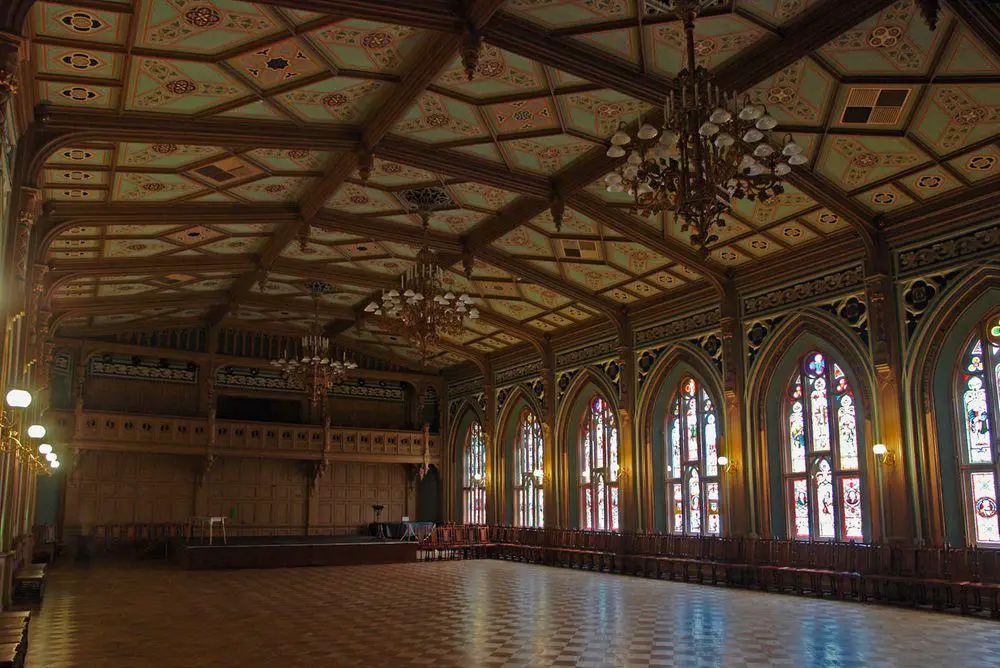
The Little Guild
Riga (Vidzeme)
An ornate public building, created by the union of Riga craftsmen in the 19th century. Constructed in an Eclecticism style, has a very ornate interior.
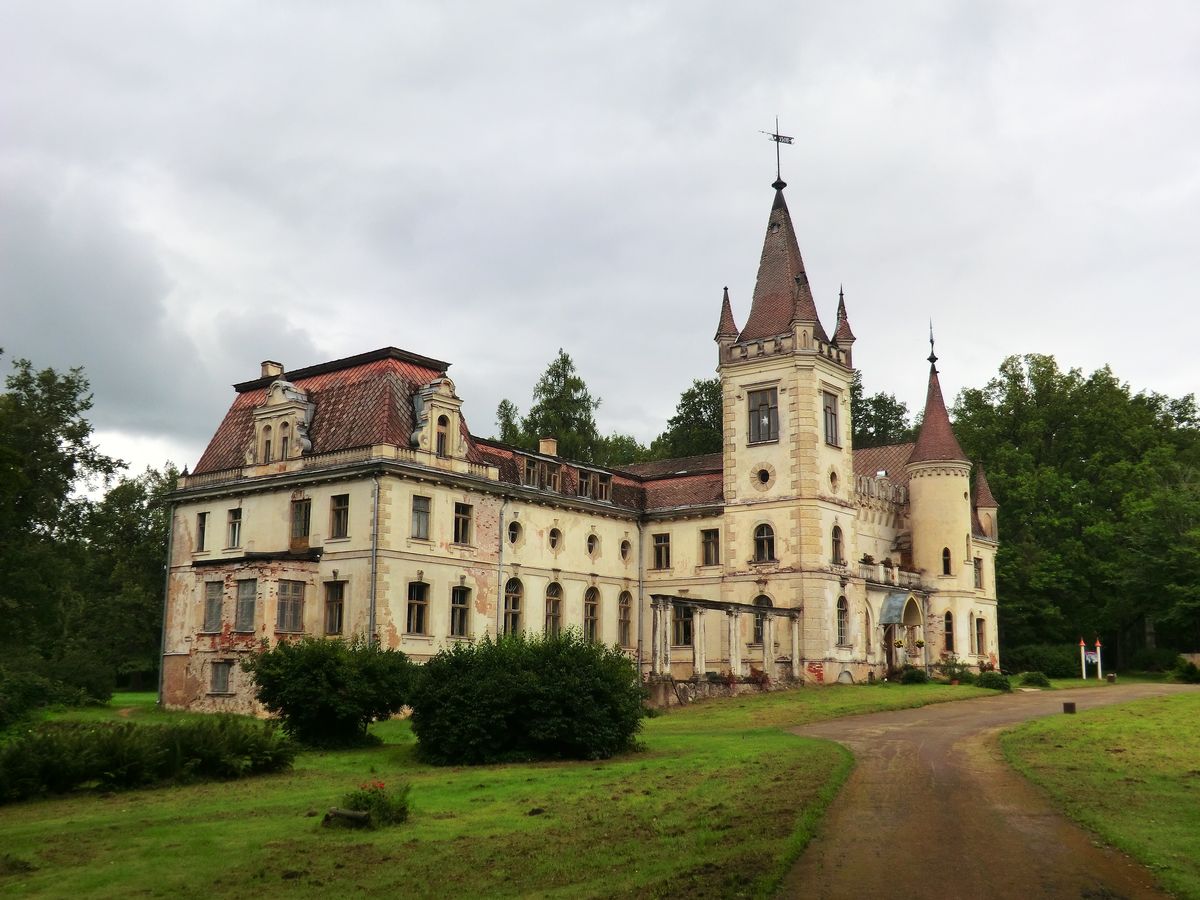
Stāmeriena Palace
Vidzeme
Beautiful palace in romantic Neo-Renaissance style, built in the 19th century.
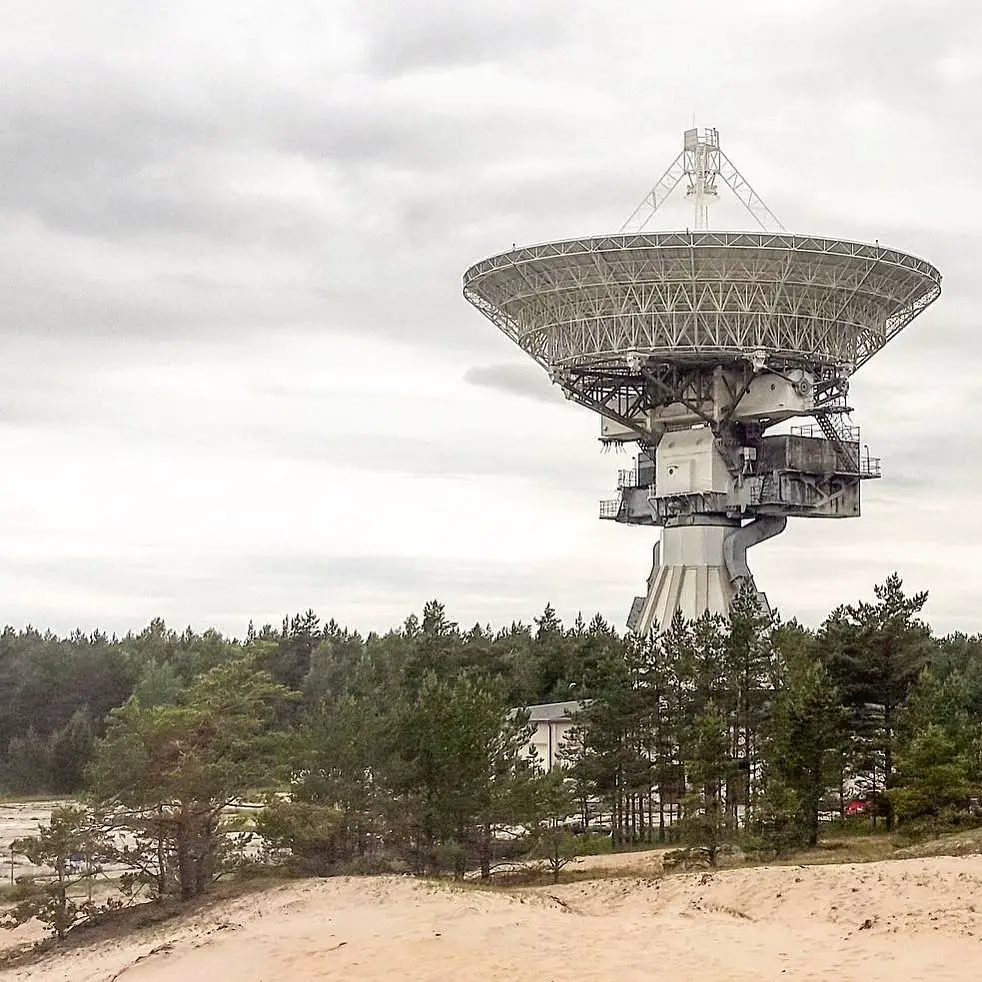
Irbene Radio Astronomical Centre
Kurzeme
State-of-art spying equipment of the Soviet Army – two enormous parabolic antennas with diameters of 32 and 16 meters. Nowadays used for space exploration.
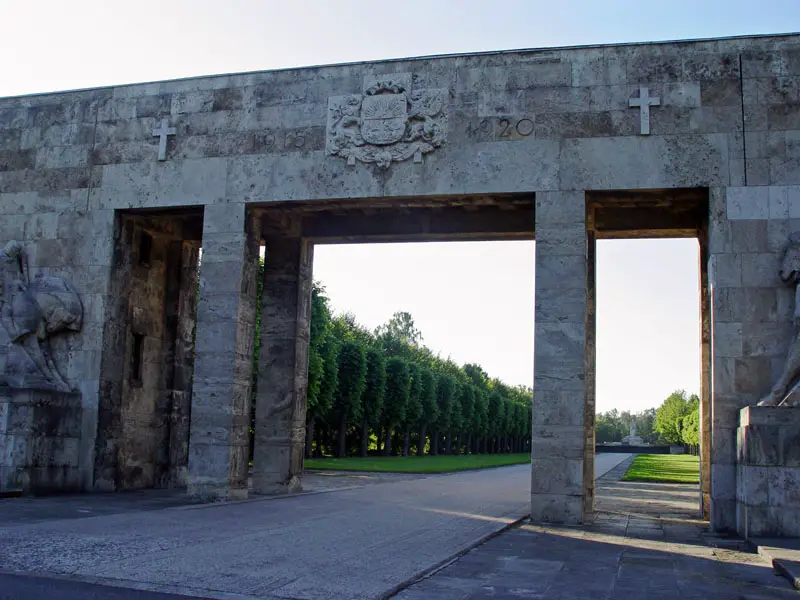
Riga Brethrens Cemetery
Riga (Vidzeme)
One of the largest Art Deco style memorials in Europe, built in the 1920ies – 1930ies to commemorate victims of World War I and the Independence War.
 Recommended books
DK Eyewitness Travel Guide: Estonia, Latvia & Lithuania


Make your trip to the Baltic States an unforgettable cultural experience with our DK Eyewitness Travel Guide to Estonia, Latvia, and Lithuania. From top restaurants, bars, and clubs to stand-out scenic sites and walks, our insider tips are sure to make your trip outstanding. Whether you’re looking for unique and interesting shops and markets, or seeking the best venues for music and nightlife, we have entertainment and hotel recommendations for every budget covered in our Eyewitness Travel Guide.
Latvia Matters: The Adventures of a Large Man Who Stumbled Around in a Small Country


Latvia Matters: The Adventures of a Large Man Who Stumbled Around in a Small Country When Dale Sims received a Fulbright Scholarship to teach in the small country of Latvia he left everything familiar and comfortable behind. His determination to do a good job of representing the United States of America presented a number of challenges, not the least of which were his own preconceived notions of other countries and cultures.