
Wondermondo 🢖 World 🢖 Wonders of North America 🢖 Wonders of Mexico
Territory
Wonders of Mexico
 States of Mexico
Mexico is divided into 31 states and 1 federal district.
Federal district
- Ciudad de México
States
- Aguascalientes
- Baja California
- Baja California Sur
- Campeche
- Chiapas
- Chihuahua
- Coahuila
- Colima
- Durango
- Guanajuato
- Guerrero
- Hidalgo
- Jalisco
- México
- Michoacán
- Morelos
- Nayarit
- Nuevo León
- Oaxaca
- Puebla
- Querétaro
- Quintana Roo
- San Luis Potosí
- Sinaloa
- Sonora
- Tabasco
- Tamaulipas
- Tlaxcala
- Veracruz
- Yucatán
- Zacatecas
Map with the described wonders
If you see this after your page is loaded completely, leafletJS files are missing.
 Top 25 wonders of Mexico
Geological wonders
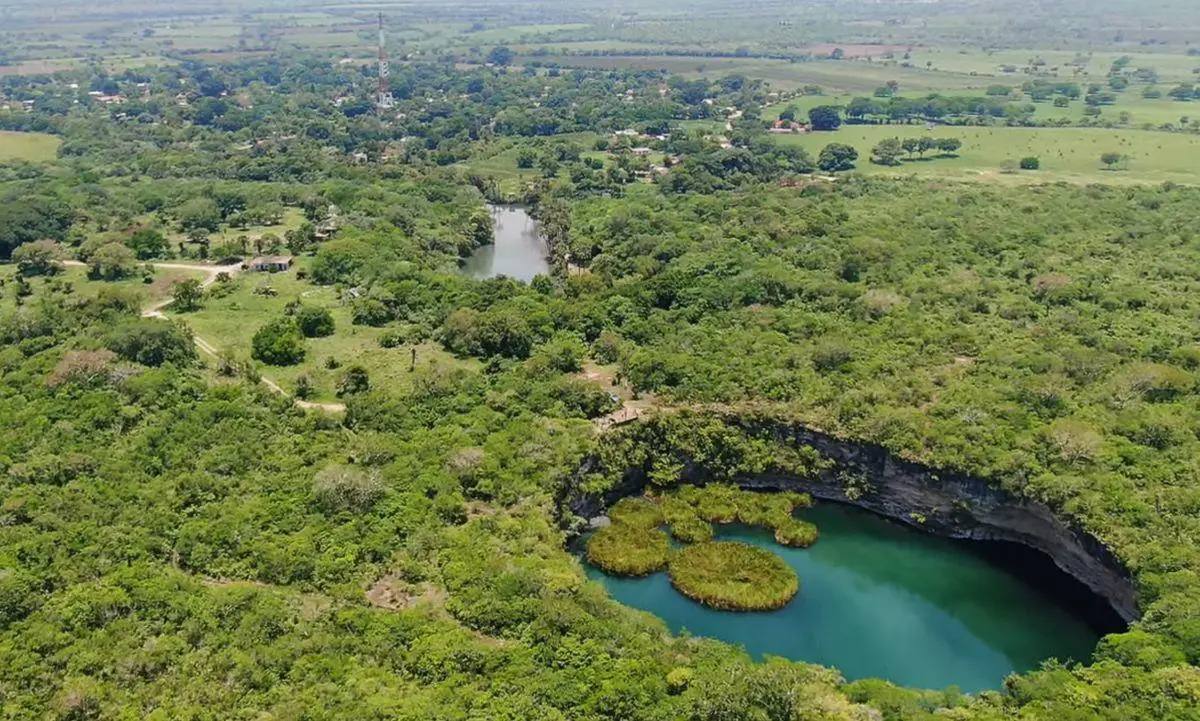
Sistema Zacaton
Tamaulipas
Unique karst field created by thermal acidic waters heated by volcanic heat. Contains the world’s deepest water-filled sinkhole, the 339 meters deep El Zacatón sinkhole with 319 meters deep lake, and floating islands. Poza Seca is one of the unique travertine-capped sinkholes of Sistema Zacatón – here the formerly open sinkhole has sealed itself with a limestone lid. Most likely it hides unknown life forms, not investigated.
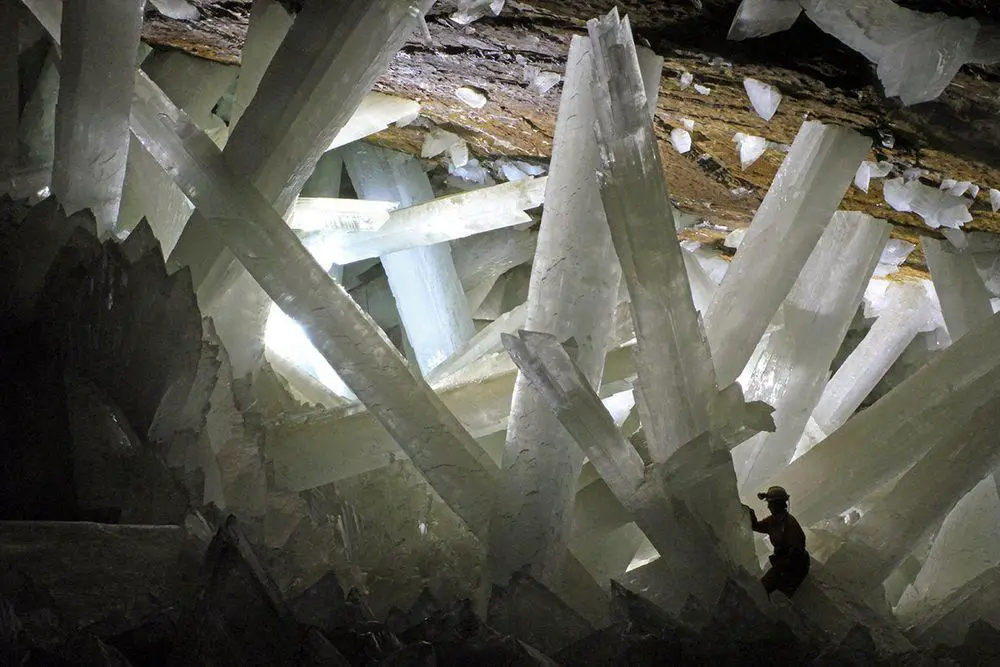
Naica Cave of the Crystals
Chihuahua
Cave with giant selenite crystals up to 12 meters long and 55 tons heavy. The air temperature in the cave is up to 58 °C high. Now flooded.
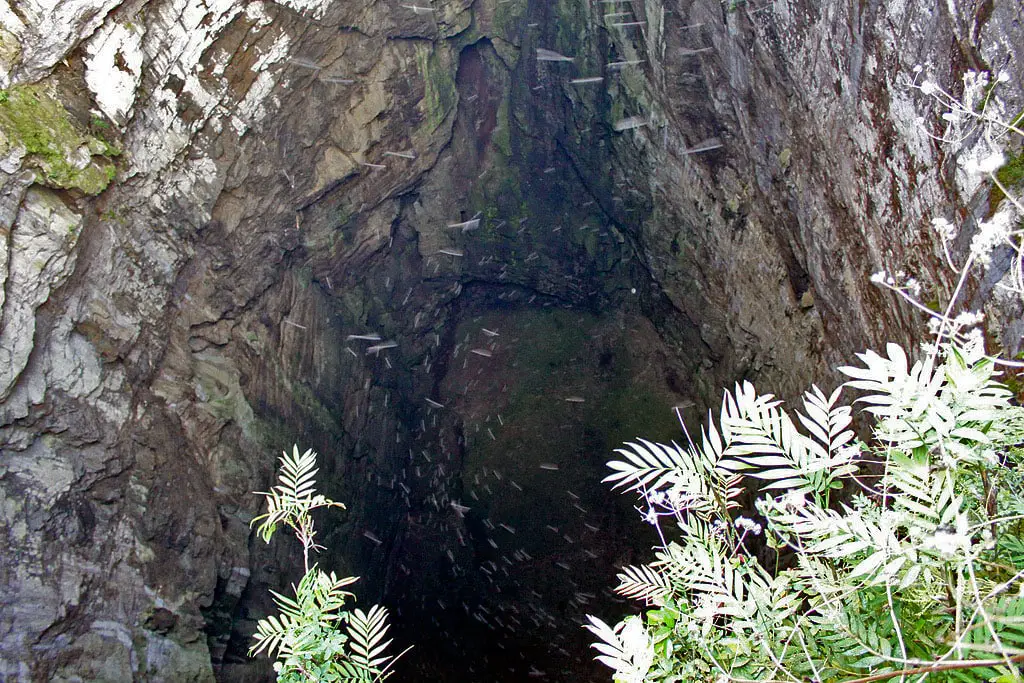
Sótano de las Golondrinas (Cave of Swallows)
San Luis Potosí
The largest cave shaft in the world – an enormous 49 x 62 meters wide hole, 372 meters deep. Famous due to a group of green parrots who have to fly ascending in circles around the cave until they get out of it.
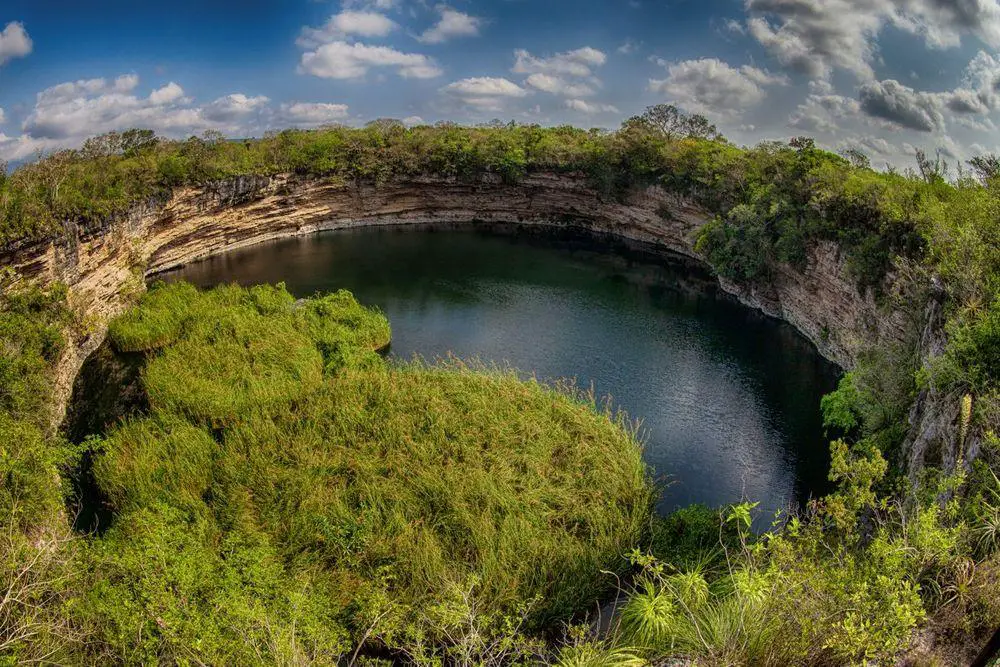
El Zacaton sinkhole
Tamaulipas
World’s deepest water-filled sinkhole, 339 meters deep sinkhole with 319 meters deep lake. Floating islands in the lake.
Cenote Angelita
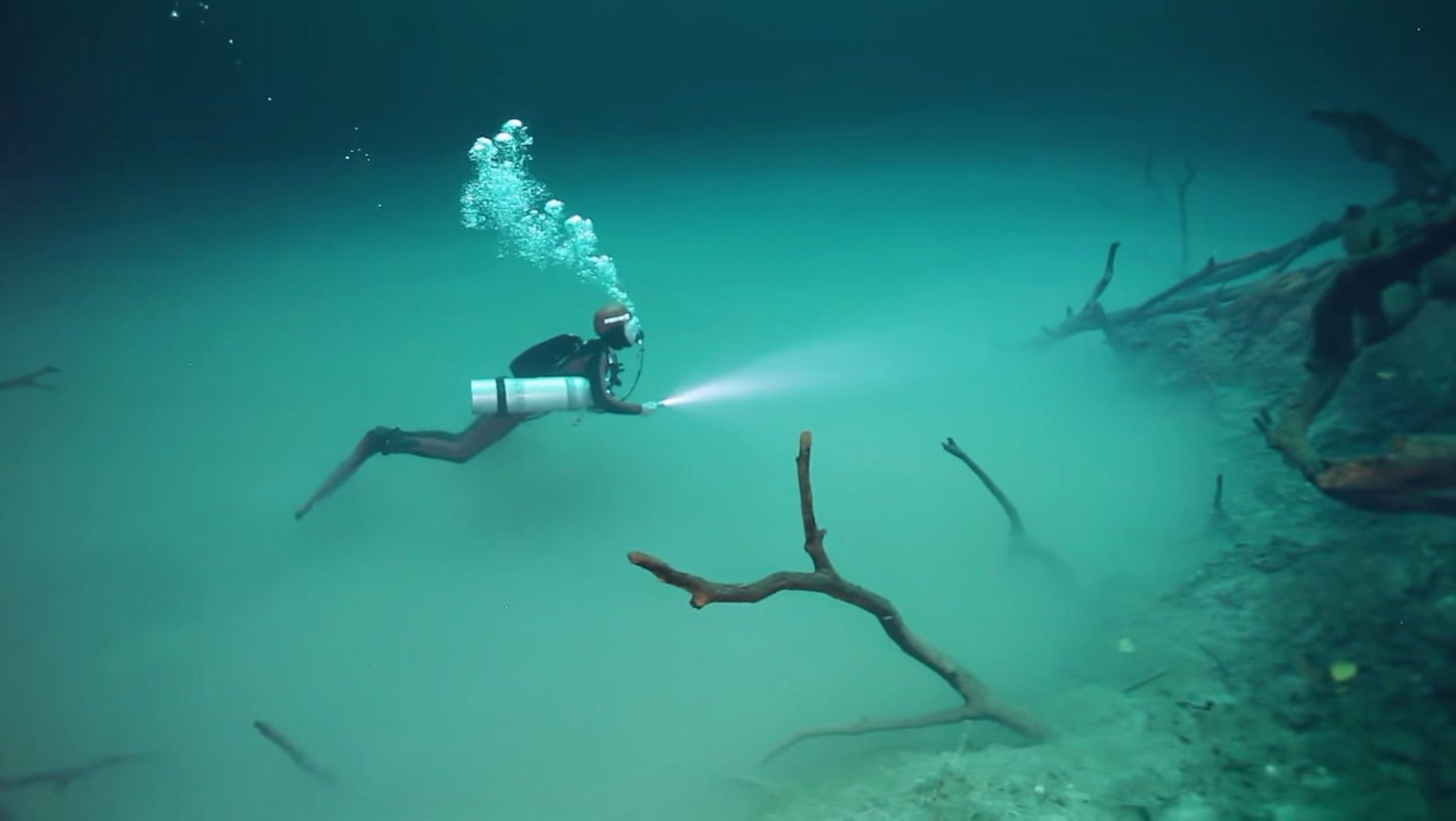
Quintana Roo
Unique water-filled sinkhole with a ghostly layer of hydrogen sulfate at the depth of some 30 m and seawater below it.
Parícutin
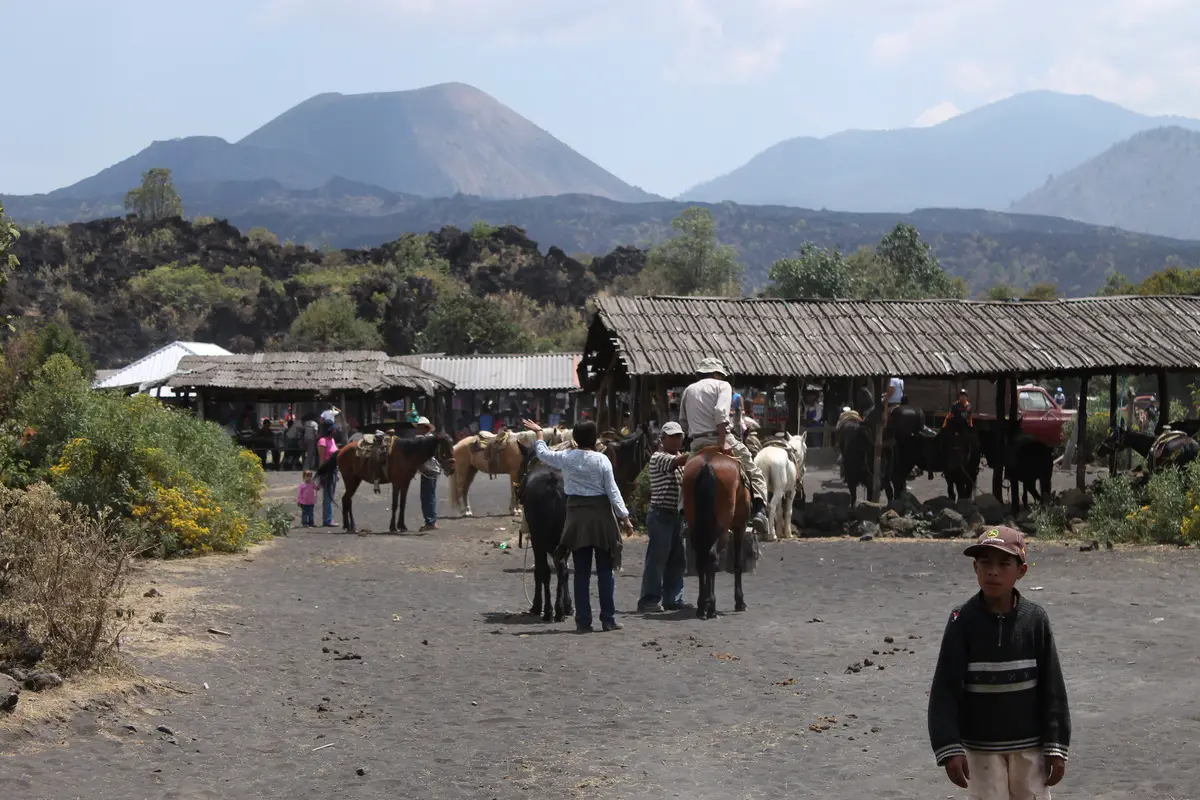
Michoacán
This newly-born volcano appeared in a cornfield in 1943 and grew 336 m tall over one year, finally achieving a height of 424 m in 1952.
Sistema Huautla
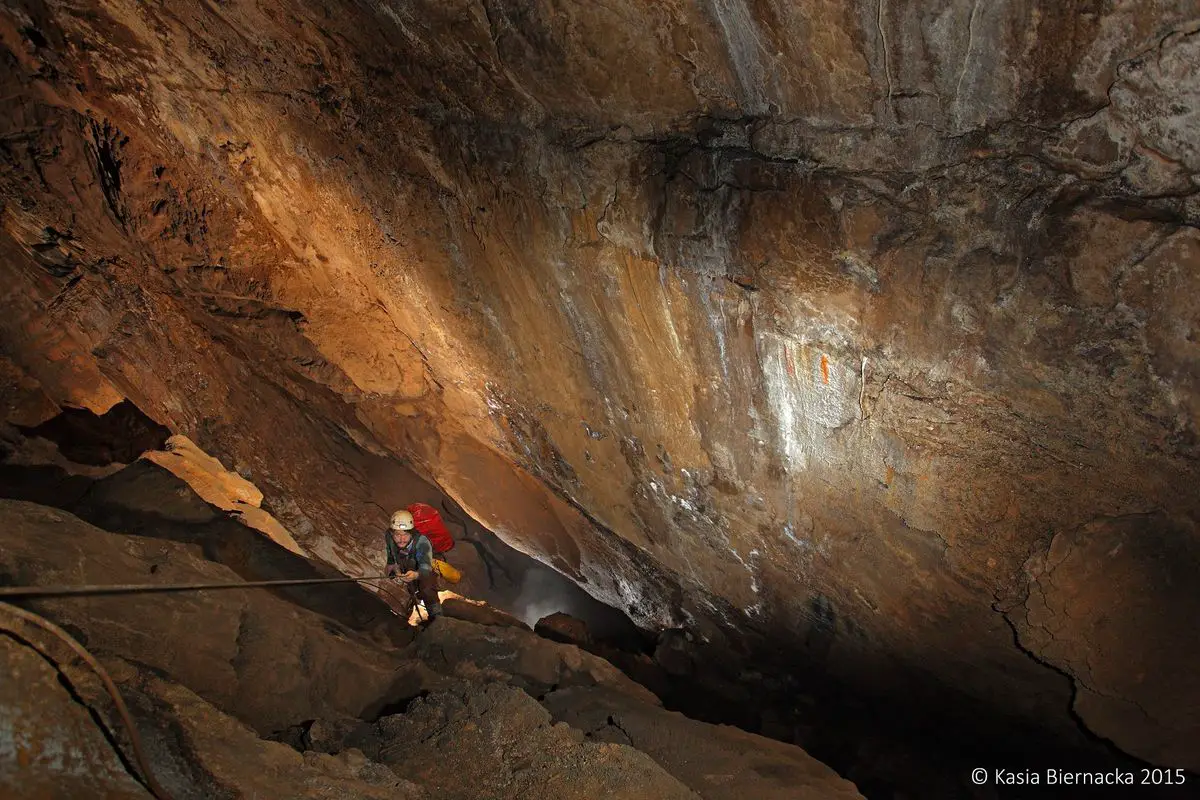
Oaxaca
This giant cave is the deepest known in Mexico and the whole Western Hemisphere. The known depth of the cave is 1560 m, length of its passages – is 100,114 m.
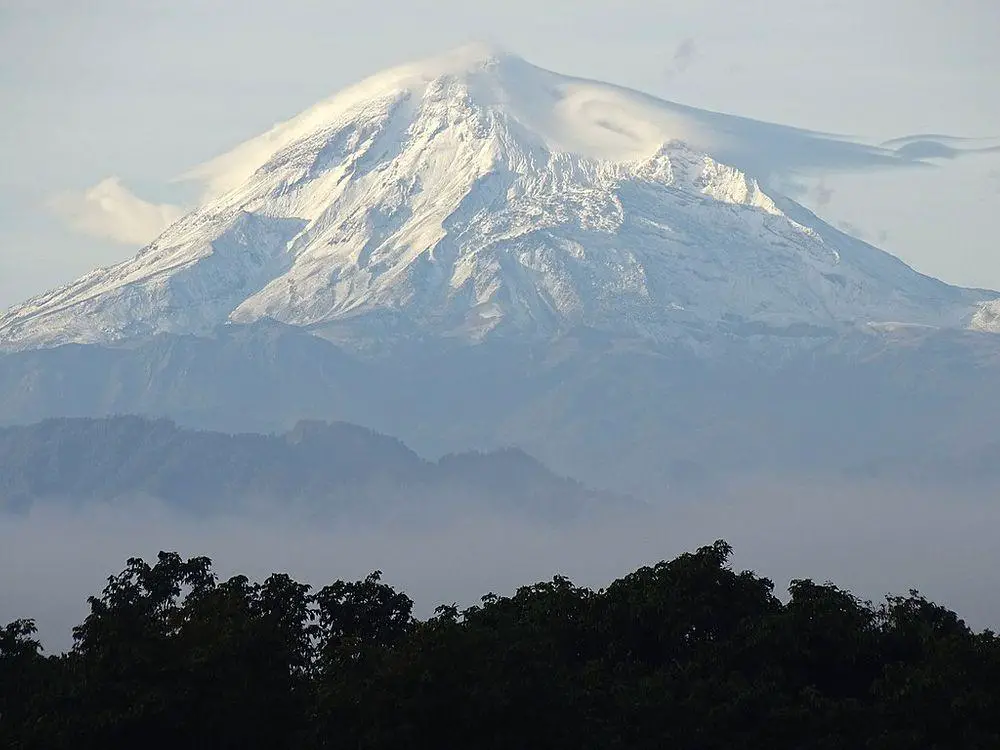
Citlaltépetl (Pico de Orizaba)
Puebla
The most prominent mountain between Colombia and Yukon is this 5,636 m high stratovolcano. The 7th topographically most prominent mountain in the world. Contains permanent snow.
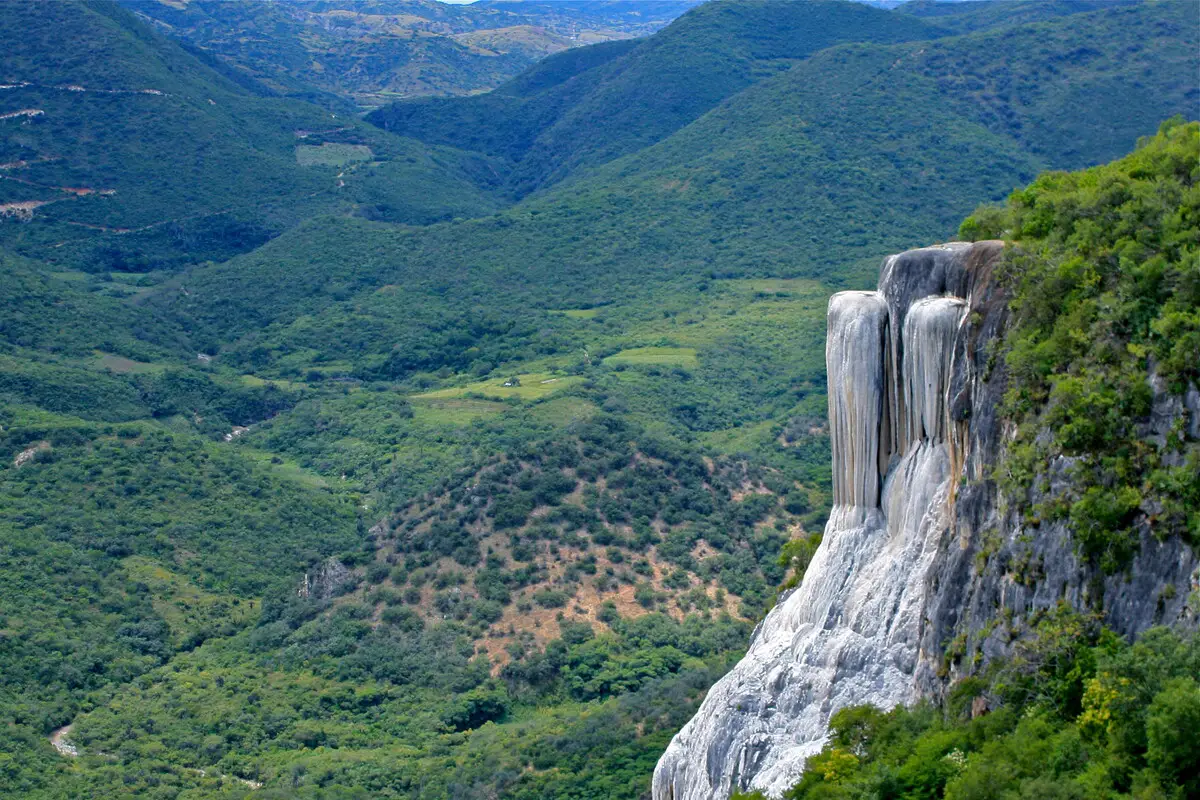
Hierve el Agua
Oaxaca
One of the highest single travertine terraces is formed by thermal springs. This bright white stone “waterfall” is 12 – 30 meters high.
Biological wonders
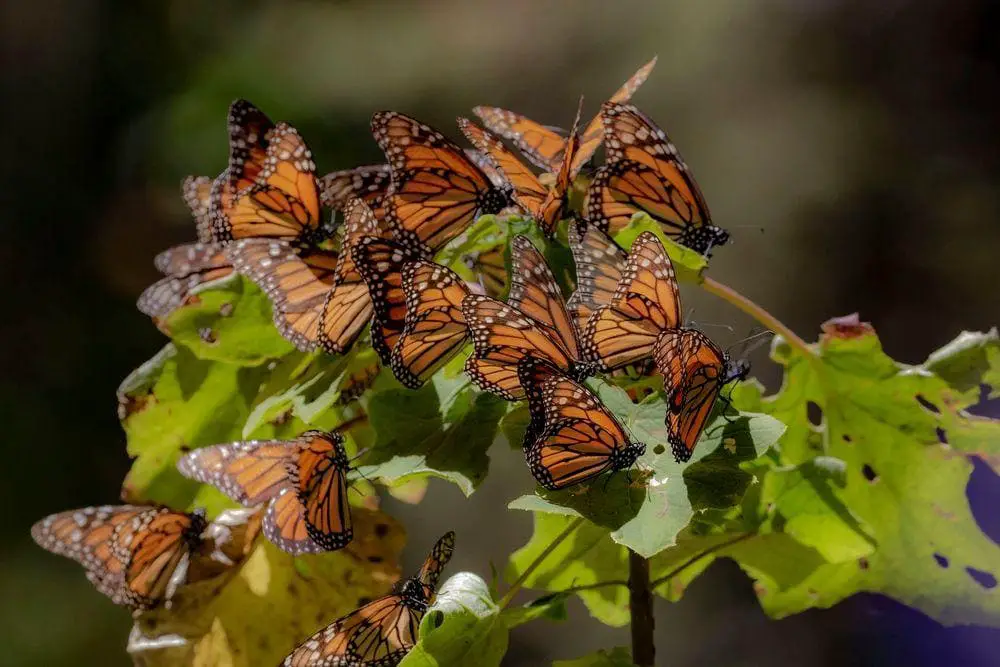
Monarch Butterfly Biosphere Reserve
Michoacán, Ciudad de México
Wintering habitats of the monarch butterflies (Danaus plexippus). Some trees are covered with a thick layer of millions of butterflies.
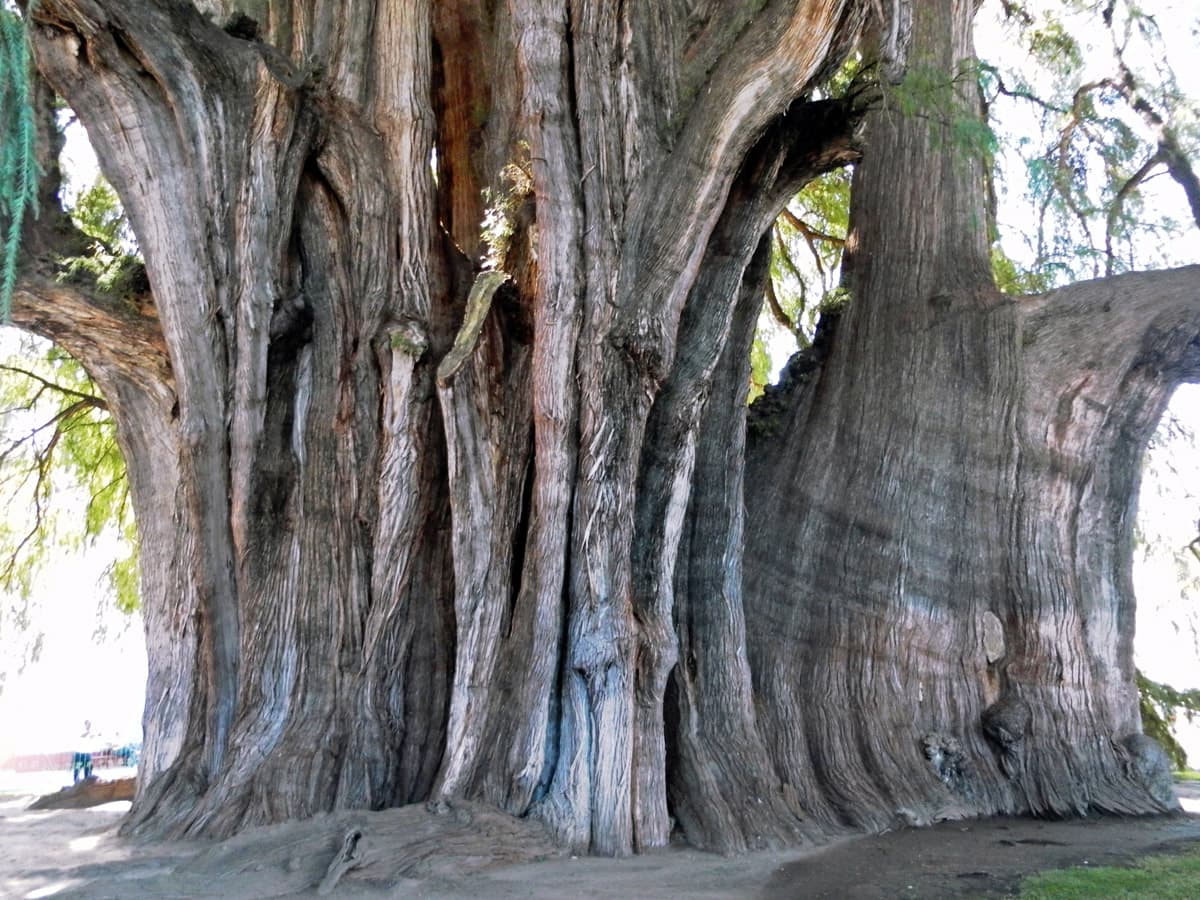
Árbol del Tule
Oaxaca
One of the stoutest trees on Earth is a Montezuma cypress (Taxodium mucronatum). Girth 36.2 m, diameter 11.62 m, height 35.4 m. Discounting the buttresses of the trunk the diameter – is 9.38 m. Volume 750 m³. Age estimated to be 1,400 – 1,600 years. Sacred Zapotec tree.
Archaeological wonders
Teotihuacan
México
One of the largest ancient cities in the world with numerous monuments of architecture and art. Established sometime around 200 BC and was abandoned in the 7th – 8th centuries AD. A hugely impressive monument of urban planning is the Avenue of the Dead. The Pyramid of the Sun is the third largest ancient pyramid in the world. Height – 71,2 m. The Pyramid of the Moon is an older pyramid from 200 – 450 AD, 42 m high.
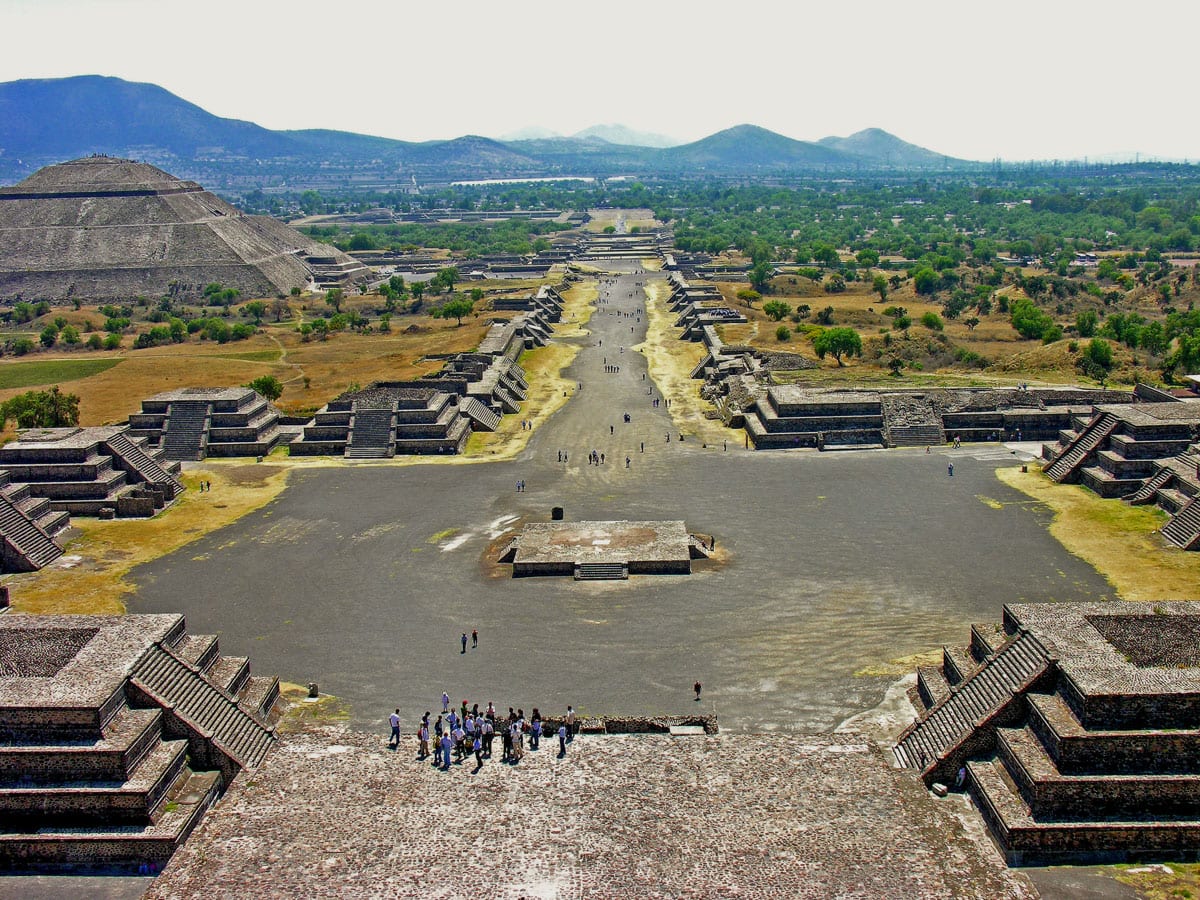
Palenque
Chiapas
Ruins of a Mayan city that flourished in the 7th century AD. The city is located in the middle of the jungle, on the hill overlooking the coastal plains. Another is the fact that the Palenque contains some of the finest known Mayan architecture and artwork. The most interesting structures are the Palace of Palenque and Temple of the Inscriptions with important records of the history of the city and the sarcophagus of Pakal – ruler of the city.
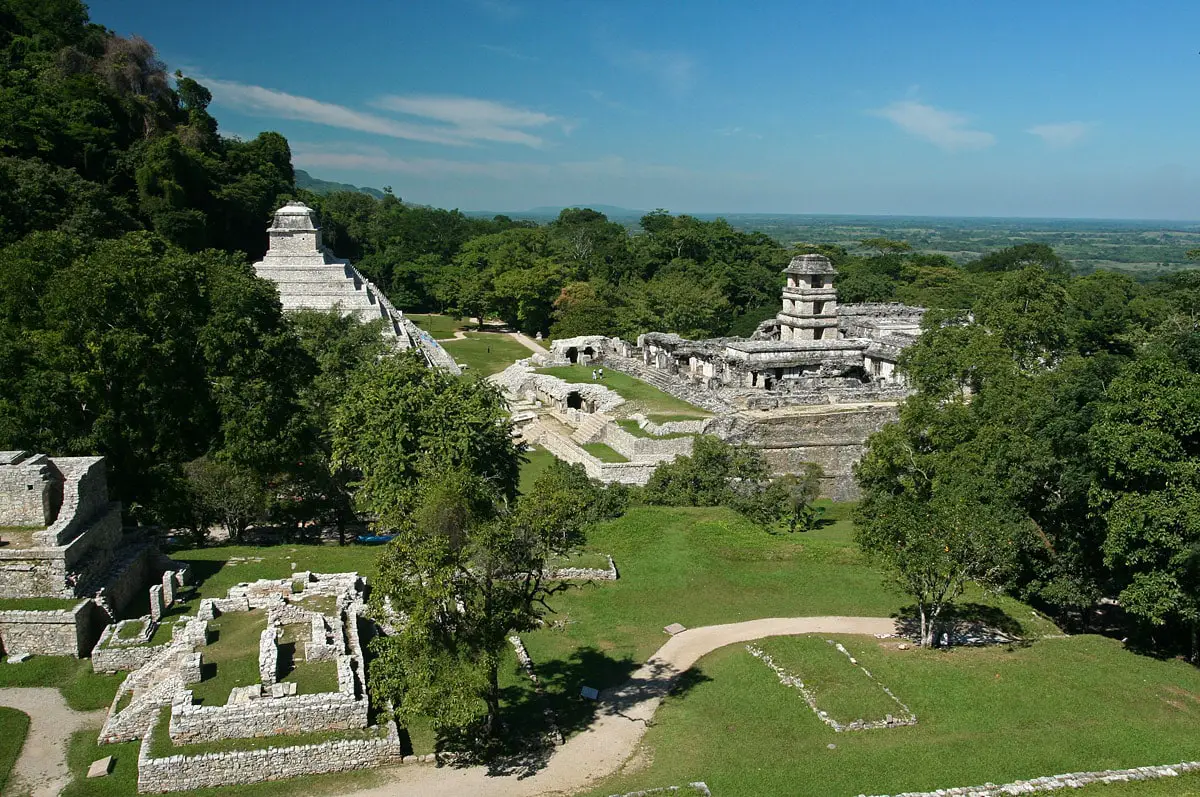
Chichen Itza
Yucatán
The major urban center of lowland Maya culture with numerous monuments of world importance and fame. Chichen Itza became an important center around 600 AD and remained such a center until its fall around 1000 AD. Some of the best-known monuments are the El Castillo pyramid, the Great Ball Court, Temple de Los Guerreros, the El Caracol observatory, and the Ossario pyramid.
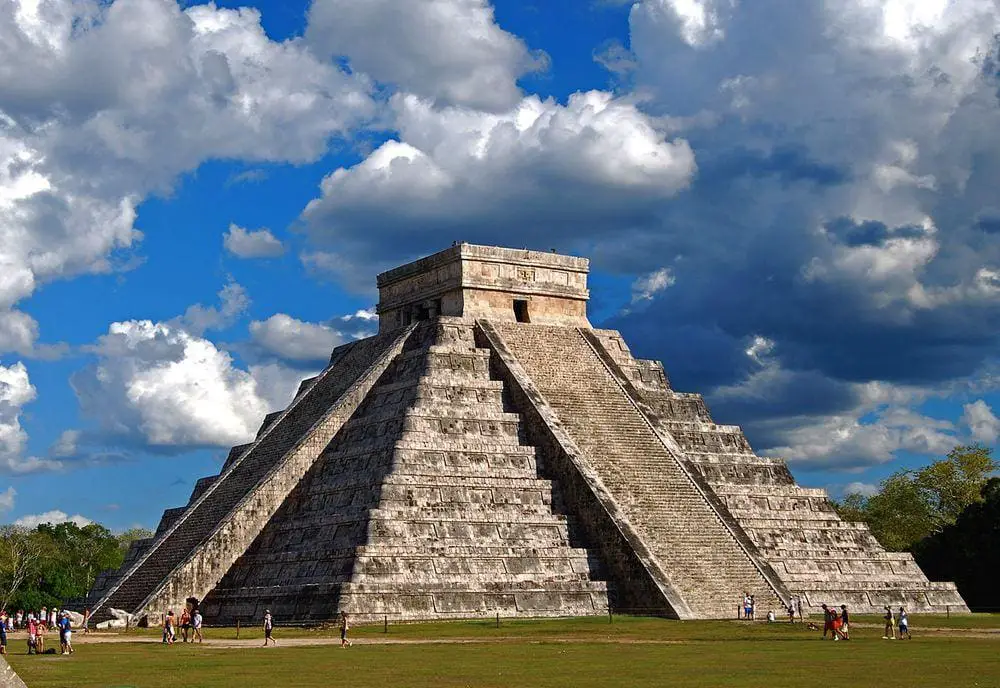
Calakmul
Campeche
One of the largest cities of ancient Maya with remnants of nearly 7000 structures still existing. Largest building – 55 m high pyramid. 117 steles and numerous other important monuments of history and art.
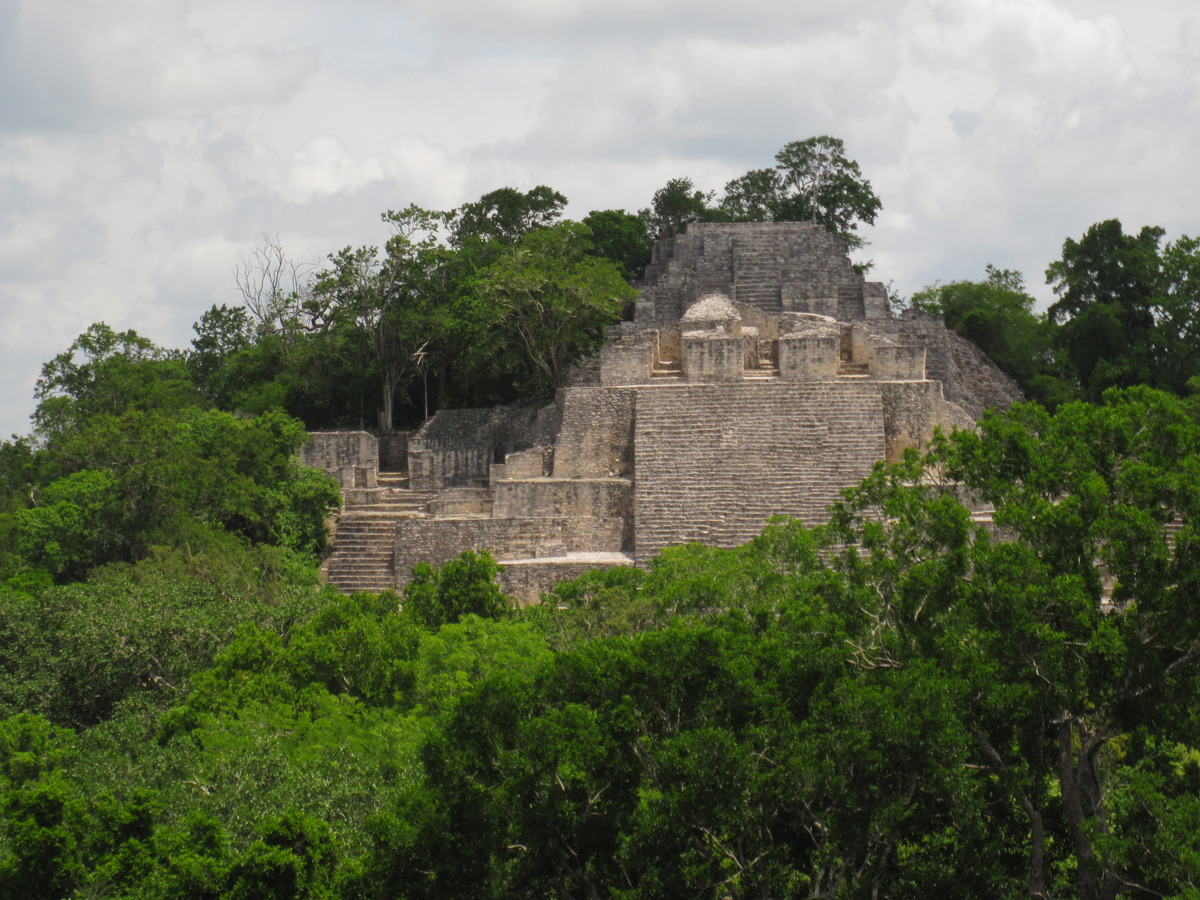
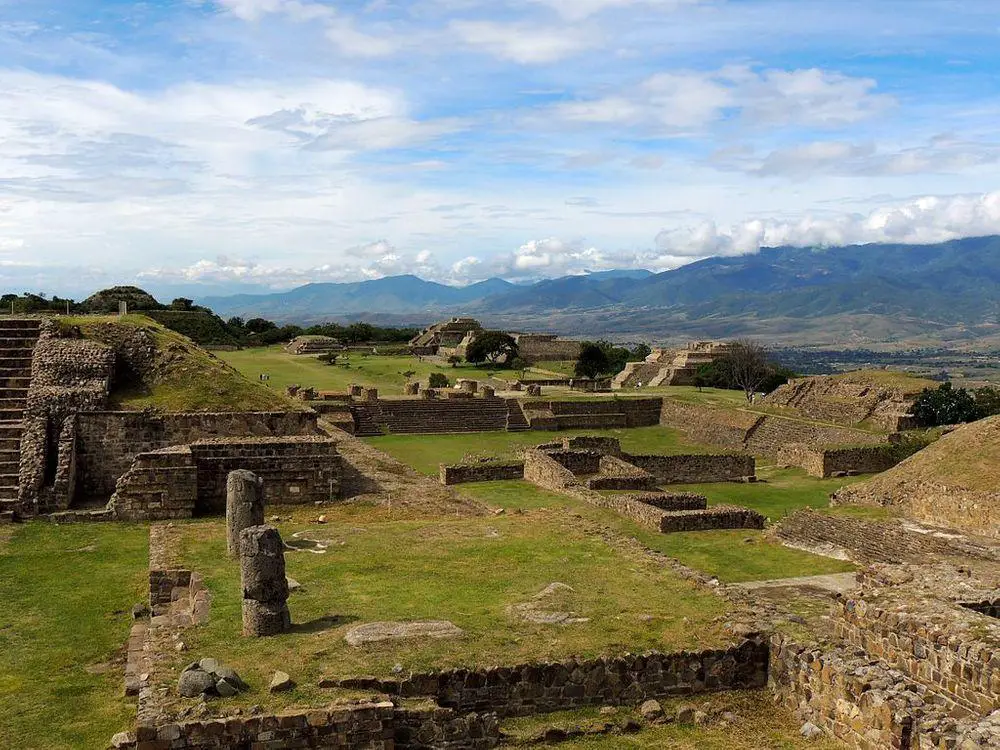
Monte Albán
Oaxaca
One of the largest cities of ancient Maya with remnants of nearly 7000 structures still existing. Largest building – 55 m high pyramid. 117 steles and numerous other important monuments of history and art.
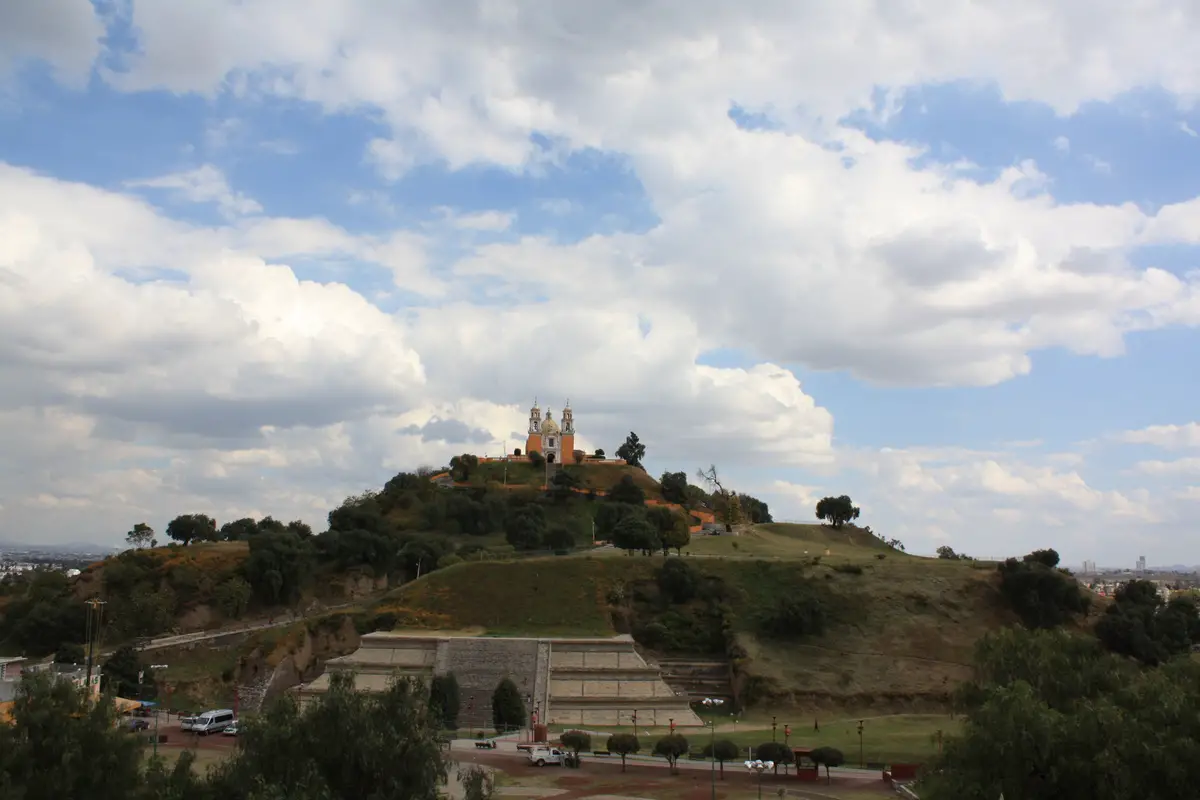
Great Pyramid of Cholula
Puebla
World’s largest structure, built in the 3rd century BC – 9th century AD. The base of the pyramid is 450 x 450 m, height – 66 m. The volume of the construction material exceeds the volume of the Great Pyramid of Giza nearly two times.
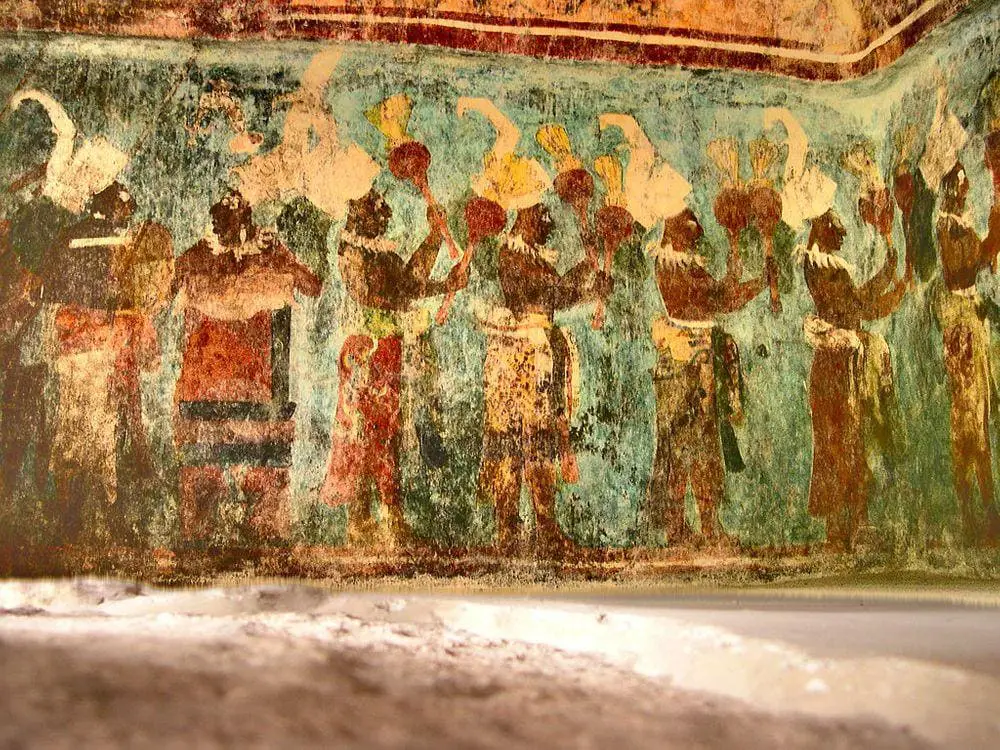
Bonampak
Chiapas
Remnants of an ancient Maya city that was built sometime around 580 – 800 AD. Contains numerous valuable murals of high artistic value.
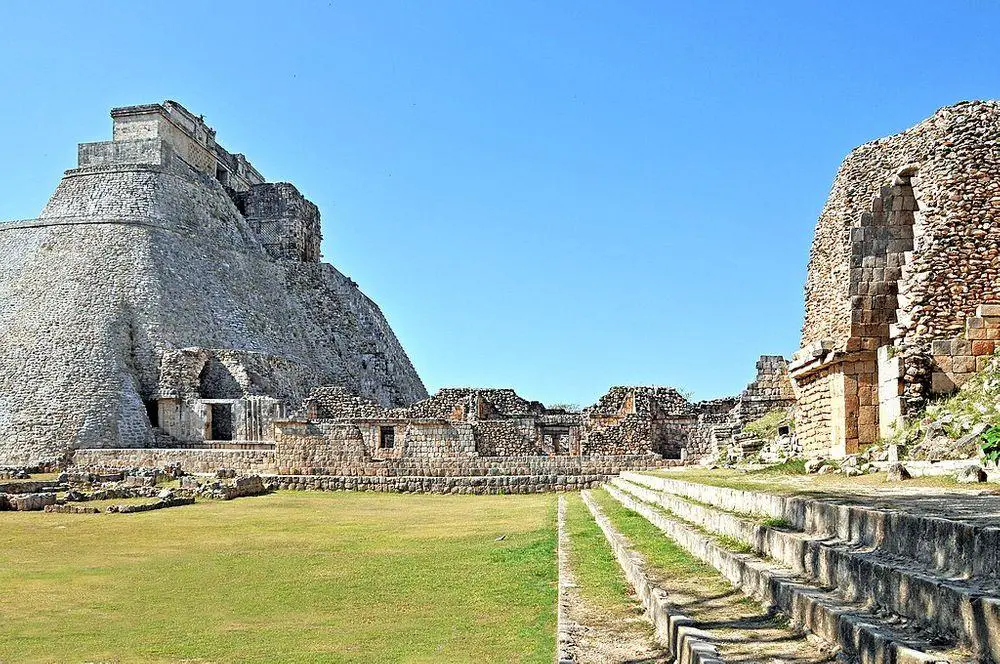
Uxmal
Yucatán
Once an important center of the ancient Maya culture with well-preserved structures. Flourished in 700 – 1100 AD. The architecture of Uxmal is considered to be of very high quality visually and structurally and belongs to the best achievements of the Puuc style.
Tula (Mexico)
Hidalgo
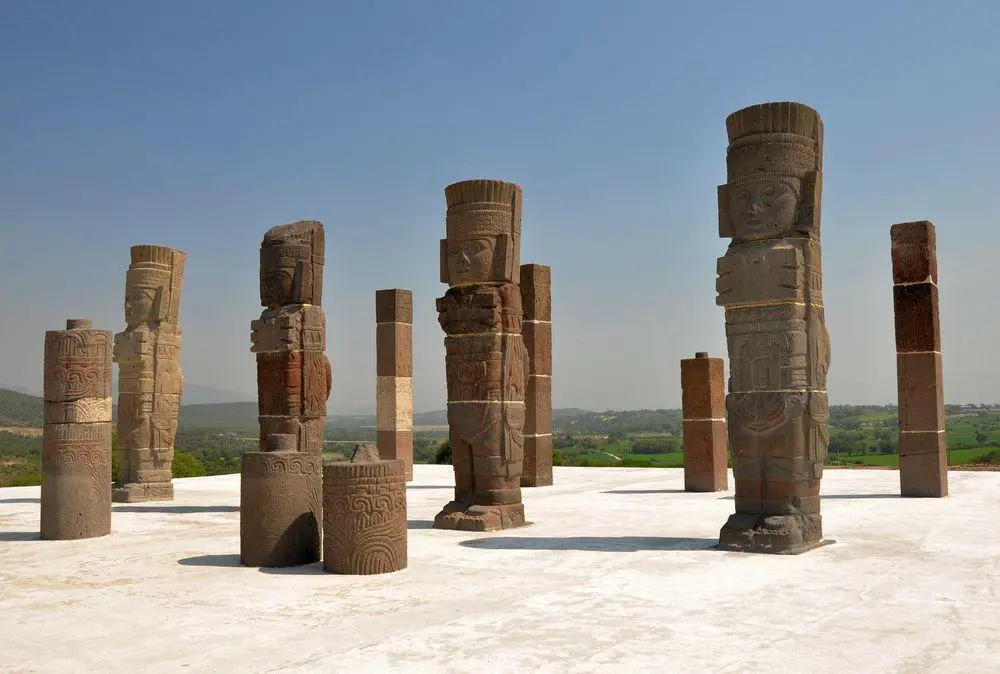
The largest ancient city in central Mexico in the 9th – 10th centuries AD. It was the capital of Toltecs in 980 AD and was destroyed sometimes in 1168 – 1179. Nowadays preserved complexes of ceremonial buildings in two sites including pyramids, and famous columns in the form of Toltec warriors.
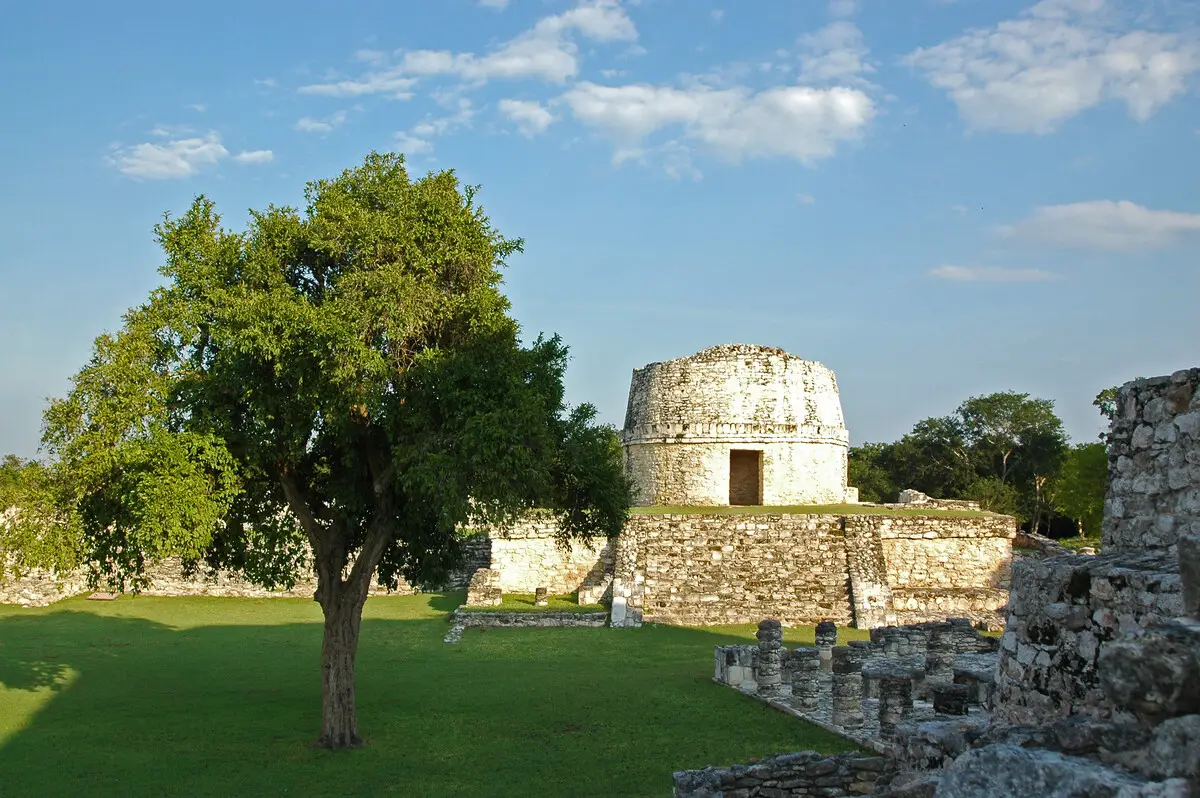
Mayapan
Yucatán
An ancient center of lowland Maya culture, the cultural and political capital of the region in the 1220ies – 1440ies. Remnants of more than 4000 structures, most inside a 9 km long defensive wall. The most impressive structure is the El Castillo pyramid (Kukulcan Temple).
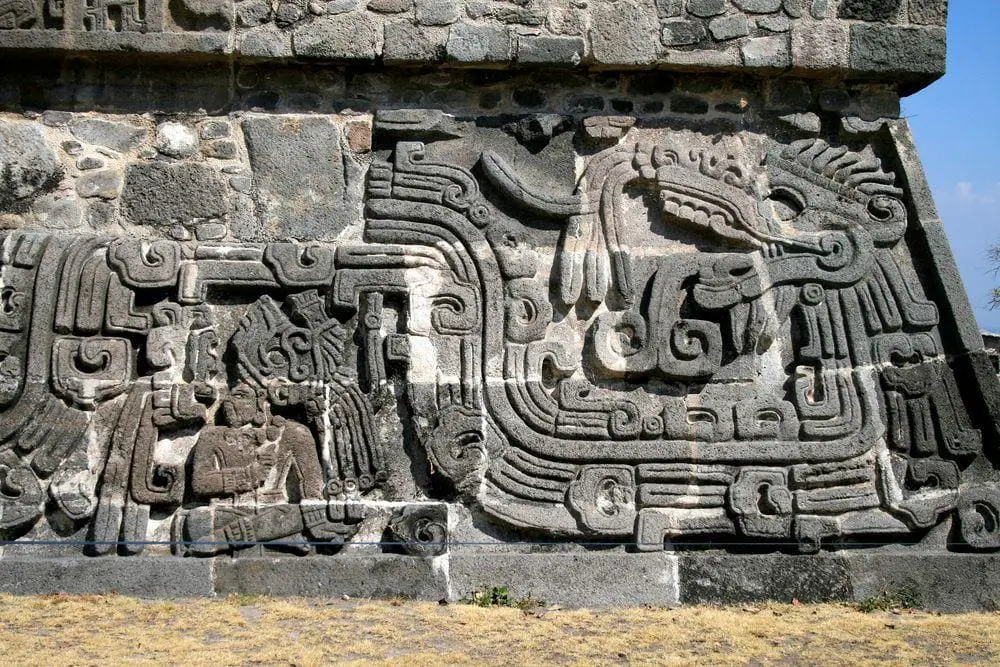
Xochicalco
Morelos
Remnants of a fortified city – an important urban center in 700 – 900 AD. Contains large structures entirely covered with sculptural work of exceptional quality. Observatory in a painted and frescoed cave.
Architecture wonders
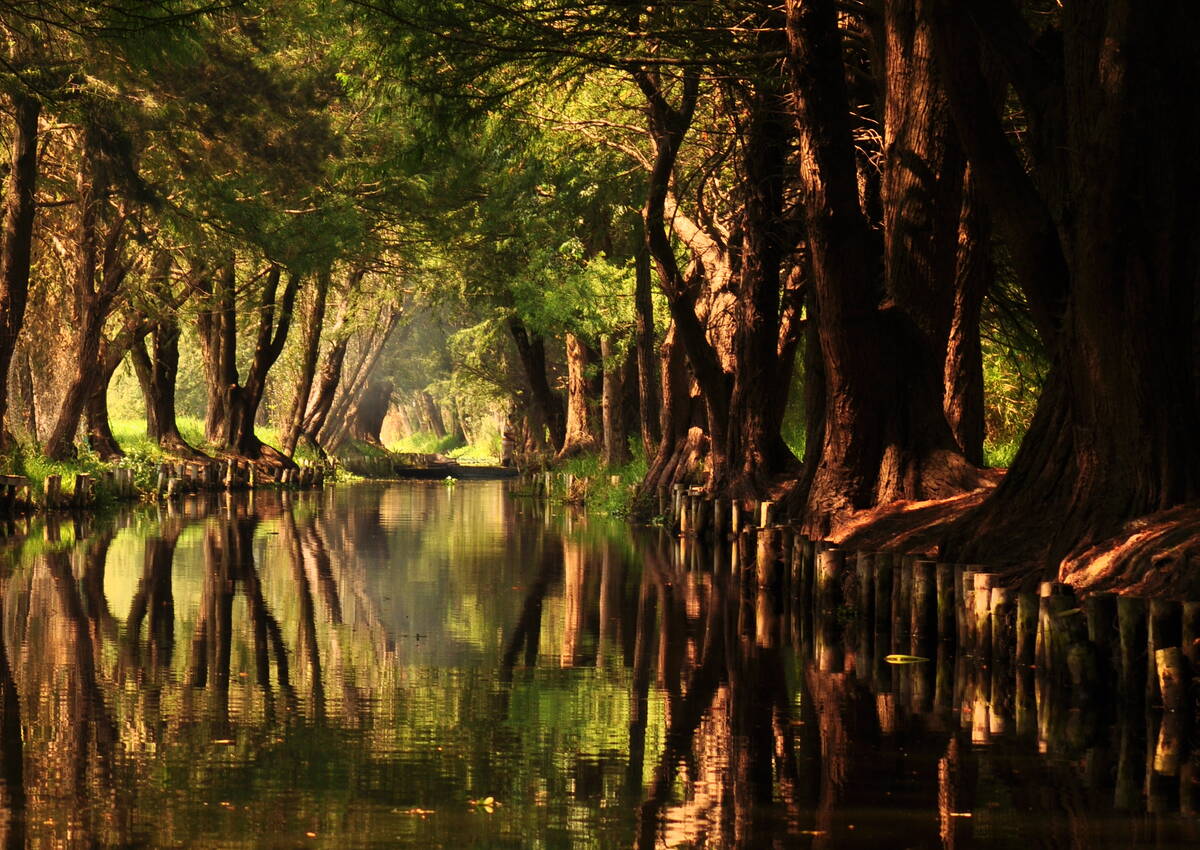
Xochimilco
Ciudad de México
Unique monument of urban planning inherited from Aztec times. Here has been preserved the network of ancient channels with chinampas – island gardens. Channels are traveled by special boats – trajineras. Channels and islands contain endemic plants and animals including a unique salamander – axolotl (Ambystoma mexicanum).
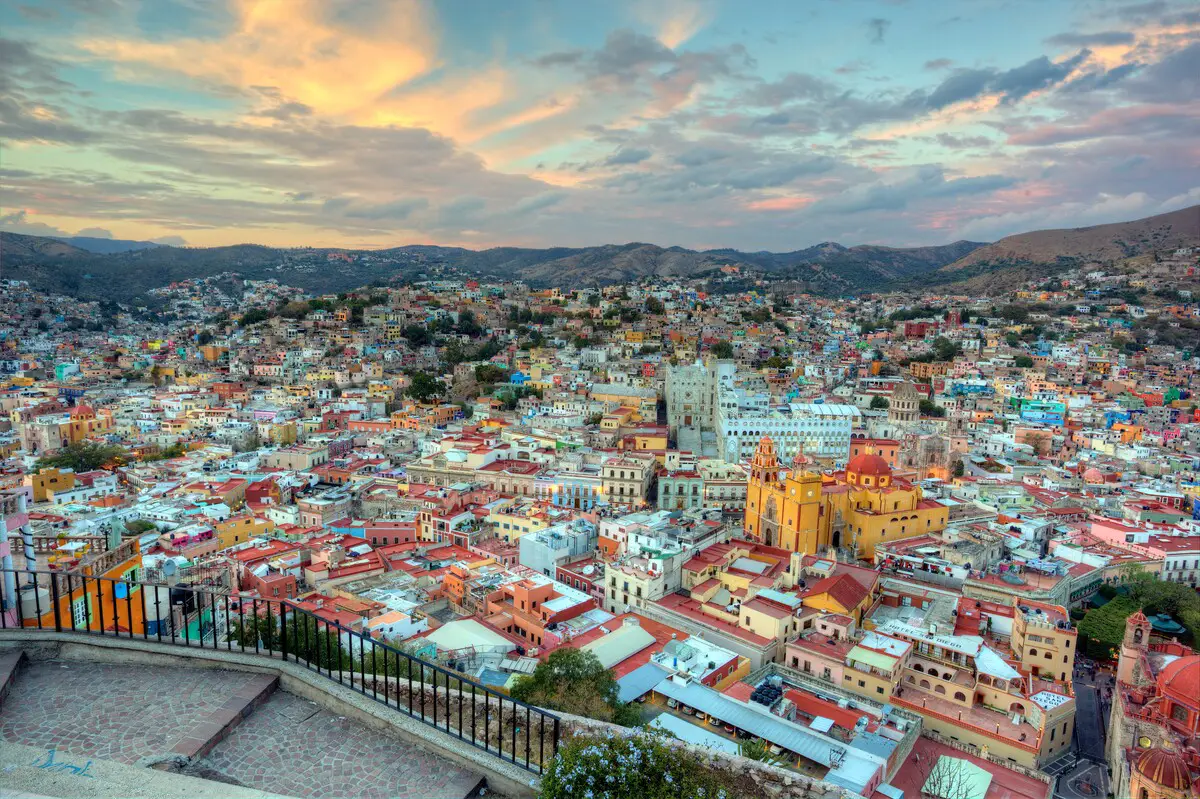
Guanajuato
Guanajuato
A beautiful colonial city with numerous impressive buildings in the Mexican Baroque style. Many historical streets are under the ground.
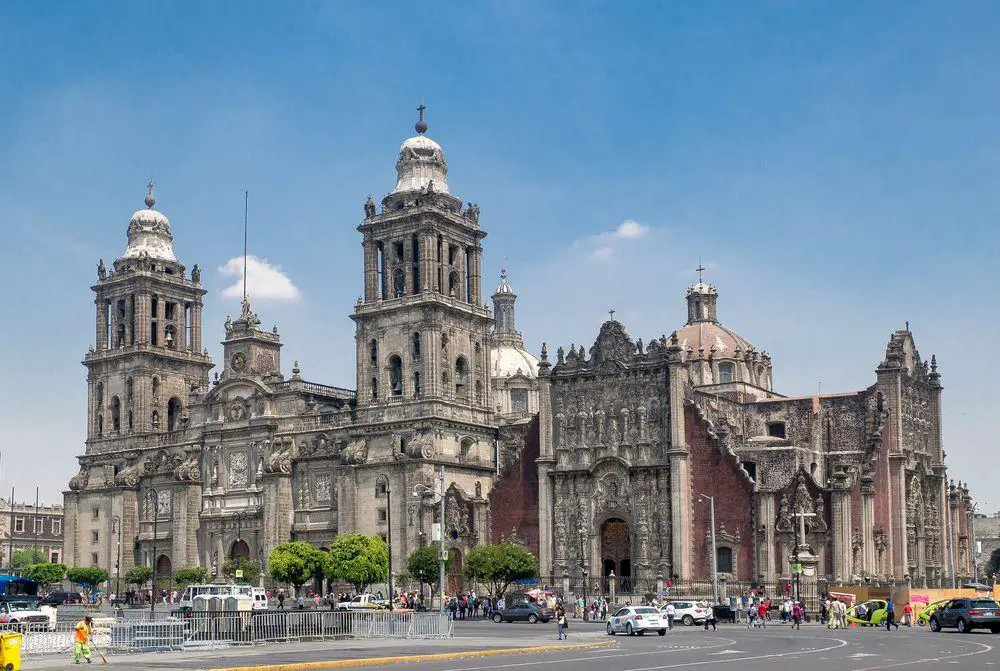
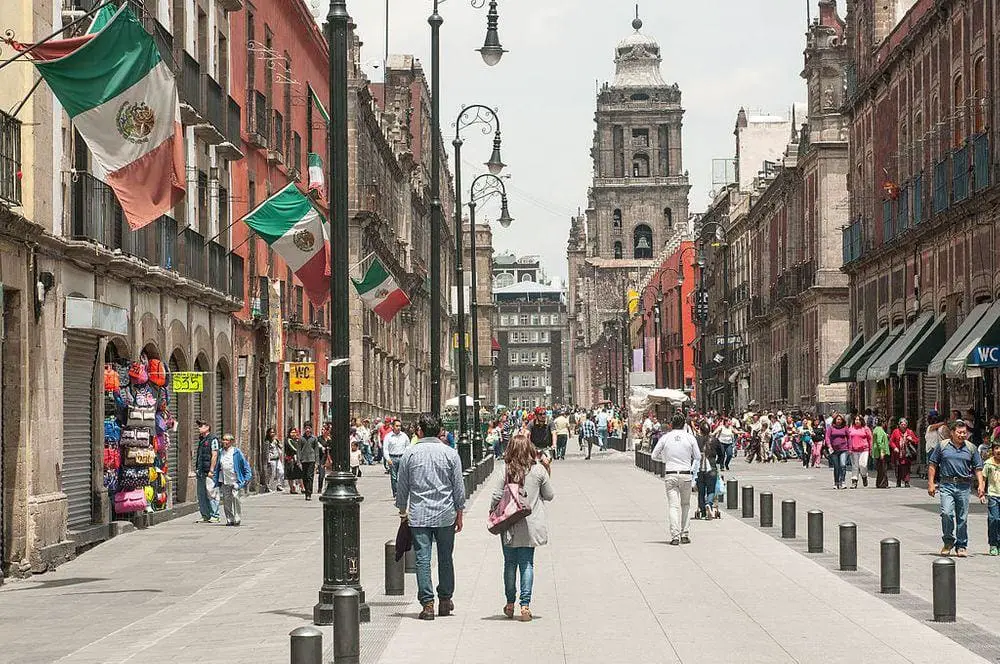
Historical center of México
Ciudad de México
Unique urban monument uniting prehistoric Aztec architecture with lush Spanish colonial architecture. Zocalo in the center of the city is the second-largest urban plaza in the world after Red Square in Moscow, Russia.
 Recommended books
This Is Mexico: Tales of Culture and Other Complications


This Is Mexico is a collection of essays on the often magical and mysterious―and sometimes heartrending―workings of everyday life in Mexico, written from the perspective of an American expatriate.
The Rough Guide to Mexico


The Rough Guide to Mexico is the ultimate travel guide to this fascinating nation. With clear maps and detailed coverage of all the best Mexican attractions, this revised, full-color edition features easy to find practical sections, transport details, and detailed color maps. Discover Mexico’s highlights, with stunning photography and information on everything from the shimmering coastline of Baja California and the iconic cactus-strewn deserts of the north to the Mayan villages and gorgeous palm-smothered beaches of the south. Find detailed practical advice on what to see and do in Mexico City, and rely on our up-to-date descriptions of the best hotels, bars, clubs, shops, and restaurants for all budgets.