
Wondermondo 🢖 World 🢖 Wonders of Europe 🢖 Wonders of Russia
Territory
Wonders of Russia
 Highlights
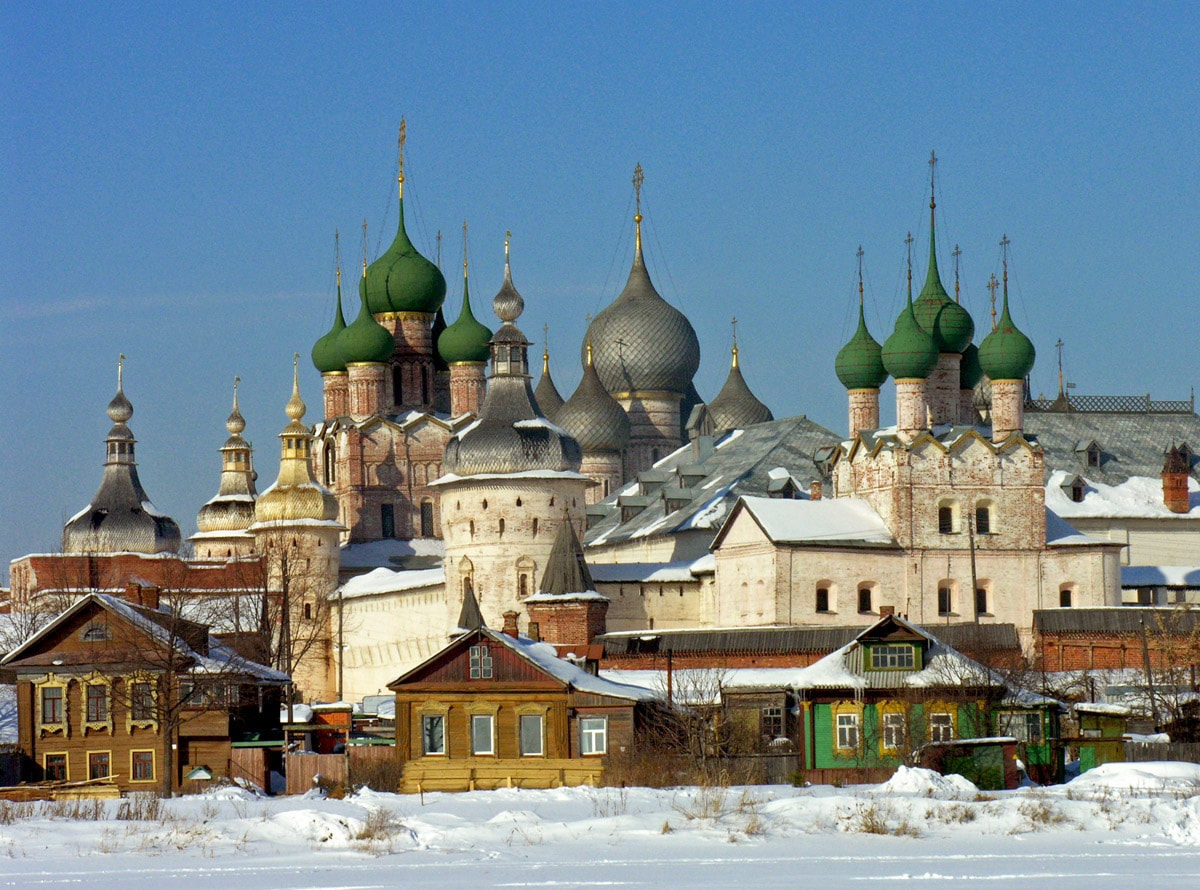
The largest country in the world, Russia, is associated in the minds of many people with the onion domes of Orthodox churches and the massive walls of the Moscow Kremlin. But besides the unique architecture, Russia offers many more unusual and exciting attractions. Highlights of Russia are:
- Orthodox churches – a kind of Russian architectural trademark with their onion-shaped domes. By far the best known is Saint Basil’s Cathedral in Moscow, but not less impressive are others, including the miracle of wood construction – Transfiguration Church in Kizhi.
- Kremlins and historical cities – Moscow is not the only place where is Kremlin. These medieval fortifications are found in several more Russian cities and may include other interesting architecture monuments. Some Russian cities, such as Rostov or Kostroma, have preserved their historical architecture and their skyline has no analogues in the world.
Federal subjects of Russia
Russia currently is divided in 83 federal subjects:
Asian part
- Altai Krai
- Altai Republic
- Amur Oblast
- Buryat Republic
- Chelyabinsk Oblast
- Chukotka Autonomous Okrug
- Irkutsk Oblast
- Jewish Autonomous Oblast
- Kamchatka Krai
- Kemerovo Oblast
- Khabarovsk Krai
- Khantia-Mansia
- Krasnoyarsk Krai
- Kurgan Oblast
- Magadan Oblast
- Novosibirsk Oblast
- Omsk Oblast
- Primorsky Krai
- Republic of Khakassia
- Sakha (Yakutia) Republic
- Sakhalin Oblast
- Tomsk Oblast
- Tyumen Oblast
- Tyva Republic
- Yamalo-Nenets Autonomous Okrug
- Zabaykalsky Krai
European part
- Arkhangelsk Oblast
- Astrakhan Oblast
- Belgorod Oblast
- Bryansk Oblast
- Chechen Republic
- Chuvashia
- Ivanovo Oblast
- Kabardino-Balkar Republic
- Kaliningrad Oblast
- Kaluga Oblast
- Karachay-Cherkess Republic
- Kirov Oblast
- Komi Republic
- Kostroma Oblast
- Krasnodar Krai
- Kursk Oblast
- Leningrad Oblast
- Lipetsk Oblast
- Mari El Republic
- Moscow
- Moscow Oblast
- Murmansk Oblast
- Nenets Autonomous Okrug
- Nizhny Novgorod Oblast
- Novgorod Oblast
- Orenburg Oblast
- Oryol Oblast
- Penza Oblast
- Perm Krai
- Pskov Oblast
- Republic of Adygea
- Republic of Bashkortostan
- Republic of Dagestan
- Republic of Ingushetia
- Republic of Kalmykia
- Republic of Karelia
- Republic of Mordovia
- Republic of North Ossetia-Alania
- Republic of Tatarstan
- Rostov Oblast
- Ryazan Oblast
- Saint Petersburg
- Samara Oblast
- Saratov Oblast
- Smolensk Oblast
- Stavropol Krai
- Sverdlovsk Oblast
- Tambov Oblast
- Tula Oblast
- Tver Oblast
- Udmurt Republic
- Ulyanovsk Oblast
- Vladimir Oblast
- Volgograd Oblast
- Vologda Oblast
- Voronezh Oblast
- Yaroslavl Oblast
Map with the described wonders
If you see this after your page is loaded completely, leafletJS files are missing.
 Top 25 wonders of Russia
Geological wonders
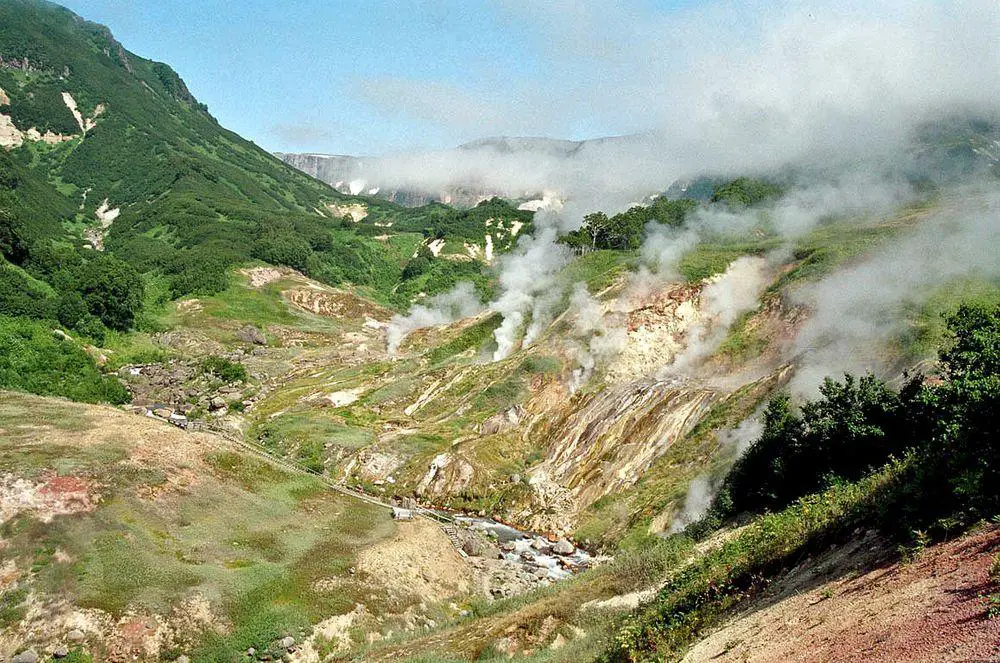
Valley of Geysers
Kamchatka Krai
One of the largest and most unusual geyser fields in the world, the only large geyser field in Asia. Consists of more than 200 geysers, most erupting at various angles. Massive mudflow covered approximately two-thirds of the geysers but the valley still is a very interesting natural monument. Geyser Velikan is up to 40 m tall.
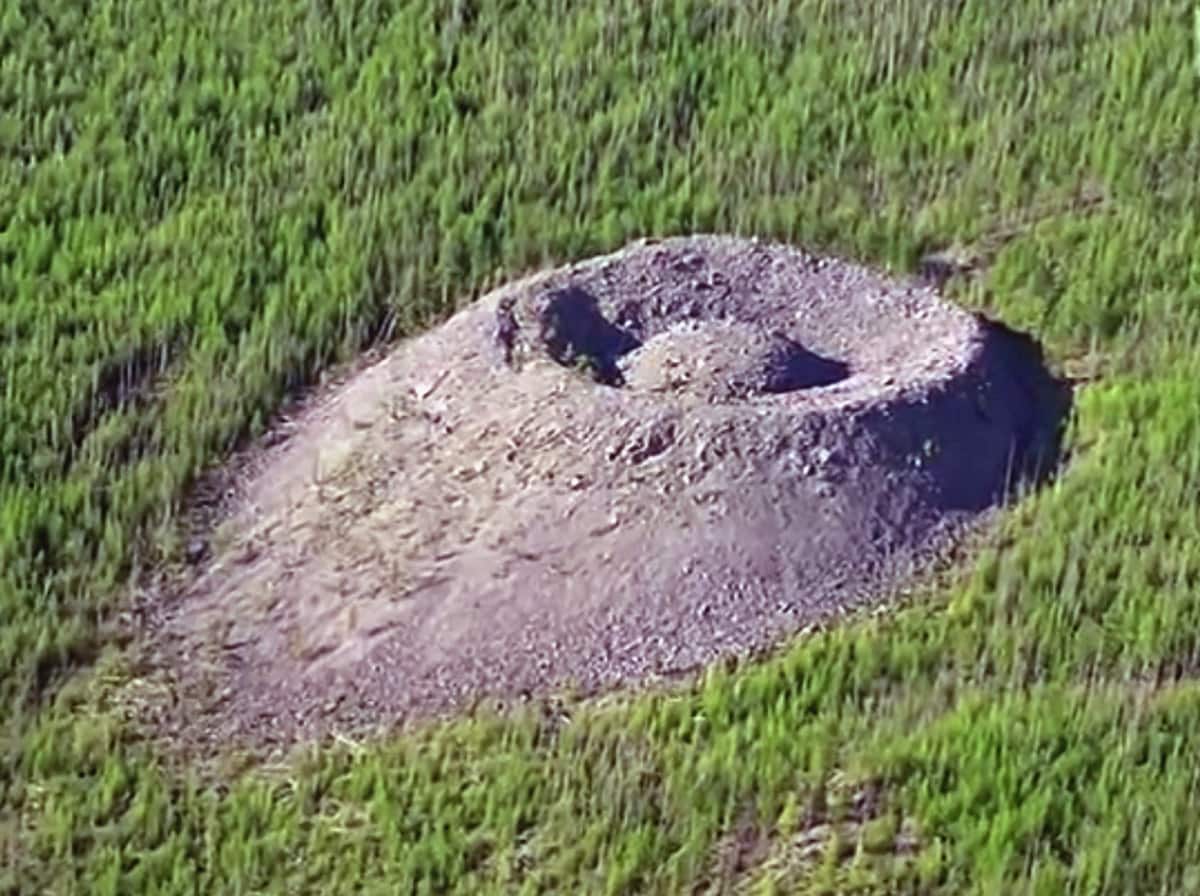
Patomskiy Crater
Irkutsk Oblast
Unusual crater – up to 40 m tall and 160 m wide mound/ring of limestone blocks with a smaller mound inside. Most likely it was created by a gaseous eruption some centuries ago.
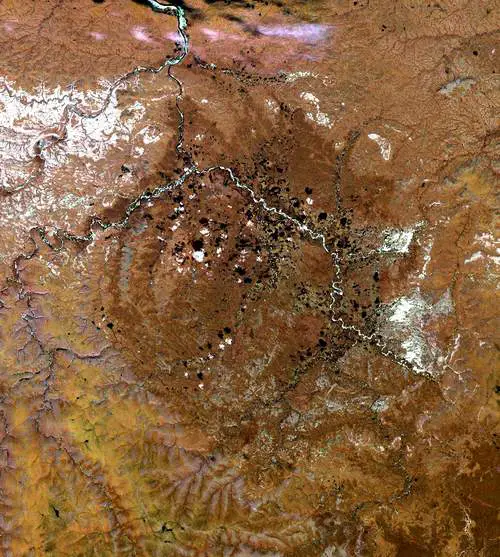
Popigai crater
Krasnoyarsk Krai
One of the largest impact craters in the world, with a diameter of 100 km. Created approximately 35.7 million years ago (Eocene) by a 5 – 8 km large bolide. Here are found up to 1 cm large, very hard diamonds created by the impact.
Klyuchevskaya Sopka
Kamchatka Krai
4,750 m high volcano with a fine, conical form.
Uchar (The Big Chulchinsk Falls)
Altai Republic
Unusual waterfall. Here the stream falls from 160 meters high stone aggregations that sealed the Chulcha river valley some 200 years ago.
Biological wonders
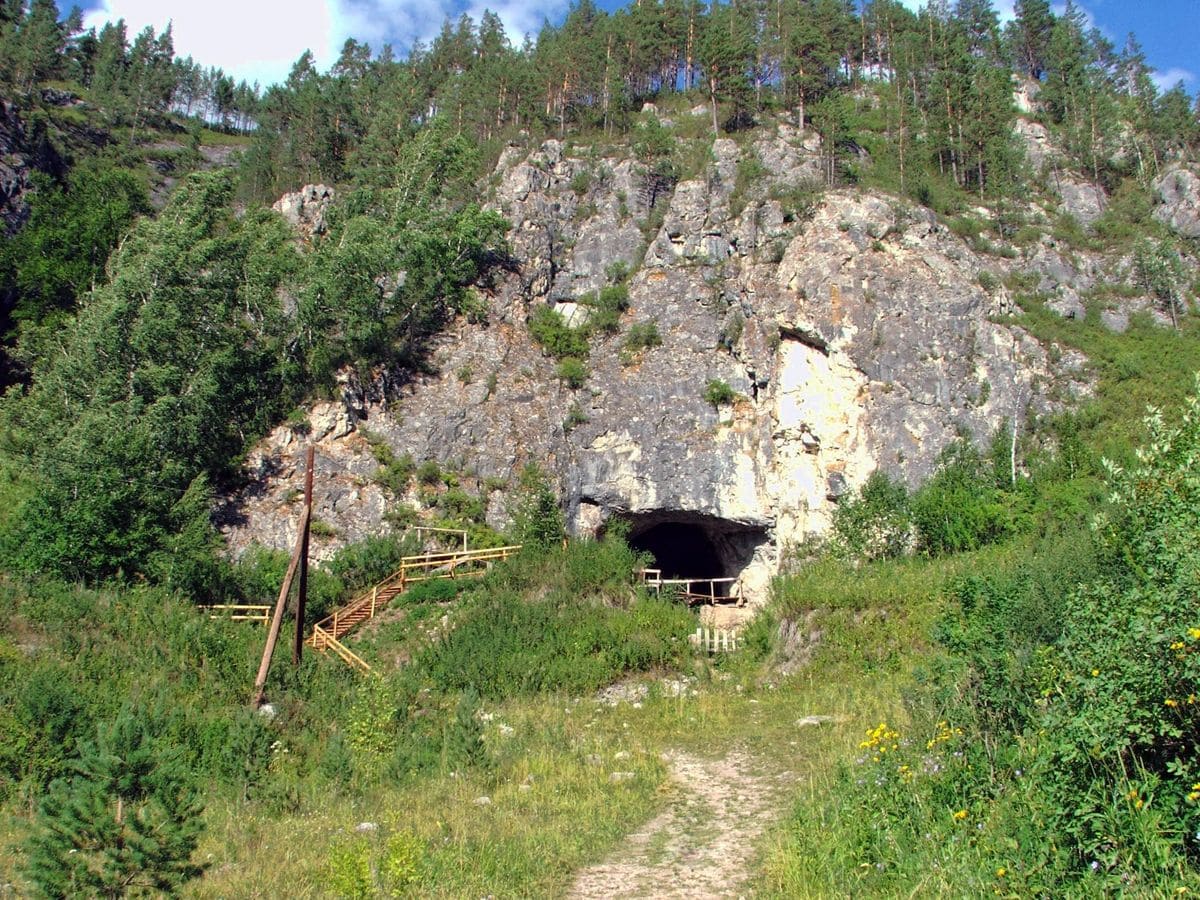
Denisova Cave
Altai Krai
This cave contains at least 125,000 years old artifacts left by ancient hominins. After a splinter of bone here has been identified new species of early humans – Denisova hominin or Denisovan.
Archaeological wonders
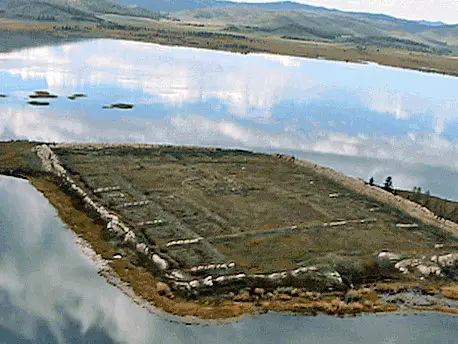
Por-Bazhyn
Tyva Republic
Enormous quadrangular fortress, built by Uigurs on an island in Tere-Hol Lake, possibly in the 8th century AD.
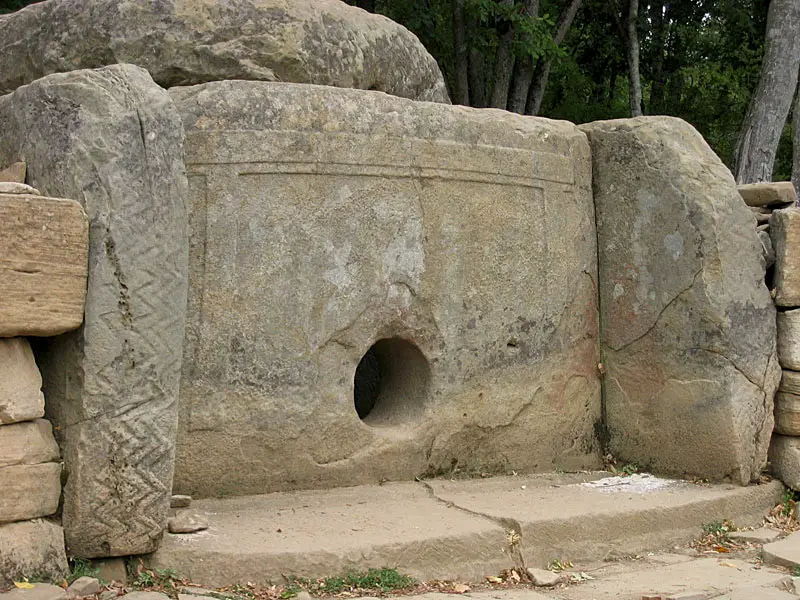
Zhane River dolmens
Krasnodar Krai
The best-known group of North-West Caucasian dolmens – interesting structures from large blocks of stone, with circular "entrance" holes.
Architecture wonders
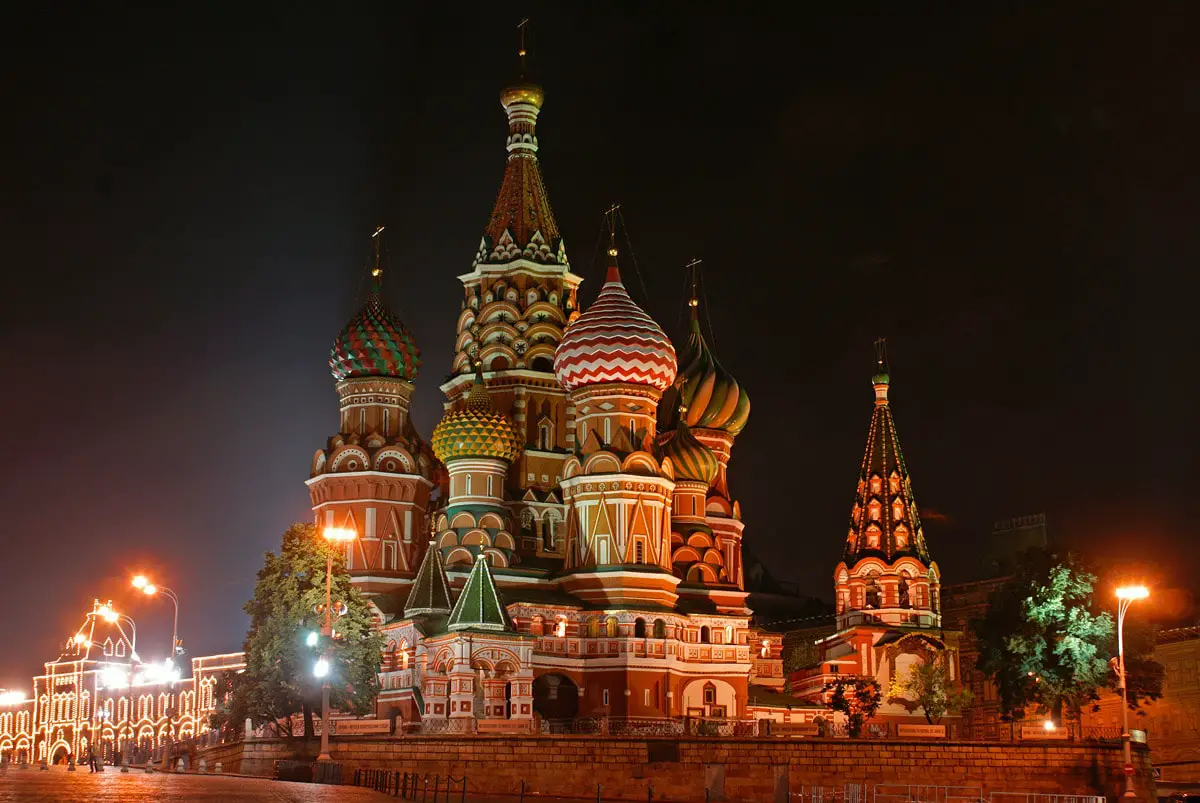
Saint Basil’s Cathedral
Moscow
This group of nine churches was constructed in 1555 – 1561 to commemorate the victories of Ivan the Terrible. This building has left much influence on Russian and world architecture.
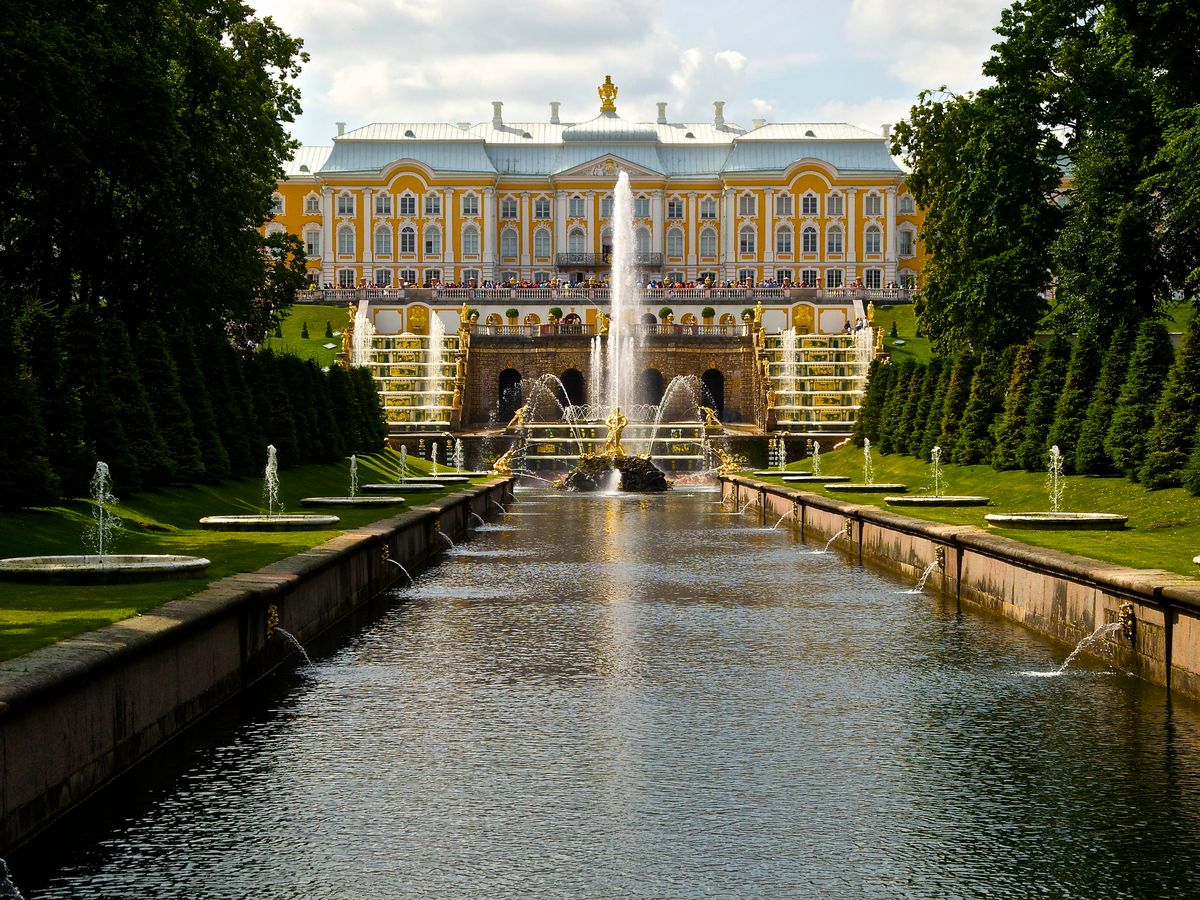
Peterhof Palace and park
Saint Petersburg
One of the world’s most spectacular palace and garden complexes. Palace was designed by Bartolomeo Rastrelli in the Baroque style and constructed in 1714-1755. Spectacular are the numerous fountains with gilded sculptures that are powered by groundwater pressure. This is a so-called "travel palace", where high society travelers could rest after their trip and before entering St Petersburg.
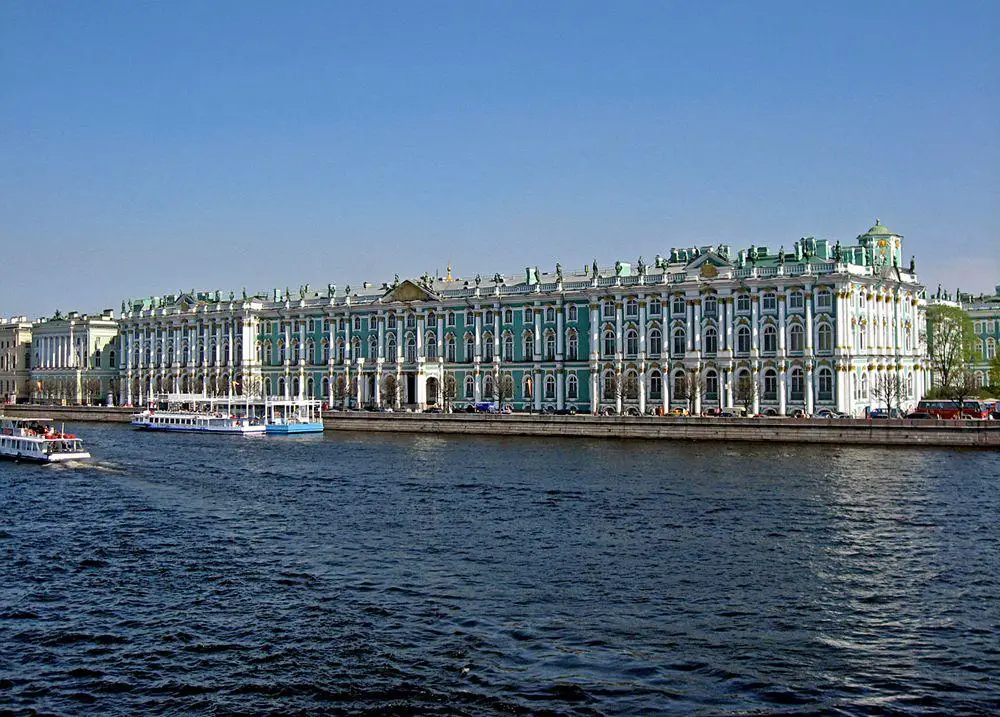
Winter Palace
Saint Petersburg
The official residence of Russian monarchs, designed by Bartolomeo Rastrelli in Rococo style and built in 1732-1837. Reportedly contains 1,500 rooms, and many of the rooms are very ornate. Now contains the Hermitage Museum – one of the richest and largest art museums in the world, with numerous artworks of world importance.
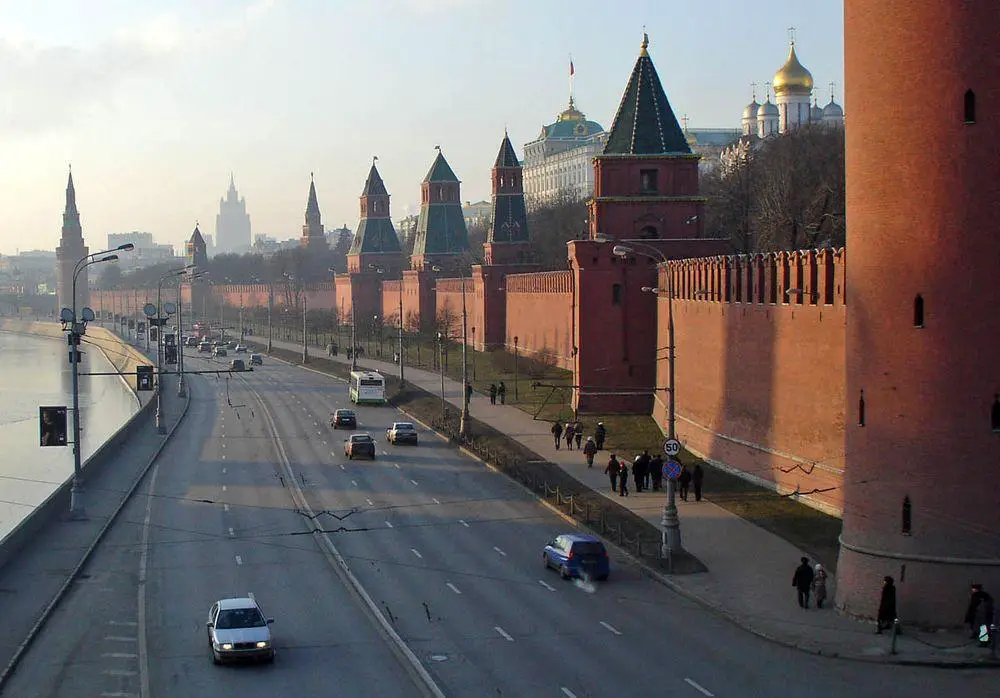
Moscow Kremlin
Moscow
Enormous complex of fortifications in the center of Moscow. Construction of a stone fortress was started there in 1367. The walls include five palaces, and four cathedrals and are 2,235 m long. The height of the walls is from 5 to 19 m, thickness is up to 6,5 m. 20 towers have survived up to this day, the best known is Spasskaya Tower – one of the symbols of Russia.

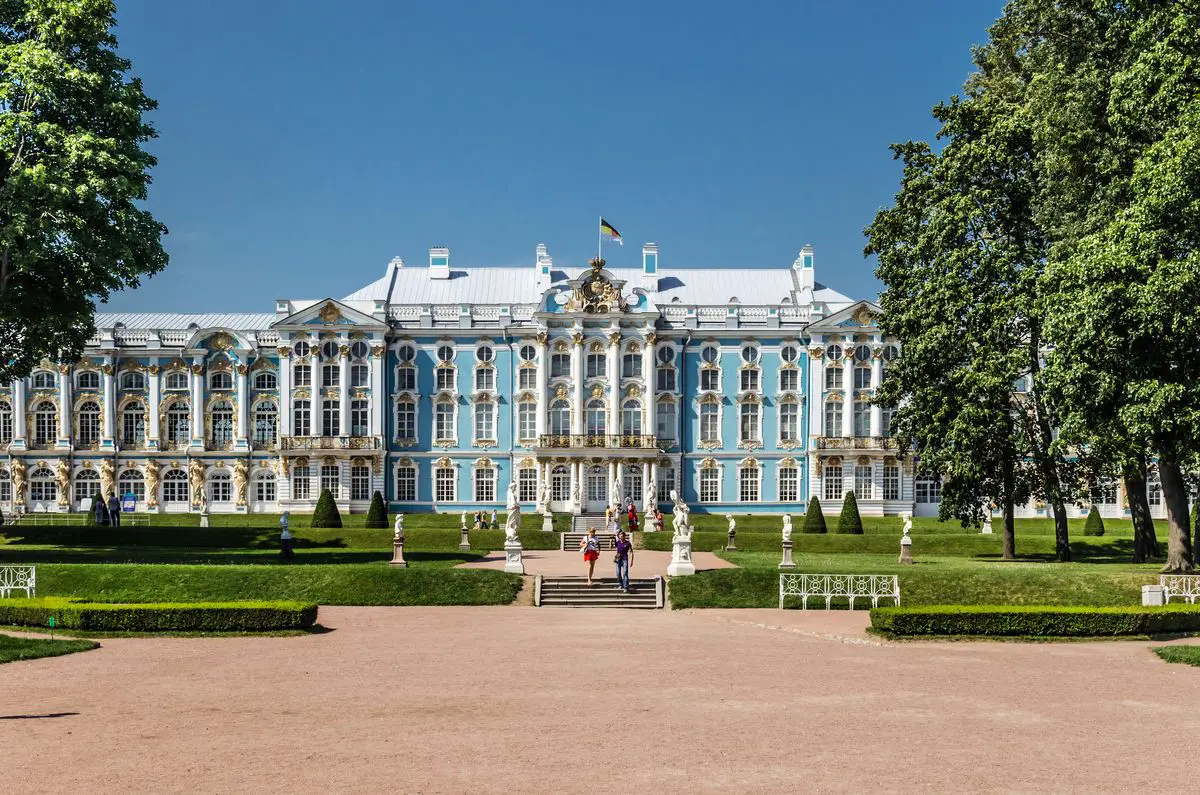
Catherine Palace and park
Saint Petersburg
This magnificent palace was designed by Bartolomeo Rastrelli in Rococo style and constructed in 1717-1756. The facade of the palace is 325 m long. One of the legendary interiors of the palace was Amber Room which was pillaged by Germans during World War II and has not been found since.
Kizhi Pogost with Transfiguration Church
Republic of Karelia
Group of exceptional wooden buildings, located inside a fence on an island. Group consists of the bell tower, the Intercession Church with 9 onion domes, and the exceptional Transfiguration Church with 22 onion domes (1714).
Troitse-Sergiyeva Lavra
Moscow Oblast
The spiritual center of the Russian Orthodox Church, founded in 1345. Numerous valuable buildings.
Solovetsky Monastery
Arkhangelsk Oblast
The main center of the Christianity in Russian North, an impressive complex of fortified buildings. Established in 1429, most parts of the buildings were built in the 16th century.
Ivolginsky datsan
Buryat Republic
A sacred Buryat site, the Buddhist temple opened in 1945. It serves as a treasury of Buryat art and holds the well-preserved body of lama Itigelov.
Vladimir Dormition Cathedral
Vladimir Oblast
One of the most important churches in the history of the Russian Orthodox Church, constructed in 1160. Very ornate exterior with iconostasis by Andrei Rublev (1408).
Suzdal
Vladimir Oblast
One of the oldest Russian cities: was mentioned already in 1024 AD. Here have been preserved many of the best examples of historical Russian architecture, including the Convent of Intercession (construction was started in 1264), Cathedral of the Nativity in Suzdal (rebuilt several times since 1102), and Monastery of Saint Euthymius (founded in the 14th century AD) and other buildings.
Kazan Kremlin
Republic of Tatarstan
These 1,800 m long fortifications were built on the orders of Ivan the Terrible on the ruins of Kazan khan castle. The oldest building is Annunciation Cathedral (1554 – 1562), other landmarks are the leaning Söyembikä Tower, most likely built before Russians by Tatars, and Spasskaya Tower.
Hodegetria church in Vyazma
Smolensk Oblast
One of the remaining three-tented churches in the world, built in 1638.
Saint Sophia Cathedral in Novgorod
Novgorod Oblast
The oldest Russian-built cathedral, constructed between 1044 and 1052. Cathedral contains numerous valuable works of medieval art.
Yaroslavl historic centre
Yaroslavl Oblast
This city was founded around 1010 AD and for a while in the 17th century was even the second most important city in Russia. The city has hundreds of valuable buildings, including a such gem of Russian architecture as the Spaso-Preobrazhensky Cathedral of the Spassky Monastery (1516).
Trinity Lavra of St. Sergius with Holy Trinity Cathedral
Moscow Oblast
The most important monastery in Russia, founded in 1345. Holy Trinity Cathedral was built in 1422 – 1423 and is the oldest stone church in this monastery.
Novgorod Kremlin
Novgorod Oblast
Construction of walls started in 1302, the main fortress was built in 1484 – 1490. The length of the walls is 1,487 m. Includes Chamber of Facets (1433) – the oldest palace in Russia.
 Recommended books
Russia – Culture Smart!: The Essential Guide to Customs & Culture


Culture Smart! provides essential information on attitudes, beliefs, and behavior in different countries, ensuring that you arrive at your destination aware of basic manners, common courtesies, and sensitive issues. These concise guides tell you what to expect, how to behave, and how to establish a rapport with your hosts. This inside knowledge will enable you to steer clear of embarrassing gaffes and mistakes, feel confident in unfamiliar situations, and develop trust, friendships, and successful business relationships.
DK Eyewitness Travel Guide: Russia


From the majestic cities of Moscow and St. Petersburg to the sandy beaches of the Baltic Coast and from the lush Volga Delta to the snowcapped Caucasus Mountains, explore the largest country in Europe. Experience the grandeur of the Kremlin, the Palace Embankment in St. Petersburg, and the historic sights in the Olympic city of Sochi, immerse yourself in the flavors of the local cuisine and don’t miss out on the world-famous Russian Ballet.