Kitum Cave – salt mine of elephants
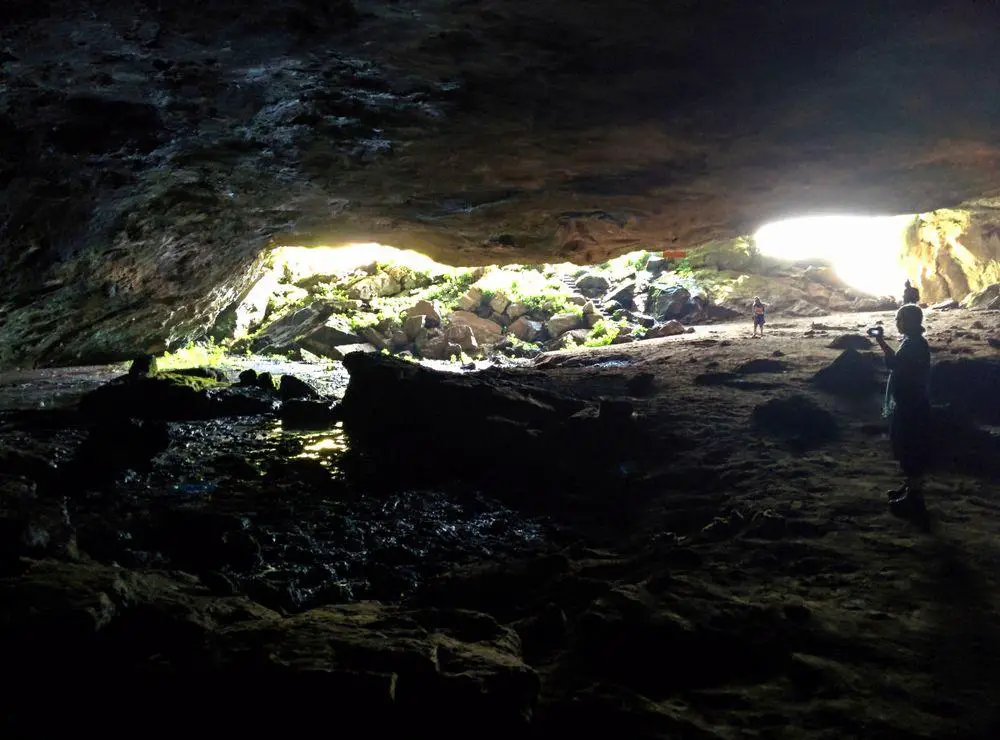
Unique caves in pyroclastic rocks, up to 250 meters long. Possibly created by elephants and other animals digging the salt in caves up to this day. Kitum cave became known worldwide after two people caught the extremely dangerous and deadly Marburg virus disease in this cave.
Lord Howe Island – refuge of unique species
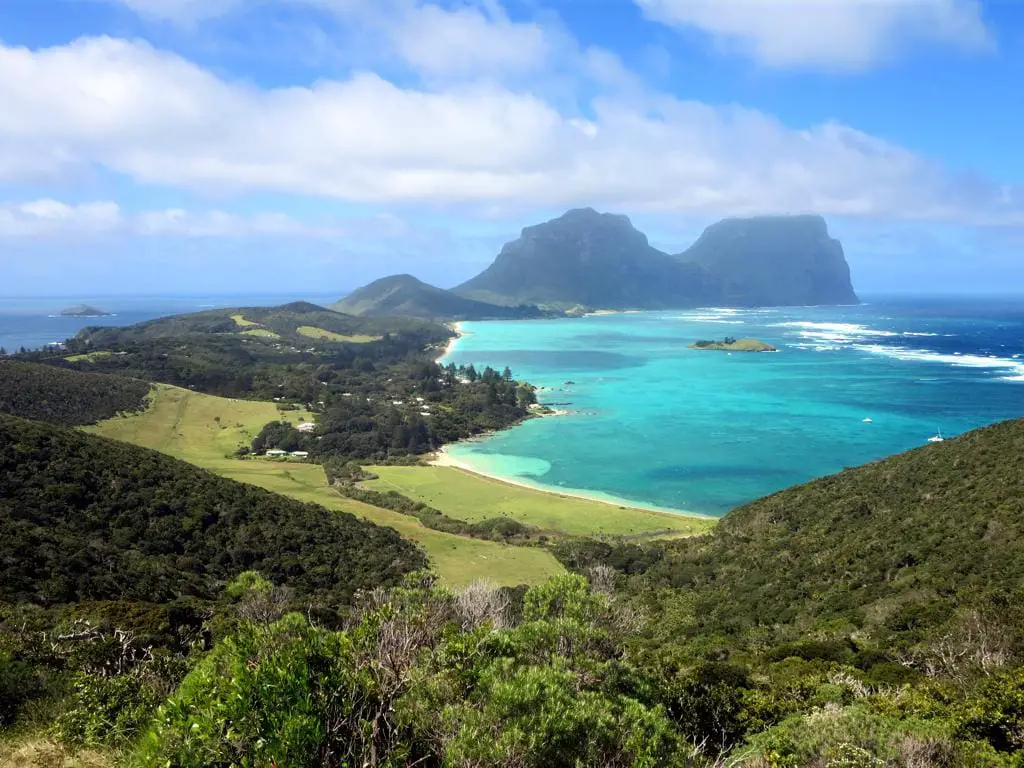
This remote, 56 km² large Australian island has its own ecoregion where half of the plants and some birds and other animals are endemic. Unique characteristics are diverse glowing mushrooms in the forest, some bright enough to be used for reading at night. Endemic kentia palms are popular, beautiful houseplants.
Aldabra – realm of giant tortoises
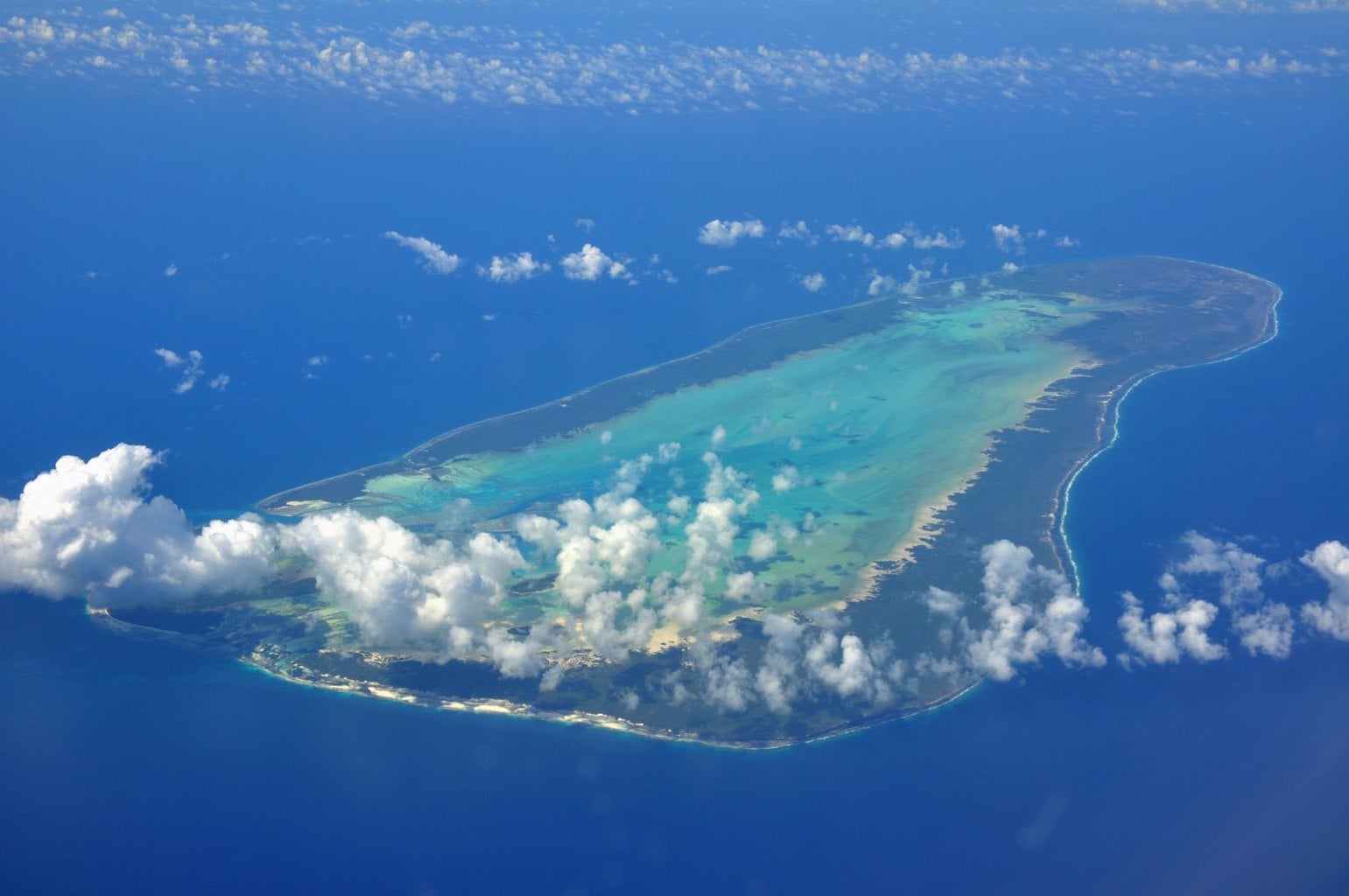
Second largest coral atoll by land area in the world, with a unique ecosystem. Contains the world’s largest population of giant tortoises – 100,000 endemic Aldabra Giant Tortoises (Aldabrachelys gigantea) that dominate the ecosystem. Numerous other endemic species of animals and plants, including the flightless Aldabra rail (Dryolimnas cuvieri aldabranus).
Modjadji cycad forest
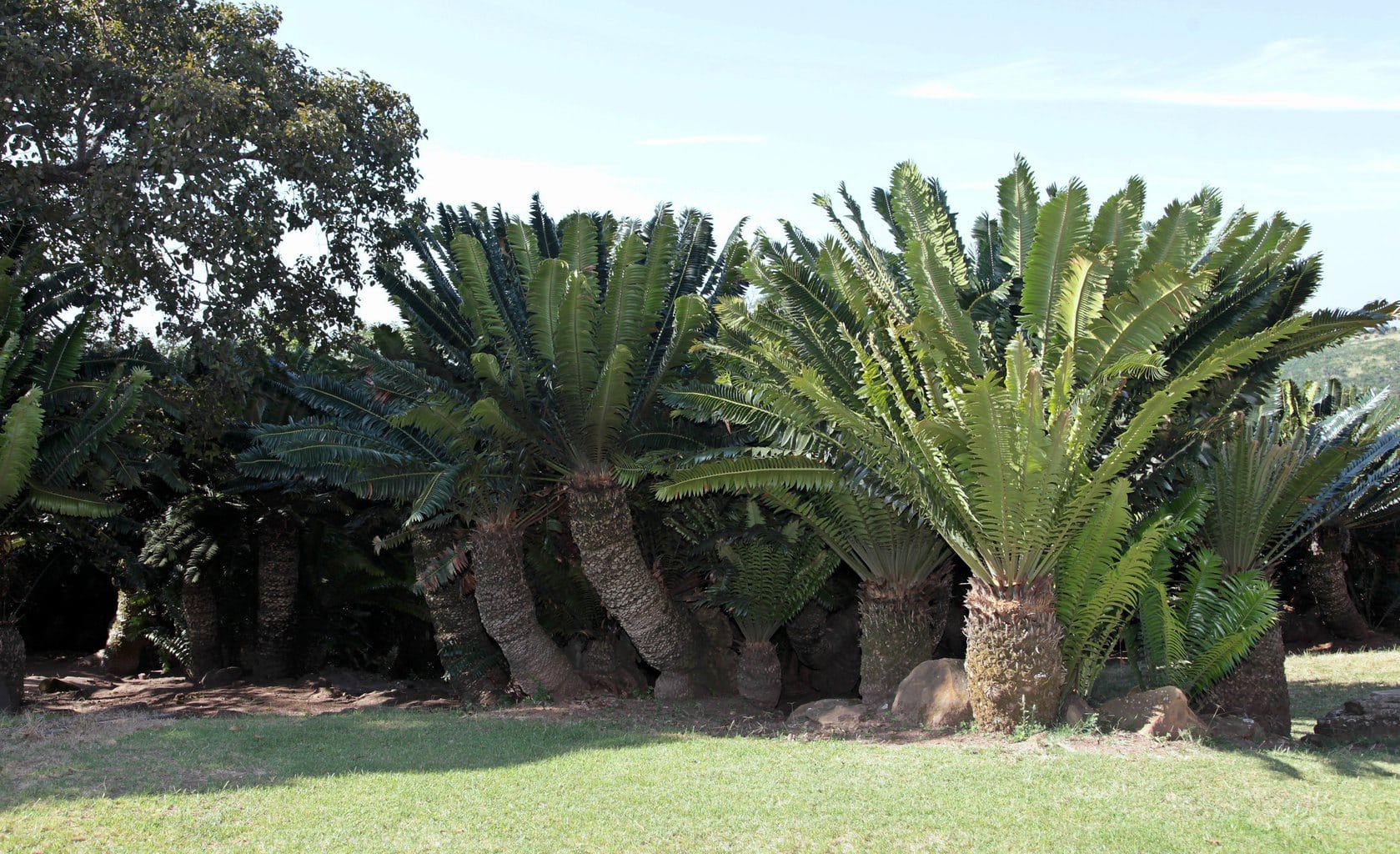
Largest cycad (Encephalartos transvenosus) forest in the world (530 ha), resembles a prehistoric world, area of unusual beauty. Some cycads reach the height of 12 – 12.2 meters. Closely linked to the history of local, legendary Rain Queens.
Kelimutu – volcano with differently colored crater lakes
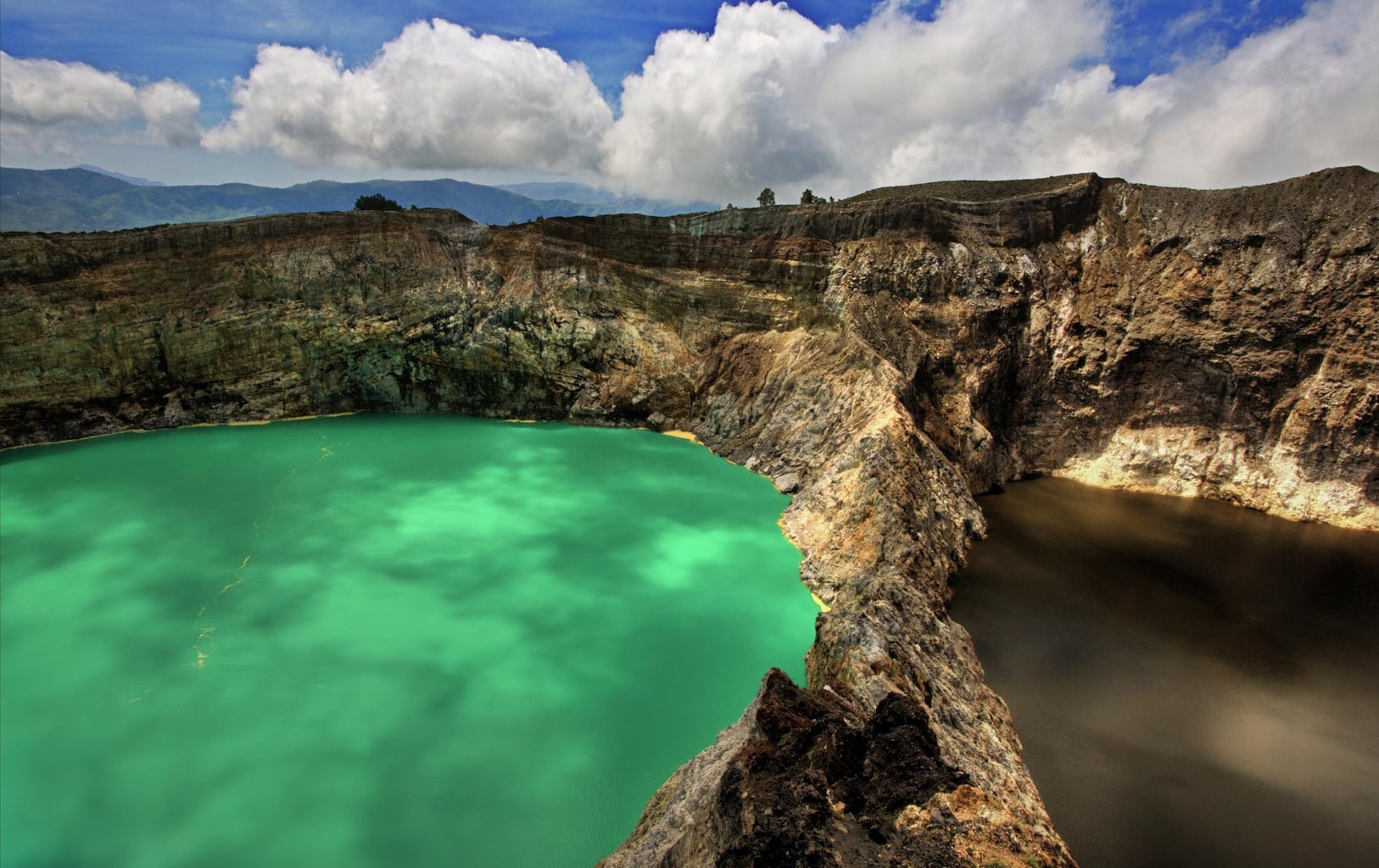
System of three closely located crater lakes. Each of the lakes has a different, changing color – from bright red to green and blue.
Liang Bua – the cave of the mysterious Homo floresiensis
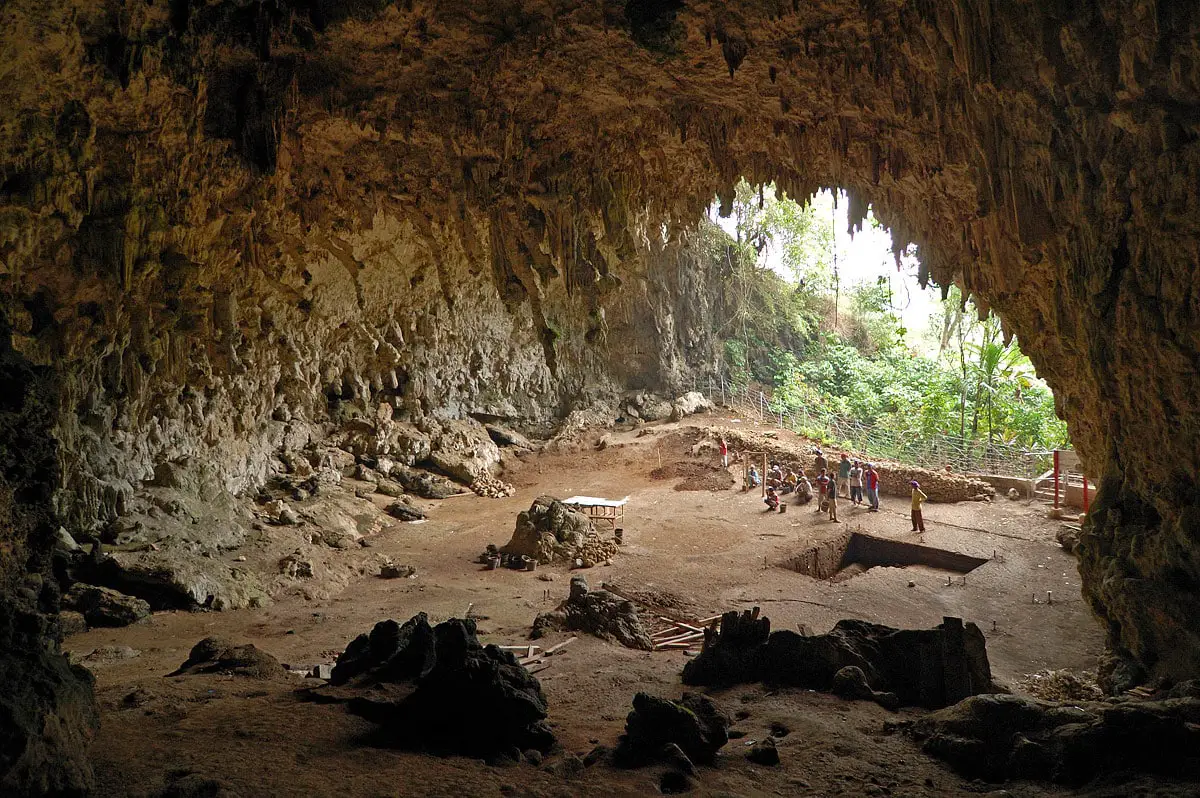
In the cave (and only here) there were discovered remnants of a newly discovered, extinct species of human – Homo floresiensis.
Abanda Caves – caves of unique bat-eating crocodiles
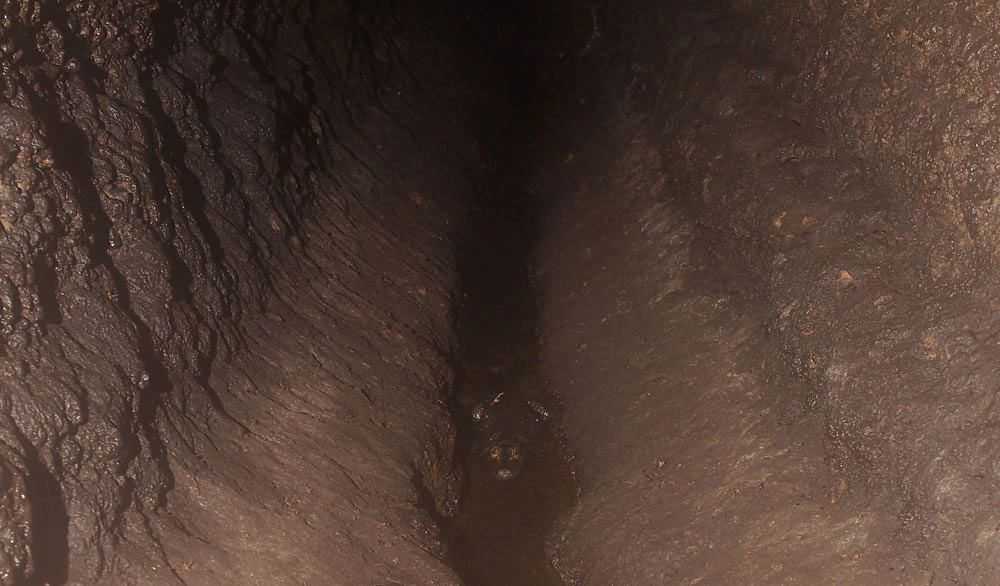
Group of caves in lush rainforest. In these caves lives unique subspecies or, rather, newly developing species of dwarf crocodiles (Osteolamus tetraspis) that feed on bats.
Ol Doinyo Lengai
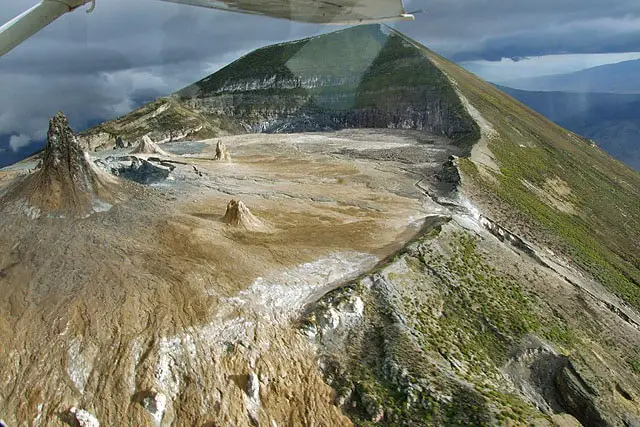
The only known carbonatite volcano in the world (except for the neighboring Kerimasi volcano). The volcano produces natrocarbonatite lava with nearly unique minerals – nyerereite and gregoryite. Lava flows at very low temperature at 500 – 600 ° C. Carbonates react with the moisture of the atmosphere and quickly turn white, creating a unique volcanic landscape. Here in a steep cone has been observed formation of a new, nearly unique lava cave with enormous stalactites made of fragile natrocarbonatite.
Patomskiy Crater
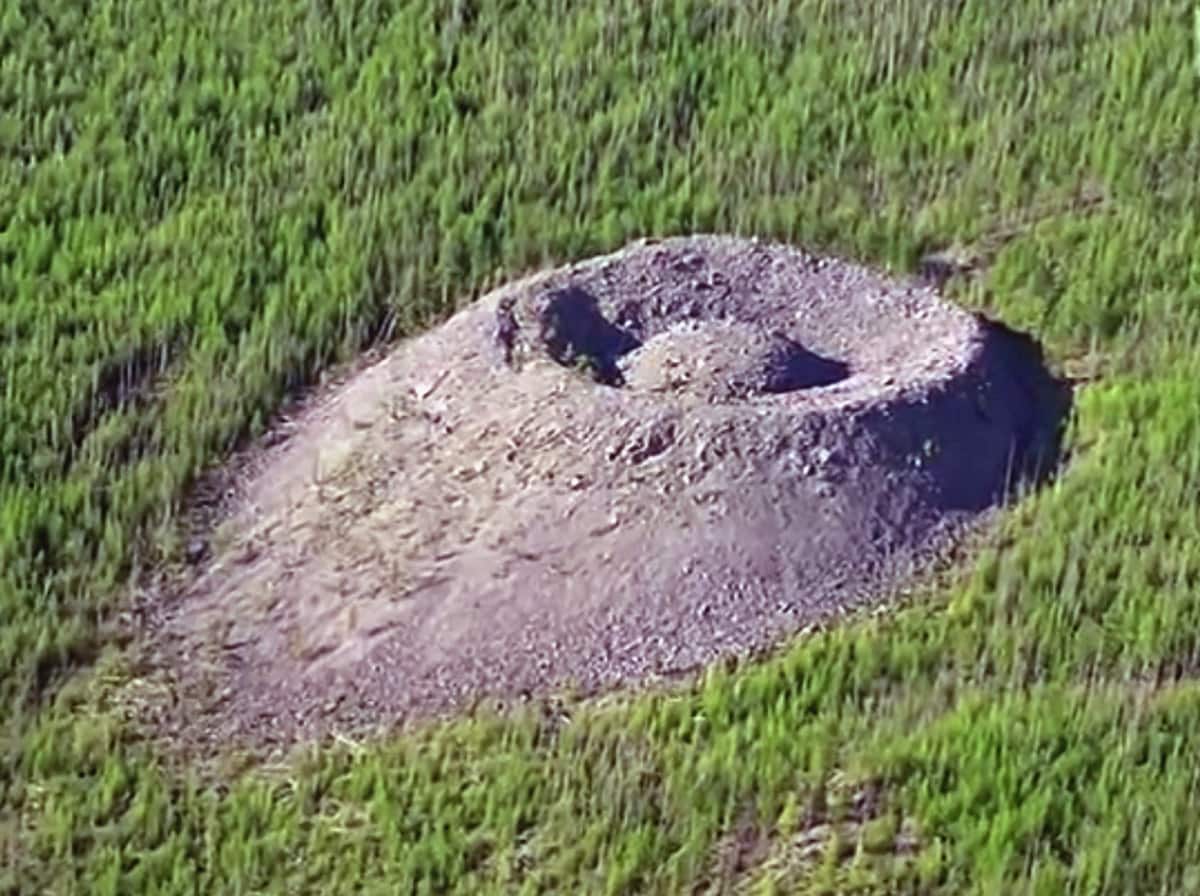
Unusual crater – up to 40 m tall and 160 m wide mound/ring of limestone blocks with a smaller mound inside. Most likely it was created by a gaseous eruption some centuries ago.
Ikaite tufa columns in Ikka Fjord
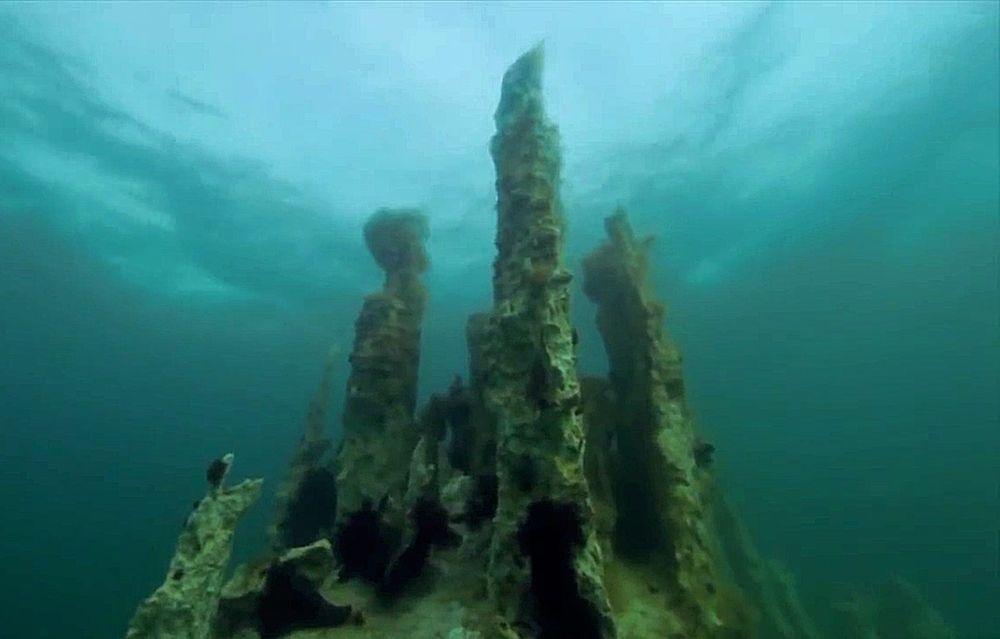
Almost unique phenomenon – submarine tufa columns created by cold seeps from submarine springs. Columns are formed of ikaite – an unstable mineral that disintegrates in temperatures above 6 – 7 ° C. In total there are more than 600 such columns up to 18 m tall.