
Wondermondo 🢖 Categories of wonders 🢖 Geological wonders 🢖 Impact craters
Category
Impact craters
 Described impact craters
If you see this after your page is loaded completely, leafletJS files are missing.
 What is included in this category?
Category includes outstanding impact craters – detectable scars on the surface of Earth left by a body coming from outer space. Category includes also meteorites – natural objects from the outer space.
Bombardment from the space
There are many pieces of solid matter flying around in space. And VERY frequently they fall on the surface of Earth. There are estimates that every year on Earth fall 18,000 – 84,000 meteorites larger than 10 grams: e.g. one meteorite every 6 – 30 minutes. Every 500 years meteorites form a crater with a diameter of 100 m. It is rather unusual that no giant meteorite has devastated Earth over the last two million years – but it is also calculated that just a few percent or all small craters are found thus far.
The speed of meteorites is dizzying: up to 15 – 20 kilometers per second! Theoretically, they might be even 70 km/s fast (252 000 km/h…). Now try to imagine what happens if a meteorite has a diameter of one kilometer and hits the surface of Earth 300 times faster than jet aircraft! It burns a profound hole in the atmosphere and kicks the crust of Earth with a terrible force.
Earth has experienced such terrible bombardment. It has been calculated that meteorites with a diameter of 1 km hit Earth every 500,000 years and sometimes there come true behemoths, with a diameter more than 10 km. They leave scars on the surface of Earth and traces in the history of climate and life.
The scars – impact craters
As the meteorite hits the ground, it is suddenly stopped by the solid mass of Earth’s crust. Energy can not disappear without a trace – and the immense kinetic energy of the meteorite is transformed into thermal energy: an incredible explosion takes place in the impact site. If the meteorite is smaller, it may explode before hitting the Earth’s surface, but if it is large – it penetrates the ground and explodes under it, creating a circular crater.
The size of such craters on Earth might be amazing. Vredefort Crater in contemporary South Africa was created by a 5 – 10 km large asteroid some 2 billion years ago and has a diameter of 160 km. It seems that this blow triggered the creation of new volcanoes around the impact crater. Nowadays it would erase most life forms on Earth.
The giant impact craters have left much more profound changes and can be detected even billions of years later. Such catastrophic events happen very rarely – once in ten or a hundred million years. As a result, these craters still exist but have lost their "visual appeal" – they are just circular structures in the Earth’s crust, very often covered with later sediments.
Smaller impact craters disappear much sooner (if a few million years go together with a term "sooner") but they are more frequent. If they are recent, they still look like true craters and have a visual appeal.
How many impact craters are on Earth?
The existence of impact craters on Earth has been proved recently – in the 1920s. Since then there have been found some 190 impact craters. They are diverse. Some are small, distinctive, and fairly new craters. Some are very old, large, and eroded. And – some are covered with sediments and invisible.
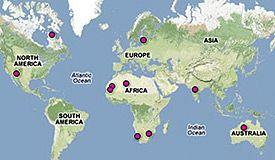
Theoretically the density of impact craters on Earth should be uniform – there is no reason to believe that some parts of Earth are hit more often than others. The density of known craters though isn’t uniform. There are known more craters in:
- Places where the geological exploration has been more intense – United States, Europe, South Africa, etc.;
- places, where are exposed old rocks – Canada, Scandinavia, Sahara, Australia.
Very few impact craters are known in oceans – the ocean floor is constantly renewed by geological processes and can not preserve impact craters that are hundreds of millions of years old.
It is expected that many more impact craters will be discovered in the future, but most of them will not be visually impressive structures – they are buried under thick layers of sediments. But there still are discovered visually very interesting impact craters as well – such as the Kamil Crater (Egypt), which was discovered through Google Earth application in 2008.
And, don’t forget, new craters will be formed as well. Every minute there can fall a large meteorite which can cause a devastating explosion and leave a fresh crater.
There are the following articles about the impact craters:


 Top 25 impact craters
Africa
Lake Bosumtwi
Ghana
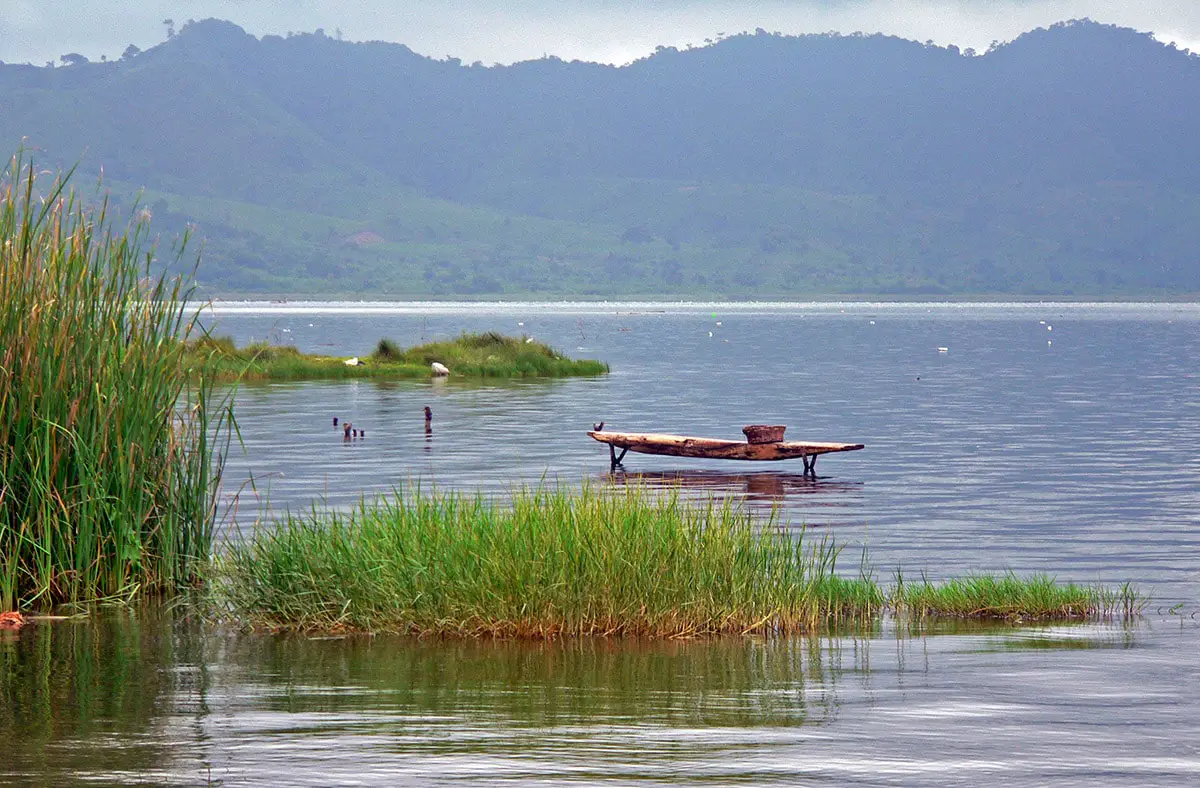
The most recent medium-sized impact crater, 10.5 km across, formed 1.07 million years ago. Filled with an 8 km wide lake – the largest natural lake in Ghana. Surrounded by dense rainforest.
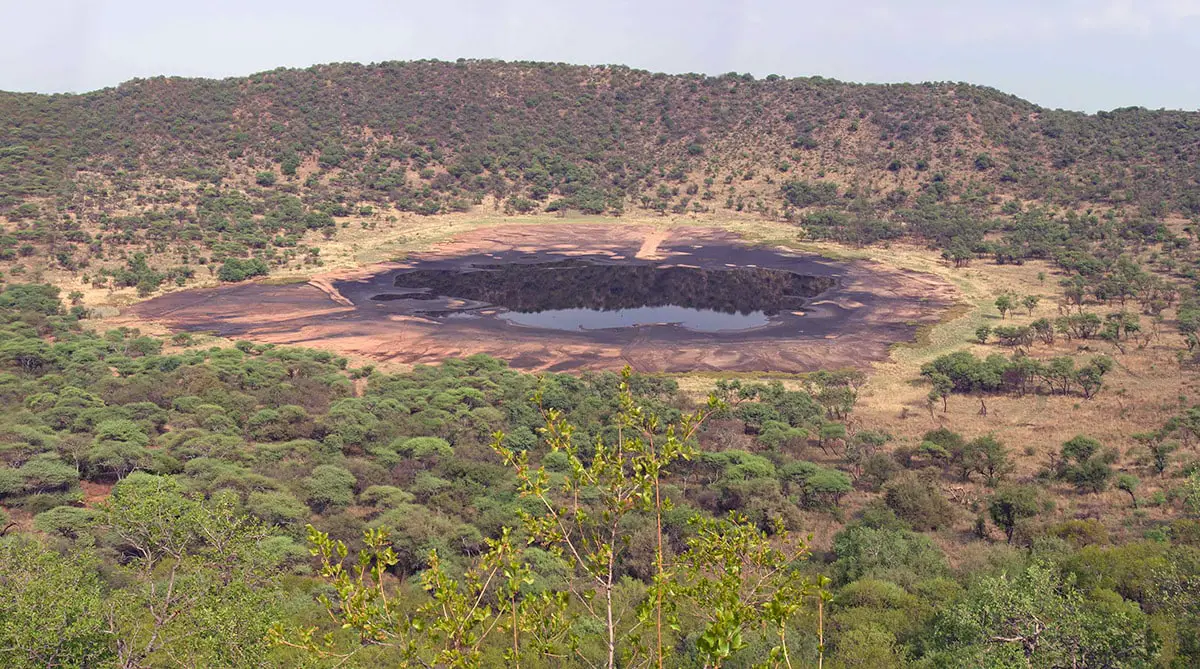
Tswaing crater
South Africa
Well preserved impact crater made by some 30 – 50 meters large bolid some 220,000 years ago. Astrobleme is 1.13 km in diameter and 100 m deep, the lake on the bottom has been used by people for salt collection over the last 100,000 years.
Amguid crater
Algeria
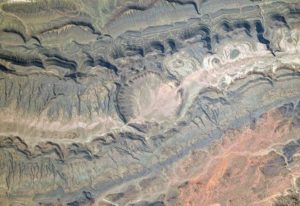
Very well pronounced impact crater, less than 100,000 years old. Diameter – 500 – 530 m, 65 m deep.

Hoba meteorite
Namibia
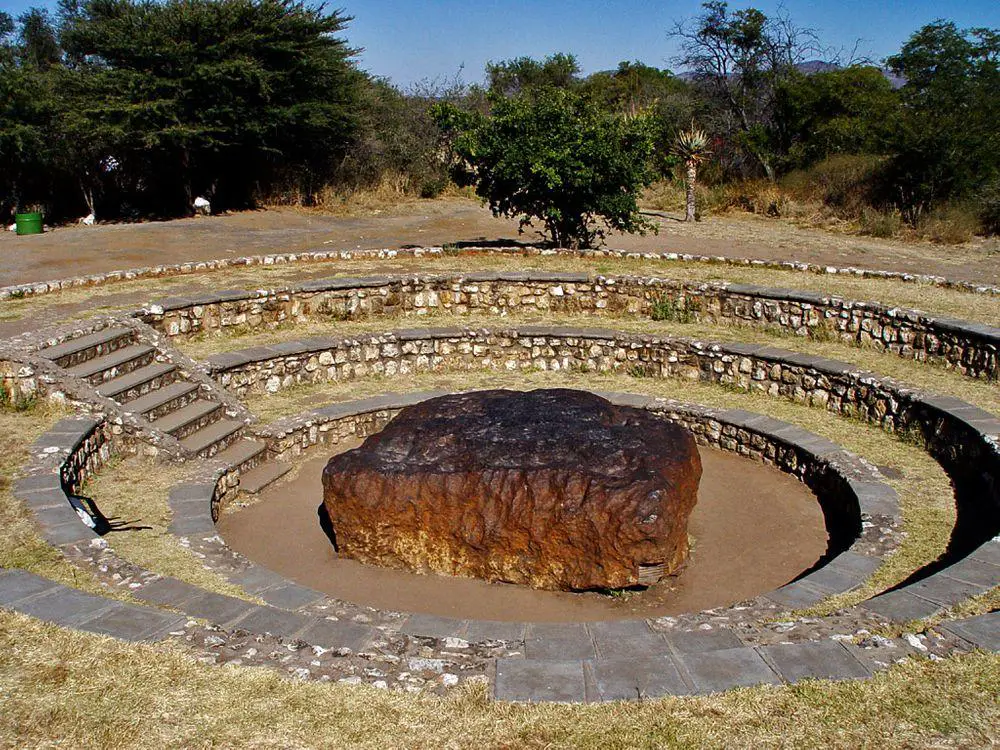
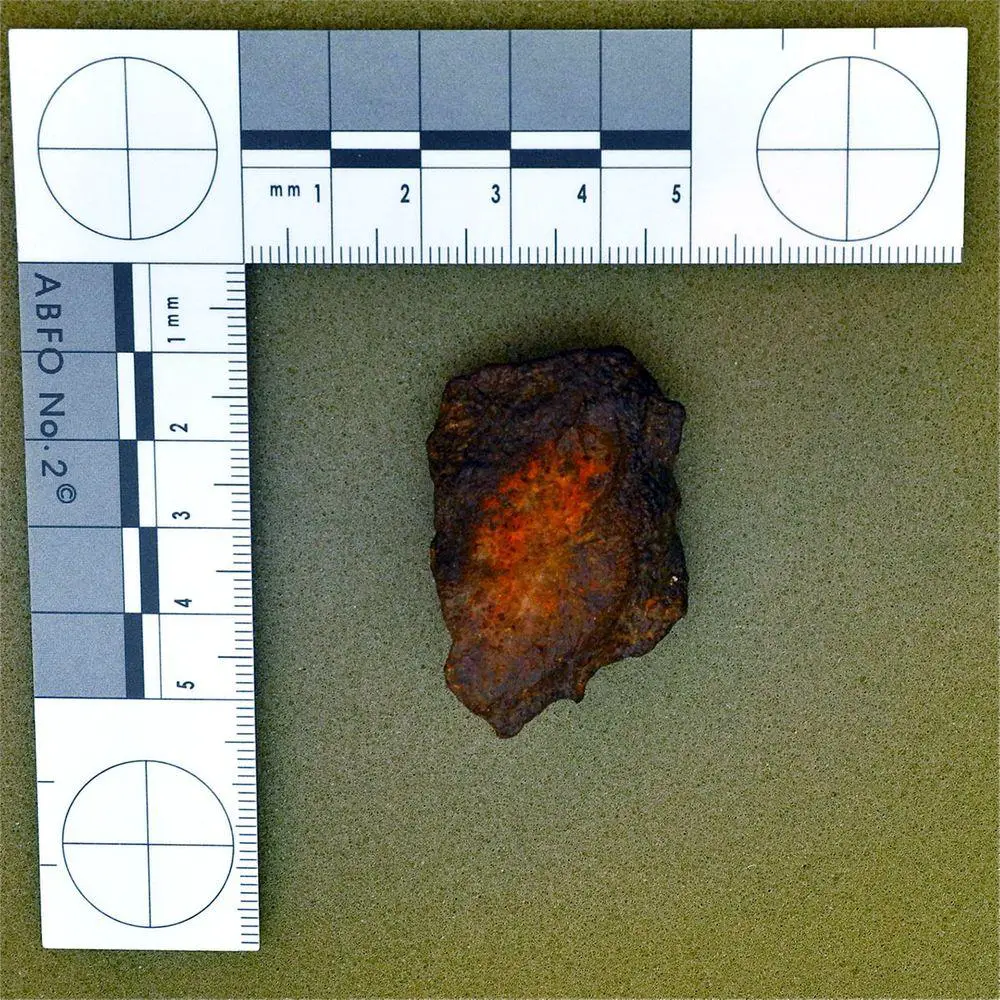
The largest known single-piece meteorite and the largest known natural piece of iron on Earth. The stone fell some 80,000 years ago, it weighs more than 60 tons, 2.7 by 2.7 m long.
Kamil crater
Egypt
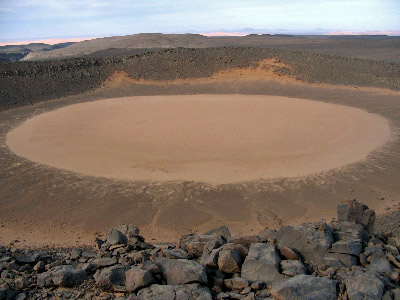
Well preserved, less than 5,000 years old impact crater. Width is 44.8 m, and depth – 15.8 m. Around the crater is still visible the rayed structure created by the blast.

Aouelloul crater
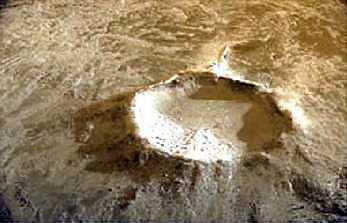
Mauritania
Well preserved impact crater. Formed approximately 3.1 million years ago (Pliocene). Diameter 390 m.
Silica Glass Valley
Egypt
In the western side of the Great Sand Sea can be found pieces of pure, transparent silica glass (Libyan Glass) – the only such find in the world. The largest pieces are up to 26 kg heavy. It has been used as a jewel already in Ancient Egypt. Possibly created by the impact of a large meteorite.
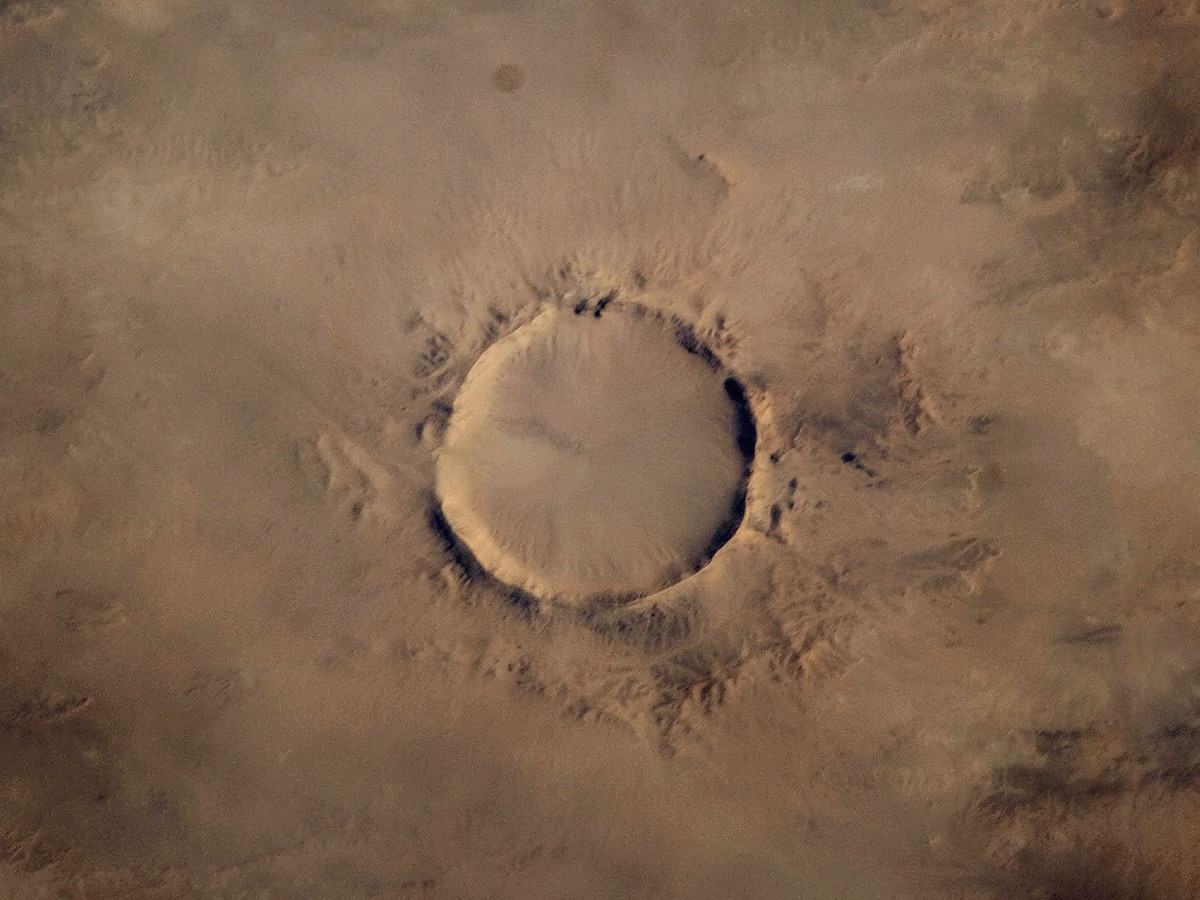
Tenoumer crater
Mauritania
A well-visible, interesting impact crater. Diameter – 1.9 km, depth 110 m, age – approximately 21,400 years.
Roter Kamm crater
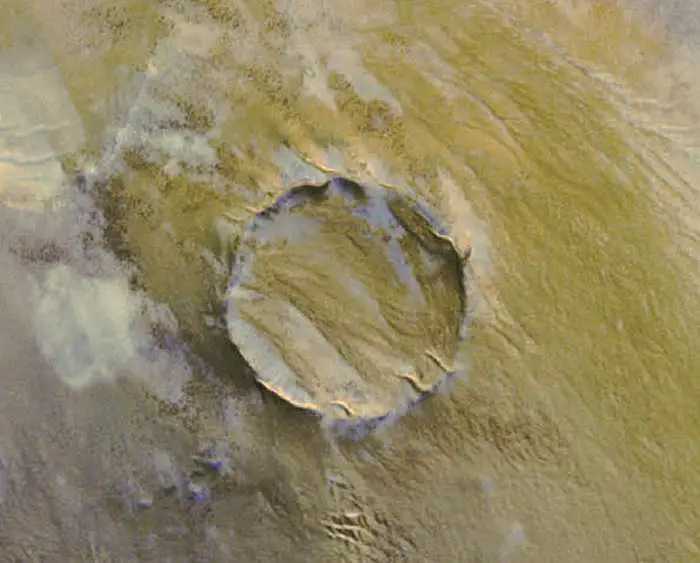
Namibia
Approximately 4 – 5 million years old impact crater. The diameter of the crater is 2.5 km, depth – 130 m. It was deeper earlier – the bottom is covered with a 100 m thick layer of sand.
Asia
Lonar crater
India
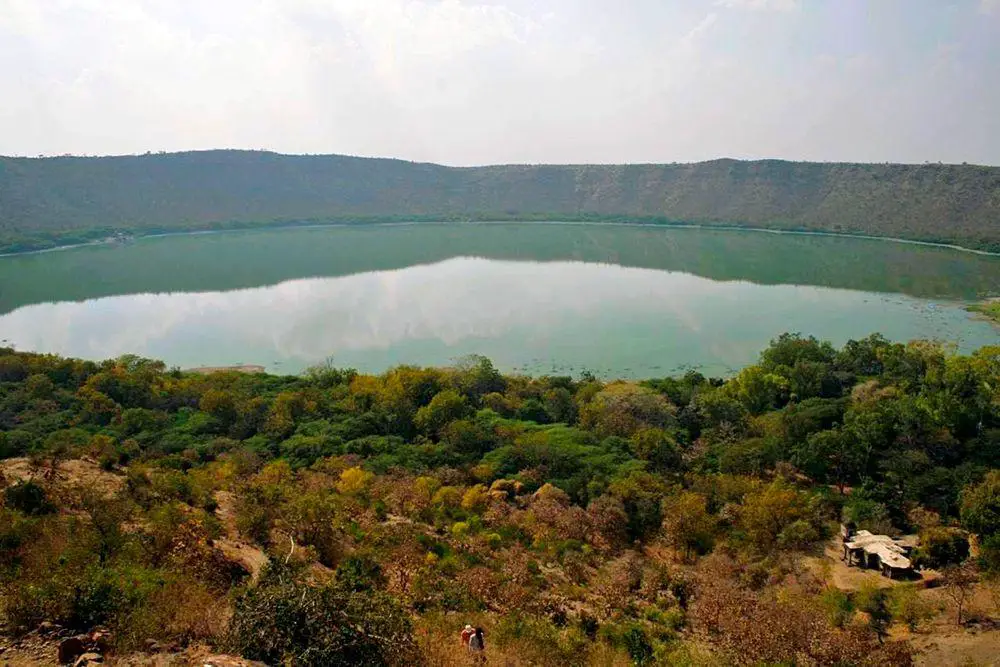
A meteorite crater filled with a saltwater lake. The bolide hit the basaltic rock approximately 570,000 years ago. The diameter of the crater is 1.8 km, with a 1.2 km wide lake in it, depth of the crater: around 150 m. Lonar Lake contains rare and unusual microorganisms.

Tabun Khara Obo
Mongolia
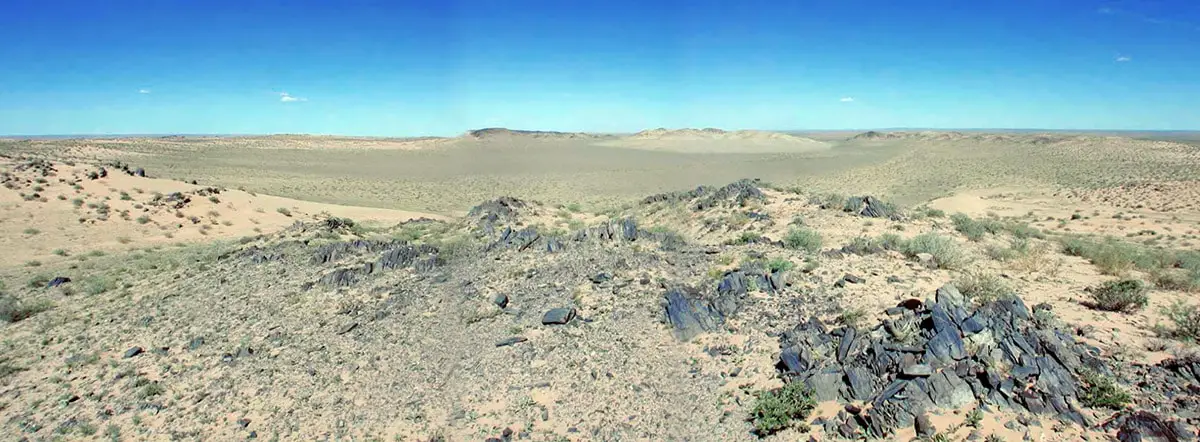
Impressive, very well preserved impact crater that has formed in Proterozoic rocks. Diameter – 1.3 km, visible depth – up to 30 km.
Popigai crater
Russia
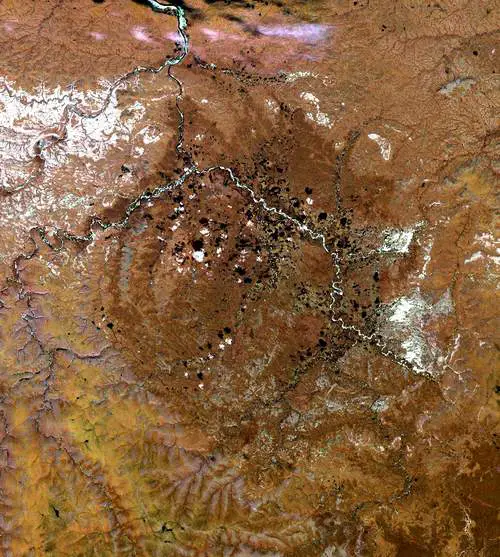
One of the largest impact craters in the world, with a diameter of 100 km. Created approximately 35.7 million years ago (Eocene) by a 5 – 8 km large bolide. Here are found up to 1 cm large, very hard diamonds created by the impact.
Zhamanshin crater
Kazakhstan
Large impact crater, with a diameter of 14 km, 270 m deep. The impact took place some 900 thousand years ago and was the latest impact of such a magnitude that could cause an effect of nuclear winter.
Shunak crater
Kazakhstan
2.8 km wide and 400 m deep impact crater, some 45 million years old.
Sikhote-Alin meteorite strewn field
Russia
A 1.3 km² large area, where in 1947 fell a meteorite shower with a joint mass of 70 tons. The largest crater was 26 m across and 5 m deep.
Lake El’gygytgyn
Russia
Impact crater that is filled with a lake. The lake is approximately 15 km in diameter, with a maximum depth of 175 m. The diameter of the crater is 18 km. Formed in Pliocene, 3.6 million years ago. The lake has never been covered with glaciers. In the lake live endemic species of fish.
Australia and Oceania
Wolfe Creek crater
Australia
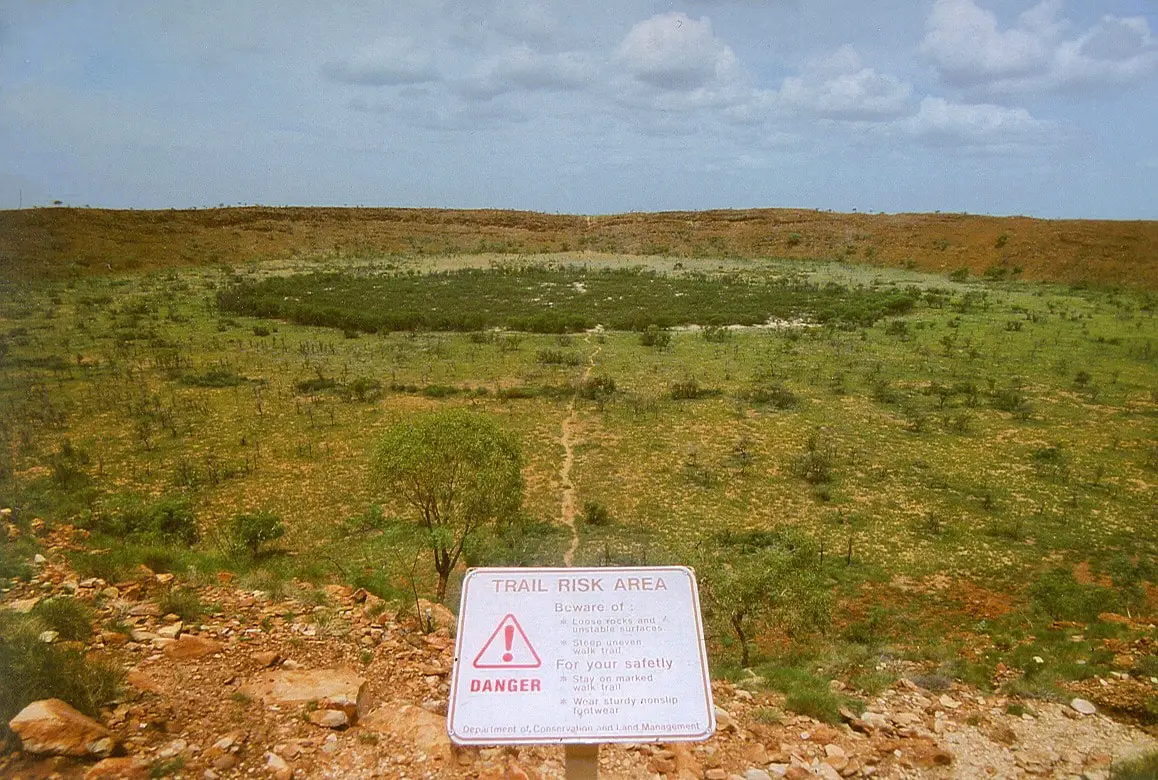
Western Australia. Visually expressive meteorite impact crater, 875 meters in diameter, 60 meters deep. Created some 300,000 years ago.
Henbury meteorite craters
Australia
A group of 13 – 14 meteorite craters with a diameter from 7 to 180 m, up to 15 m deep. There have been found several tonnes of meteorites. Formed some 4,200 years ago.
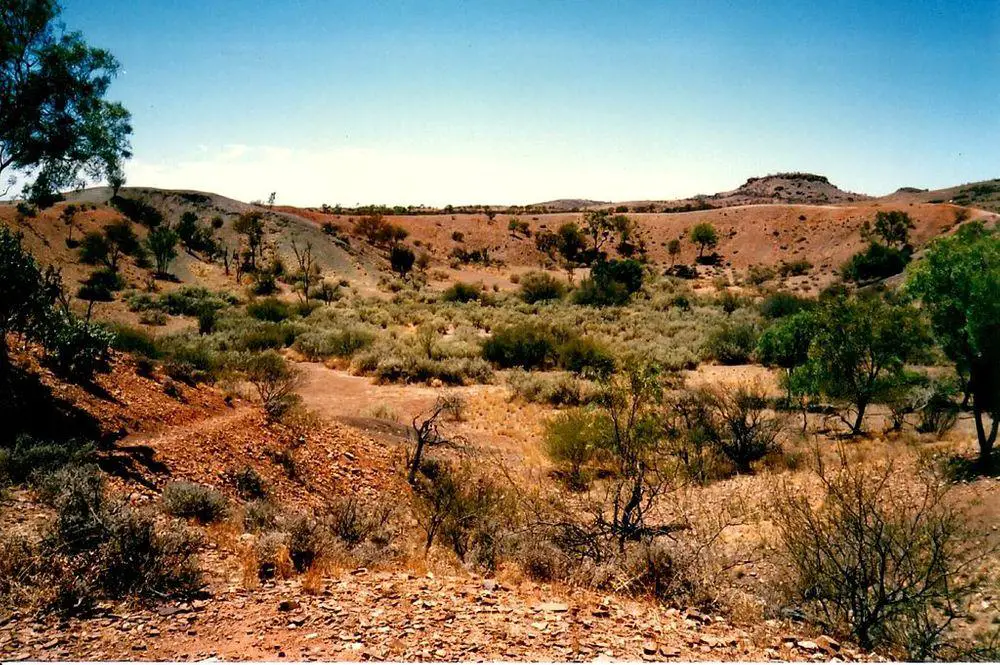
Europe
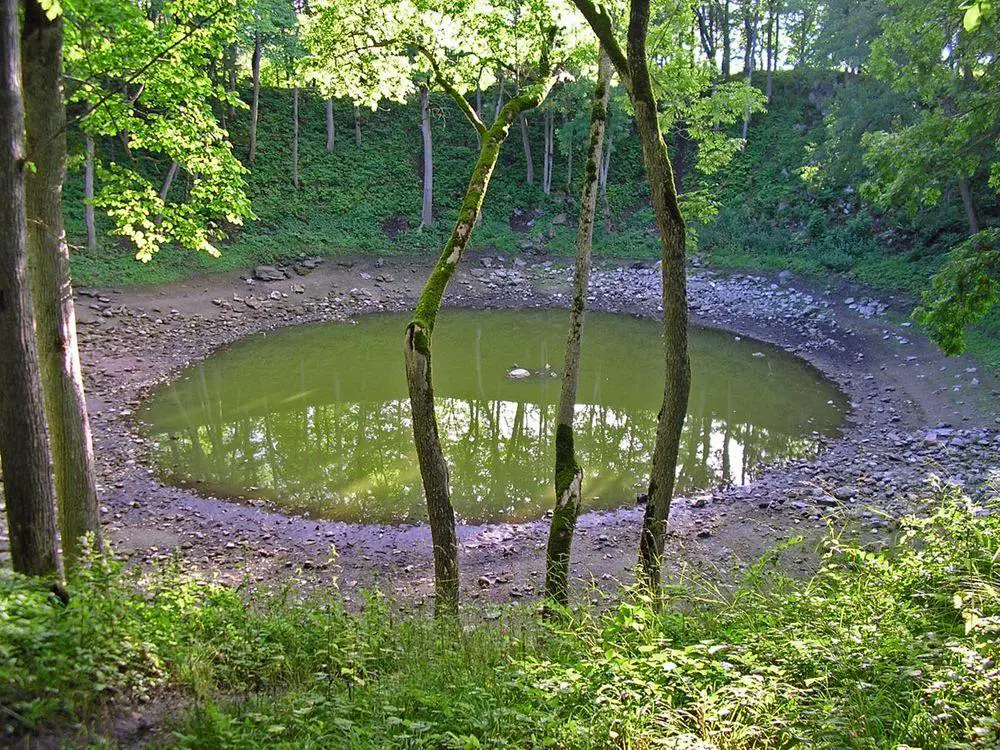
Kaali crater
Estonia
Fairly recent (7 600 – 4 000 years old), well-preserved meteorite craters. The largest crater has a diameter of 110 m and 22 m in depth. It has a lake at its bottom and exposed limestone along its rim. The fall of the meteorite created legends.
North America
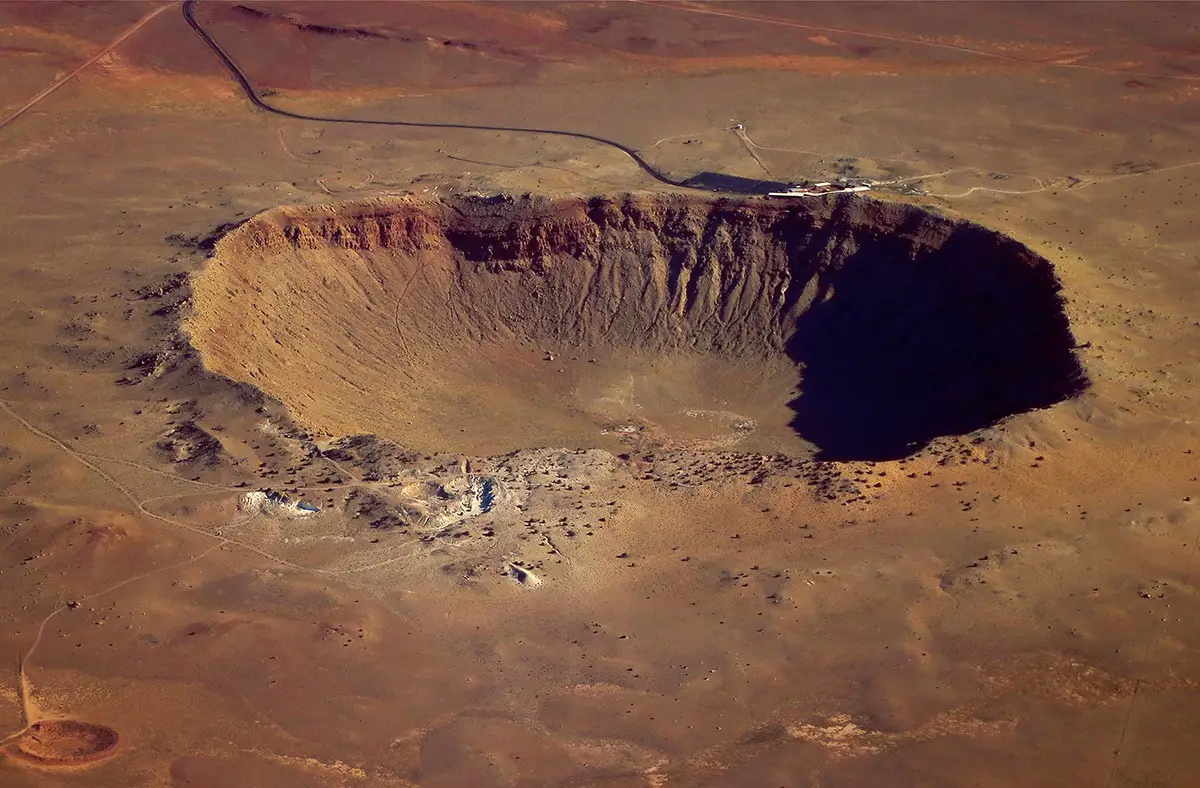
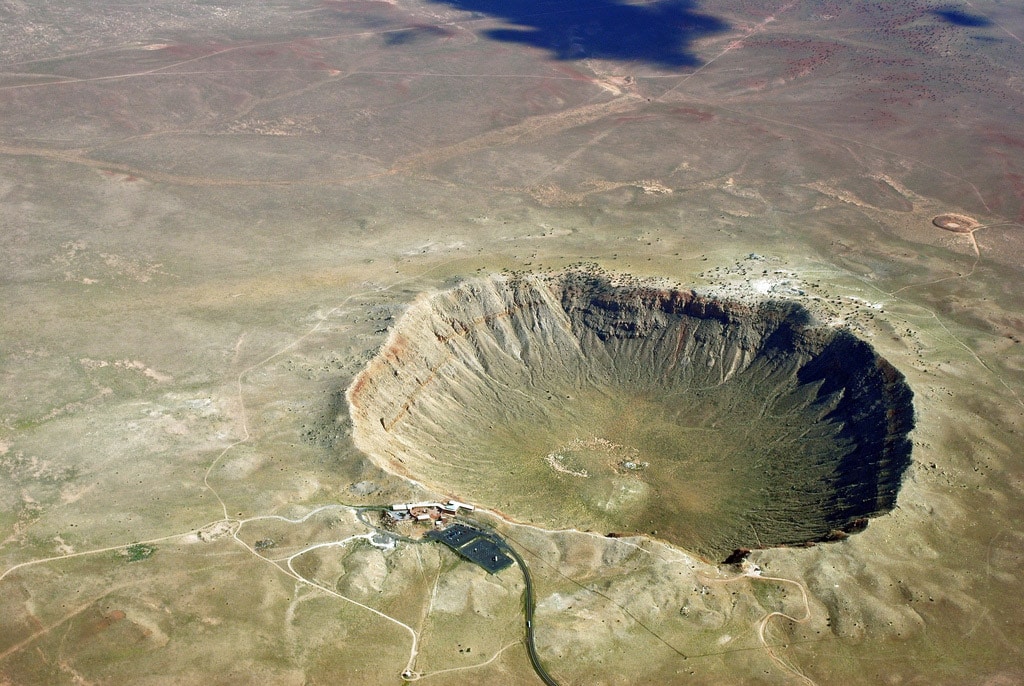
Meteor Crater (Barringer crater)
United States
Visually the most impressive meteorite impact crater on Earth. The diameter of the crater is about 1,180 m, depth: 170 m. The outer side of the rim rises 45 m high above the surrounding plains. The bottom is covered with a 210 – 240 m thick layer of rubble. The impact took place some 49,000 years ago.
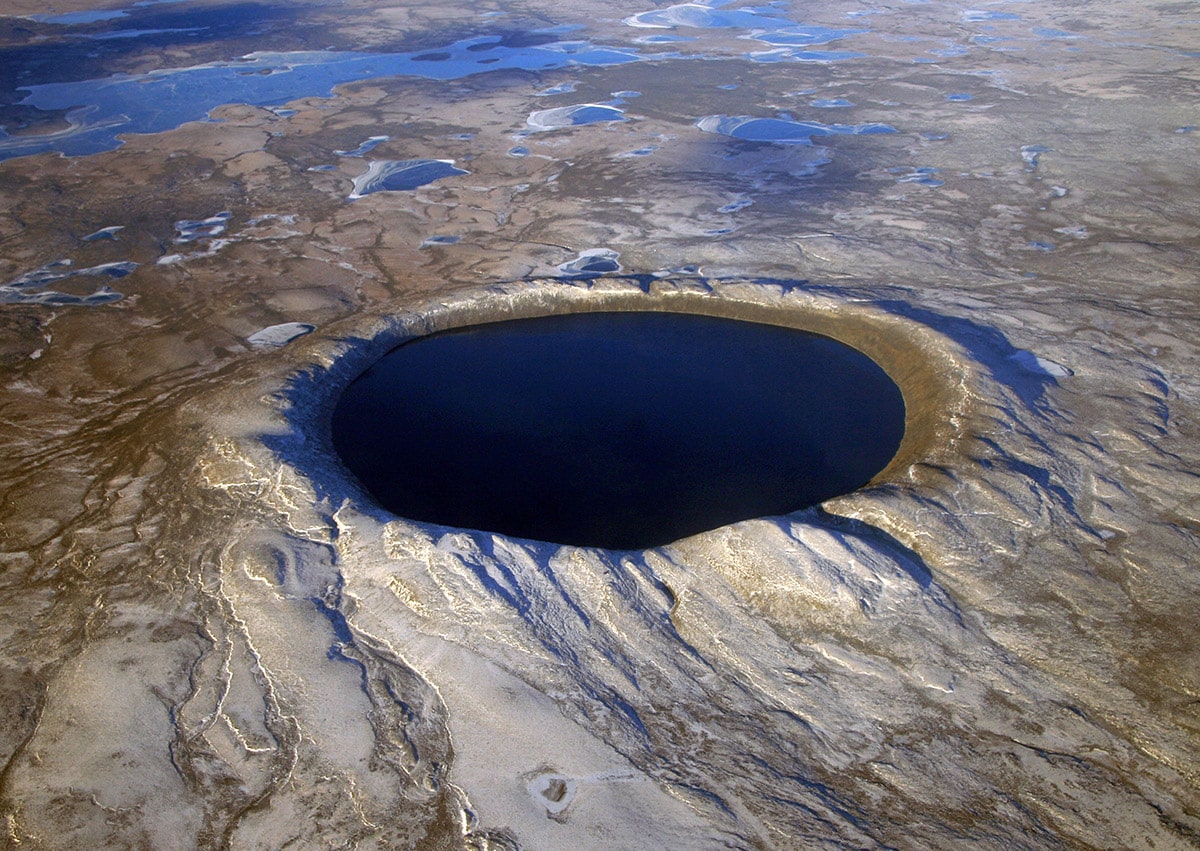
Pingualuit Crater (Chubb Crater)
Canada
Well pronounced and well preserved impact crater, 3.44 km in diameter. Formed some 1.4 million years ago, in the Pleistocene. The rims of the crater rise 160 m above the tundra. The depth of the crater is 400 m, it is partly filled with 267 m deep Pingualuit lake. Lake water is one of the purest in the world.
Clearwater Lakes
Canada
A pair of large meteorite craters – two connected lakes. Diameter of lakes – 26 and 36 km, both created in the Permian (290 million years ago). The larger lake has a ring-shaped circle of islands in the center.
Manicouagan Crater
Canada
Enormous impact crater, created some 228 million years ago by an approximately 5 km large asteroid hitting the Earth with incredible speed – 17 kilometers per second. Multiple ring structure with 100 km diameter. Especially well visible is the unusual ring-shaped Manicouagan Reservoire with the second largest lake island in the world in the middle – René-Levasseur Island. The island for the most part is covered with old-growth forest.
South America
Campo del Cielo
Argentina
A strewn field of iron meteorites. These meteorites fell some 4 – 5 thousand years ago. The largest meteorite fragment weighs 37 tonnes and is the second heaviest after the Hoba meteorite, the total weight of meteorites: more than 60 tonnes. 26 impact craters, the largest is 115 by 91 m large.
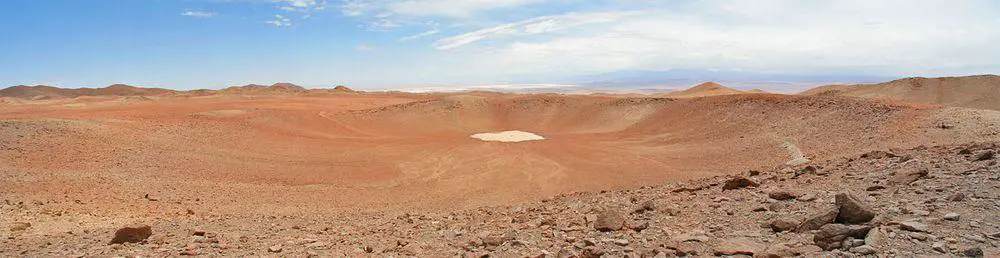
Monturaqui Crater
Chile
One of the most impressive impact craters in South America, created by a meteorite some 660,000 years ago. 350 – 370 m wide, up to 34 m deep.
Recommended books
Impact Craters of Earth


Craters have been found on planets and moons throughout the solar system, caused when asteroids or meteors have collided with them. Our Earth has not escaped these impacts, and nearly 200 craters are known on Earth today. Some are easily visited, others are in locations few would ever want to get near. This book details all the known terrestrial impact craters, telling their age, size, and other details, as well as highlighting those easily visited.
Sites of Impact


The best-preserved impact sites are often difficult to access – buried under ice, obscured by foliage, or baking in desert climes. These desolate landscapes are connected to another place outside of our world, and for photographer Stan Gaz they are sites of pilgrimage – steps in a journey begun as a curious young boy accompanying his father on geological expeditions, and culminating in a six-year journey traveling the globe in search of these sites, much of that time spent leaning his medium format camera out of an open-sided helicopter.