
Wondermondo 🢖 Categories of wonders 🢖 Architectural wonders 🢖 Religious architecture 🢖 Islamic shrines
Category
Islamic shrines
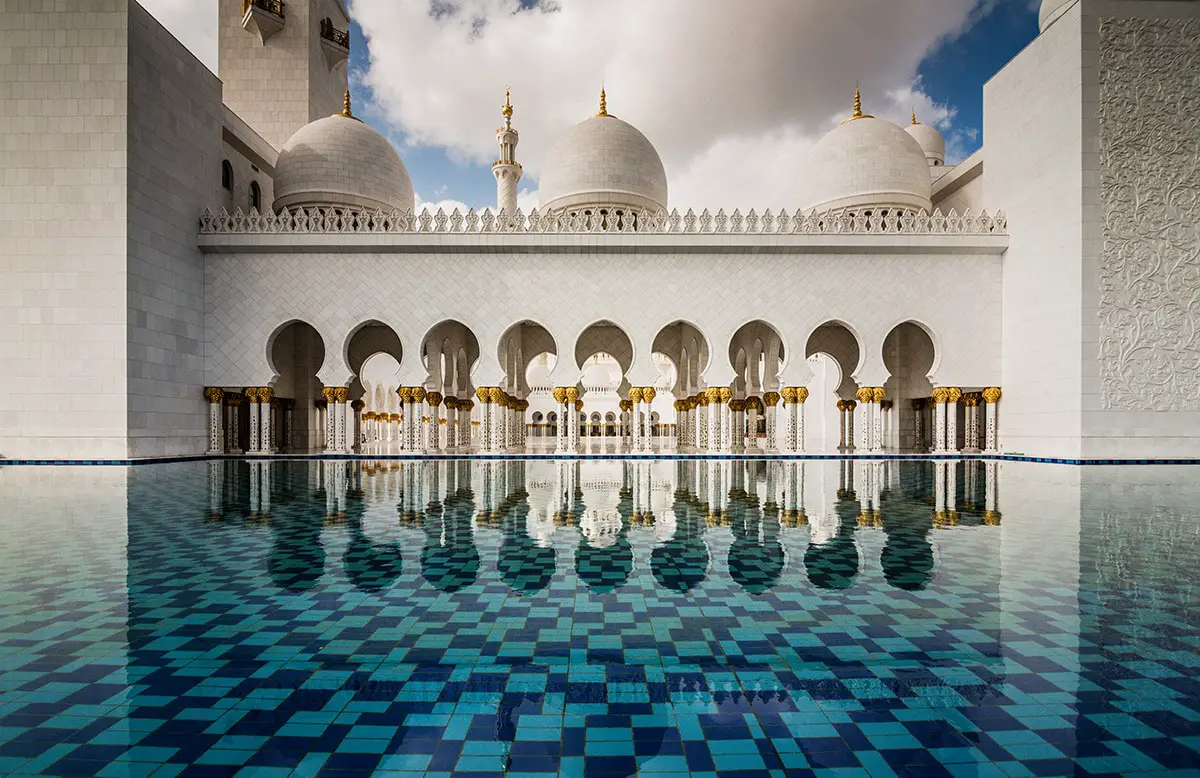
 Described Islamic shrines
If you see this after your page is loaded completely, leafletJS files are missing.
 What is included in this category?
History of Islam starts in the early 7th century with the deeds of historical personality – prophet Muhammad (ca 570/571 – 632). Main activities of Muhammad took place in Mecca and Medina (Saudi Arabia) and their vicinities, where today are located most important Islamic shrines.
Soon after the death of Muhammad there started divisions regarding the understanding of Islam teachings and succession of Muhammad. This led to development of Sunni Islam and Shia Islam, as well as some other interpretations of Islam teaching. Sunni Islam by far is more widespread denomination and thus it has most religious monuments. Meanwhile Shia Islam has got magnificent and very interesting monuments due to worship of Imams – regarded to be successors of Muhammad, spiritual and political rulers of their commune.
Depiction of humans and animals is not allowed in Islam, especially in religious buildings. Islamic architects and artists have compensated this with rich and sophisticated ornaments (arabesques) and especially – calligraphy.
Mosques
Place for worship in Islam is called mosque. Mosques serve also for education, news exchange, dispute settling. There are widespread small, privately owned mosques but here more attention is turned towards larger, public mosques.
Initially, in the 7th century mosques were unpretentious, large halls for gatherings. Over the time, as Islam was spreading, there developed diverse, locally adapted architectural forms of mosques.
Early type of mosques were hypostile mosques – basically large rectangular halls with flat roof supported by multiple columns. It might be surprising to many – but one of the best examples of this style is in Europe, Spain – Great Mosque of Córdoba (Cathedral of Cordoba) – built over long time in the 7th – 8th centuries.
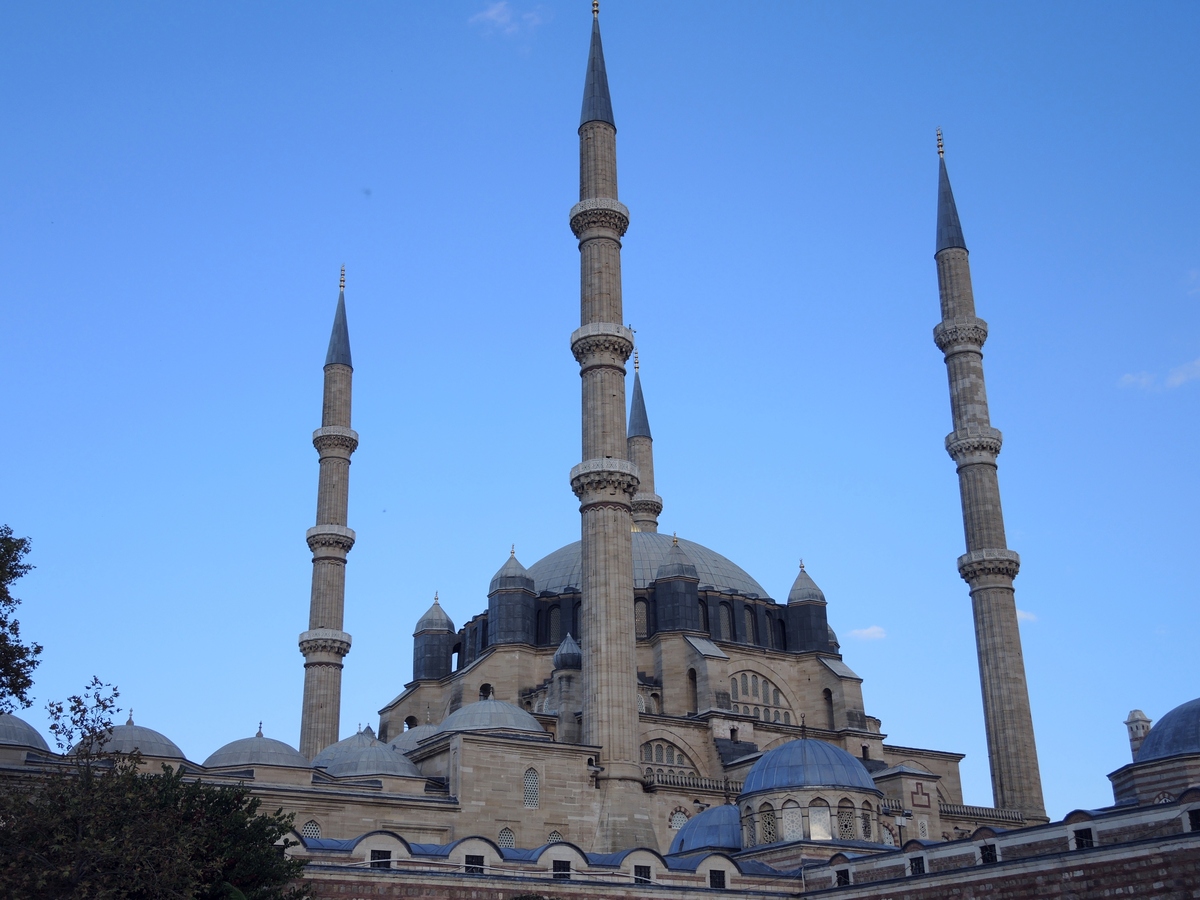
Christian Byzantine architecture (like Hagia Sophia in Istanbul) influences a rise of distinct regional style in Anatolia – central dome mosques with large dome over prayer hall (Selimiye Mosque, Turkey).
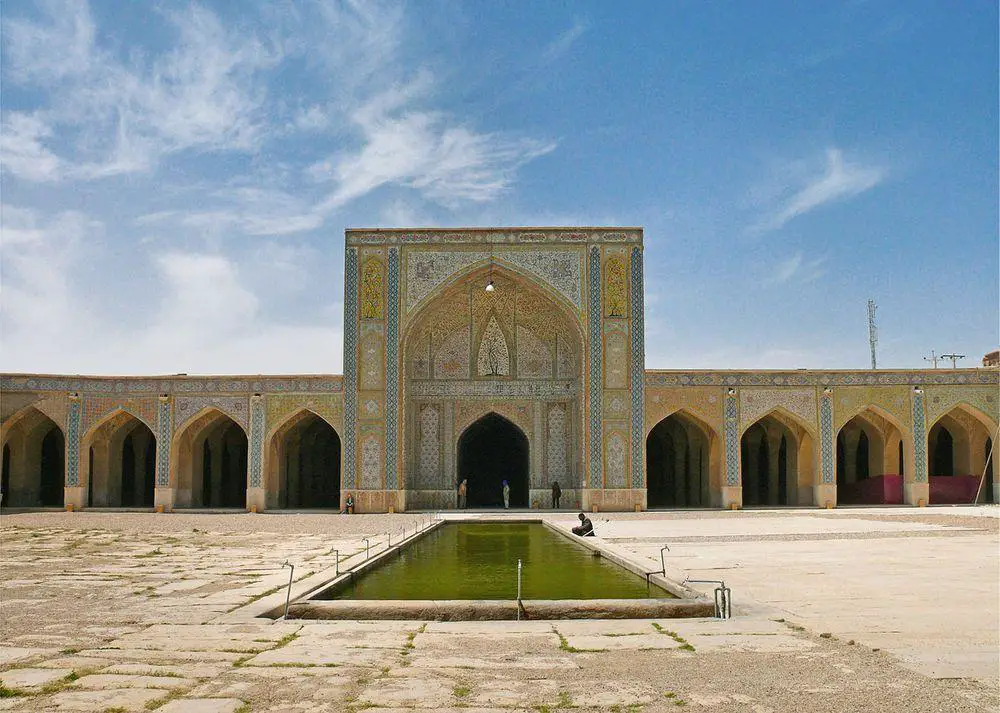
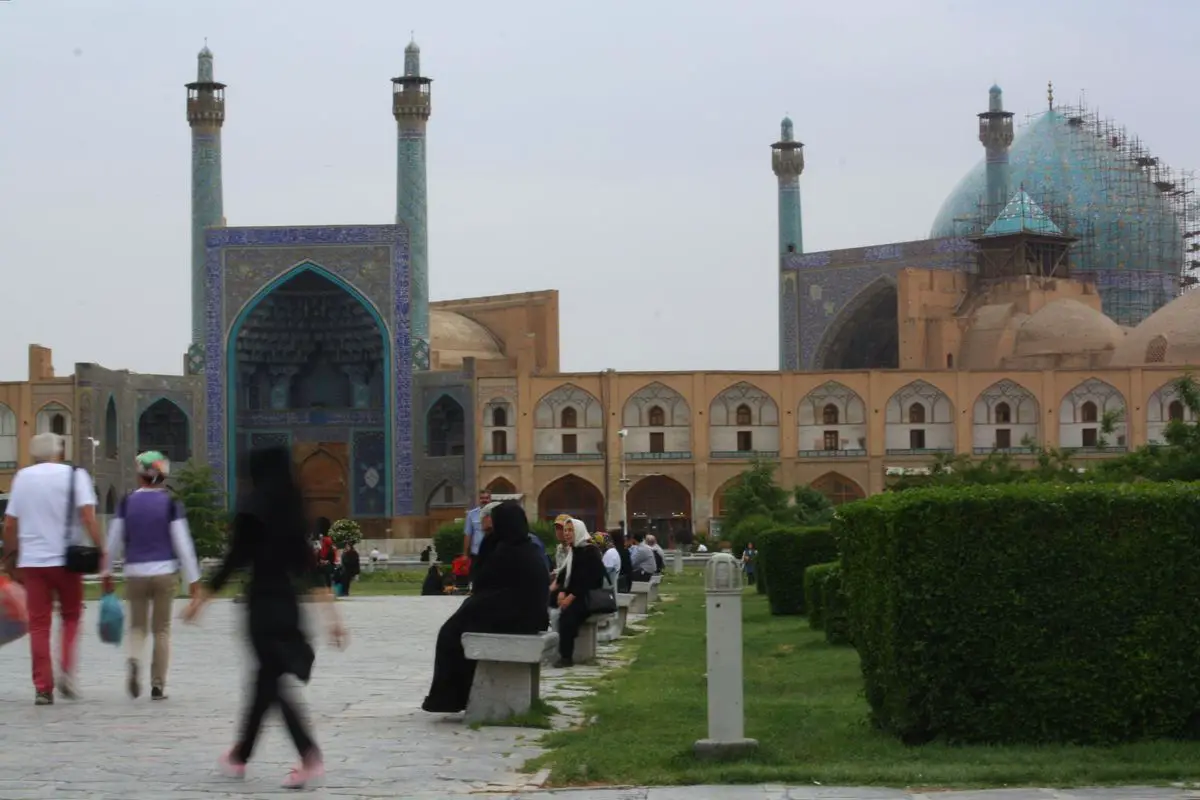
Magnificent and often beautiful mosques are iwan mosques – characteristic for Sassanid architecture mainly in Iran – but also in Uzbekistan, Pakistan, India and other countries. Iwan is vaulted room with walls from three sides and fourth side – entirely open. Iwans typically open towards a central courtyard. Characteristic iwan mosques are Jamé Mosque of Isfahan (Isfahan, Iran), Shah Mosque (Isfahan, Iran).
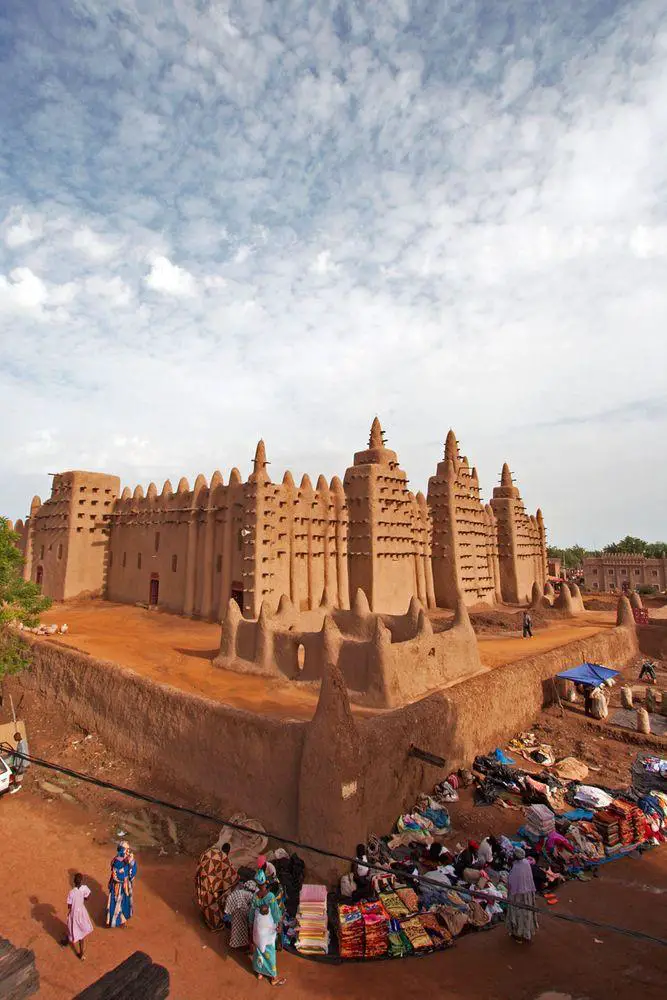
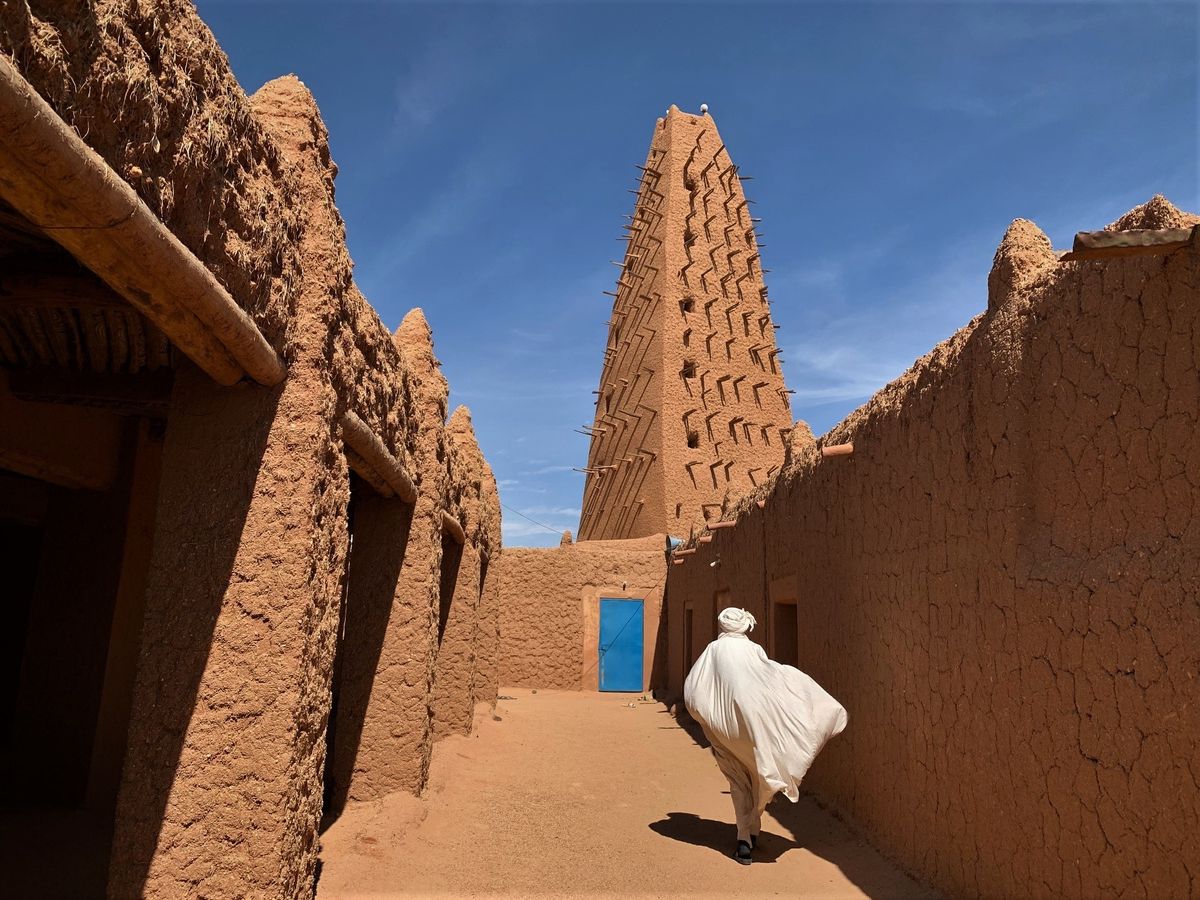
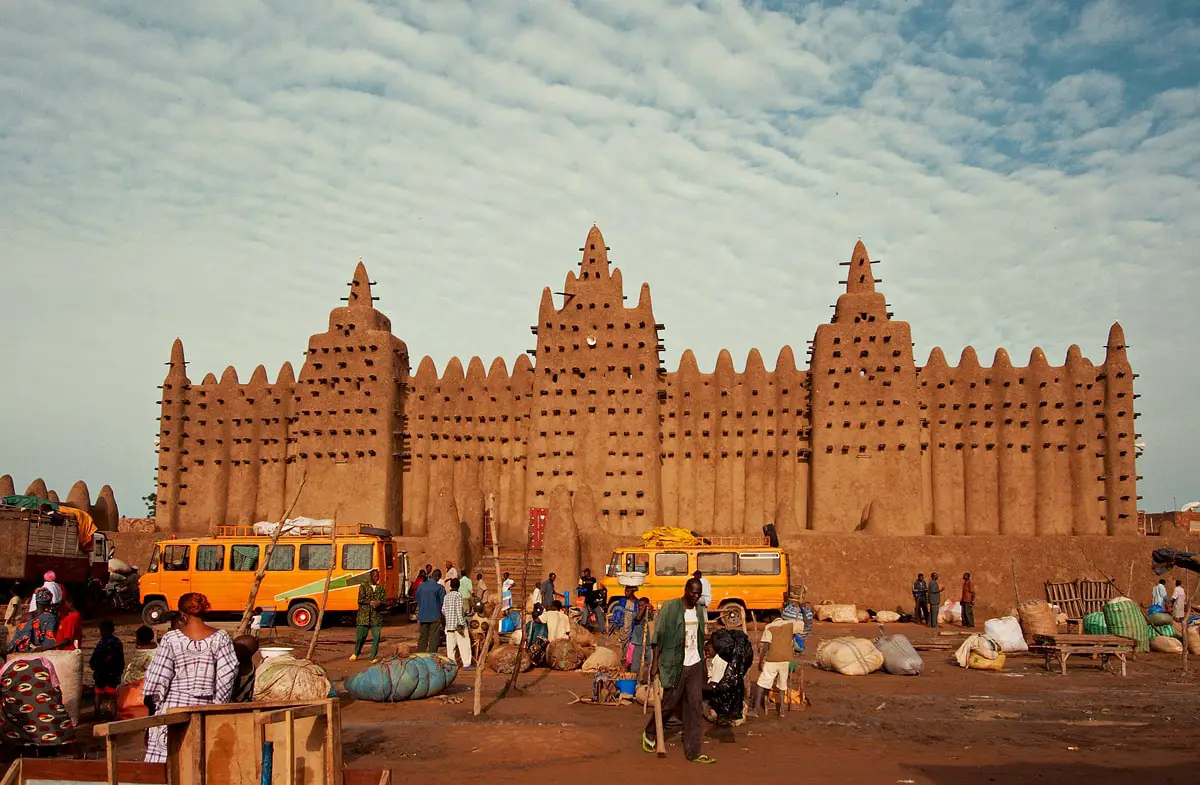
Unique monuments are ancient adobe mosques of Sahel and Sudan. Most magnificent is Great Mosque of Djenné (Mopti, Mali), interesting monument is Larabanga Mosque (Larabanga, Ghana).
Minarets
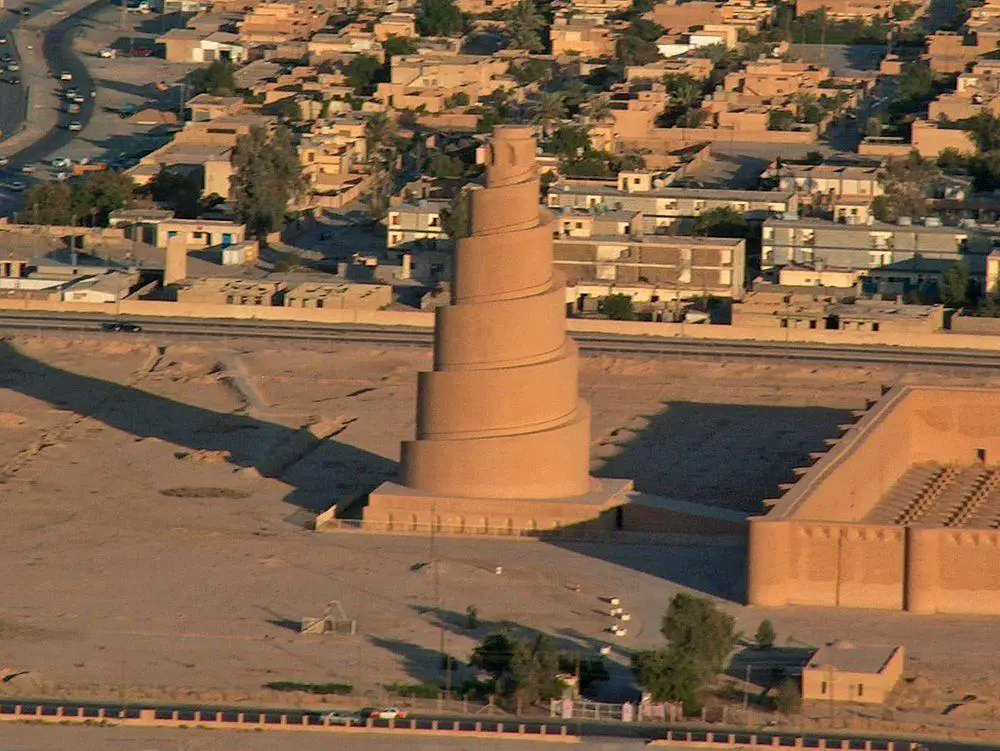
Minarets are towers next to mosques or at their corners. These towers primarily serve as a convenient place for calling the believers to prayer – but also as watchtowers (in ancient times, in some regions), as air condition mechanisms for ventilating the large prayer halls.
Initially mosques were built without minarets, but the first minarets appeared in the 7th – 9th centuries in Egypt, Syria, Iraq. Number of minarets differs in different regions – from one (Morocco) up to six (some mosques in Turkey). Architecture also is diverse – in China minarets are shaped in local style, many times similar to Buddhist pagodas, while in Turkey minarets are slender, formed like enormous pencils.
Other articles
Wondermondo has defined several other categories of religious structures:
- Religious architecture – list of more than 60 most interesting and impressive religious structures and sites around the world.
- Buddhist shrines
- Churches
- Christian monasteries
- Hindu shrines
- Jain shrines
- Judaism monuments, sinagogues
- Other contemporary shrines
- Ancient pyramids
- Ancient and prehistoric shrines
 Top 25 Islamic shrines
Africa
Great Mosque of Djenné
Mali
The largest adobe building in the world with a unique design. The first mosque here since the 13th century. The current structure was built in 1907 or 1909.
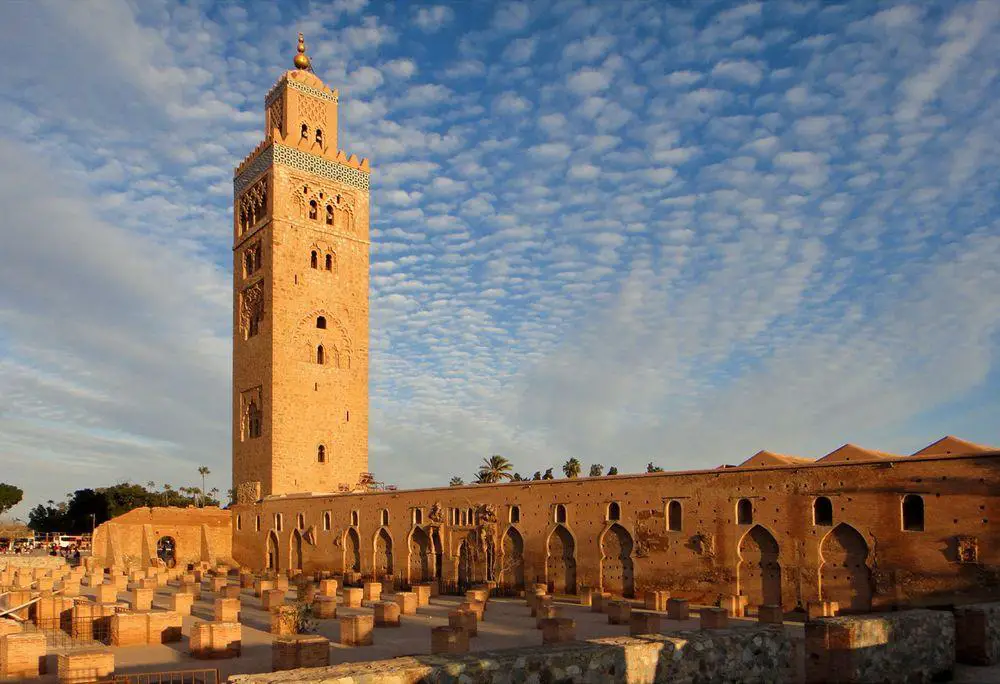
Koutoubia Mosque
Morocco
Large historical mosque, built in 1184 – 1199. Ornate mosque has 77 m tall minaret. This landmark building inspired Moorish architecture over the next centuries.
Al-Azhar Mosque
Egypt
Impressive mosque from 970 AD, here developed the most significant Islamic university in the world. Nowadays one of the most influential intellectual centers in the Islamic world.
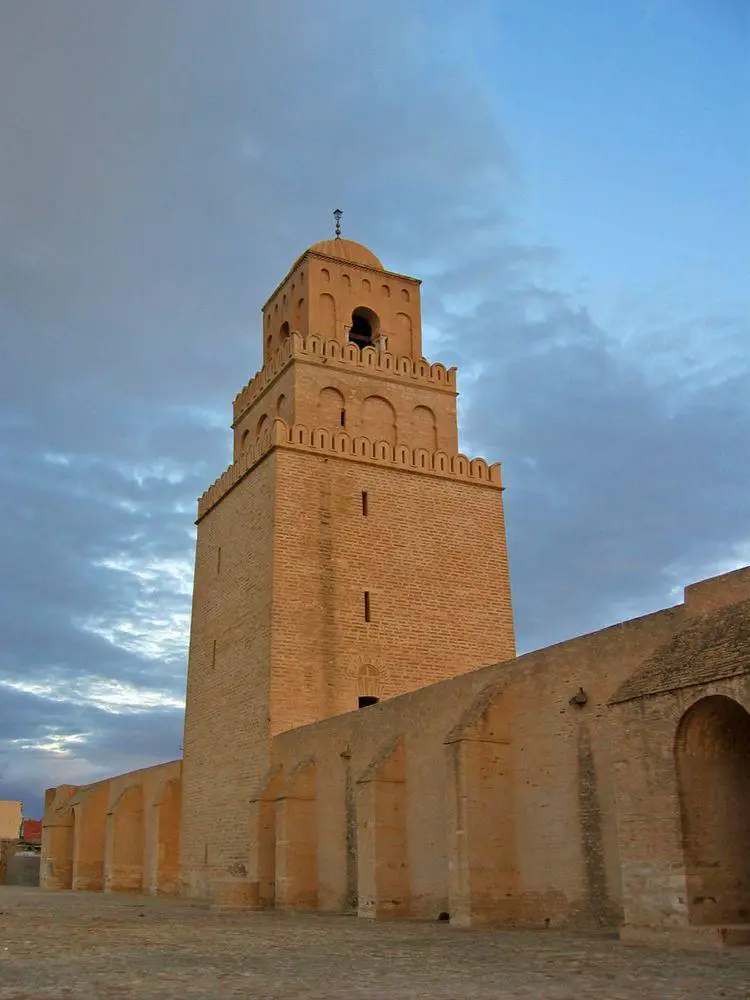
Mosque of Uqba (Great Mosque of Kairouan)
Tunisia
The oldest mosque in the Western Islamic world, built in 670 AD. An impressive building that resembles a fortress.
Asia
Kaaba and Masjid al-Haram
Saudi Arabia
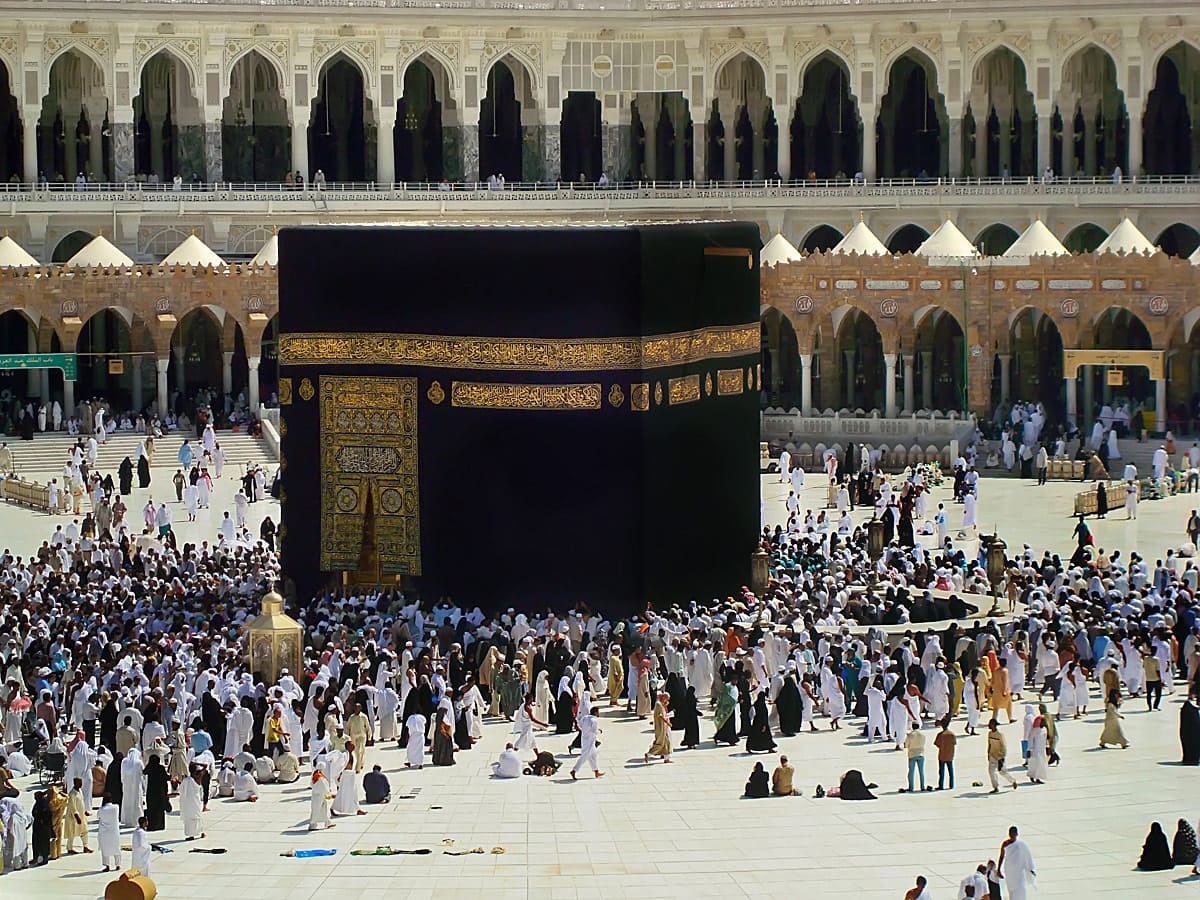
The largest mosque in the world was built in 638 AD to surround the Kaaba – the holiest site of Islam. Contains several other sacred places, including Zamzam Well which is widely believed to be a miraculous natural spring but in reality, is handmade well.
Temple Mount
Palestine
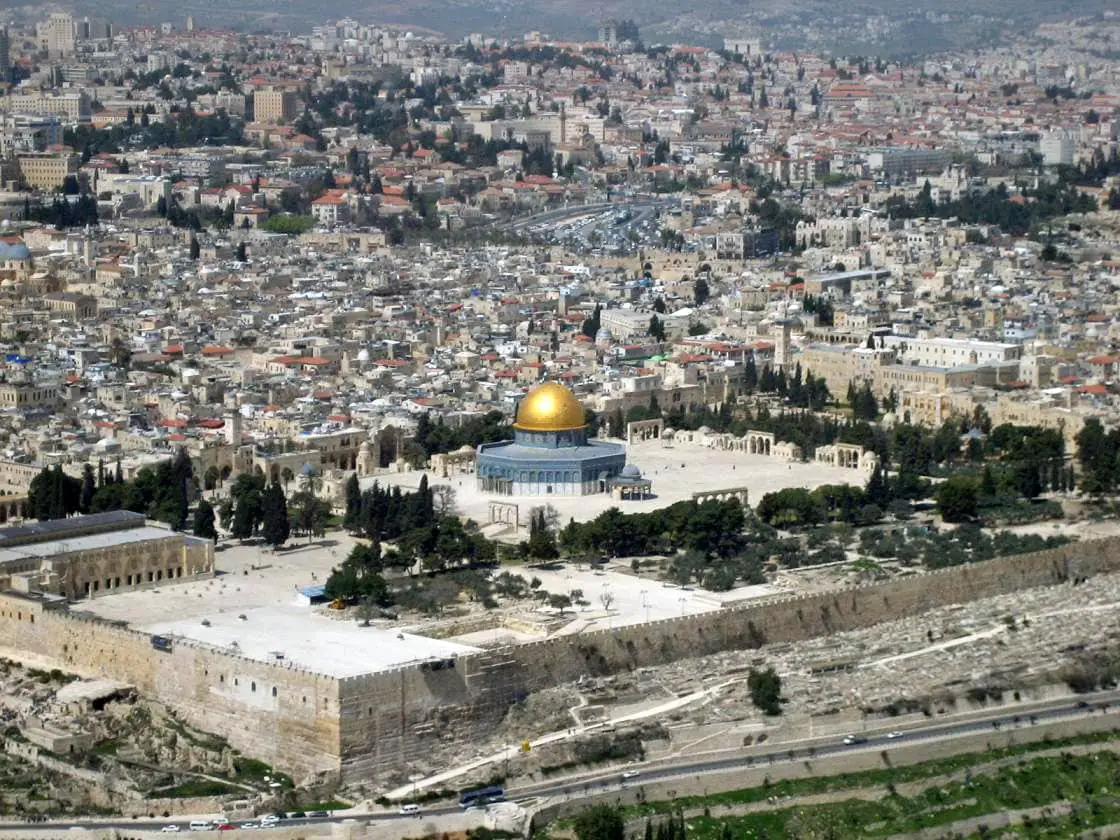
A sacred site of huge importance for many millennia. This has been a sacred site for Judaism, Christianity, Islam, and Roman paganism. According to Judaism some aspect of Divine Presence is present here. On the mount has been built Al Aqsa Mosque – the third most sacred site for Muslims and the Dome of the Rock with Foundation Stone (the most important site for Judaists), as well as several more valuable structures. Also – one of the most contested religious sites in the world, especially between Judaists and Muslims. Here started the development of Jerusalem in the 4th millennium BC. Under the Temple Mount is a maze of underground passages.
Al-Aqsa Mosque
Palestine
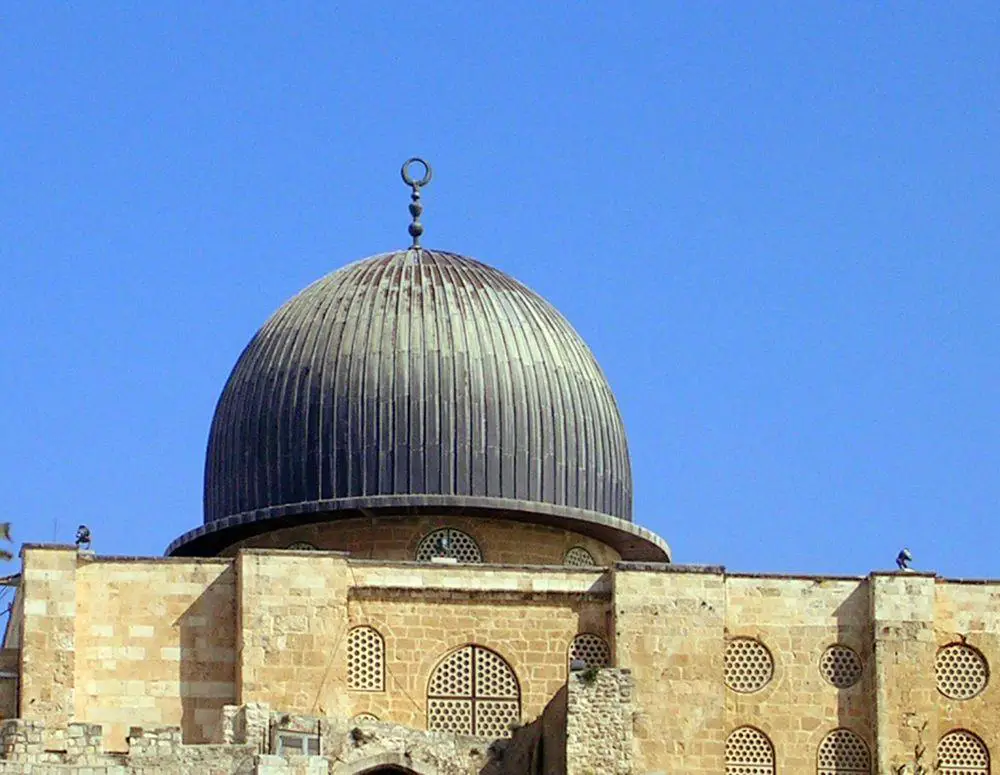
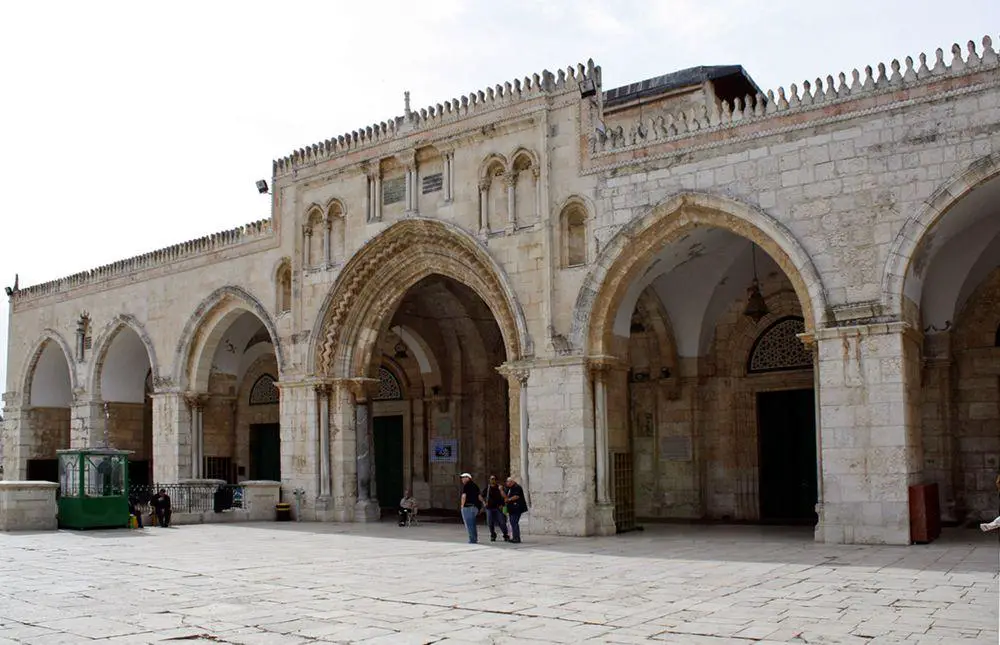
One of the holiest sites in Islam – Muhammad was transported here during the Night Journey from Mecca. The second oldest mosque, originally built in the first half of the 7th century, current building in 1035. Located on Temple Mount – the holiest site in Judaism.
Dome of the Rock
Palestine
A Muslim shrine, constructed in 691 AD over the Second Jewish Temple and refurbished many times since then. Intended as a shrine for pilgrims and not a mosque. The building is not typical for Islamic architecture (in Byzantine style) as this was an attempt to compete with Christian and other architecture in Jerusalem. At the heart of this building is Foundation Stone – the most sacred site for Judaists. The large, gilded dome of this building is one of the most noticeable features in the Jerusalem skyline. A model for Templar churches around Europe.
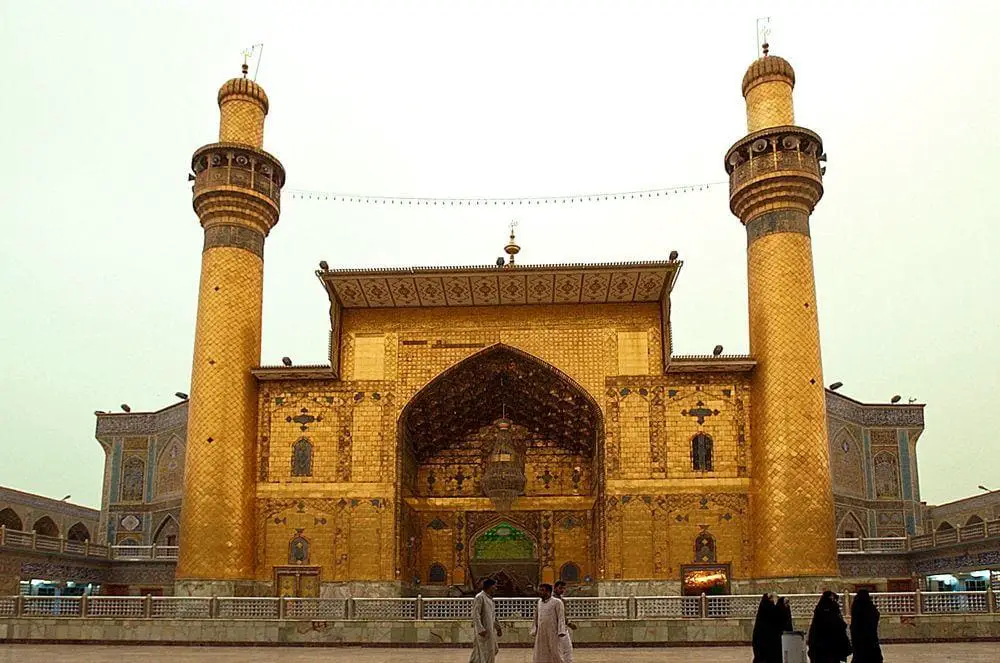
Imam Ali Mosque
Iraq
This mosque was established in 977 and contains the burial place of the cousin of Muhammad – ‘Alī ibn Abī Tālib, as well as, according to Shi’a belief, Adam and Noah. The current gold-covered building was constructed shortly after 1500. It is one of the most important Islam sites.
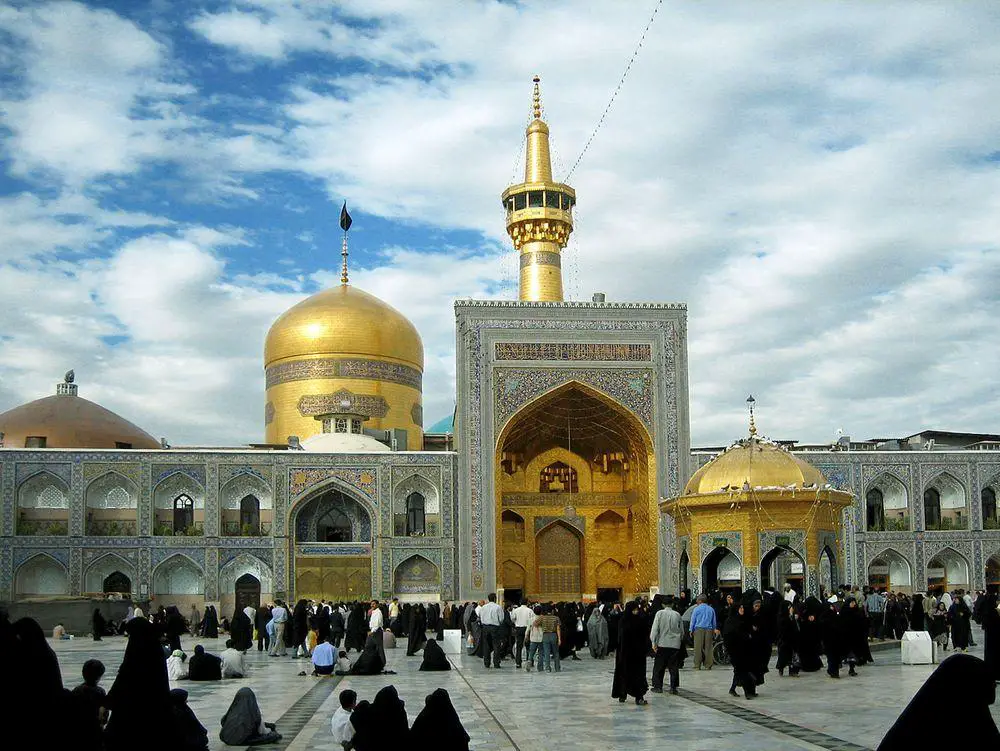
Imam Reza shrine
Iran
An important religious and theological complex, this shrine includes the tomb of Imām Ridhā, the eighth Imām, and the beautiful Goharshad Mosque, various theological educational institutions, and a library. It is visited by 15 – 20 million pilgrims a year. It has been built starting in 818 AD.
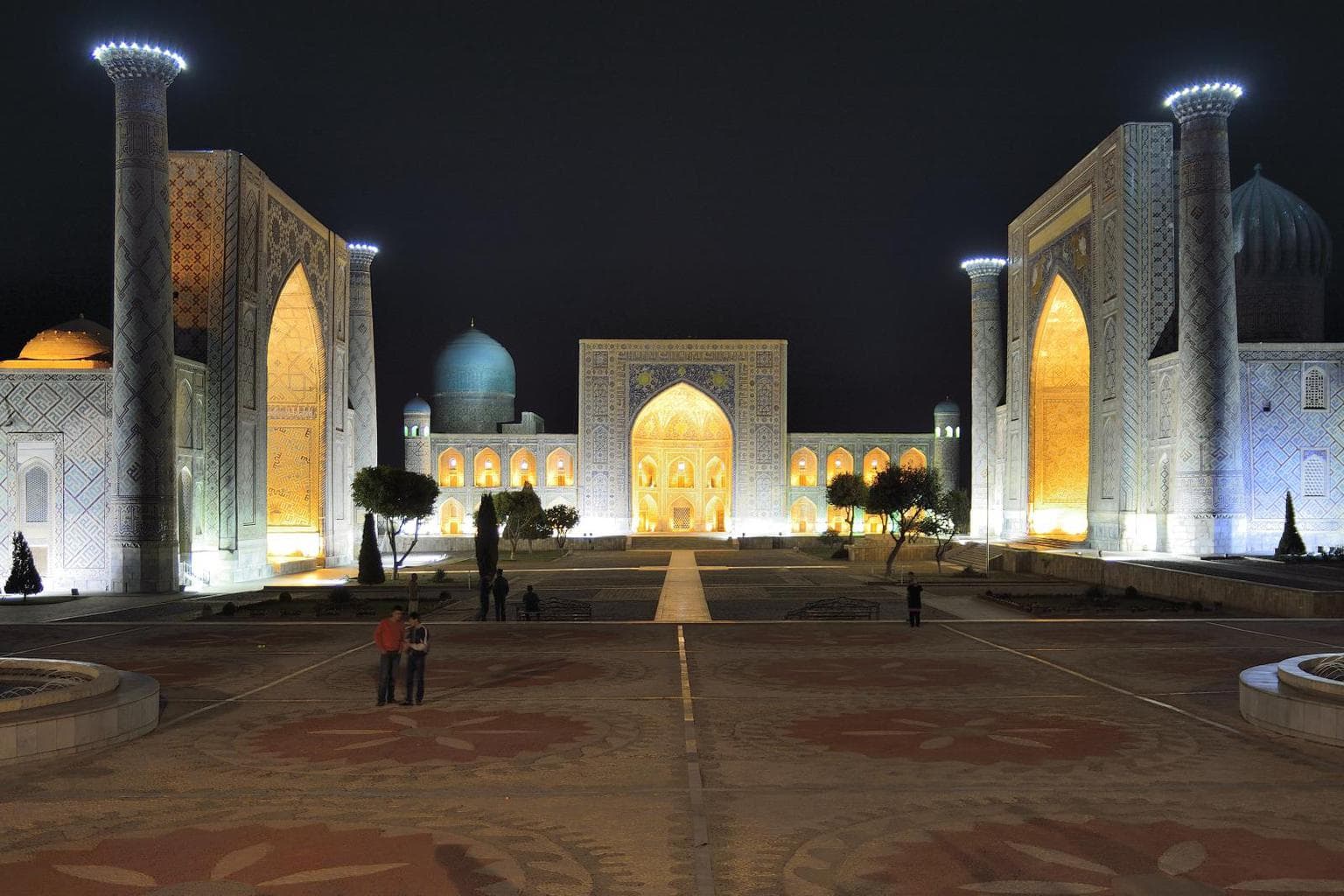
Registan with Ulugh Beg Madrasah, Tilya-Kori Madrasah and Sher-Dor Madrasah
Uzbekistan
The central square of Samarkand is flanked by three similar, impressive madrasahs. Ulugh Beg Madrasah was built in 1417-1420, Tilya-Kori Madrasah – in 1646-1660, and Sher-Dor Madrasah – in 1619–1636. Each of these buildings is very ornate and had a profound influence on the development of Islamic science.
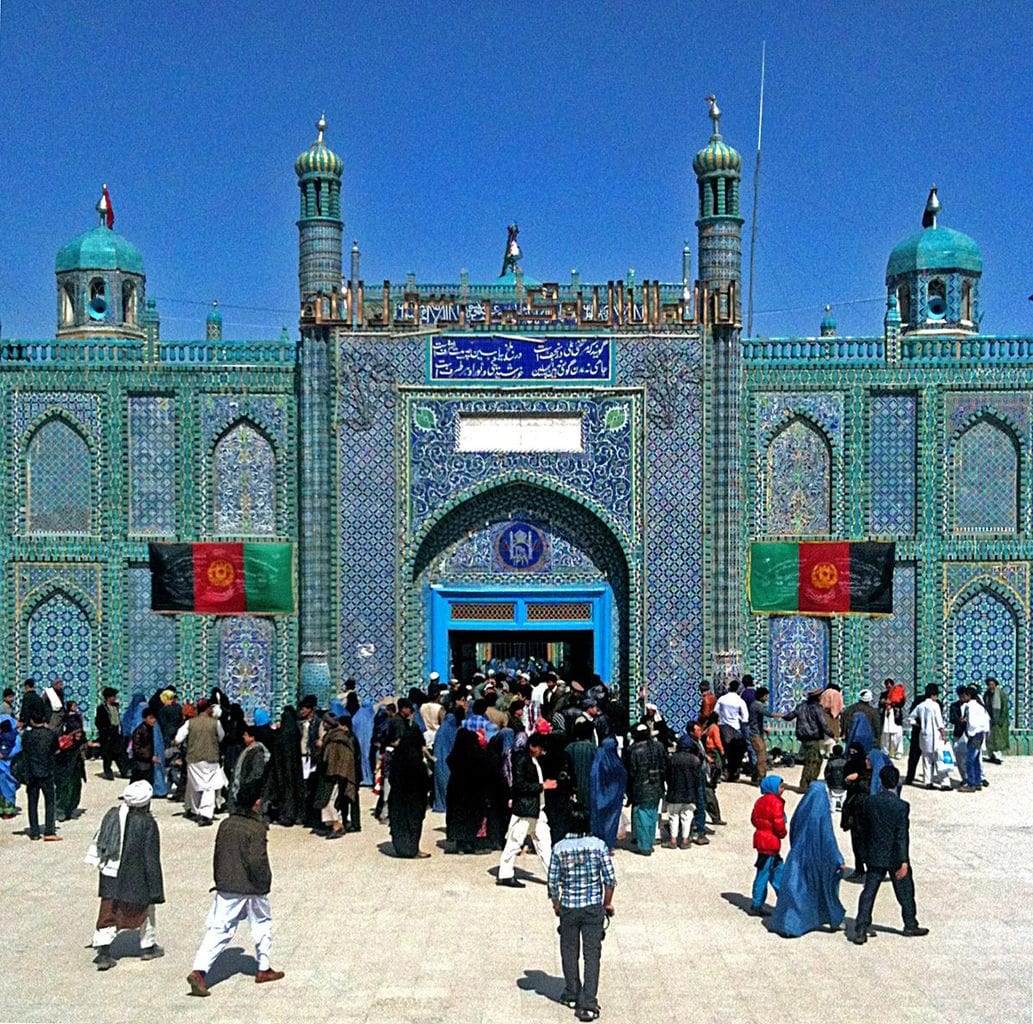
Shrine of Ali in Mazar-i-Sharif
Afghanistan
Gorgeous mosque with turquoise-colored domes, one of the most venerated shrines in Afghanistan. The first mosque was destroyed by Genghis Khan around 1220 and the current building was built in the 15th century. Constructed above the purported grave of Ali ibn Abi Talib. Some through consider that here is buried Zoroaster.
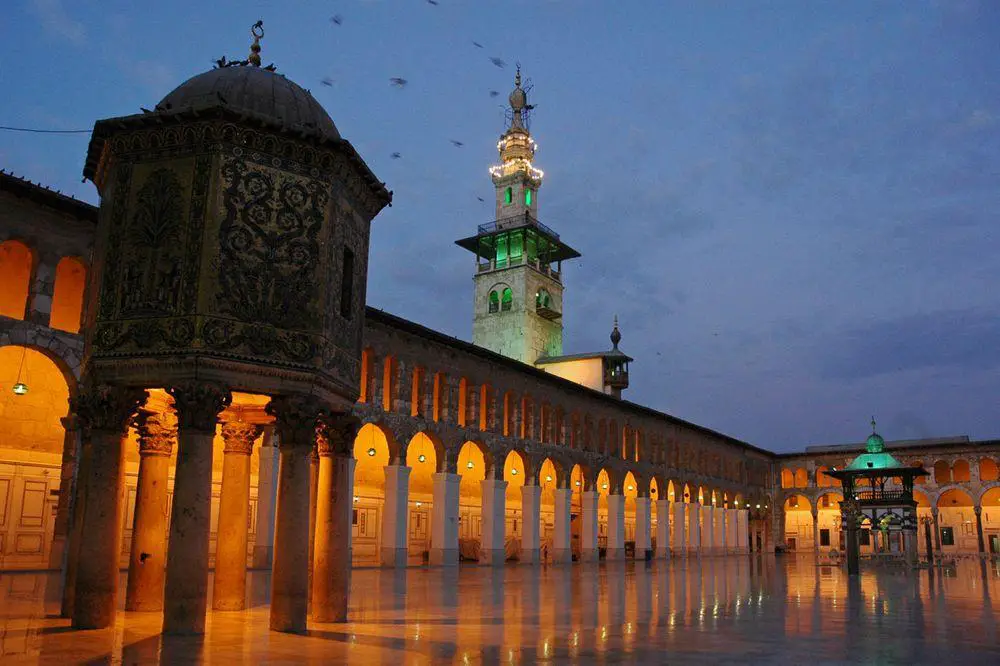
Umayyad Mosque
Syria
This is one of the largest and oldest mosques in the world and is of great importance to Christians as well, reportedly containing the head of John the Baptist. It was built in 706-715 and before this time served as a church.
Masjid al-Qiblatain
Saudi Arabia
Historically important mosque. Here Muhammad commanded to change the direction of prayer from Jerusalem to Mecca. Ornate building, one of the earliest mosques in the world.
Shah Mosque
Iran
One of the masterpieces of Persian architecture. The construction of this mosque started in 1611. Located next to Naqsh-e Jahan Square.
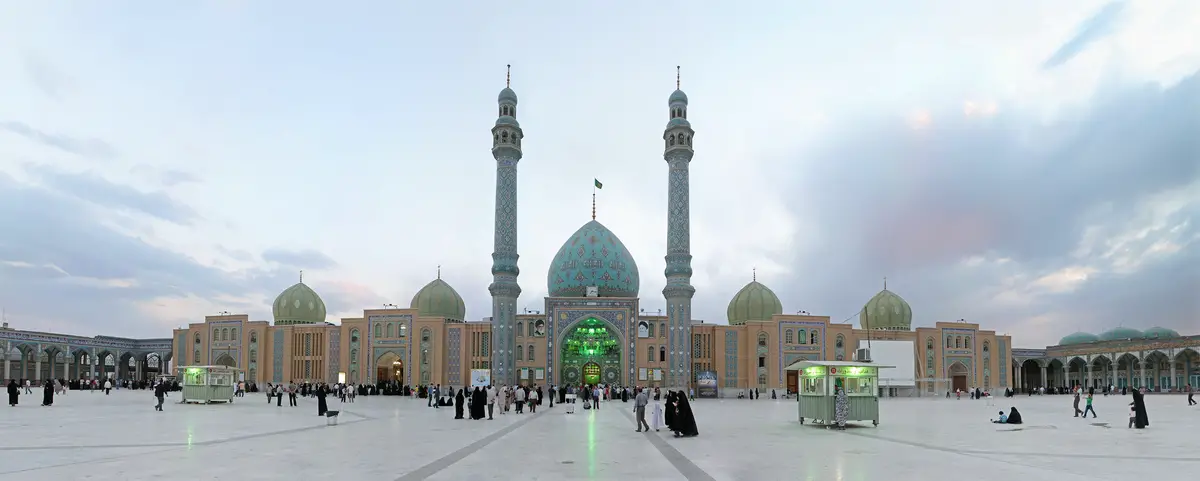
Jamkaran Mosque
Iran
Important pilgrimage site since recent times. Locals believe that the twelfth Imām – a messiah who will lead the world to an era of universal peace – has appeared here and offered prayers at the end of the 20th century. Sacred place since 984.
Imam Husayn Shrine
Iraq
The mosque was built over the grave of the second grandson of Muhammad. First built in 684 AD, it was rebuilt numerous times. Currently, the mosque is plastered with gold and adorned with jewels.
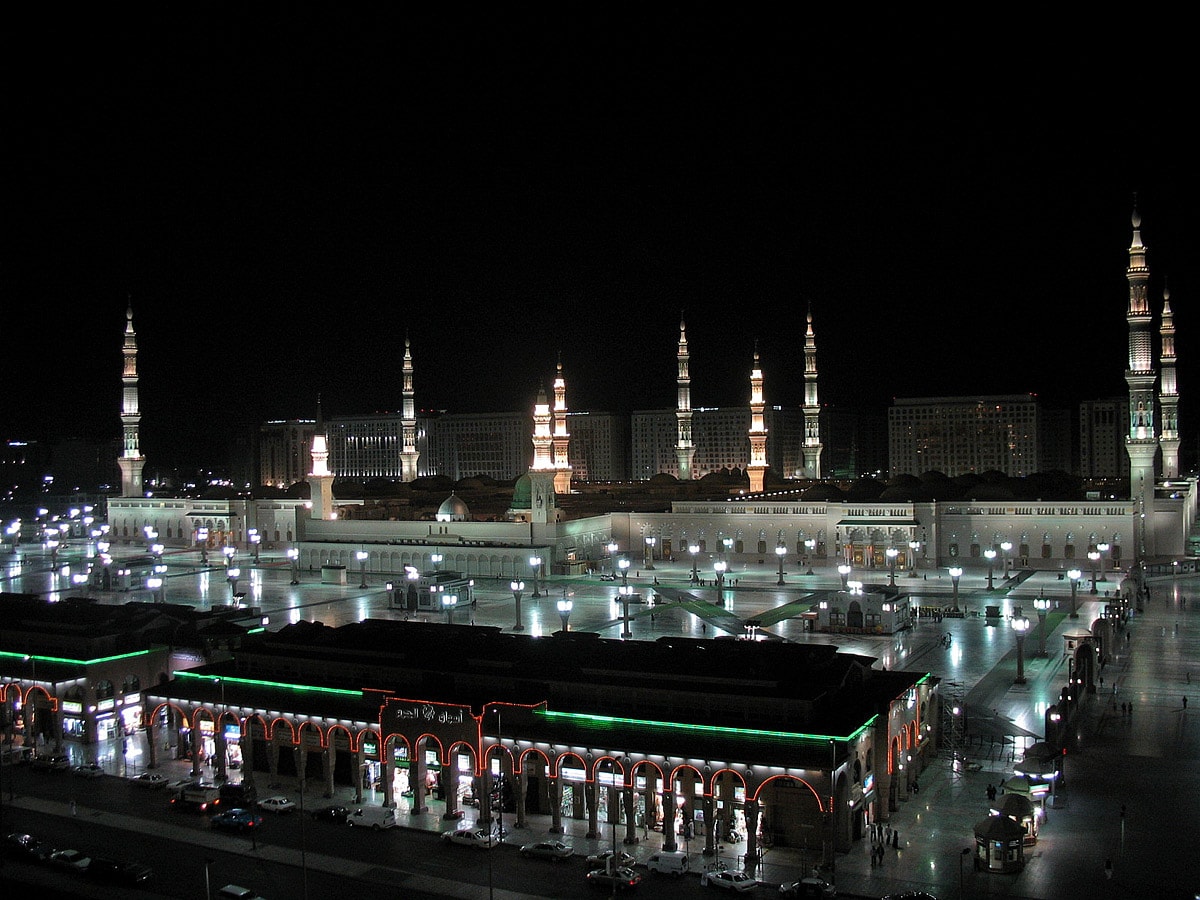
Al-Masjid al-Nabawi
Saudi Arabia
It is the second most important Islamic site, containing the tomb of Muhammad (Green Dome). It is the second largest mosque in the world, built in 622 AD. It has been rebuilt numerous times, with the latest significant rebuildings dating from the 19th and 20th centuries.
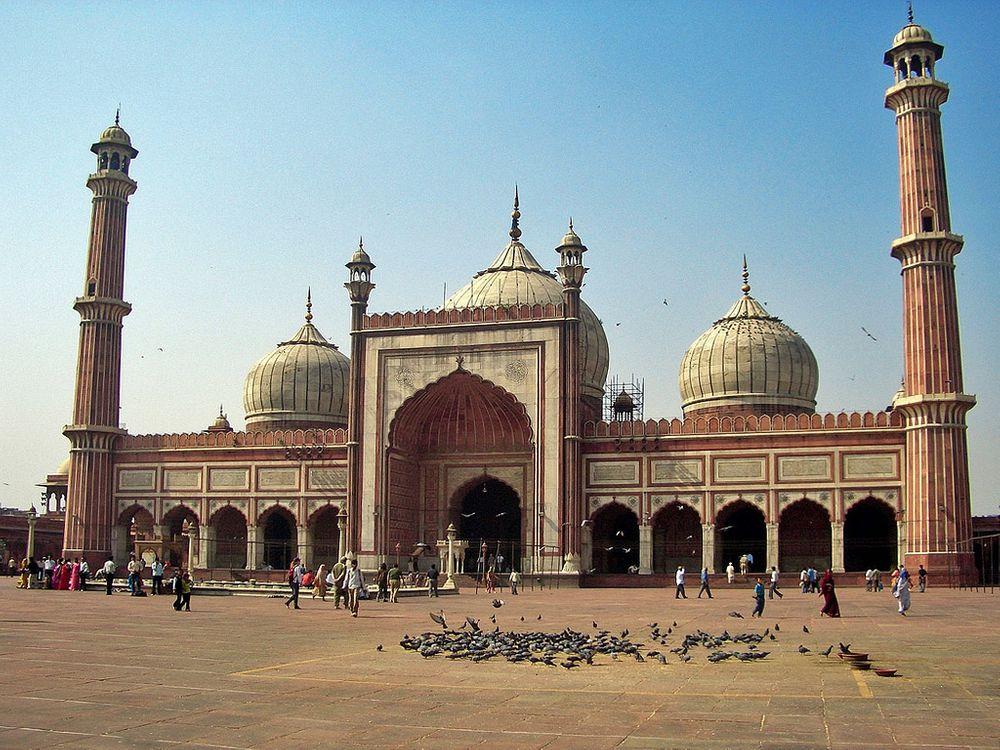
Jama Masjid in Delhi
India
Largest and best known mosque in India, built in 1656. Its façade is adorned with red sandstone and white marble.
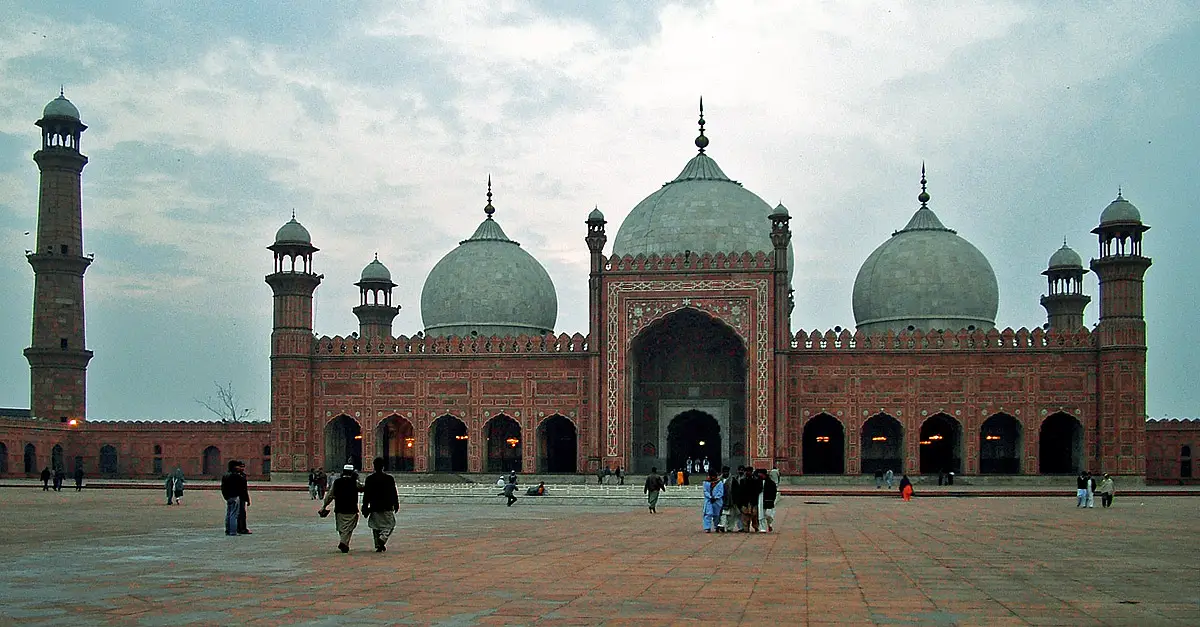
Badshahi Mosque
Pakistan
The largest mosque in the world in the time period from 1673 to 1986. The building has gorgeous architecture, it is one of the highest achievements of Mughal architects.
Europe
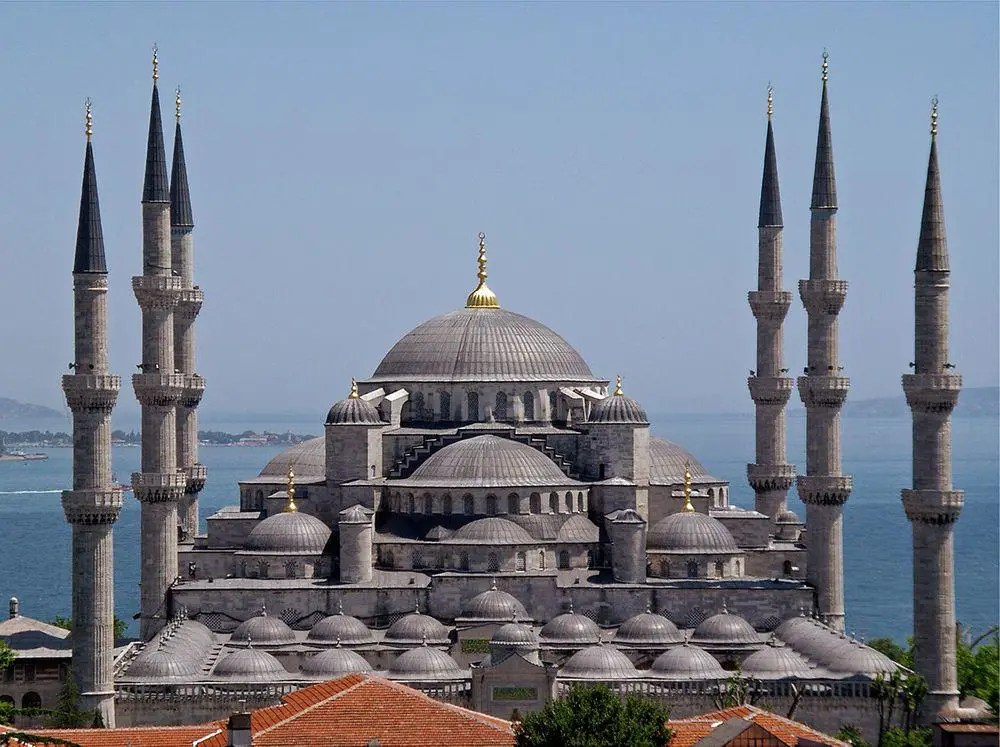
Sultan Ahmed Mosque (Blue Mosque)
Turkey
One of the largest mosques in the world, completed in 1616. In many respects, it is modeled after the nearby Christian Hagia Sophia. It was an imperial mosque of the Ottoman Empire.
Great Mosque of Córdoba (Cathedral of Cordoba)
Spain
This mosque was converted into a church. It is renowned as the best example of Umayyad architecture. Begun sometimes around 600 AD as a Christian church, rebuilt into a mosque in 784 AD, and in 1236 recaptured by Christians and converted to a church. The inner hall contains 856 columns holding (for the most part) double arches – architectural innovation.
Süleymaniye Mosque
Turkey
The largest mosque in İstanbul, built in 1550 – 1558. This domed structure is 53 m high, with four 72 m tall minarets.
Recommended books
Mosque


An author and artist who has continually stripped away the mystique of architectural structures that have long fascinated modern people, David Macaulay here reveals the methods and materials used to design and construct a mosque in late-sixteenth-century Turkey.
The Mosque: History, Architectural Development & Regional Diversity


Presents an architectural overview of the mosque that traces its origins and development as an Islamic symbol, explains the design elements featured on structures around the world and discusses how they have been adapted to suit modern times.
