
Wondermondo 🢖 Categories of wonders 🢖 Architectural wonders 🢖 Religious architecture
Category
Religious architecture and sites
 Described religious architecture and sites
If you see this after your page is loaded completely, leafletJS files are missing.
 What is included in this category?
Categories of religious architecture in Wondermondo
Wondermondo has a specific classification system for the religious monuments of the world and this includes:
- Buddhist shrines – Buddhism is represented in several culturally diverse countries in Asia and in each of them there exists a specific tradition of architecture and art. It can be said that only the name of religion unites the equally diverse and beautiful temples in such distant and culturally different countries as Sri Lanka and Japan. A very important part of the Buddhist heritage is formed by monasteries. These institutions have played key roles in the development and politics of many regions in Asia. Up to this day, monasteries serve as the keepers of (often little known to the Western world) knowledge, repositories of art values, and centers of education.
- Churches – buildings where Christians gather and worship God: the most magnificent churches are located in Europe, especially Western Europe; while the oldest and historically most important ones are located in the Eastern Mediterranean countries like Palestine, Egypt, Turkey, Greece. Many churches are the most well-known monuments of architecture in the world. Valuable historic art like sculpture, paintings, stone, and wood carvings are usually concentrated in churches.
- Christian monasteries – a complex of buildings where are living, working, and praying people – religious ascetics. Monasteries have proven to be a very significant element in history, influencing politics, science, architecture, and art. Often monasteries themselves serve as repositories of written works, art, and special crafts. The oldest Christian monasteries are located in Egypt, while some of the most influential ones are in France, Italy, Spain, and other European countries.
- Hindu temples – Hinduism is one of the oldest religions and many of the most impressive Hindu temples are archaeological monuments. Meanwhile, the ones still in use represent some of the most impressive monuments of architecture in the world. Hinduism is confined almost solely to India, Nepal, Sri Lanka, Southeast Asia, and uniquely, to distant Bali island. In other countries, Hinduism has spread comparatively recently. Some of the most stunning monuments of architecture are located in South India.
- Jain shrines
- Judaism monuments, sinagogues
- Islamic shrines – contrary to Christianity and many other religions, Islamic tradition avoids the depiction of animals and especially, humans. Thus the attention of Islamic artists turned to calligraphy and ornamentation, creating art that is unique in this respect. The oldest and most significant mosques – buildings where Muslims gather and worship God – are located in Saudi Arabia and Jerusalem, as well as in Iraq. The large territorial spread of Islam has led to the creation of regional art schools. One should note the sophisticated and harmonious architecture of mosques in Iran, and the unique adobe mosques in Mali; as well as the diverse and unique monuments in India and Pakistan.
- Other contemporary shrines – this subcategory includes monuments of other religions, not included in the above subcategories. Here are included numerous unique monuments: such as the renowned harmonious architecture of the Shinto and some of the remaining Zoroastrian temples which contain eternal fires, brought from Persia in the 7th century.
- Ancient pyramids
- Ancient and prehistoric shrines
General description
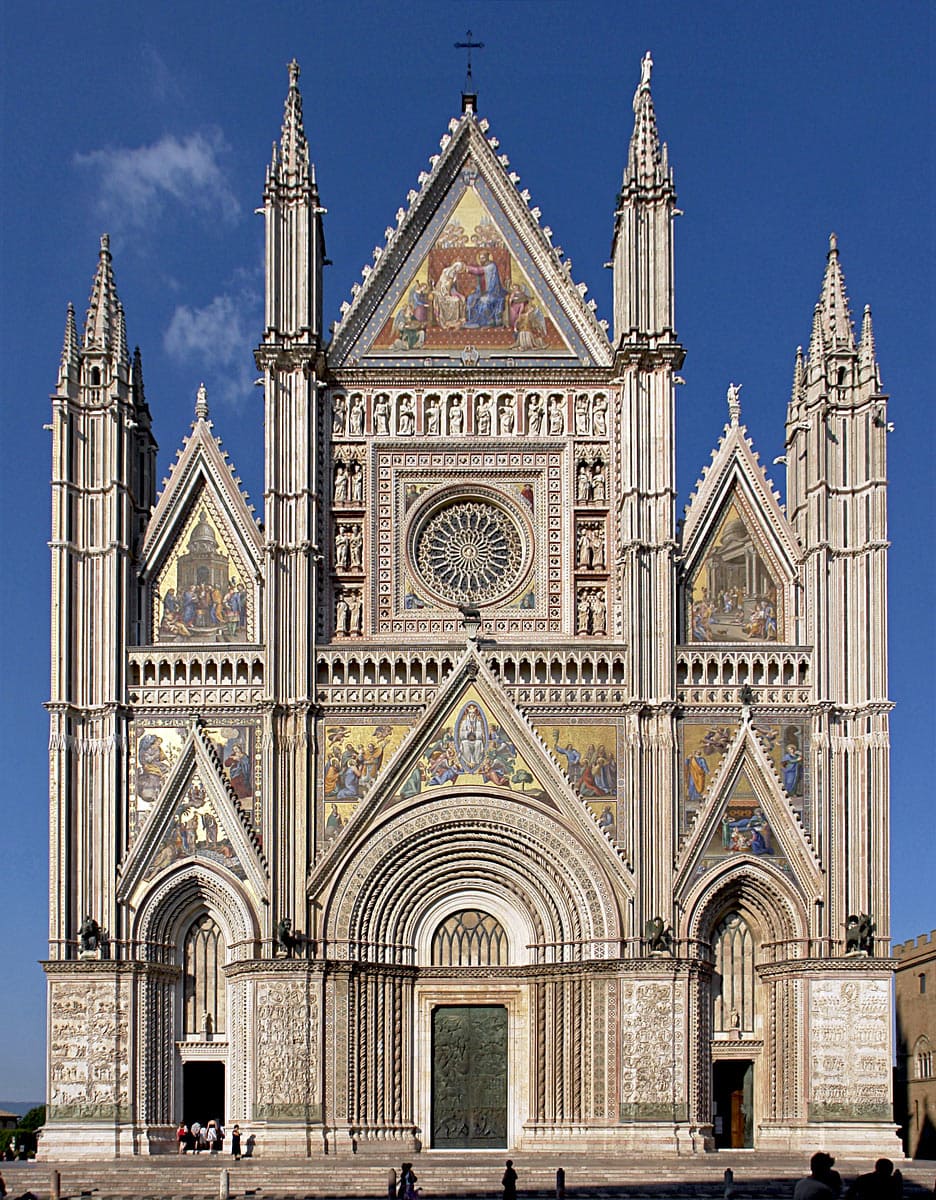
Since ancient times human talents and skills have been expressed in religious architecture and arts, traditions, and rituals have evolved around pilgrimage sites. Religious buildings represent a major part of the highest achievements in architecture and crafts.
Characteristics
Although religious architecture in different regions and countries is very diverse, there are certain characteristics uniting them.
Vertical structures
In most cases religious buildings are accented by one or several high, vertical structures. These structures may have a practical purpose (call for prayer in belltowers of Christianity and minarets of Islam) or just symbolic meaning (pagodas and stupas in Buddhism, gopurams in Hinduism). With the exception of Egyptian pyramids and Pharos lighthouse the highest buildings in the world up to the late 19th century were religious buildings.
Vertical structures served as a cue, a mark of the religion present in the respective city.
Enormous size
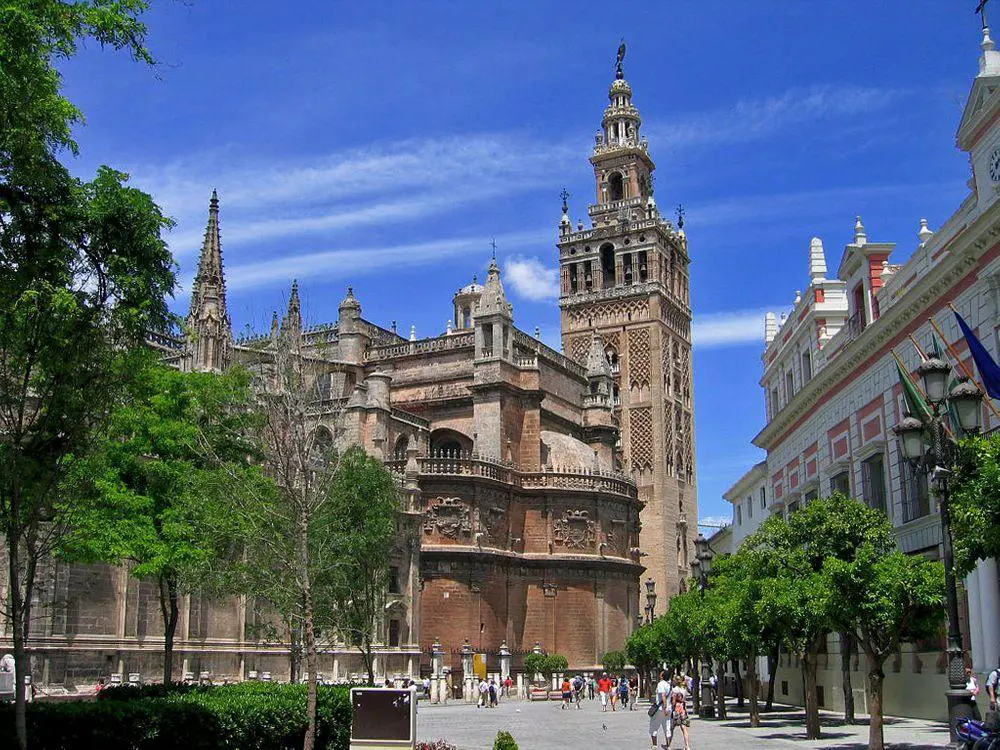
In religious countries religious structures for the most part are the largest structures in communities and cities. Many of the largest structures in the world are religious buildings. Construction of such buildings often exerted and even ruined the finances of the largest and richest countries. Numerous constructive innovations have been obtained through the construction of their enormous structures in order to achieve unseen height and unprecedented size.
Splendour
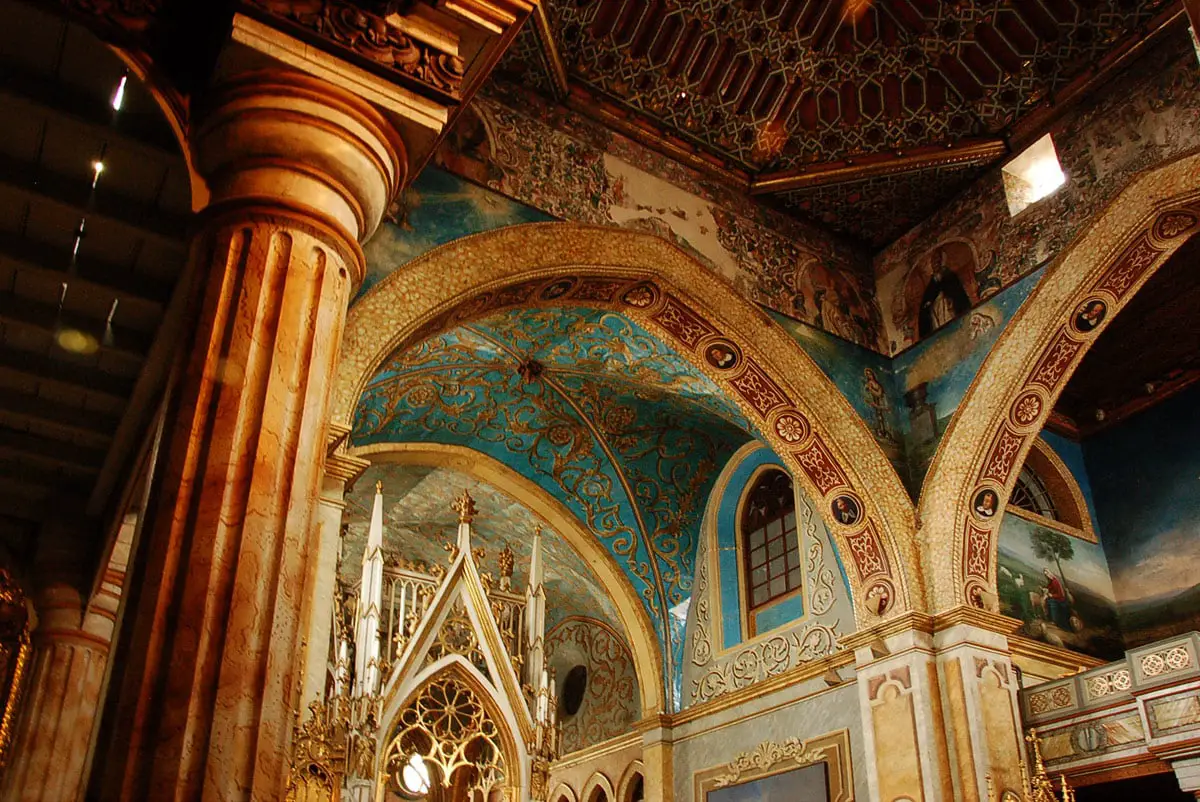
Most religions and countries of the world used the best available materials and work of the most skilled artists and craftsmen in order to create possibly magnificent and splendid buildings for worship.
Most plentiful furnishings are characteristic of Indian temples, notably the Southern Indian Hindu temples and Jainist temples. Most of the other religions are somewhat more modest, but still are not refraining from the use of such materials as gold, silver, and precious stones. Some religious movements though are quite modest – such as Baptists in Christianity.
Criteria
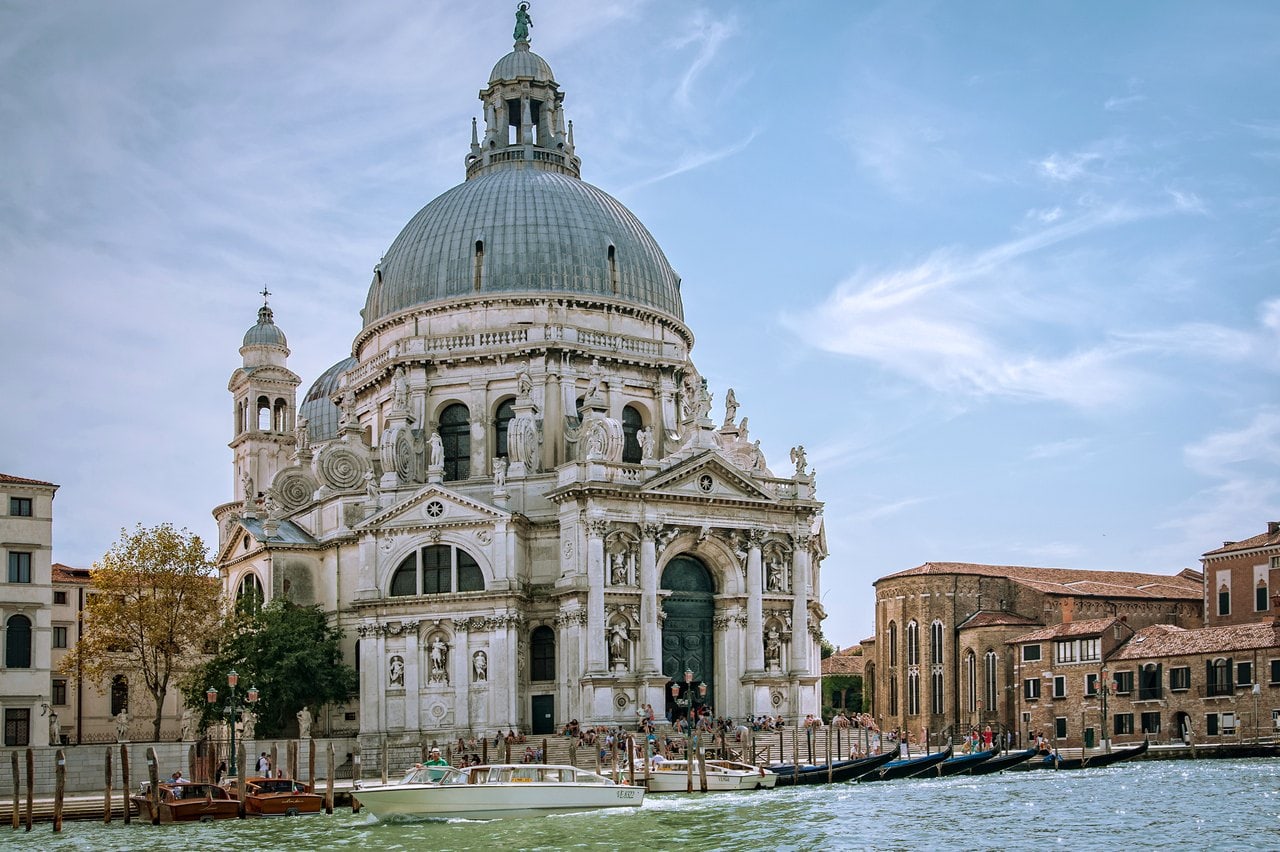
This page offers information about those buildings and other monuments which serve religious purposes up to this day.
Also included are religious buildings, which are in uninterrupted use, even if they don’t serve religious purposes today. Example – Hagia Sophia in Istanbul, which today is a museum.
Some statistics
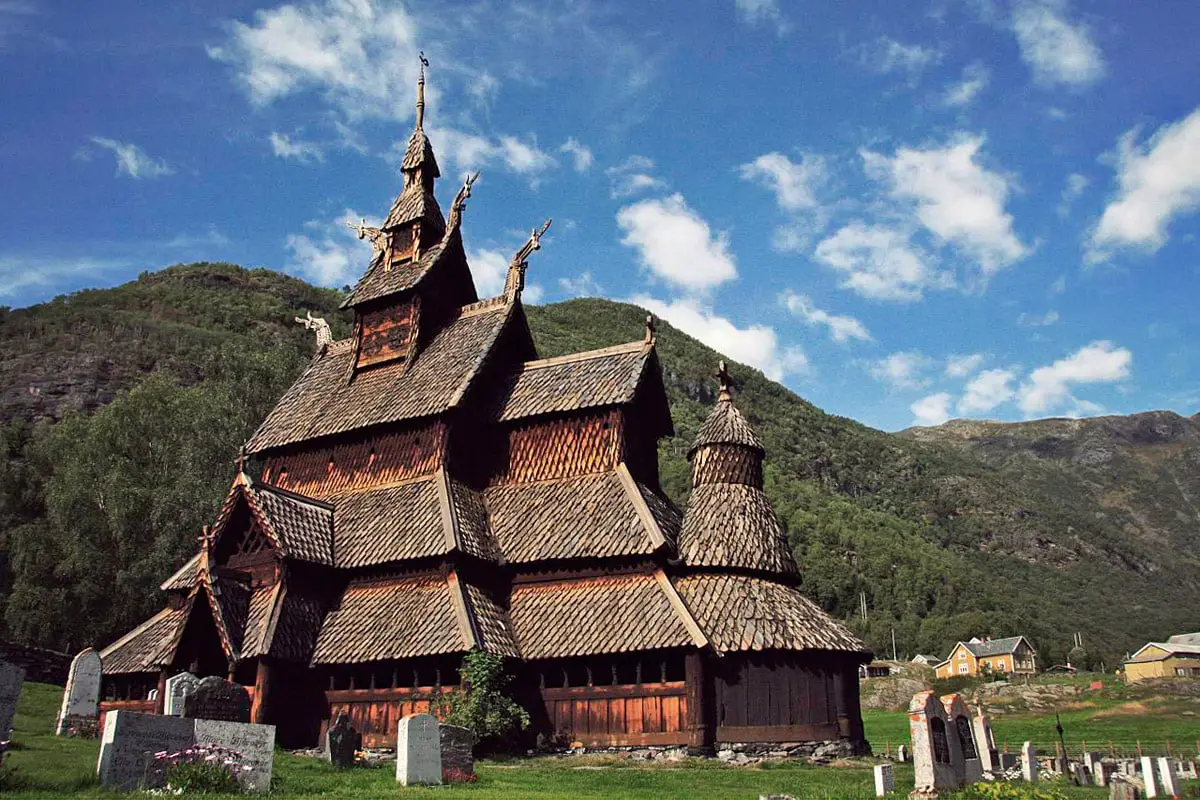
There are numerous religions in the world with a very diverse number of followers:
- Christianity – 2,1 – 2,2 billion followers, originated around 33 AD
- Islam – 1,3 – 1,6 billion followers, originated around 613 AD
- Hinduism – 0,95 – 1,4 billion followers, originated around 1700 – 1100 BC
- Buddhism – 250 – 500 million followers, originated around 400 BC
- Sikhism – 20 – 30 million followers, originated around 1500 AD
- Judaism – 12 – 18 million followers, time of origin disputed, could be 1200 BC
- Bahá’í Faith – 7,6 – 7,9 million followers, originated in 1863 AD
- Jainism – 6 – 12 million followers, originated latest at 840 BC.
- Shinto – 4 million followers (mainly in Japan), evolved since the 7th – 8th century
- Cheondoism – 3 million followers (nearly all in Korea), originated in the early 20th century
- Tenrikyo – 2 million followers (mainly in Japan), originated in 1854
- Cao Đài – 1 – 3 million followers (nearly all in Vietnam), originated in 1926
- Ahl-e Haqq – 1 million followers (mainly in Iran), originated in the late 14th century
Wondermondo has the following articles about religious architecture and sites
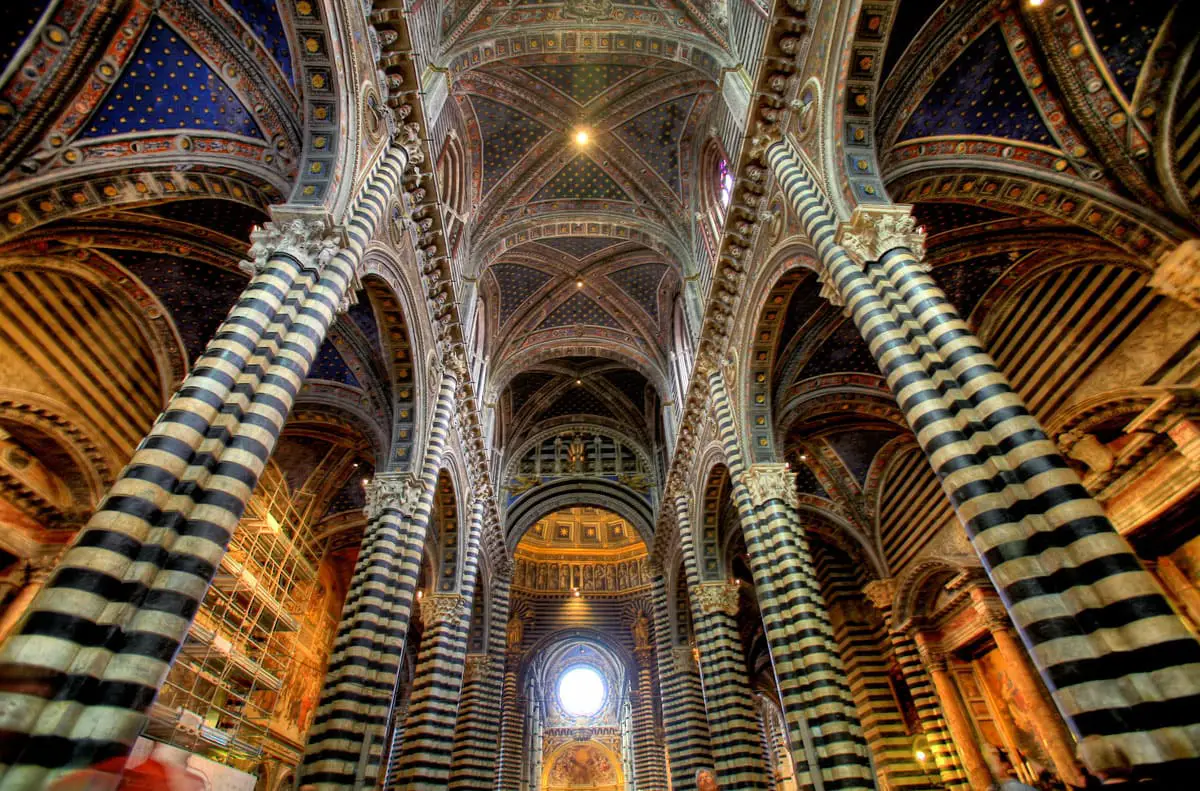
 Top 25 religious architecture and sites
Africa
Khufu’s Pyramid (Great Pyramid of Giza)
Egypt
The tallest ancient pyramid and ancient structure in the world. It was constructed sometime around 2500 BC. Originally was 146.5 m tall, but now – 138.8 m. The incredible size and precision of this structure are rarely surpassed today. Contains three chambers. The pyramid most likely was built as a burial and mortuary temple.
Asia
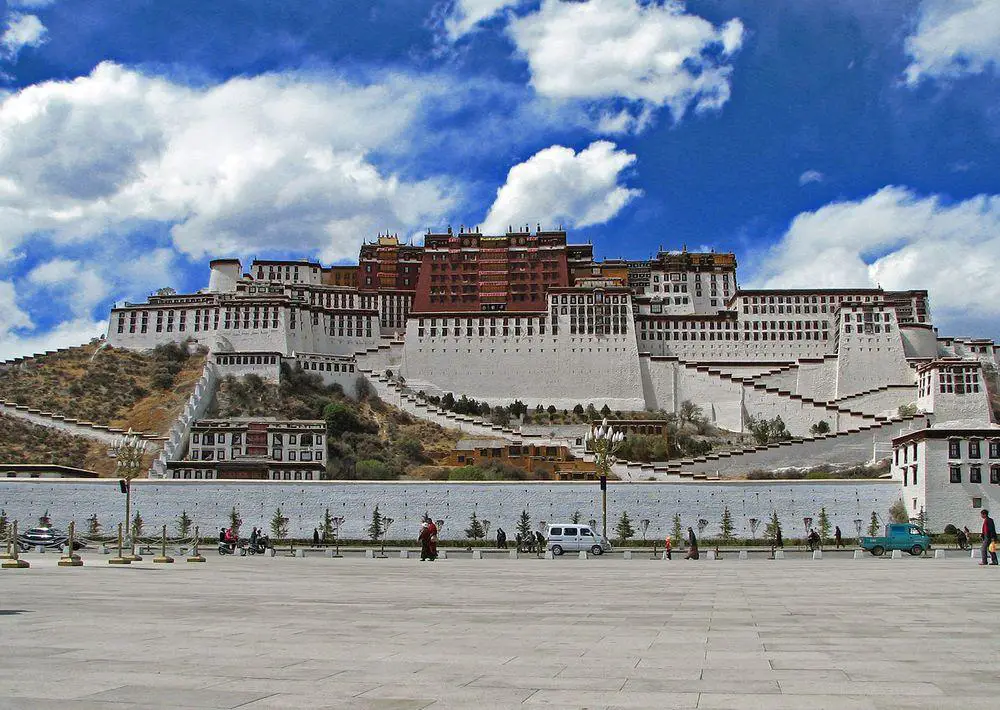
Potala Palace
Tibet
A monument of world importance, this is the chief residence of the Dalai Lama. The first palace was built here in 637, while the current palace was built in 1645 at 13 floors and 117 meters high. It contains 1000 rooms and numerous monuments of art and knowledge, although most of them have been lost since the Chinese invasion.
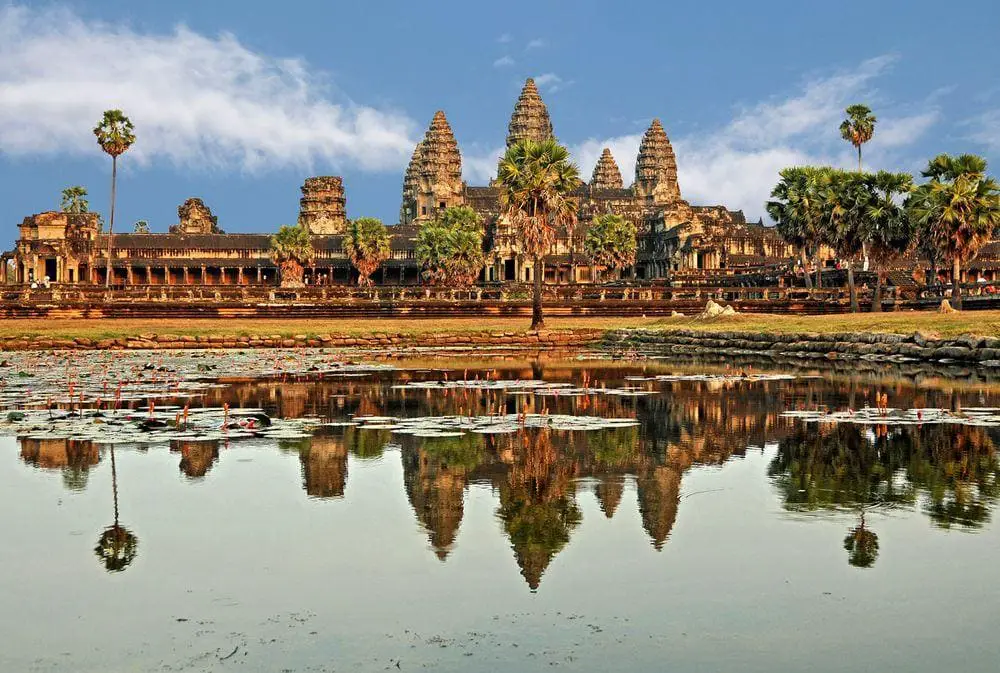
Angkor Wat
Cambodia
Considered to be the single largest religious complex in the world, built in the ancient capital of Khmers in the early 12th century. Considered to be one of the greatest achievements of humankind in architecture. Initially built as a Hindu monument, later converted into a Buddhist temple complex. Temple is adorned with more than 1 thousand m2 of high-quality bas-reliefs.
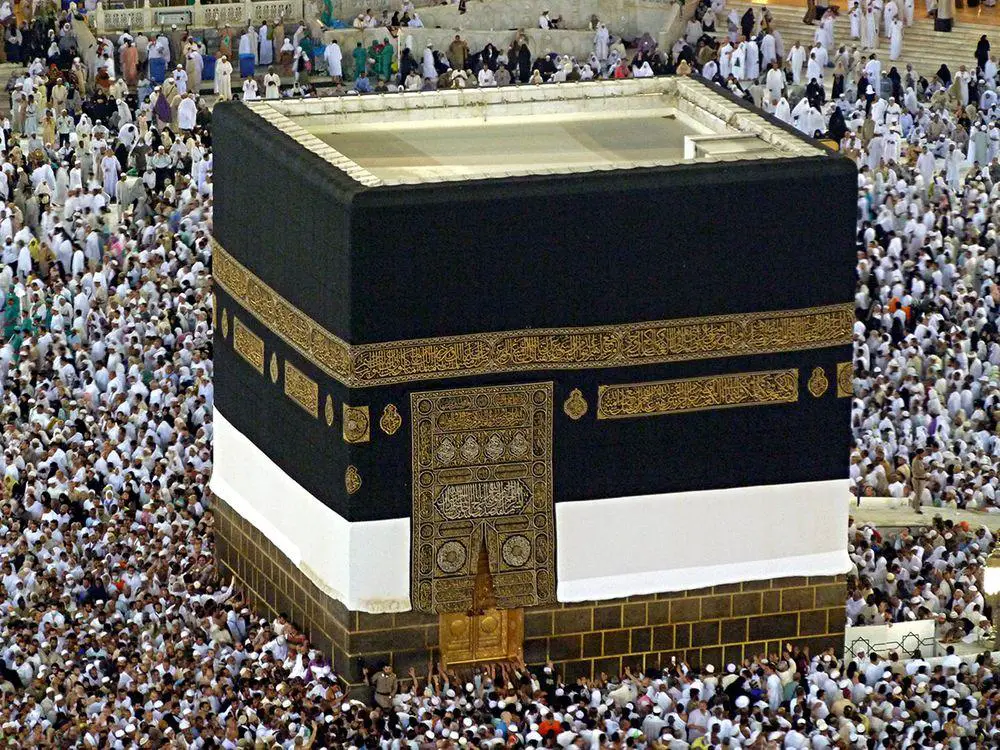
Kaaba and Masjid al-Haram
Saudi Arabia
The largest mosque in the world was built in 638 AD to surround the Kaaba – the holiest site of Islam. Contains several other sacred places, including Zamzam Well which is widely believed to be a miraculous natural spring but in reality, is handmade well.
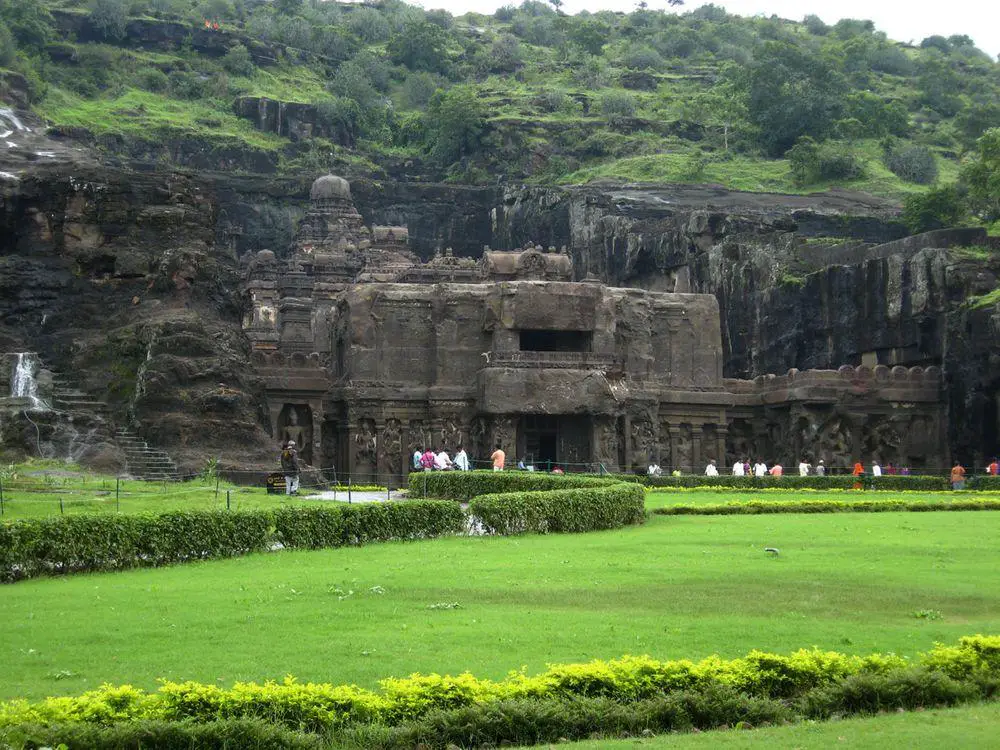
Ellora Caves, Kailasanatha Temple
India
One of the highest achievements not only in Hindu architecture but in ancient structural engineering of the world. A group of 34 rock-cut temples, including the glorious Kailasanatha Temple, are cut out from a whole rock. Built around 550 – 1000 AD.
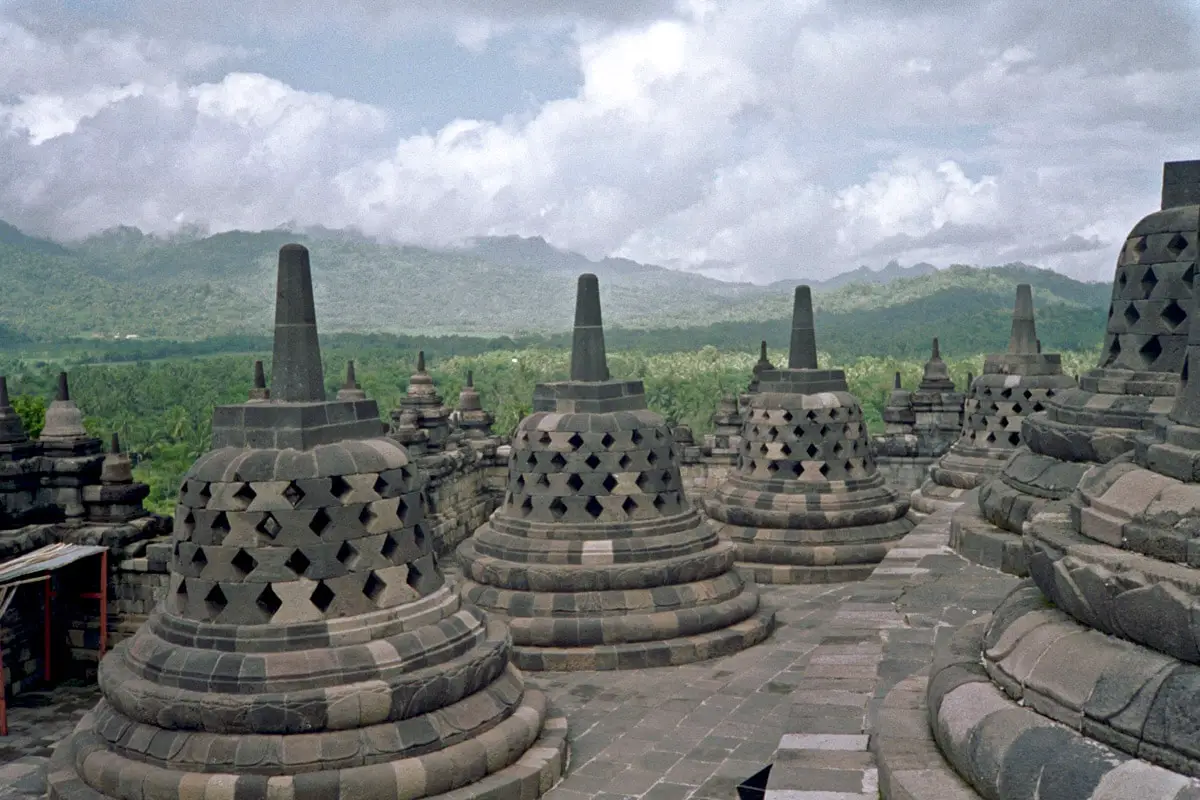
Borobudur
Indonesia
This Mahayana Buddhist temple complex was constructed in the period between 760 and 830 AD. One of the most impressive ancient temples in the world, the largest Buddhist structure in the world. This pyramid-shaped shrine is adorned with 2,772 sculpted panels and 504 Buddha sculptures, it is 35 m high, and each side is 123 m long, and the whole structure is of high symbolism and represents Buddhist cosmology.
Ajanta Caves
India
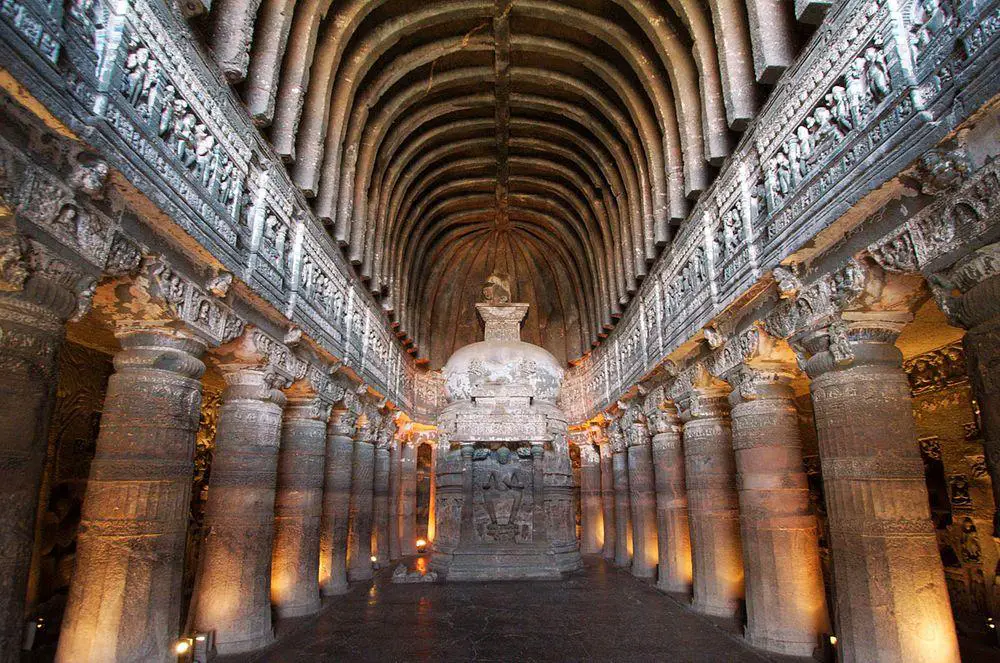
One of the most beautiful rock-cut temple complexes in the world. It was developed in the 2nd century BC – 480 AD. In total there are 28 – 30 rock-cut structures, containing murals and sculptures of high importance to the culture of mankind.
Shwedagon Pagoda
Burma (Myanmar)
Gilded and 98 meters tall, this stupa is richly adorned with jewels. It is the most sacred pagoda in Burma. Initially built in the 6th century, rebuilt and extended, one of the most impressive architectural monuments in the world.
Harmandir Sahib
India
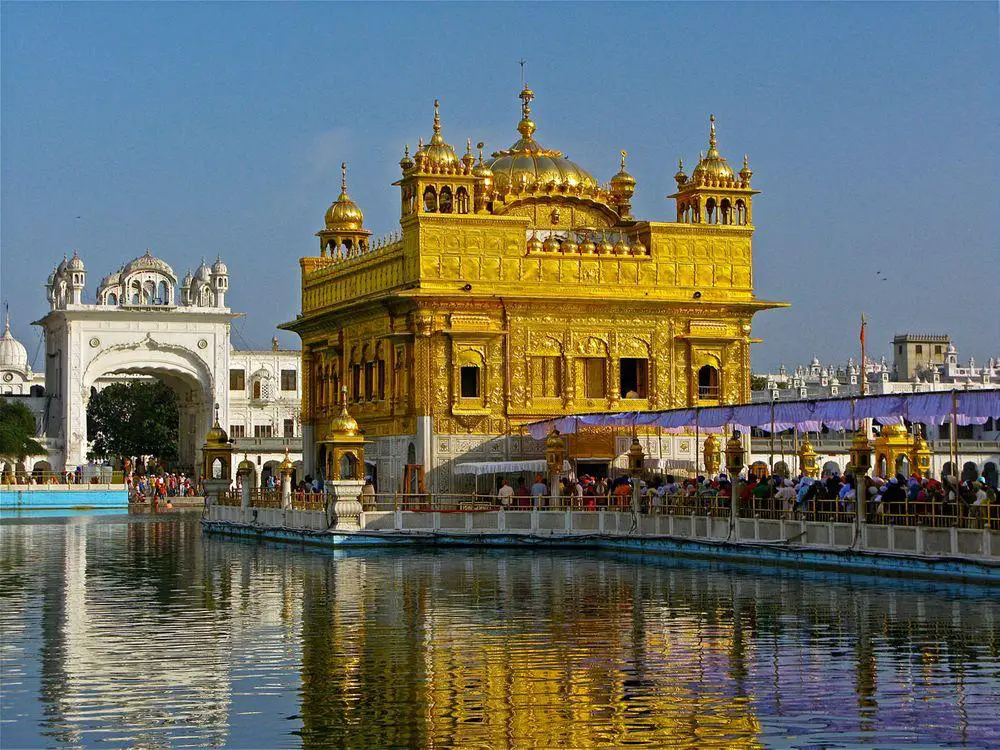
The holiest site for Sikhs. It was originally built in 1574 and rebuilt in 1588 – 1604. This is a gold-covered temple, surrounded by a manmade lake.
Temple Mount
Palestine
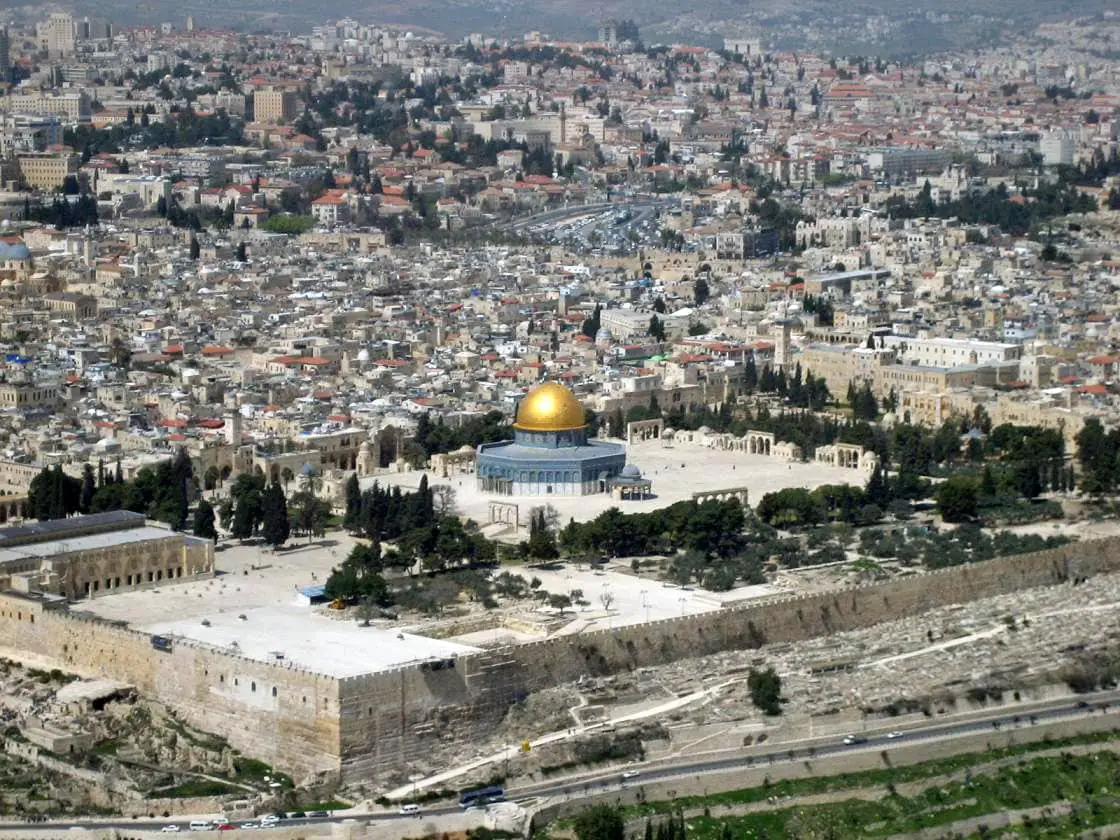
A sacred site of huge importance for many millennia. This has been a sacred site for Judaism, Christianity, Islam, and Roman paganism. According to Judaism some aspect of Divine Presence is present here. On the mount has been built Al Aqsa Mosque – the third most sacred site for Muslims and the Dome of the Rock with Foundation Stone (the most important site for Judaists), as well as several more valuable structures. Also – one of the most contested religious sites in the world, especially between Judaists and Muslims. Here started the development of Jerusalem in the 4th millennium BC. Under the Temple Mount is a maze of underground passages.
Shaolin Monastery
China
Located on sacred Mount Song and founded in 477, this monastery was destroyed and rebuilt many times. It is renowned in the Western world for its association with Chinese martial arts, but the temple is also the birthplace of Zen Buddhism, and it has the largest collection of stupas in China.
Australia and Oceania
Uluru (Ayers Rock)
Australia
One of the Australian symbols, an enormous and visually very impressive sandstone inselberg, 348 meters high, and 9.4 km in circumference. A sacred place to local Aborigine peoples. Here are many springs, waterholes, caves, and rock art sites. Endemic plants.

Europe
Hagia Sophia
Turkey
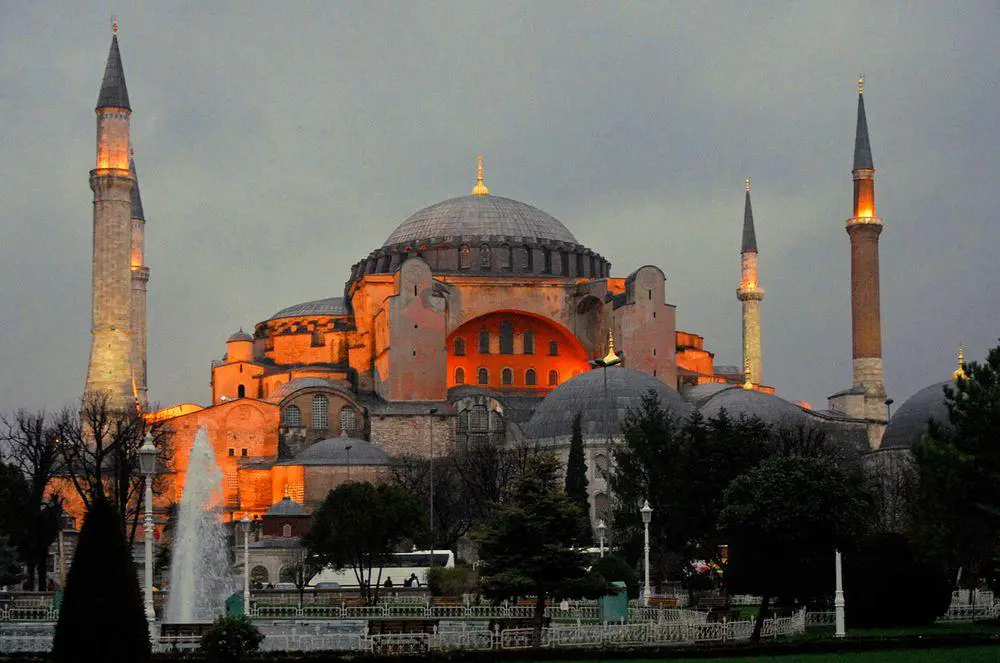
A former Orthodox basilica built between 532 – 537 AD, it is now a mosque. Possibly the highest achievement of Byzantine architecture, it has been the largest cathedral in the world for nearly 1000 years. Constructed in 532 – 537.
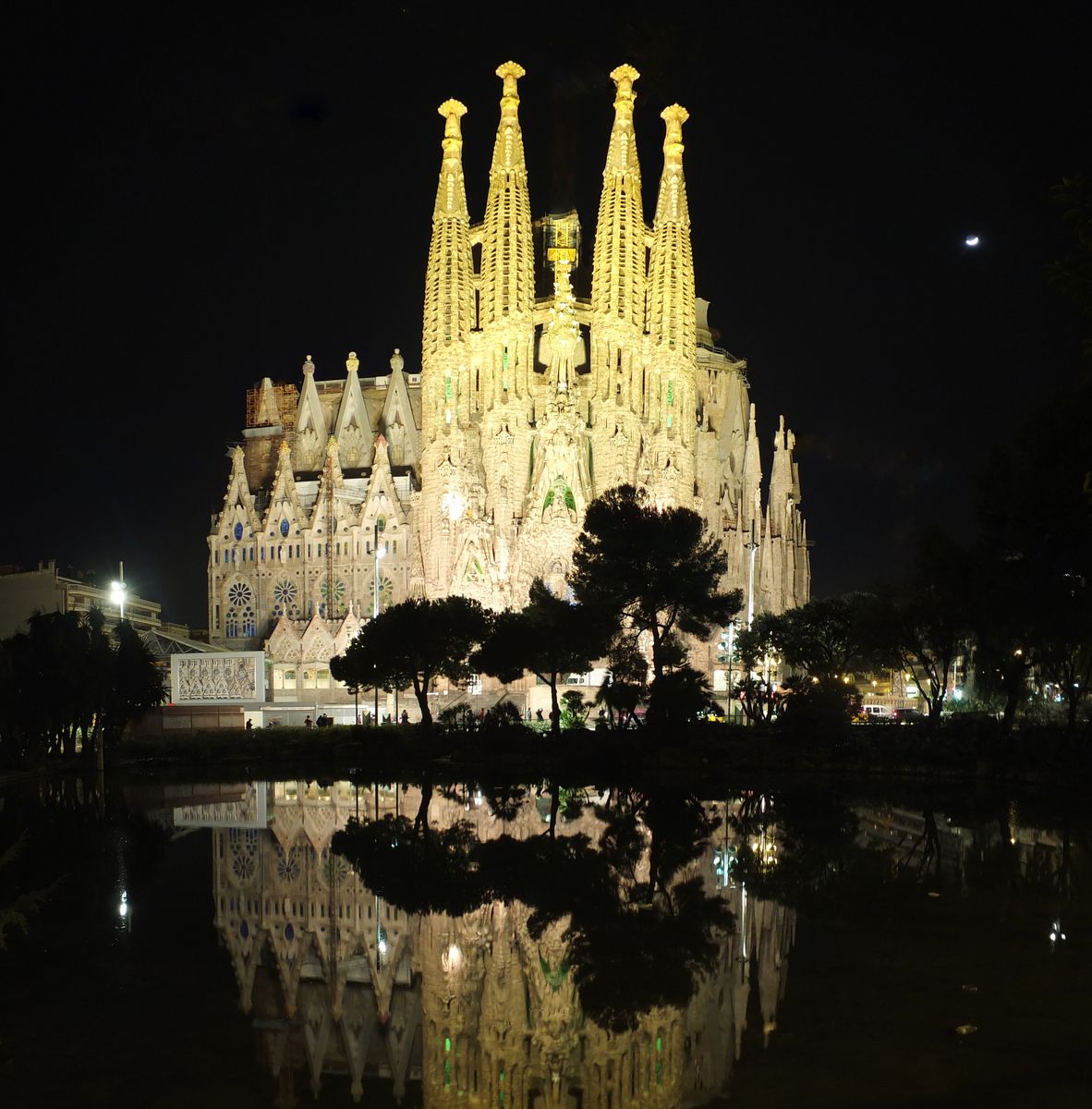
Sagrada Familia
Spain
The largest and by far the most impressive Art Nouveau church in the world, designed by Antoni Gaudi; started in 1882 and is due to be completed in 2026.
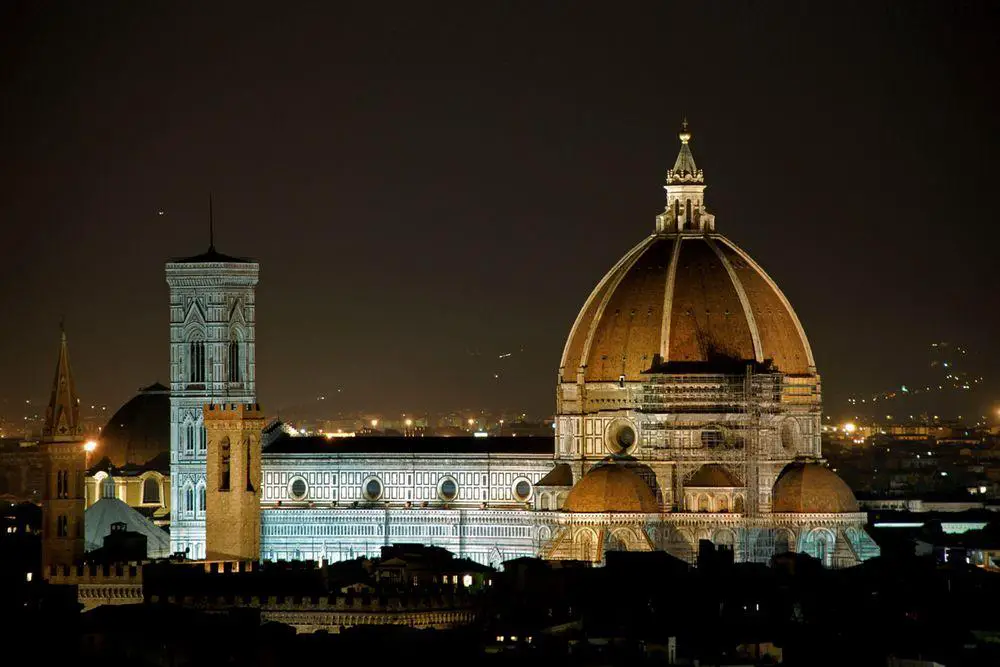
Basilica di Santa Maria del Fiore (Florence Cathedral)
Italy
One of the most impressive churches in the world, the largest building in medieval Europe. Constructed in 1296 – 1469. Designed mostly in Gothic style, but considered to be one of the first Renaissance buildings.
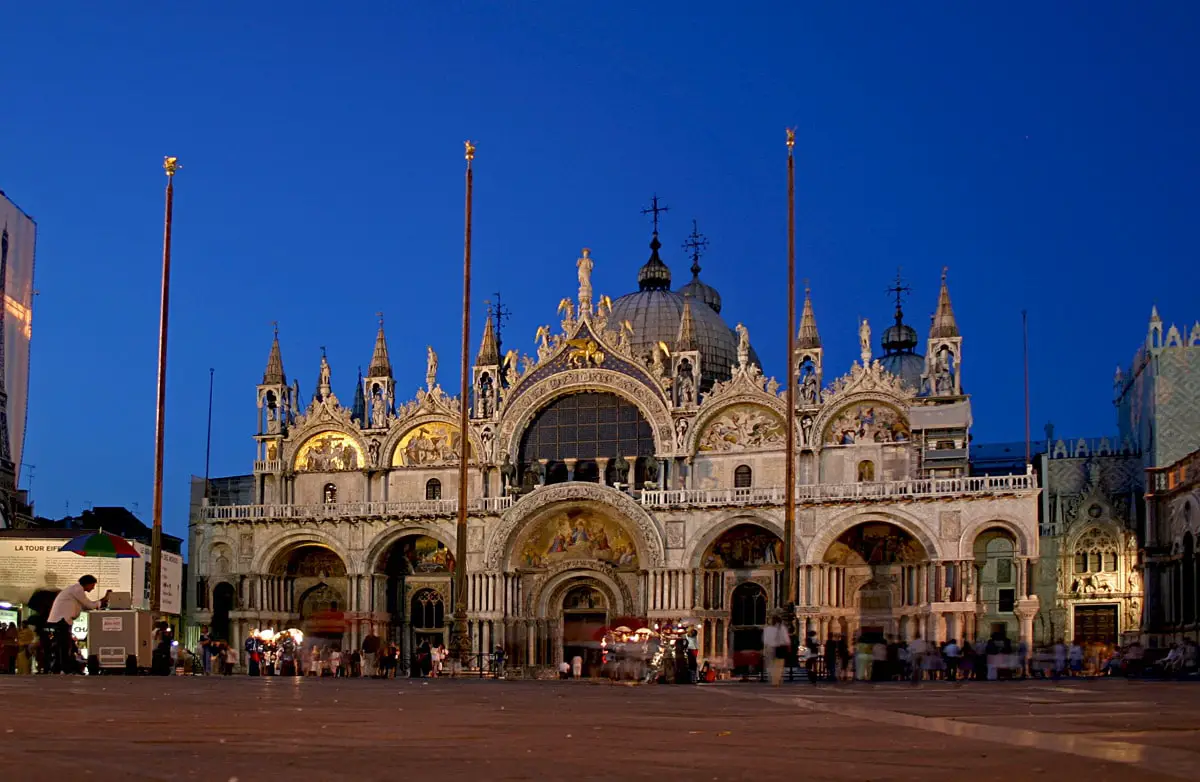
Saint Mark’s Basilica
Italy
A building of unusual beauty and splendor, it is one of the most important Byzantine architectural monuments in the world, constructed in 1094.
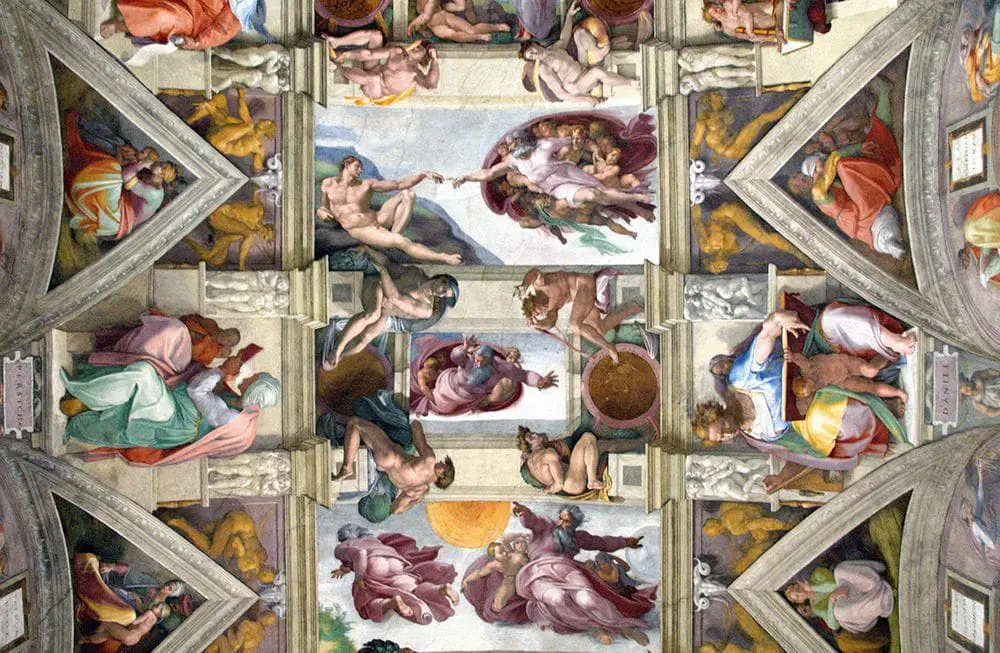
Sistine Chapel
Vatican City
In this chapel, the new pope is selected. Constructed in 1473 – 1481 and world-famous due to the frescoes made by such Renaissance artists as Sandro Botticelli, and Michelangelo. These frescoes are among the world’s highest achievements in art.
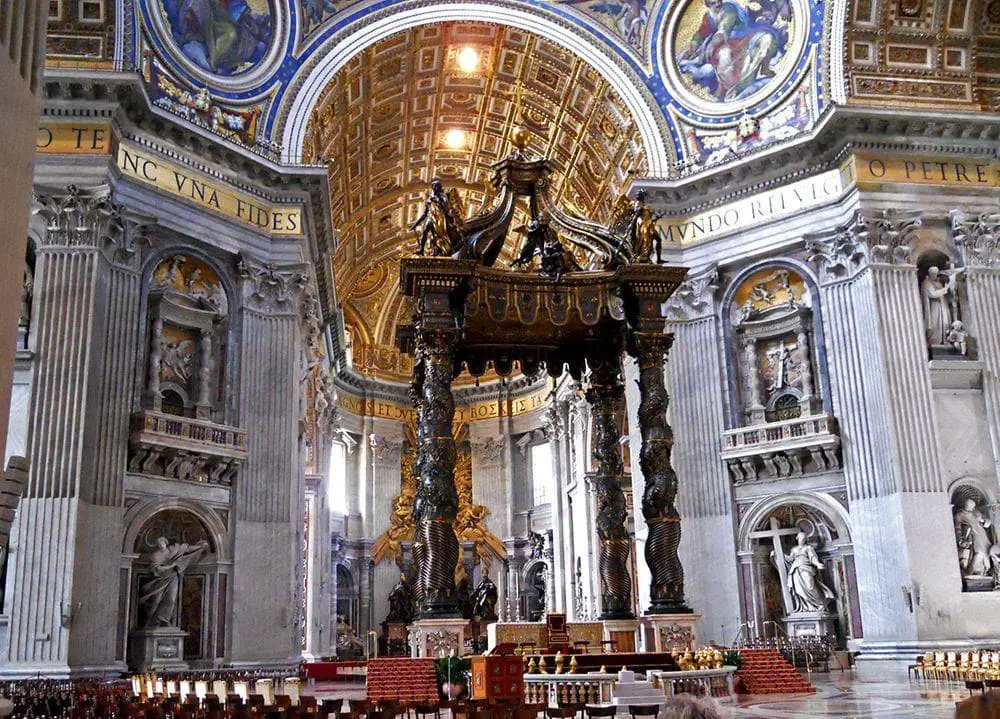
St. Peter’s Basilica
Vatican City
The most important church in Christian history, with the largest interior of any church. The present basilica was built in 1506 – 1626 and represents one of the most important pieces of Renaissance architecture. Contains the purported grave of Saint Peter.
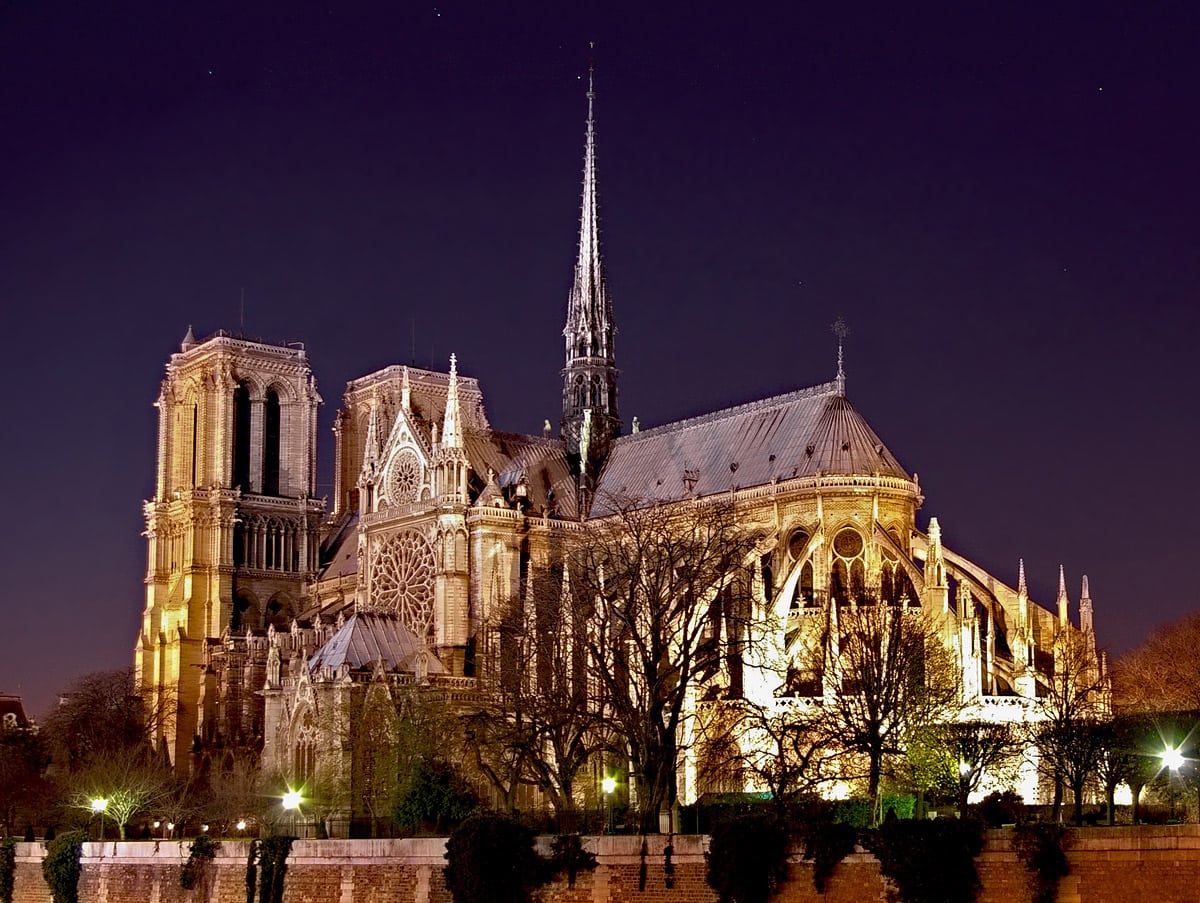
Notre Dame de Paris
France
Constructed in 1163 – the late 14th century. One of the most significant Gothic cathedrals and one of the world’s best-known monuments of architecture. One of the first buildings where flying buttresses were used.
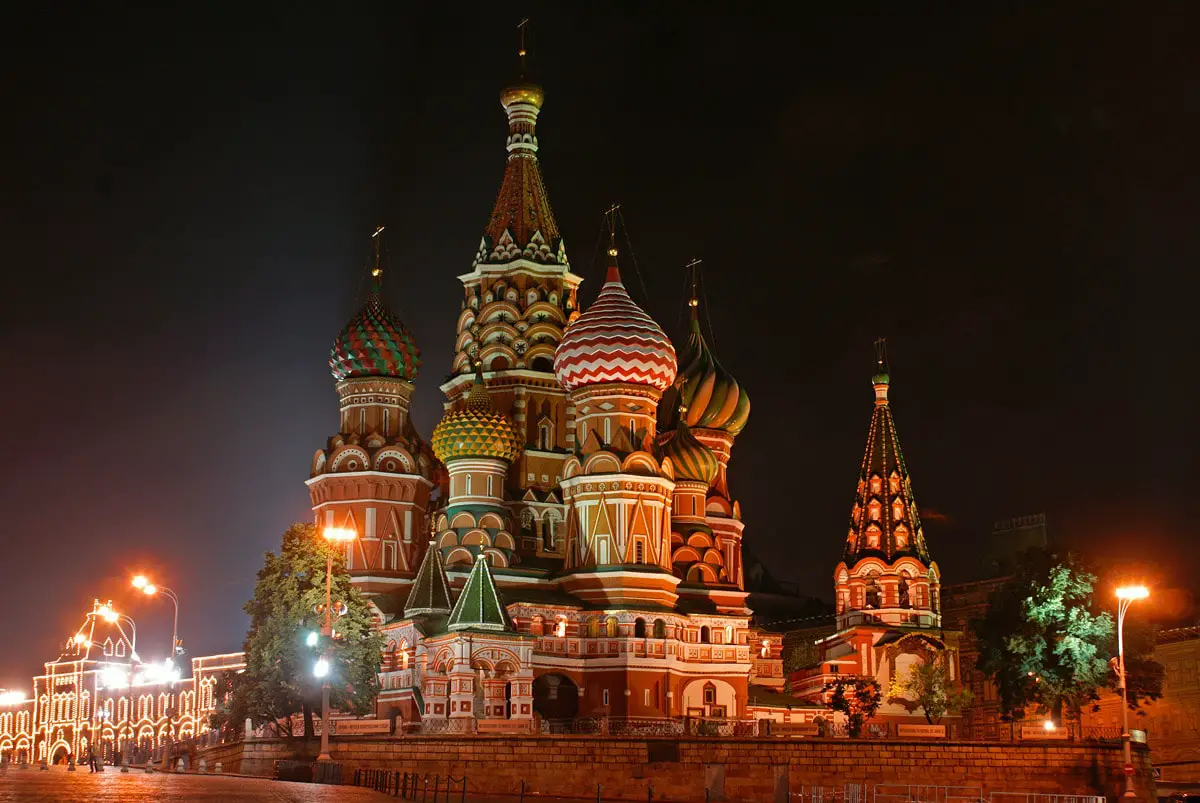
Saint Basil’s Cathedral
Russia
This group of nine churches was constructed in 1555 – 1561 to commemorate the victories of Ivan the Terrible. This building has left much influence on Russian and world architecture.
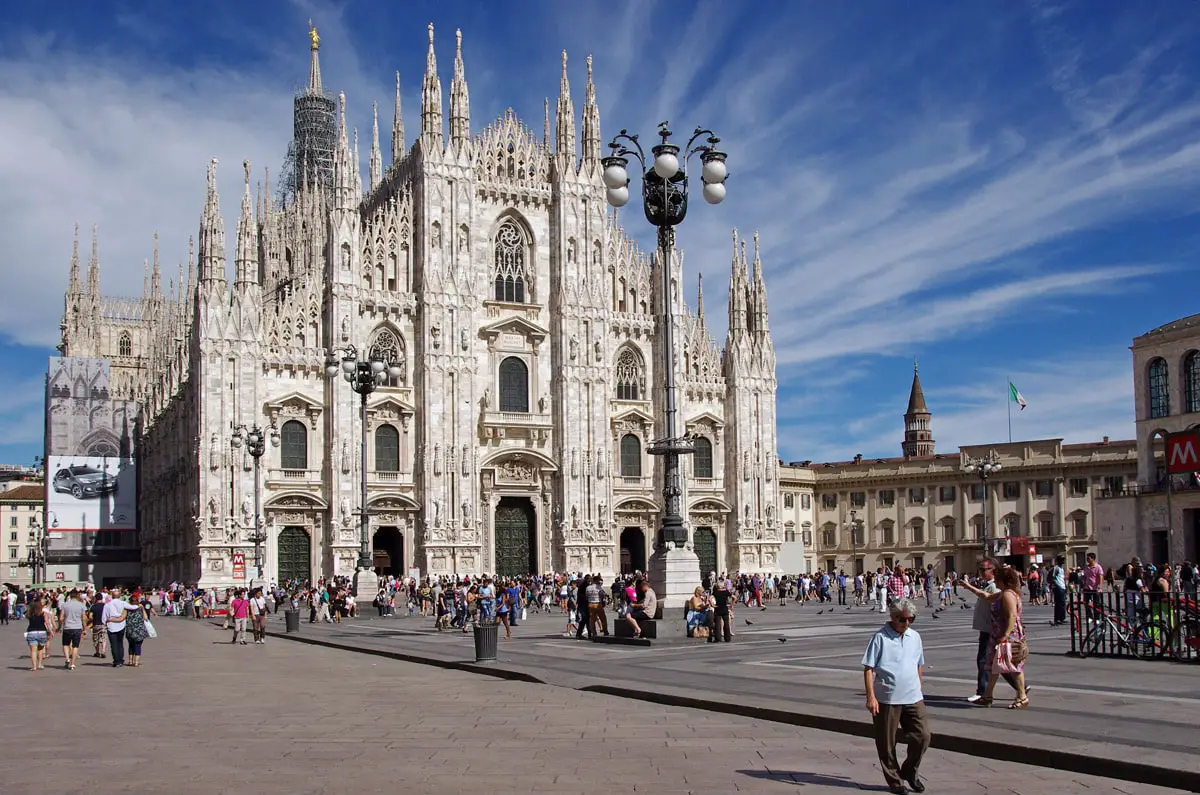
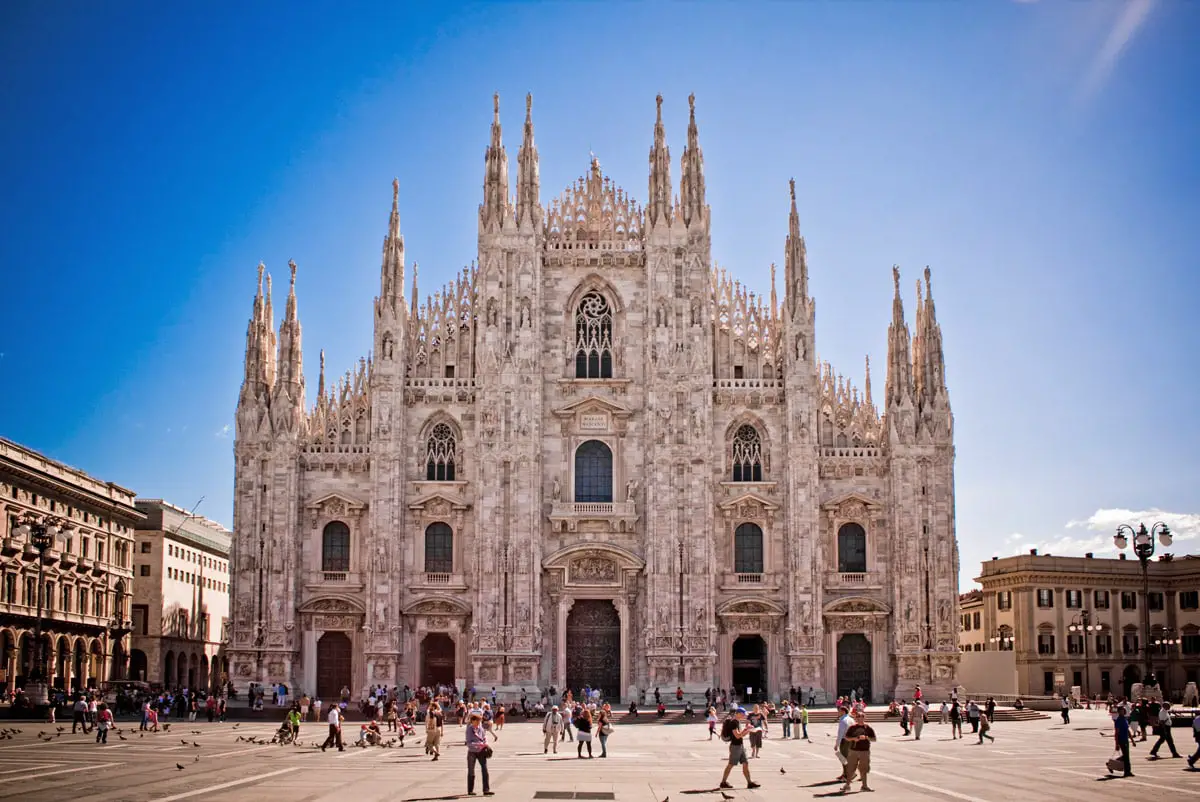
Milan Cathedral
Italy
One of the most impressive Gothic buildings in the world, constructed in 1386 – 1965.
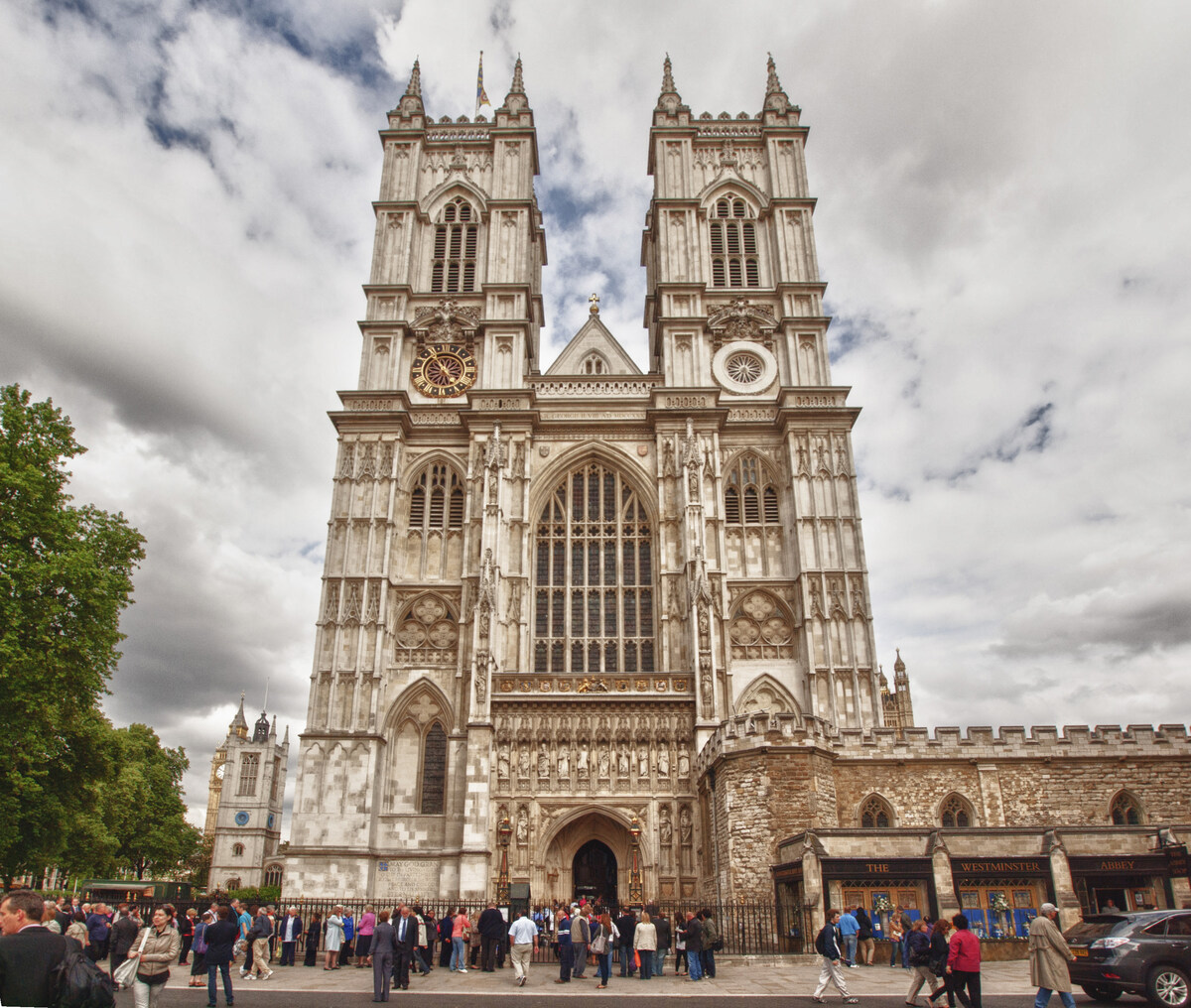
Westminster Abbey
United Kingdom
Royal Church of the United Kingdom with numerous art values. Constructed in 1245 – roughly 1745, mainly in the Gothic style. One of the earliest representatives of Gothic architecture in England.

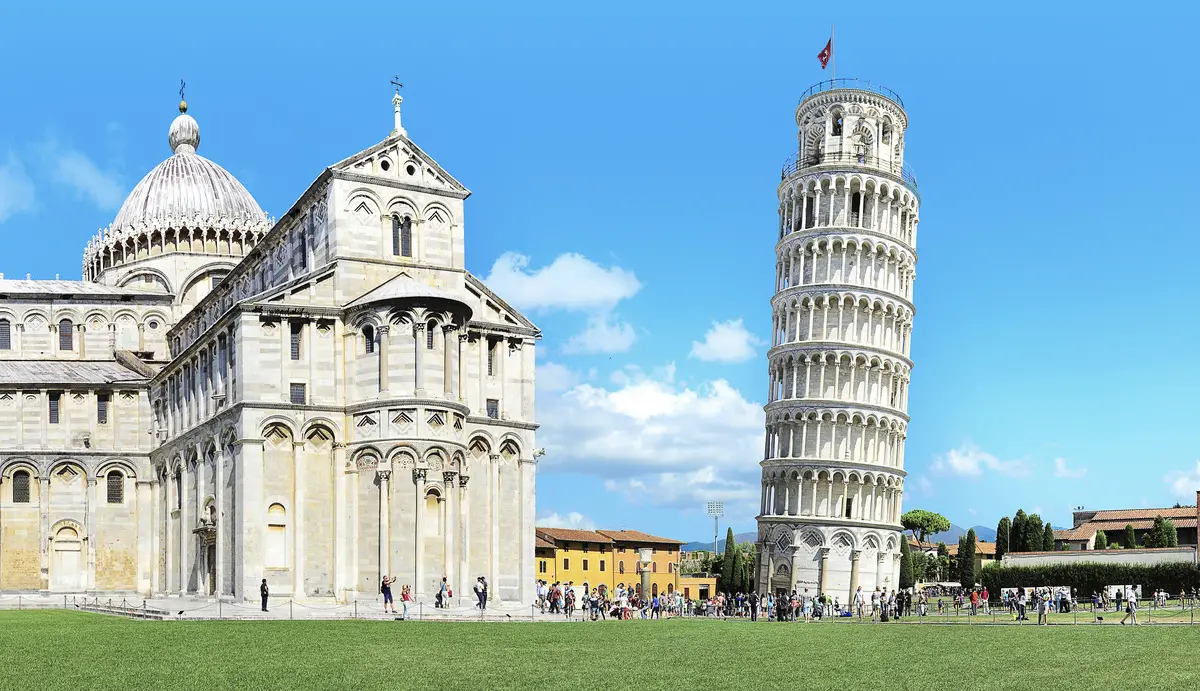
Leaning Tower of Pisa
Italy
An impressive monument of European medieval Romanesque architecture, construction started in 1173-1372. Due to weak ground, it started to tilt and the significant tilting has made this structure famous worldwide.
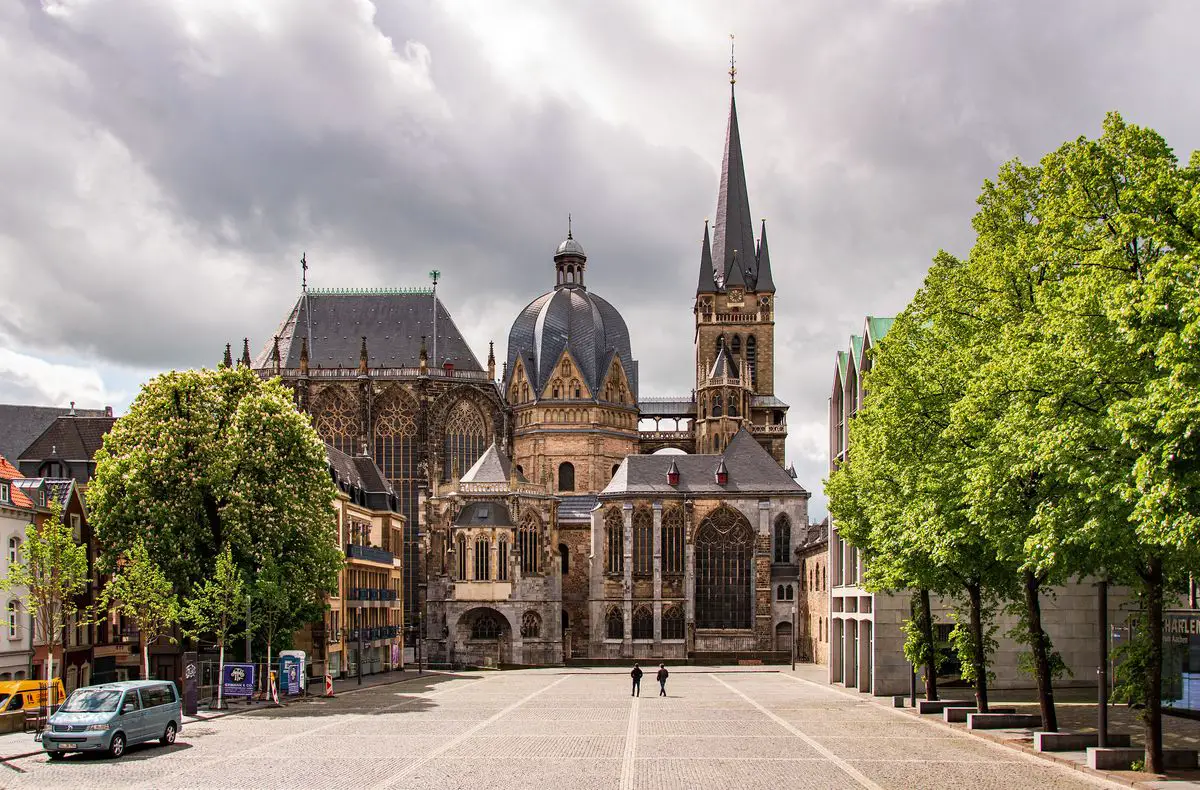
Aachen Cathedral
Germany
The oldest cathedral in Northern Europe. Historically very important church, the residence of Charlemagne, place of coronation of 42 kings and queens. Constructed in 792 – 805, rebuilt numerous times adding new values.
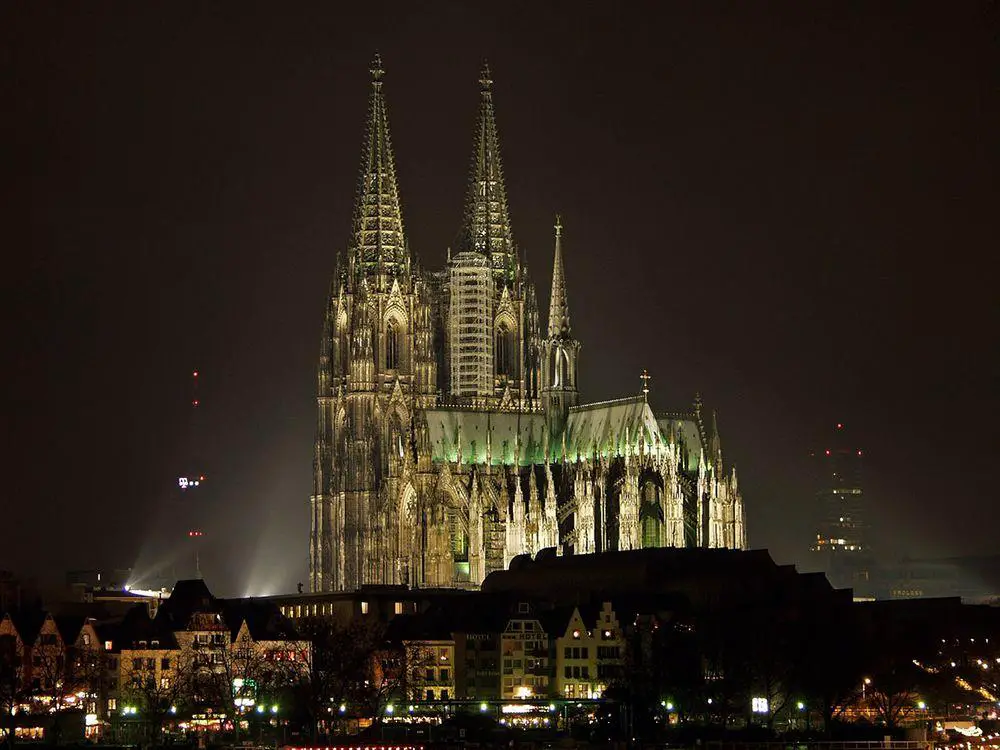
Cologne Cathedral
Germany
One of the most impressive Gothic-style cathedrals in the world and one of the largest churches in the world. 144.5 m long, two 157 meters tall towers. Constructed in 1248 – 1880. The most visited landmark in Germany.

Recommended books
Spiritual Places: The World’s Most Sacred Sites


Both an inspirational travel guide and a beautiful reference, Spiritual Places combines awe-inspiring photography and memorable narrative to tell the stories of the holiest temples and ancient ruins, the most hallowed churches, and the places of ancient power. Each location has been handpicked for its breathtaking scenery and its uniquely humbling qualities.
World Religions: The Great Faiths Explored & Explained


Taking a refreshing new approach to understanding different faiths, World Religions looks at the beliefs and practices of many different religions, including Christianity, Judaism, Hinduism, Buddhism, Jainism, Sikhism, and Islam.