
World 🢖 Australia and Oceania 🢖 Melanesia 🢖 Vanuatu
Waterfalls 🢔 Geological wonders 🢔 Categories of wonders
Wonder
Mele Cascades
 In short
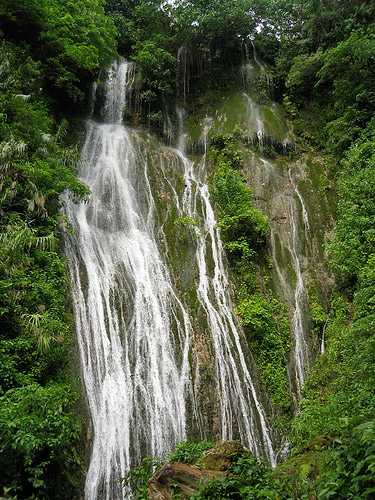
Visit to the beautiful Mele Cascades fulfills the wish of many tourists to see the real nature of Vanuatu – especially if most part of the vacation has been spent in cosy hotels and beaches.
 39.8%
39.8%
GPS coordinates
Location, address
Alternate names
Height
Map of the site
If you see this after your page is loaded completely, leafletJS files are missing.
 In detail
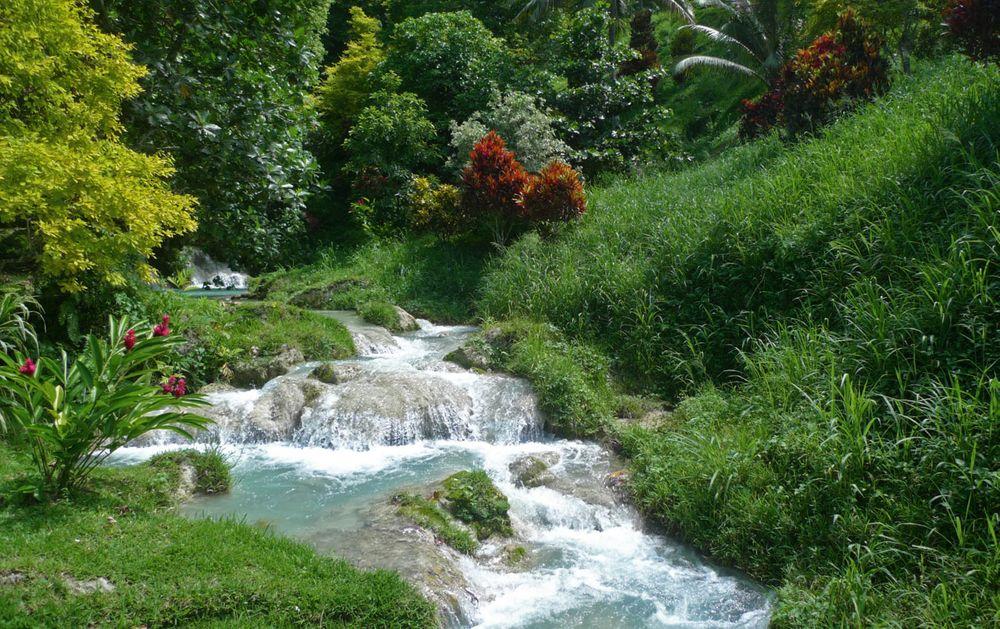
Mele Cascades are located a 15 minutes drive from Port Vila – the capital of Vanuatu, not far from the road. This is a popular tourist attraction with a marked trail and a wide offer of tourist business including an abseil down the falls. There should be paid entrance fee to access the cascades but all visitors agree that it is worth paying. It is advised to come very early or – also in lunchtime because during the day falls might be quite crowded.
Tourist footpath starts below the falls. The water of the stream is blue-green, it contains lots of dissolved lime. The bed of the stream often is layered with tufa deposits. The trail often goes straight through the water. Not many notice it: the edges of tufa terraces are covered with larvae of black flies.
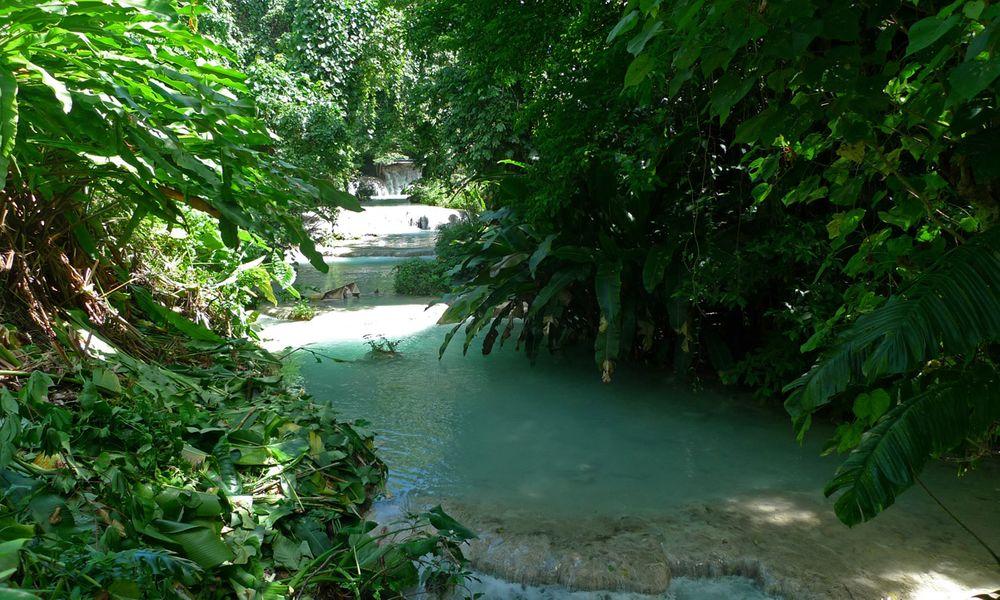
Tufa deposits in many locations have formed smaller cascades with pools and, as one goes ahead, the cascades become taller. Several pools with cool water are well suited to swim and tourists eagerly use this opportunity, especially in warm times. There is a cave behind one of such cascades.
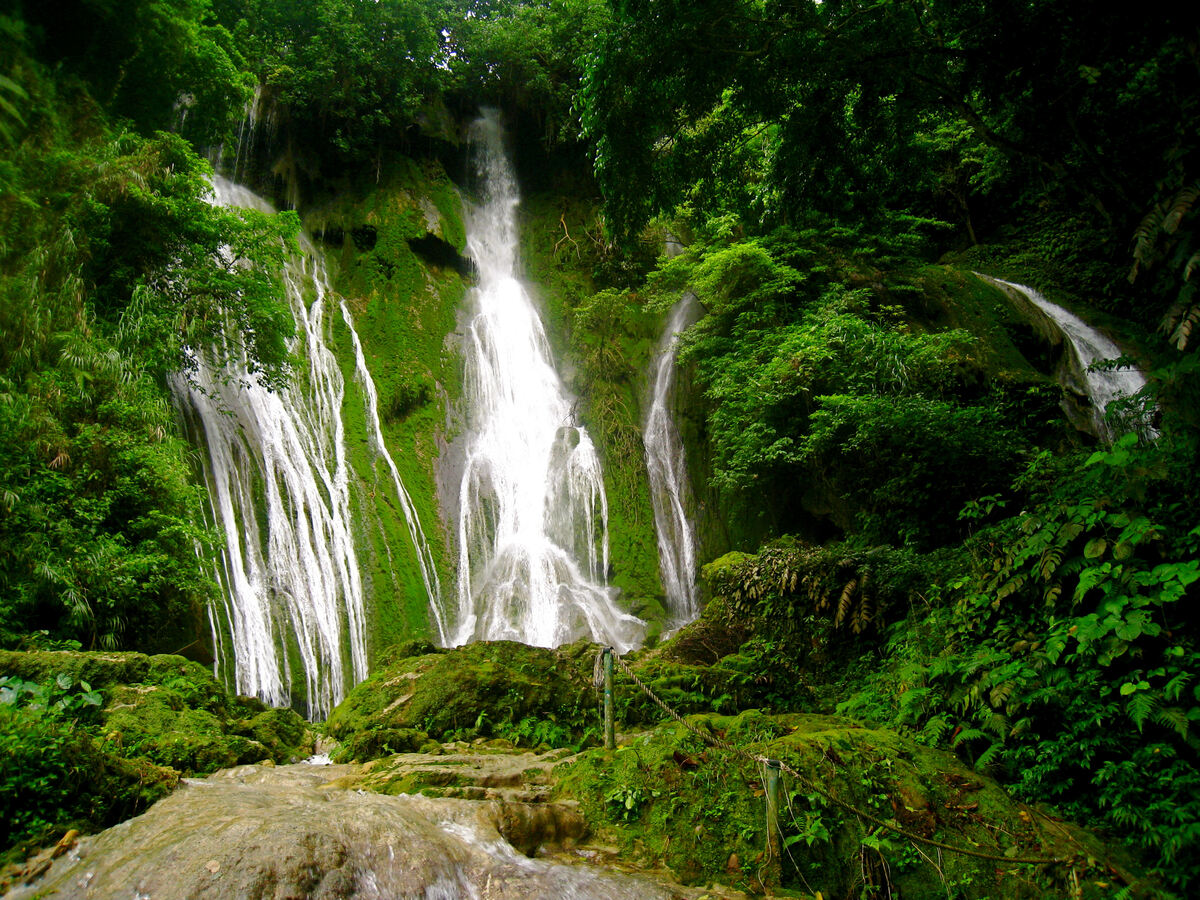
Most impressive is the approximately 45 – 50 m tall upper waterfall which is sliding down a steep rock face. There is beautiful lookout from the top of the falls over the lush green fields and forest of Efate island and the Pacific ocean.
After the earthquake in August 2010 the upper part became unstable.
Linked articles
Wonders of Vanuatu
Vanuatu is a beautiful and impressive country. The people of Vanuatu should be praised for the preservation of the natural landscape and their traditions thus showing that there is a noble alternative to Western civilization.
Waterfalls
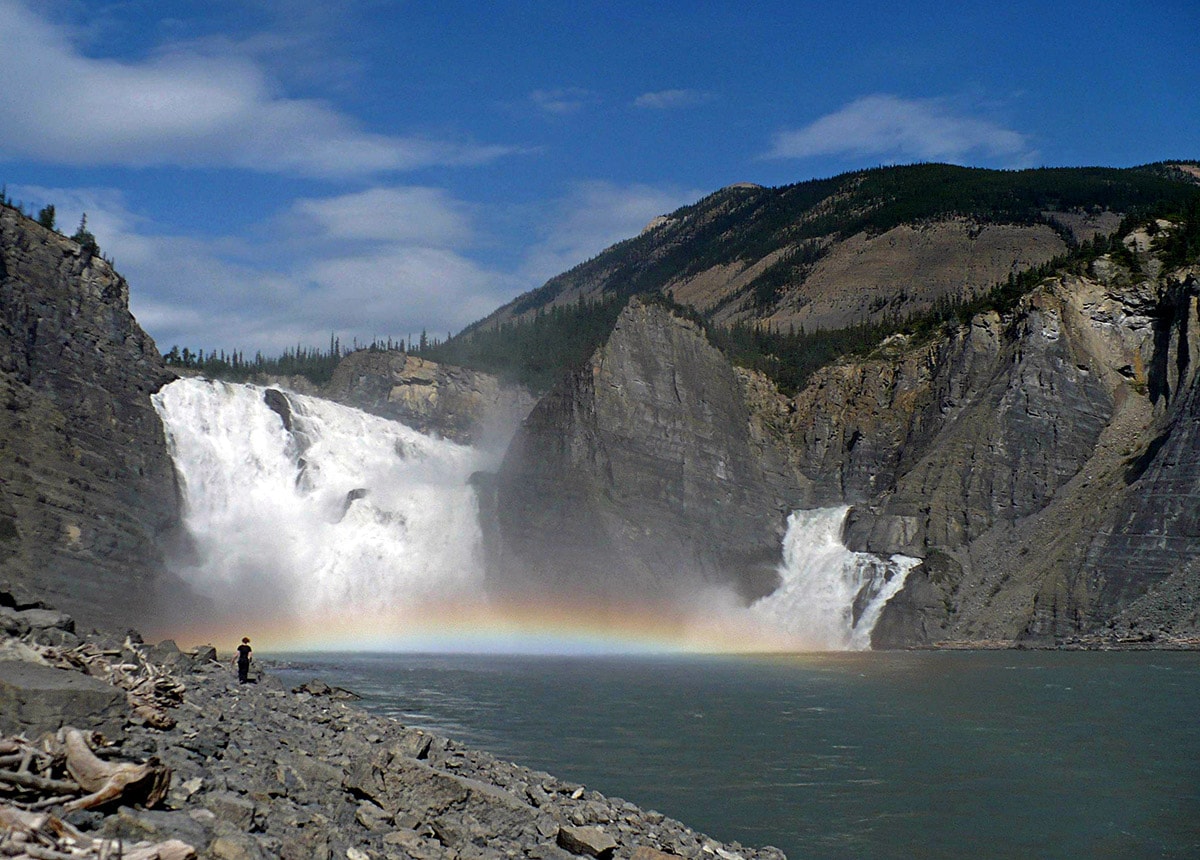
Some of the most fascinating and awe-inspiring natural monuments are waterfalls or locations where a river abruptly changes its elevation.
Wonders of Melanesia
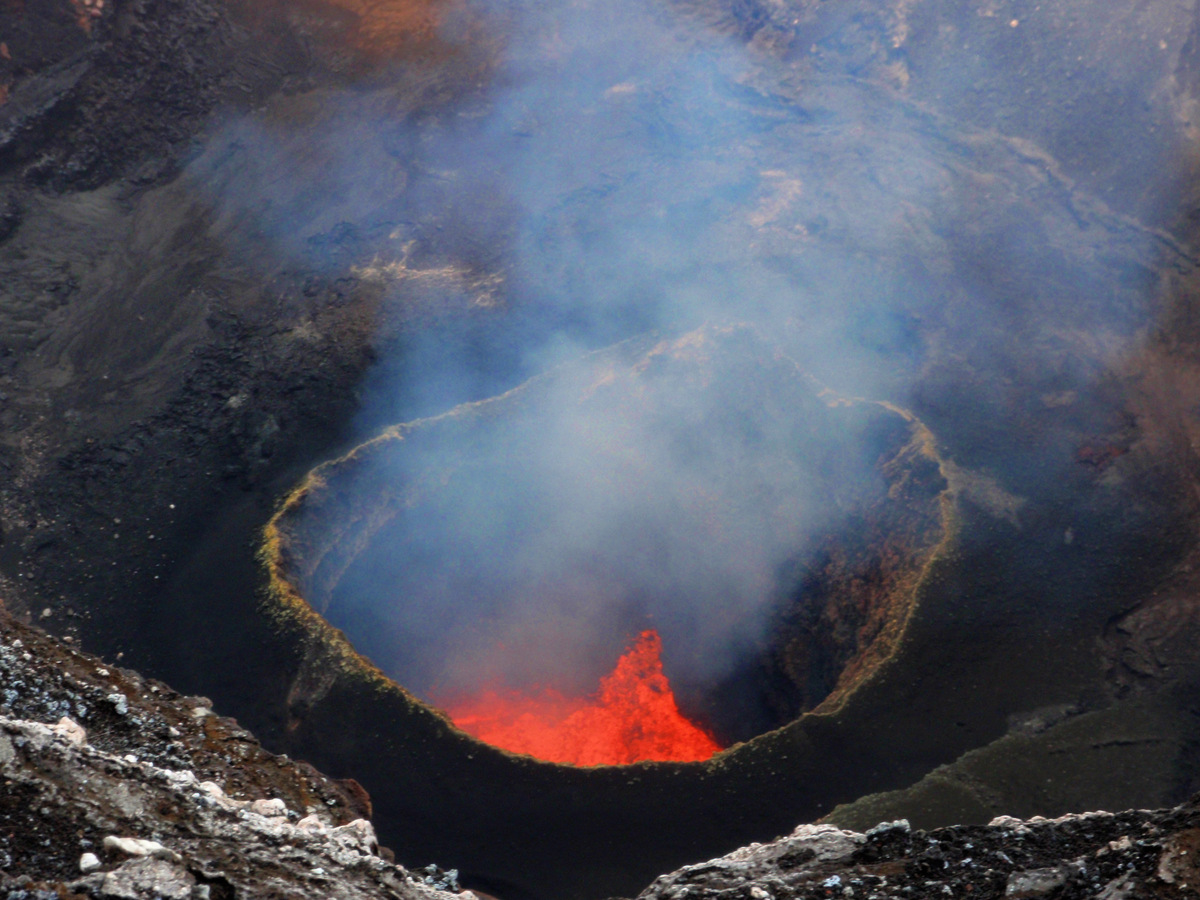
The most amazing wonders of Melanesia are caves and sinkholes, very interesting ecosystems, and, especially – sites of unusual legends.
Recommended books


Vanuatu: Far Flung Places Travel Guide


The only current detailed guide to the islands of Vanuatu, with invaluable information, not just on the main islands, but also the more rarely visited outer islands. Including maps and detailed listings.
Learn how to travel around, find the best places to visit, stay and eat for a memorable holiday in these islands of fire and beauty.
