Wondermondo 🢖 World 🢖 Wonders of Africa 🢖 Wonders of South Africa
Territory
Wonders of South Africa
 Highlights
South Africa is extremely rich with unusual archaeological and natural monuments.
Provinces of South Africa
South Africa is divided into 9 provinces:
- Eastern Cape
- Free State
- Gauteng
- KwaZulu-Natal
- Limpopo
- Mpumalanga
- North West
- Northern Cape
- Western Cape
South Africa has also one possession located 1,700 km to the south of the African coast: Prince Edward Islands.
Map with the described wonders
If you see this after your page is loaded completely, leafletJS files are missing.
 Top 25 wonders of South Africa
Geological wonders
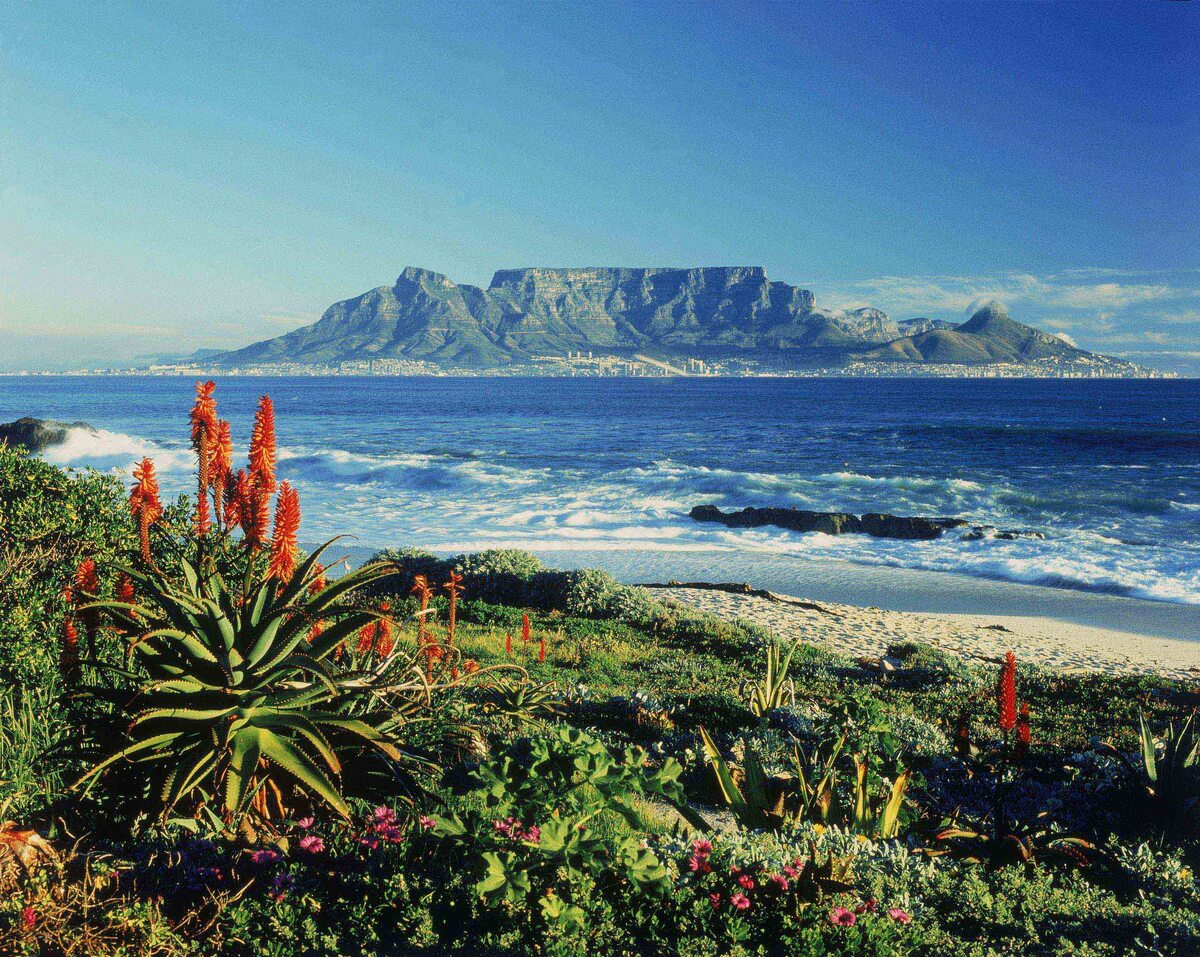
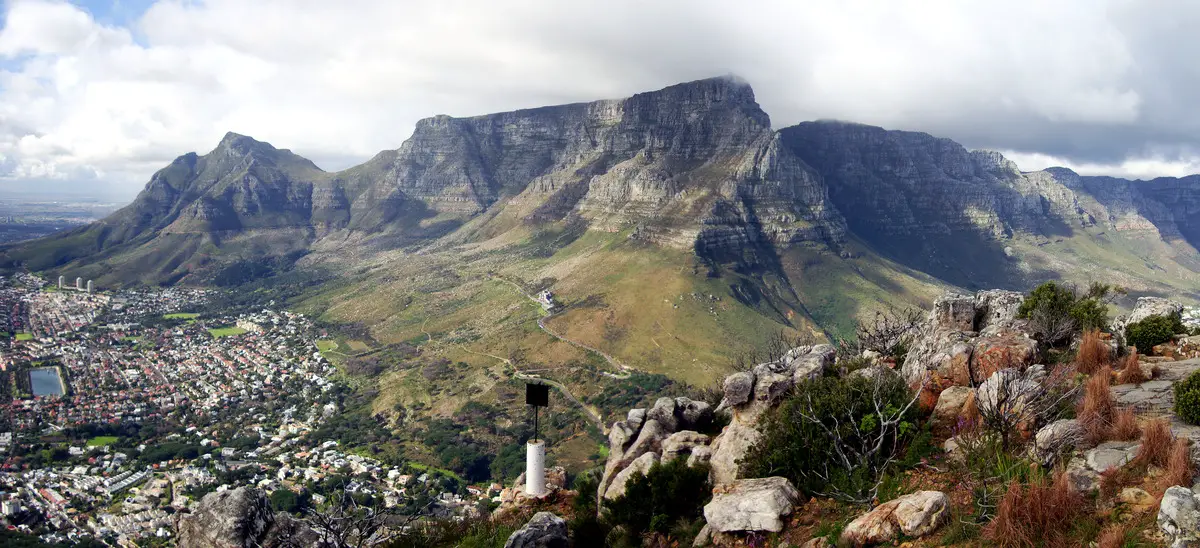
Table Mountain
Western Cape
Flat-topped mountain surrounded by steep cliffs, approximately 3 kilometers long. Its plateau is covered with a spectacular scrubland with some 2,200 species of plants representing the smallest floral kingdom of the world – the Cape floral kingdom. Numerous endemic species.
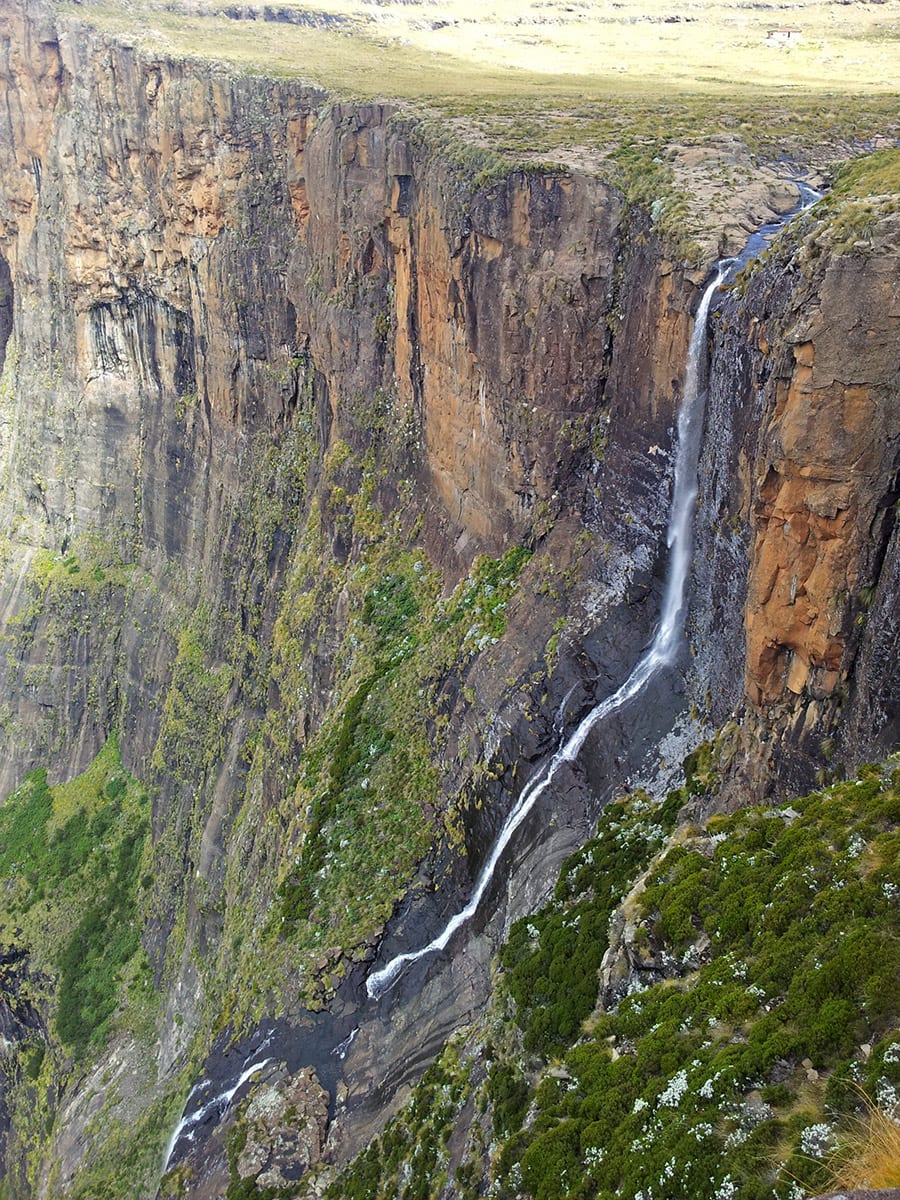
Tugela Falls
KwaZulu-Natal
The second tallest waterfall in the world. Total height of 948 meters and the largest single drop of 411 meters, and a river width of 3-15 meters.
Blyde River Canyon
Mpumalanga
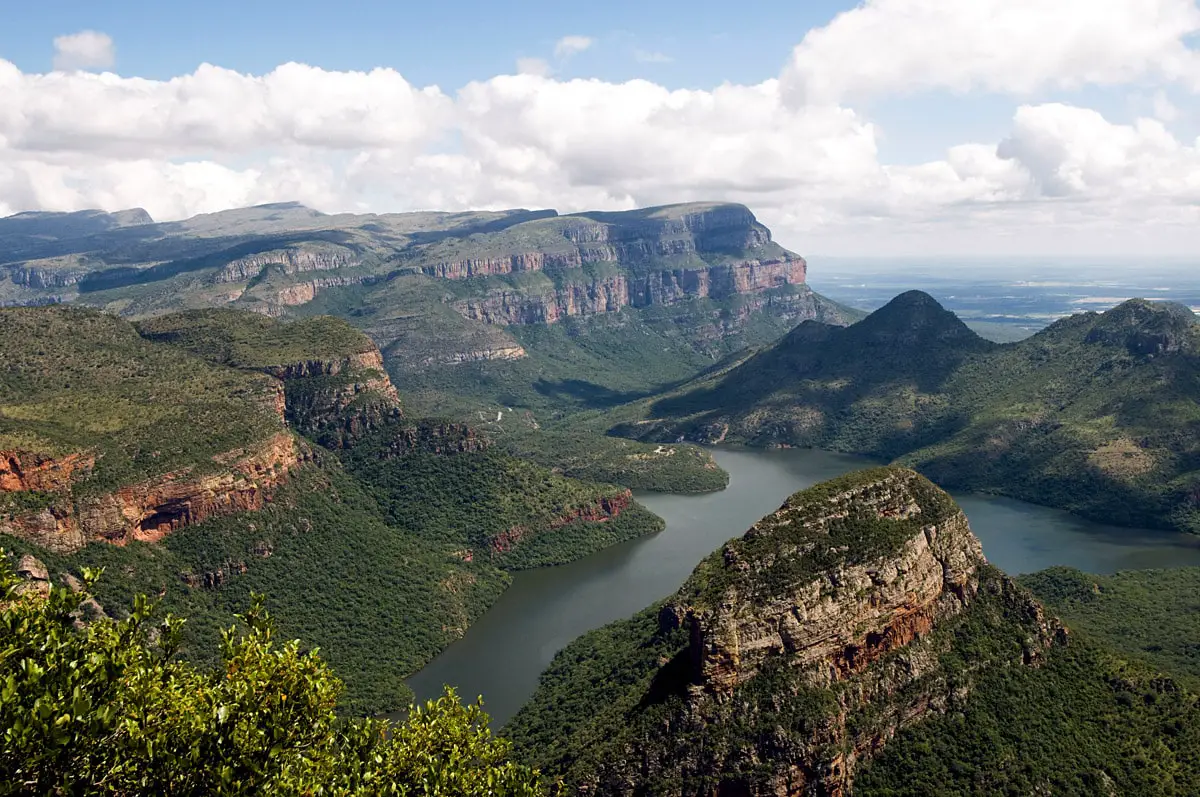
One of the most spectacular canyons in the world. Up to 1,400 meters deep, on average – 800 meters deep and 16 kilometers long. Swadini Buttress is the highest cliff of the canyon – some 1000 meters high. Contrary to the other largest canyons of the world Blyde River Canyon is covered with lush subtropical forest.
Amphitheatre in Drakensberg
KwaZulu-Natal
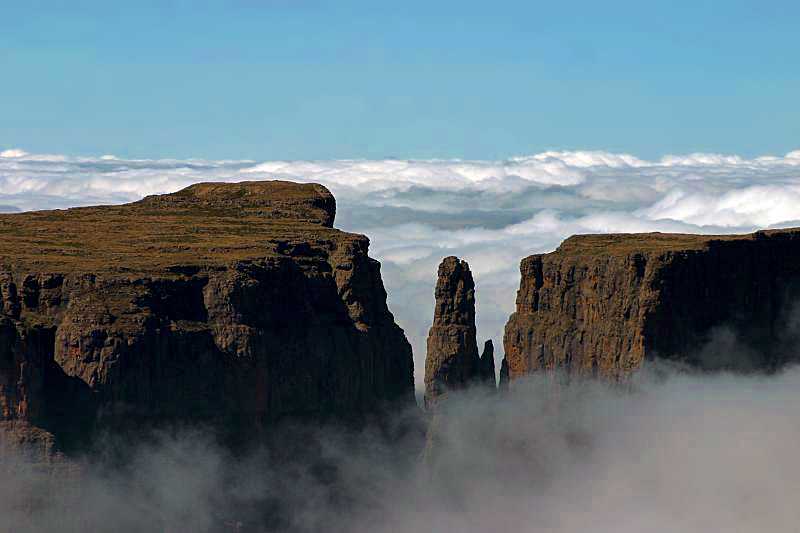
One of the most impressive cliff faces on Earth. This enormous cliff is over 5 kilometers long and 1,220 meters high along its entire length, the highest part of the cliff is 1,830 meters high. 948 meters high Tugela Falls fall over Amphitheatre.
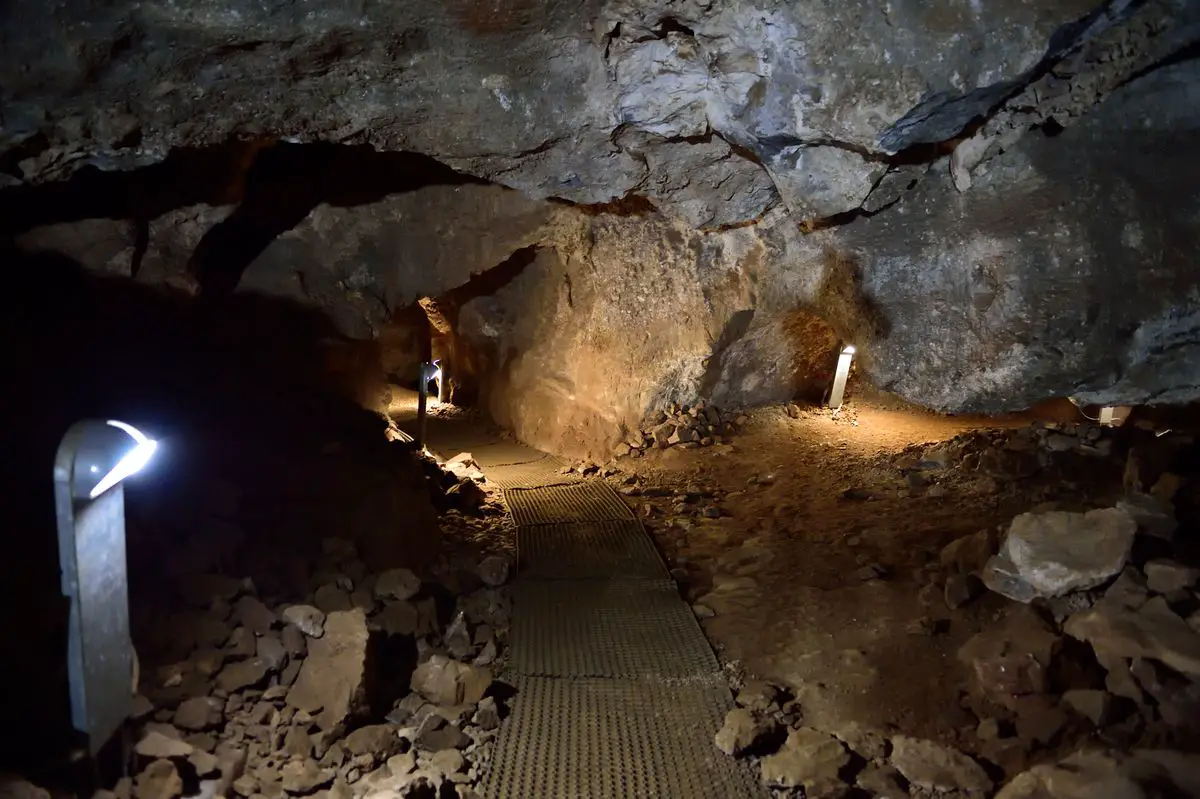
Sudwala Caves
Mpumalanga
The oldest known caves in the world. These caves formed approximately 240 million years ago. As the inside of the cave is supplied with fresh air from an unknown source, caves were used as a shelter since ancient times.
Tswaing crater
Gauteng
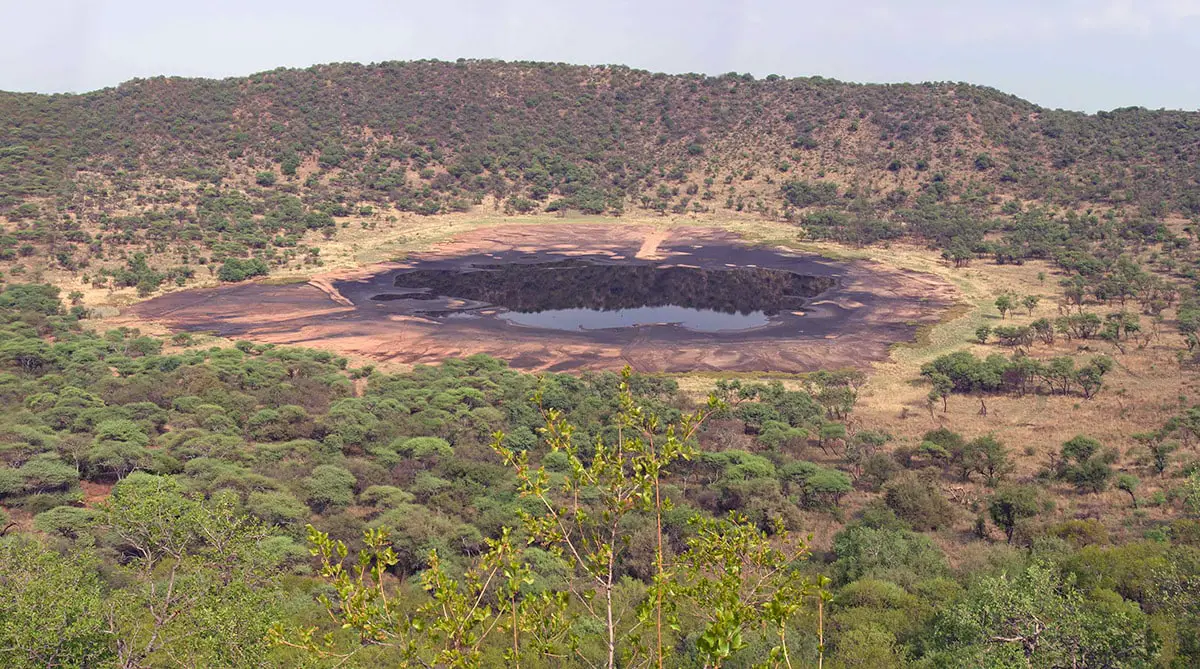
Well preserved impact crater made by some 30 – 50 meters large bolid some 220,000 years ago. Astrobleme is 1.13 km in diameter and 100 m deep, the lake on the bottom has been used by people for salt collection over the last 100,000 years.
Augrabies Falls
Northern Cape
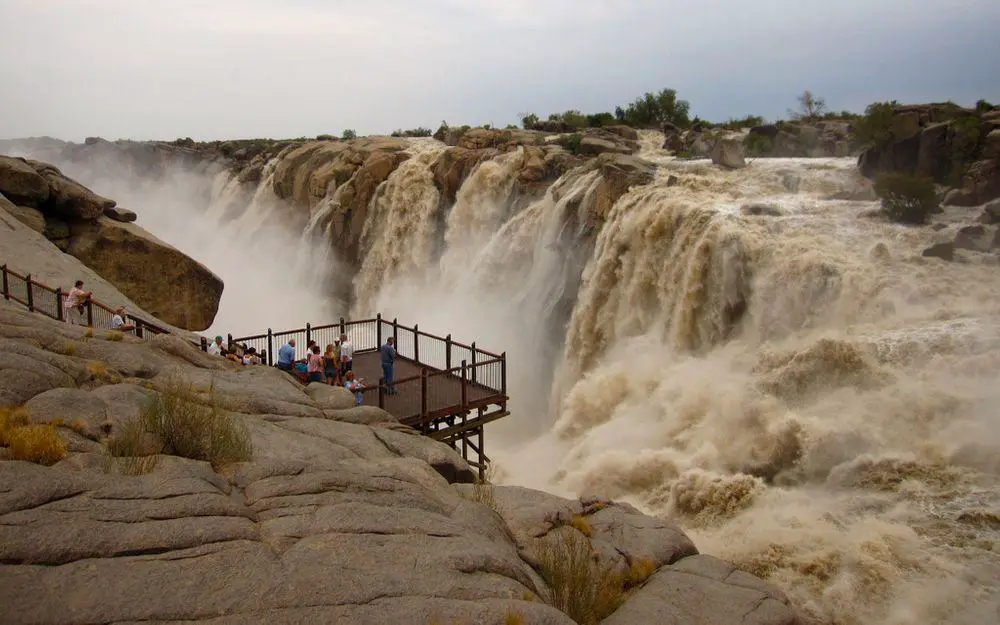
Here the Orange River falls 56 meters into a deep gorge. During a flood, this becomes one of the most powerful falls in the world.
Wonder Cave
Gauteng
One of the most spectacular caves in South Africa. It contains an enormous cave chamber – 125 meters long and 154 meters wide. Most stalactites and up to 15 meters high stalagmite formations are still growing. Contained remnants of hominids.
Lake Fundudzi
Limpopo
The only natural inland freshwater lake in South Africa, 15 square kilometers large. Lake is regarded as holy by the Venda people and considered to be enchanted. No one can approach the lake without the permission of local authorities. Numerous crocodiles live in the lake.
Tshatshingo Potholes
Limpopo
Unusual, 30 meters deep hole where disappears Mutale River, diving out again after some distance.
Boesmansgat
Northern Cape
At least 283 meters deep sinkhole, filled with freshwater.
Orbicular Koppie
Northern Cape
Granite outcrop that consists of rare and decorative variety – orbicular granite.
Biological wonders
Sterkfontein
Gauteng
The richest site for early hominins in the world. Found remnants of some 500 hominins, mainly up to 2.3 million years old remnants of Australopithecus africanus. Here was discovered also the earliest species of humans – Homo gautengensis. There are ongoing longest continuously running fossil excavations in the world, starting in 1966. The cave contains a lake.
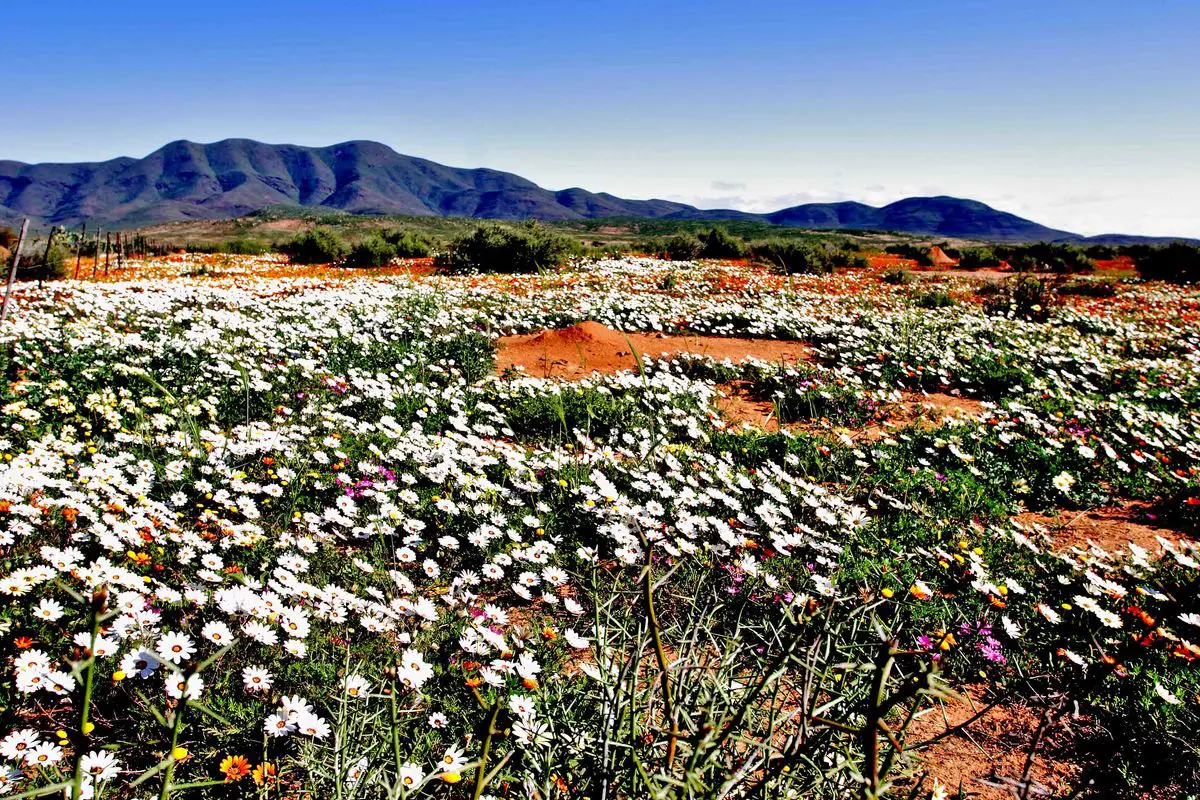
Knersvlakte
Western Cape
Hilly, arid terrain (48,500 ha), the ground covered with quartz gravel. High level of endemism, 266 plant species are found only here. Especially interesting and diverse are the unique stoneplants – tiny succulents up to 10 cm high. Area of unusual beauty during the bloom of succulents.
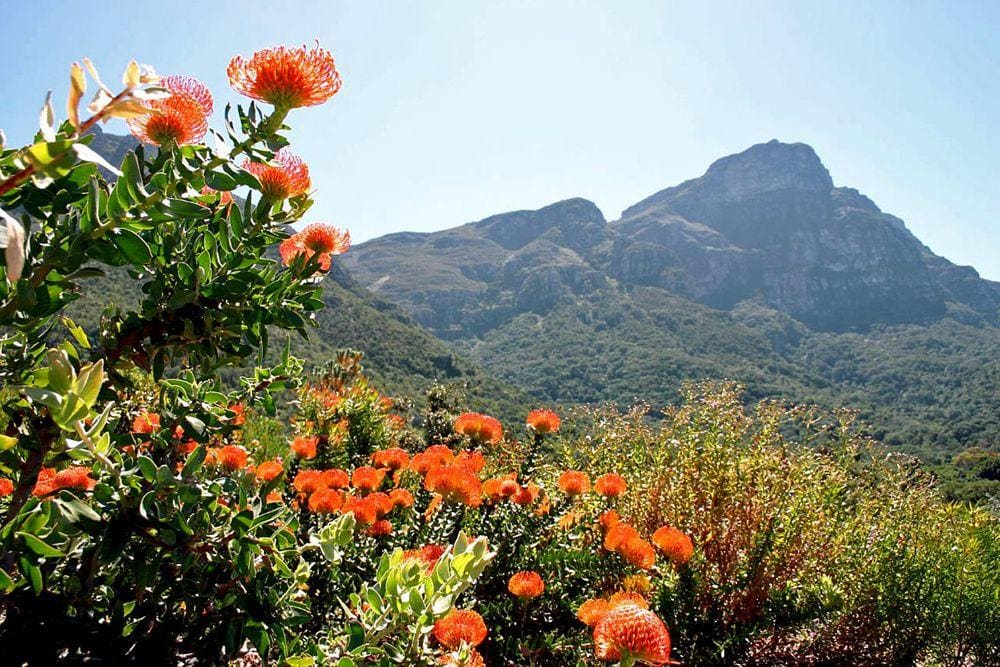
Kirstenbosch Botanical Garden
Western Cape
This garden is located in a magnificent site on the eastern slopes of Table Mountain. Area – 528 ha – includes natural forest and fynbos, in the cultivated part only indigenous plants are grown representing the unique and extremely rich plant kingdom of Cape.
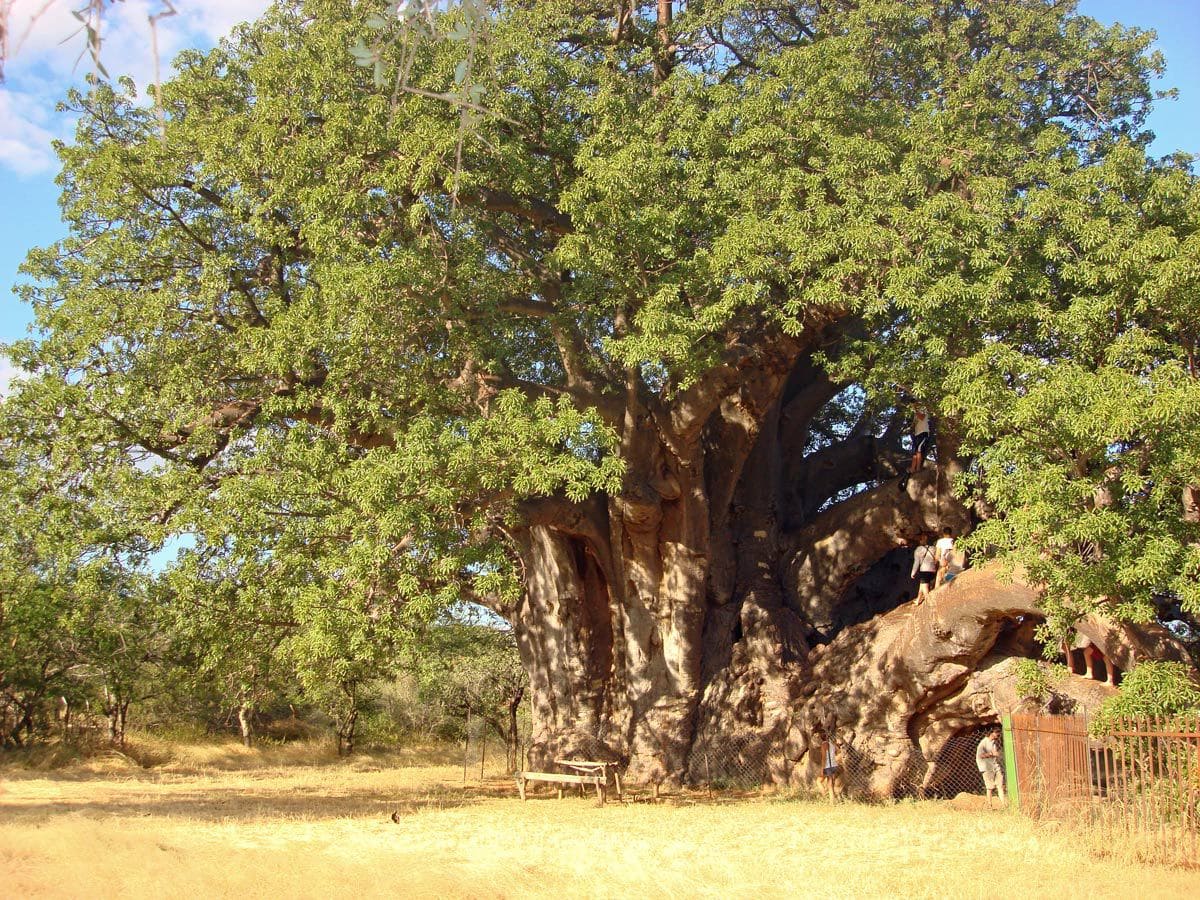
Sagole Tree
Limpopo
The largest tree in South Africa. This giant Adansonia digitata has a circumference of 33.72 m and a height – 22 m. The stoutest known baobab (Adansonia digitata) with a circumference of 33.72 m.
Orange Kloof
Western Cape
The largest stand of the unique Cape Afromontane forest. Area – approximately 285 ha. Restricted nature protection area. Contains numerous rare and endemic species.
Rising Star Cave
Gauteng
In this cave were found remains of extinct, other species of humans that have been named (preliminary) – Homo naledi.
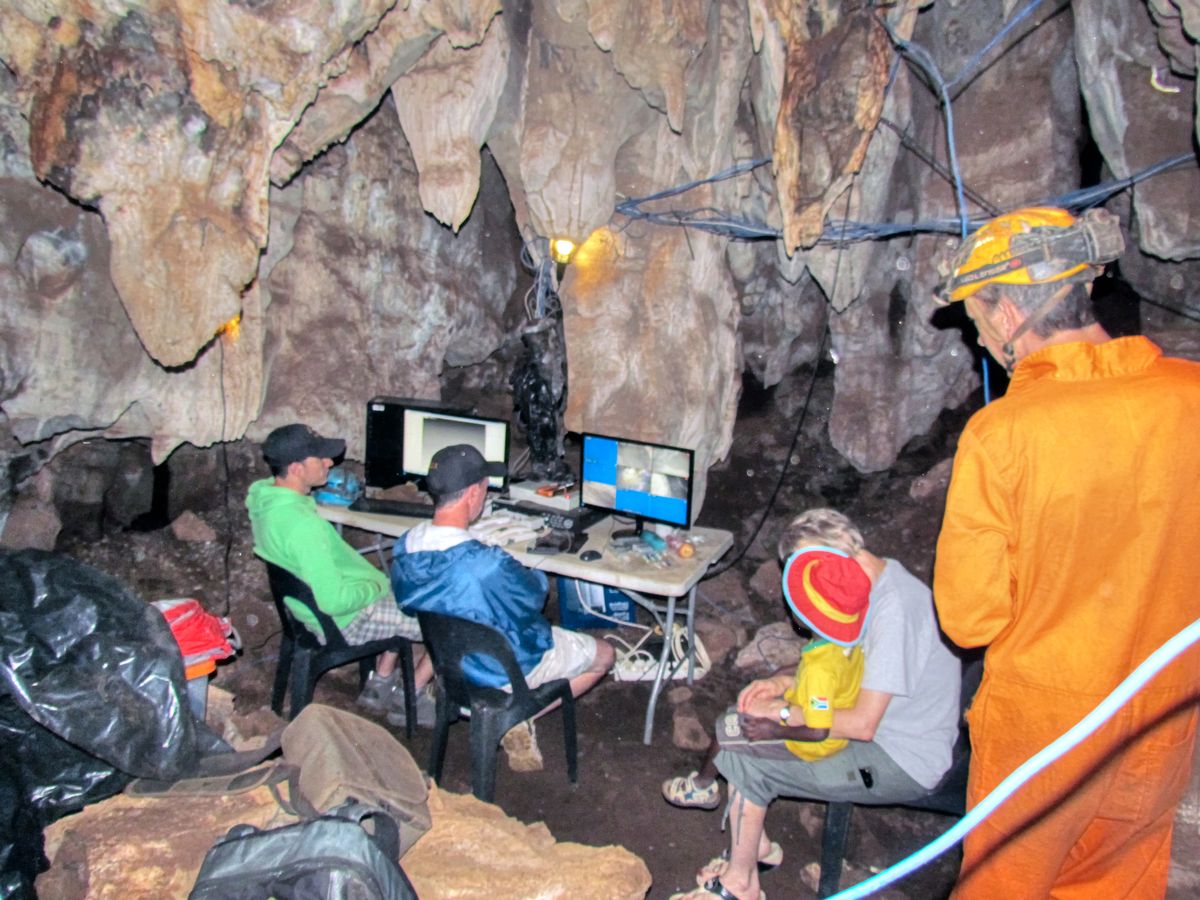
Goegap Nature Reserve
Northern Cape
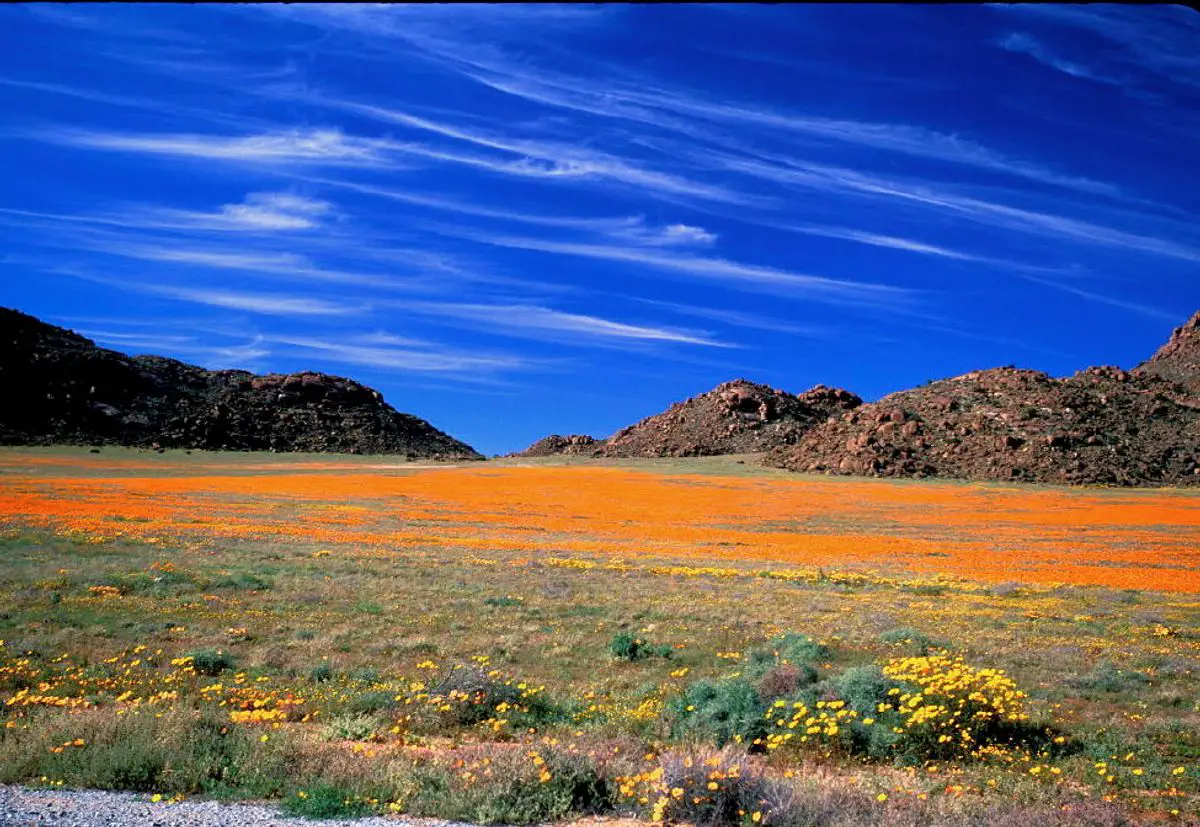
Some of the most impressive flower carpets in the land of flowers – Namaqualand.
Modjadji Cycad Forest
Limpopo
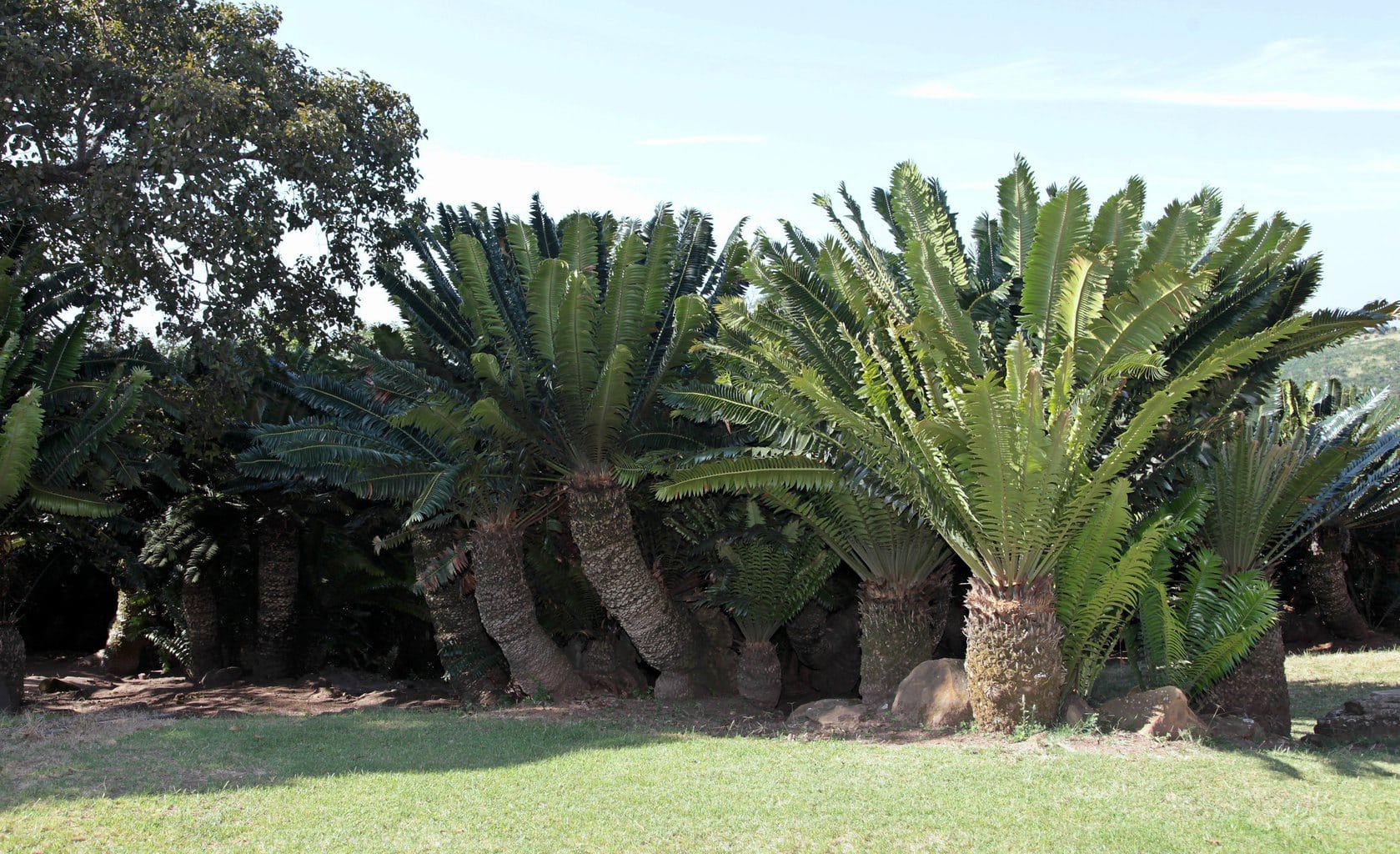
The largest cycad (Encephalartos transvenosus) forest in the world (530 ha), resembles a prehistoric world, area of unusual beauty. Some cycads reach a height of 12 – 12.2 meters. Closely linked to the history of local, legendary Rain Queens.
Archaeological wonders
Mapungubwe Hill
Limpopo
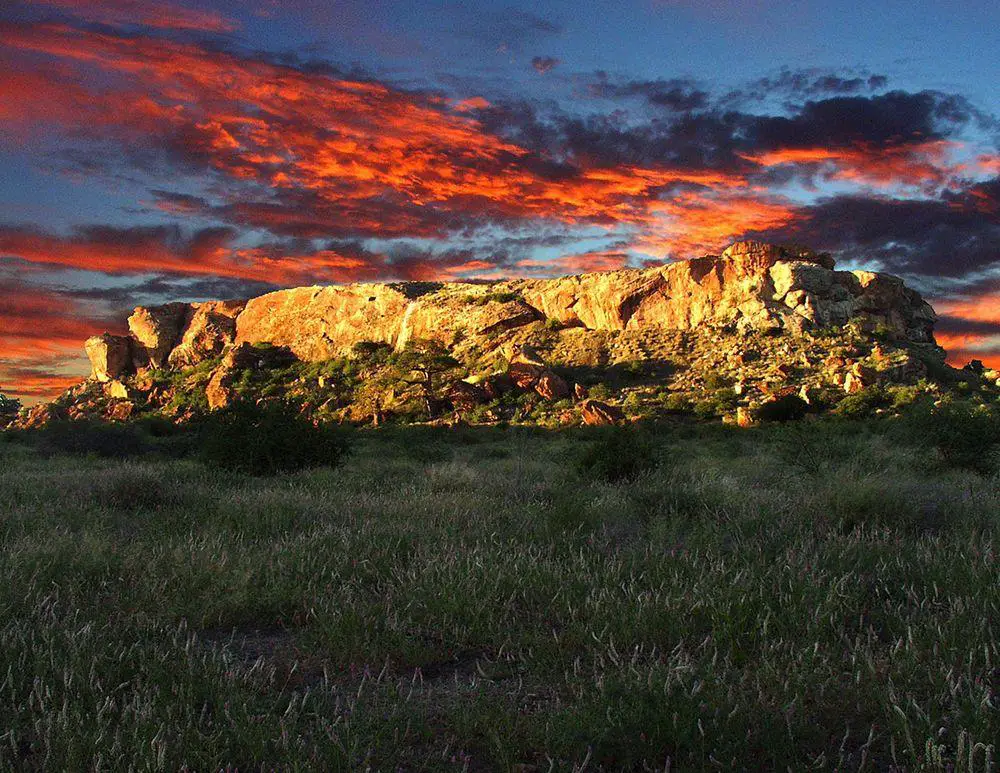
Ruins of an abandoned settlement on the top and at the base of a steep-sided hill. This settlement was a precursor to Great Zimbabwe. Important cultural center in 1075 – 1270 AD. There has been found a golden rhino and numerous other gold artifacts – testimony to the existence of a wealthy kingdom.
Game Pass Shelter rock art site
KwaZulu-Natal
One of the most outstanding Ukhahlamba-Drakensberg petroglyph galleries. Contains drawings of eland – large antelope and people as well as a group of unique drawings – metaphoric depictions of shamanic practices. The site has opened a valuable insight into the ancient culture of the San people.
Wonderwerk Cave
Northern Cape
Some 140 m long cave that contains a sediment layer that has documented local flora, fauna, and human activities over 2 million years. This site may contain the remnants of the oldest controlled fire. The walls of the cave are adorned with rock art.
Architecture wonders
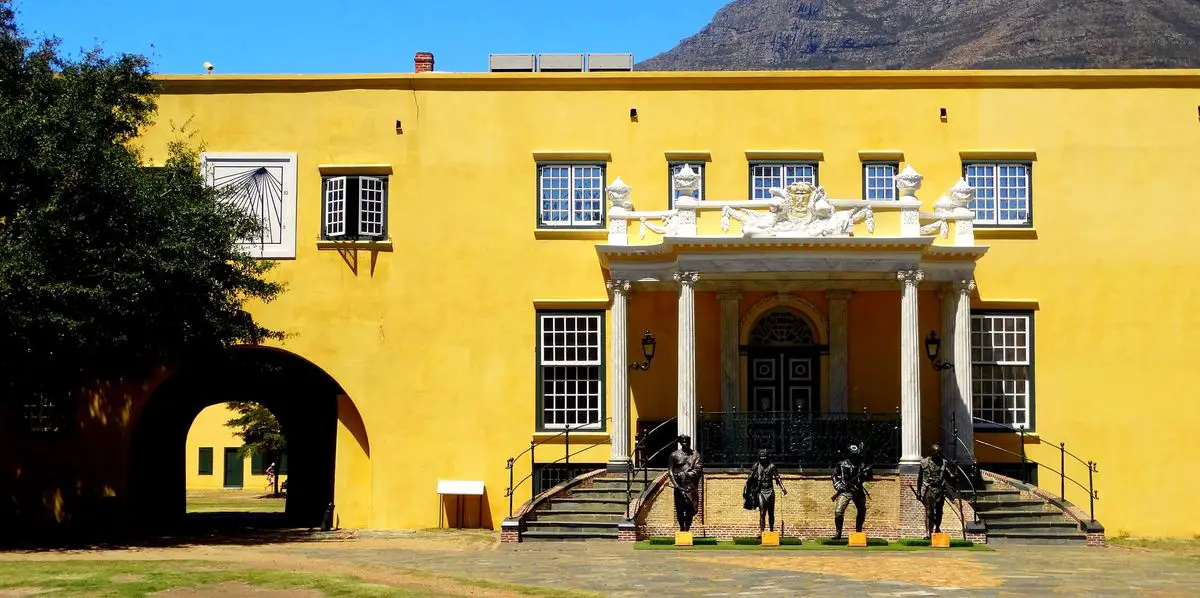
Castle of Good Hope
Western Cape
The oldest European building in South Africa. This impressive star fort was built in 1666 – 1679, replacing an older fort. Extensive restorations have turned the building into a magnificent and impressive attraction.

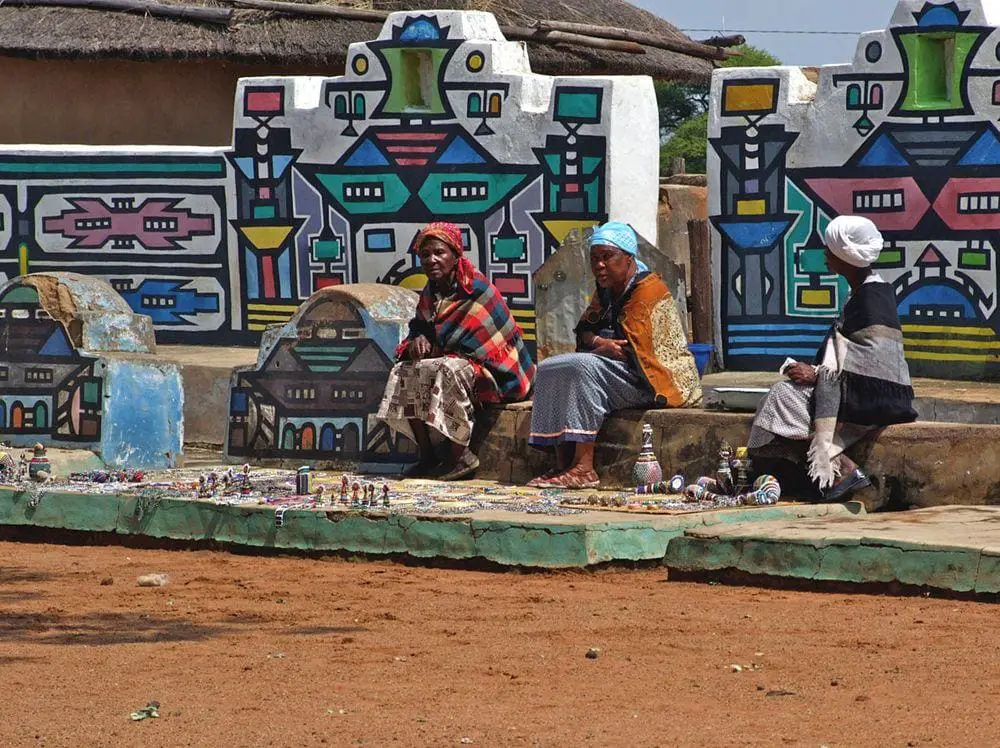
Mapoch Ndebele Village (Mabhoko)
Gauteng
A great example of the unique cultural tradition of the Ndebele people. They were relocated out of Pretoria in the 1950s and the village started to develop in 1953. Architecturally unusual and visually pleasing adobe buildings and fences are covered with bright ornamental paintings.
 Recommended books
South Africa: The Best Of South Africa


Do you want to go to South Africa?
If you want to go to South Africa, and you have no idea how to start planning your trip, then this book is perfect for you!
Fodor’s Essential South Africa: with the Best Safari Destinations


Written by local experts, Fodor’s travel guides have been offering advice and professionally vetted recommendations for all tastes and budgets for 80 years.
Everything about Africa that stirs the imagination is concentrated in its southernmost country. Lions freely roam vast game reserves such as Kruger National Park; vineyards stretch across the Cape Winelands, and mountains cascade into the sea along miles of beaches. In addition to dream safaris and romantic honeymoons, South Africa offers modern cities with thriving arts and dining scenes.