
Wonder
Klinki in Bulolo Valley – the tallest araucarias?
 In short
It is not known whether currently exists the tallest araucarias in Bulolo Valley including 88.9 m tall (or taller) Klinki pine – but it existed in 1941. Back then such a tree was measured and later mentioned in a classical ecology book by Paul W.Richards "The Tropical Rain Forest: An Ecological Study" that was issued in 1952.
 39.8%
39.8%
GPS coordinates
Location, address
Species
Height
Map of the site
If you see this after your page is loaded completely, leafletJS files are missing.
 In detail
Since then the fact that such tall araucarias might exist in Papua New Guinea has been repeated in many scientific works, notably in the article by Gray B. (Size composition and regeneration of Araucaria stands in New Guinea) in 1975.
There is little doubt that klinki pine is the tallest of all araucarias. This tree grows in Madang, Morobe, and Eastern Highlands Provinces of Papua New Guinea, in mountainsides and ridges.
The wood of klinki has outstanding qualities and this beautiful araucaria is widely exploited, it is cut also by slash&burn agriculture. As a result, this tree is becoming rarer, and nowadays natural stands can be found in more remote areas.
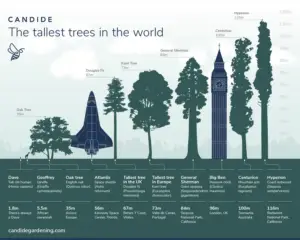
These trees are very impressive. The average diameter of klinki in old-growth stands is 200 cm and more! Trees in such stands are at least 55 m tall, often exceeding 70 m in height.
The fantastic 88.9 m tree was measured near Bulolo. Currently in Bulolo has been established an important forestry industry with large plantations of klinki pine. Happily, the natural stands of this tree are not too rare.
Wondermondo has marked a beautiful stand of klinki pine in Wau Gorge some 15 km from Bulolo. No one knows whether here are the tallest araucarias which are up to 90 m tall – but it is definitely worth checking it out!
References
- Gray B. Size composition and regeneration of Araucaria stands in New Guinea. Journal of Ecology (British Ecological Society), 63: 273-289.
Klinki in Bulolo Valley is included in the following article:
Linked articles
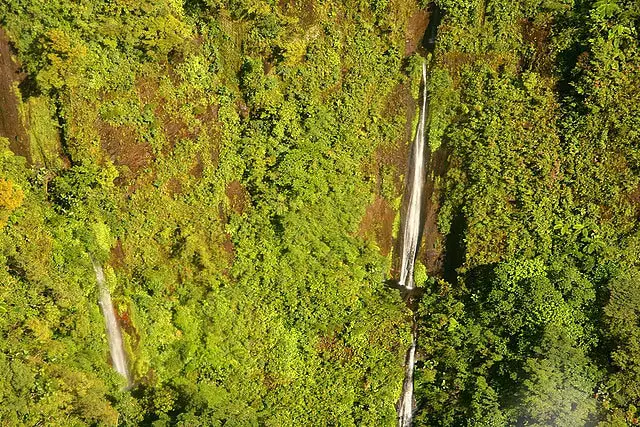
Wonders of Papua New Guinea
One of the most exciting and mysterious lands in the world is Papua New Guinea. This country takes half of the second-largest island and numerous other larger and smaller islands. Up to this day, Papua New Guinea is poorly investigated, and here are expected numerous exciting discoveries of geological, biological, and archaeological nature.
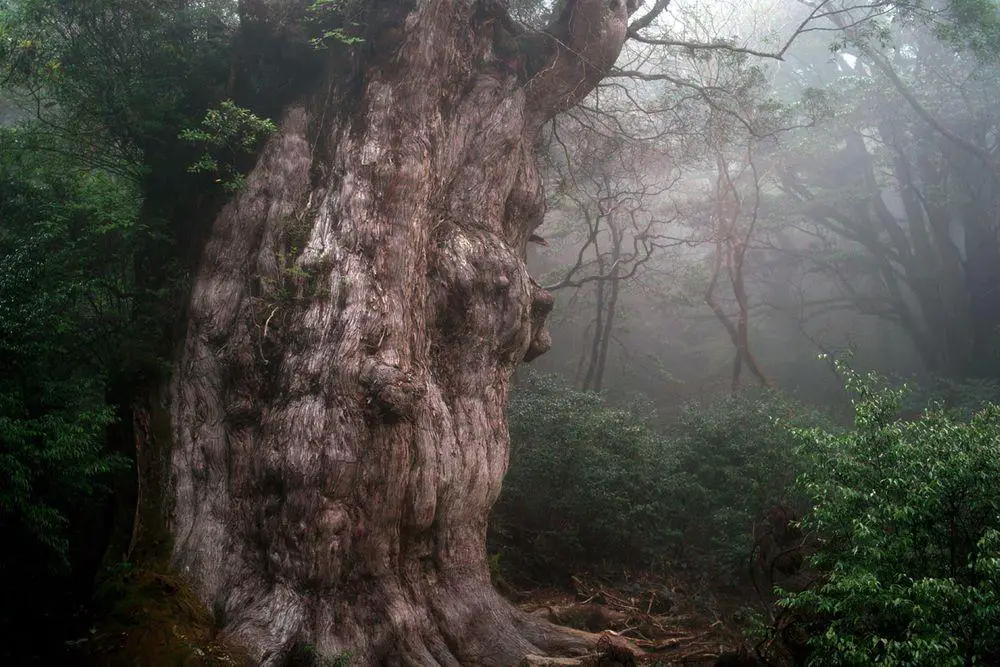
Trees
The category includes some of the most impressive and interesting separate trees in the world. The total number of tree species in the world still is a wild guess – maybe 10,000 and maybe 100,000 but most likely somewhere in between. Every month there are reported new tree species from the whole world, including Western Europe.
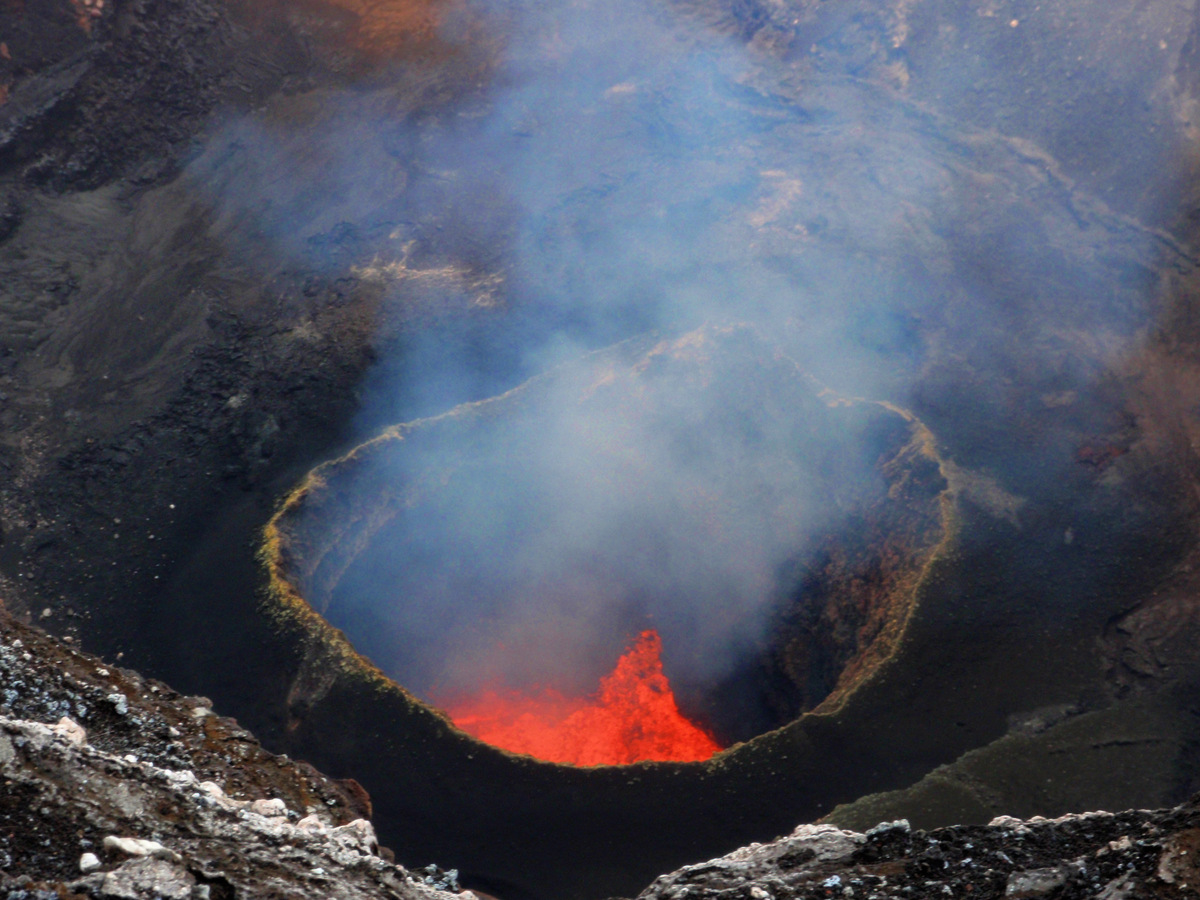
Wonders of Melanesia
The most amazing wonders of Melanesia are caves and sinkholes, very interesting ecosystems, and, especially – sites of unusual legends.
Recommended books
New Guinea


This translation of Krieger’s 522-page, 1899 text is an ethnographical, anthropological and historical detailed, illustrated description of early New Guinea, by a German expert who spent “almost thirty years” there.
Remarkable Trees of the World


The publication of Remarkable Trees of the World took American audiences by storm. Thomas Pakenham embarks on a five-year odyssey to most of the temperate and tropical regions of the world to photograph sixty trees of remarkable personality and presence: Dwarfs, Giants, Monuments, and Aliens; the lovingly tended midgets of Japan; the enormous strangler from India; and the 4,700-year “Old Methusalehs.”
