
Wondermondo 🢖 Categories of wonders 🢖 Geological wonders 🢖 Waterfalls
Category
Waterfalls
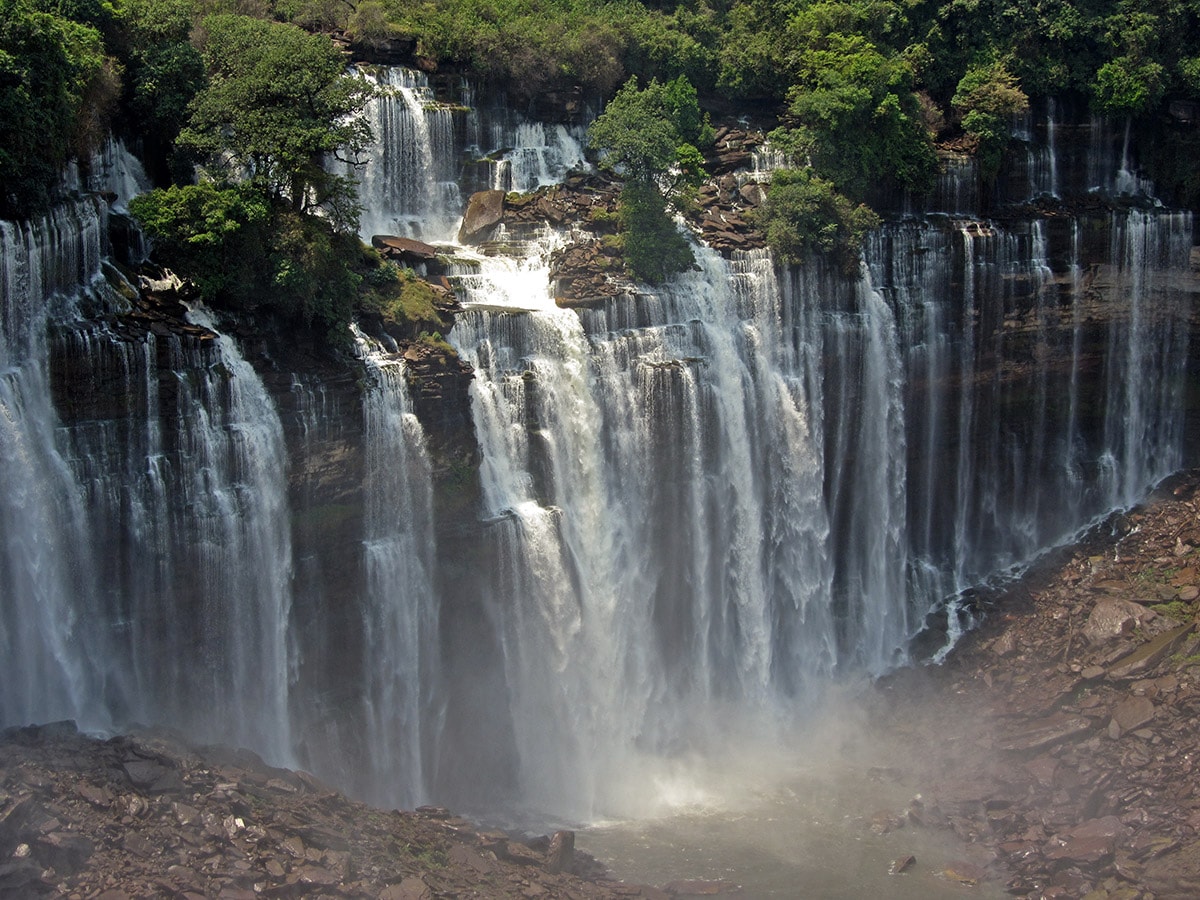
 Described waterfalls
If you see this after your page is loaded completely, leafletJS files are missing.
 What is included in this category?
Some of the most fascinating and awe inspiring natural monuments are waterfalls, or locations where a river abruptly changes its elevation.
Origins
Waterfalls and rapids or sections of rivers with steep beds have diverse origins.
Self-shaped falls
Many waterfalls, including the most powerful waterfalls of the world, are shaped by the stream itself. The power of the flowing water at a fault line or trench gradually erodes the riverbed. Slowly, year by year it is carved deeper. As the threshold of the plunge recedes, it leaves behind a ravine. If the conditions are right, the waterfall will, over time, become higher and higher.
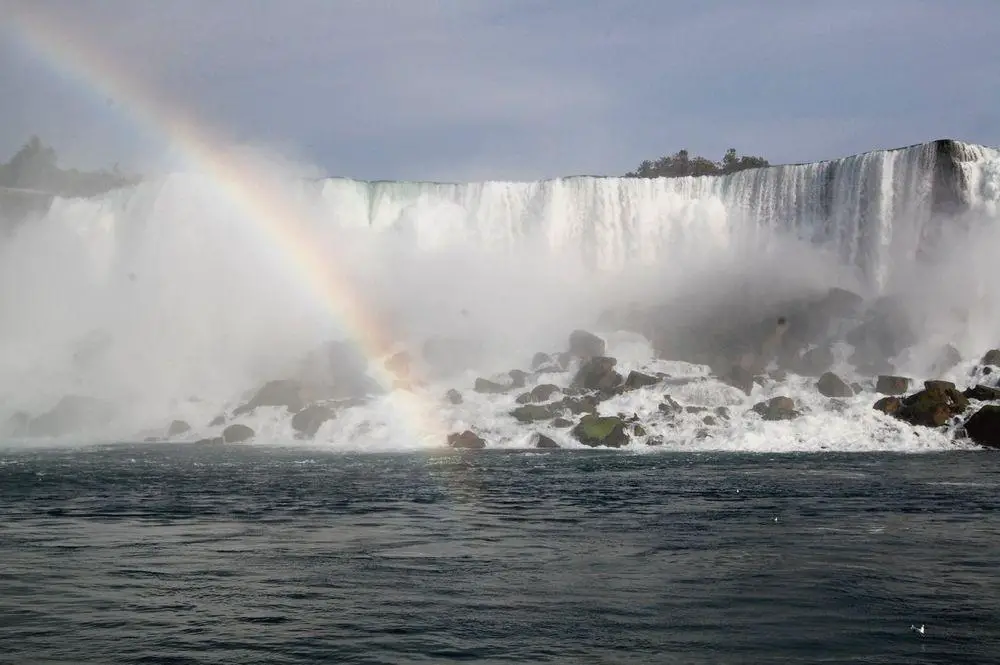
Beautiful examples of such waterfalls are Victoria Falls (Zambia and Zimbabwe), Iguazu Falls (Argentina and Brazil), Niagara Falls (straddling the border between Canada and the United States).
Mountain falls
The highest waterfalls in the world fall down along natural slopes, which are either shaped by tectonic processes or, for example by glaciers but not by the stream itself.
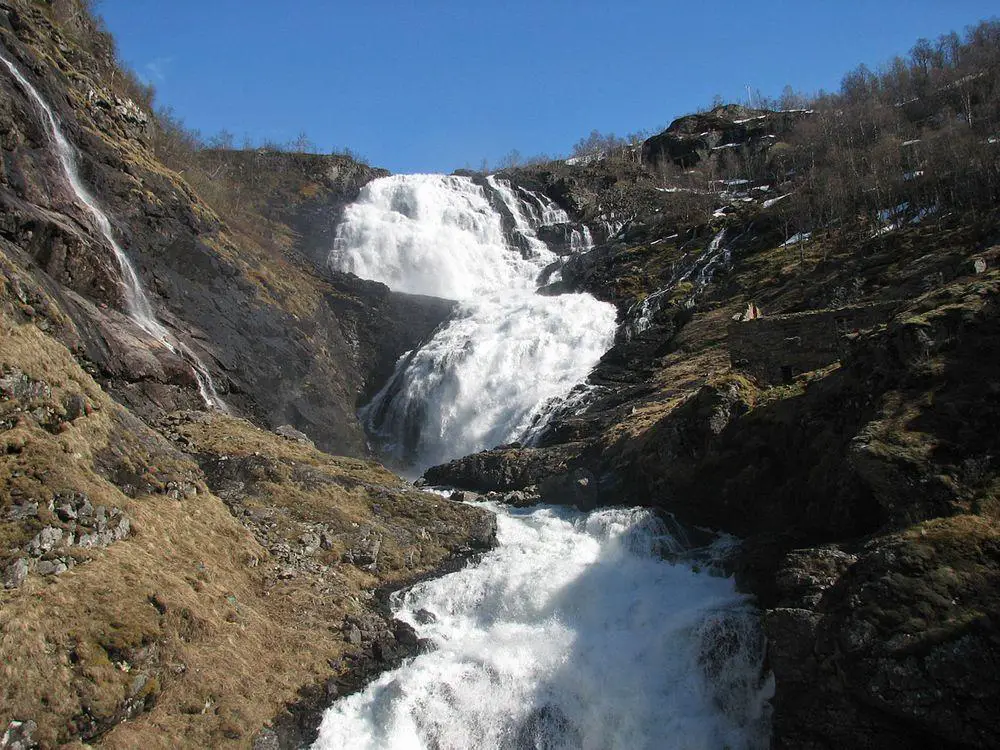
In many cases the slope is more or less oblique, i.e. not vertical or overhanging. Then the water is pouring down along the cliff. If such falls (rather, flows) are consequently measured, the Himalayas or the Andes could easily have the highest waterfalls in the world. But in general, such steep flows are not considered to be true waterfalls. When the most impressive oblique falls with larger and smaller plunges in between, are measured, they often belong to the highest falls in the world.
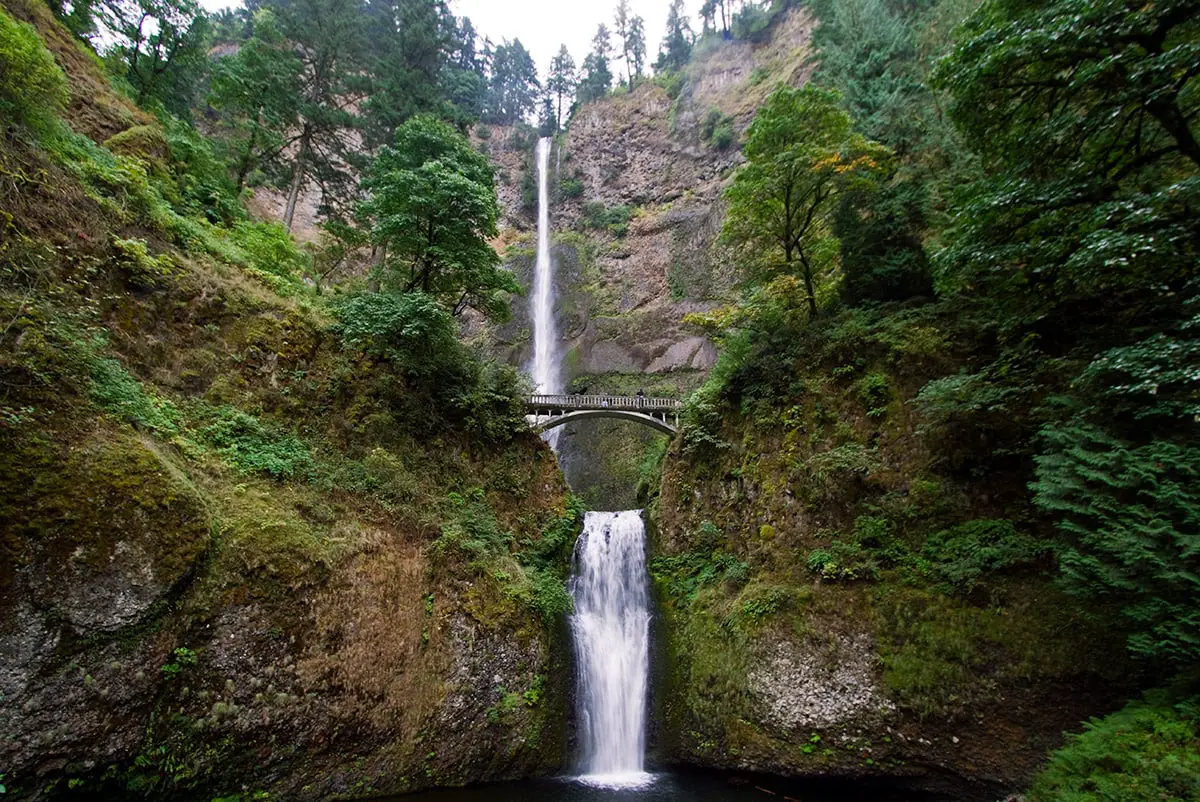
Many of the most impressive waterfalls of the world are located in glacier-shaped mountains, especially at the ends of hanging valleys: such waterfalls are located in Norway, the Alps, British Columbia (Canada), New Zealand, and elsewhere. Such waterfalls often have very high plunges or uninterrupted falls of water. For example, the tallest plunge of Yosemite Falls (California, United States) is 436 meters tall.
In the Guiana Highlands (South America) there are outstanding natural formations, the tepuis or table-top mountains, with extremely high abrupt sides. Here one can find the highest waterfall in the world the Angel Falls (Venezuela) which are 979 meters high. A major part of its height, 807 meters, constitutes one fantastic drop. In this area, there are several more of the highest free-falling falls in the world, such as Roraima Falls (610 m) and Kukenaam Falls (674 m), both of which are in Venezuela.
Criteria
Waterfalls and rapids are any sections of rivers where the elevation is changing more or less abruptly. This allows for wide interpretations. Sometimes there are attempts to represent 10 kilometers long rapids as a single waterfall.
The minimum size of a waterfall (especially – height) is subject to the local traditions of each separate country. A 2 metre high waterfall is considered to be an attractive curiosity in lowland countries, while, for example, in Norway such falls in general are not much noticed.
This website includes outstanding waterfalls and rapids of the world: each of them well exceeds the minimum requirements of a true waterfall.
Some statistics
No single waterfall is the largest waterfall in the world, because no waterfall is greater in all dimensions at once.
The highest falls in the world are the Angel Falls in Bolivar, Venezuela. 979 meters high, their tallest single drop is 807 meters.
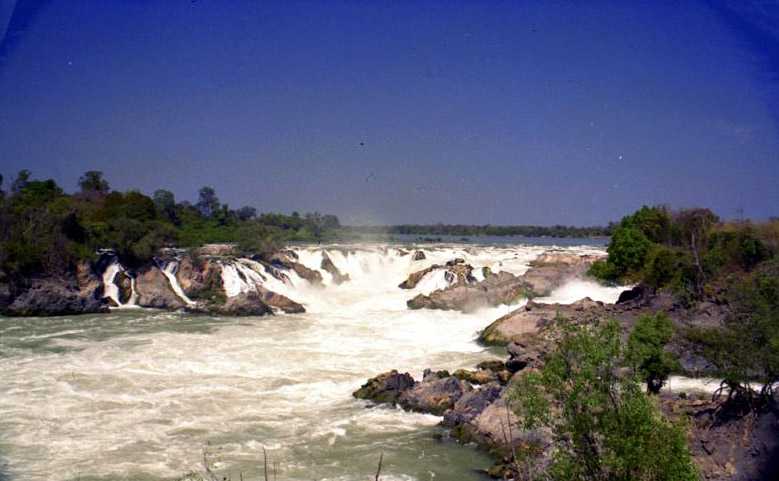
The widest falls in the world are the Khone Falls in Ban Hang Khone, Laos, where the Mekong River becomes 10.8 kilometers wide. Some data even gives a width of 14 kilometers to these falls.
The most powerful falls in the world are most likely the Inga Falls in Bas-Congo, Congo, but these are actually rapids. Before reaching its mouth the enormous Congo River leaps over 32 large rapids – Livingstone Falls and the largest ones of these are Inga Falls. River near these falls exceeds a depth of 230 m.
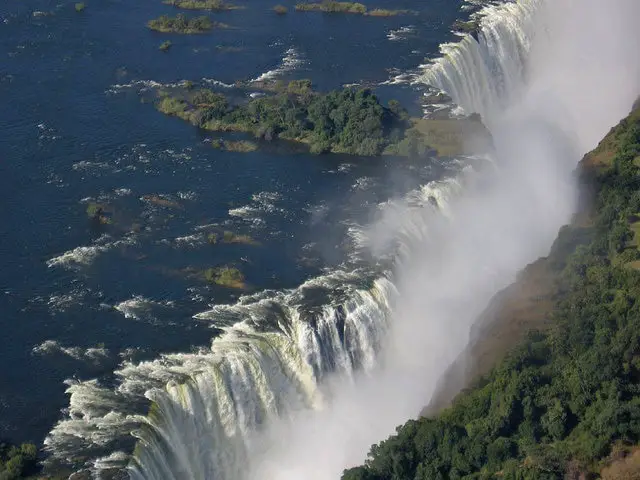
The largest curtain of falling water is created by Victoria Falls in Zambia/ Zimbabwe. The falls are 80 – 108 meters high and approximately 1708 – 1737 meters wide the area of the water curtain covering up to 55 ha.
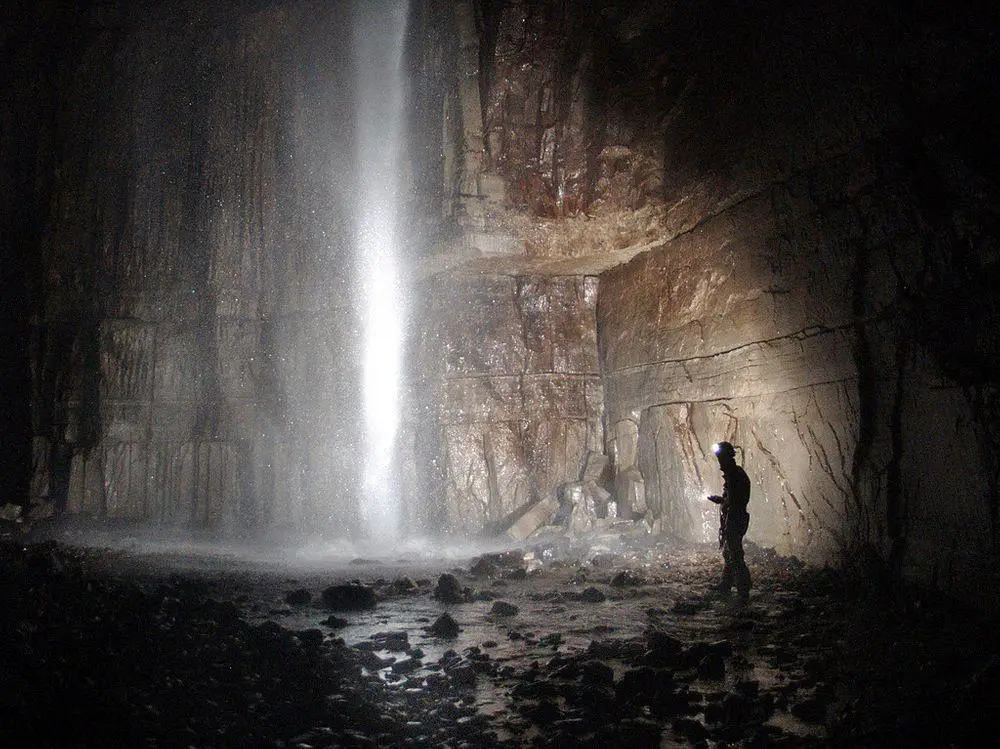
Very tall underground waterfall is the Gaping Ghyll in Yorkshire, United Kingdom. This fall of the Fell Beck stream is 105 – 110 meters high. But in Vrtiglavica cave (Slovenian Littoral, Slovenia) is approximately 400 – 440 m tall waterfall!
Wondermondo has the following articles about waterfalls:
 Top 25 waterfalls
Africa
Victoria Falls (Mosi-oa-Tunya)
Zambia, Zimbabwe
World’s largest curtain of falling water, 1,708 meters wide and 108 meters high waterfall. One of the most impressive natural sights in the world.
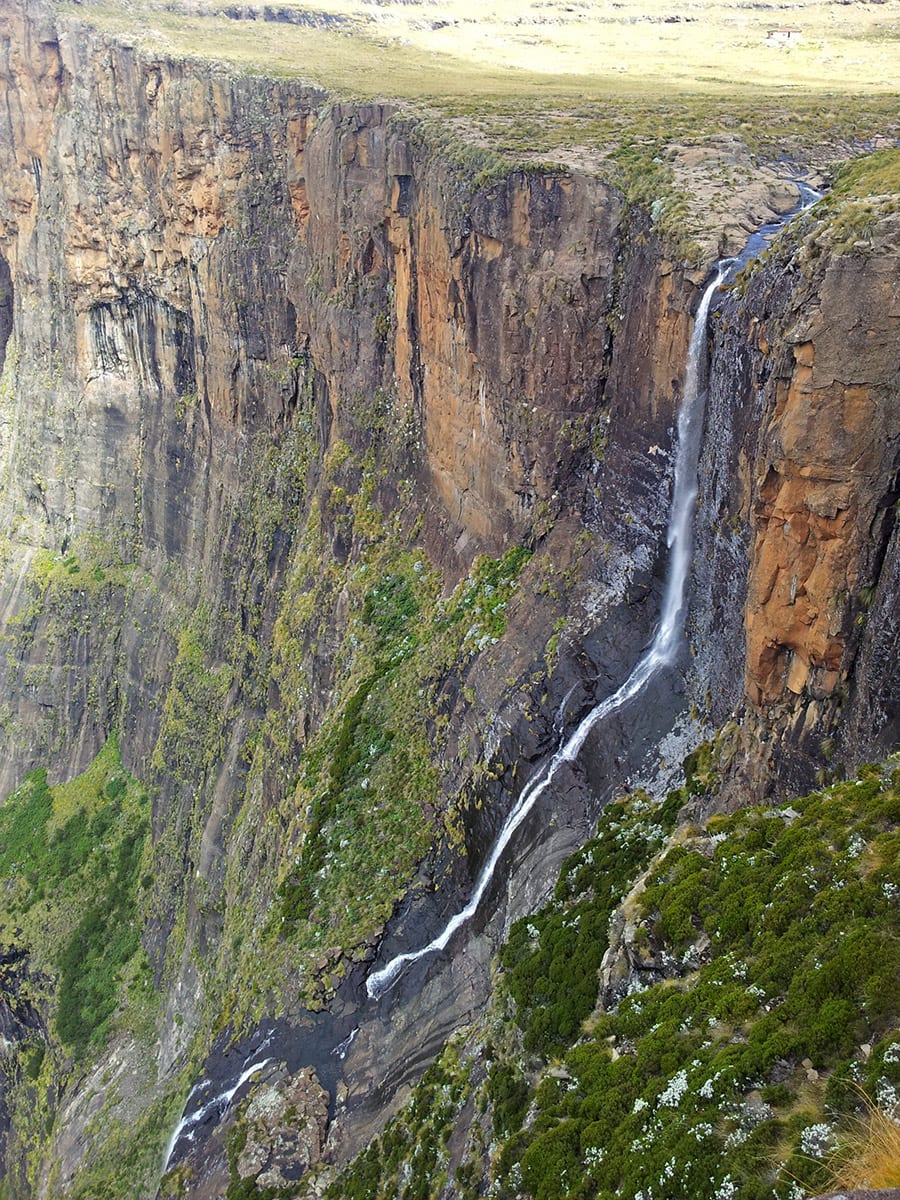
Tugela Falls
South Africa
The second tallest waterfall in the world. Total height of 948 meters and the largest single drop of 411 meters, and a river width of 3-15 meters.
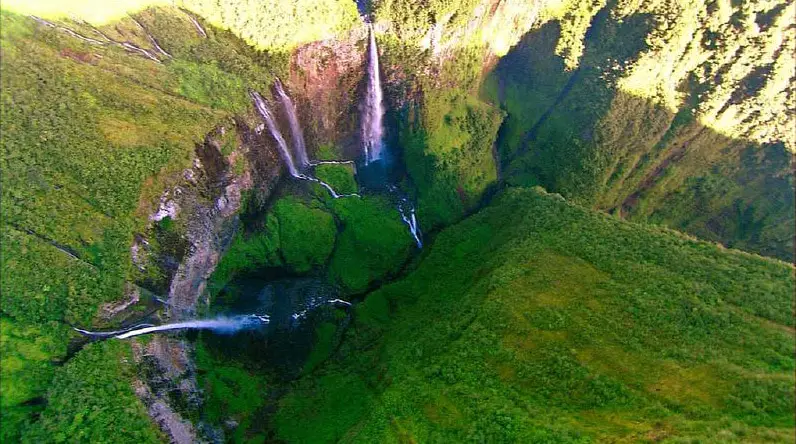
Trou de Fer canyon and waterfalls
Réunion (France)
Several cascades of streams in Trou de Fer – one of the most magnificent slot canyons in the world. The total height of Bras de Caverne Falls is 725 m, the first step is 210 m high (mostly dry), the next – 180 m high, and the third – 300 m, several smaller steps in between. There are six more very tall waterfalls in the canyon. Lower Bras Mazerin fall is 270 m tall.
Antarctica and Subantarctic islands
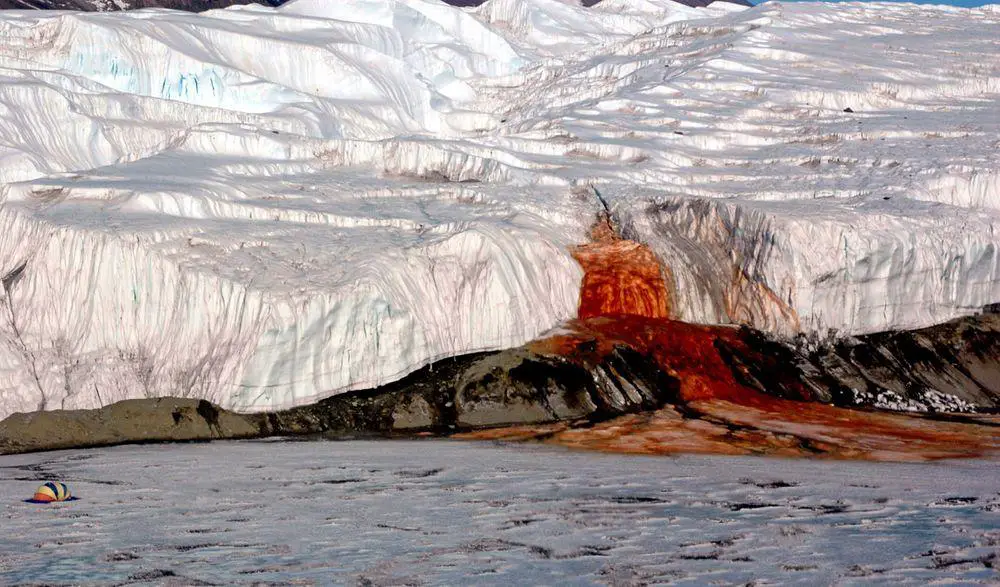
Blood Falls
Antarctica
Unusual natural feature – an outflow of hypersaline water, seeping through the ice, tainted with iron oxides in blood color. This approximately 15 m tall fall provides insight into a unique ecosystem that has been isolated from the outside world for 1.5 million years.
Asia
Jiuzhai Valley (Jiuzhaigou)
China
Valley with impressive tufa formations – terraces, waterfalls, and deep blue-green lakes. Includes the impressive, 40 m tall and 162.5 m wide Pearl Shoal Waterfall and beautiful, 20 m tall and 320 m wide Nuorilang Falls that are also falling over tufa formations. Here are also Shu Zheng Lakes – 19 lakes divided by tufa walls and Nuorilang Lakes – a group of 18 such dammed lakes. Especially beautiful is Fairy Pool – a group of impressive tufa terraces.
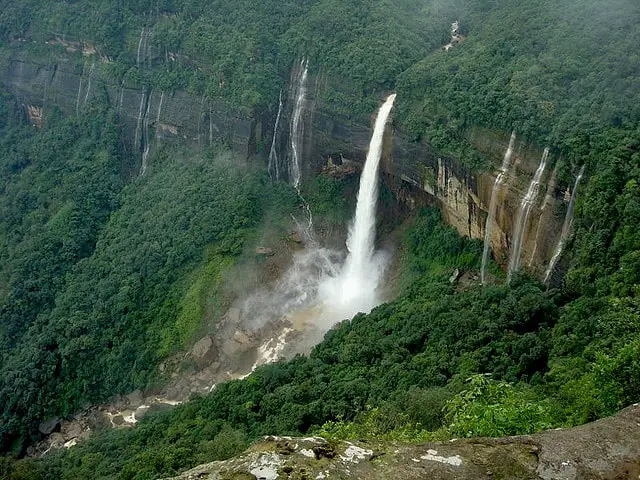
Nohkalikai Falls
India
This is a beautiful 335 meters high plunge over a giant, overhanging cliff, almost directly into a lake.
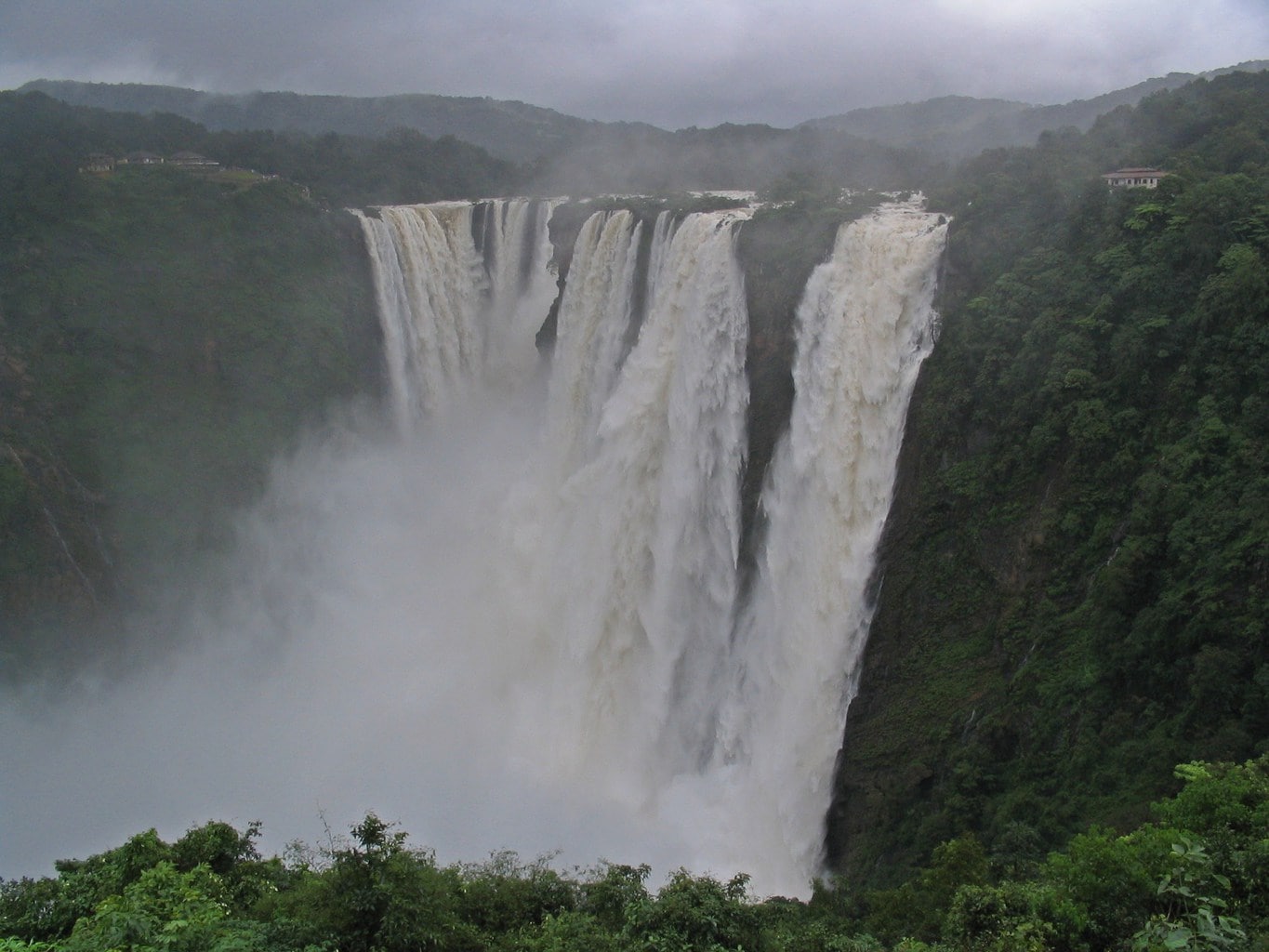
Jog Falls (Gersoppa Falls)
India
The most impressive waterfall in India – Sharavati River here falls 253 meters. The width of the waterfall reaches 580 m during the monsoons – then it is one of the world’s most impressive waterfalls.
Europe
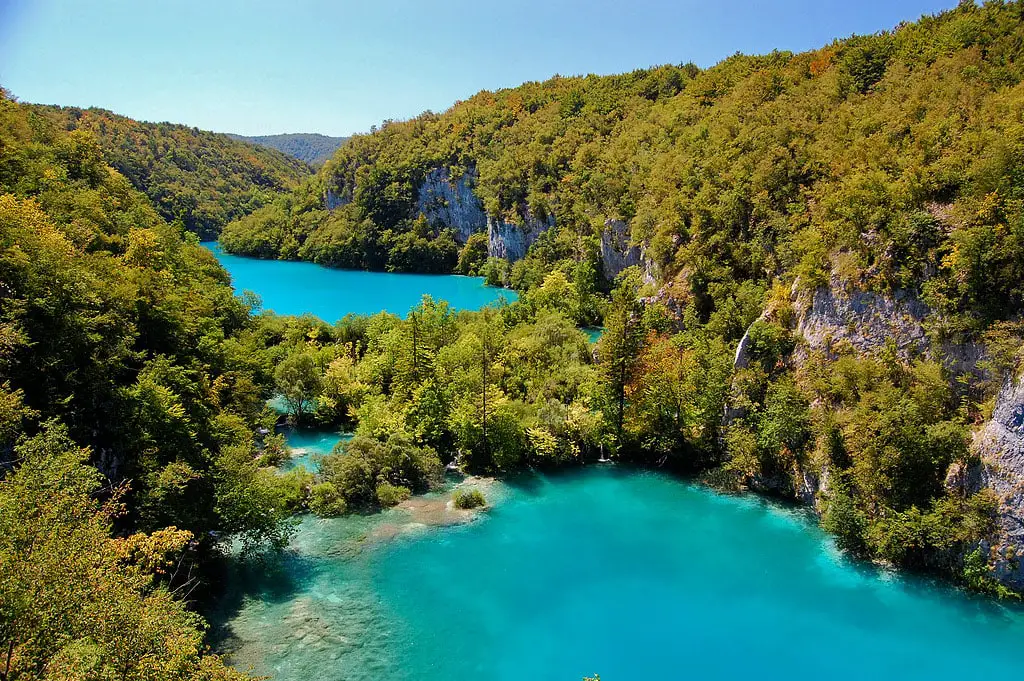
Plitvice Lakes
Croatia
A unique, picturesque group of some 20 blue-green lakes arranged in a chain over the distance of 8 km, divided by natural dams of tufa. The tufa formation process is active, it forms by joint geological and biological processes. The stream between the lakes has multiple waterfalls, some up to 80 m tall.
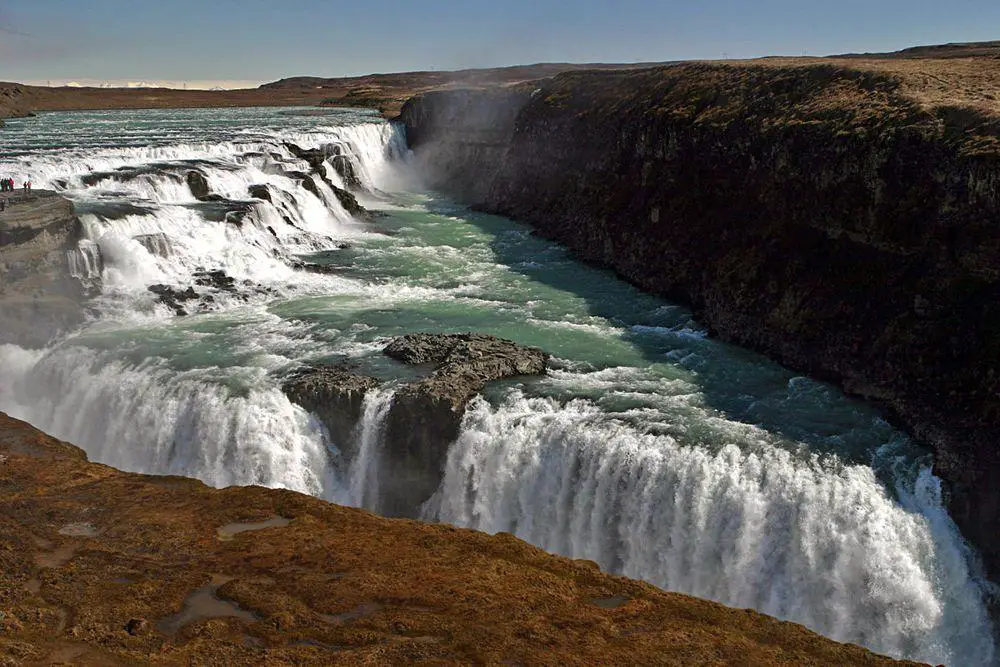
Gullfoss
Iceland
One of the most spectacular waterfalls in Iceland and worldwide. Consists of two steps (11 m and 21 m tall), located at a right angle to each other.
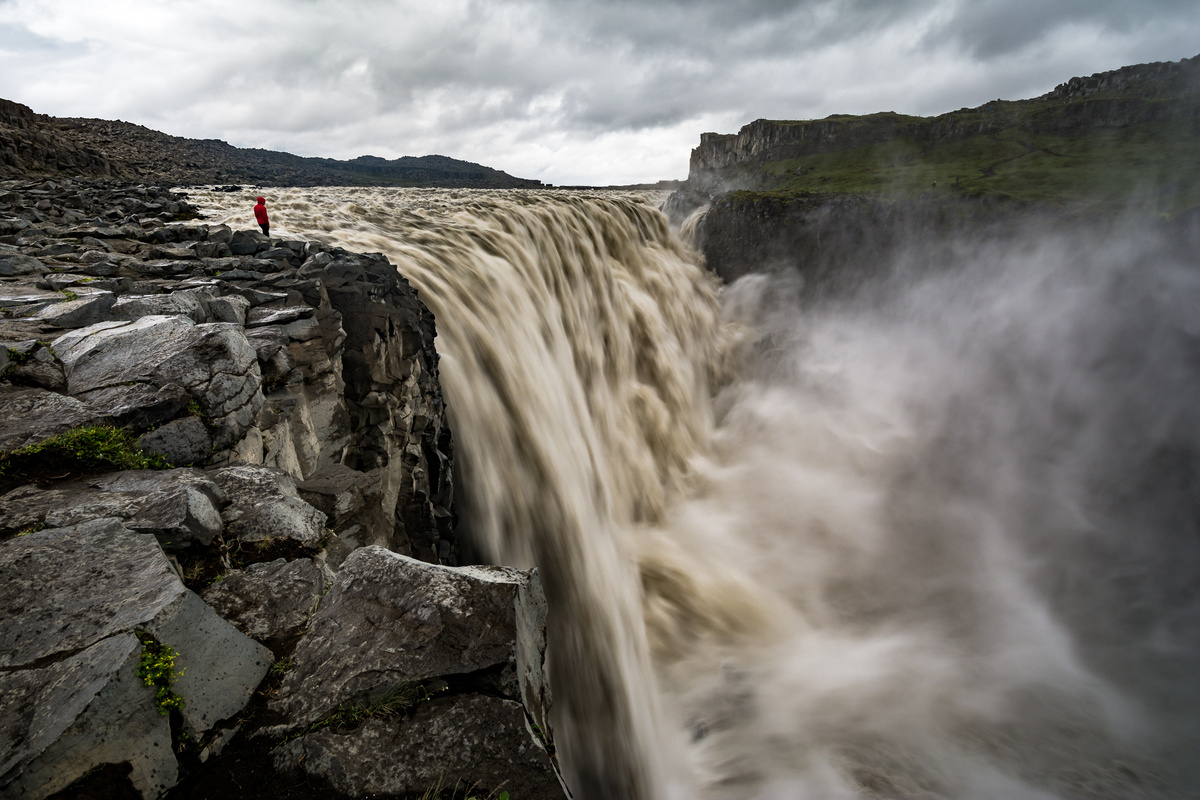
Dettifoss
Iceland
Magnificent waterfall, considered to be the most powerful in Europe. Falls are 45 m tall, and 100 m wide, with a single plunge. Average water flow – 193 m²/s. A bit upstream there is another giant waterfall – Selfoss. This waterfall is 11 m high, but it is very wide – the stream has shaped a long V-shaped cliff and water is falling down along more than 500 m long cliffs. Downstream from Dettifoss is Hafragilsfoss – 27 m tall and 91 m wide.
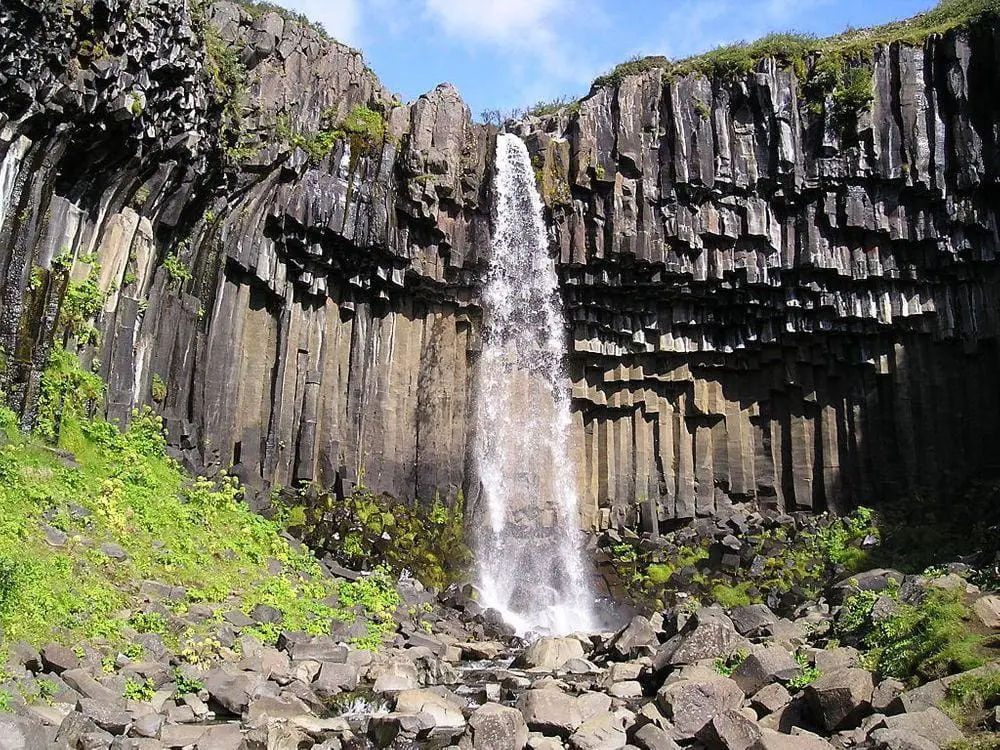
Svartifoss
Iceland
Unique waterfall – free falling, more than 20 m tall plunge in a valley adorned with basalt columns.
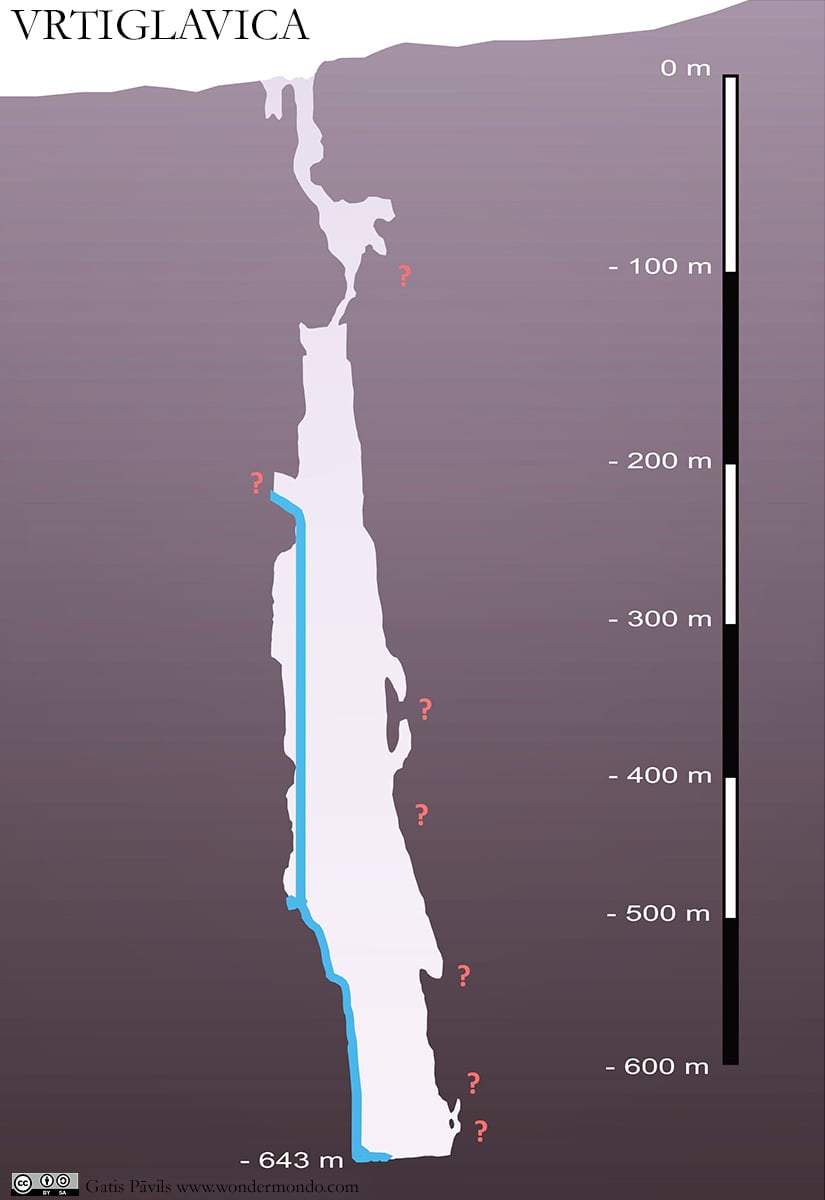
Vrtiglavica
Slovenia
643 m deep cave that contains the deepest pitch (single vertical drop) in the world (603 meters). 400 – 440 m tall waterfall inside. Possibly the tallest underground waterfall in the world.
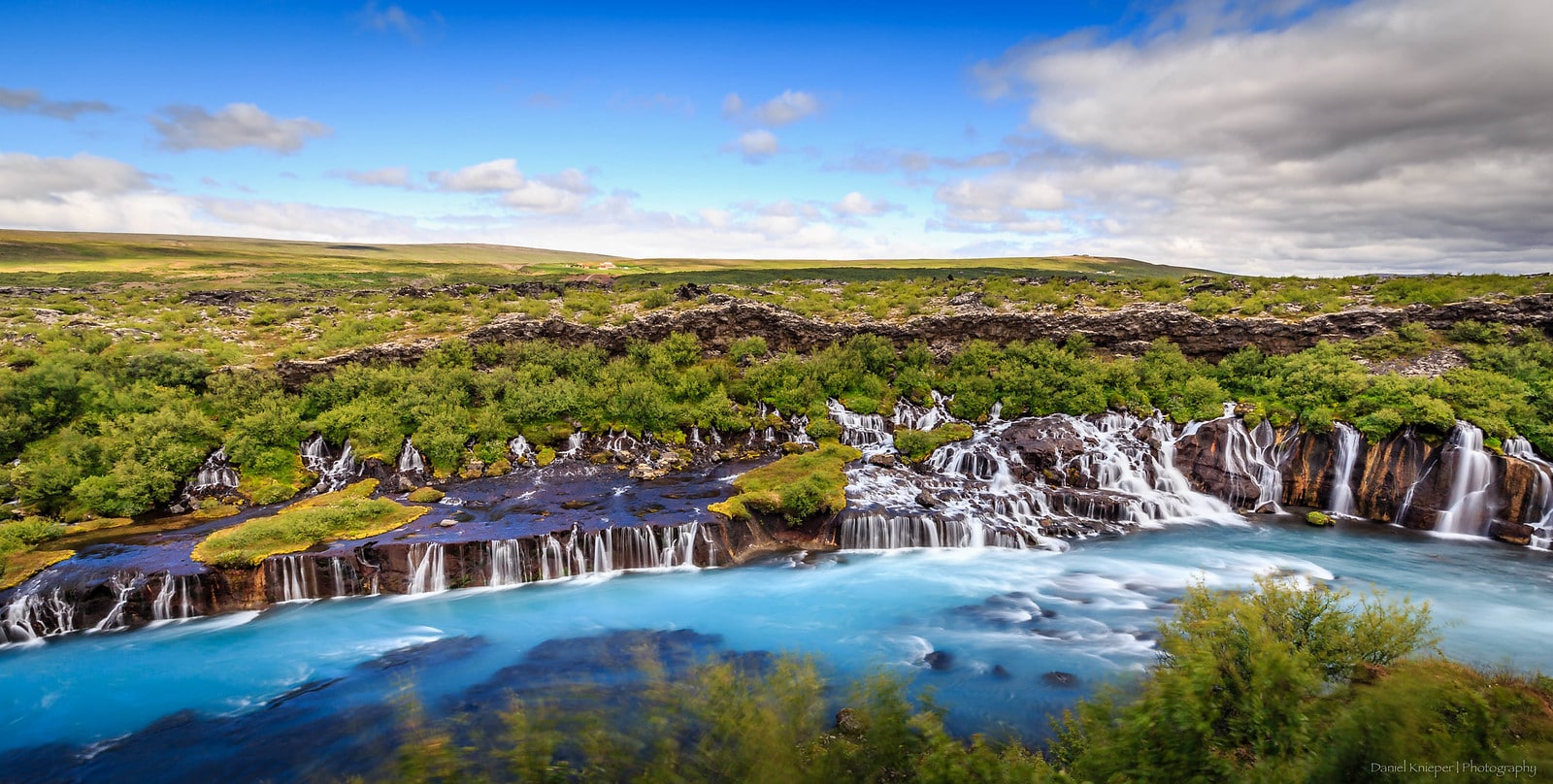
Hraunfossar
Iceland
A very unusual, 900 meters wide waterfall. It emerges from under a lava field and falls directly into the Hvítá river.
North America
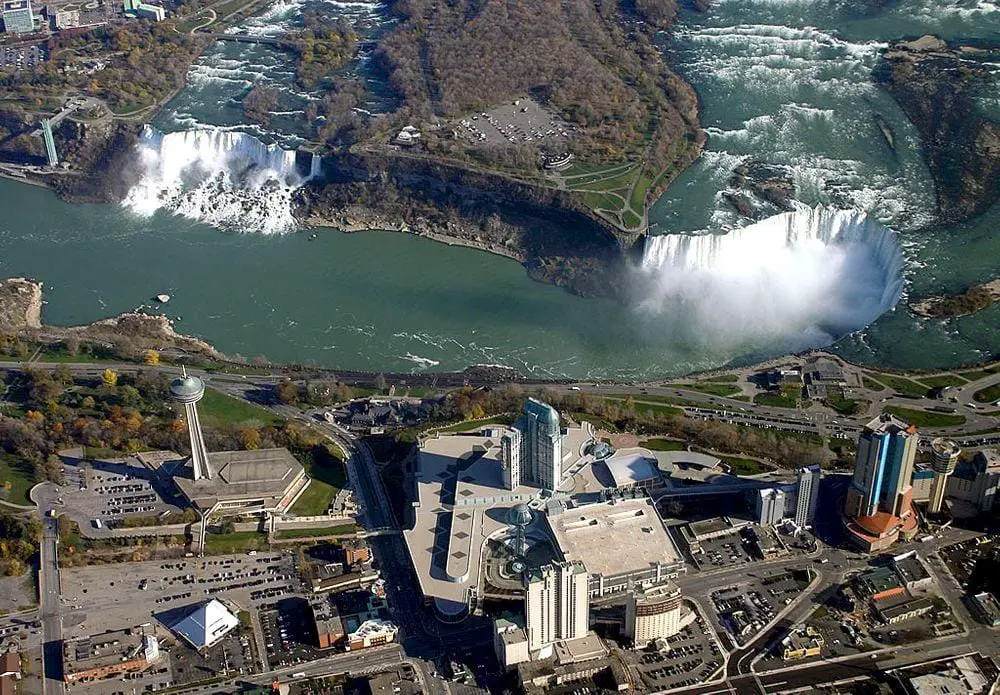
Niagara Falls
Canada, United States
The most popular waterfall in the world is 51 meters high and 1203 meters wide. The shape of the waterfall and its proportions have become somewhat synonymous with the word “waterfall”.
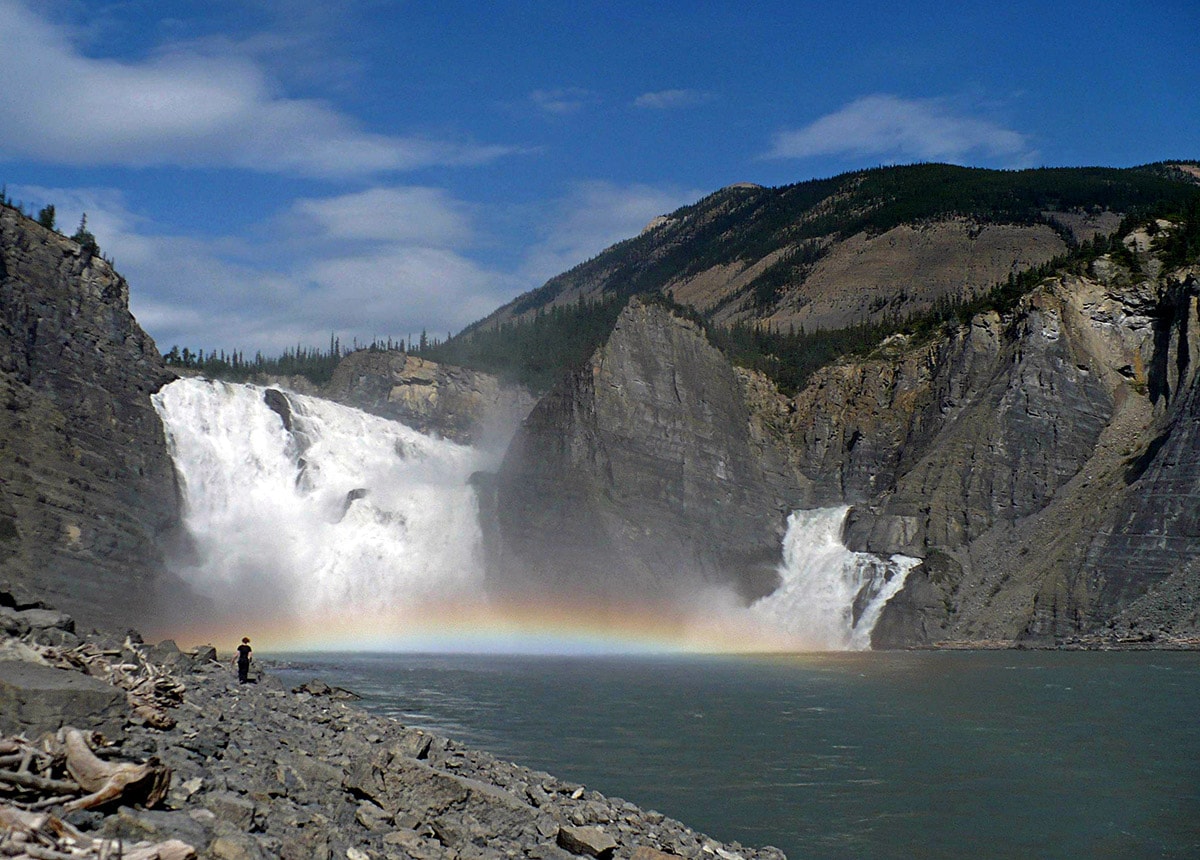
Virginia Falls (Naili Cho)
Canada
Last primeval large waterfall in North America. Here the powerful South Nahanni falls 90 meters, the width of the falls reaches 259 m. Some 120 m tall spire of rock – Mason’s Rock – stands in the middle of the falls.
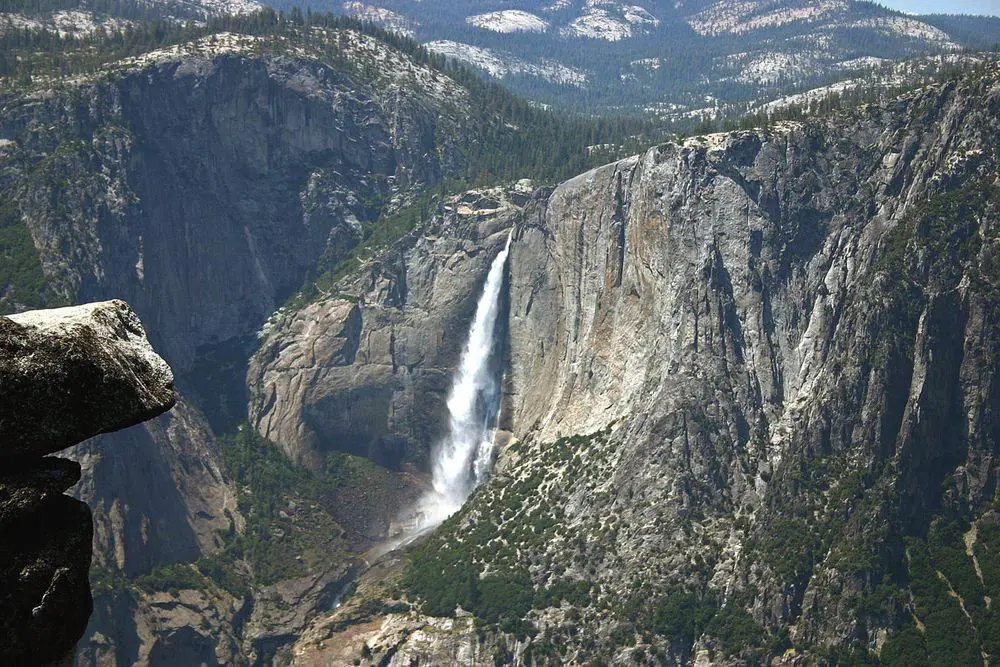
Yosemite Falls
United States
These falls are 739 meters high, have 7 drops, and are some 28 meters wide. One of the most visited waterfalls in the world. The tallest plunge is 436 m tall.
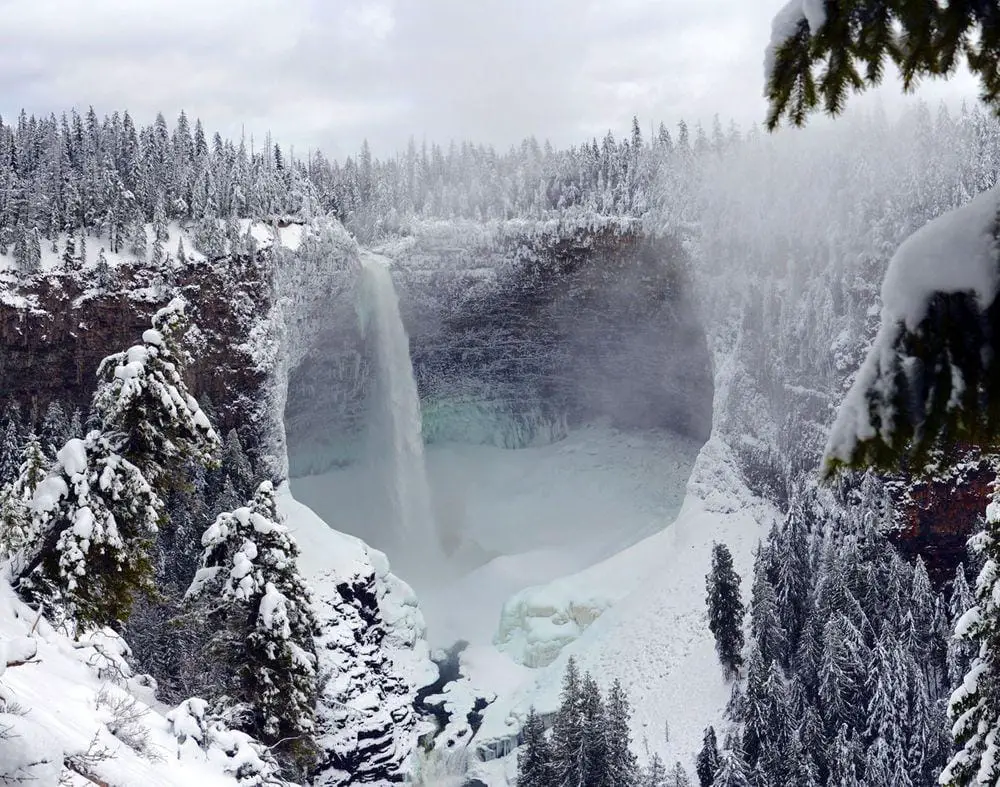
Helmcken Falls
Canada
Beautiful, powerful waterfall with a 141 m high vertical plunge. Average width – 15 meters.
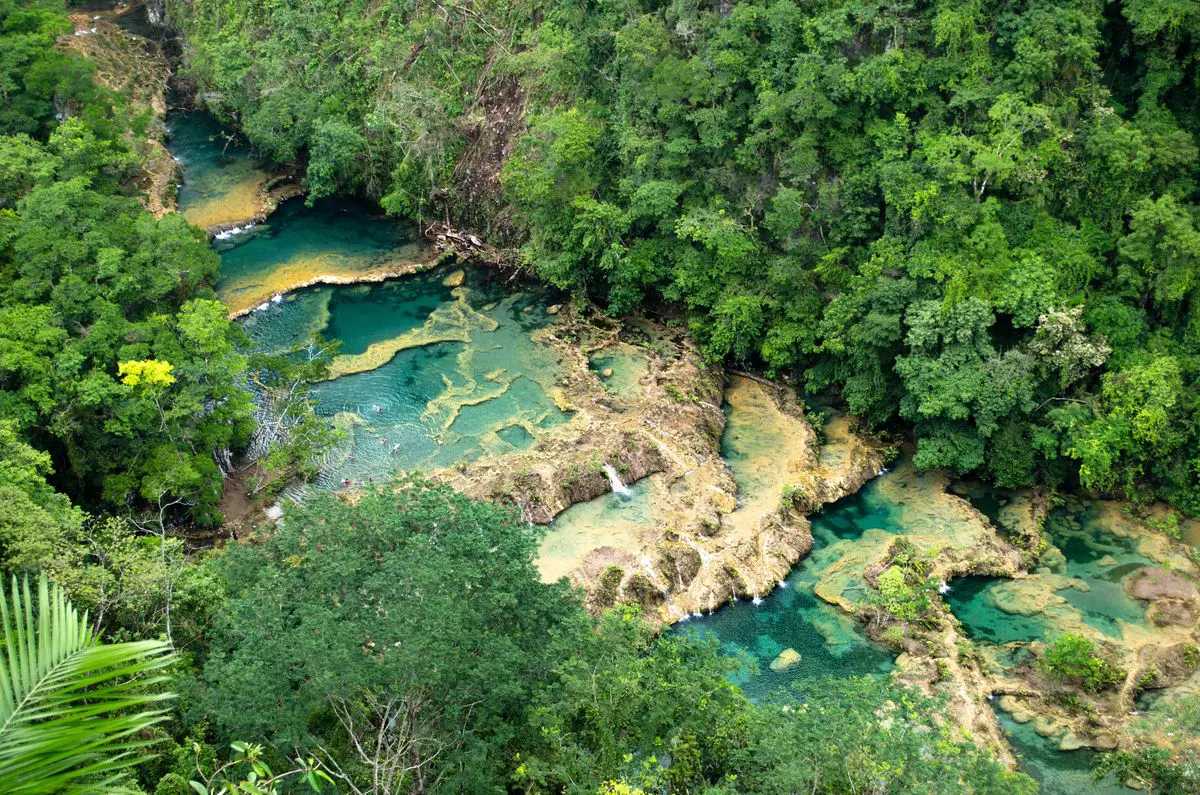
Semuc Champey
Guatemala
Tufa terraces over a 300 m long section of Cahabòn River, forming a group of small, emerald-colored pools. These pools are in a deep, dangerous canyon and end with a cave, where the river disappears.
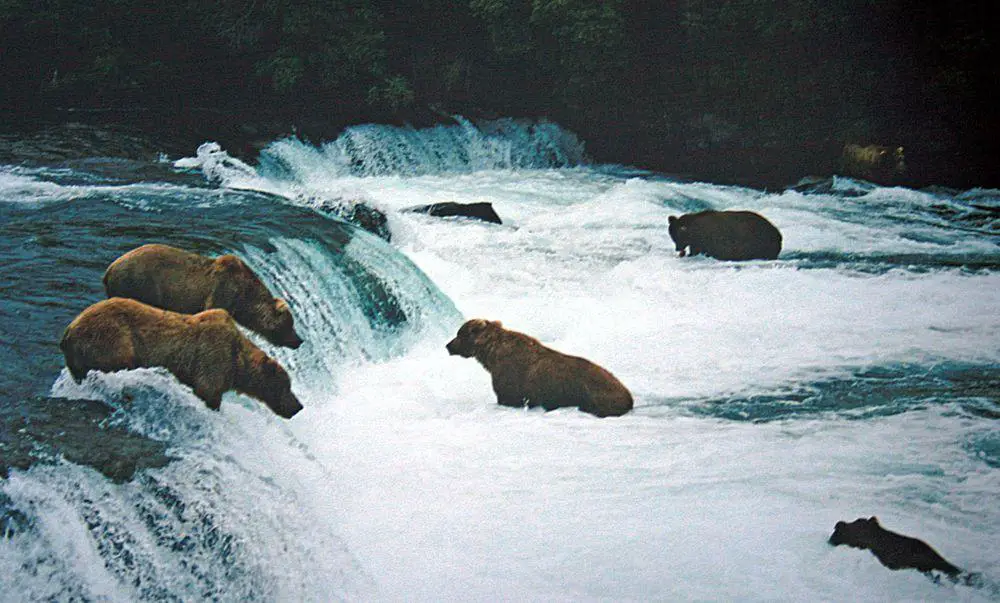
Brooks Falls
United States
Some 1.8-2 m tall and approximately 80 – 100 m wide waterfall that is world-famous thanks to a large group of brown bears catching salmon and other fish. Sometimes up to 50 bears can be seen on this waterfall.
South America
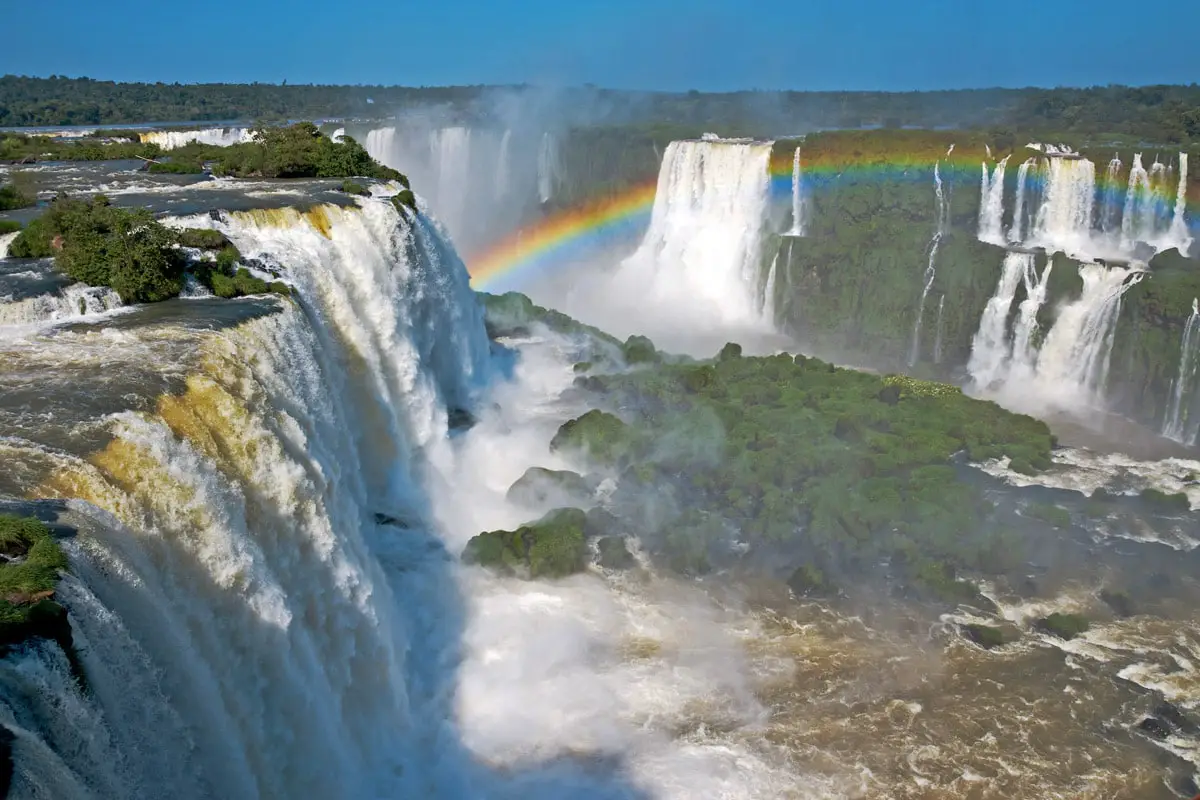
Iguazu Falls (Salto de Iguaçu)
Argentina, Brazil
One of the most enormous and impressive waterfalls in the world, they are "only" 82 meters tall, but 2,700 meters wide.
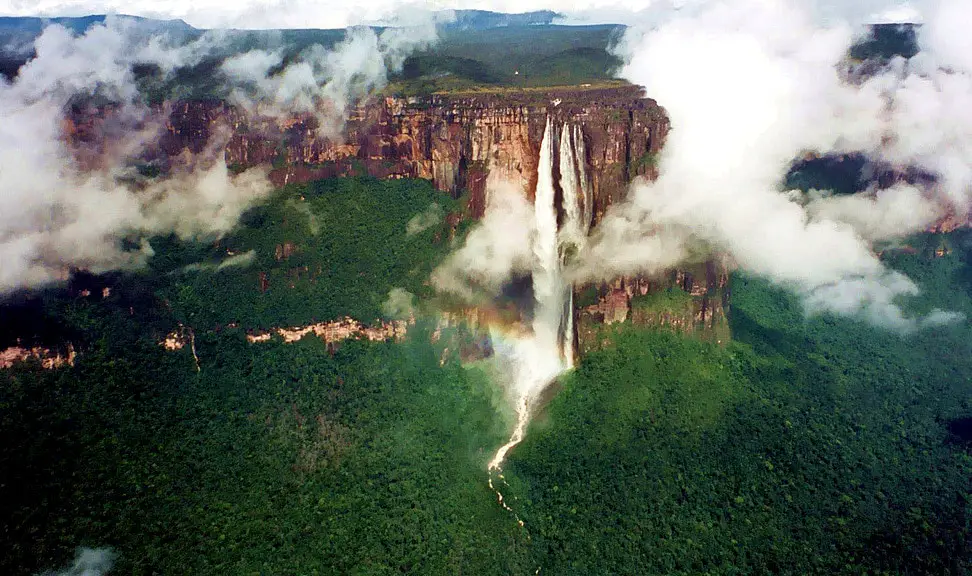
Angel Falls
Venezuela
This is the tallest and one of the most spectacular waterfalls in the world, with a total height of 979 meters. It has the highest single drop (807 meters) in the world.
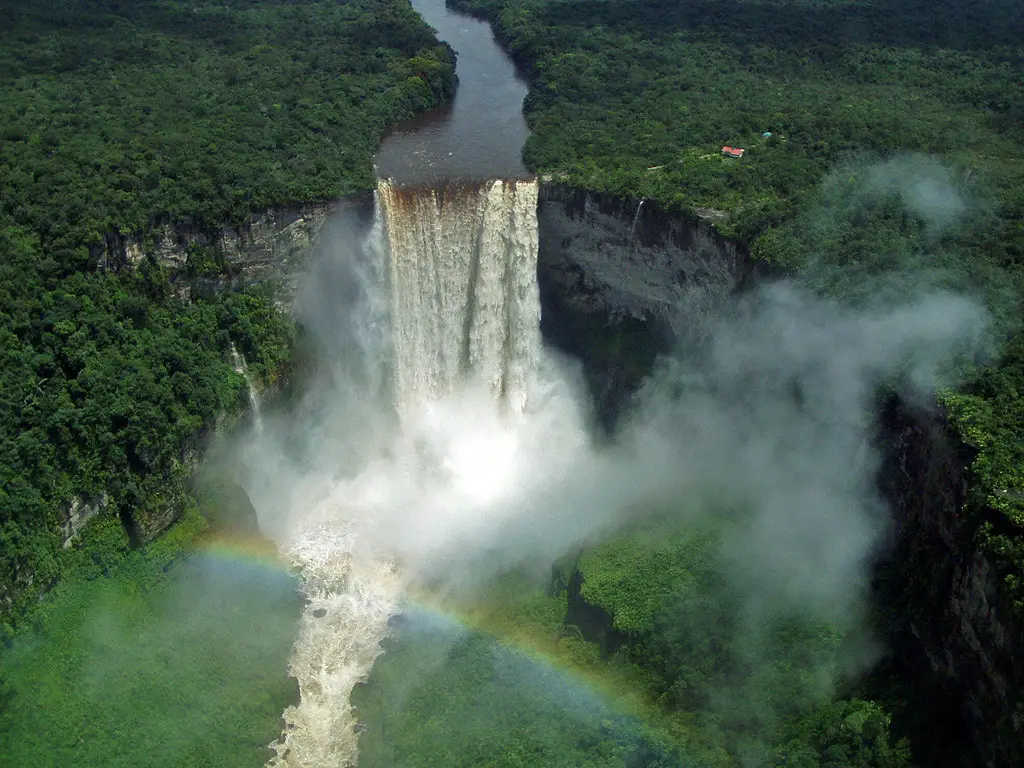
Kaieteur Falls
Guyana
One of the most spectacular and powerful waterfalls in the world, combining a very high volume of water and a large height of fall. 226 m high free fall on Potaro River, total height – 251 m, volume up to 660 cubic meters per second.
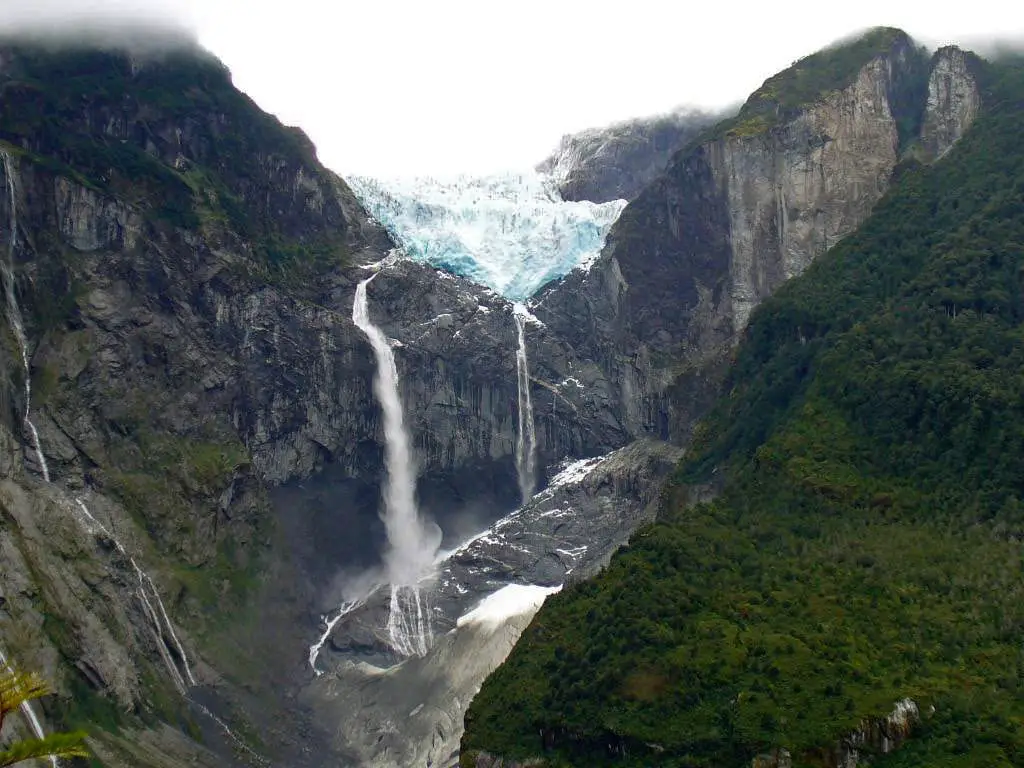
Ventisquero Colgante Falls
Chile
One of the highest waterfalls in Chile and possibly – one of the most beautiful waterfalls worldwide. The water originates from the base of Ventisquero Colgante glacier and falls more than 350 m high with a single plunge. This is a rare sight: above this giant waterfall towers a wall of blue glaciers.
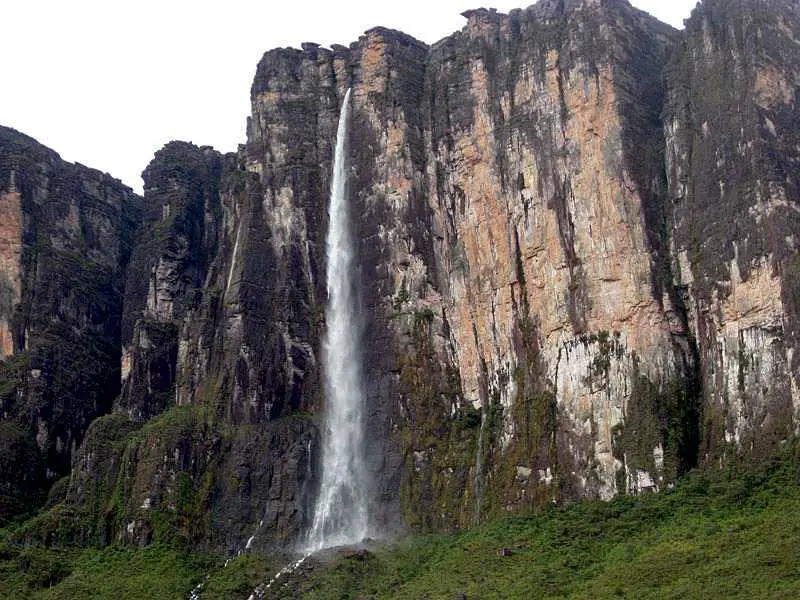
Kukenaam Falls (Cuquenan Falls)
Venezuela
With 674 meters in height and 61 meters in width plunging from the rim of a tepui, this fall is similar in many respects to the world’s tallest waterfall – Angel Falls.
Recommended books
Waterfalls and Rapids


An examination of waterfalls and rapids, and how they shape the earth. There are photographs capturing the dramatic forces of nature and the text is non-scientific and filled with facts.
Waterfall: Nature and Culture


While waterfalls have often been considered in terms of their picturesque qualities, their rich cultural background has been neglected. In Waterfall, Brian Hudson portrays these marvels in a new light. He explores the many myths and legends waterfalls have inspired in cultures ranging from Native American to Celtic and Indian, and how they have been depicted in art, literature, film, and music.