
Wondermondo 🢖 World 🢖 Wonders of Australia and Oceania 🢖 Wonders of Polynesia 🢖 Wonders of the United States 🢖 Wonders of Hawaii
Territory
Wonders of Hawaii
 Highlights
The Hawaiian Islands belong to the most remote islands in the world. Hawaii is characterized by a tropical climate, mountainous relief, volcanism, and isolation. If compared to most islands in the Pacific, several Hawaiian Islands have comparatively large landmass. All these factors have led to the development of numerous impressive and unique natural attractions and some impressive monuments of culture.
Islands of Hawaii
Hawaiian Islands are a state of the United States. This state here is divided in 8 main islands and Northwestern Hawaiian Islands:
- Hawai’i
- Kaho’olawe
- Kaua’i
- Lāna’i
- Maui
- Molokai
- Ni’ihau
- Northwestern Hawaiian Islands
- O’ahu
Among the Northwestern Hawaiian Islands is located Midway Atoll which is not a part of Hawaii state and in this site is reviewed separately.
Map with the described wonders
If you see this after your page is loaded completely, leafletJS files are missing.
 Top 25 wonders of Hawaii
Geological wonders
Mauna Loa
Hawai’i
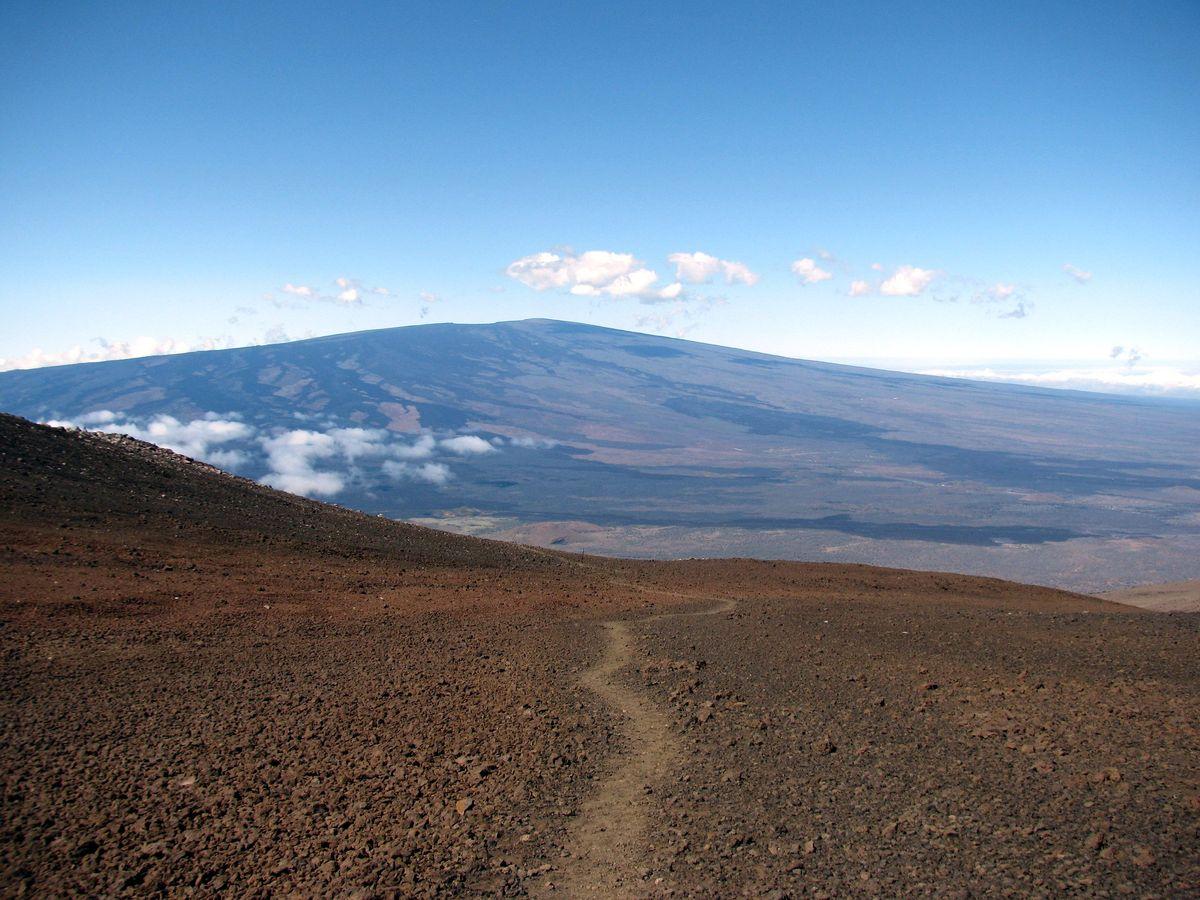
Volcano with the largest area in the world among the volcanoes that are above sea level. It rises 4 169 m above sea level and 9 170 m above its base.
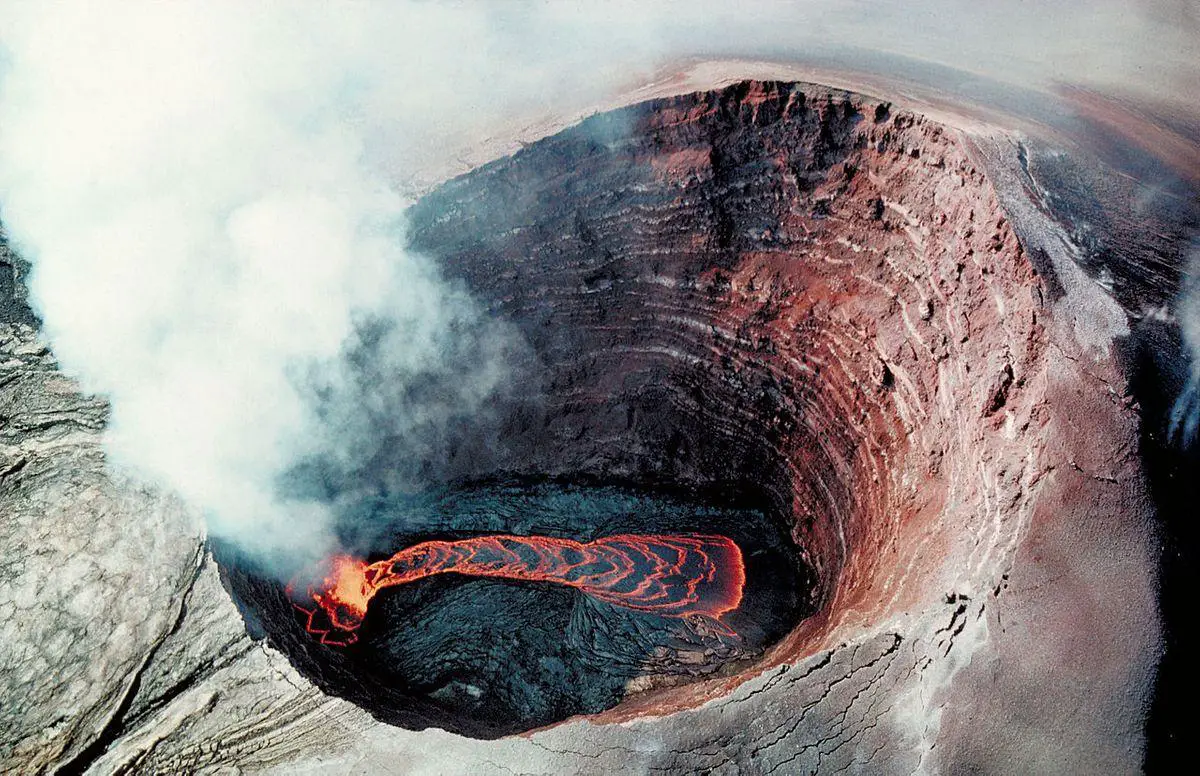
Halemaumau Crater with lava lake, Kilauea
Hawai’i
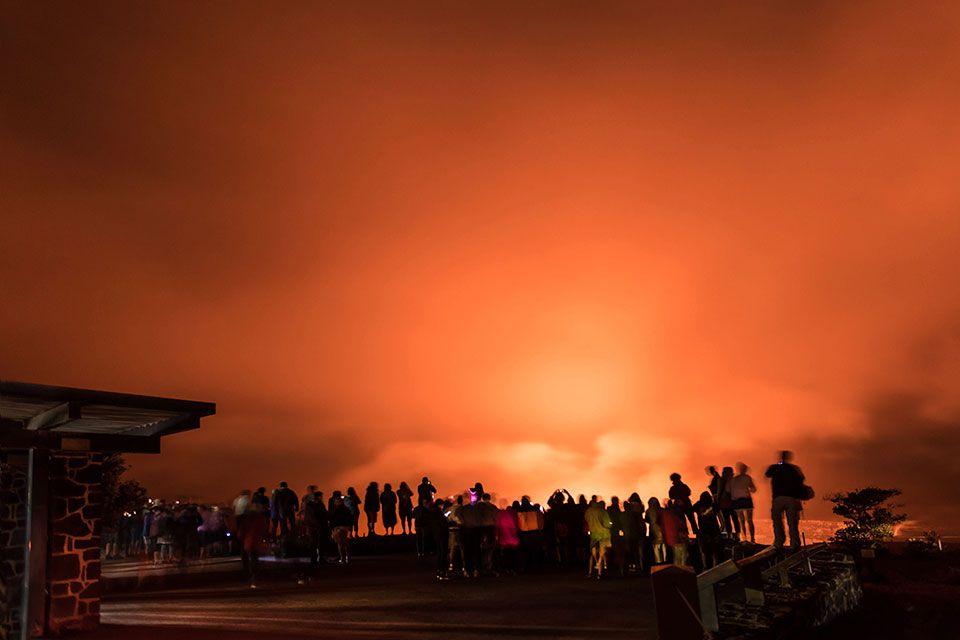
The most active volcano in the world could be Kilauea in Hawaii. The caldera of this volcano contains Halemaumau Crater, which until 2018 had a lava lake.
Makauwahi Cave
Kaua’i
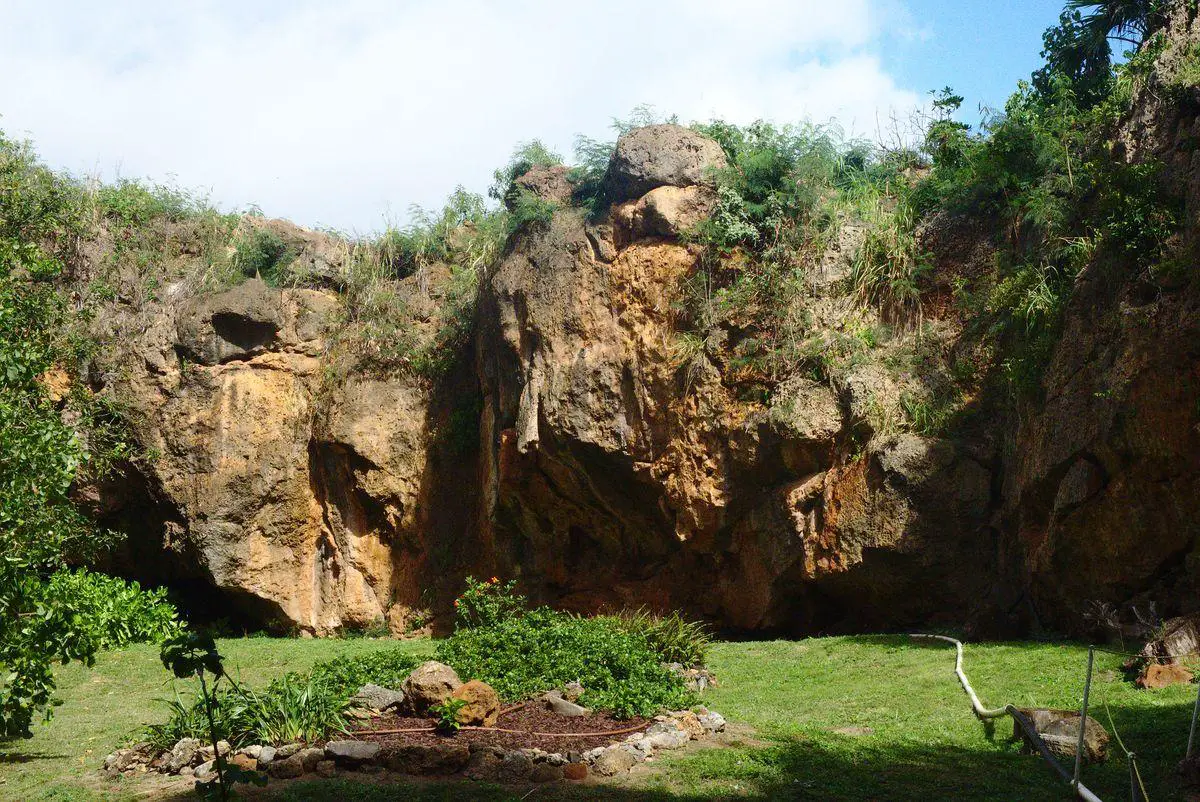
The largest limestone cave in Hawaii, and the richest fossil finds in the Pacific. Graveyard of ancient Hawaiians. The cave contains a sinkhole with a lake. This lake contains a 10,000 years-long history of sedimentation thus providing a very detailed and precise timeline of the natural evolution in Hawai’i. Here have been found remnants of numerous species of extinct birds.
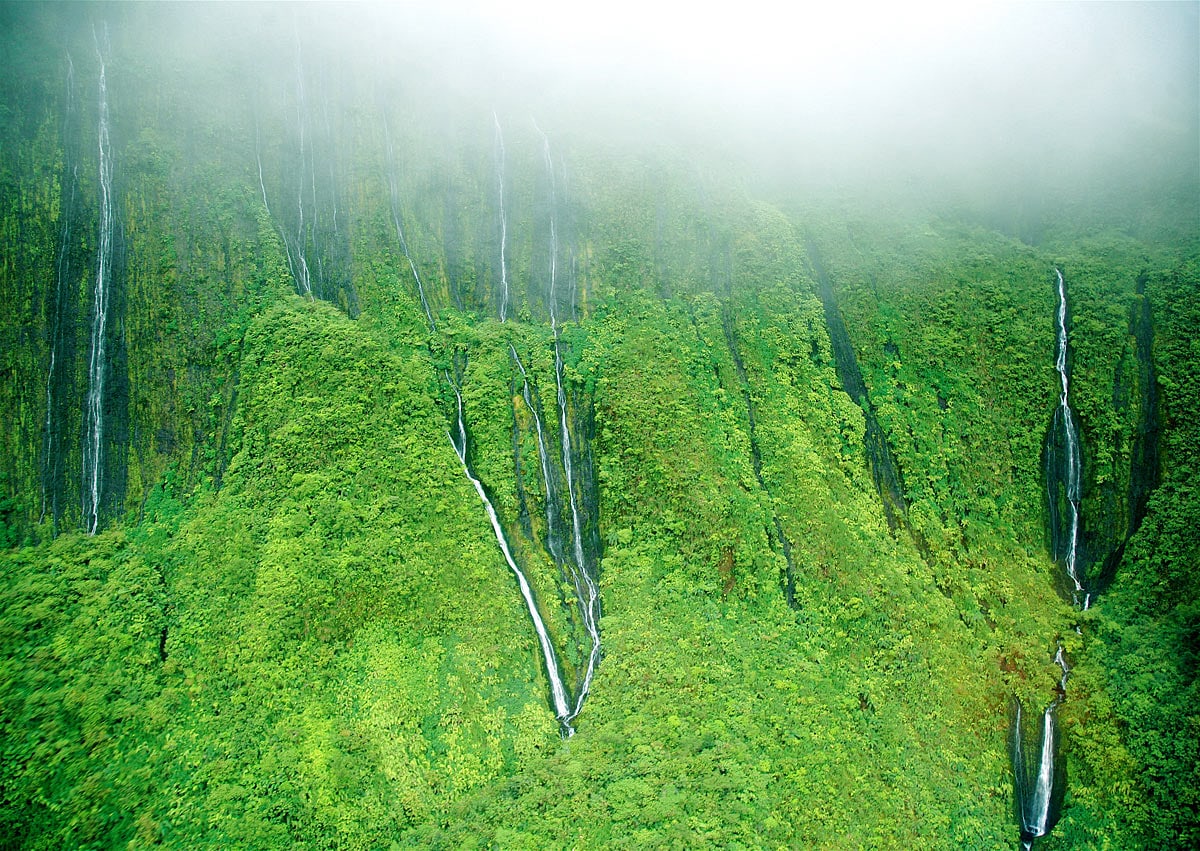
Wall of Tears, Maui
Maui
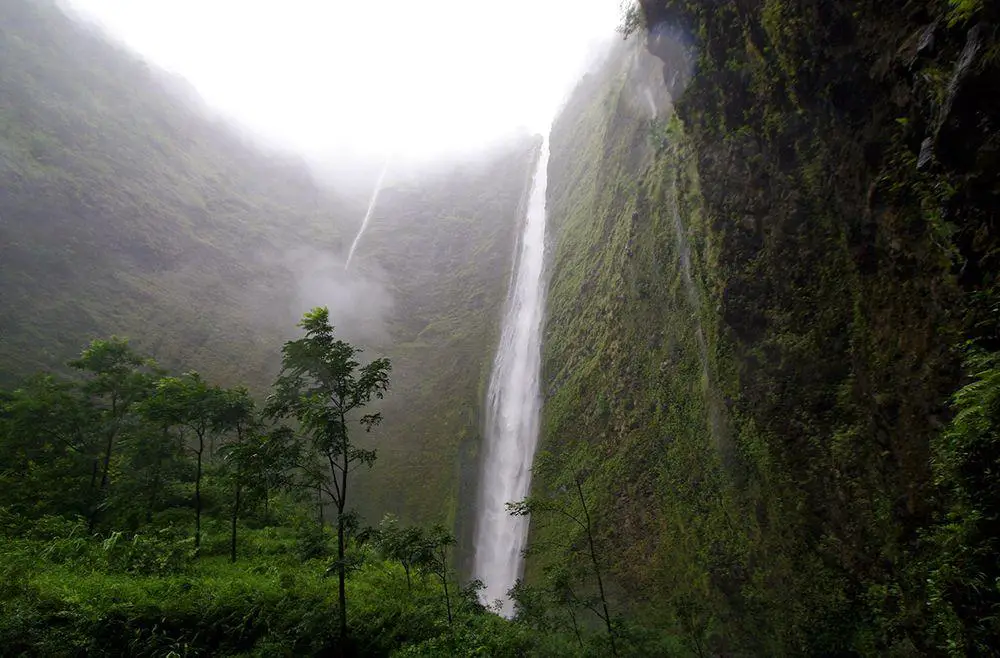
Group of some 17 very tall (up to 480 m) waterfalls in a gorgeous, very impressive landscape. Waterfalls are falling down from one of the wettest places on Earth.
Mount Waialeale
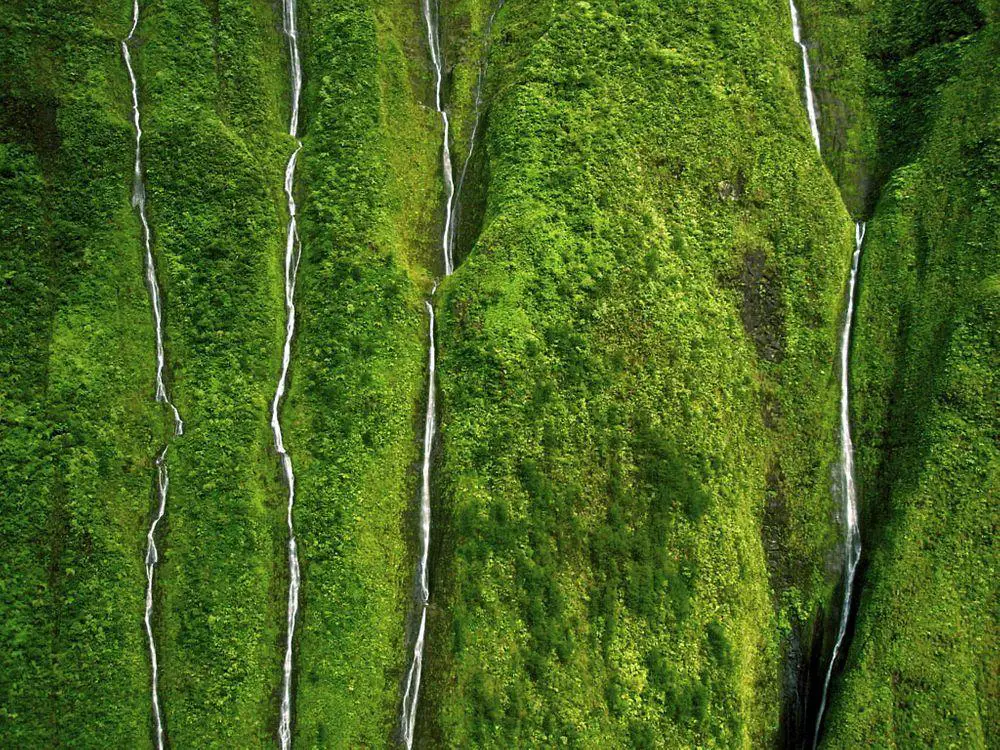
Kaua’i
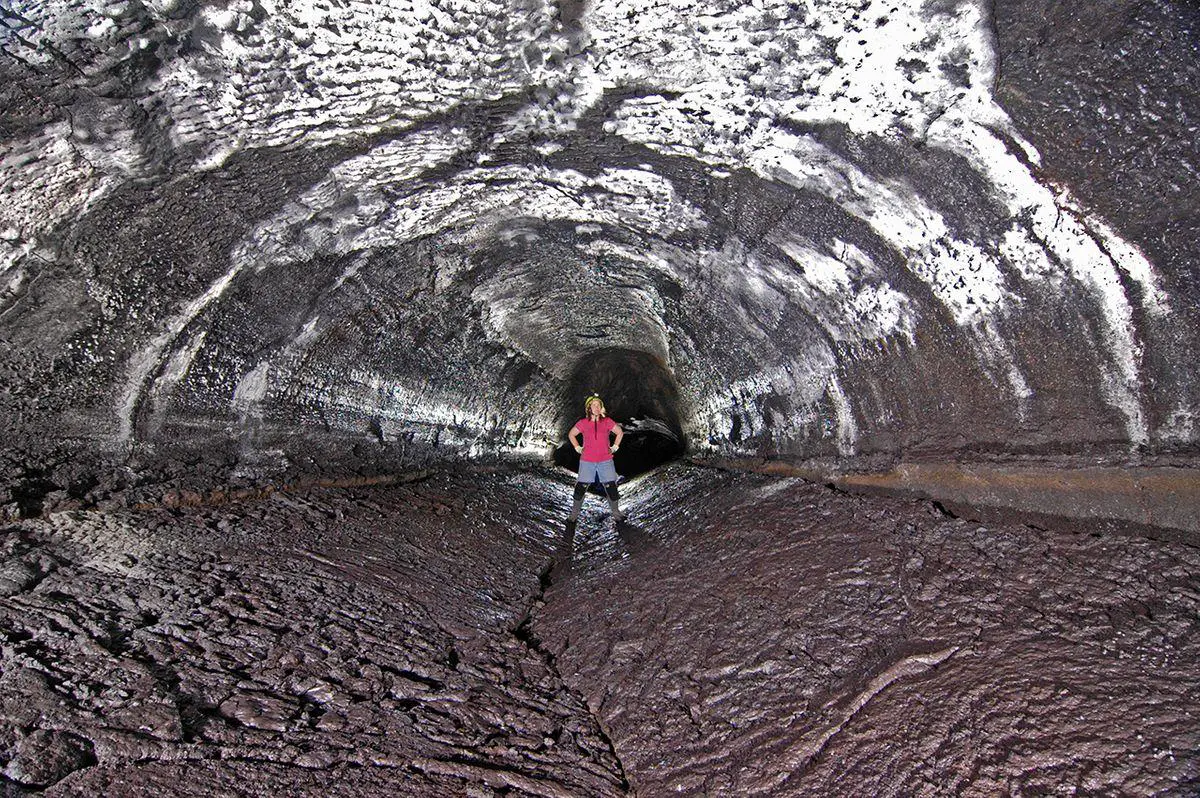
One of the wettest places on Earth with an average rainfall of 9,500 mm. Here has formed a swampy biotope with numerous unique species. Numerous waterfalls – Wai’ale’ale Falls – are falling along the 600 m high wall of the crater. There is a wetter place in Hawaii – Big Bog in Maui.
Mauna Kea
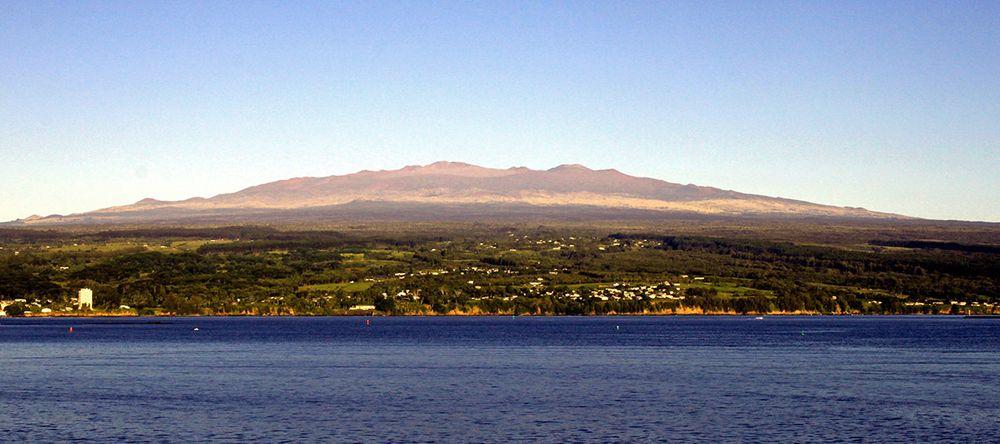
Hawai’i
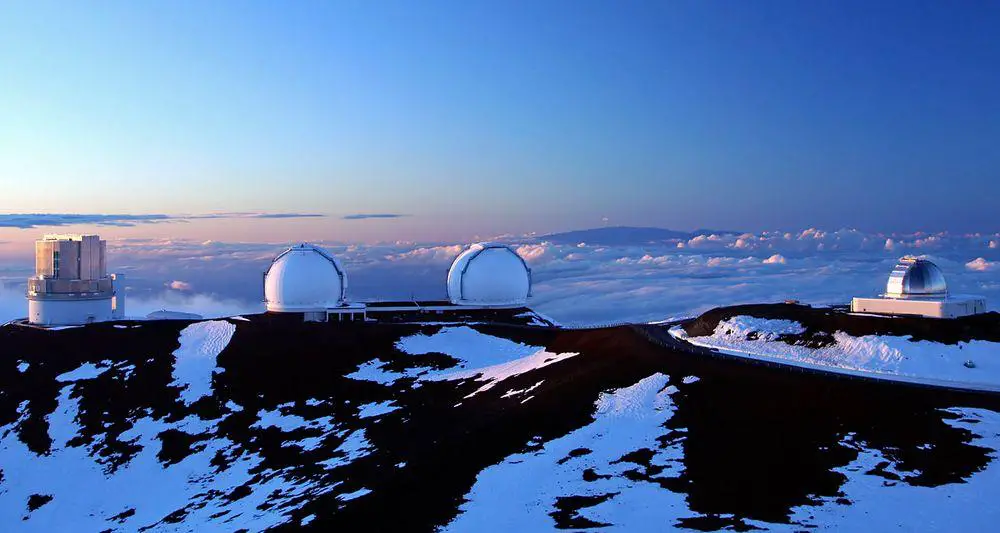
One of the highest mountains in the world if measured from its underwater base – 10,203 m high. It rises to 4,207 m above sea level. Due to the dry and stable air above the volcano, it is one of the best places in the world for astronomical observation.
Pelekunu – Wailau Cliffs
Molokai
Some of the highest sea cliffs, up to 1,010 m high. The drop is not vertical. Contain some waterfalls that thus belong to the highest ones in the world, including approximately 900 m high Olo’upena Falls and 840 m high Pu’uka’oku Falls.
Honopu Valley
Hawai’i
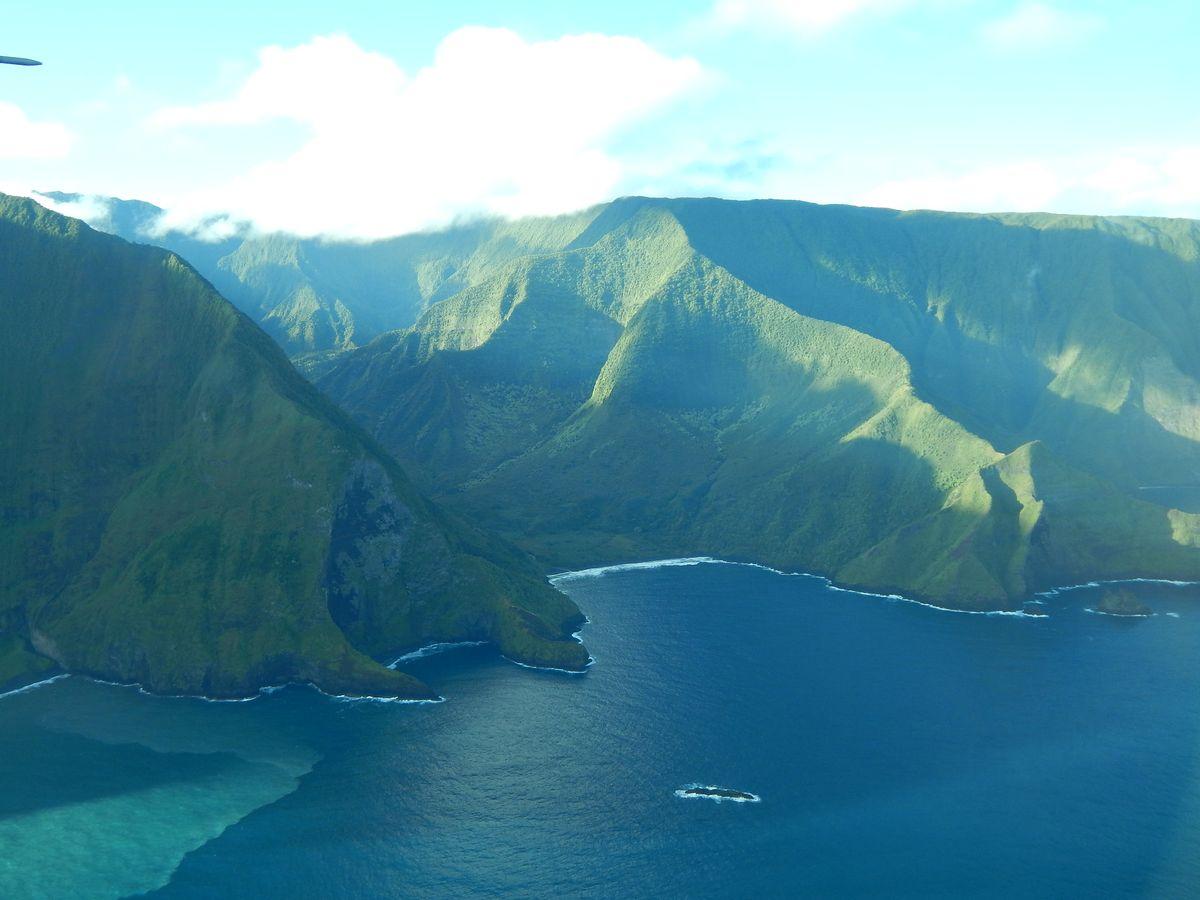
Deep valley in a very dramatic, impressive natural setting. Impressive waterfalls. 27 m high natural arch, which makes a powerful sound when hit by northern winds. Possible living site of pre-Hawaiian people – menehune – until the middle of the 19th century.
Pirate Cave
Kaua’i
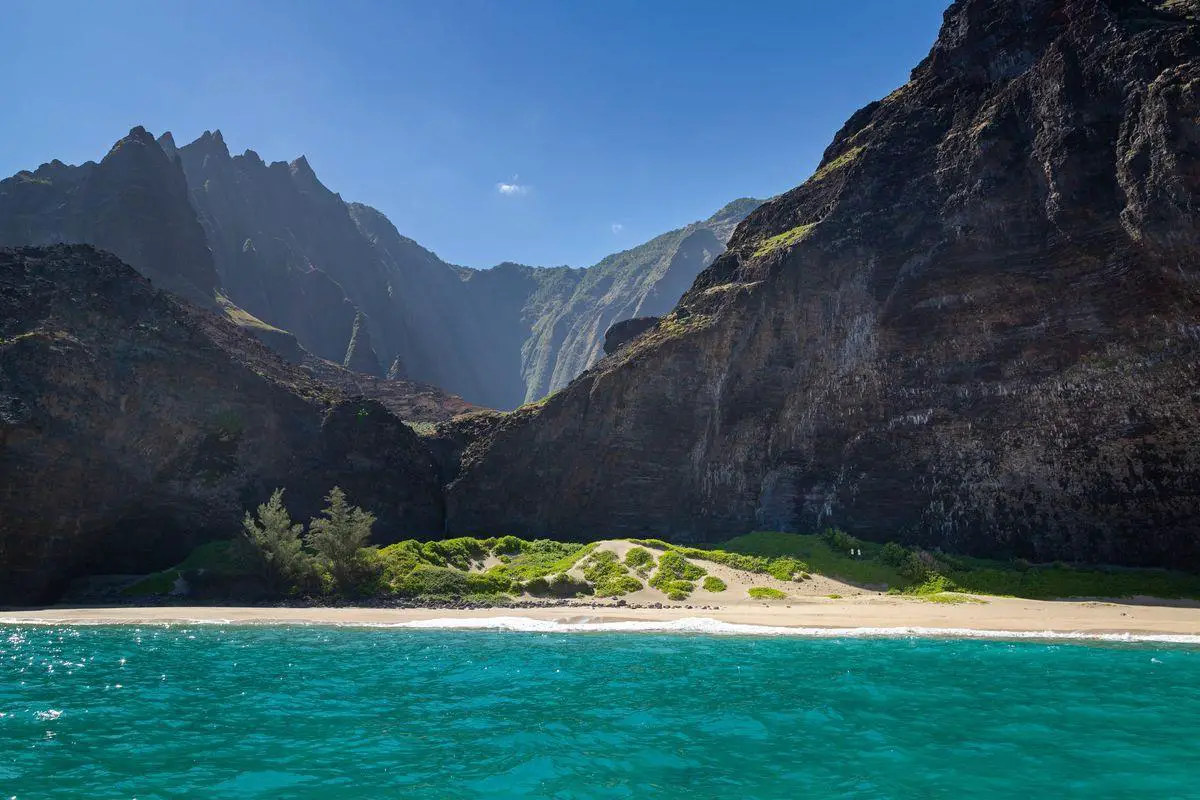
Enormous sea cave, 290 m long. It can be accessed only from the sea. Over the entrance falls a waterfall – thus every visitor gets a shower from it. During the winter, as the power of the waves increases, the entrance into the cave turns into a blowhole – the pressure of the air from the cave pushed back the waves, creating a fountain of mist and water.
Molokini crater
Maui
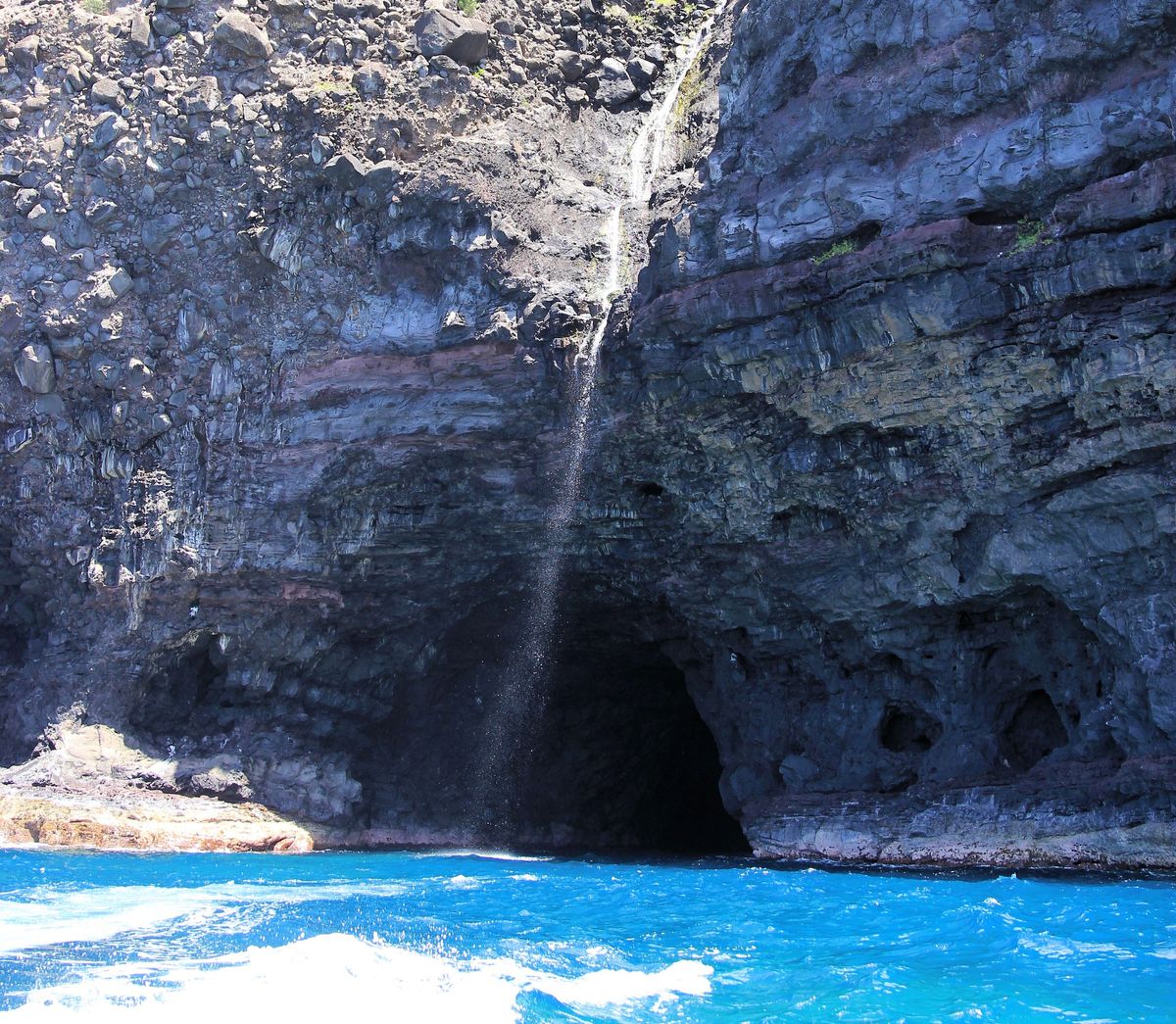
Partially submerged volcanic crater. Some 600 m long crescent-shaped summit rises above the water. Exceptional scuba diving site due to calm water, good visibility, and exceptional biological diversity.
Pu’u ‘Ō’ō
Hawai’i
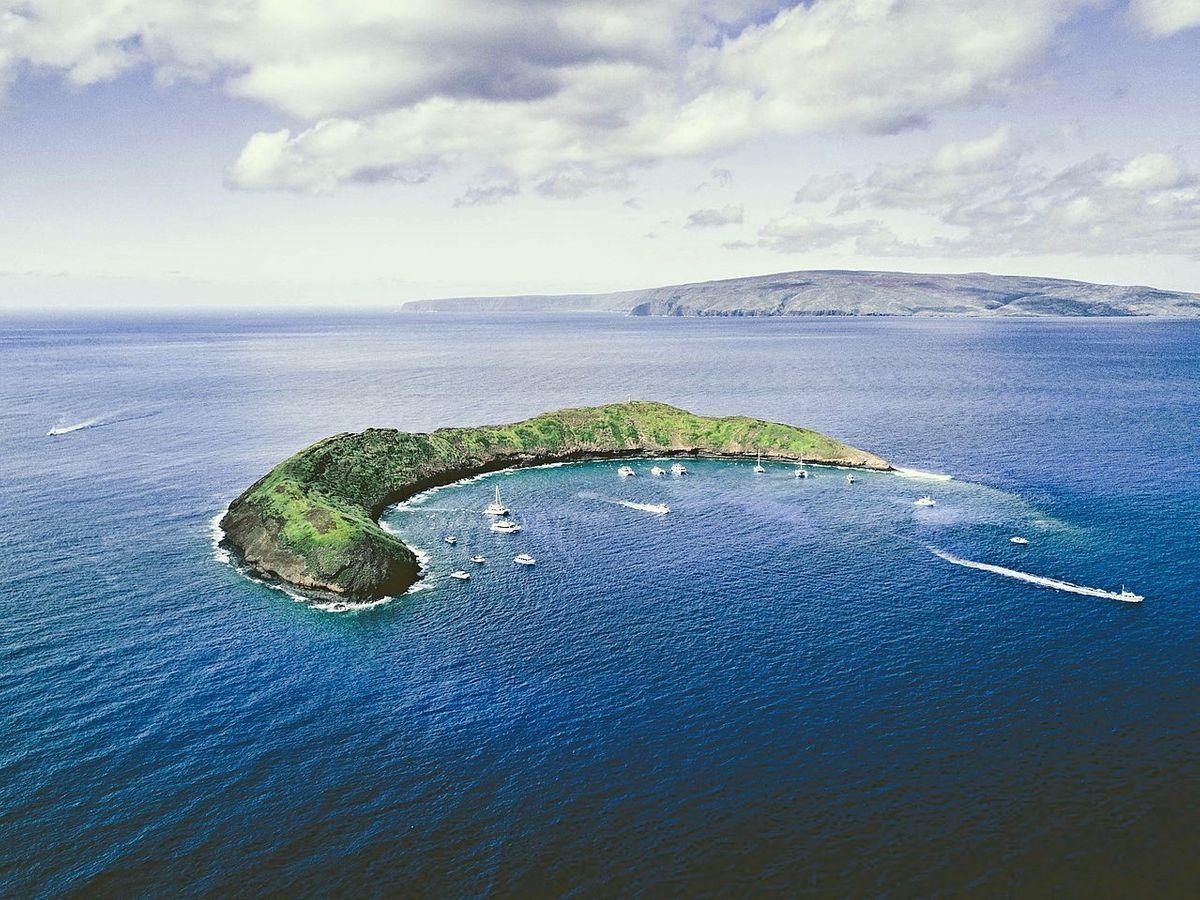
One of the cinder cones of Kīlauea, erupting continuously since January 1983. The longest-lived known rift-zone eruption. Continuous lava flows from this cone constantly change the geography of the island, here from time to time is observed also lava lake.
Waimea Canyon
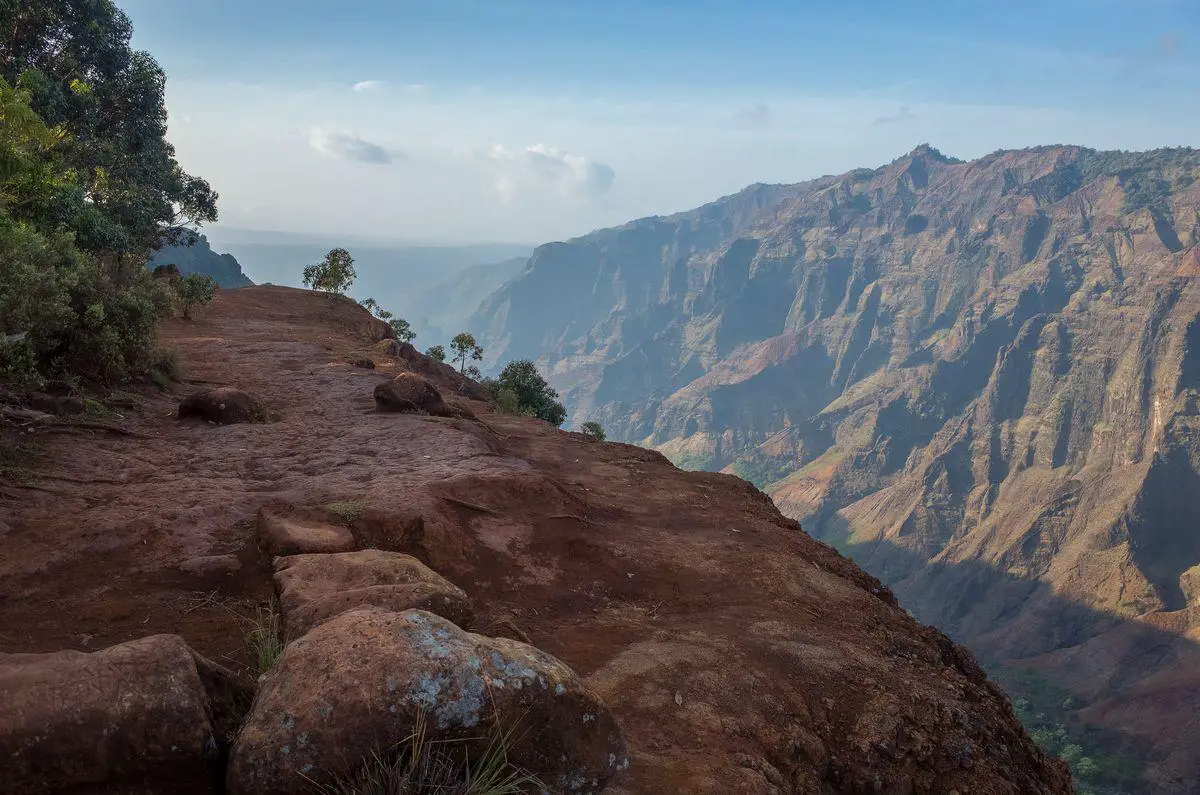
Kaua’i
This impressive canyon has been formed by the Waimea River. It is some 16 m long and up to 900 m deep.
Waipoo Falls
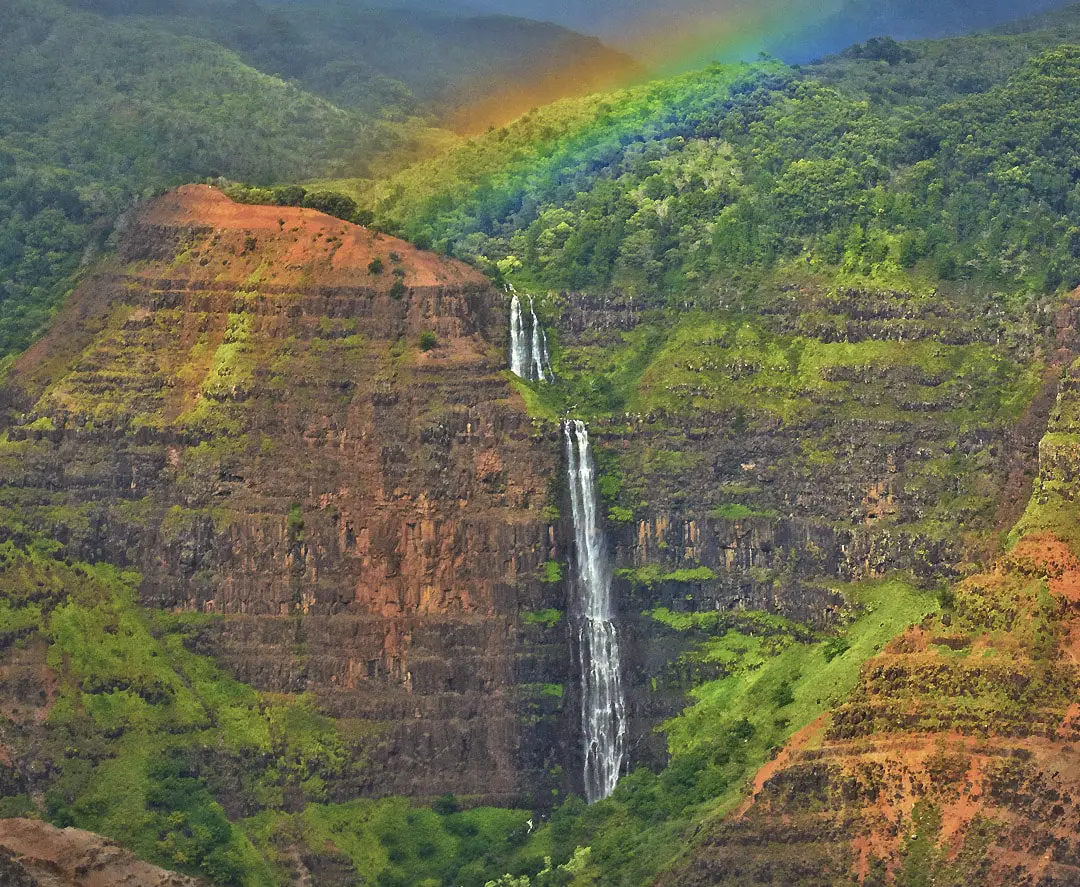
Kaua’i
Some 244 m tall waterfall with two major plunges. The beauty of this waterfall is supplemented by the orange-colored rock with impressive erosion structures.
Spouting Horn in Kauai
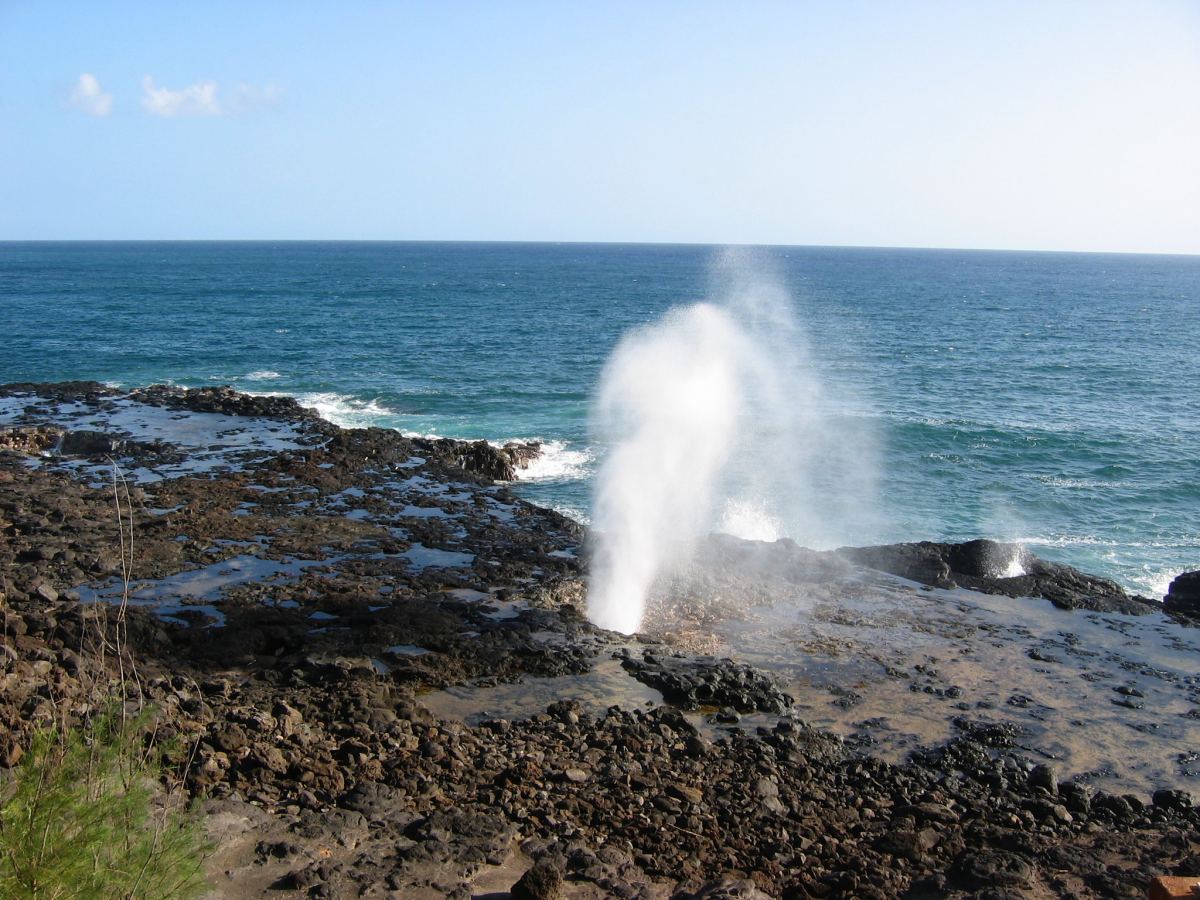
Kaua’i
A hissing and roaring blowhole that creates up to 15 and even 30 m high jets of water. Nearby was a larger blowhole but it was blown up because the saltwater spray from it damaged the nearby cane fields.
Biological wonders
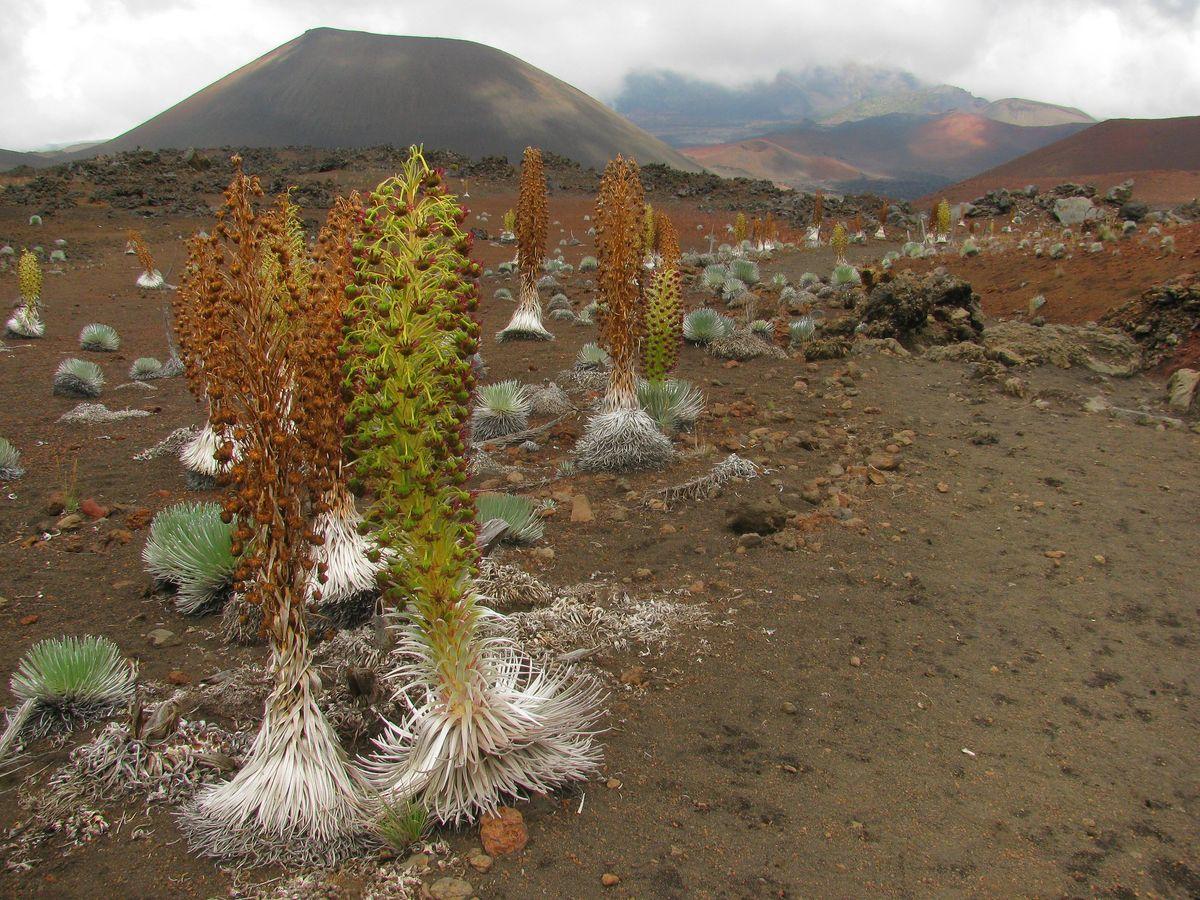
Haleakalā silversword grove
Maui
This plant – Argyroxiphium sandwicense subsp. macrocephalum – grows only in the alpine desert on the top of the Haleakalā volcano. This unusual succulent plant grows up to 2 meters tall and flowers once per 15 – 50 years.
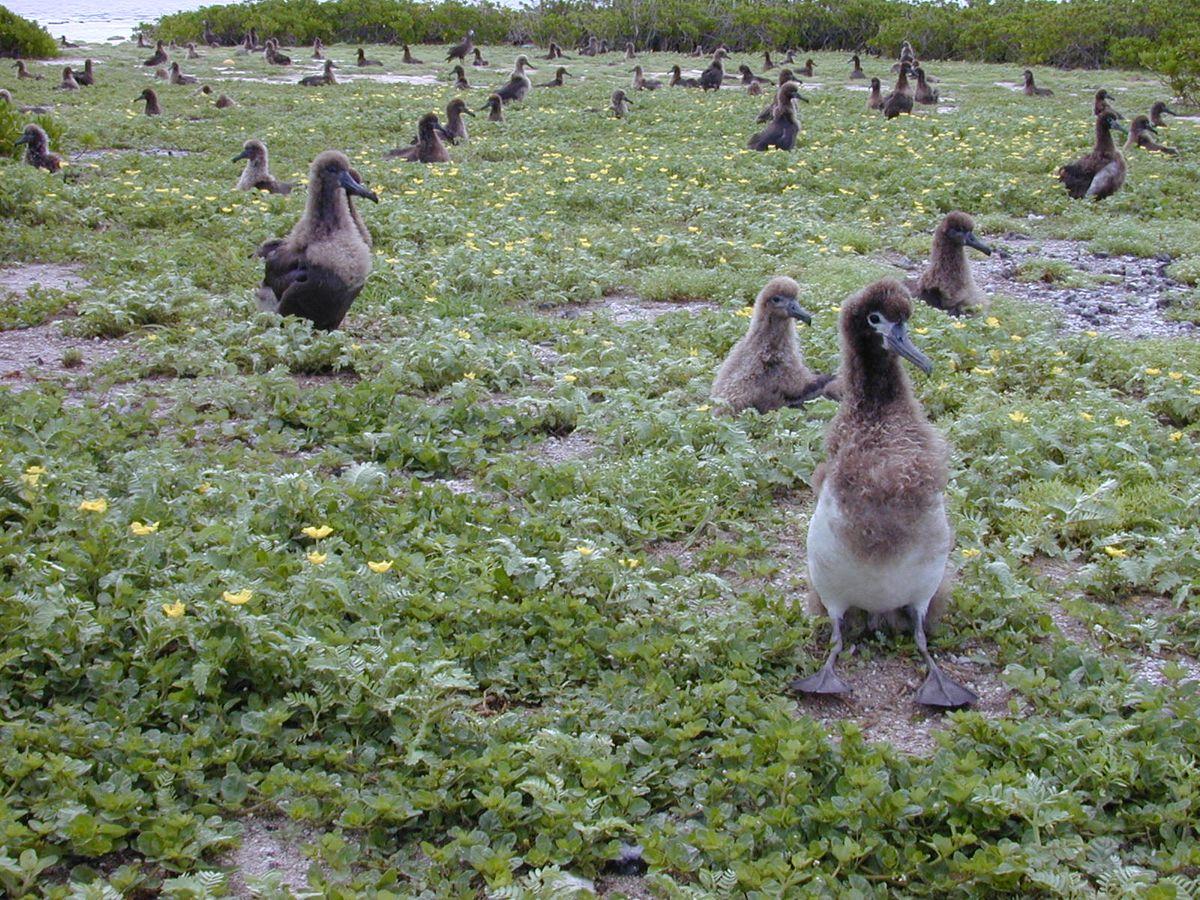
Kure Atoll
Northwestern Hawaiian Islands
The northernmost coral atoll in the world. The only island – Green Island – is a habitat for hundreds of thousands of birds.
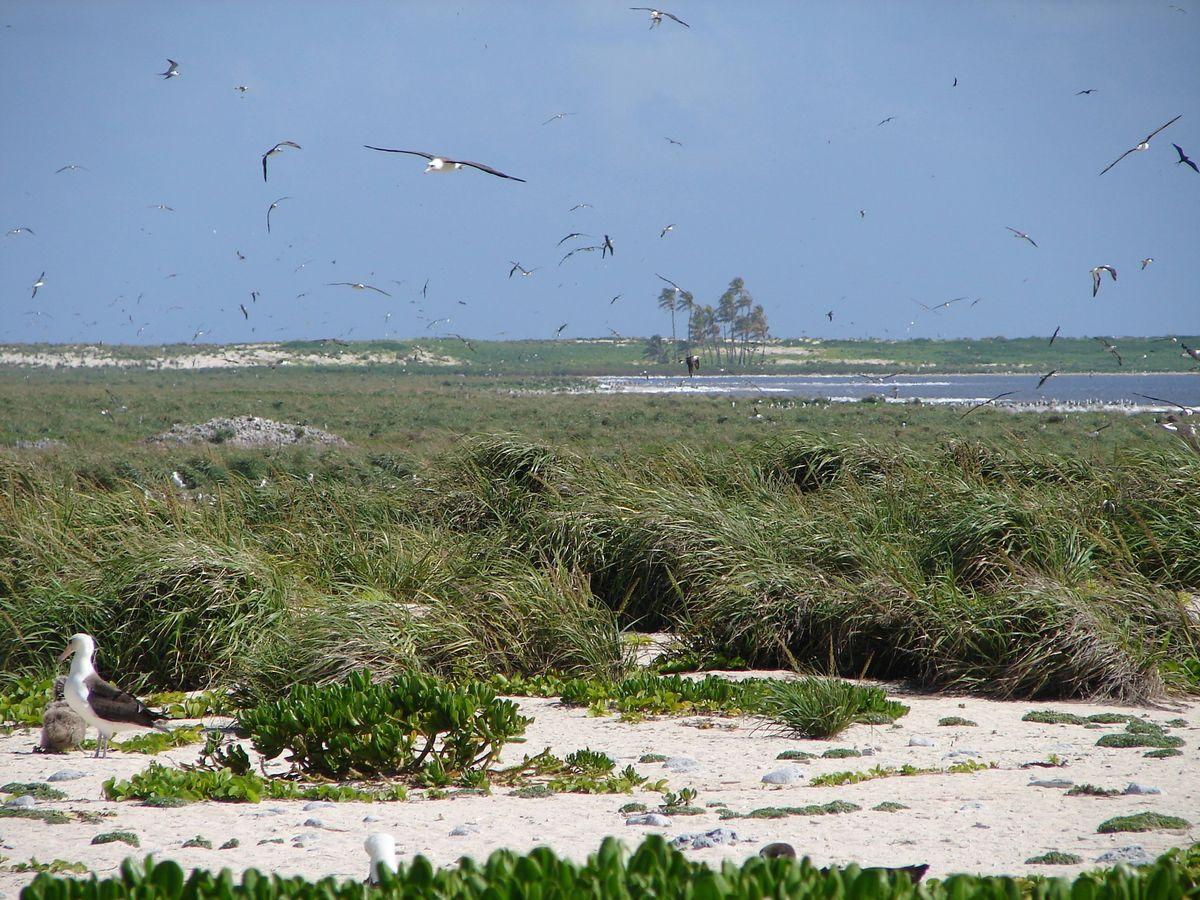
Laysan Island
Northwestern Hawaiian Islands
This small, remote island has a hypersaline lake in its central part and endemic species of animals and plants including endemic duck and finch.
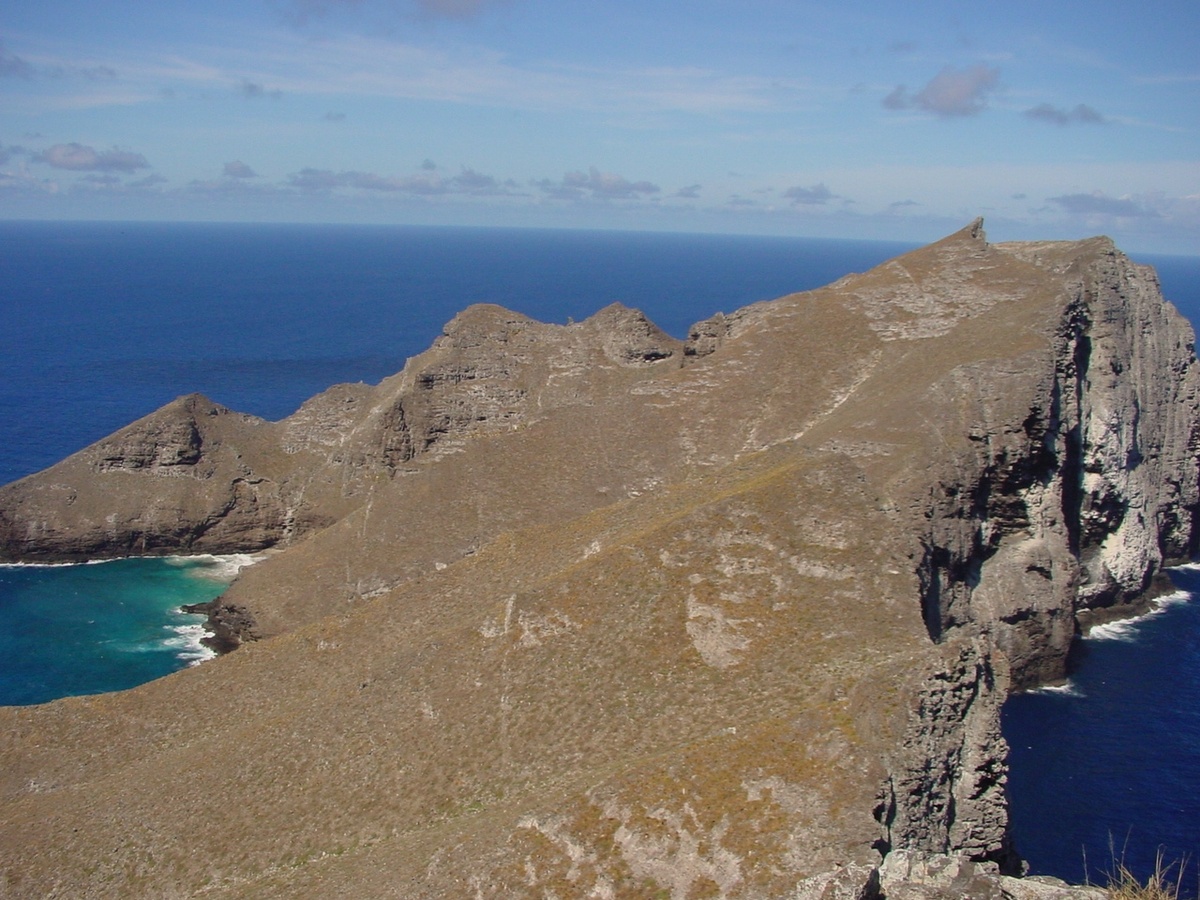
Nihoa Island
Northwestern Hawaiian Islands
70 ha large island with its own palm species, several endemic bird species, flowers, and giant crickets.
Archaeological wonders
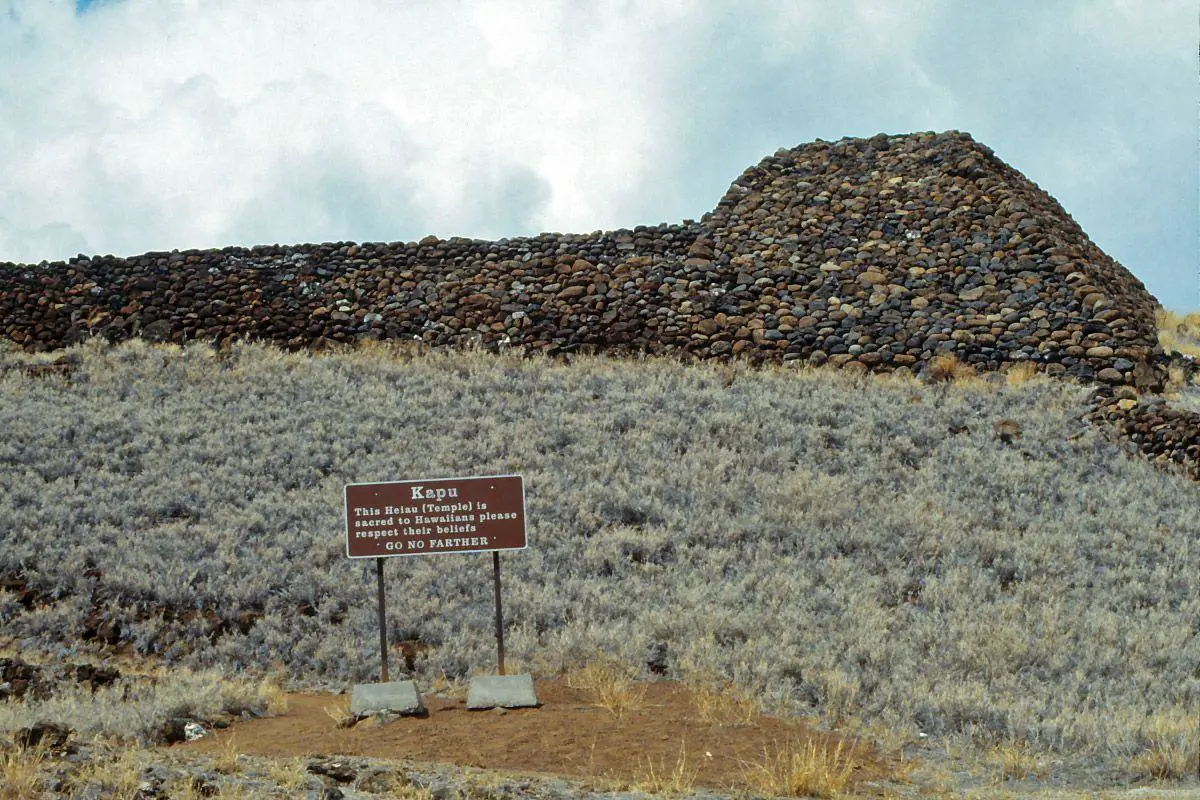
Pu’ukohola Heiau
Hawai’i
Last and one of the largest ancient Hawaiian temples, built sometime around 1790. The enormous stone platform is an impressive element of the landscape.
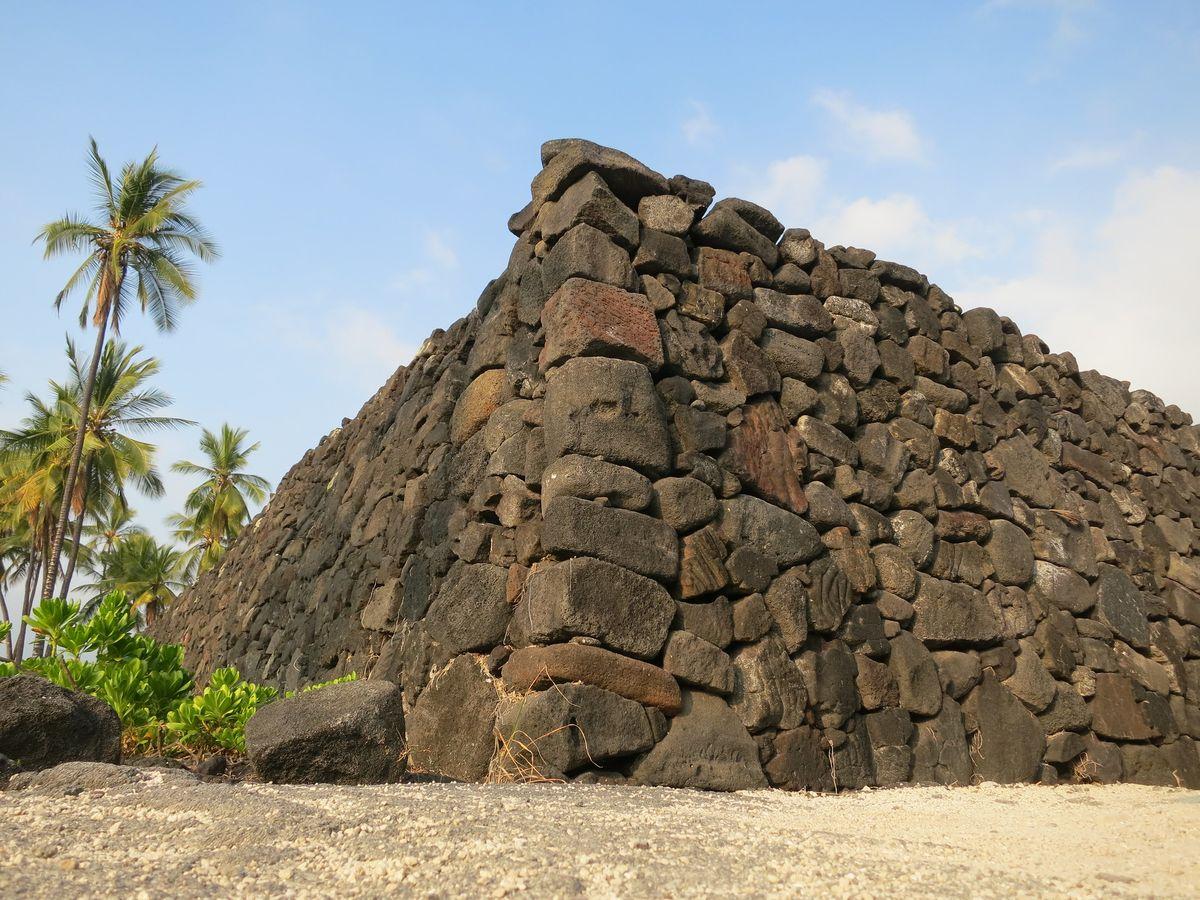
Pu’uhonua o Hōnaunau
Hawai’i
A site where those who broke the law could avoid the death sentence. This tradition continued until the early 19th century. Reconstructed temple, residence site for powerful chiefs.
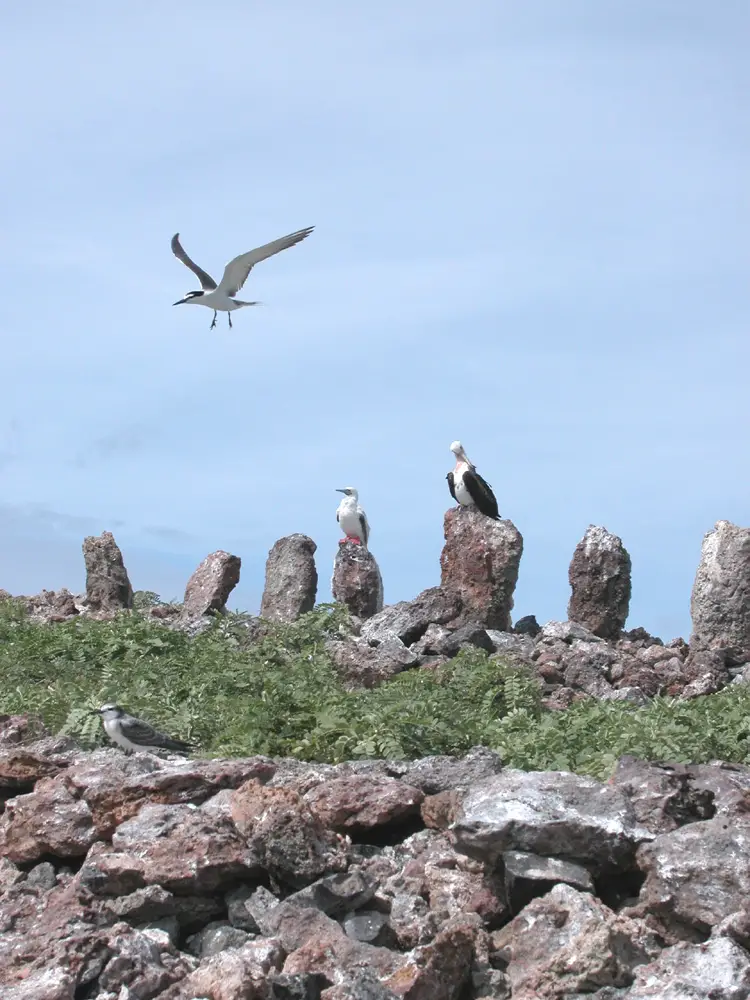
Necker Island in Hawaii
Northwestern Hawaiian Islands
This small, remote, uninhabited island contains 33 stone shrines and many stone artifacts. Archaeologists believe that this island was used for ceremonial purposes. Site of the legends – reportedly, this was the last refuge of Menehune – mythical little people who lived in the Hawaiian Islands before the coming of current native people.
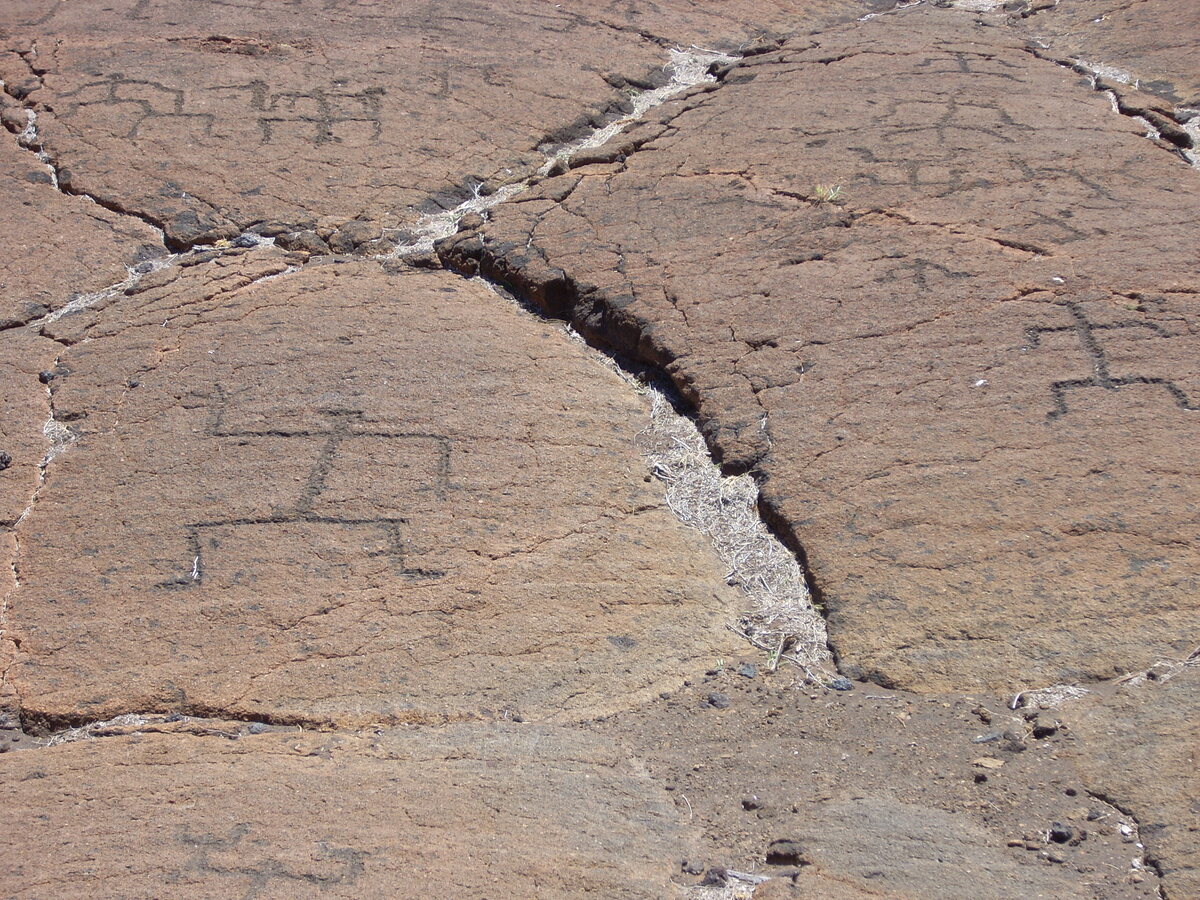
Puako petroglyphs
Hawai’i
An area with more than 30 000 petroglyphs. This could be the largest collection of petroglyphs in the Pacific region. Numerous signs hint at a preliminary development of a local writing system.
Architecture wonders
Mauna Kea Observatory
Hawai’i
Group of astronomical research facilities on the summit of Mauna Kea. In total there are 12 telescopes, each in separate buildings, some telescopes belong to the largest in the world. This is a special land use zone, named “Astronomy Precinct” and was established in 1967. The summit of Mauna Kea is free of light pollution, there is low humidity and the atmospheric conditions, in general, are stable.
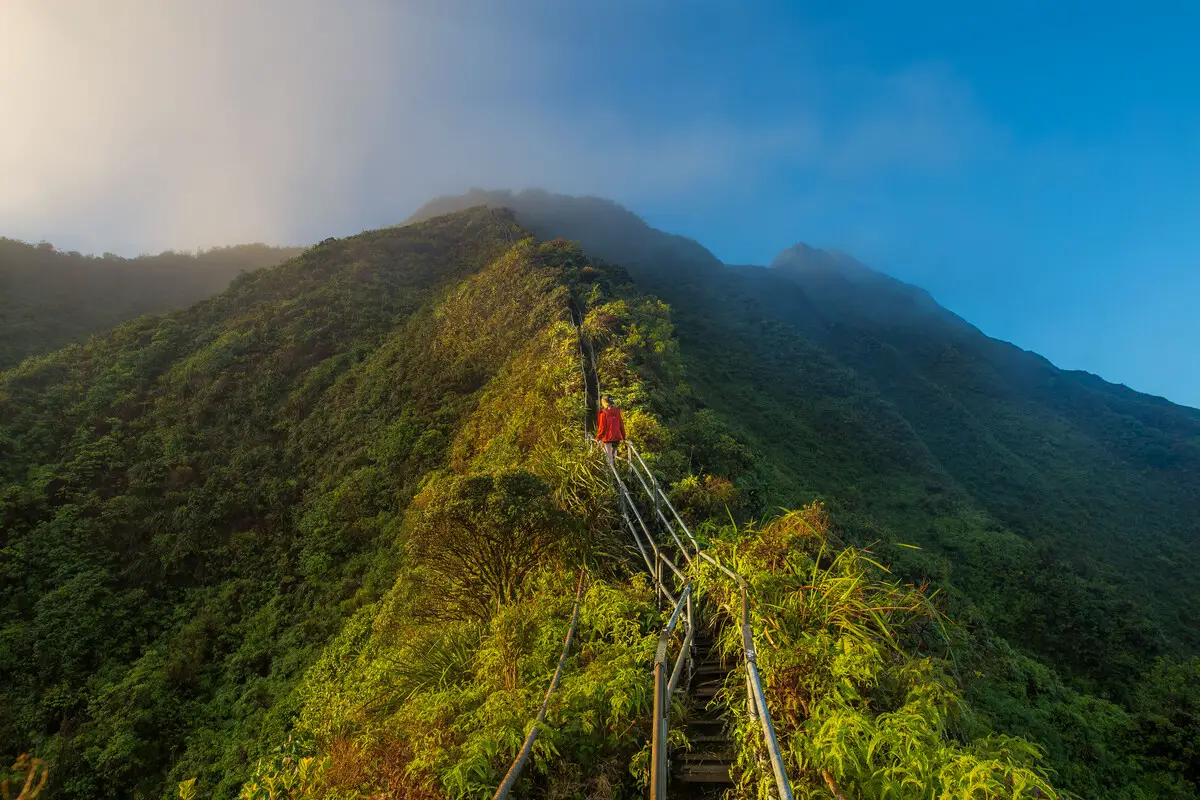
Haiku Stairs
O’ahu
Dangerous stairway with (possibly) 3922 steps. Originally built in 1943 for a secret war-time radio station. Currently, it is illegal to climb due to safety reasons and property issues. Many visitors though take this risk due to the very impressive sights.
 Recommended books
DK Eyewitness Travel Guide: Hawaii


Packed with culture and activities for travelers to enjoy including beautiful beaches, volcanoes, and insider tips for everywhere from Honolulu to Waikiki. Try local delicacies with our guide to great restaurants and cafes featuring island cuisine, or check out the best restaurants, clubs, and bars. We have the best hotels for every budget, plus fun activities for solitary travel or for families and children to make the very best of any visit to Hawaii.
Hawaii The Big Island Revealed: The Ultimate Guidebook


The finest guidebook is ever written for the Big Island. Now you can plan your best vacation ever. This all-new eighth edition is a candid, humorous guide to everything there is to see and do on the Big Island. Best-selling author and longtime Hawai’i resident, Andrew Doughty, unlocks the secrets of an island so vast and diverse that many visitors never realize all that it has to offer.